There is an undeniable allure to the stark, architectural beauty of the American Southwest. The rugged landscapes, defined by intense sun and striking flora, have inspired a massive movement in modern interior design. Yet, when plant enthusiasts attempt to bring this aesthetic into their living rooms, the results are often disastrous. The truth is, the “indestructible houseplant” is a myth. Without a deep understanding of their native habitat, the majestic New Mexico cactus you brought home will likely succumb to the suffocating conditions of a standard indoor environment. Most indoor desert natives do not die from neglect; they are loved to death through overwatering, inadequate drainage, and suffocating humidity.
This comprehensive guide is designed to dismantle the common misconceptions surrounding indoor succulent care. Whether you are dealing with early signs of root rot or simply want to ensure your new desert native thrives on your windowsill, we will break down the exact environmental controls, precise soil dynamics, and diagnostic troubleshooting necessary to successfully cultivate a slice of the Chihuahuan Desert right in your own home.
Why a New Mexico Cactus is the Ultimate (Yet Misunderstood) Houseplant
Desert natives have evolved over millennia to survive—and thrive—in some of the most unforgiving climates on Earth. The deserts of New Mexico are characterized by blistering daytime heat, plummeting nighttime temperatures, intense solar radiation, and fast-draining, nutrient-poor rocky soil.
When you place a plant adapted to these extremes into a climate-controlled living room with filtered light and rich, moisture-retaining potting soil, you create an environment completely antithetical to its biology. However, when properly understood, a New Mexico cactus is the ultimate houseplant. Their geometric shapes perfectly complement minimalist, bohemian, and contemporary interiors. By shifting your approach from standard houseplant maintenance to environmental replication, you can cultivate a striking, long-lived botanical specimen that requires a fraction of the daily attention demanded by tropical houseplants.
Top New Mexico Cactus Varieties That Thrive Indoors
Selecting the right specimen is the first critical step. Not all desert natives transition well to indoor life, but the following varieties are highly adaptable to the indoor environment provided their basic needs are met.
Prickly Pear (Opuntia species)
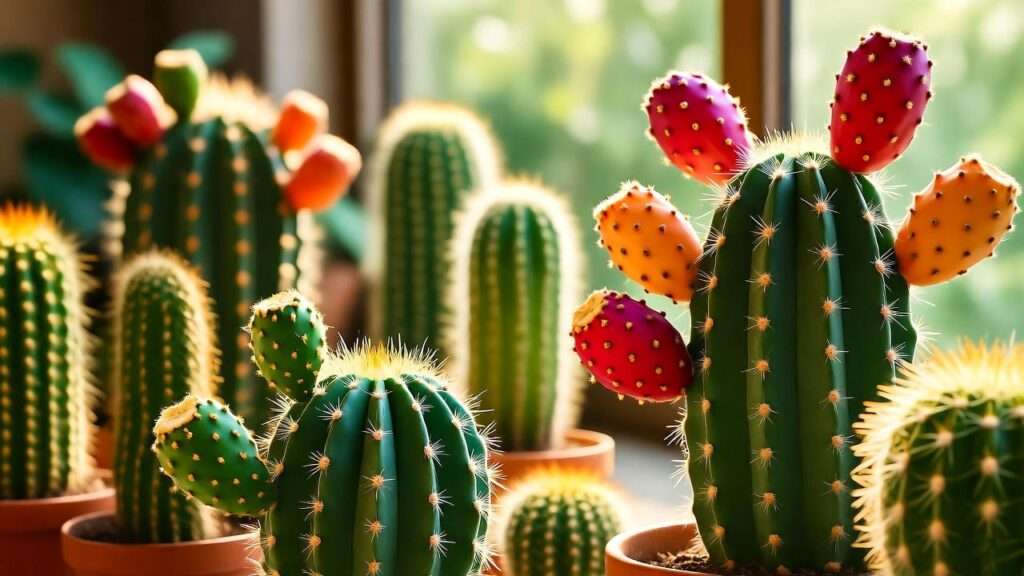
Perhaps the most iconic silhouette of the Southwest, the Prickly Pear is defined by its flat, paddle-like segments (cladodes).
-
Best for: Bright, sunny, south-facing rooms where their striking, architectural shape can serve as a focal point.
-
Expert Warning: While beautiful, Opuntia species possess glochids—microscopic, barbed hairs that easily detach and irritate the skin. They require careful handling and strategic placement away from high-traffic walkways or curious pets.
Claret Cup Hedgehog Cactus (Echinocereus triglochidiatus)
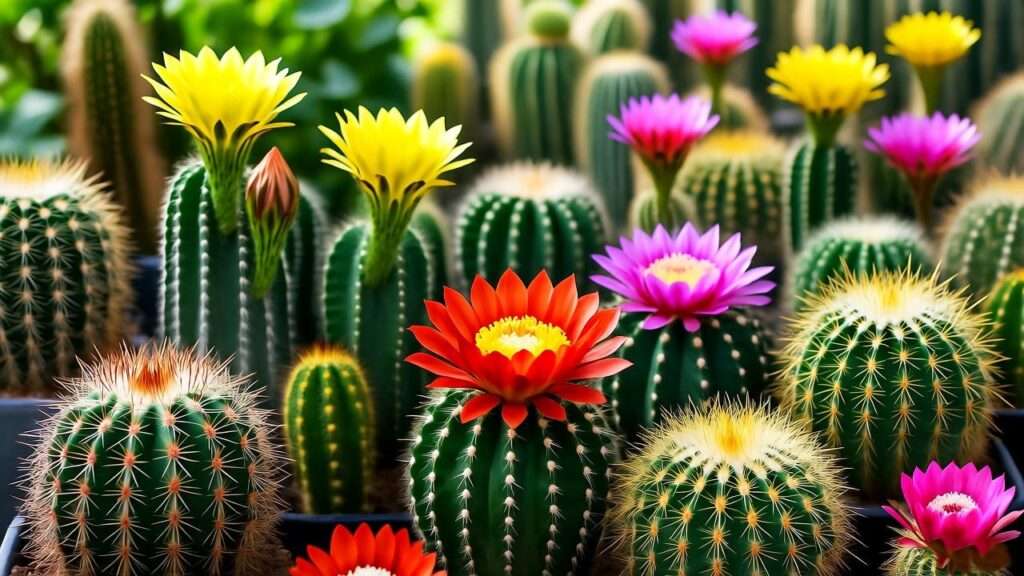
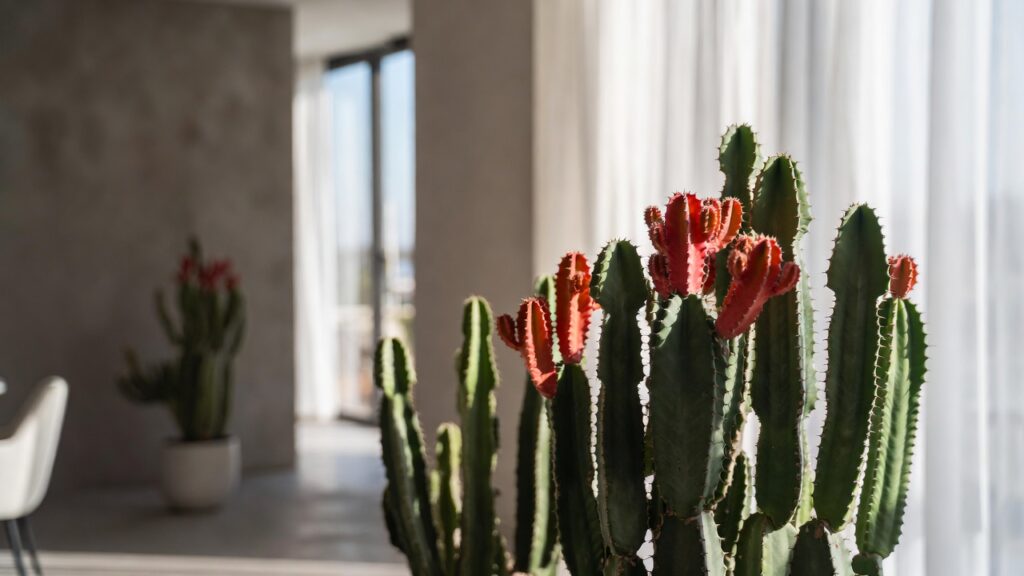
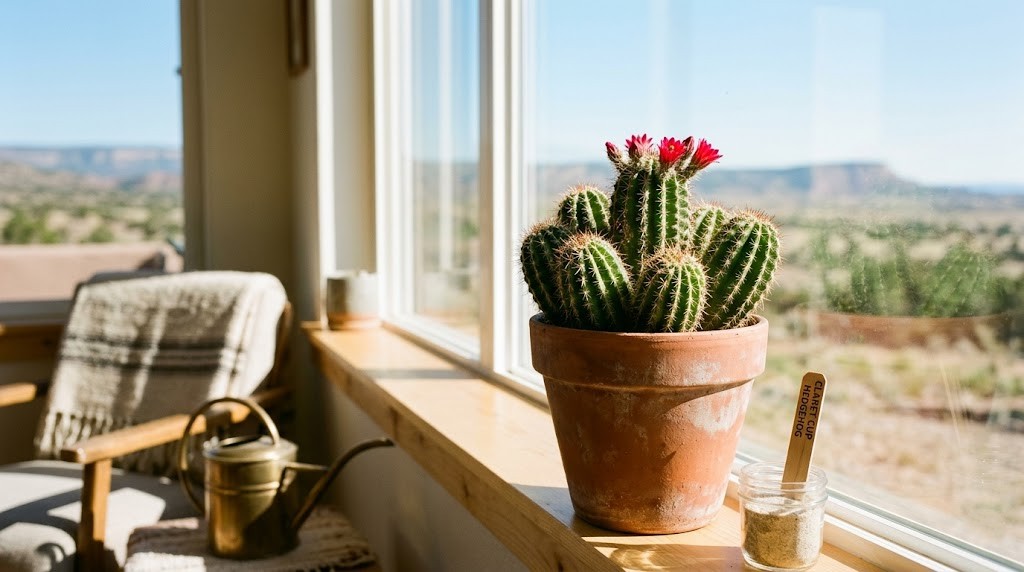
Named for its spectacular, deep red, goblet-shaped blooms, the Claret Cup is a clustered, cylindrical cactus that forms dense, attractive mounds.
-
Best for: Compact spaces, sunny desks, and tabletop displays. While achieving blooms indoors requires a strict winter dormancy period, their ribbed, heavily spined stems offer excellent year-round visual texture.
Pincushion Cactus (Escobaria or Mammillaria species native to NM)
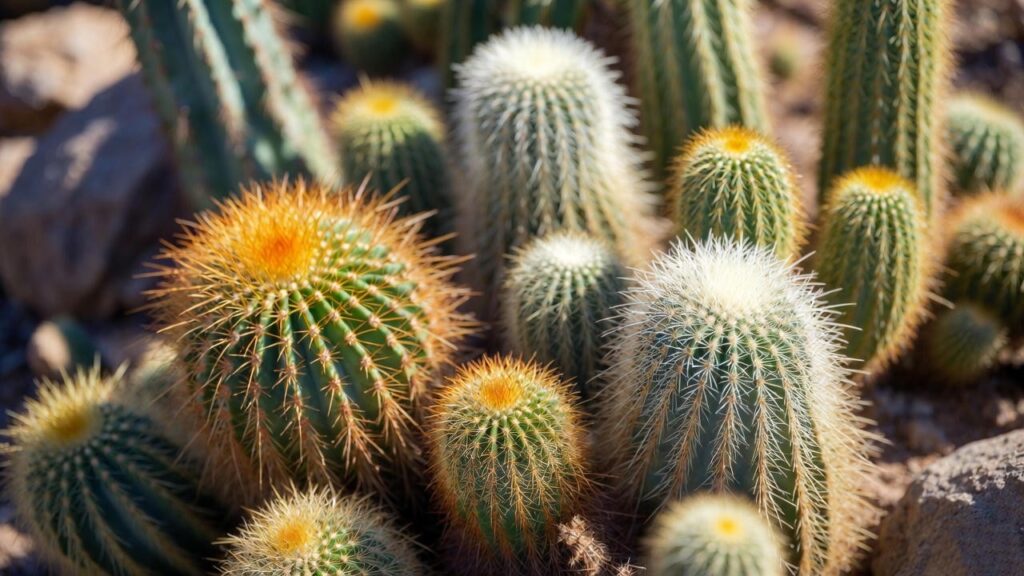
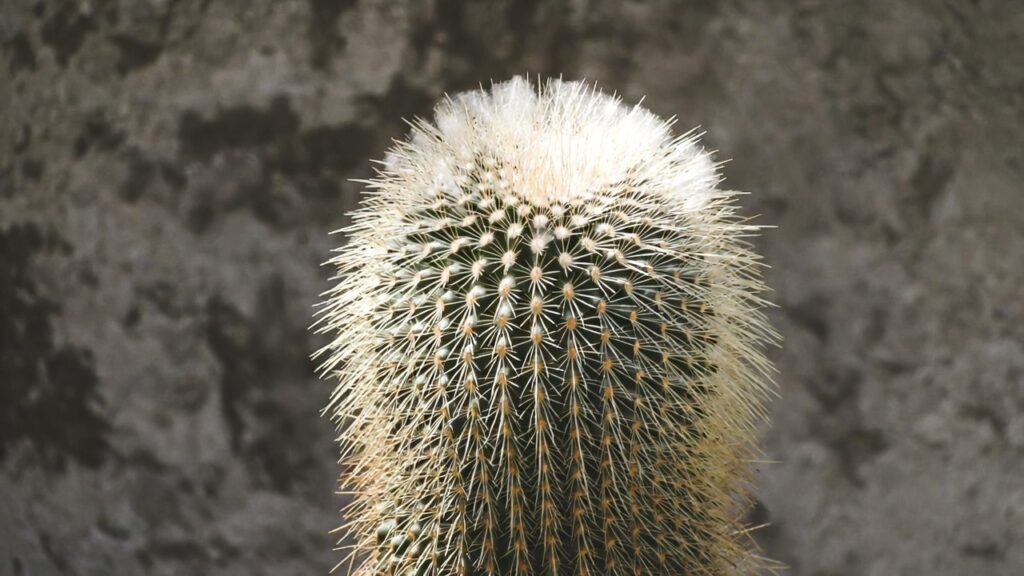
These are small, spherical, or barrel-shaped cacti covered in dense networks of spines or white, hair-like radial structures.
-
Best for: Beginners and limited-space environments. Their compact root systems make them ideal for small window sills, and they are generally more forgiving of the slight environmental fluctuations common in residential homes.
Recreating the High Desert: The Perfect Indoor Environment
To keep your plant alive, you must stop treating it like a tropical aroid. Desert cacti require aggressive light management and a total lack of humidity.
The Golden Rule of Lighting
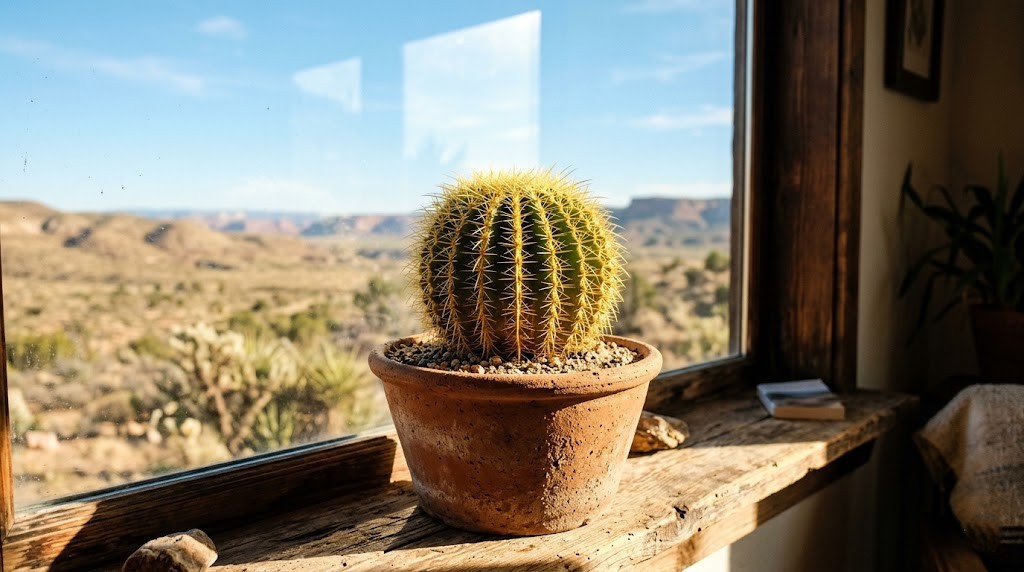
In their natural habitat, these plants receive unfiltered, direct ultraviolet radiation for hours on end. Indoors, window glass filters out a significant percentage of this usable light.
-
Placement: A south-facing or unobstructed west-facing window is an absolute non-negotiable requirement.
-
Diagnostic Cue (Etiolation): If your cactus begins to stretch, thin out at the crown, or lean heavily toward the glass, it is suffering from etiolation. This stretched growth is permanent and weakens the structural integrity of the plant. If natural light is insufficient, supplementing with a full-spectrum LED grow light is mandatory to maintain healthy, compact growth.
Temperature and Humidity (Ditch the Mister)
Tropical houseplants thrive on humidity; desert cacti rot in it.
-
Air Quality: Never mist a desert cactus. Misting invites fungal growth and mimics the damp, stagnant air that these plants abhor. Ensure good ambient airflow around the plant.
-
Temperature: They enjoy high heat during the day and cooler temperatures at night. Keep them isolated from direct AC drafts in the summer, and away from single-pane, freezing windows in the dead of winter.
The Life-or-Death Secret: Potting and Soil Dynamics
The number one killer of the indoor cactus is a heavy, moisture-retaining substrate. The root systems of these plants are designed to uptake water rapidly during rare desert flash floods, after which the soil immediately dries out.
Why Standard Potting Soil is a Death Sentence
Commercial “houseplant” potting soils are heavily amended with peat moss and coco coir to retain moisture. If a desert native is left sitting in damp peat moss for more than a few days, the roots will suffocate, bacterial and fungal pathogens will multiply, and the base of the plant will turn yellow and mushy—the classic, fatal signs of root rot.
The “Chihuahuan Desert” DIY Soil Recipe
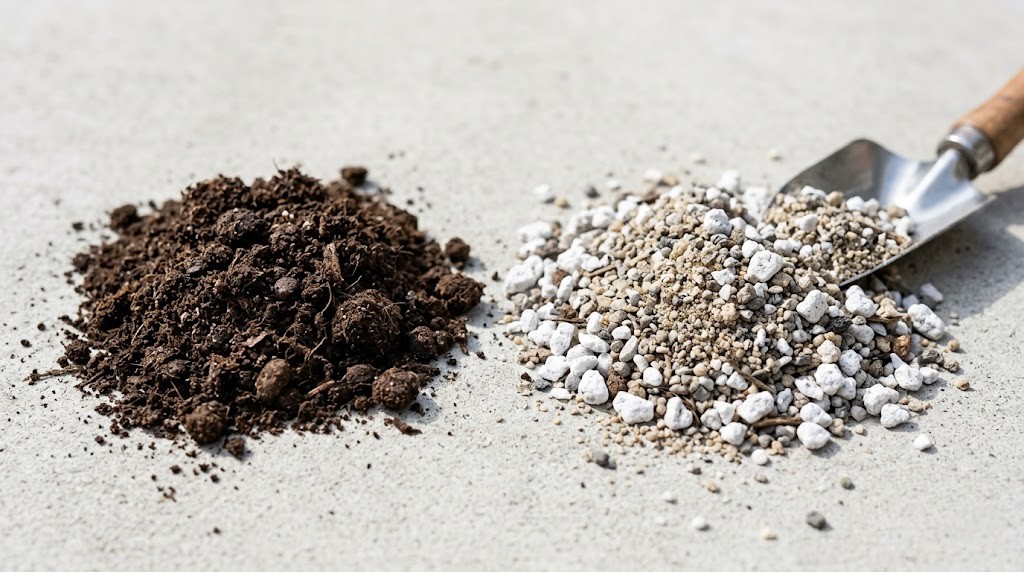
To replicate the fast-draining, gritty texture of the high desert, abandon standard soil entirely and mix your own aggregate-heavy substrate. For professional-grade drainage, use this exact ratio:
-
50% Pumice or Coarse Perlite: This provides extreme aeration and prevents the mix from compacting.
-
25% Coarse Horticultural Sand or Poultry Grit: Enhances drainage weight and mimics the natural rocky terrain. (Never use fine play sand, which turns into concrete when wet).
-
25% Sifted Cactus/Succulent Soil: This provides just enough organic matter for root establishment without holding dangerous levels of moisture.
Choosing the Right Vessel
The container is just as important as the substrate.
-
The Terracotta Advantage: Unglazed terracotta is the undisputed champion for desert plants. The porous clay breathes, wicking excess moisture away from the soil and allowing the root zone to aerate. Plastic or glazed ceramic pots trap moisture and dramatically increase the risk of fungal disease.
-
The Drainage Imperative: A pot without a drainage hole is a guaranteed death sentence. Never plant a cactus in a vessel that cannot freely drain excess water.
How to Water a New Mexico Cactus (The #1 Reason They Die)
Watering is where most well-intentioned plant owners make their fatal error. Because we intuitively associate water with life, it feels unnatural to withhold it for weeks at a time. However, to keep your desert botanical alive, you must entirely reprogram your watering habits.
The “Soak and Dry” Method Explained
When a New Mexico cactus receives water in its natural habitat, it comes in the form of a torrential downpour. The root systems rapidly absorb what they need before the intense sun bakes the rocky earth completely dry.
To mimic this indoors, you must employ the “soak and dry” method. When it is time to water, take your terracotta pot to the sink and drench the soil completely. Water should pour freely out of the drainage hole. Giving your plant tiny “sips” of water is detrimental; it encourages shallow, weak root systems. Once the soil is thoroughly saturated, return the plant to its sunny window and do not give it another drop until the substrate is 100% bone-dry all the way to the bottom of the pot.
The Seasonal Watering Schedule
A cactus is not a static object; it operates on a strict seasonal rhythm dictated by light and temperature.
-
Spring and Summer (Active Growth): During the warmer months, your plant is actively growing and processing energy. Depending on your home’s temperature and the size of the pot, you will likely need to execute the soak and dry method every two to three weeks.
-
Fall and Winter (Dormancy): As days shorten, your New Mexico cactus will enter a natural period of dormancy. Its metabolism slows to a crawl, and its water requirements plummet. During this dormant period, you should drastically reduce your watering frequency to once a month, or even every six weeks. If your home is particularly cool, they can often go the entire winter without a single drop of water.
Reading the Signs: Thirsty vs. Drowning
Learning the visual language of your plant is the ultimate mark of an expert grower.
-
Signs of Underwatering: A thirsty cactus will begin to look slightly deflated. The rigid ribs may pinch closer together, and the skin might develop a soft, puckered, or wrinkled appearance. If the soil is completely dry and you see these signs, a deep watering will plump the plant back up within 48 hours.
-
Signs of Overwatering: An overwatered cactus will turn a sickly, translucent yellow near the base. The flesh will feel mushy to the touch, and the plant may begin to lean or collapse. By the time these symptoms appear, root rot has already taken hold in the soil.
Safe Handling and Repotting Techniques
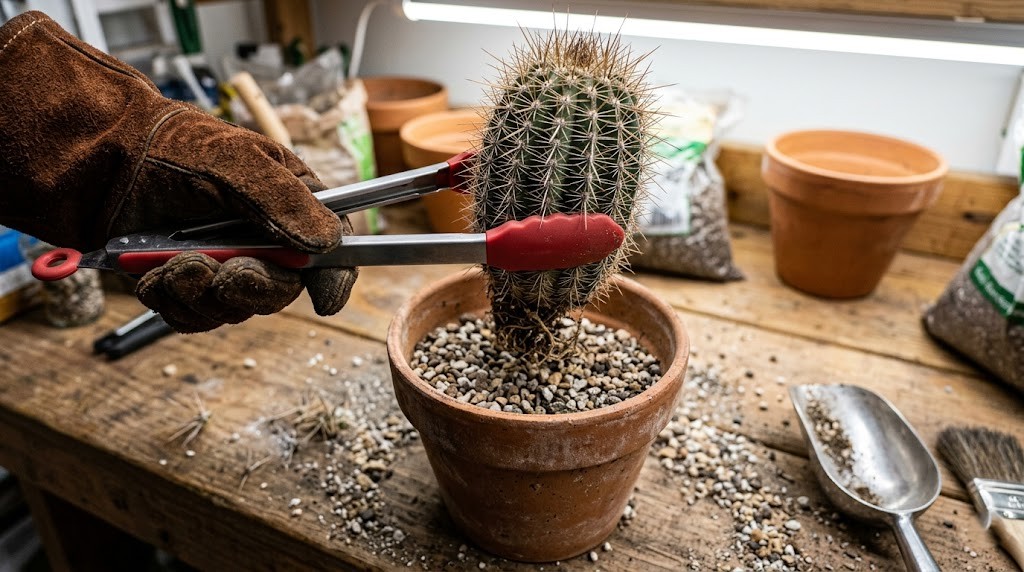
Repotting a desert cactus is a hazardous operation for both you and the plant. Fortunately, because they are incredibly slow growers and prefer to be slightly root-bound, you will only need to repot every three to five years.
The Art of Deflecting Spines
Never attempt to grab a heavily spined variety with bare hands or thin gardening gloves. The spines of a New Mexico cactus can easily pierce standard fabric.
-
Expert Tool Hack: Use a pair of heavy-duty kitchen tongs with silicone tips to firmly grasp the body of the plant. Alternatively, rolling up several sheets of thick newspaper into a sturdy strap and wrapping it around the cactus provides a safe, secure handle for lifting it out of its old pot. Heavy-duty leather welding gloves are also an excellent investment for serious collectors.
Post-Repotting Care: The Dry Rest
When you extract the plant, gently tease away the old, compacted soil. Always repot into a completely dry potting medium.
Here is the most crucial step that beginners miss: Do not water your newly potted plant. The repotting process inevitably causes micro-tears in the root system. If you introduce water immediately, those fresh wounds become open doors for fungal pathogens and bacterial infections. Allow the plant to sit in its new, dry soil for at least seven to ten days. This gives the broken roots time to naturally callous and heal before they are exposed to moisture.
Troubleshooting: When Your Desert Beauty Gets Sick
Even in ideal indoor environments, issues can arise. Rapid diagnosis and intervention are the keys to saving your plant’s life.
Spotting Common Pests
Deserts plants are generally highly resilient to pests, but the indoor environment can sometimes invite unwanted guests.
-
Mealybugs: These are the most common offenders. They look like tiny, fuzzy white masses of cotton hiding in the crevices between the cactus ribs or near the crown.
-
Armored Scale: Scale insects appear as small, hard, brown or beige bumps firmly attached to the skin of the plant.
-
The Treatment: Do not spray your plant with heavy horticultural oils or neem oil, as these can strip the natural protective waxy coating (farina) from the plant and cause severe sunburn when placed back in the window. Instead, dip a Q-tip in 70% isopropyl alcohol and individually dab the insects. The alcohol instantly breaks down their protective shells and kills them without harming the plant tissue.
The Silent Killer: Root Rot
If your cactus base is mushy, black, or yellowing, you are dealing with root rot. This is a severe emergency, but the plant can often be saved through decisive surgical intervention.
-
Remove the plant from the soil immediately and wash away the dirt to inspect the damage.
-
Using a sterilized knife, boldly cut horizontally across the stem, entirely above the rotting, mushy tissue. You must cut high enough that the cross-section reveals only clean, bright green, healthy tissue. If there is any brown or black discoloration in the core, sterilize your blade and cut higher.
-
Dust the open wound with horticultural sulfur powder (or standard ground cinnamon, which acts as a natural fungicide).
-
Place the cutting in a dry, shaded area for two to three weeks until a thick, hard callous forms over the cut end.
-
Once calloused, place the cutting on top of fresh, dry, gritty cactus soil. Do not bury it deeply. Mist the soil surface very lightly once a week until new roots begin to anchor into the medium.
The Holy Grail: How to Get Your Indoor Cactus to Bloom
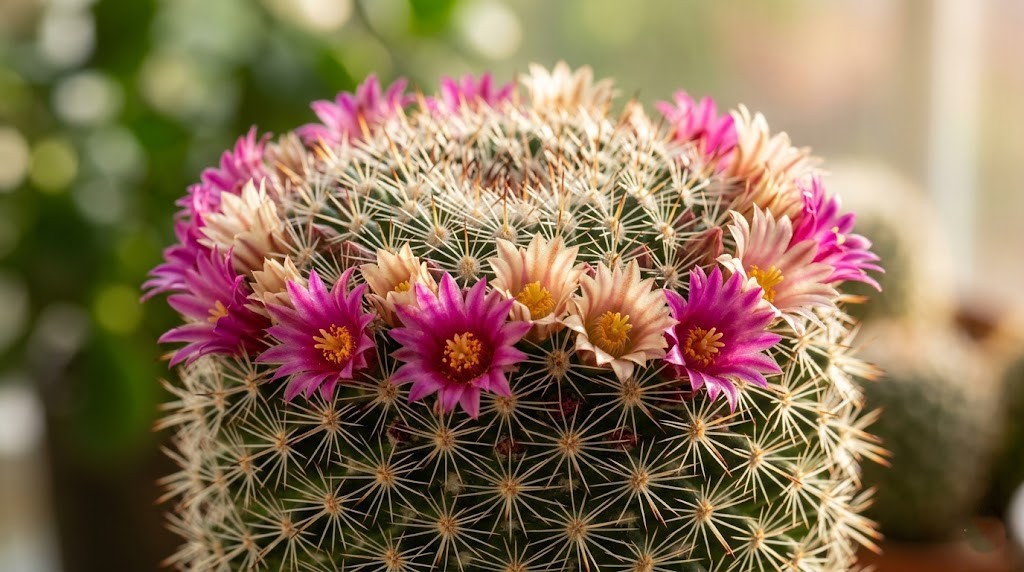
Achieving blooms on an indoor New Mexico cactus is the ultimate badge of honor. It is difficult, but not impossible, provided you understand the environmental triggers.
The Winter Resting Period
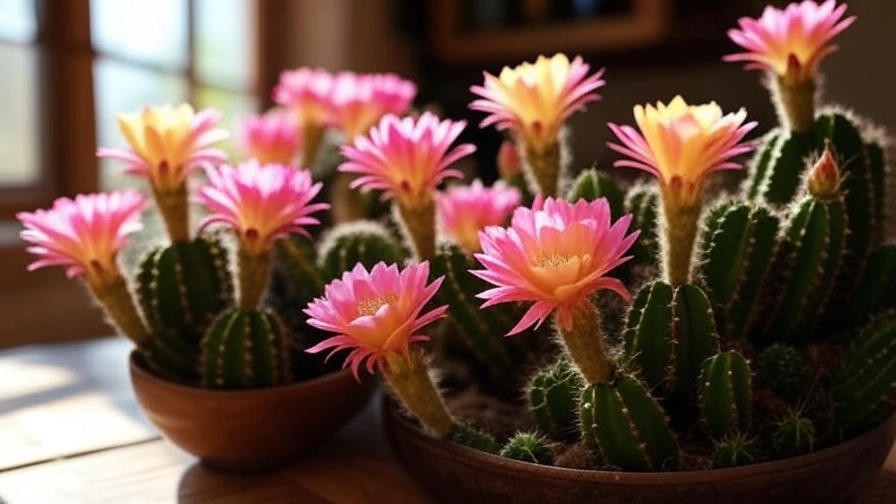
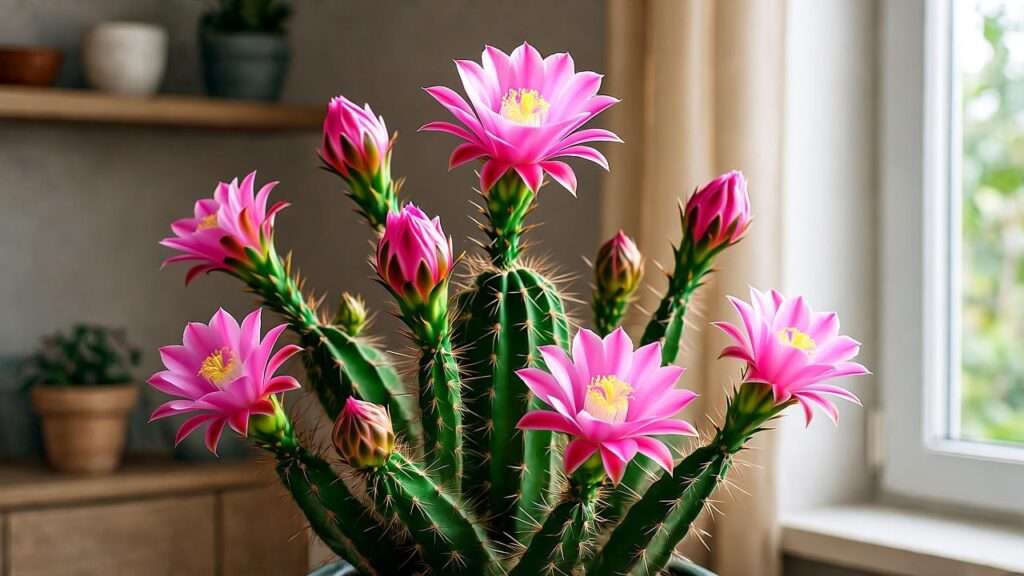
Desert cacti do not bloom simply because they are old enough; they bloom in response to surviving a harsh winter. To trigger the physiological process of bud formation, you must replicate this seasonal stress. From late November through February, move your cactus to a bright but notably cooler room (ideally between 45°F and 55°F). During this three-to-four-month period, withhold water entirely. This cold, dry dormancy period is the biological signal the plant requires to produce flowers in the spring.
Strategic Fertilization
When spring arrives and you notice new green growth at the crown (or tiny fuzzy buds forming), move the plant back to its warmest, sunniest location and resume your soak and dry watering schedule. At this stage, introduce a specialized cactus fertilizer. Look for a liquid fertilizer with a low nitrogen and high phosphorus and potassium content (often labeled as a “bloom booster”). Dilute it to half-strength and apply it once a month during the active growing season.
Frequently Asked Questions (FAQs)
Can my New Mexico cactus live in the bathroom? Absolutely not. Bathrooms are characterized by high humidity, low light, and stagnant air. This environment will rapidly cause fungal infections, crown rot, and inevitable death for any desert native.
Can I move my indoor cactus outside for the summer? Yes, they thrive outdoors during the summer heat! However, you must acclimate them slowly. A plant accustomed to indoor window-filtered light will suffer severe, permanent sunburn if immediately placed in direct outdoor sun. Start by placing it in full shade outdoors for a week, gradually moving it into partial morning sun, and finally into full direct sun over the course of a month.
How fast do they grow indoors? Very slowly. A New Mexico cactus prioritizes survival and structural density over rapid vegetative growth. Depending on the species, you may only see a few millimeters to an inch of growth per year. This slow pace is natural and a sign of a healthy, compact plant.
Conclusion: Embrace the Slow Grow
Successfully cultivating a New Mexico cactus indoors is not an exercise in constant maintenance; it is an exercise in restraint. By understanding their extreme native origins, you can free yourself from the daily hovering required by other houseplants. Provide them with maximum ultraviolet light, utilize a heavily aerated, inorganic soil mixture, and strictly enforce a seasonal “soak and dry” watering rhythm.
Remember the golden rule of desert plant care: When in doubt, do not water. If you can master the art of benign neglect, your New Mexico cactus will reward you with decades of architectural beauty, steadfast resilience, and perhaps, the elusive and spectacular desert bloom right on your windowsill.