You have been patiently tending to your trailing, vibrant green succulent for years. You have watered it, placed it near a window, and watched its finger-like stems multiply and cascade over the edge of the pot. Yet, despite your best efforts, you are missing out on the main event: a spectacular, fiery floral display. If you are frustrated and trying to crack the code on why your peanut cactus echinopsis chamaecereus stubbornly refuses to produce its famous blooms, you are not alone.
Indoor environments provide exceptional stability, which is fantastic for keeping tropical foliage alive, but it is the exact opposite of what desert and mountain cacti need to complete their life cycles. Blooming is not a random occurrence for this plant; it is a highly specific biological response triggered by environmental stress and seasonal shifts.
By understanding the native habitat of this resilient houseplant and learning how to mimic those specific triggers inside your home, you can easily transform a stagnant, non-blooming specimen into a thriving, flowering centerpiece.
Meet the Peanut Cactus: What You Need to Know
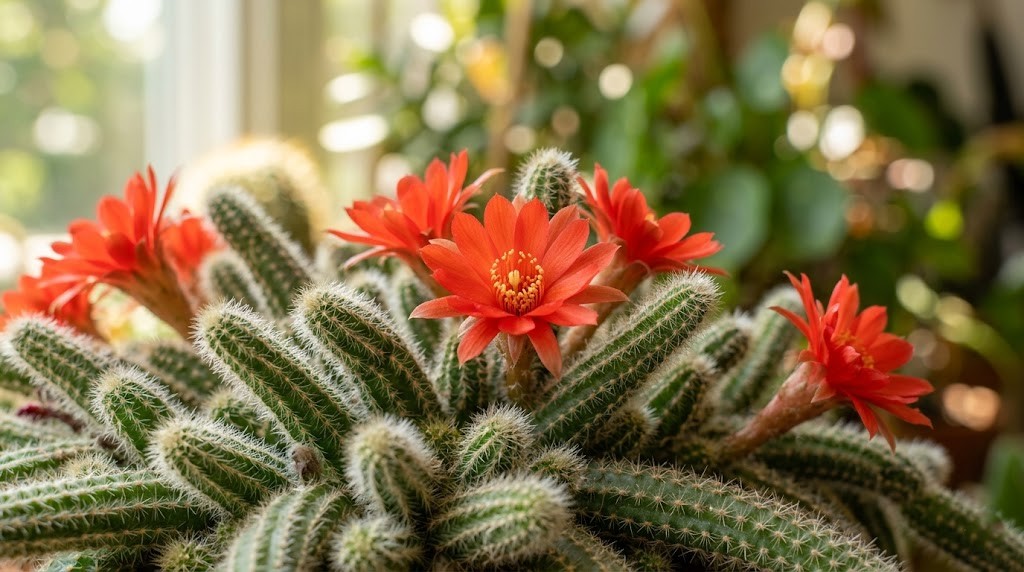
Before you can effectively troubleshoot a plant’s health, you have to understand its origins. Native to the mountainous regions of Argentina, the peanut cactus is accustomed to a harsh, shifting climate characterized by intense sunlight, sharply draining rocky soils, and distinct seasonal variations between summer and winter.
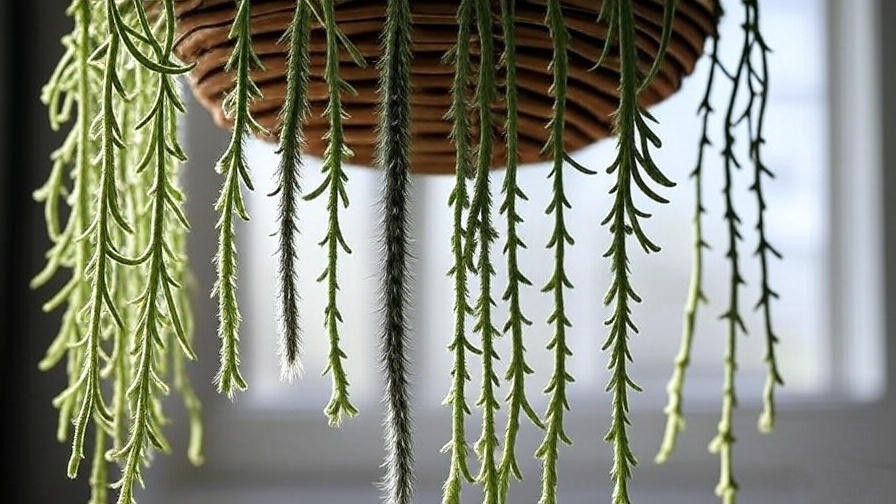
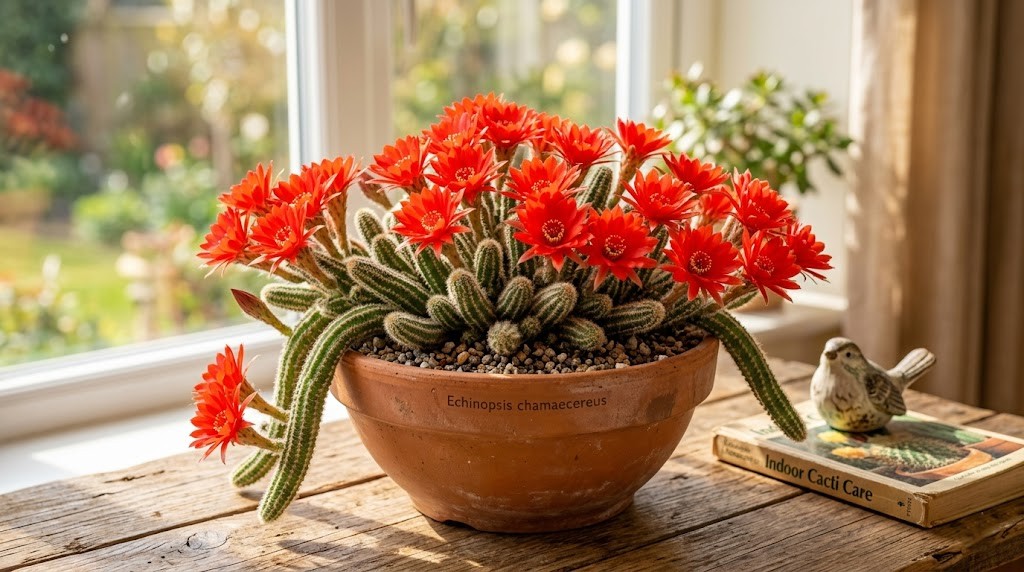
Visually, the plant is a standout even without flowers. It features shallow root systems and sprawling, pale green stems that reach about six inches in height indoors before trailing beautifully out of hanging baskets or wide, shallow pots. The stems are covered in soft, white bristles that look intimidating but are surprisingly gentle to the touch.
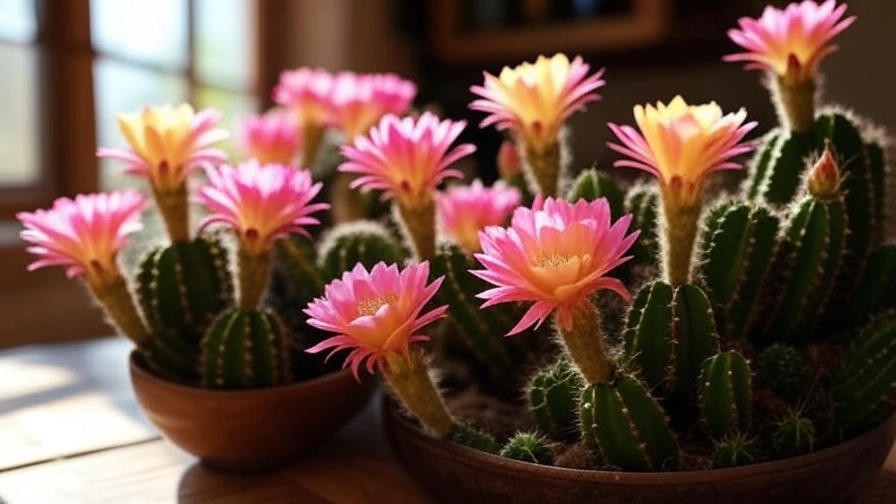
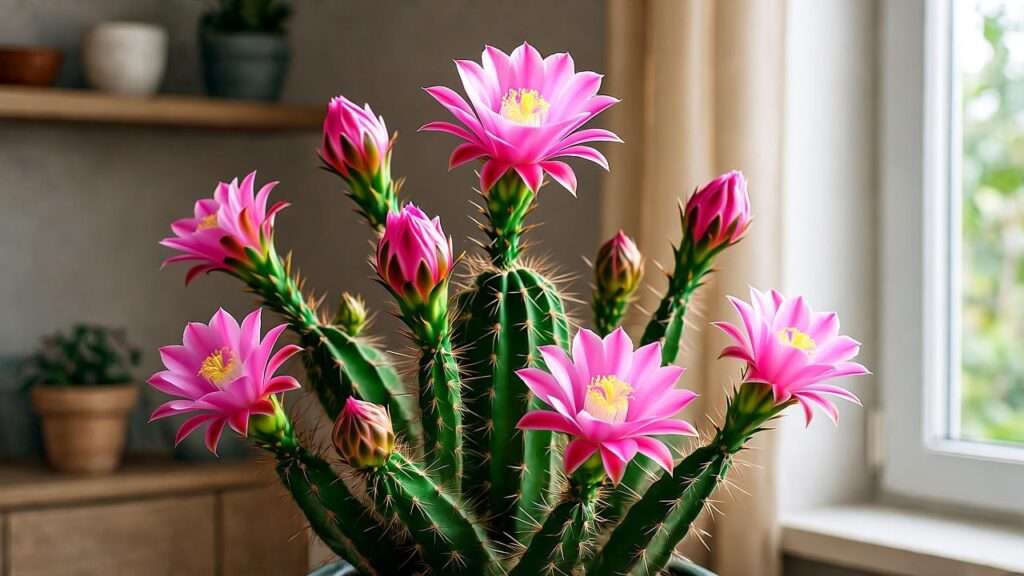
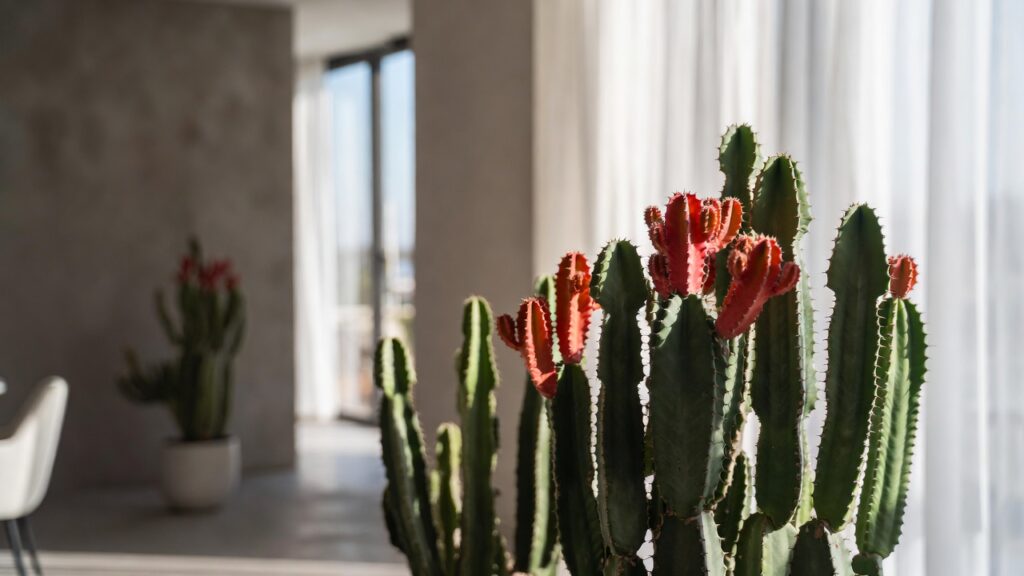
When the conditions are perfectly aligned, the real magic happens in late spring and early summer. The cactus produces massive, funnel-shaped, vermilion-red flowers that can span two to three inches across. These blooms often seem disproportionately large compared to the slender stems holding them, creating an incredibly striking visual contrast.
The primary reason this cactus struggles indoors is that modern, climate-controlled homes are kept at a comfortable 70°F year-round. While this prevents the plant from dying, it also traps the cactus in a state of perpetual vegetative growth. Without the biological signal of a cold, dry winter, the plant literally does not know that spring has arrived, and therefore, it never expends the immense energy required to set flower buds.
The Big 4: Why Your Peanut Cactus Isn’t Blooming
When an otherwise healthy indoor cactus fails to flower, the root cause almost always traces back to one of four environmental mismatches. Diagnosing the issue is the first step toward a stunning spring bloom.
Reason 1: You Skipped Winter Dormancy (The #1 Culprit)
In its native mountainous habitat, the peanut cactus experiences significantly colder temperatures during the winter months. This period of cold and drought forces the plant into dormancy, a critical resting phase where growth halts and the plant conserves energy.
During this quiet period, the internal biology of the cactus shifts. The energy it would normally use to push out new green stems is instead redirected internally to develop the microscopic beginnings of flower buds. If your houseplant lives in a cozy living room that never drops below 65°F, the plant never receives the signal to rest. It will continue to slowly grow weak, pale stems all winter long, completely bypassing the bud-setting phase. Without a winter chill, summer blooms are biologically impossible.
Reason 2: Light Deprivation
There is a massive difference between a plant surviving in a dim corner and a plant having the energy reserves to reproduce. Blooming is an incredibly energy-intensive process. The plant requires robust, sustained photosynthesis to generate the carbohydrates necessary to build those massive red flowers.
Indoors, light intensity drops drastically the further you move away from a window. If your cactus is sitting on a coffee table in the middle of a room, or in a north-facing window, it is starving for light. Without a minimum of four to six hours of intense, bright sunlight daily during its active growing season, the plant will prioritize basic survival over reproduction.
Reason 3: The Wrong Fertilizer (Too Much Nitrogen)
Houseplant owners often try to force blooms by heavily fertilizing their plants. However, the type of fertilizer you use dictates how the plant behaves. Standard indoor plant fertilizers are heavily weighted with Nitrogen (the “N” in the N-P-K ratio), which is designed to push lush, rapid green foliage growth.
When you feed a cactus high levels of nitrogen, you are chemically instructing the plant to grow more stems at the absolute expense of flowers. Over-fertilizing with the wrong blend will result in a messy, overgrown plant that is highly susceptible to pests, without a single bloom in sight.
Reason 4: Overwatering During the Off-Season
Cacti are built for drought. Their fleshy stems are essentially water storage tanks designed to sustain the plant through long, dry seasons. A common and fatal mistake is treating a dormant cactus the same way you treat an actively growing tropical plant.
Continuing to water your peanut cactus every week or two during the winter months confuses the plant. The moisture signals to the roots that it is still the growing season, effectively canceling out any dormancy period it might be trying to enter. Worse yet, winter overwatering in cooler temperatures is the fastest track to severe root rot, turning the base of those lovely stems to yellow mush before they ever get a chance to flower.
The Blueprint: How to Force Your Peanut Cactus to Bloom Indoors
If you have realized that your indoor environment is holding your plant back, the good news is that the fix is entirely within your control. By artificially recreating the seasonal shifts of the Argentine mountains, you can coax your echinopsis chamaecereus into producing a spectacular flush of flowers.
Here is the exact, four-step blueprint to force blooms on an indoor peanut cactus.
Step 1: Master the “Winter Chill”
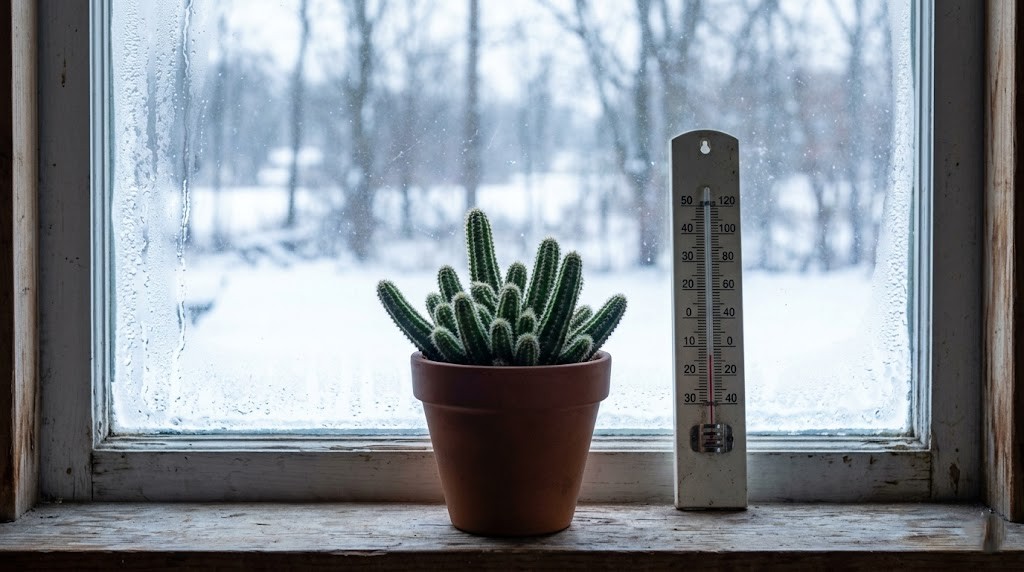
To set flower buds, your cactus requires a period of cold-induced dormancy lasting approximately six to eight weeks during the late fall or winter. The target temperature range is between 40°F and 50°F (4°C–10°C).
Achieving this indoors requires a bit of strategy. Do not place your cactus outdoors if your region experiences freezing temperatures, as frost will instantly rupture the plant’s water-filled cells and kill it. Instead, look for microclimates around your home. An unheated, attached garage with a window is often perfect. An enclosed, unheated sunporch or a cool basement can also work beautifully.
If you live in a small apartment, you can utilize the cold zone immediately next to a windowpane. In the dead of winter, the ambient air directly against single or double-pane glass is significantly colder than the rest of the room. Place the cactus on the windowsill, ensuring the delicate stems do not physically touch the freezing glass, and leave it there for two months.
Step 2: Implement the “Drought” Phase
Cold temperatures alone are not enough; the plant must also experience a severe dry season. As autumn approaches and daylight hours begin to shorten, start tapering off your watering schedule.
Once your cactus is placed in its cool winter location, you must practice extreme restraint. Water the plant only once every four to six weeks, and only provide just enough water to keep the root system from desiccating entirely. A highly effective visual cue is to watch the stems. Wait until the normally plump, cylindrical stems begin to look slightly deflated, shriveled, or wrinkled before offering a small sip of water. This harsh drought, combined with the cold, is the exact stress trigger needed to initiate bud formation.
Step 3: Optimize the Spring Wake-Up
When late winter turns to early spring, it is time to wake the plant up. Move your peanut cactus back to its normal, warm spot in your home and resume deep, thorough watering.
As the plant breaks dormancy, light becomes the most critical factor. Place the cactus in your brightest south-facing or east-facing window. It needs full, direct morning sun to fuel the rapid expansion of those newly formed buds.
If your home lacks adequate natural light, do not leave it to chance. Invest in a high-quality, full-spectrum LED grow light. Position the light roughly six to twelve inches above the plant and run it for 12 to 14 hours a day to simulate the intense spring sun of its native habitat.
Step 4: Feed for Flowers (Not Foliage)
Once the cactus is awake and actively drinking water, it is time to provide the nutritional building blocks for blooms. Avoid all-purpose houseplant fertilizers. Instead, choose a specialized liquid cactus and succulent fertilizer with a low nitrogen content and a higher phosphorus ratio (the middle number in the N-P-K equation). Phosphorus is essential for robust flower and root development.
Expert Tip: Never apply fertilizer to bone-dry cactus soil. The concentrated salts in the fertilizer can easily burn the delicate, desiccated root hairs. Always give the plant a thorough watering with plain water first, allow it to drain, and then apply your diluted fertilizer a day or two later.
Everyday Care Guide for a Flawless Echinopsis Chamaecereus
While the winter dormancy period is the secret to getting blooms, the way you treat the plant during its active summer growing season dictates its overall health, size, and resilience.
The “Soak and Dry” Watering Method
During the spring and summer, you must abandon the winter drought rules. The peanut cactus actually requires quite a bit of water when actively growing, but it demands that the water is delivered correctly.
Employ the “soak and dry” method. When it is time to water, take the pot to the sink and drench the soil completely until water streams freely from the bottom drainage holes. This mimics a torrential desert downpour, deeply saturating the root ball. Once watered, return the plant to its spot and completely ignore it until the soil is 100% bone-dry all the way to the bottom of the pot. Never water on a schedule; water based on the dryness of the soil.
Soil and Drainage Requirements
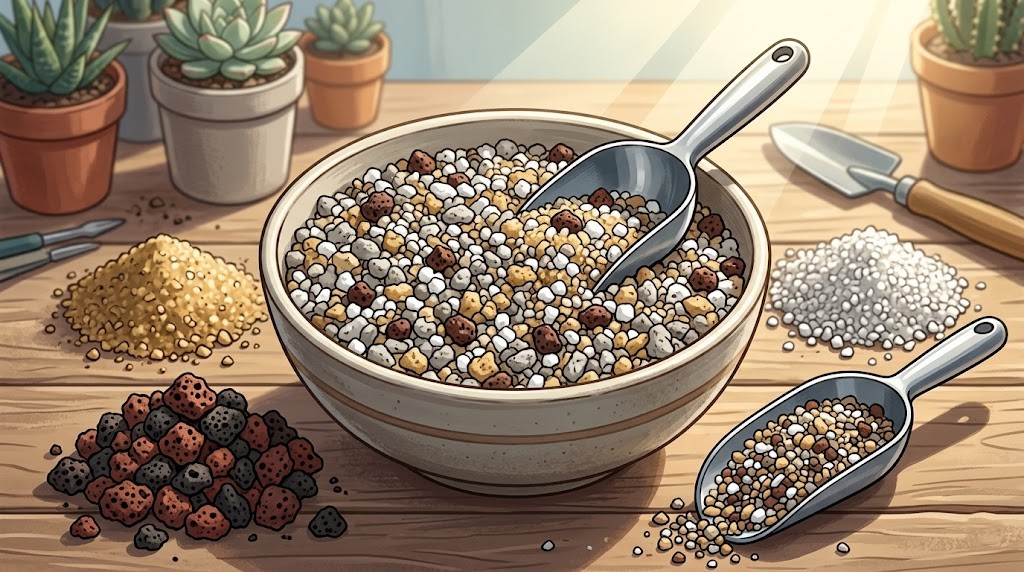
Standard potting soil is an absolute death sentence for a peanut cactus. Heavy soils retain moisture for far too long, smothering the roots and inviting rapid rot.
Your cactus requires a gritty, fast-draining mix that holds almost zero water. You can start with a commercial cactus and succulent soil, but you must amend it heavily to ensure success. Mix one part commercial cactus soil with one part coarse, inorganic grit. Excellent grit options include pumice, perlite, crushed lava rock, or coarse horticultural sand. This heavily aerated mix ensures that when you execute the “soak and dry” watering method, the soil dries out within a matter of days, not weeks.
Repotting and Propagation
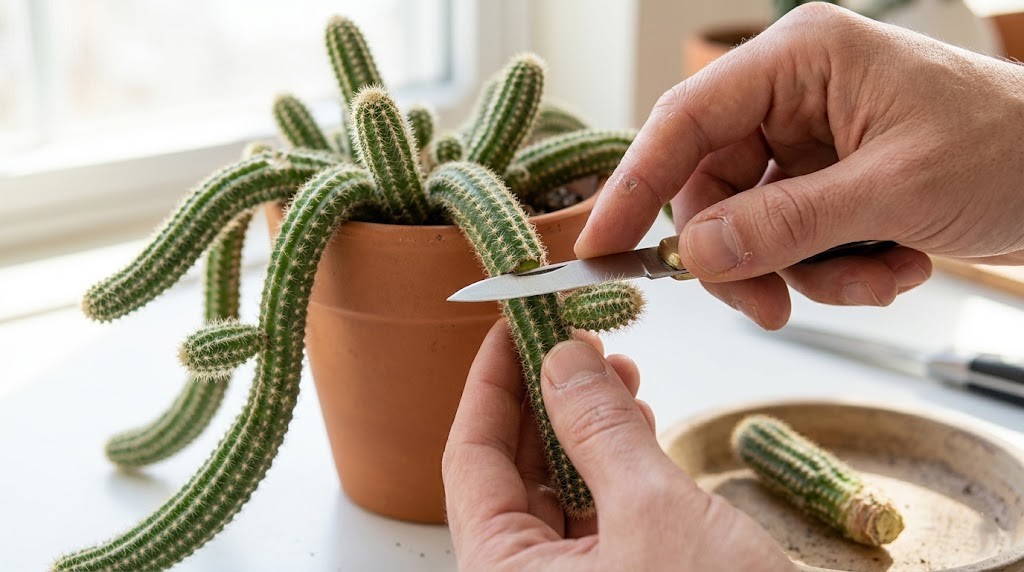
Because the peanut cactus has a shallow, spreading root system, it prefers wide, shallow pots (like terracotta bowls) over deep nursery pots. Terracotta is the ideal material because its porous nature allows moisture to evaporate rapidly through the walls of the pot, adding an extra layer of protection against overwatering. Repotting should only be done in the spring, just as the plant wakes up from dormancy.
If you want to expand your collection, propagation is incredibly easy. This cactus naturally produces numerous small “offsets” or pups along its mature stems. Gently twist off a pup at the joint. Set the piece aside in a dry, shady spot for a few days to allow the broken end to form a tough, white callous. Once calloused, simply lay the piece on top of slightly moist, gritty cactus soil. Within a few weeks, it will push out new roots and begin growing as an independent plant.
Troubleshooting Common Health Issues
Even with the best intentions, indoor cacti can run into trouble. Early visual diagnosis is key to saving a plant before systemic damage occurs. Here is how to read the visual cues your peanut cactus is giving you.
Yellowing or Mushy Stems (Root Rot)
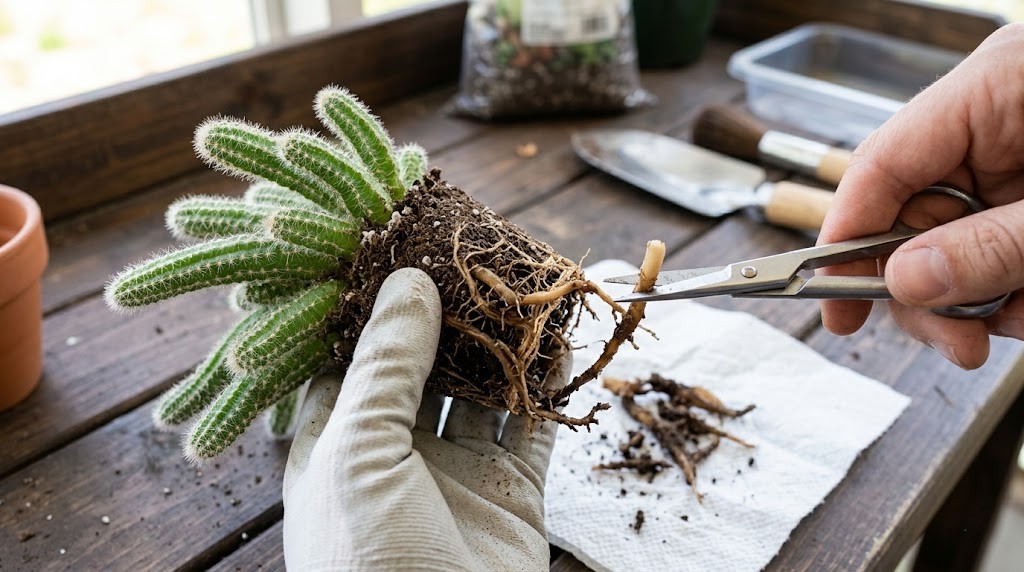
If you notice the stems of your cactus turning a sickly, translucent yellow, particularly near the soil line, and they feel soft or mushy to the touch, you are dealing with root rot. The visual contrast between a healthy, firm green stem and a collapsing, yellowing stem is stark and usually indicates that the soil is retaining too much water.
The Fix: You must act immediately. Unpot the plant and inspect the roots. Healthy roots are firm and white or tan; rotted roots are dark brown, slimy, and smell foul. Trim away all rotting tissue with sterilized shears. If the rot has traveled up the main stem, your best option is to cut off the healthy, green tips above the rot line, allow them to callous, and propagate them as new plants, discarding the rotted base.
Elongated, Skinny Growth (Etiolation)
If the new growth on your cactus looks stretched out, notably thinner than the older stems, and pale green, the plant is suffering from etiolation. This is the plant physically stretching itself in a desperate search for more light.
The Fix: Etiolation cannot be reversed; the skinny stems will never thicken up. You must drastically increase the plant’s light exposure by moving it to a brighter window or adding a high-contrast full-spectrum grow light. If the stretched growth is visually unappealing, you can cleanly slice off the skinny tips, and the plant will eventually push out new, appropriately sized offsets from the cut point once it is receiving enough light.
Pest Watch: Mealybugs
The peanut cactus is relatively pest-resistant, but the dense, bristly stems provide excellent hiding places for mealybugs. These sap-sucking insects look like tiny, fluffy white cotton masses tucked into the crevices between the areoles (the bumps where the spines grow) or near the soil line.
The Fix: Because the bristles make wiping the plant difficult, the best treatment is a targeted chemical strike. Dip a cotton swab in 70% isopropyl alcohol and dab it directly onto the white fuzzy masses; the alcohol instantly dissolves their protective waxy coating and kills them on contact. For severe infestations, an insecticidal soap or neem oil spray applied in the evening (to avoid sunburn) will help eradicate the colony.
Frequently Asked Questions (FAQs)
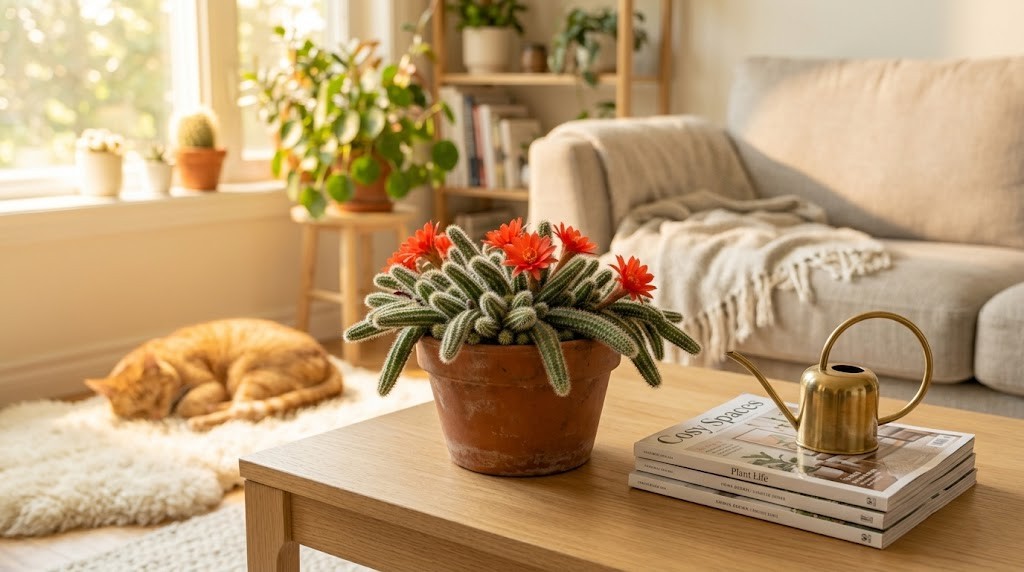
How long do peanut cactus flowers last? A single bloom on an echinopsis chamaecereus typically only lasts for two to four days, opening during the day and closing at night. However, a healthy plant will push out multiple flushes of buds over several weeks, providing a prolonged floral display throughout early summer.
Is the peanut cactus toxic to cats and dogs? No. One of the greatest benefits of the peanut cactus as a houseplant is that it is completely non-toxic and safe to keep around curious pets and children. The bristles are also surprisingly soft, meaning it won’t cause severe physical injury if brushed against.
How old does a peanut cactus have to be to bloom? Unlike some species of cacti that take decades to mature, the peanut cactus is a precocious bloomer. Provided the environmental conditions are met (specifically the winter chill), a newly rooted offset can begin producing flowers within one to two years.
Conclusion
Getting your peanut cactus echinopsis chamaecereus to bloom indoors is not a matter of luck, green thumbs, or expensive fertilizers. It is entirely about understanding the plant’s biological clock and having the discipline to withhold water and warmth when the plant needs to sleep.
By committing to a gritty soil mix, embracing the “soak and dry” watering method during the summer, and—most importantly—forcing a strict, cold, dry dormancy period every winter, you will be rewarded. When those massive, fiery red blooms burst open next spring, the months of careful environmental manipulation will have been completely worth it.