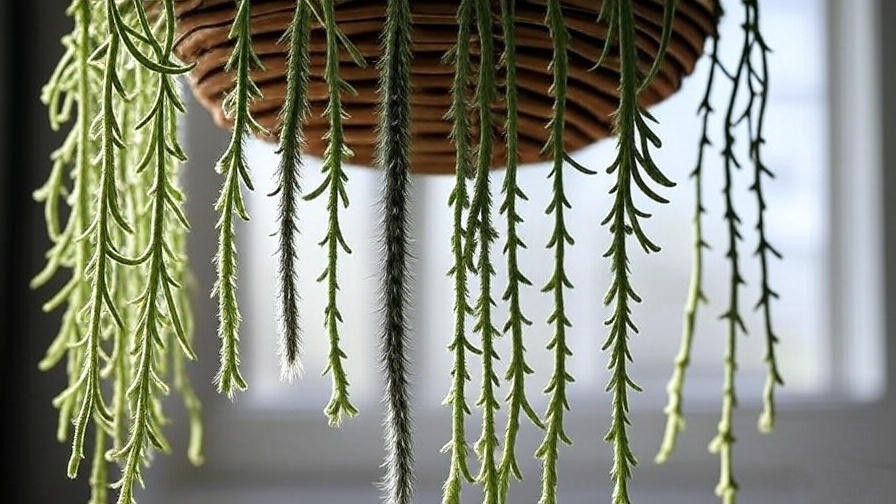
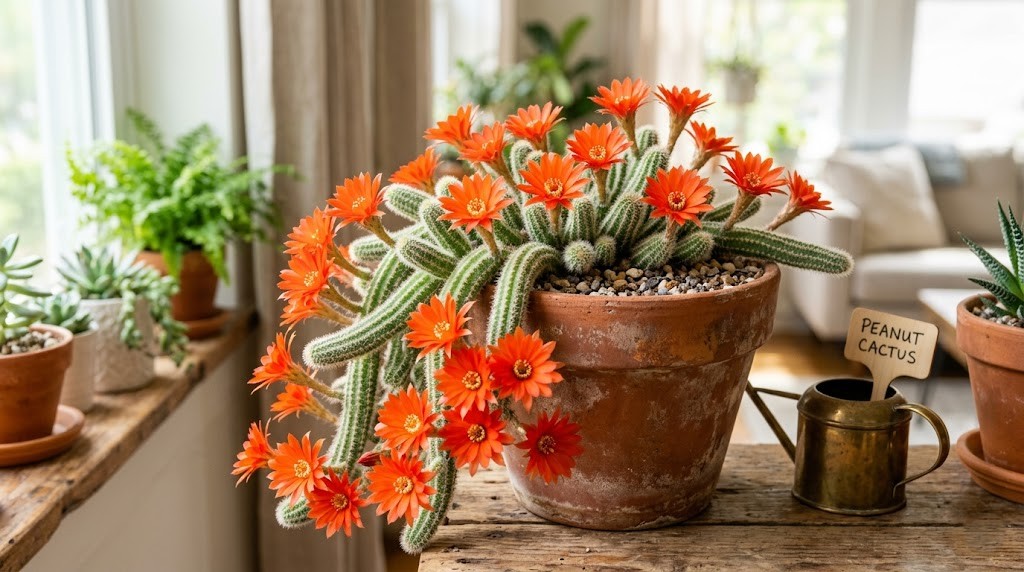
Imagine walking into your favorite local nursery and spotting a quirky, trailing succulent spilling perfectly over the edges of a terracotta pot. Its pale green, finger-like stems are covered in soft, white bristles, making it look undeniably charming. You bring it home, place it on your windowsill, and wait. And wait. You might spend years waiting for your peanut cactus plant to produce the brilliant, vibrant orange-red flowers you saw on the plant tag.
If your cactus is green and growing but stubbornly refusing to bloom, you are not alone.
Getting this specific succulent to flower indoors is one of the most common challenges in the indoor gardening community. The truth is, forcing a bloom isn’t about giving the plant more water, a bigger pot, or an expensive fertilizer. It is about understanding the plant’s native habitat and mimicking a very specific environmental trigger that most indoor homes naturally lack.
In this comprehensive guide, we will break down the exact science and practical steps behind mastering the fundamental care of your plant. From troubleshooting common growth problems to unlocking the “winter chill” secret that guarantees a spectacular spring bloom, you are about to turn your green, trailing succulent into the centerpiece of your indoor jungle.
Meet the Peanut Cactus: A Quirky Trailing Succulent
To truly master the care of any houseplant, you must first understand where it comes from. Scientifically known as Echinopsis chamaecereus (and formerly classified as Chamaecereus silvestrii), this plant is not your typical desert-dwelling cactus.
The peanut cactus hails from the mountainous regions of Argentina. This origin story is the most critical piece of the puzzle when it comes to understanding its care requirements. Unlike desert cacti that bake in relentless, sweltering heat year-round, mountain-dwelling succulents are subjected to intense sunlight during the day, followed by significantly cooler temperatures at night, and a distinct, chilly winter season.
Physically, the plant is a masterpiece of adaptation. It features cylindrical, pale green stems that look remarkably like unshelled peanuts—hence the common name. These stems can grow up to six inches long and about half an inch thick. While they are covered in small, white spines, these bristles are surprisingly soft to the touch compared to the dangerous spikes of a barrel cactus. Because it has a naturally shallow root system and a clustering, creeping growth habit, it is an absolutely perfect candidate for shallow hanging baskets or wide, unglazed clay pots where it can cascade dramatically over the sides.
The Secret to Stunning Blooms: The “Winter Dormancy” Rule
Let’s address the most pressing question for any peanut cactus owner: Why won’t my plant flower?
The problem lies in our modern indoor environments. We keep our homes at a comfortable, consistent temperature of around 68°F to 72°F (20°C to 22°C) throughout the entire year. While this is great for us, it completely disrupts the natural life cycle of the Echinopsis chamaecereus.
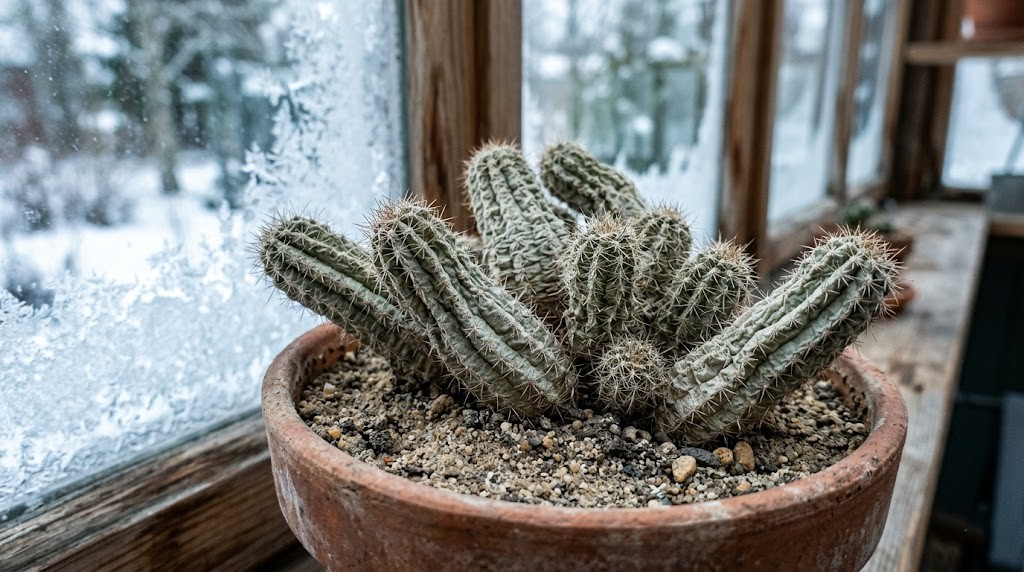
In its native Argentine mountains, the plant experiences a cold, dry winter. This period of harsh environmental stress forces the plant into a state of dormancy. During this sleep phase, the plant halts its vegetative growth (growing new stems) and shifts its energy internally to develop flower buds for the coming spring. When an indoor plant is kept warm all winter, it never receives the biological signal to enter dormancy. Therefore, it never sets buds.
The “Winter Chill” Solution
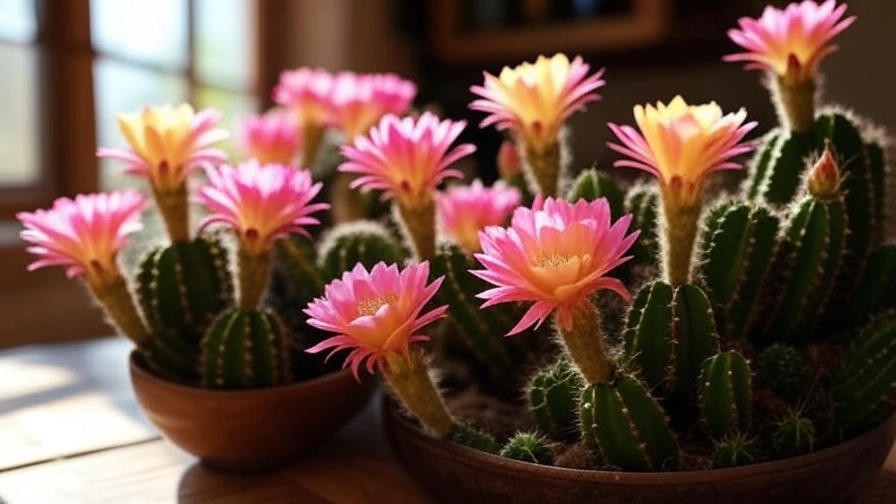
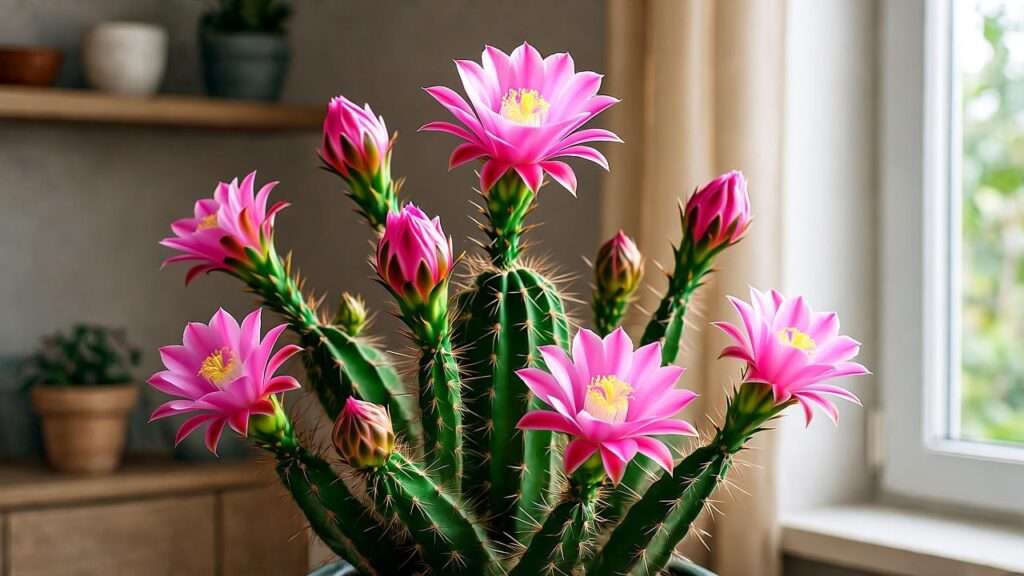
To unlock those massive, two-inch-wide, dazzling orange-red flowers, you must subject your plant to a simulated winter.
Starting in late fall (usually around November in the Northern Hemisphere), move your plant to the coolest room in your house. An unheated enclosed porch, a cool sunroom, a bright garage, or a chilly spare bedroom is ideal. The target temperature during this period should consistently sit between 40°F and 50°F (5°C to 10°C). The plant must still receive bright light during this time, but the temperature drop is non-negotiable.
The Watering Shift
Coupled with the drop in temperature is a massive shift in watering habits. Because the plant is no longer actively growing, its water requirements plummet. Watering a dormant succulent in cool temperatures is a guaranteed recipe for deadly root rot. From late fall until early spring, withhold water almost entirely. You should only provide a tiny sip of water (perhaps a few tablespoons) once a month, and only if the stems begin to look severely shriveled or wrinkled.
Expert Pro-Tip: The 60-Day Rule To guarantee a spring flush of blooms, ensure your plant undergoes this cool, dry rest period for an absolute minimum of 60 days (8 weeks). Once early spring arrives and daylight hours begin to extend, gradually move the plant back to a warmer spot and resume your normal watering schedule. Within a few weeks, you will see tiny, fuzzy nodes appearing along the stems—the first sign that your spectacular blooms are on the way.
Complete Peanut Cactus Plant Care Guide
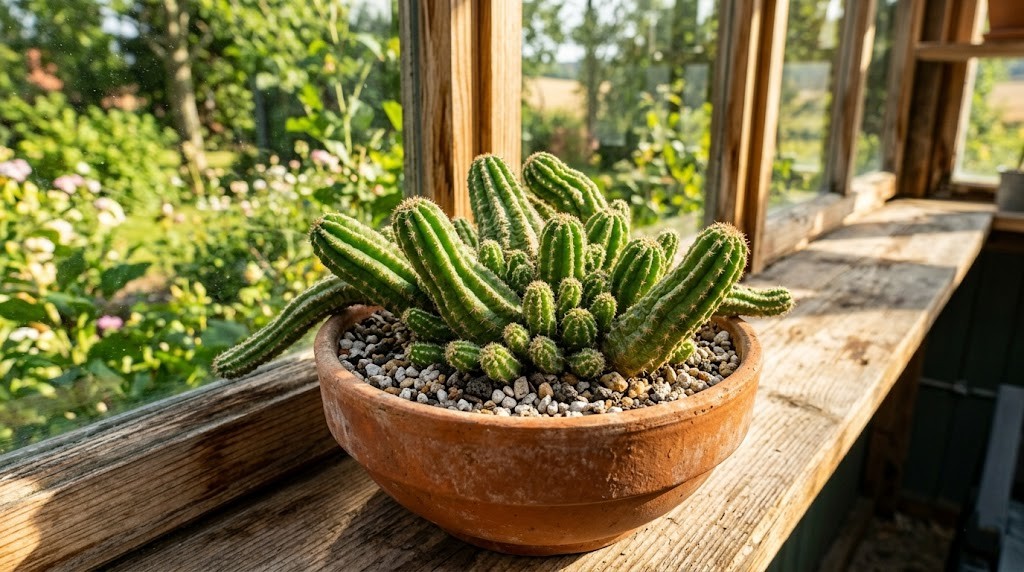
While the winter chill is the secret to flowering, your plant still needs pristine care during its active growing season (spring and summer) to build the energy required for those blooms. Here is the ultimate, expert-level breakdown of daily care requirements.
A. Light Requirements: The Foundation of Growth
Like almost all members of the Cactaceae family, this plant is a voracious consumer of sunlight. Light is the fundamental fuel that drives both stem growth and flower production.
-
Indoor Placement: Your plant requires the absolute brightest window in your home. A south-facing or west-facing window that receives at least six to eight hours of direct, unfiltered sunlight daily is essential.
-
Signs of Poor Light (Etiolation): If your plant is not getting enough light, it will clearly tell you. The stems will undergo a process called etiolation. Instead of remaining plump and compact, the new growth will stretch out, become unnaturally thin, and turn a pale, sickly yellow-green as it reaches desperately for a light source. Once a stem stretches, it will never shrink back to its normal shape.
-
Summer Outdoors: Moving your cactus outdoors for the summer is highly recommended, as it will thrive in the intense outdoor UV light. However, you must harden off the plant first. Sudden exposure to full outdoor sun will cause severe, irreversible white scorch marks (sunburn). Place it in dappled shade for a week, gradually moving it into full sun over a 14-day period.
B. The “Soak and Dry” Watering Method
Improper watering kills more indoor succulents than any other factor. The golden rule of cactus care is to mimic the infrequent but heavy rains of their native habitats.
-
Active Growing Season (Spring/Summer): Wait until the potting soil is 100% bone-dry from top to bottom. Do not guess; stick your finger deep into the soil or use a wooden moisture meter. When it is completely dry, water the plant deeply and thoroughly until water pours out of the bottom drainage holes. Let all excess water drain away completely. Never let the pot sit in a saucer of standing water.
-
Dormant Season (Winter): As discussed in the dormancy section, switch to extreme scarcity. Water only to prevent complete stem collapse.
C. Soil and Potting: Drainage is Non-Negotiable
A standard bag of indoor potting soil is a death sentence for a peanut cactus. Standard soils are heavily composed of peat moss, which acts like a sponge, retaining moisture for weeks. This will suffocate the shallow root system and invite fungal rot.
-
The Ideal Mix: You need a gritty, exceptionally fast-draining substrate. Create a high-quality DIY mix by combining 50% premium commercial cactus/succulent soil with 50% coarse inorganic grit. Pumice, coarse perlite, or crushed poultry grit are excellent choices. This ensures that water flows rapidly through the root zone, pulling fresh oxygen down into the soil as it drains.
-
Pot Selection: The container you choose is just as important as the soil. Because this plant has a shallow, spreading root system, deep standard pots hold too much empty, wet soil at the bottom. Choose a shallow “azalea” pot or a wide bowl. Furthermore, unglazed terracotta is the absolute best material. Terracotta is porous, allowing moisture to actively evaporate through the walls of the pot, significantly reducing the risk of overwatering. Ensure the pot has at least one large drainage hole.
D. Feeding and Fertilization
Cacti are not heavy feeders, but a timely nutrient boost during the active growing season will support robust stem growth and intense flowering.
-
When to Feed: Begin fertilizing in early spring right as the plant exits its winter dormancy, and stop completely by late summer. Do not fertilize during the winter.
-
What to Use: Avoid standard houseplant fertilizers, which are typically too high in nitrogen. High nitrogen causes succulents to grow rapidly, resulting in weak, bloated, and split stems. Instead, choose a specialized liquid cactus fertilizer that is low in nitrogen but high in phosphorus and potassium (for example, a 2-7-7 NPK ratio). Dilute the fertilizer to half the recommended strength and apply it once a month during your regular watering routine.
How to Propagate a Peanut Cactus (The Easiest Houseplant to Share)
Propagating a peanut cactus plant is arguably one of the most rewarding parts of owning one. Because of its clustering growth habit, it constantly produces small offsets (also known as “pups”) around the base of the mother plant. This makes it incredibly easy to multiply your collection or share this unique succulent with friends.
For the highest success rate, attempt propagation during the active growing season in late spring or early summer, when the plant’s cellular energy is focused on pushing out new growth.
-
Step 1: The Twist and Pull: Identify a healthy, plump offset that is at least one to two inches long. Wearing thick gloves, gently grasp the pup near its base. Carefully twist it back and forth while pulling slightly until it snaps away cleanly from the main cluster. If it resists, you can use a sterilized, sharp knife to cut it away.
-
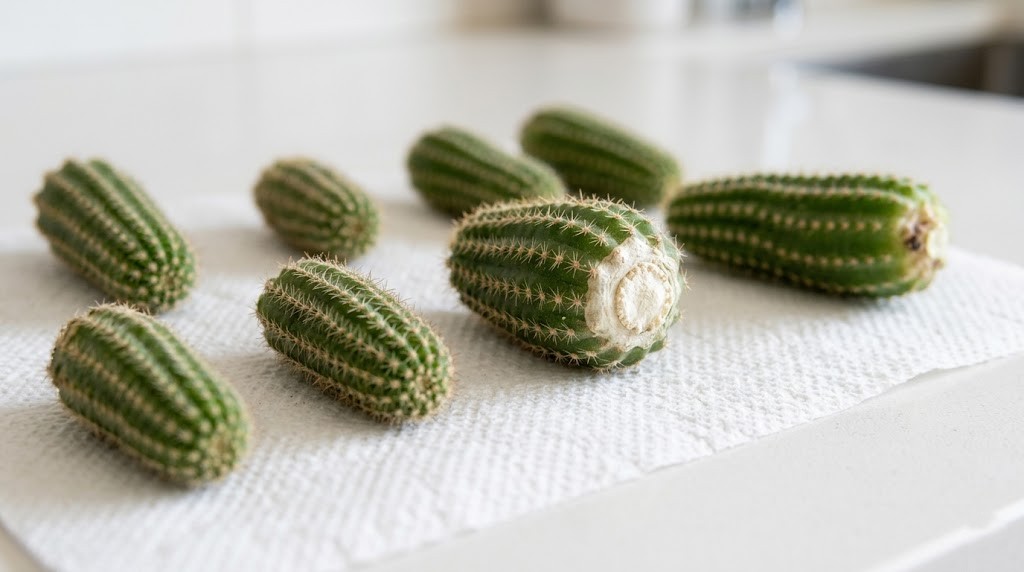
Step 2: The Callus Phase: This is the most crucial step in succulent propagation. Do not plant the freshly detached stem immediately. The open wound is highly susceptible to soil-borne bacterial and fungal infections. Instead, lay the cutting on a dry paper towel in a shaded, warm area for three to five days. This allows the raw end to form a hard, dry protective tissue known as a callus.
-
Step 3: Rooting: Once the end has completely calloused, lay the cutting horizontally on top of slightly moist cactus soil, or gently press the calloused end just barely into the surface of the dry potting mix. Place the pot in bright, indirect light. Resist the urge to water heavily. Simply mist the soil surface lightly once a week. Within three to four weeks, new roots will seek out the moisture and anchor themselves into the soil.
Troubleshooting Common Pests and Problems
Even with the best intentions, indoor gardening comes with occasional hiccups. Learning to quickly diagnose and treat common ailments will keep your peanut cactus thriving for decades.
Overwatering and Root Rot
This is the number one killer of indoor cacti. If the base of your stems is turning mushy, translucent, or yellow-brown, your plant is suffering from root rot caused by soggy soil.
-
The Fix: You must act immediately to save the plant. Unpot the cactus and inspect the roots. Trim away any black, slimy, or foul-smelling roots with sterilized scissors. If the rot has traveled up into the stems, you must cut away the healthy, firm green tips, let them callus, and propagate them as entirely new plants. Discard the old, infected soil and repot in a fresh, gritty mix.
Common Houseplant Pests
-
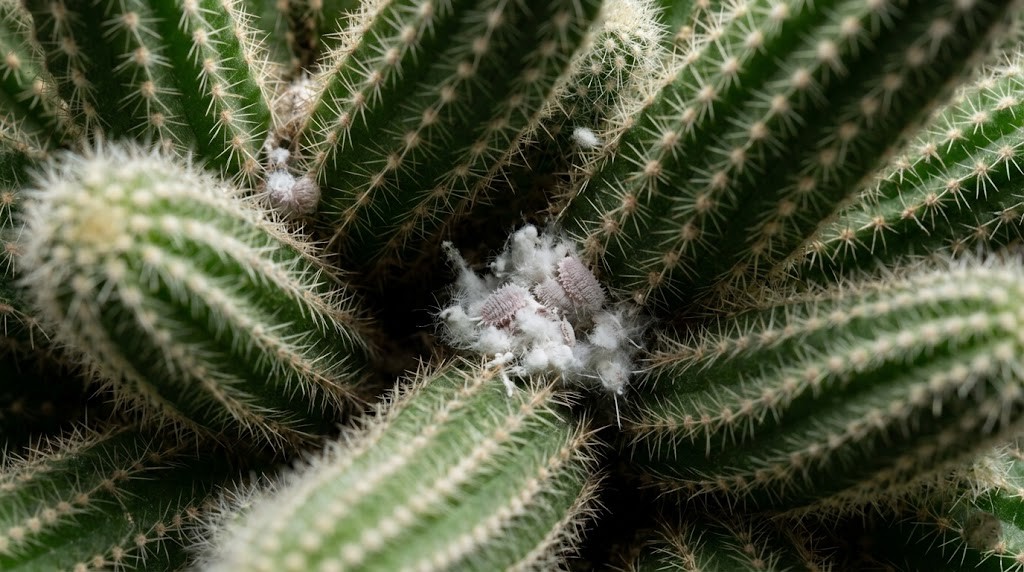
Mealybugs: These are the most frequent attackers of the peanut cactus. They look like tiny pieces of white, cotton-like fluff hiding in the tight crevices between the clustered stems. They pierce the plant tissue and suck out the sap, stunting growth.
-
Treatment: Dip a cotton swab in 70% isopropyl alcohol and dab the visible bugs to kill them instantly. For severe infestations, spray the entire plant thoroughly with an organic neem oil solution in the evening (never in direct sunlight, which will burn the oil-coated stems).
-
-
Spider Mites: These microscopic pests thrive in hot, dry indoor environments. The first sign is usually a fine, dusty webbing spun tightly between the bristles, accompanied by tiny yellow or rusty pinprick spots on the green stems.
-
Treatment: Take the plant to the sink or shower and gently hose off the stems with lukewarm water to dislodge the mites. Follow up with a targeted insecticidal soap spray.
-
Brown or Corky Stems
Many cactus owners panic when the bottom-most parts of the stems turn hard, brown, and woody. If the brown area is firm to the touch (not mushy), this is a completely natural aging process known as corking. The plant creates a rigid, woody base to support the heavy weight of the trailing stems above it. However, if the stems are brown, crispy, and shriveled all over, the plant is suffering from severe underwatering or extreme sunburn.
Repotting Your Peanut Cactus Plant
Because of their relatively slow root growth, you will only need to repot your peanut cactus every two to three years. The best time to repot is in early spring, just before the new flush of active growth begins.
You will know it is time to upgrade when the trailing stems have completely covered the soil surface, leaving no room for watering, or when you see roots heavily protruding from the bottom drainage holes.
Safety First: Handling a spiky, trailing plant can be tricky. To avoid breaking the fragile “peanuts” or getting pricked by the bristles, use the newspaper trick. Fold a few sheets of newspaper into a thick, flat band. Wrap this band around the circumference of the plant like a collar, and use it as a handle to gently lift the root ball out of the old container. You can also use kitchen tongs with silicone tips to handle individual trailing stems safely.
Always graduate to a pot that is only one to two inches wider than the previous one. Over-potting leads to excess wet soil, which invites root rot.
Frequently Asked Questions (FAQs)
Is the peanut cactus plant toxic to cats and dogs?
No, this is one of the best pet-friendly succulents you can own! The Echinopsis chamaecereus is completely non-toxic to both cats and dogs. While the soft bristles might deter curious pets from taking a bite, you can rest easy knowing it will not poison them if ingested.
How fast does a peanut cactus grow?
Compared to large, columnar desert cacti, the peanut cactus is a moderately fast grower. Under optimal conditions—meaning abundant bright sunlight, proper watering, and regular spring feeding—you can expect the stems to grow several inches in a single summer, rapidly pushing out new offsets at the base.
Why is my peanut cactus turning purple or red?
A color shift from pale green to reddish-purple or bronze is a classic sign of environmental stress—most commonly sun stress or cold stress. If you recently moved the plant outside into intense sunlight, or if it is currently undergoing its winter chill, this color change is a harmless, natural defense mechanism (similar to a human getting a tan). If you dislike the color, simply move it to slightly softer light or a warmer room, and the green will return.
How long do peanut cactus flowers last?
The massive, spectacular orange blooms are notoriously short-lived. A single flower will typically stay open for only three to five days before shriveling. However, a mature, healthy plant that received its proper winter dormancy will not bloom just once. It will push out multiple flushes of buds, extending the overall blooming spectacle for several weeks throughout the late spring and early summer.
Conclusion
Unlocking the vibrant, fiery blooms of the peanut cactus plant does not require a botany degree—it simply requires a willingness to listen to the plant’s natural rhythm. By providing a gritty, fast-draining potting mix, maximizing indoor sunlight, and, most importantly, respecting its need for a cool, dry winter dormancy, you can easily transform this quirky green succulent into a spectacular seasonal showpiece.
It is a highly forgiving plant, making it an excellent choice for beginners who want to experience the thrill of cactus flowers without the demands of fussier exotics. Just remember the golden rules: bright light, exceptional drainage, and the crucial winter chill.
We’d love to hear from you! Have you successfully triggered your peanut cactus to bloom indoors, or are you preparing your plant for its first winter chill? Share your experiences, photos, and questions in the comments below!