The world of indoor plant collecting is filled with rare, fascinating, and bizarre botanical wonders, but few command the sheer mystique of Lophophora williamsii. Commonly known as the peyote cactus, this small, spineless, button-like succulent has captured the attention of horticulturists, spiritual seekers, and rare plant enthusiasts alike. Its rich history, deeply rooted in indigenous traditions, combined with its unique aesthetic, makes it a highly coveted addition to any indoor garden. However, the excitement of acquiring this rare specimen often blinds enthusiasts to the harsh realities of its regulation.
Far too many eager indoor plant collectors rush into a peyote cactus purchase without fully understanding the severe legal penalties, complex ethical implications, and rigorous horticultural demands associated with owning a mescaline-producing plant. Buying this species is not like picking up a common succulent from your local nursery; it requires navigating a labyrinth of federal laws and conservation crises.
This comprehensive guide is designed to cut through the confusion. Whether you are curious about the legality in your region, concerned about the ethical sourcing of desert plants, seeking stunning legal lookalikes to satisfy your aesthetic goals, or simply looking for an expert masterclass on caring for Lophophora species and their botanical cousins, you are in the right place. Let us explore the realities of bringing this fascinating piece of the Chihuahuan Desert into your home.
2. The Legal Reality: Can You Actually Make a Peyote Cactus Purchase?
Before you even consider adding this specific succulent to your indoor plant collection, you must understand the legal landscape. Ignorance of the law is not a valid defense, and the consequences of illegal possession are severe.
Understanding U.S. Federal Law and Schedule I Status
In the United States, Lophophora williamsii is not treated as a standard houseplant. Under the Controlled Substances Act, the plant itself, along with its primary active alkaloid, mescaline, is classified as a Schedule I hallucinogen. This places it in the same legal category as heavy narcotics. Federal law strictly criminalizes the possession, cultivation, distribution, and purchase of the plant.
A common myth circulates in online plant forums: “It is just a plant, and if I do not consume it, I can keep it purely as an ornamental houseplant.” This is entirely false. Law enforcement does not differentiate between a plant collector keeping a specimen on a sunny windowsill and an individual intending to extract its alkaloids. The physical possession of the plant is a federal crime.
State-by-State Variations
While federal law is overarching, state laws can add another layer of complexity. Some states have specific statutes that explicitly name mescaline-bearing cacti. For instance, California’s Health and Safety Code 11363 specifically targets the cultivation of any plant of the genus Lophophora. Violating these state-level statutes can result in severe fines and imprisonment, making a casual purchase an incredibly dangerous endeavor. Even in states that have recently decriminalized certain natural psychedelics in specific municipalities, the commercial purchase and sale of these plants remain strictly prohibited and heavily monitored.
Religious Exemptions and Indigenous Rights
The only recognized legal exception for the possession and use of peyote in the United States belongs to the Native American Church (NAC). The plant holds profound sacred significance for several indigenous tribes, who use it as a sacrament in religious ceremonies. The American Indian Religious Freedom Act Amendments of 1994 specifically protect the traditional, ceremonial use of the plant by enrolled members of recognized tribes. This exemption is strictly cultural and religious; it does not extend to non-indigenous plant collectors or botanical enthusiasts.
International Laws: Where is it Legal?
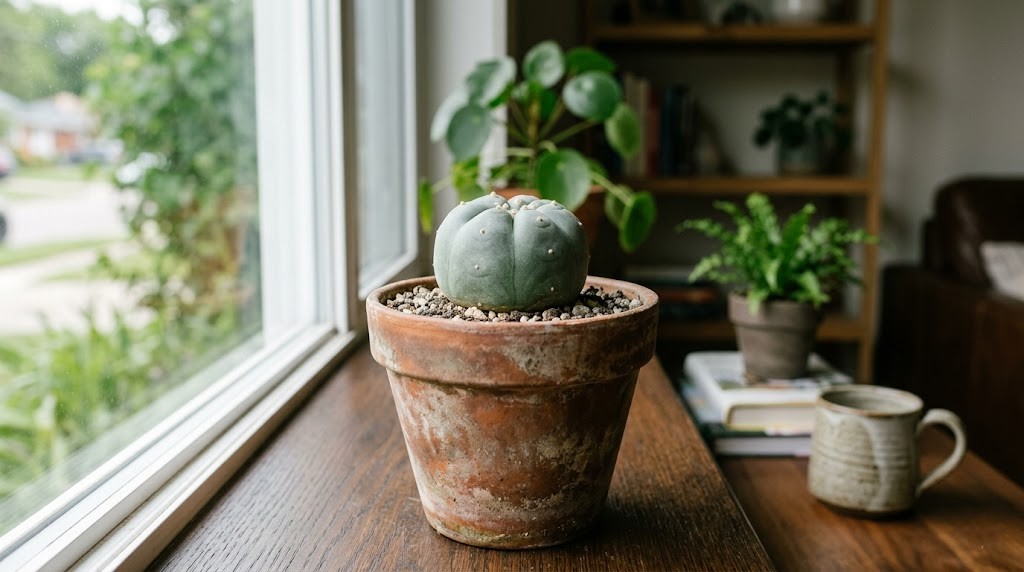
The legality of this desert succulent varies drastically across the globe. Geography dictates your ability to legally cultivate these plants.
-
Canada: Mescaline is a controlled substance, but the actual Lophophora williamsii plant is explicitly exempt from the Controlled Drugs and Substances Act. Therefore, Canadians can legally purchase, possess, and cultivate the living plant for ornamental purposes, provided they do not attempt to extract the alkaloids.
-
United Kingdom: The dried plant and extracted mescaline are illegal Class A drugs. However, the living plant can legally be purchased and grown as an ornamental specimen.
-
Europe: Countries like Germany and the Netherlands generally allow the cultivation of live plants for horticultural purposes, though regulations regarding the sale of seeds and mature specimens can shift frequently.
3. The Ethical Dilemma: Why Sourcing Matters
Beyond the strict legal barriers, there is a profound environmental and ethical crisis surrounding the commercial trade of these plants. As an indoor gardener, prioritizing conservation is a crucial responsibility.
The Conservation Crisis in the Chihuahuan Desert
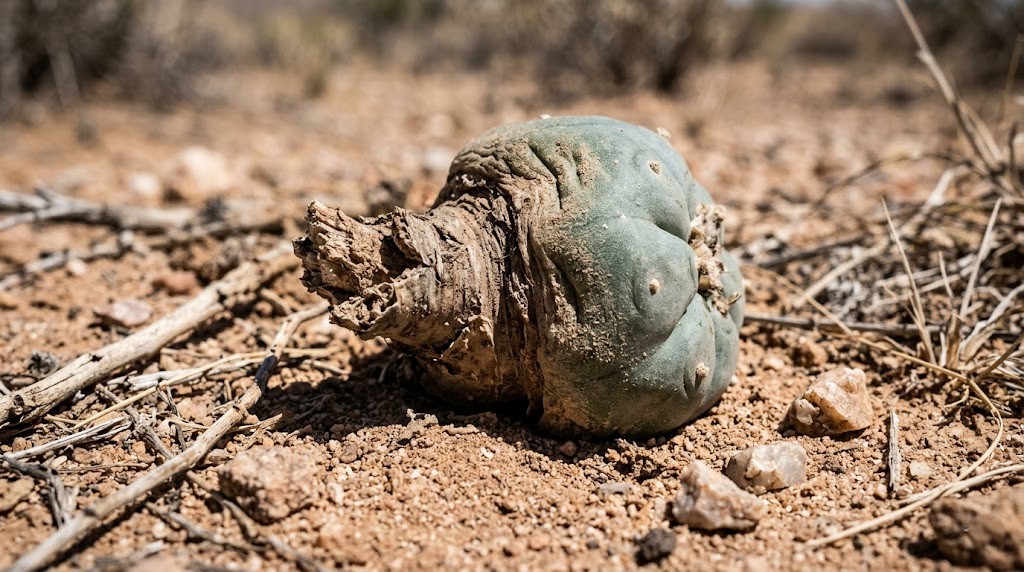
Lophophora williamsii is native to a very specific, limited habitat spanning the Chihuahuan Desert in southern Texas and northern Mexico. Currently, wild populations are classified as “Vulnerable” and are facing a severe conservation crisis. The primary threats are aggressive habitat destruction for agricultural development and rampant illegal poaching to supply the global black market.
When poachers harvest these plants, they often cut them improperly, destroying the taproot and preventing the plant from regenerating. This reckless harvesting is rapidly depleting native populations, threatening the ecological balance of the desert and undermining the cultural heritage of indigenous communities who rely on wild populations for their religious practices.
The Problem with the “Slow Grow”
The defining characteristic of this succulent is its incredibly slow growth rate. In its harsh natural habitat, a plant can take up to a decade, or even longer, to mature to the size of a golf ball.
This slow growth highlights a dark reality of the illicit plant trade: if you see a large, mature, inexpensive specimen offered for sale online, it is almost certainly a poached plant stolen from its native habitat. Legitimate, nursery-grown specimens (in countries where they are legal) represent years of careful cultivation, making large plants exceedingly rare and expensive. Purchasing mature plants from dubious sources directly funds the destruction of wild ecosystems.
4. The Best Legal Alternatives for Indoor Plant Enthusiasts
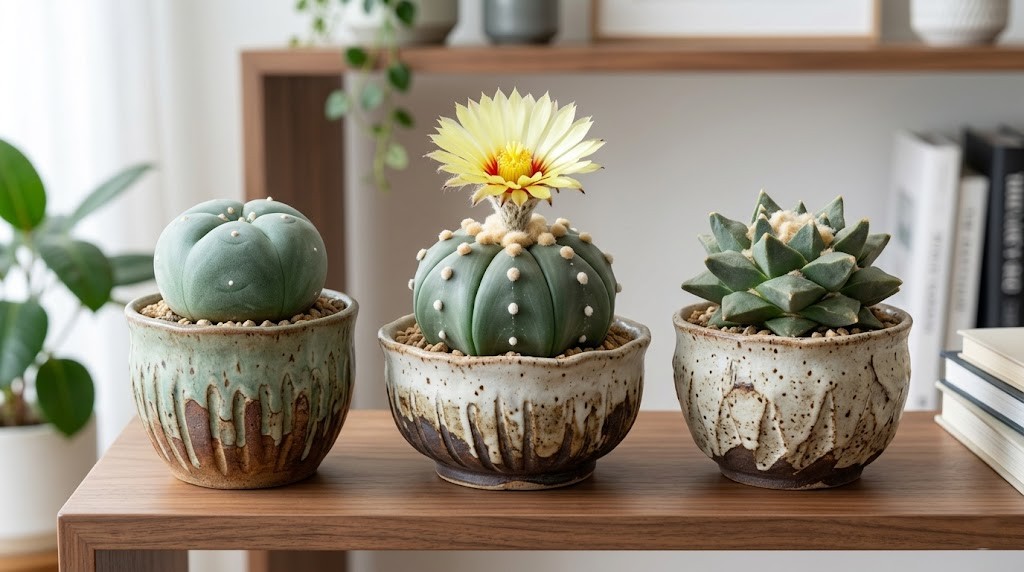
If you live in a jurisdiction where Lophophora williamsii is illegal, or if you simply want to avoid the ethical pitfalls of the trade, you do not have to abandon your aesthetic goals. The botanical world offers stunning, completely legal alternatives that provide the same rewarding cultivation experience.
Astrophytum asterias (The Sand Dollar Cactus)
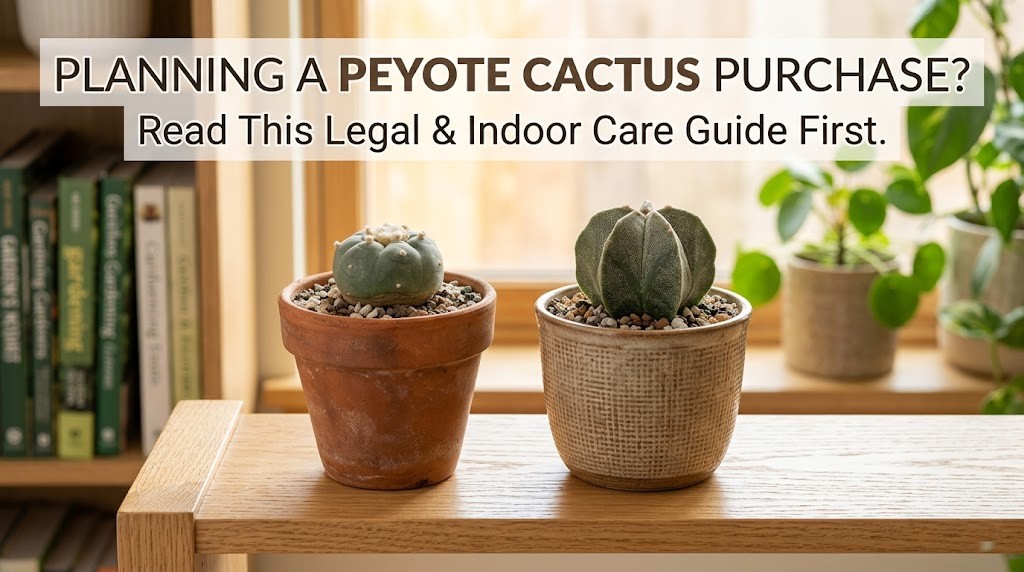
This is arguably the most popular legal substitute for indoor plant collectors. Native to parts of Texas and Mexico, the Sand Dollar Cactus is completely spineless and features a remarkable, dome-like, segmented body that closely mimics the coveted peyote shape. It is highly prized in the horticultural community, frequently blooming with brilliant yellow flowers with red throats. Best of all, it contains zero illegal alkaloids, meaning you can purchase and grow it anywhere without legal worry.
Lophophora diffusa (False Peyote)
A close botanical cousin, Lophophora diffusa grows exclusively in a small region of central Mexico. Visually, it is almost identical to its notorious relative, boasting the same soft, bulbous, spineless appearance in a yellow-green hue. The crucial difference is its chemical makeup: it contains virtually no mescaline. While it is sought after by collectors for its aesthetic appeal, you must still exercise extreme caution; because it is in the same genus, law enforcement often cannot distinguish it from illegal species, and it may still fall under local blanket bans on the genus.
Ariocarpus retusus (Living Rock)
For those fascinated by slow-growing, unusual desert flora, the Living Rock cactus is a phenomenal, legal alternative. This spineless wonder grows flush with the soil, featuring thick, triangular tubercles that make it look like a piece of the stony desert floor. It requires immense patience to cultivate, offering a profound sense of accomplishment for advanced indoor gardeners when it finally produces its beautiful white or pink autumn blooms.
5. The Ultimate Indoor Care Guide for Lophophora (and Lookalikes)
Whether you are cultivating legal lookalikes like Astrophytum asterias or live in a country where Lophophora cultivation is permitted, mastering their indoor care requires shifting your mindset away from typical tropical houseplants. These are extreme desert survivors.
Ideal Lighting: Finding the Desert Sweet Spot Indoors
These succulents require abundant light to maintain their compact, flattened shape, but they are highly susceptible to sunburn.
-
South-Facing Windows: Place your plants in a south or southeast-facing window where they can receive several hours of bright light.
-
Filtering Direct Sun: While they endure punishing sun in the wild, the magnifying effect of window glass can scorch their delicate skin indoors. Provide bright, indirect light or filtered sunlight using a sheer curtain during the peak afternoon heat.
-
Avoiding Etiolation: If the plant does not receive enough light, it will begin to stretch upward (etiolate), losing its iconic flattened button shape and becoming a pale green tower. If natural light is insufficient, consider investing in high-quality, full-spectrum LED grow lights.
The Perfect Soil Mix (Why Potting Soil is a Death Sentence)
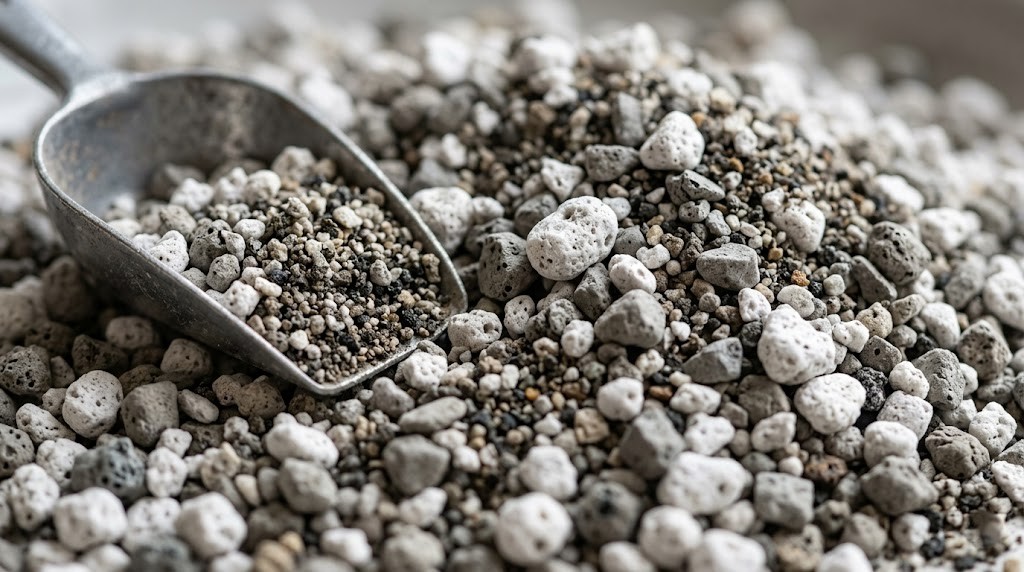
The single most common mistake indoor gardeners make is using standard commercial potting soil. Rich, organic peat moss holds moisture for far too long, virtually guaranteeing root rot for desert cacti with deep taproots. You must replicate the rocky, alkaline soil of the Chihuahuan desert.
The Expert Mineral Soil Recipe:
-
70% Inorganic Material: Use coarse pumice, expanded shale, or coarse horticultural sand (never use fine play sand, which compacts and suffocates roots).
-
30% Organic Material: Use sifted organic compost or coconut coir, ensuring all large chunks of bark or wood are removed.
This highly porous, mineral-heavy mix ensures that water drains instantaneously, allowing the roots to breathe and preventing stagnant moisture.
Watering Rules: The “Less is More” Philosophy
When it comes to watering these arid specimens, neglect is often the best form of care. You must implement the strict “soak-and-dry” method.
-
Summer Growth Phase: When temperatures are high and the plant is actively growing, water deeply until moisture flows out of the drainage holes. You must then wait until the soil is completely, 100% bone-dry before watering again. Depending on your indoor climate, this could mean watering once every two to three weeks.
-
Winter Rest Phase: From late autumn through early spring, you must stop watering almost entirely. Give the plant only a light sprinkle every few months if it begins to look dangerously shriveled.
Temperature Tolerance and Inducing Winter Dormancy
To thrive indoors, these plants need to experience the seasonal temperature shifts of their native habitat.
-
Summer Heat: They love heat and will thrive in indoor temperatures ranging from 75°F to 90°F.
-
Winter Dormancy: To encourage proper growth and spring blooms, the plant must enter a dormant state during the winter. Move the pot to a cooler, dry room with temperatures hovering between 45°F and 55°F. Keeping them warm and watered during the winter will confuse their biological clock, leading to weak growth and no flowers.
6. Navigating a Plant Purchase: Seeds vs. Seedlings
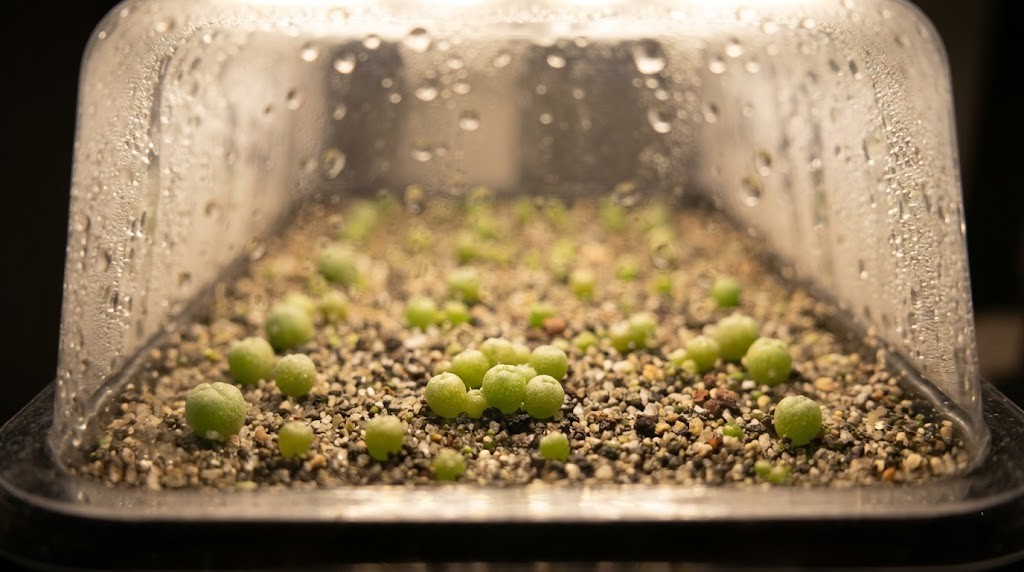
If you reside in a jurisdiction where obtaining these species (or their legal cousins) is permitted, you must decide how to start your collection. Sourcing ethically is the hallmark of a responsible horticulturist.
Why Growing from Seeds is the Ethical Choice
Purchasing seeds from highly reputable, verified domestic nurseries is the most ethical way to acquire these plants. Seed-grown plants guarantee that no wild populations were damaged or poached to supply your hobby. Furthermore, cultivating from seed builds genuine horticultural expertise. Watching a tiny, microscopic green orb slowly mature into a hardy desert succulent over the course of years is one of the most rewarding experiences in the botanical world.
The Germination Process for Beginners
Germinating desert seeds requires creating a temporary microclimate that mimics the rare, heavy desert rains.
-
Preparation: Fill a small, shallow container with a sterile, fine mineral soil mix. Moisten the soil thoroughly until it is damp but not pooling with water.
-
Surface Sowing: Carefully place the tiny seeds on the surface of the soil. Do not bury them; they require light to trigger germination.
-
High Humidity: Seal the container inside a clear plastic bag or cover it with a plastic humidity dome. Place it under bright grow lights or on a warm heating mat (aiming for 80°F to 85°F).
-
Patience: Seedlings usually appear within two to four weeks. Keep them sealed in their high-humidity environment for several months before gradually acclimatizing them to dry room air.
Grafting for Faster Growth
Because natural growth is agonizingly slow, advanced collectors often utilize grafting. This involves cutting a tiny seedling (the scion) and attaching it to the vascular tissue of a fast-growing, robust cactus species (the rootstock), such as Trichocereus pachanoi (San Pedro) or Pereskiopsis spathulata. The rootstock pumps water and nutrients directly into the slow-growing button, allowing it to reach a mature, blooming size in a fraction of the time it would take on its own roots.
7. Troubleshooting Common Cacti Pests and Problems
Even in the controlled environment of your home, desert succulents are susceptible to specific ailments. Early identification is crucial for saving your plant.
The Silent Killer: Root Rot (Mushy Base)
Root rot is the leading cause of death for indoor cacti, caused almost exclusively by overwatering or dense, organic soil.
-
Identification: The base of the plant will turn yellow, brown, or black, and feel soft, mushy, or squishy to the touch. The plant may literally collapse inward.
-
Treatment: If the rot has reached the main body, the plant is usually doomed. If caught very early, you must unpot the plant immediately, cut away all black, slimy roots with a sterilized blade, let the remaining healthy tissue dry and callous over for a week in the open air, and repot in a fresh, dry, highly mineral soil mix.
Combating Spider Mites and Mealybugs
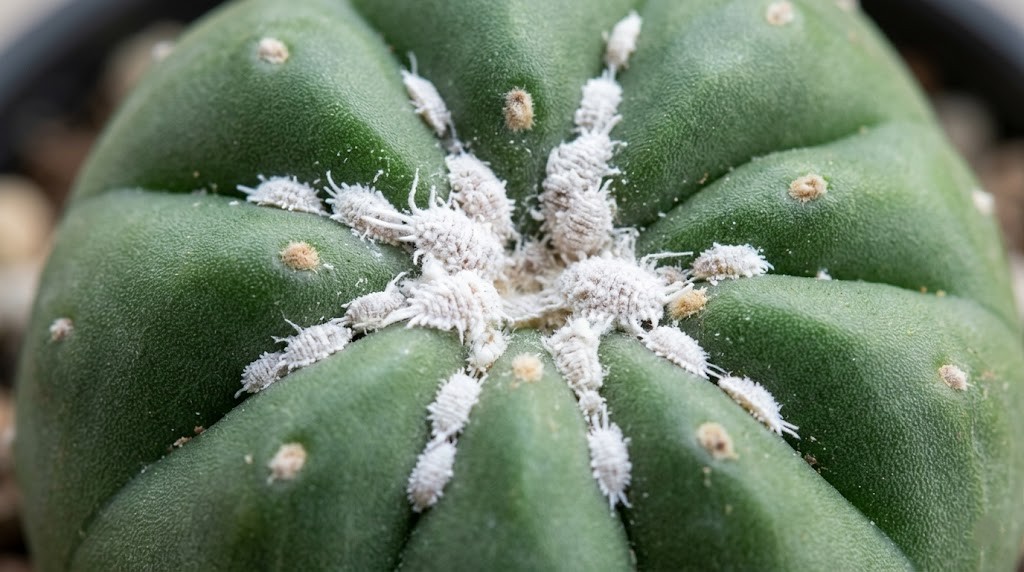
The soft, spineless skin of these plants makes them attractive to sap-sucking insects.
-
Mealybugs: These look like tiny, white, cottony masses hiding in the crevices of the plant or near the roots. Treat them by dabbing them directly with a cotton swab soaked in 70% isopropyl alcohol, which dissolves their protective wax coating on contact.
-
Spider Mites: These microscopic pests thrive in dry, stagnant indoor air and leave behind fine, dusty webbing. Because cacti skin is sensitive to harsh horticultural oils, use a mild insecticidal soap spray or introduce beneficial predatory mites to your indoor garden for natural, chemical-free pest control.
8. Frequently Asked Questions (FAQs)
Is a peyote cactus purchase legal online? In the United States, purchasing Lophophora williamsii online is a federal crime, regardless of whether the seller is domestic or international. In countries where the plant is legal (like Canada), online purchases from domestic nurseries are permitted, but importing across international borders usually violates CITES (Convention on International Trade in Endangered Species) regulations.
How long does it take for a peyote cactus to grow from seed? In its natural habitat, it can take up to ten years to reach maturity. In an optimized indoor setting with controlled light and temperature, a seed-grown plant might reach blooming size in roughly five to seven years. Grafting can reduce this timeline to two to three years.
What is the closest legal houseplant that looks like peyote? Astrophytum asterias (the Sand Dollar Cactus) is universally recognized as the best, completely legal, spineless lookalike. It features a similar dome shape and segmented ribs, making it a stunning aesthetic replacement for indoor collectors.
Why is my spineless cactus turning yellow? Yellowing (chlorosis) usually indicates a major stressor. The most common culprit is overwatering leading to early root rot. Alternatively, it could be caused by severe sunburn from sudden exposure to direct, unshaded sunlight, or a lack of essential nutrients in the soil.
9. Conclusion: Cultivating with Respect and Compliance
The desire to add a rare, historically significant plant to your indoor collection is entirely understandable, but it must be balanced with responsibility. Attempting a peyote cactus purchase in jurisdictions where it is heavily criminalized exposes you to severe legal jeopardy and often fuels the unethical poaching that is driving this magnificent species toward extinction in the wild.
True botanical expertise lies in understanding not just how to keep a plant alive, but whether you should possess it at all. By familiarizing yourself with your local laws, understanding the ecological crisis in the Chihuahuan desert, and mastering the rigorous care requirements of desert succulents, you elevate your indoor gardening practice.
The joy of horticulture comes from nurturing nature responsibly. Whether that means legally cultivating a fascinating Lophophora from seed in a permitted region, or marveling at the incredible, legal beauty of a thriving Sand Dollar Cactus on your windowsill, choose the path that respects both the law and the environment.