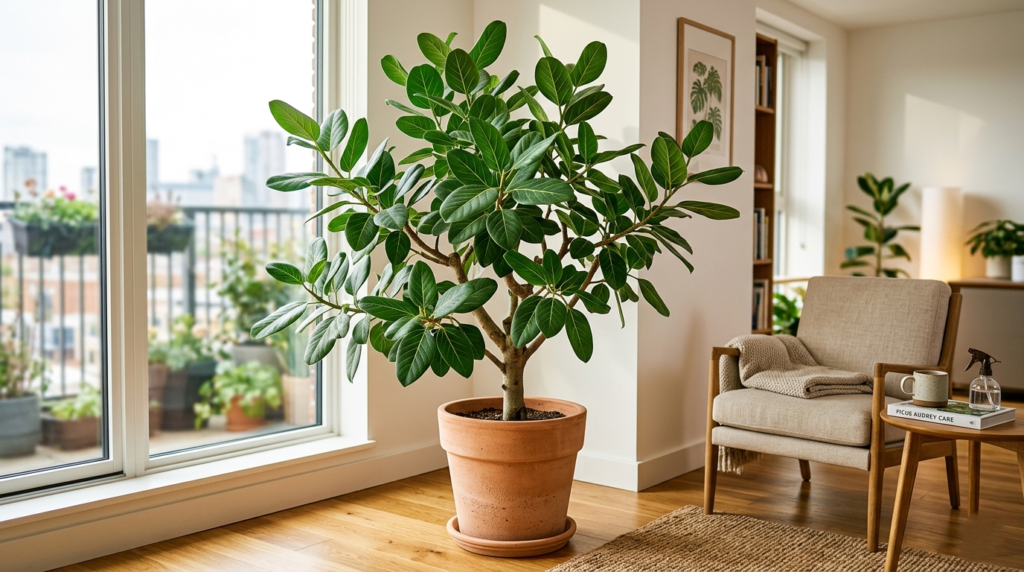
Few indoor plants make a statement quite like a ficus tree. Its glossy foliage, elegant structure, and ability to transform a room into a calm, green sanctuary make it one of the most sought-after houseplants today. But here’s the problem many buyers face: they bring home a beautiful plant after searching for a ficus tree for sale, only to watch it develop yellow leaves, drop foliage, or struggle within weeks.
The truth is that choosing the right ficus tree is about far more than appearance. Different ficus varieties have different lighting needs, humidity preferences, growth habits, and care requirements. Buying the wrong plant for your environment can quickly turn an exciting purchase into an expensive disappointment.
In this expert guide, you’ll learn exactly how to choose the best indoor ficus tree for your space, how to identify a healthy plant before buying, where to shop wisely, and how to avoid the most common mistakes that cause ficus trees to fail indoors. Whether you’re a beginner plant parent or an experienced indoor gardener, this article will help you make a confident, informed decision.
Why Ficus Trees Are One of the Best Indoor Plants
Ficus trees have remained popular for decades because they combine beauty, versatility, and long-term growth potential. Unlike many small houseplants, a healthy ficus can become a dramatic focal point that elevates the entire look of a room.
The Unique Benefits of Growing a Ficus Indoors
One of the biggest advantages of ficus plants is their adaptability to indoor environments. Many varieties thrive in bright indirect light and can live for years with proper care.
Some key benefits include:
- Improving indoor aesthetics with lush greenery
- Helping create a calming atmosphere
- Acting as natural air-purifying plants
- Offering a wide range of sizes and leaf styles
- Fitting modern, minimalist, tropical, and traditional decor styles
Large ficus trees like the fiddle leaf fig or rubber plant can also soften empty corners and make indoor spaces feel warmer and more inviting.
Why Ficus Trees Are Trending Again
Indoor gardening has grown rapidly as more people prioritize wellness-focused living spaces. Social media platforms and interior design trends have pushed ficus varieties back into the spotlight, especially:
- Fiddle Leaf Fig
- Rubber Plant
- Ficus Audrey
- Weeping Fig
Their sculptural appearance makes them especially popular in apartments, offices, and contemporary homes.
Are Ficus Trees Good for Beginners?
Some are, and some are not.
If you’re new to indoor plants, certain ficus varieties are far easier to manage than others. Rubber plants, for example, are generally forgiving and adapt well to average indoor conditions. Fiddle leaf figs, on the other hand, can be more sensitive to lighting changes and inconsistent watering.
Choosing the right variety based on your experience level is one of the smartest decisions you can make.
Most Popular Types of Ficus Trees for Sale
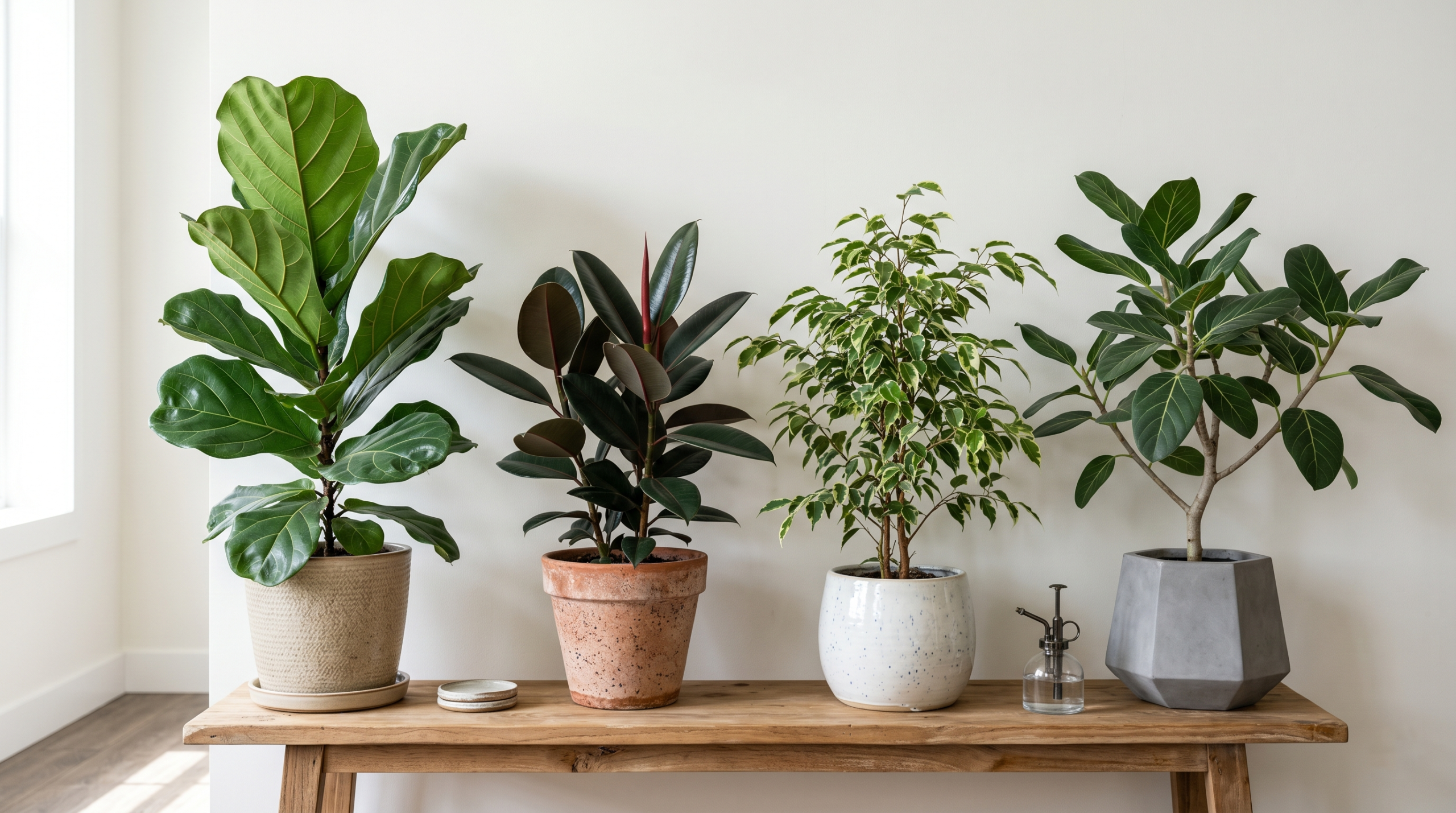
Not all ficus trees are the same. Understanding the differences between popular varieties can help you select one that fits both your lifestyle and your home environment.
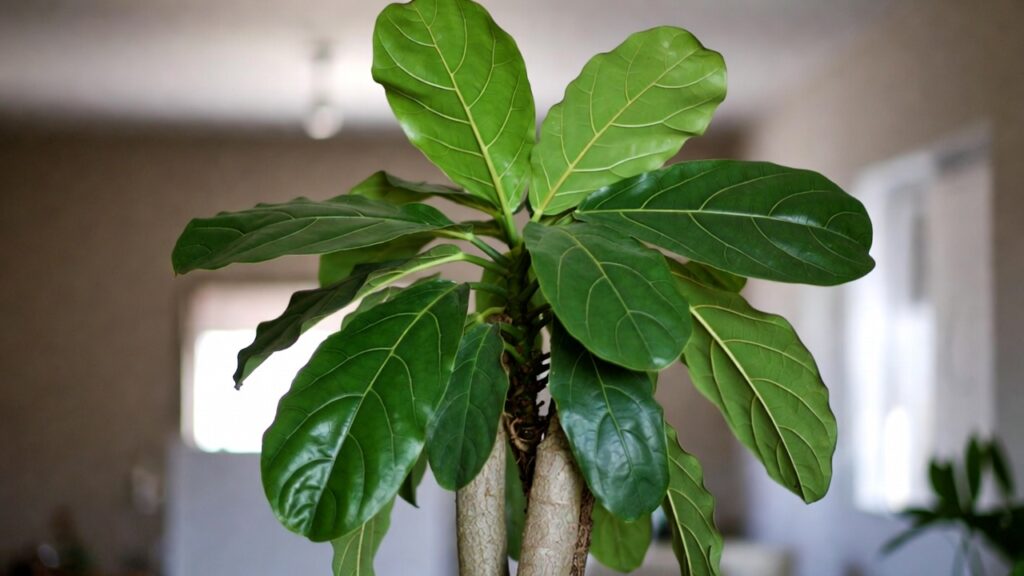
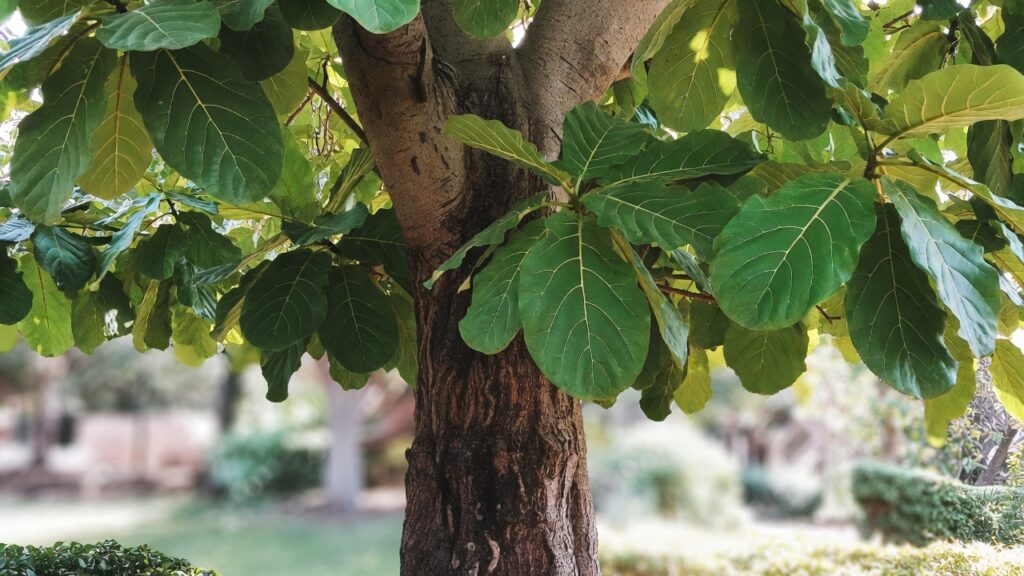
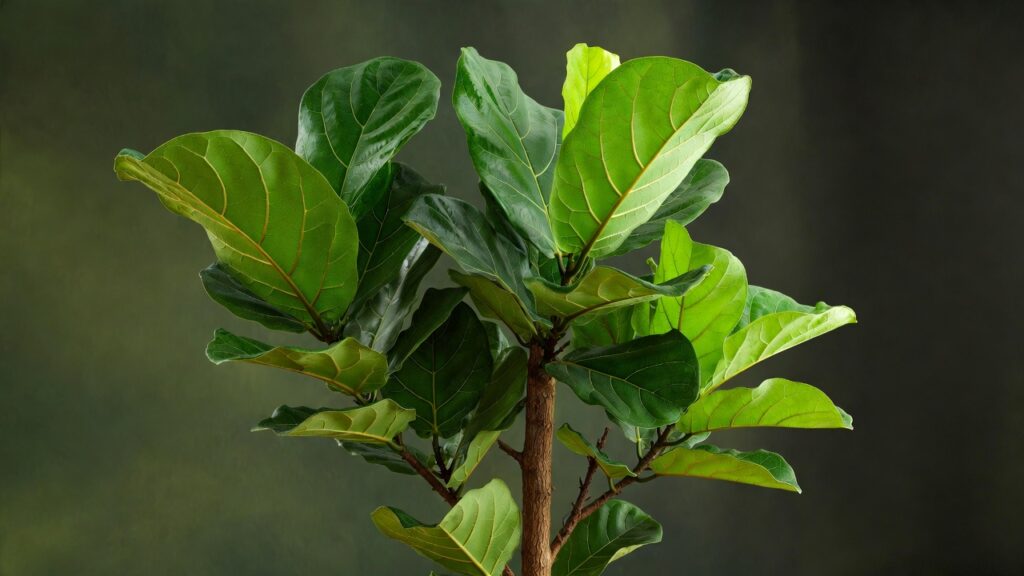
Fiddle Leaf Fig (Ficus lyrata)
The fiddle leaf fig is famous for its oversized violin-shaped leaves and dramatic appearance. It’s often featured in interior design magazines and luxury homes.
Best Features
- Bold architectural look
- Large glossy foliage
- Excellent statement plant
Challenges
- Sensitive to overwatering
- Requires consistent bright light
- Can drop leaves when stressed
Best For
- Bright living rooms
- Spacious interiors
- Experienced plant owners
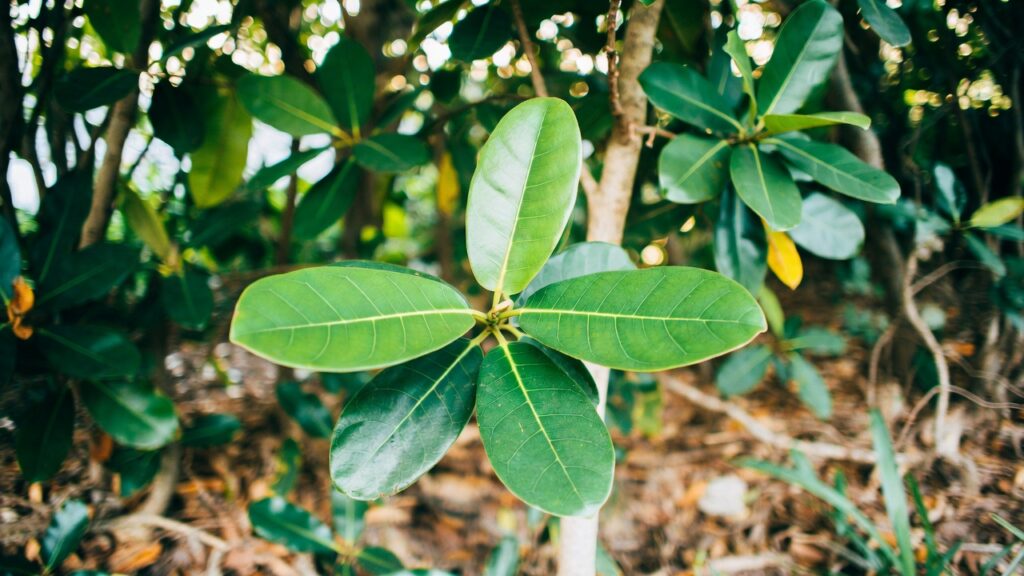
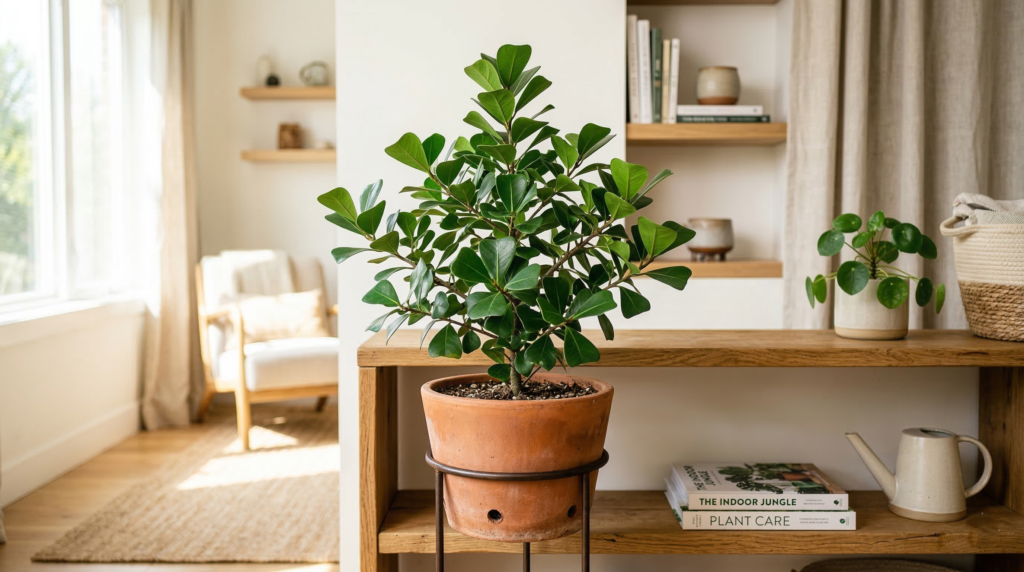
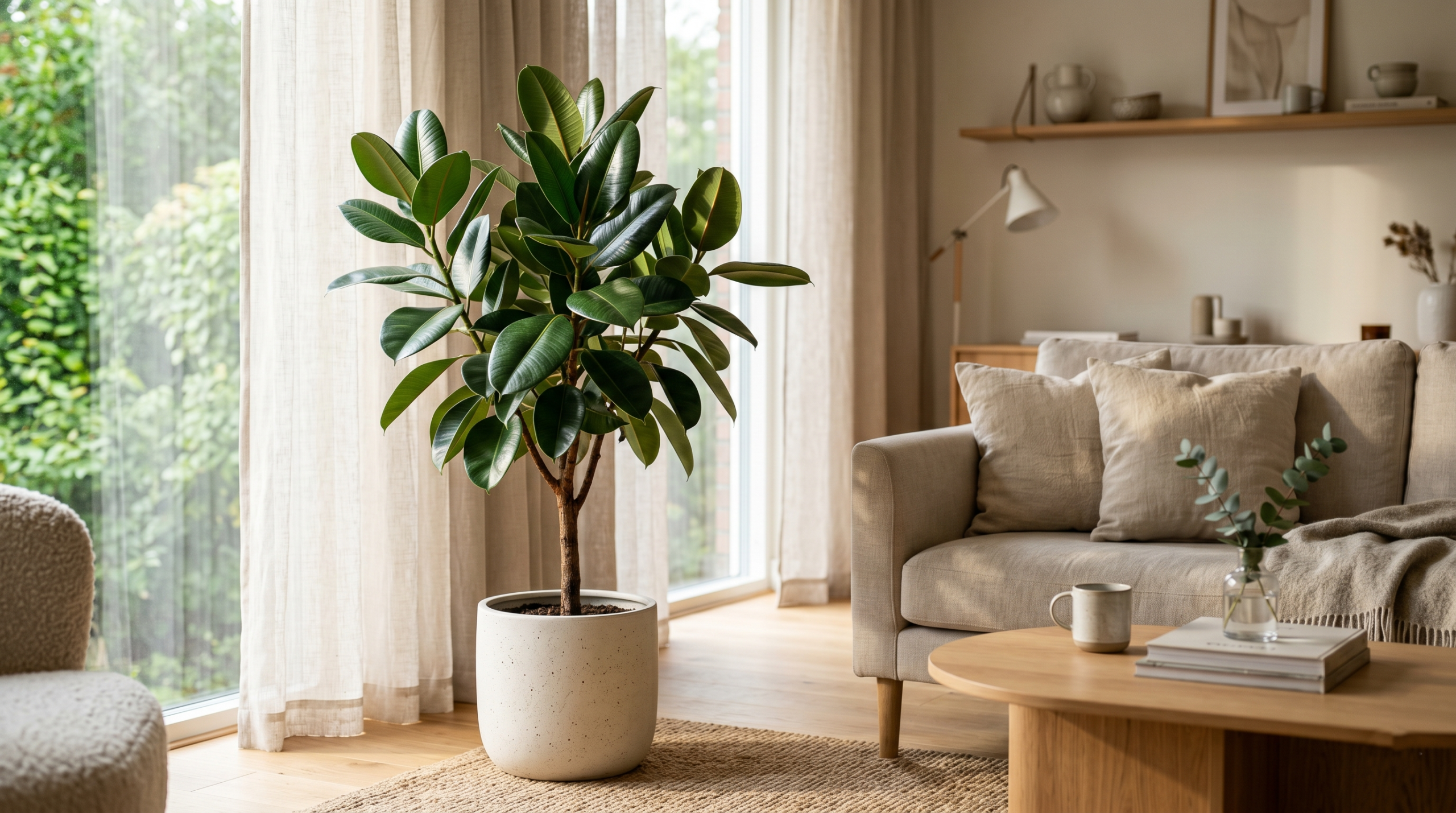
Rubber Plant (Ficus elastica)
The rubber plant is one of the easiest ficus trees to care for indoors. It has thick waxy leaves and a strong upright growth habit.
Benefits
- Low-maintenance
- Tolerates average indoor conditions
- Fast-growing
- Available in green, burgundy, and variegated forms
Best For
- Beginners
- Apartments
- Offices
- Medium-light spaces
For many homeowners searching for a ficus tree for sale, the rubber plant is often the safest and most rewarding choice.
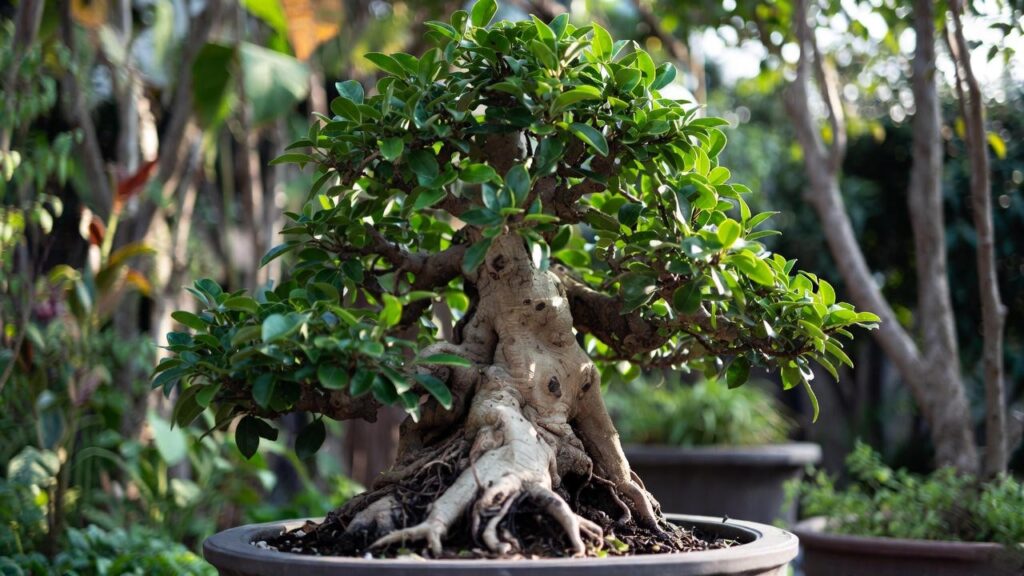
Weeping Fig (Ficus benjamina)
This classic indoor tree has graceful arching branches and smaller leaves. It’s been a favorite houseplant for generations.
Advantages
- Elegant tree-like structure
- Long lifespan
- Adaptable with proper care
Common Issues
- Sensitive to sudden environmental changes
- Prone to leaf drop after moving
Ideal Placement
- Bright indoor corners
- Rooms with stable temperatures
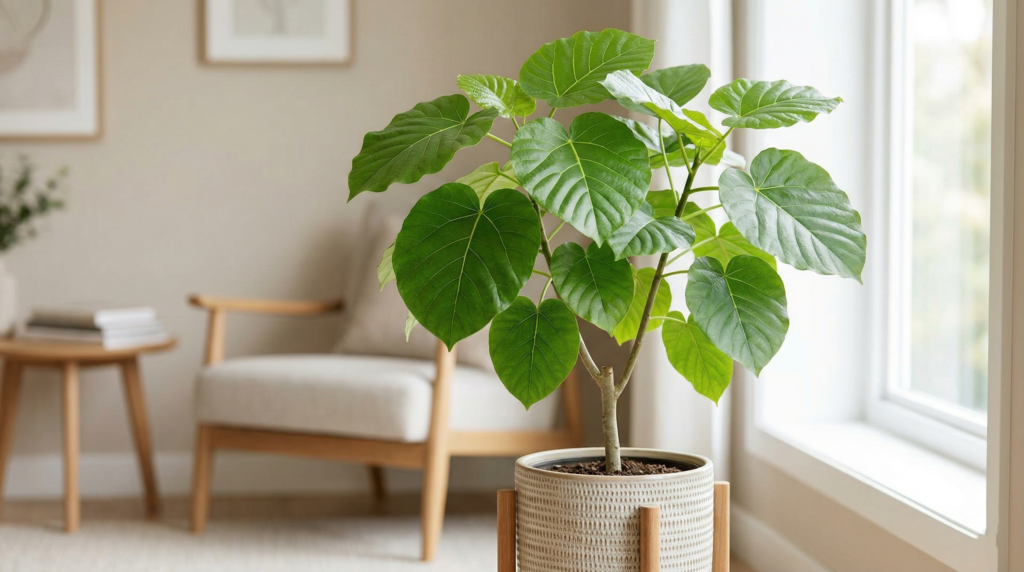
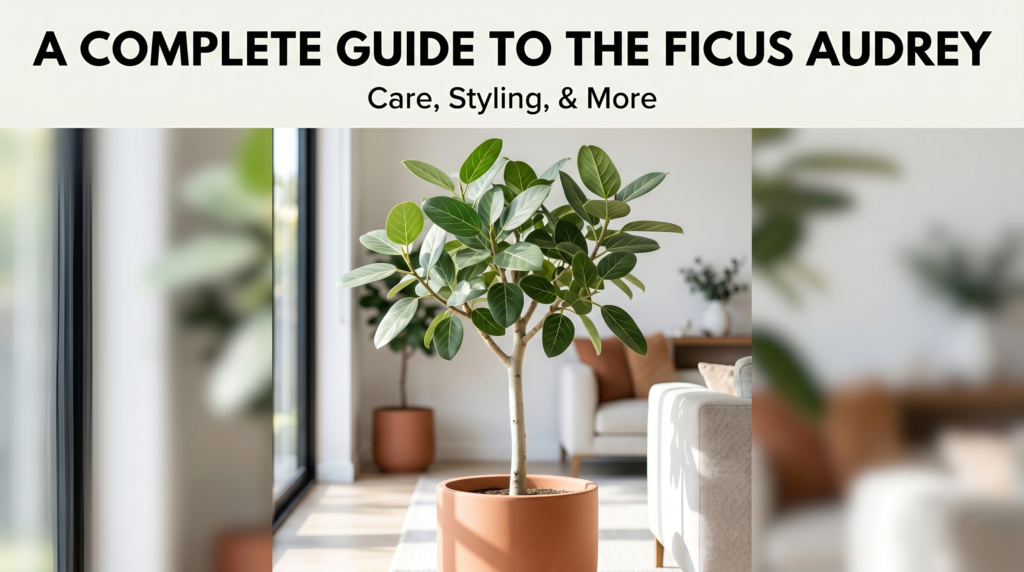
Ficus Audrey
Ficus Audrey has recently become one of the most desirable indoor trees due to its softer appearance and easier care compared to fiddle leaf figs.
Why Plant Enthusiasts Love It
- Velvety leaves
- More resilient than fiddle leaf figs
- Sophisticated appearance
Best For
- Modern homes
- Plant collectors
- Intermediate beginners
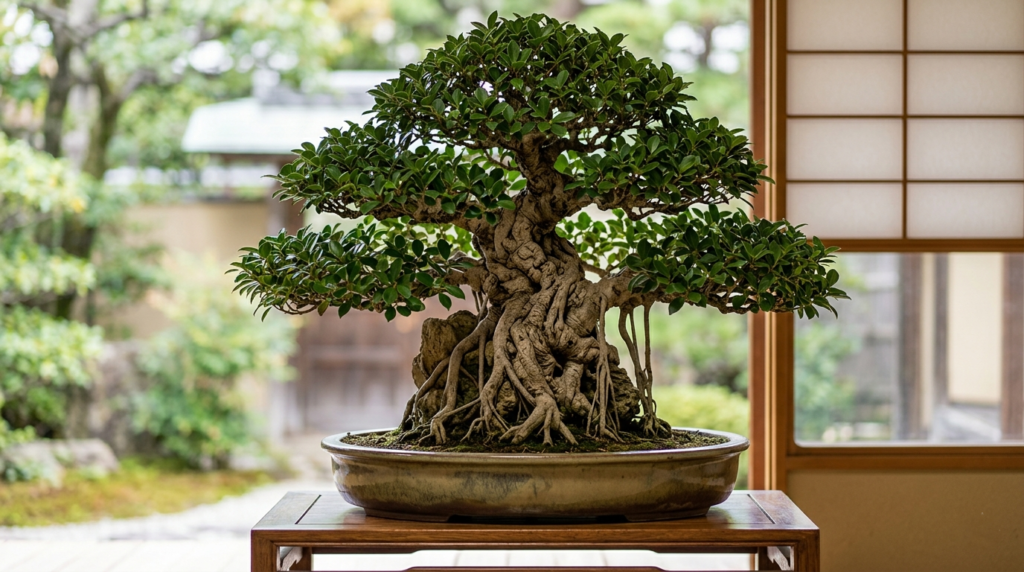
Dwarf Ficus Varieties
Compact ficus plants are perfect for small apartments, desktops, and shelves.
Popular options include:
- Bonsai ficus
- Mini rubber plants
- Compact benjamina varieties
These smaller plants provide the beauty of ficus trees without requiring large indoor spaces.
How to Choose the Right Ficus Tree for Your Home
Buying the right plant begins with understanding your environment. One of the biggest mistakes people make is choosing a plant based only on appearance.
Consider Your Lighting Conditions
Lighting is the single most important factor for ficus health.
Best Lighting for Common Varieties
| Ficus Variety | Light Requirement |
|---|---|
| Rubber Plant | Medium to bright indirect light |
| Fiddle Leaf Fig | Bright indirect light |
| Weeping Fig | Bright filtered light |
| Ficus Audrey | Bright indirect light |
Before purchasing, evaluate:
- Window direction
- Daily sunlight exposure
- Obstructions like curtains or buildings
A ficus placed in poor lighting conditions may become leggy, weak, or prone to leaf loss.
Match the Plant Size to Your Space
A small plant in a nursery can become surprisingly large over time.
Consider:
- Ceiling height
- Floor space
- Pot size
- Future growth potential
Large ficus trees work best in:
- Living rooms
- Open-plan interiors
- Offices with natural light
Compact varieties suit:
- Apartments
- Bedrooms
- Small workspaces
Choose Based on Maintenance Level
Some indoor gardeners enjoy high-maintenance plants, while others prefer low-effort greenery.
Best Low-Maintenance Ficus
- Rubber Plant
- Ficus Audrey
More Demanding Choices
- Fiddle Leaf Fig
- Weeping Fig
Being realistic about your care habits will help you succeed long term.
Pet Safety Considerations
Most ficus plants contain sap that can irritate pets if ingested.
If you have cats or dogs:
- Keep ficus trees out of reach
- Avoid placing fallen leaves on floors
- Consider elevated plant stands
Pet owners should always research toxicity before purchasing any indoor plant.
Where to Find the Best Ficus Tree for Sale
The source of your plant matters more than many people realize. Healthy plants from reputable sellers adapt better and experience fewer problems after purchase.
Buying from Local Plant Nurseries
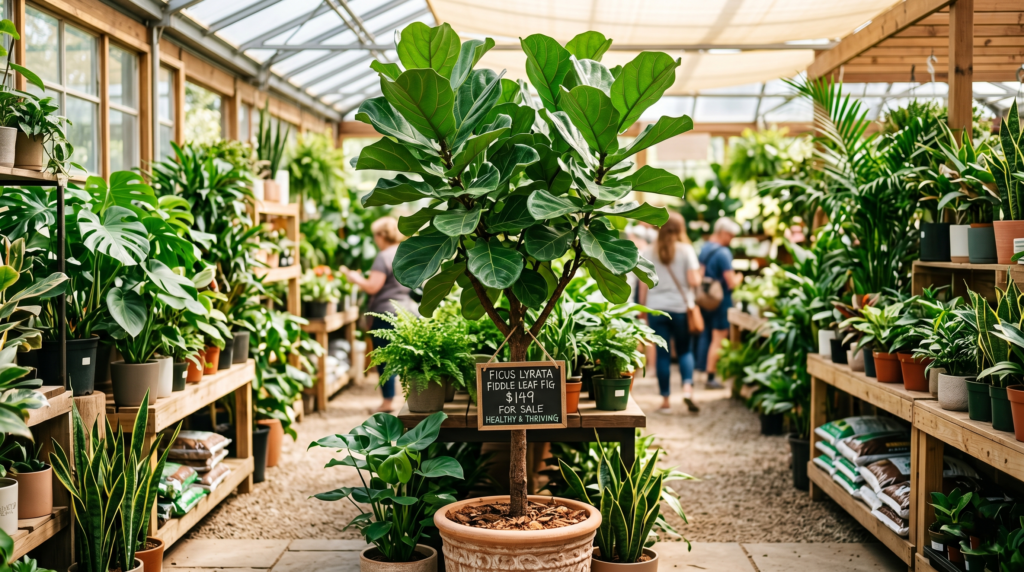
Local nurseries are often the best option because you can inspect the plant directly.
Advantages
- Healthier root systems
- Better acclimated plants
- Expert guidance from staff
- Easier transportation
When visiting a nursery:
- Check for pests
- Inspect leaf condition
- Examine drainage holes
- Ask about watering history
Buying Ficus Trees Online
Online plant shopping has become extremely popular, but it comes with risks.
What to Look For
- Clear plant photos
- Verified customer reviews
- Live arrival guarantees
- Transparent shipping policies
Avoid sellers using heavily edited images that may not represent the actual plant.
Big Box Stores vs Specialty Plant Shops
Large retail stores can offer affordable prices, but plant quality is inconsistent.
Big Box Store Pros
- Lower cost
- Easy availability
Cons
- Overwatered plants
- Pest issues
- Poor lighting during storage
Specialty plant shops typically provide healthier specimens and better care advice.
How to Inspect a Ficus Tree Before Buying

Knowing how to evaluate plant health can save you money and frustration.
Signs of a Healthy Ficus Tree
A healthy ficus should have:
- Firm stems
- Vibrant leaves
- Consistent color
- No visible pests
- Healthy new growth
Roots visible through drainage holes should appear light-colored and firm, not black or mushy.
Warning Signs to Avoid
Never buy a ficus with:
- Yellowing leaves
- Sticky residue
- Webbing under leaves
- Black spots
- Mushy stems
- Foul-smelling soil
These signs often indicate pests, root rot, or fungal disease.
Questions to Ask Before Buying
Ask sellers:
- How long has the plant been in the store?
- When was it last watered?
- Has it been recently repotted?
- Has it received pest treatment?
Professional sellers should answer confidently and transparently.
Common Mistakes People Make When Buying a Ficus Tree
Even experienced plant owners make mistakes with ficus trees.
Choosing the Wrong Variety
A fiddle leaf fig may look stunning online, but it may not thrive in a dark apartment.
Always prioritize compatibility over trends.
Ignoring Lighting Requirements
Insufficient light is one of the leading causes of ficus decline indoors.
Many buyers underestimate how much bright indirect light these plants need.
Buying Oversized Plants Too Early
Large ficus trees are beautiful, but they’re also more expensive and harder to adapt to new environments.
Smaller plants often adjust more successfully and grow faster over time.
Overlooking Pest Problems
Spider mites, mealybugs, and scale insects commonly affect ficus plants.
Always inspect:
- Undersides of leaves
- Stem joints
- Soil surface
Early detection prevents infestations from spreading to other indoor plants.
Moving the Plant Too Frequently
Ficus trees dislike sudden environmental changes.
After bringing your plant home:
- Avoid constant repositioning
- Keep temperatures stable
- Protect from cold drafts
Frequent movement often triggers leaf drop.
Essential Ficus Care Tips After Purchase
The first few weeks after bringing a ficus home are critical for long-term success.
The Best Spot to Place Your Ficus Tree
Ideal placement includes:
- Bright indirect sunlight
- Stable indoor temperatures
- Protection from air conditioners and heaters
South- or east-facing windows usually work best.
Watering Schedule for Healthy Growth
One of the most common indoor plant mistakes is overwatering.
Best Practice
Water only when the top 1–2 inches of soil feel dry.
Signs of overwatering:
- Yellow leaves
- Mushy roots
- Fungus gnats
Signs of underwatering:
- Crispy leaf edges
- Drooping foliage
- Dry compacted soil
Soil and Pot Recommendations
Ficus trees prefer:
- Well-draining soil
- Pots with drainage holes
- Airy root environments
A quality indoor potting mix with perlite works well for most varieties.
Fertilizing Tips
During active growth seasons:
- Fertilize every 4–6 weeks
- Use balanced liquid fertilizer
- Reduce feeding in winter
Overfertilizing can damage roots and cause salt buildup.
Common Ficus Problems and How to Fix Them
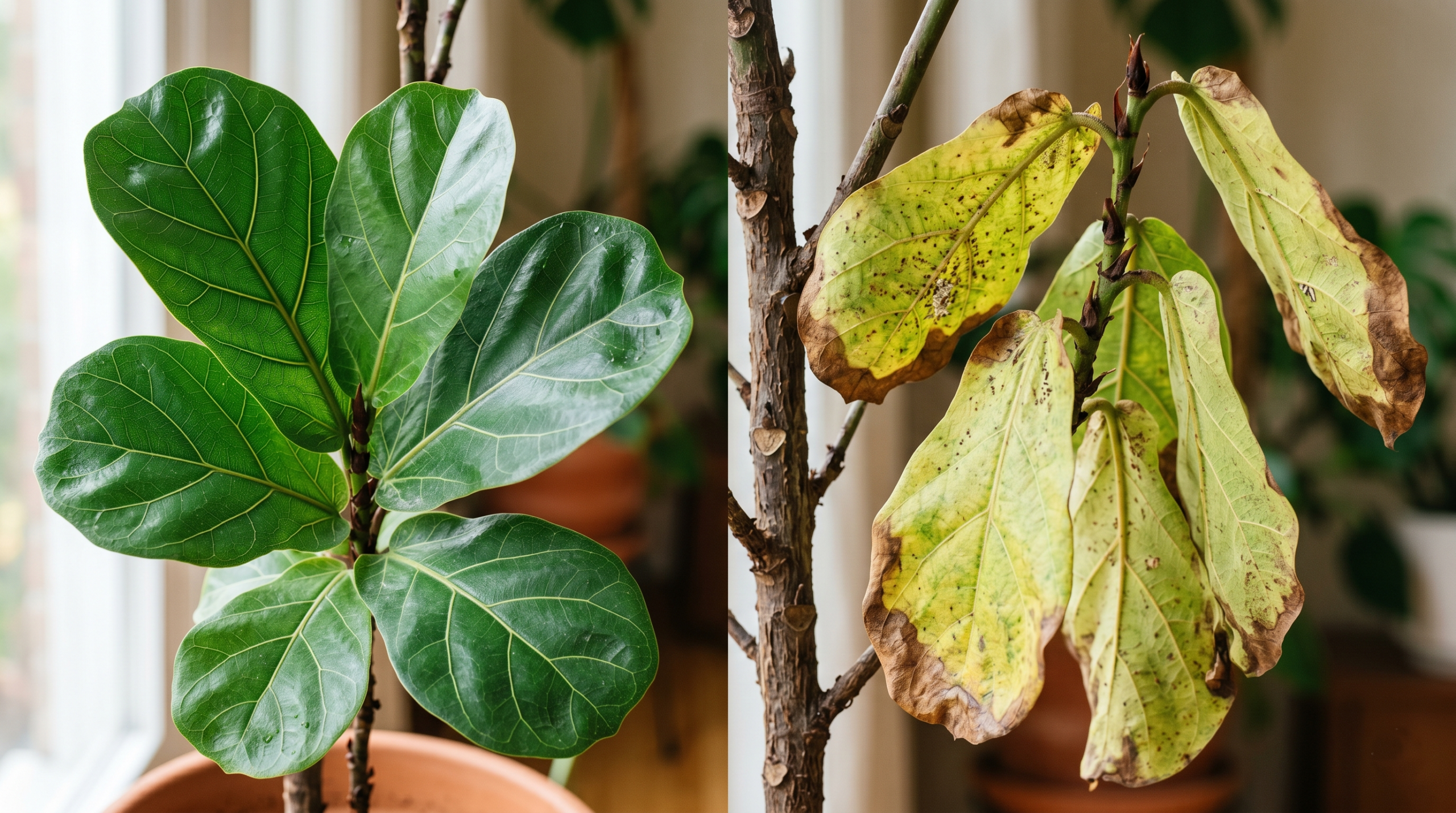
Even healthy ficus trees may experience occasional problems. Understanding the cause early can prevent long-term damage.
Why Is My Ficus Dropping Leaves?
Leaf drop is one of the most common concerns among indoor plant owners.
Common causes include:
- Sudden temperature changes
- Low humidity
- Overwatering
- Relocation stress
- Insufficient light
In many cases, ficus trees recover once conditions stabilize.
Brown Leaf Edges and Crispy Leaves
This issue often indicates:
- Dry indoor air
- Underwatering
- Excess fertilizer salts
Increasing humidity and adjusting watering habits usually helps.