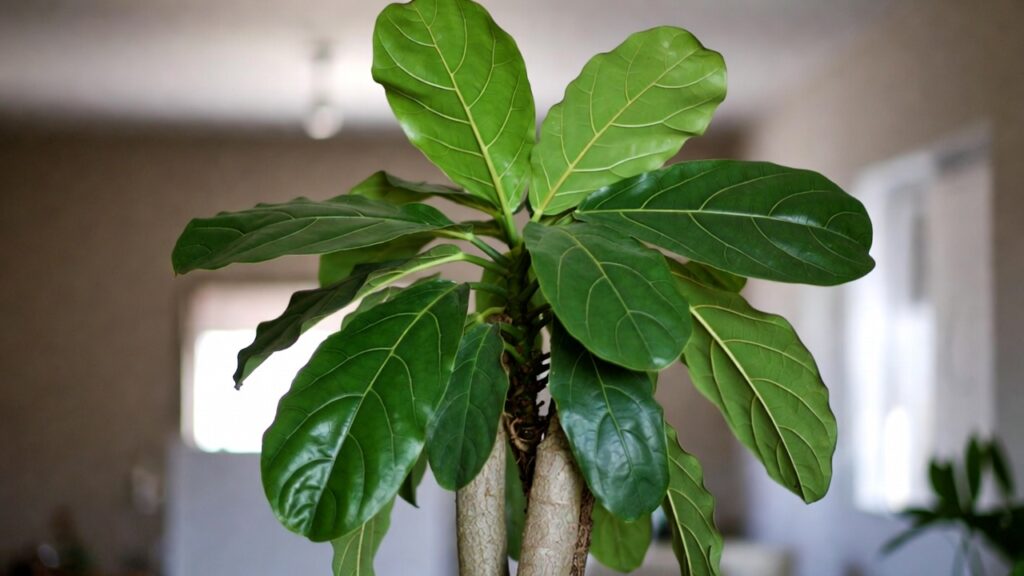

There’s a reason the Ficus Moclame has become one of the most stylish indoor trees in modern homes, offices, and minimalist interiors. With its glossy oval leaves, elegant rounded canopy, and relatively low-maintenance personality, this plant instantly adds sophistication to any indoor space. But while it looks effortless in magazines and Pinterest photos, many plant owners quickly discover that keeping a Ficus Moclame healthy indoors can be surprisingly challenging.
Leaf drop, yellowing foliage, slow growth, and watering confusion are some of the most common problems people face with this popular ficus variety. The good news? Most of these issues are completely preventable when you understand how the plant naturally grows and what it truly needs indoors.
In this complete Ficus Moclame care guide, you’ll learn everything you need to know about lighting, watering, humidity, pruning, repotting, propagation, and troubleshooting common problems. Whether you’re a beginner plant parent or an experienced indoor gardener, this expert-backed guide will help you grow a thriving, beautiful indoor tree for years to come.
Table of Contents
ToggleWhat Is a Ficus Moclame?

The Ficus Moclame, also known botanically as Ficus microcarpa ‘Moclame’, is a tropical evergreen tree native to Southeast Asia and parts of Australia. It belongs to the Moraceae family and is closely related to other popular indoor ficus plants like the Fiddle Leaf Fig and Weeping Fig.
What makes this indoor plant especially appealing is its compact growth habit and dense, rounded canopy filled with small glossy green leaves. Compared to fussier ficus varieties, the Ficus Moclame is generally easier to adapt to indoor conditions, making it a favorite among homeowners, office decorators, and interior designers.
Why Indoor Gardeners Love Ficus Moclame
The popularity of the Ficus Moclame continues to grow because it offers several benefits:
- Elegant architectural appearance
- Relatively easy indoor maintenance
- Better tolerance to indoor humidity levels
- Excellent air-purifying qualities
- Adaptable to modern interior styles
- Compact growth suitable for apartments and offices
Unlike some indoor trees that demand constant attention, the Ficus Moclame rewards consistency rather than perfection. Once it adjusts to its environment, it can become one of the most reliable statement plants in your collection.
Ideal Growing Conditions for Ficus Moclame
Understanding the plant’s natural environment is the key to successful indoor care. In tropical regions, ficus trees grow in warm temperatures with bright filtered sunlight and moderate humidity. Replicating those conditions indoors helps prevent stress-related problems.
Best Light Conditions for Ficus Moclame

Light is one of the most important factors affecting the health of your Ficus Moclame.
Ideal Lighting
The plant thrives best in:
- Bright indirect light
- Filtered sunlight near windows
- East-facing or bright north-facing rooms
- A few hours of gentle morning sun
While the plant can tolerate medium light, insufficient lighting often causes slow growth and leaf drop.
Signs Your Plant Needs More Light
Watch for these symptoms:
- Sparse foliage
- Leggy growth
- Smaller new leaves
- Sudden leaf shedding
Avoid Harsh Afternoon Sun
Strong direct sunlight can scorch the leaves, causing:
- Brown patches
- Crispy edges
- Faded leaf color
If placing your plant near a south-facing window, use sheer curtains to soften intense sunlight.
Temperature and Humidity Requirements
Because the Ficus Moclame is tropical, it prefers stable indoor temperatures.
Ideal Temperature Range
The best temperature range is:
- 65°F to 80°F (18°C to 27°C)
Avoid exposing the plant to:
- Cold drafts
- Sudden temperature changes
- Air conditioner vents
- Heating units
Even a brief exposure to cold air can trigger leaf drop.
Humidity Needs
Although Ficus Moclame adapts better than many tropical plants, it still prefers moderate humidity.
If your indoor air is very dry, you may notice:
- Brown leaf tips
- Curling foliage
- Slower growth
Ways to Increase Humidity
Simple methods include:
- Using a humidifier
- Grouping plants together
- Placing a pebble tray beneath the pot
- Occasional light misting
Consistency matters more than extreme humidity levels.
Best Soil for Ficus Moclame
Healthy roots are the foundation of a healthy plant, and proper soil makes all the difference.
Ideal Soil Characteristics
The best potting mix should be:
- Well-draining
- Light and airy
- Moisture-retentive but not soggy
Recommended Soil Mix
A balanced mix may include:
- Indoor potting soil
- Perlite
- Orchid bark or coco coir
This combination improves airflow around the roots and reduces the risk of root rot.
Importance of Drainage Holes
Never keep your Ficus Moclame in a pot without drainage holes. Excess water trapped in the container is one of the leading causes of root disease and yellow leaves.
How to Water Ficus Moclame Properly

Improper watering is the number one reason indoor ficus plants struggle. Many owners either overwater out of fear of dryness or underwater due to uncertainty.
The secret is learning to water based on soil moisture rather than a rigid schedule.
How Often Should You Water?
In general:
- Water more frequently during spring and summer
- Reduce watering during fall and winter
The Finger Test Method
Before watering:
- Insert your finger 1–2 inches into the soil
- If the top layer feels dry, water thoroughly
- If still moist, wait a few more days
This method is more reliable than following a calendar.
Signs of Overwatering
Overwatering symptoms include:
- Yellow leaves
- Mushy stems
- Soil staying wet for days
- Fungus gnats
- Root rot smell
If you notice these issues, reduce watering immediately and inspect the roots.
Signs of Underwatering
Underwatered Ficus Moclame plants may show:
- Drooping leaves
- Dry crispy edges
- Leaf curling
- Soil pulling away from the pot
The goal is evenly moist soil — not constantly wet or bone dry.
Best Water Type for Indoor Ficus Plants
Many indoor gardeners overlook water quality.
While tap water is usually acceptable, high mineral content or chlorine buildup can eventually affect sensitive plants.
Filtered or room-temperature water is often best for long-term plant health.
Fertilizing Ficus Moclame for Healthy Growth
Even the best soil eventually loses nutrients. Regular feeding helps support lush foliage and stronger root development.
Best Fertilizer Options
Choose a balanced fertilizer such as:
- 10-10-10
- 20-20-20 liquid fertilizer
- Organic indoor plant fertilizers
Slow-release fertilizers also work well for busy plant owners.
When to Fertilize
Feed your plant during active growth periods:
- Spring
- Summer
- Early fall
Typically, fertilizing once every 4–6 weeks is sufficient.
Avoid heavy fertilization during winter when growth naturally slows down.
Signs Your Plant Needs Nutrients
Common nutrient deficiency signs include:
- Pale leaves
- Weak growth
- Small new foliage
- Reduced leaf density
Overfertilizing, however, can burn roots and damage the plant. More fertilizer does not always mean faster growth.
Pruning and Shaping Your Ficus Moclame

One reason interior designers love this plant is its naturally elegant shape. Regular pruning helps maintain that appearance while encouraging fuller growth.
Benefits of Pruning
Pruning helps:
- Encourage branching
- Remove damaged leaves
- Improve airflow
- Maintain compact size
- Create a fuller canopy
Best Time to Prune
The ideal pruning season is:
- Spring
- Early summer
This allows the plant to recover quickly during active growth.
How to Prune Correctly
Step-by-Step Pruning Guide
- Sterilize pruning shears
- Remove dead or damaged branches
- Cut slightly above leaf nodes
- Avoid removing more than 25% of foliage at once
Always use clean tools to prevent disease transmission.
Repotting Ficus Moclame Without Causing Stress
Ficus plants dislike sudden environmental changes, so repotting should be done carefully.
Signs Your Plant Needs Repotting
You may need a larger container if:
- Roots circle the bottom of the pot
- Water drains too quickly
- Growth becomes stunted
- Roots emerge from drainage holes
Most indoor Ficus Moclame plants need repotting every 2–3 years.
Choosing the Right Pot
Select a pot that is:
- Only 1–2 inches larger than the current pot
- Equipped with drainage holes
- Heavy enough to support the plant’s canopy
Oversized pots often retain too much moisture.
Step-by-Step Repotting Process
Repotting Tips
- Water the plant lightly beforehand
- Remove it gently from the old container
- Loosen compacted roots carefully
- Add fresh well-draining soil
- Water lightly after repotting
Avoid fertilizing immediately after repotting, as stressed roots are more sensitive.
Common Ficus Moclame Problems and Solutions
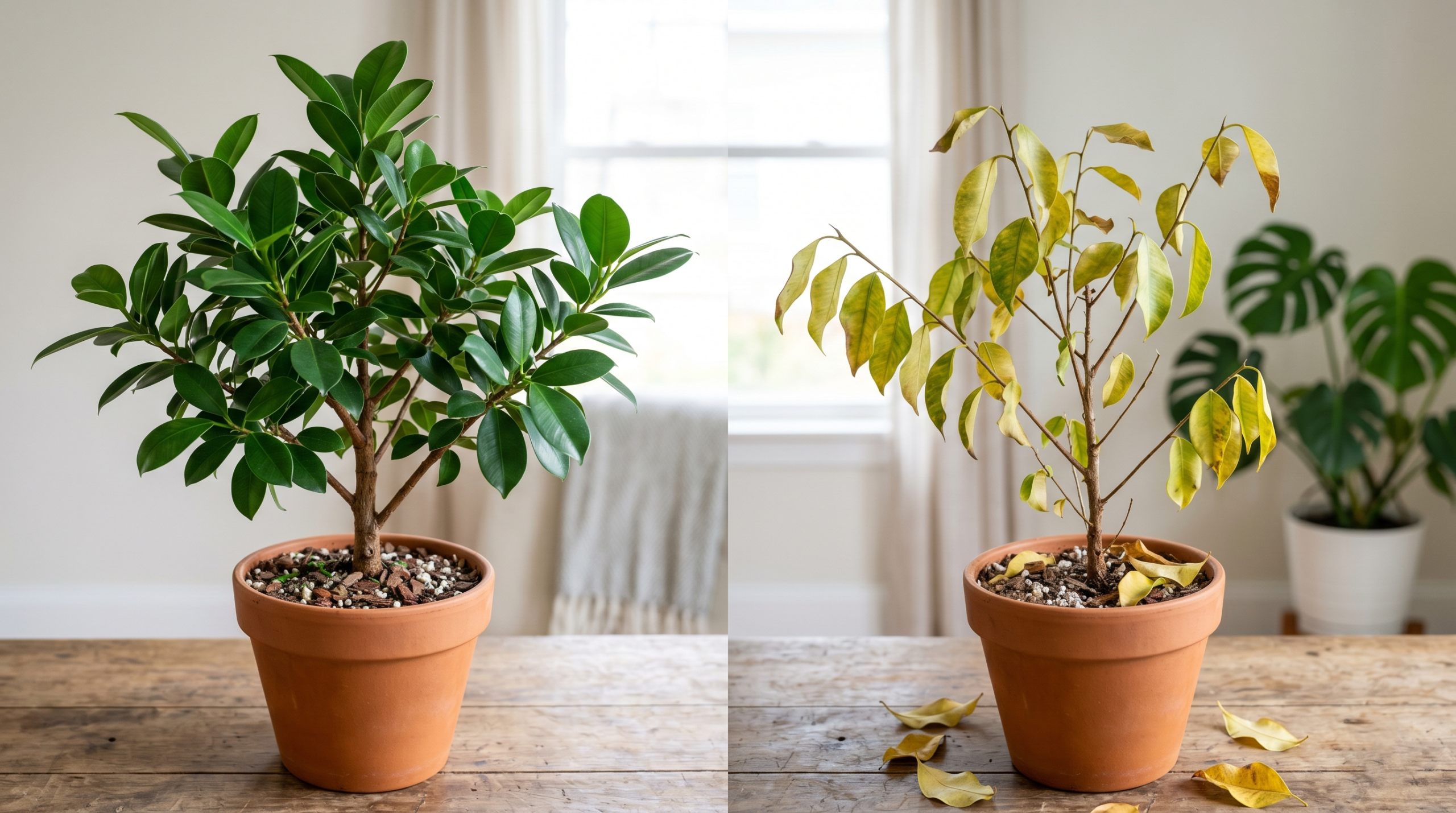
Even healthy indoor plants occasionally develop issues. Fortunately, most Ficus Moclame problems can be identified early and corrected quickly.
Why Is My Ficus Moclame Dropping Leaves?
Leaf drop is the most common complaint among ficus owners.
Common Causes Include:
- Sudden environmental changes
- Overwatering
- Underwatering
- Temperature stress
- Low light
- Moving the plant frequently
Ficus plants prefer stability. Once you find a suitable location, avoid relocating the plant unnecessarily.
Yellow Leaves on Ficus Moclame
Yellow leaves are usually linked to excess moisture.
Possible Causes
- Poor drainage
- Waterlogged soil
- Root stress
- Nutrient deficiencies
Allow the soil to partially dry between waterings and inspect the roots if the issue persists.
Brown Leaf Tips and Crispy Edges
This problem is commonly caused by:
- Dry indoor air
- Inconsistent watering
- Mineral buildup from tap water
Improving humidity and maintaining a consistent watering routine usually solves the issue.
Common Indoor Plant Pests
Although relatively resilient, Ficus Moclame can occasionally attract pests such as:
- Spider mites
- Mealybugs
- Scale insects
Signs include sticky leaves, tiny webs, or visible insects on stems and foliage.
Natural Pest Treatment Options
Safe treatment methods include:
- Neem oil spray
- Insecticidal soap
- Wiping leaves with diluted alcohol
Always isolate infected plants to prevent pests from spreading to nearby houseplants.
How to Propagate Ficus Moclame
Propagation is a rewarding way to grow new plants from healthy stems.
Stem Cutting Propagation
The easiest method involves stem cuttings.
Basic Steps
- Choose a healthy stem
- Cut below a node
- Remove lower leaves
- Place in water or moist soil
- Keep warm and humid
Roots usually appear within several weeks.
Water vs Soil Propagation
Water Propagation
Benefits:
- Easy to monitor root growth
Drawbacks:
- Roots may struggle during soil transition
Soil Propagation
Benefits:
- Stronger root adaptation
Drawbacks:
- Harder to monitor progress
Both methods can work successfully with patience and proper care.
Is Ficus Moclame Toxic to Pets?
Like many ficus varieties, Ficus Moclame contains sap that may irritate pets or humans if ingested.
Safety Precautions
Keep the plant away from:
- Curious cats
- Dogs
- Small children
Wear gloves when pruning if you have sensitive skin.
Best Ways to Style Ficus Moclame Indoors
One of the greatest strengths of this indoor tree is its versatility in home décor.
Best Placement Ideas
Ficus Moclame works beautifully in:
- Living rooms
- Home offices
- Entryways
- Bright corners
- Minimalist interiors
Its sculptural form makes it an excellent statement plant.
Decorative Pot Ideas
Popular choices include:
- Matte ceramic planters
- Woven baskets
- Modern concrete pots
- Neutral-toned containers
Choosing the right planter enhances both plant health and visual appeal.
Seasonal Care Tips for Ficus Moclame
Indoor plant care should adapt throughout the year.
Spring and Summer Care
During active growth:
- Increase watering slightly
- Fertilize regularly
- Prune if necessary
- Watch for rapid growth
Fall and Winter Care
During cooler months:
- Reduce watering frequency
- Stop heavy fertilization
- Protect from cold drafts
- Maximize available sunlight
Most ficus plants naturally slow their growth during winter.
Expert Tips to Keep Your Ficus Moclame Thriving
Experienced indoor gardeners often follow a few simple rules that dramatically improve long-term plant health.
Pro Care Tips
- Rotate the plant monthly for even growth
- Wipe dust from leaves regularly
- Avoid frequent relocation
- Monitor moisture carefully
- Use pots with excellent drainage
- Prioritize consistency over perfection
Small environmental changes often have a larger impact on ficus plants than people realize.
Frequently Asked Questions About Ficus Moclame
How fast does Ficus Moclame grow indoors?
With proper light and care, it grows moderately fast and can reach several feet indoors over time.
Can Ficus Moclame survive in low light?
It tolerates medium light but grows best in bright indirect light.
Why are leaves falling off my Ficus Moclame?
Leaf drop is usually caused by stress, inconsistent watering, or sudden environmental changes.
Should I mist my Ficus Moclame?
Occasional misting can help in dry climates, but consistent humidity is more important.
How tall does Ficus Moclame grow indoors?
Most indoor plants reach 4–8 feet tall depending on care and container size.
Conclusion
The Ficus Moclame is one of the most elegant and rewarding indoor trees you can grow. Its glossy foliage, compact shape, and adaptable nature make it an outstanding choice for homes, apartments, and offices alike. While it may occasionally react to environmental stress, most common problems are easy to prevent once you understand the plant’s basic needs.
By providing bright indirect light, careful watering, stable temperatures, and occasional pruning, you can enjoy a healthy, thriving Ficus Moclame for many years. Consistency, observation, and patience are the true secrets to success with this beautiful indoor ficus.
If you’re building an indoor jungle or simply looking for a stylish low-maintenance tree, the Ficus Moclame deserves a place at the top of your list.