
There’s a reason the ficus audrey tree is suddenly everywhere — from modern living rooms and designer apartments to cozy home offices and indoor plant collections on social media. Unlike many trendy indoor trees that look beautiful but constantly struggle indoors, the ficus audrey offers the perfect balance of elegance, resilience, and relatively easy care.
If you’ve ever battled a dramatic fiddle leaf fig dropping leaves overnight or watched an indoor tree slowly decline despite your best efforts, you’re not alone. Many plant owners want a statement tree that actually thrives indoors without becoming a full-time responsibility. That’s exactly why the ficus audrey tree has become one of the most recommended indoor trees for beginners and experienced plant lovers alike.
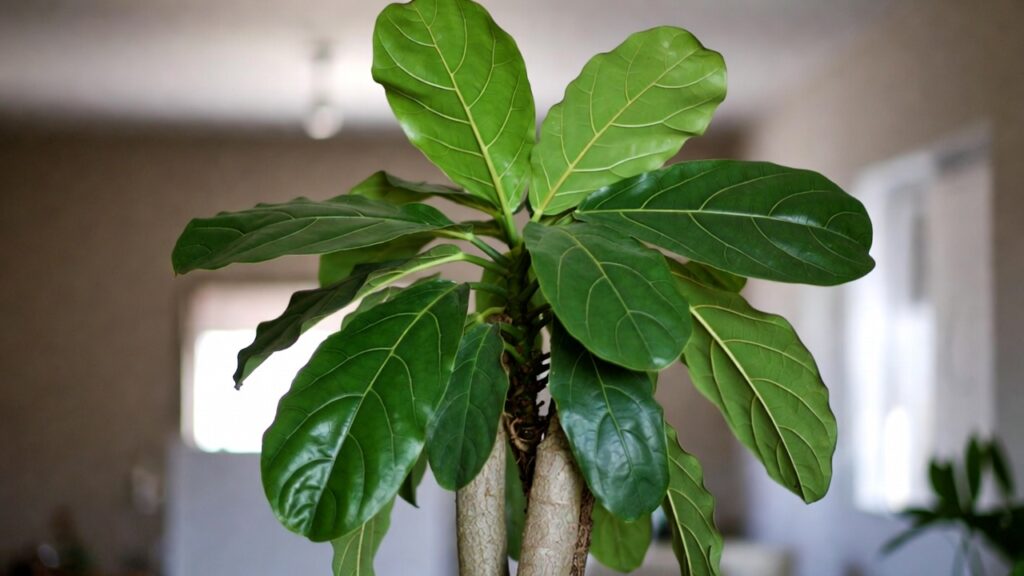
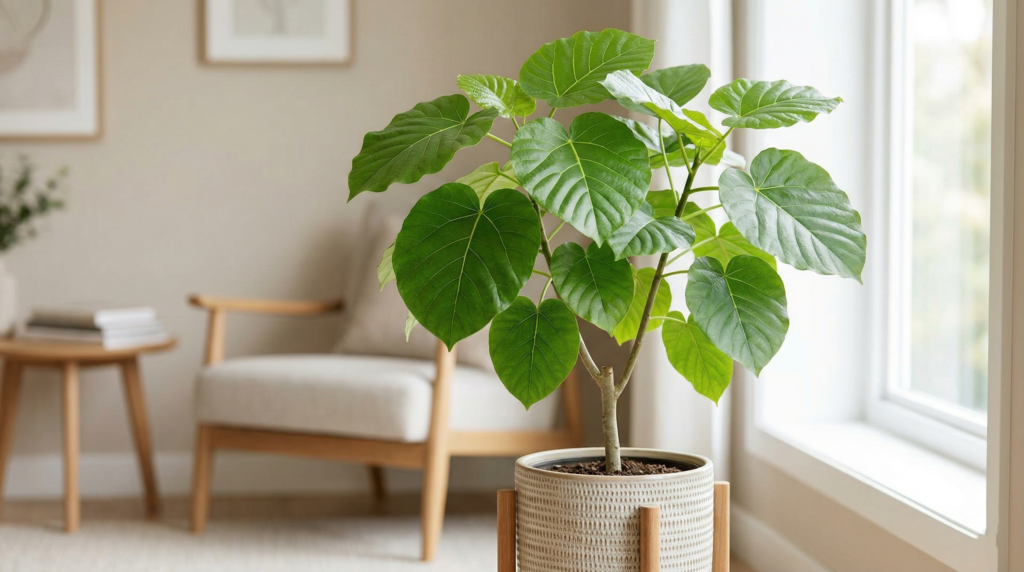
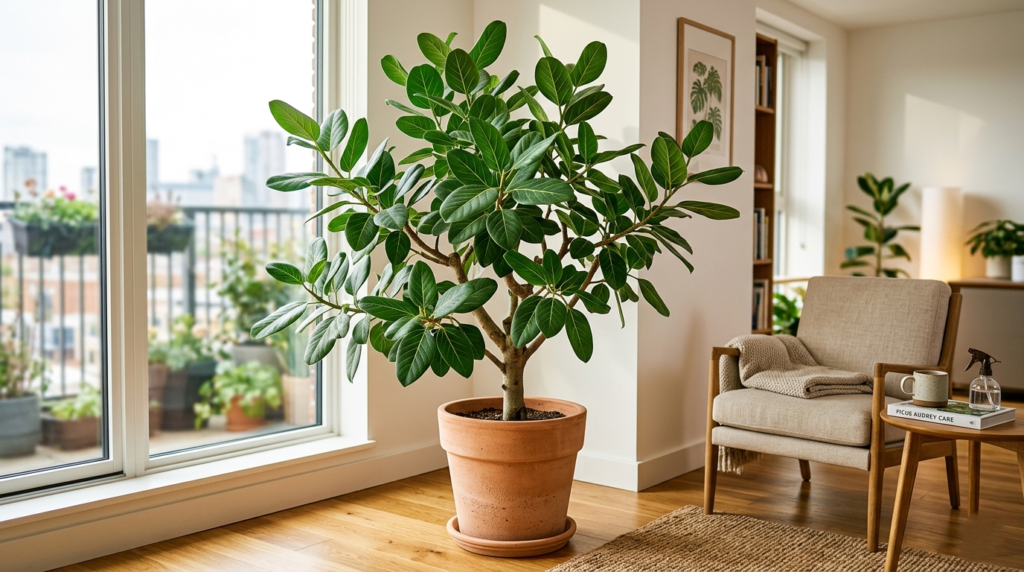
With its velvety green leaves, pale trunk, and graceful structure, this plant instantly elevates any space. More importantly, it adapts surprisingly well to indoor environments when given the right care. In this complete guide, you’ll learn exactly how to grow a healthy ficus audrey tree indoors — including watering schedules, light requirements, pruning tips, pest prevention, repotting advice, and expert strategies to keep your tree thriving for years.
Whether you just brought home your first ficus benghalensis or want to revive a struggling plant, this guide covers everything you need to know.
What Is a Ficus Audrey Tree?
The ficus audrey tree, scientifically known as Ficus benghalensis, is a tropical indoor tree admired for its soft, matte leaves and elegant growth habit. It belongs to the banyan tree family and is actually the national tree of India.
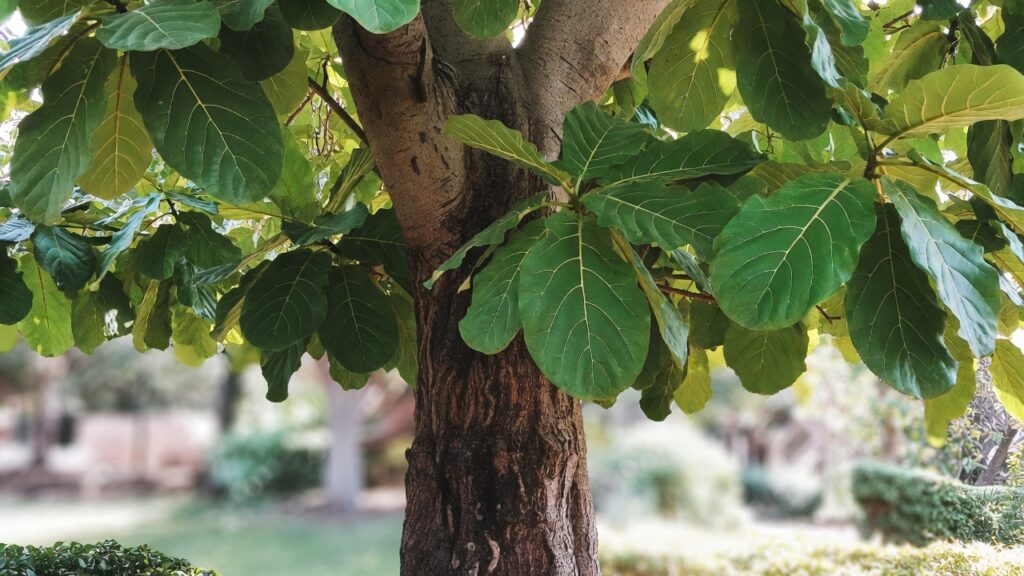
In its natural environment, this tree can grow to enormous sizes with sprawling aerial roots and massive canopies. Indoors, however, the ficus audrey remains manageable and develops into a sophisticated statement plant that fits beautifully in modern homes.
Origin and Botanical Background
The ficus audrey originates from India and surrounding tropical regions. In nature, banyan trees symbolize longevity and strength because they can survive for centuries.
As an indoor plant, ficus benghalensis offers:
- Strong upright growth
- Thick pale trunks
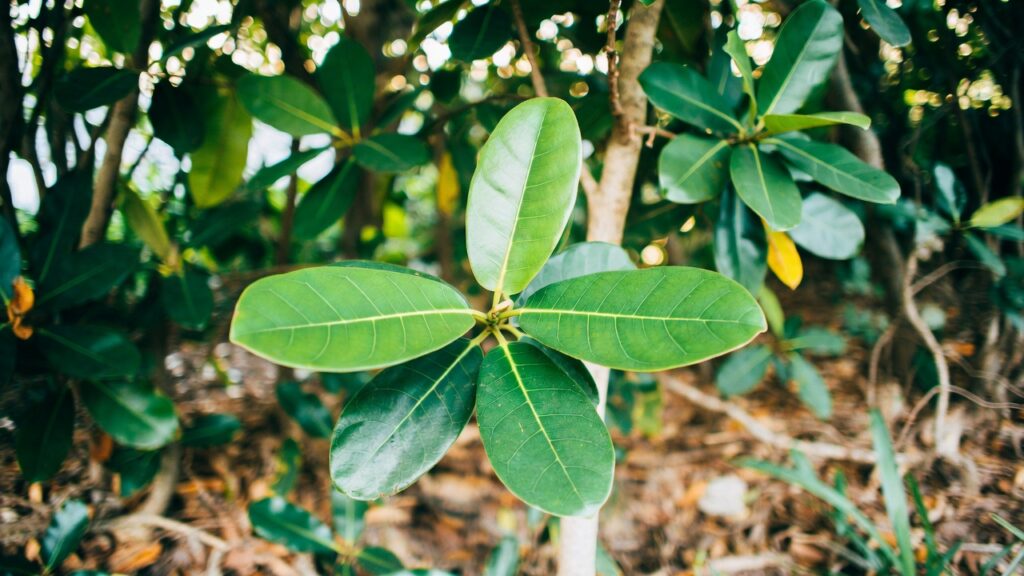
- Velvety oval-shaped leaves
- Better adaptability than many ficus varieties
Because of its durable nature, many indoor gardeners consider it one of the best large houseplants for long-term success.
Why the Ficus Audrey Tree Is So Popular Indoors
The popularity of the ficus audrey tree has exploded in recent years for several reasons:
Easier Than a Fiddle Leaf Fig
Many plant owners switch to ficus audrey after struggling with fiddle leaf figs. While both plants are visually striking, the ficus audrey is generally more forgiving.
Elegant Appearance
Its muted green leaves and soft texture create a refined, minimalist look that works with almost any interior design style.
Better Indoor Adaptability
Unlike some tropical plants that react dramatically to environmental changes, ficus audrey trees tend to adjust more smoothly to indoor conditions.
Air-Purifying Benefits
Like many ficus species, this plant may help improve indoor air quality by filtering airborne pollutants.
Ficus Audrey Tree vs. Fiddle Leaf Fig
Many people compare the ficus audrey tree to the fiddle leaf fig because both are trendy indoor trees. However, there are important differences.
| Feature | Ficus Audrey | Fiddle Leaf Fig |
|---|---|---|
| Leaf Texture | Soft and velvety | Thick and glossy |
| Care Difficulty | Moderate and forgiving | Sensitive and demanding |
| Light Flexibility | More adaptable | Requires consistent bright light |
| Leaf Drop Issues | Less common | Very common |
| Growth Habit | Balanced and elegant | Upright and dramatic |
If you’re new to indoor trees, the ficus audrey is often the safer choice.
Ideal Growing Conditions for a Healthy Ficus Audrey Tree

Creating the right environment is the foundation of healthy ficus audrey care. While this plant is easier than some indoor trees, it still thrives best under specific conditions.
Best Light Requirements
The ficus audrey tree loves bright indirect light.
Place it near:
- East-facing windows
- Bright south-facing windows with filtered light
- West-facing windows with gentle afternoon sun
Can It Handle Direct Sunlight?
Yes — but gradually.
Morning sunlight is usually beneficial, while harsh afternoon sun may scorch the leaves if the plant isn’t acclimated properly.
Signs Your Plant Needs More Light
- Leggy growth
- Smaller new leaves
- Leaning toward the light source
- Slow growth
Signs of Too Much Light
- Brown patches
- Crispy leaf edges
- Faded foliage
One of the biggest mistakes plant owners make is placing ficus audrey trees in dark corners. While the plant survives low light better than some ficus varieties, it will not truly thrive without bright conditions.
Ideal Temperature and Humidity
The ficus audrey prefers warm, stable indoor temperatures.
Ideal Temperature Range
- 65°F to 85°F (18°C to 29°C)
Avoid sudden temperature fluctuations whenever possible.
Keep Away From:
- Cold drafts
- Air conditioning vents
- Radiators
- Frequently opened doors
Sudden environmental stress can trigger leaf drop.
Humidity Needs
The ficus audrey tree tolerates average household humidity surprisingly well. However, it grows best with moderate humidity levels.
Ways to Increase Humidity
- Use a humidifier
- Group plants together
- Place the pot on a pebble tray
- Mist lightly during dry seasons
Dry winter air can sometimes cause crispy leaf edges, especially in heated homes.
Choosing the Right Pot and Soil
Soil quality directly impacts root health and long-term growth.
Best Soil Mix for Ficus Audrey
A well-draining soil mix is essential.
A great indoor mix includes:
- Potting soil
- Perlite
- Orchid bark or coco chips
This combination prevents soggy roots while maintaining enough moisture for healthy growth.
Why Drainage Matters
Poor drainage is one of the most common reasons indoor ficus trees fail.
Always choose a pot with:
- Drainage holes
- Enough depth for root expansion
- Space for airflow around roots
Avoid oversized pots because excess soil retains unnecessary moisture.
How to Water a Ficus Audrey Tree Properly
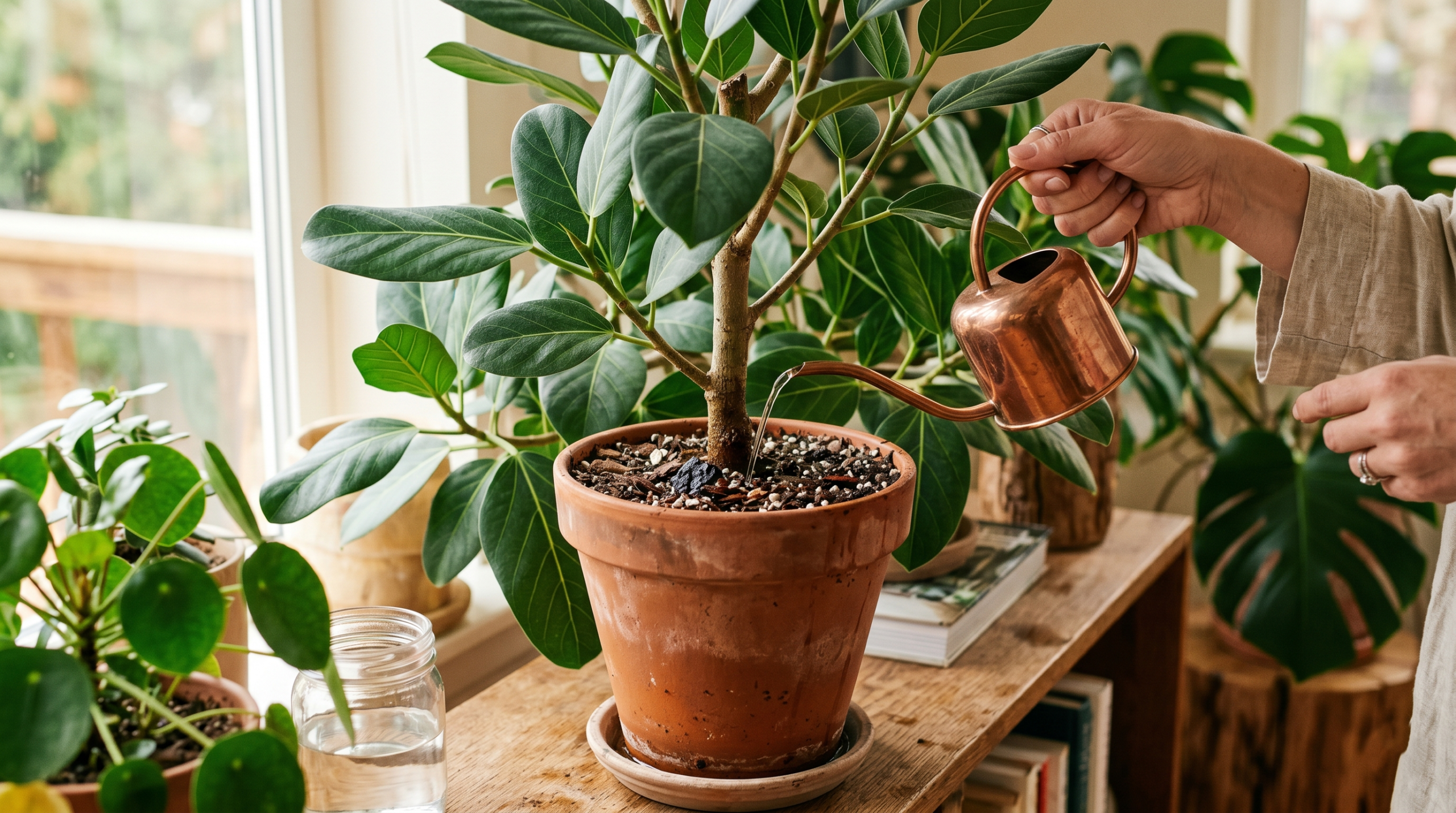
Improper watering causes more ficus audrey problems than almost anything else. Fortunately, once you understand the plant’s watering rhythm, care becomes much easier.
How Often Should You Water?
The correct watering schedule depends on:
- Light exposure
- Humidity
- Pot size
- Season
- Soil type
In general:
- Water when the top 2–3 inches of soil feel dry
- Water more frequently during spring and summer
- Reduce watering during winter dormancy
For most indoor environments, this usually means:
- Every 7–10 days during active growth
- Every 2–3 weeks in winter
However, always check the soil before watering instead of following a strict schedule.
Signs of Overwatering
Overwatering is the leading cause of indoor ficus decline.
Common Symptoms
- Yellow leaves
- Drooping foliage
- Mushy stems
- Persistent wet soil
- Root rot smell
- Fungus gnats
If caught early, reducing watering and improving drainage can save the plant.
How to Prevent Root Rot
- Never let the pot sit in standing water
- Empty saucers after watering
- Use fast-draining soil
- Allow partial drying between waterings
Signs of Underwatering
Although overwatering is more common, underwatering also stresses the plant.
Symptoms of Underwatering
- Curled leaves
- Dry brown edges
- Drooping branches
- Soil pulling away from the pot
A severely underwatered ficus audrey may drop leaves to conserve energy.
Expert Watering Tips for Consistent Growth
Experienced indoor gardeners often follow these simple techniques:
Water Thoroughly
Water deeply until excess water drains from the bottom.
Rotate Your Plant
Rotating the tree every few weeks promotes even growth and prevents leaning.
Use Room-Temperature Water
Cold water can shock tropical roots.
Monitor Soil Moisture
A moisture meter can help beginners avoid watering mistakes.
Consistency matters more than perfection.
Fertilizing Your Ficus Audrey Tree for Faster Growth
A healthy ficus audrey tree grows steadily and produces lush foliage when fed properly.
Best Fertilizer Types
Use a balanced liquid houseplant fertilizer during the growing season.
Look for formulas close to:
- 10-10-10
- 20-20-20
Organic fertilizers also work well for indoor trees.
Popular Organic Options
- Fish emulsion
- Seaweed extract
- Worm castings
How Often to Fertilize
During spring and summer:
- Feed every 4–6 weeks
During fall and winter:
- Reduce or stop fertilizing
Indoor plants naturally slow their growth during colder months.
Common Fertilizing Mistakes to Avoid
Too much fertilizer can damage roots and cause leaf issues.
Signs of Overfertilizing
- Brown leaf tips
- White crust on soil
- Weak growth
- Burned roots
Flush the soil occasionally to remove salt buildup from fertilizers.
How to Prune and Shape a Ficus Audrey Tree
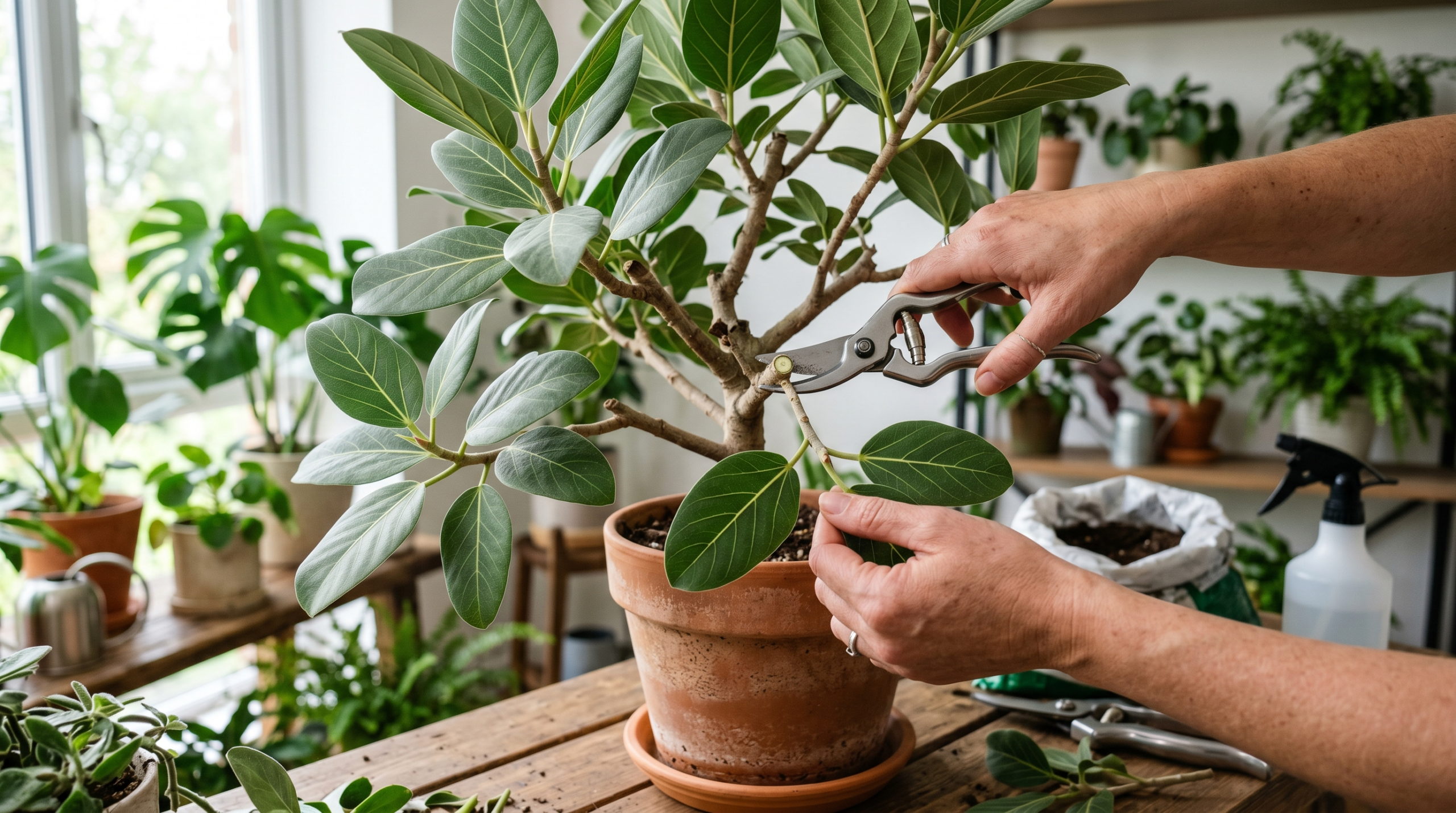
Pruning helps maintain a fuller, healthier, and more attractive tree.
Why Pruning Matters
Regular pruning:
- Encourages branching
- Prevents legginess
- Controls indoor height
- Removes unhealthy growth
Without pruning, indoor ficus audrey trees may become tall and sparse.
Best Time to Prune
The ideal time is:
- Spring
- Early summer
Avoid heavy pruning during winter dormancy.
Step-by-Step Pruning Guide
1. Use Clean, Sharp Shears
Sterilize tools before cutting.
2. Remove Damaged Leaves
Cut yellow or diseased foliage first.
3. Trim Above a Node
New branches emerge from growth nodes.
4. Shape Gradually
Avoid removing more than 20–25% of foliage at once.
Pruning also helps the plant direct energy toward healthier growth.
Common Ficus Audrey Tree Problems and How to Fix Them
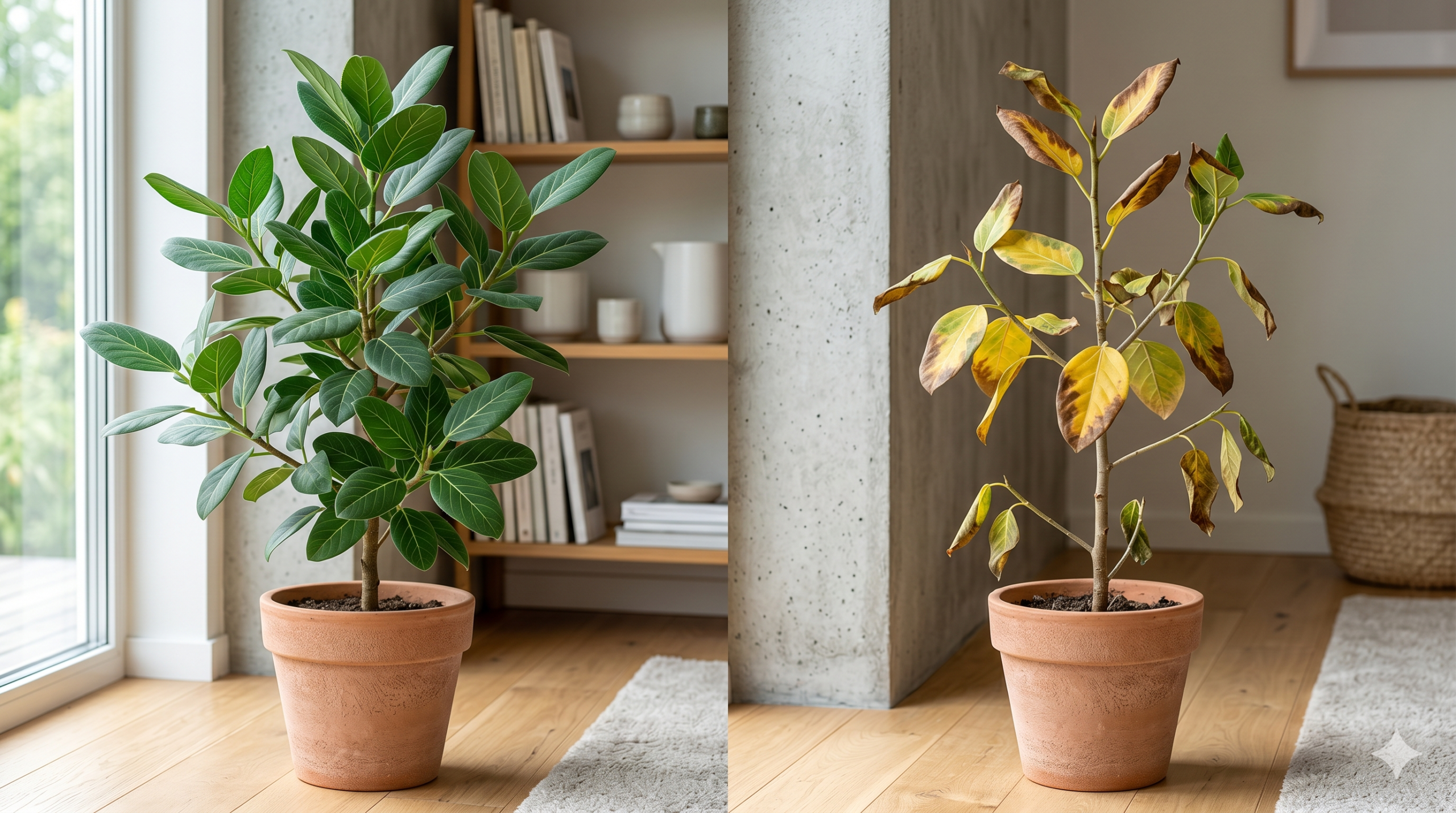
Even healthy indoor plants occasionally develop issues. The good news is that most ficus audrey problems are easy to solve when identified early.
Why Are the Leaves Dropping?
Leaf drop is usually caused by environmental stress.
Common Causes
- Sudden relocation
- Drafts
- Overwatering
- Low light
- Temperature fluctuations
Ficus trees dislike rapid environmental changes, so consistency is key.
Brown Spots or Crispy Edges
Brown leaves often indicate:
- Low humidity
- Underwatering
- Salt buildup
- Sunburn
Check both moisture levels and lighting conditions.
Yellow Leaves and Slow Growth
Yellowing can signal:
- Excess moisture
- Poor drainage
- Nutrient deficiencies
- Root stress
If multiple leaves yellow quickly, inspect the roots immediately.
Common Pests on a Ficus Audrey Tree
Like most indoor plants, the ficus audrey tree can occasionally attract pests — especially when stressed or growing in dry indoor conditions. The good news is that healthy plants are naturally more resistant to infestations.
Spider Mites
Spider mites are one of the most common ficus pests.
Signs of Spider Mites
- Tiny webbing under leaves
- Speckled or faded foliage
- Dusty-looking leaves
- Weak new growth
Spider mites thrive in dry air, making winter a common season for infestations.
How to Treat Spider Mites
- Isolate the plant immediately
- Wipe leaves with a damp cloth
- Spray with insecticidal soap
- Increase humidity levels
- Repeat treatments weekly until pests disappear
Mealybugs
Mealybugs appear as white, cotton-like clusters along stems and leaves.
How to Remove Mealybugs
- Dip a cotton swab in rubbing alcohol
- Gently wipe affected areas
- Spray with neem oil if needed
Early treatment is essential because mealybugs spread quickly.
Scale Insects
Scale pests attach themselves to stems and branches, often appearing as small brown bumps.
Treatment Tips
- Scrape gently with a soft cloth
- Use horticultural oil
- Monitor closely for reinfestation
Natural and Safe Pest Prevention Tips
Preventing pests is much easier than eliminating them.
Best Prevention Practices
- Inspect new plants before bringing them indoors
- Clean leaves regularly
- Avoid overwatering
- Maintain airflow around the plant
- Quarantine infected plants immediately
Healthy ficus audrey trees are naturally more resilient against insects and disease.
How to Repot a Ficus Audrey Tree
Repotting helps refresh the soil, improve root health, and support continued growth.
Many indoor gardeners delay repotting too long, which can stunt growth and stress the plant.
Signs Your Ficus Audrey Needs Repotting
Watch for these common indicators:
- Roots growing through drainage holes
- Soil drying extremely fast
- Slowed growth
- Compact, root-bound soil
- Water running straight through the pot
Typically, ficus audrey trees need repotting every 1–2 years.
Best Time to Repot
Spring is the ideal season because the plant is entering active growth.
Avoid repotting during:
- Winter dormancy
- Periods of stress
- Immediately after purchase unless necessary
Allow new plants time to acclimate before disturbing the roots.
Step-by-Step Repotting Instructions
1. Choose the Right Pot Size
Select a pot only 1–2 inches larger than the current container.
Oversized pots can trap excess moisture and increase the risk of root rot.
2. Prepare Fresh Soil
Use a chunky, well-draining indoor plant mix.
An excellent recipe includes:
- Potting soil
- Perlite
- Orchid bark
3. Remove the Plant Carefully
Gently loosen the root ball without aggressively tearing roots.
If roots are circling tightly, tease them apart slightly.
4. Position the Plant Properly
Keep the root crown at the same soil level as before.
Planting too deeply may lead to stem rot.
5. Water Thoroughly After Repotting
Allow excess water to drain completely.
Place the tree in bright indirect light while it recovers.
Some mild drooping after repotting is normal and usually temporary.
How Fast Does a Ficus Audrey Tree Grow?
The ficus audrey tree is considered a moderately fast-growing indoor tree when conditions are favorable.
Average Indoor Growth Rate
With proper care, indoor plants may grow:
- 1–2 feet per year
- Even faster in bright environments
Growth slows significantly in lower light.
Factors That Affect Growth Speed
Several factors influence growth rate:
Light Exposure
Bright indirect light is the biggest growth driver.
Watering Consistency
Both underwatering and overwatering slow growth.
Fertilization
Nutrient-rich soil supports larger foliage and stronger stems.
Pot Size
Root-bound plants eventually stop growing efficiently.
Humidity and Temperature
Warm, stable conditions encourage faster development.
How to Encourage Faster, Healthier Growth
Rotate the Plant Regularly
Turning the plant every few weeks helps maintain balanced growth and prevents leaning.
Clean the Leaves
Dust blocks sunlight absorption.
Wipe leaves gently with a damp microfiber cloth every few weeks.
Avoid Stressful Environmental Changes
Frequent relocation can trigger leaf drop and slowed growth.
Try to keep the plant in a stable location once it adapts.
Support Taller Trees
As ficus audrey trees mature, support stakes may help stabilize the trunk during rapid growth periods.
Best Places to Keep a Ficus Audrey Tree Indoors

Placement dramatically affects both plant health and visual appeal.
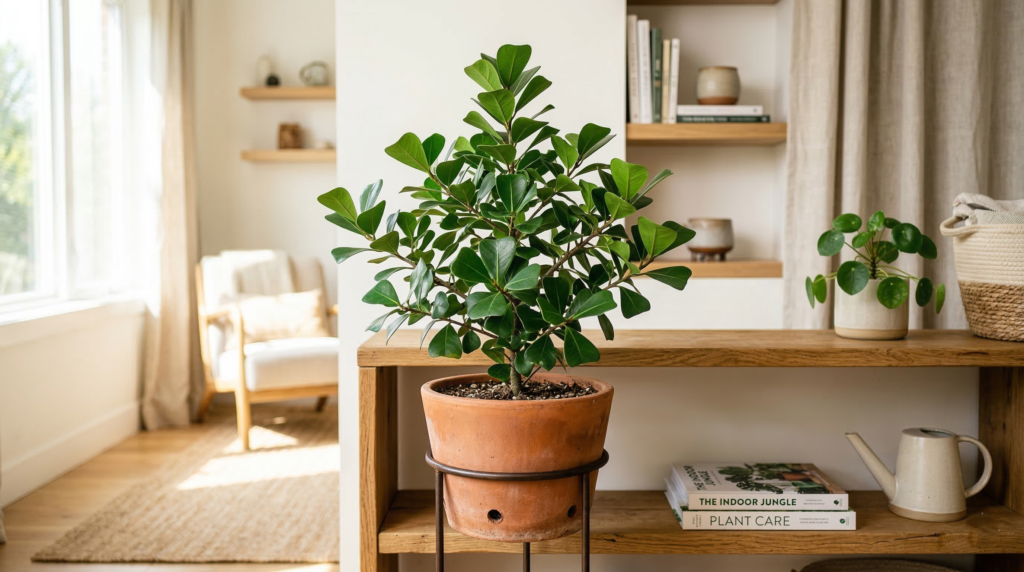
Because the ficus audrey tree has an elegant architectural form, it works beautifully as a focal point indoors.
Living Room Placement Ideas
This tree makes a stunning statement plant in:
- Empty corners
- Near large windows
- Minimalist interiors
- Scandinavian-inspired spaces
Its soft green leaves pair especially well with neutral decor.
Bedroom and Office Placement
A ficus audrey tree can also create a calming atmosphere in:
- Home offices
- Reading corners
- Bedrooms with bright natural light
Many indoor gardeners use it to soften modern interiors and improve visual warmth.
Areas to Avoid
Avoid placing your tree in:
- Dark hallways
- Near heaters
- Next to air conditioners
- Cold entryways
- Spaces with constant temperature fluctuations
Stable conditions help prevent stress-related problems.
Is the Ficus Audrey Tree Pet Safe?
One important consideration for pet owners is toxicity.
Toxicity Information for Cats and Dogs
Like many ficus varieties, the ficus audrey tree contains a milky latex sap that can irritate pets if ingested.
Potential Symptoms
- Drooling
- Mouth irritation
- Vomiting
- Mild digestive upset
The sap may also irritate sensitive skin.
Safety Tips for Pet Owners
If you have curious pets:
- Keep the tree elevated when young
- Use decorative barriers
- Train pets to avoid houseplants
- Clean fallen leaves promptly
While the plant is mildly toxic, severe reactions are uncommon.
If ingestion occurs, contact a veterinarian for guidance.
Seasonal Ficus Audrey Tree Care Guide
Indoor tree care should adapt slightly throughout the year.
Understanding seasonal growth patterns helps prevent common mistakes.
Spring and Summer Care
This is the active growing season.
Focus On:
- More frequent watering
- Regular fertilizing
- Faster growth monitoring
- Pruning and shaping
- Repotting if needed
Bright sunlight during spring and summer fuels vigorous development.
Fall and Winter Care
Growth naturally slows in cooler months.
Winter Care Adjustments
- Reduce watering frequency
- Stop heavy fertilizing
- Monitor dry indoor air
- Increase light exposure if possible
Many plant owners accidentally overwater during winter because soil dries more slowly.
Expert Tips to Keep Your Ficus Audrey Tree Thriving Long-Term
Experienced indoor gardeners often follow a few simple habits that dramatically improve plant health over time.
Rotate the Plant for Balanced Growth
Indoor trees naturally lean toward sunlight.
Rotating every few weeks promotes symmetrical growth and stronger trunks.
Clean Leaves Regularly
Dust buildup reduces photosynthesis efficiency.
Cleaning the foliage also helps you spot pests early.
Avoid Frequent Relocation
Ficus trees prefer consistency.
Constantly moving the plant can trigger:
- Leaf drop
- Slower growth
- Environmental stress
Once you find a good location, leave the plant there whenever possible.
Monitor Soil Instead of Following Strict Schedules
Every home environment is different.
Instead of watering “every Friday,” check:
- Soil dryness
- Leaf appearance
- Pot weight
This approach prevents most watering issues.
Use High-Quality Soil From the Beginning
Cheap dense soil mixes often create drainage problems.
Investing in an airy, chunky mix improves long-term root health significantly.
Frequently Asked Questions About Ficus Audrey Tree Care
How Big Does a Ficus Audrey Tree Get Indoors?
Most indoor ficus audrey trees grow between 5–10 feet tall indoors with proper care.
Pruning helps maintain a manageable size.
Why Is My Ficus Audrey Dropping Leaves?
Common causes include:
- Environmental stress
- Sudden temperature changes
- Overwatering
- Underwatering
- Low light
Leaf drop after relocation is especially common.
Can a Ficus Audrey Tree Survive Low Light?
It can survive moderate light, but growth will slow considerably.
For best results, provide bright indirect light.
How Often Should I Water My Ficus Audrey?
Water when the top few inches of soil feel dry.
This usually means:
- Weekly during active growth
- Less often in winter
Always adjust based on your environment.
Is Ficus Audrey Easier Than Fiddle Leaf Fig?
Yes. Most indoor gardeners consider the ficus audrey tree more adaptable and forgiving than fiddle leaf figs.
It generally tolerates indoor conditions better and experiences fewer dramatic leaf-drop issues.
Can I Grow a Ficus Audrey Tree Outdoors?
Yes, in warm tropical or subtropical climates.
Outdoor plants require:
- Frost-free conditions
- Partial sun
- Well-draining soil
In colder regions, it’s best grown indoors.
Final Thoughts: Is the Ficus Audrey Tree Worth It?
If you want an indoor tree that combines beauty, resilience, and relatively easy care, the ficus audrey tree is one of the best choices available today.
Its soft velvety foliage, elegant structure, and forgiving nature make it ideal for both beginners and experienced plant lovers. Unlike fussier indoor trees, ficus audrey adapts well to indoor life when provided with bright light, proper watering, and stable conditions.
The key to long-term success is consistency:
- Avoid overwatering
- Provide plenty of indirect light
- Keep environmental changes minimal
- Monitor the plant regularly
With the right care, your ficus audrey can become a stunning centerpiece that thrives indoors for many years.
Whether you’re building a relaxing indoor jungle, decorating a modern apartment, or searching for a low-maintenance statement plant, the ficus audrey tree is absolutely worth considering.