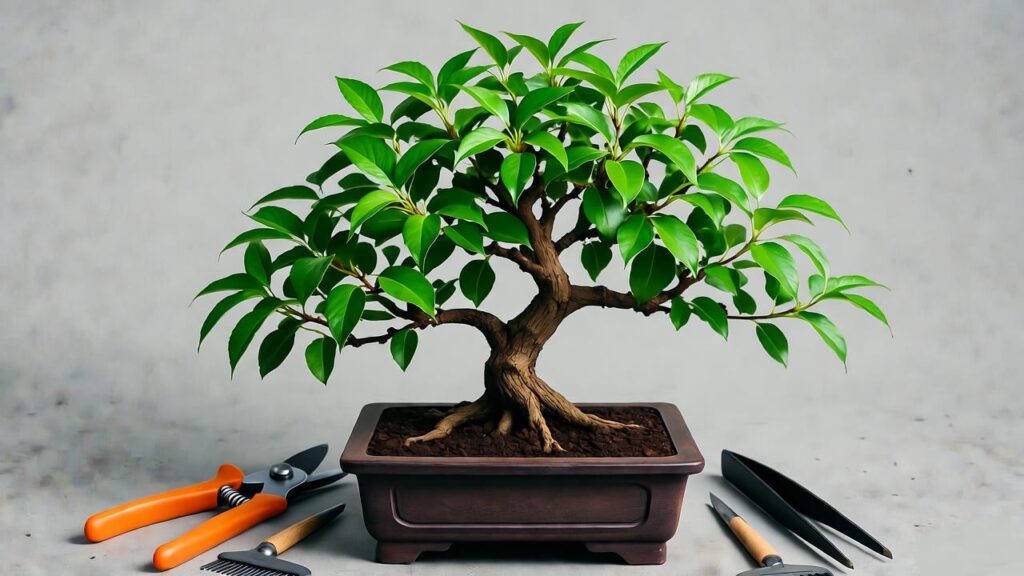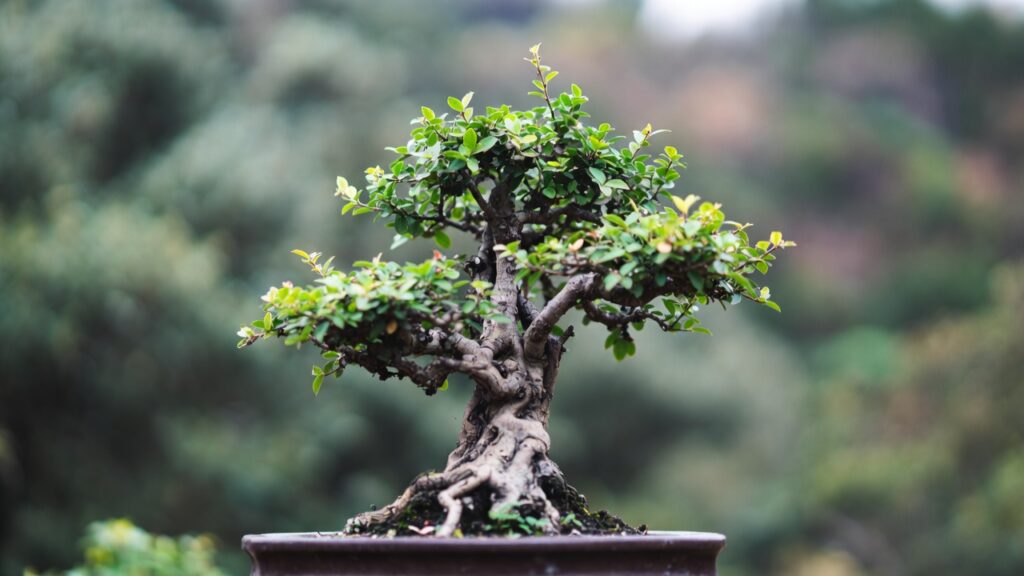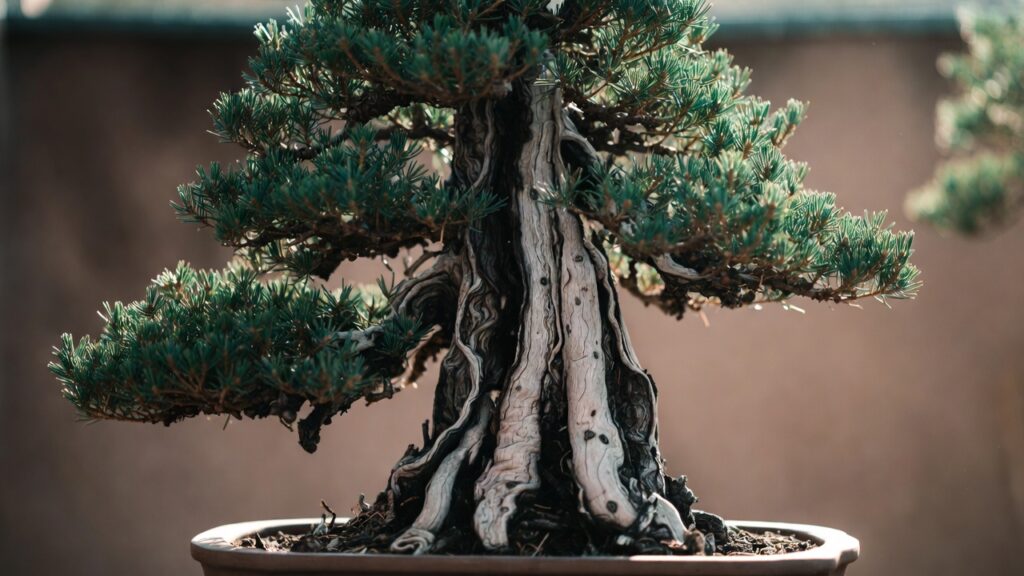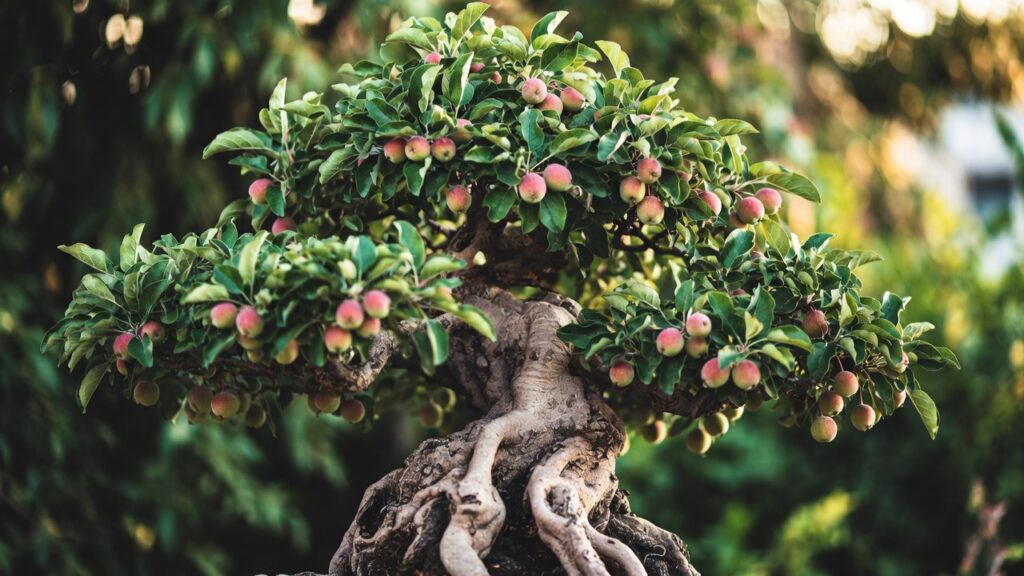

Imagine bringing the ancient, mystical aura of a deep Southern swamp straight into your living room. With its feathery, vivid green canopy and rugged, peeling bark, the bald cypress bonsai is undoubtedly one of the most striking and rewarding species you can cultivate. But let’s address the elephant in the room: homes are essentially climate-controlled deserts, and this majestic tree is a swamp-dwelling water lover.
Most traditional indoor plant advice will absolutely fail this specific tree. If you treat it like your standard ficus or pothos, you will quickly end up with crispy, brown needles and a lifeless trunk.
In this comprehensive guide, we are throwing out the conventional rulebook. We will dive deep into the exact, step-by-step blueprint required to master indoor moisture, artificial lighting, and the crucial winter dormancy period, ensuring your tree doesn’t just barely survive, but actually thrives inside your home.
The “Indoor Bonsai” Reality Check: Understanding the Bald Cypress
To succeed with any plant, you must first understand its biology. Establishing a thriving environment for a Taxodium distichum (the botanical name for the Bald Cypress) requires looking at where it naturally grows and reverse-engineering those conditions.
Native Habitat vs. The Indoor Environment
In the wild, the Bald Cypress is native to the southeastern United States, thriving in marshlands, swamps, and riverbanks from Delaware down to Florida and across to Texas. Its natural habitat is defined by three things:
-
Saturated, often submerged root systems
-
Thick, heavy ambient humidity
-
Blistering, unfiltered full sun
Compare this to the average modern living room. Air conditioning and central heating strip moisture from the air, dropping ambient humidity to around 30-40%. Standard window glass filters out the essential UV rays the tree desperately craves.
Can a Bald Cypress Truly Live Indoors?
The honest, expert answer is: Yes, but with caveats.
It is entirely possible to maintain this species indoors during the active growing season (spring through autumn) if you drastically modify its microclimate. However, it is a deciduous conifer. This means that, unlike tropical houseplants, it naturally drops its needles in the autumn and requires a period of winter dormancy. Attempting to keep it in a warm living room 365 days a year will slowly exhaust the tree’s energy reserves, leading to a steady decline.
We will cover exactly how to manage this winter chill later in the guide, but first, we need to tackle the number one killer of this species indoors: dehydration.
The #1 Rule of Bald Cypress Care: Mastering Indoor Moisture
When caring for this species, you must unlearn everything you know about standard root rot prevention. The golden rule of traditional bonsai care—”let the top inch of soil dry out before watering”—is a death sentence for a Bald Cypress.
Break the Rules: The “Wet Foot” Watering Method
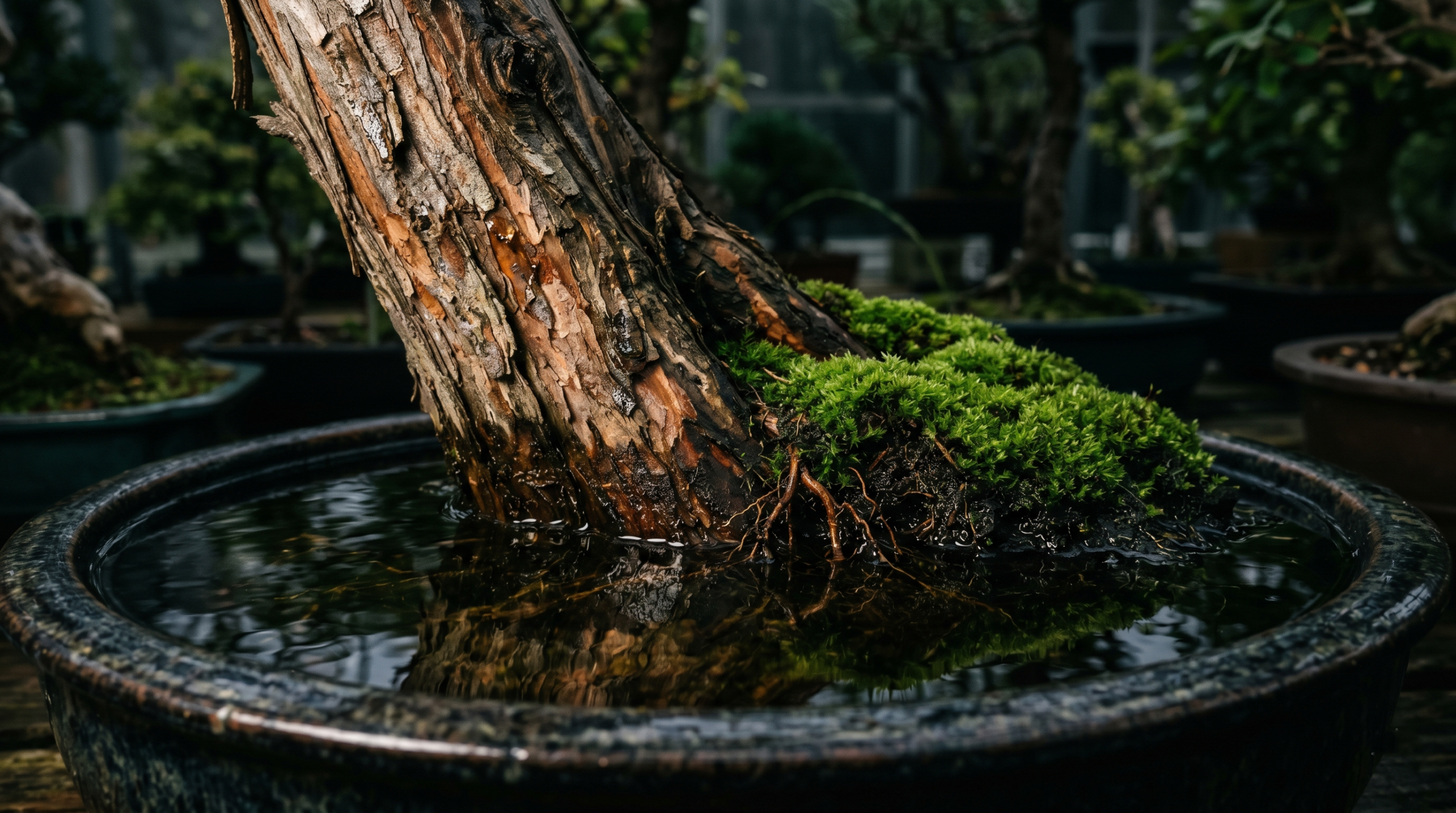
These trees do not just tolerate standing water; they actively thrive in it. To mimic the swamp indoors, you must utilize the Wet Foot Method.
Instead of placing your bonsai pot on a standard drip tray, place it inside a deeper container, such as a decorative waterproof basin or a deep humidity tray. Fill this outer container with water so that the bottom third of the bonsai pot is completely submerged at all times. The soil should be constantly wicking moisture upward, ensuring the root mass never, ever dries out.
Humidity Trays vs. Submersion
It is vital to understand the difference between ambient humidity and soil saturation.
-
Ambient Humidity Trays: A tray filled with pebbles and a little water to create a humid microclimate around the foliage. This is great for tropicals, but not enough for a swamp tree.
-
Submersion: Keeping the actual soil and root zone submerged in water. This is what the Bald Cypress requires.
Dealing with Algae and Stagnation Indoors
The challenge of keeping standing water indoors is that it can become stagnant, smell sour, or attract pests like fungus gnats. To maintain a healthy aquatic environment for your tree’s roots:
-
Flush the System: Once a week, take the bonsai to the sink or shower. Flush fresh water heavily through the soil to push out old, stagnant water and pull fresh oxygen into the root zone.
-
Use BTI (Bacillus thuringiensis israelensis): Drop a small piece of a Mosquito Dunk into the standing water tray. This natural bacterium harmlessly kills fungus gnat larvae before they hatch, keeping your indoor environment pest-free without damaging the tree.
-
Scrub the Basin: Wash the water tray every few weeks to prevent unsightly algae buildup.
Let There Be Light: Replicating the Southern Sun Indoors

Next to moisture, inadequate lighting is the second most common reason indoor bald cypress trees fail. They are obligate sun-lovers.
Why Your Sunniest Window Isn’t Enough
Even if you place your tree directly on a South-facing windowsill, it is likely not receiving enough usable light energy. Modern energy-efficient windows are treated with coatings that block UV and infrared light. While the tree may look illuminated to your eyes, biologically, it is starving. Without intense light, the tree will produce long, weak, leggy growth (etiolation) rather than the tight, compact foliage desired for a bonsai.
Choosing the Right Grow Lights
To keep a Bald Cypress robust indoors, supplemental lighting is non-negotiable.
-
Full-Spectrum LED Panels: Invest in a high-quality, full-spectrum LED grow light (ideally pulling 30W to 50W of actual power, not just “equivalent” wattage).
-
Positioning: Place the light exactly 6 to 12 inches above the canopy. Any higher, and the light intensity drops off exponentially due to the inverse-square law.
-
Duration: Keep the lights on a timer for 12 to 16 hours a day during the spring and summer growing seasons. As autumn approaches, naturally reduce the hours of light to signal to the tree that winter is coming.
5. Soil Mixes for the Indoor Cypress
When cultivating an indoor bonsai, the substrate you choose dictates how successfully you can manage watering and oxygenation. The Bald Cypress presents a unique challenge: it demands constant moisture but still requires oxygen at the root zone to prevent anaerobic bacteria buildup.
Balancing Water Retention and Airflow
Standard bonsai soils—often consisting of pure inorganic materials like Akadama, pumice, and black lava rock—are explicitly designed to drain rapidly. If you use a traditional fast-draining mix for a Bald Cypress kept indoors, you will be fighting a losing battle against evaporation, constantly struggling to keep the tree hydrated.
Instead, your indoor soil mix must be heavily amended to retain moisture while providing structural support.
The Custom Indoor Cypress Mix:
-
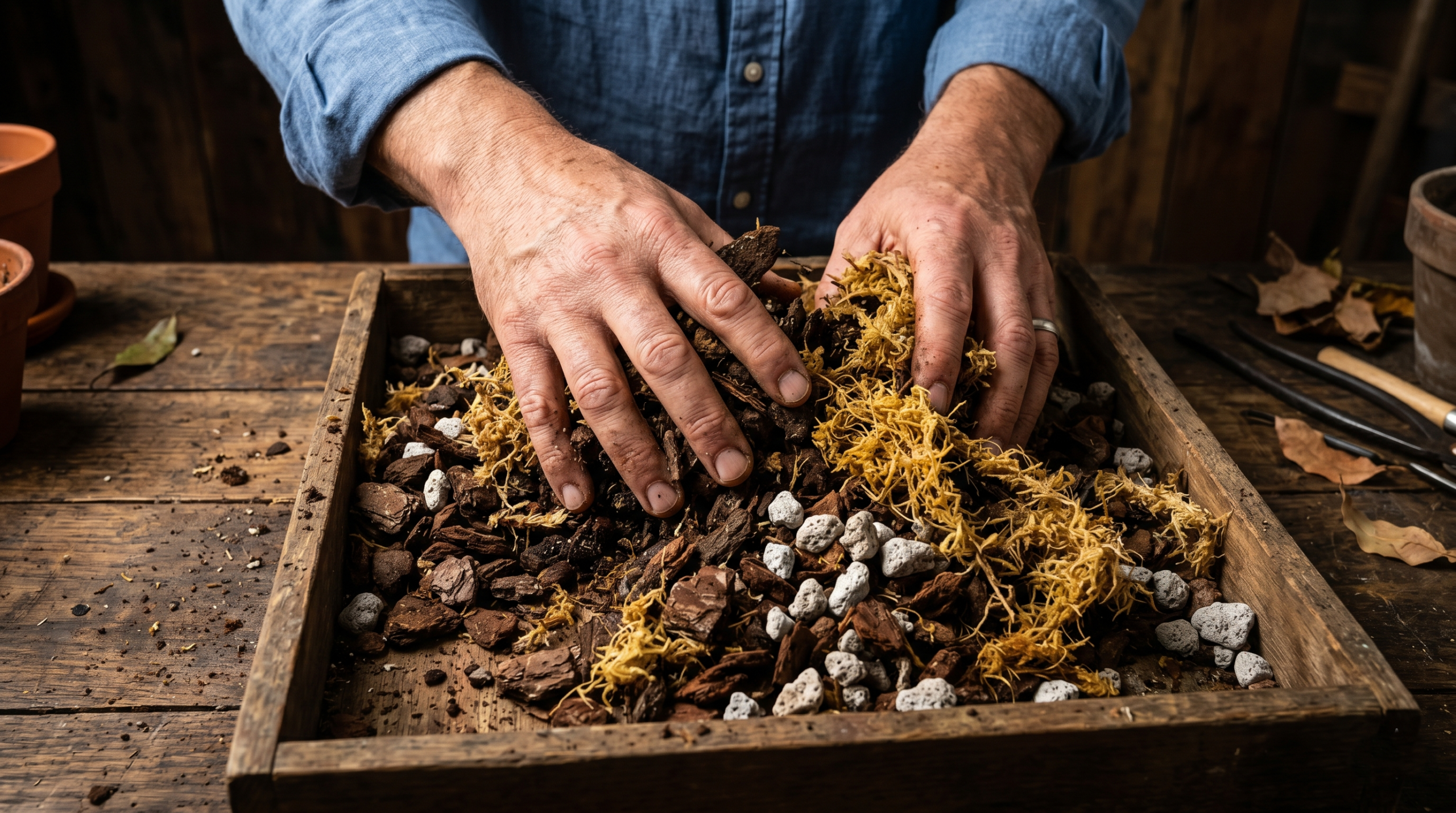
50% Organic Matter: Use composted pine bark fines and chopped long-fiber sphagnum moss. Sphagnum is particularly excellent because it holds up to 20 times its weight in water while remaining naturally antimicrobial, which helps prevent root rot in submerged conditions.
-
50% Inorganic Aggregates: Blend in equal parts calcined clay (like Turface) and pumice. The calcined clay will hold water and fertilizer, while the pumice ensures that even when sitting in a water tray, microscopic pockets of oxygen are trapped in the soil profile.
Repotting Your Cypress
Bald Cypress trees are vigorous growers, and their roots will quickly fill a pot, especially when adequately hydrated and fertilized. You will generally need to repot every two to three years.
-
The Timing: The optimal time to repot is in early spring, just as the tiny green buds begin to swell but before the feathery foliage extends.
-
The Golden Rule for Conifers: Never bare-root a Bald Cypress. Unlike certain deciduous trees (like maples or elms) that can tolerate having all their soil washed away, conifers rely on beneficial mycorrhizal fungi in their root zone. Always leave at least 20-30% of the old root ball intact when transitioning to a new pot.
6. The Winter Dormancy Dilemma (Crucial for Long-Term Survival)

If there is one section of this guide that dictates the long-term survival of your tree, it is this one. The biggest misconception in indoor gardening is that a tree kept in a warm, comfortable room will simply grow all year. For a Taxodium distichum, this is biologically impossible.
Why Your Tree Needs to Sleep
The Bald Cypress is a deciduous conifer. In its natural habitat, decreasing autumn temperatures and shorter daylight hours trigger the tree to pull starches and sugars out of its leaves and store them in its roots. It then drops its needles and enters a state of deep metabolic rest—dormancy.
Without accumulating roughly 500 to 1,000 “chill hours” (temperatures between 35°F and 50°F), the tree’s internal clock breaks. If you force it to stay awake in a 70°F living room all winter, it will produce weak, pale growth, exhaust its stored energy reserves, and inevitably die within one to two years.
How to Provide Winter Chill for an “Indoor” Tree
If you do not have an outdoor yard, providing this cold rest period requires a bit of logistical planning. From late November through February, you must relocate the tree to a chilly microclimate:
-
Unheated Garages or Sheds: Perfect environments that provide the necessary chill without dropping into deep, pot-cracking freezes.
-
Enclosed Patios or Sunrooms: As long as the temperature stays below 50°F but above 20°F.
-
The Cold Windowsill Technique: For apartment dwellers, placing the tree right up against a drafty, North-facing window and closing the curtains to separate it from the room’s ambient heat can sometimes provide enough of a temperature drop.
Winter Watering Adjustments: When the tree is leafless, its water uptake drops dramatically. Remove it from its deep water basin. Keep the soil evenly damp to the touch, but do not keep it submerged while dormant, as sitting water in freezing temperatures will cause ice damage to the roots.
7. Pruning, Styling, and Fertilizing Your Bonsai
Once you have mastered the environmental controls, you can focus on the artistic and horticultural maintenance that makes a bonsai truly spectacular.
Feeding a Water-Logged Tree
Because your tree is constantly wicking water, nutrients flush out of the soil faster than with standard plants. During the active growing season (spring through late summer), the Bald Cypress is a heavy feeder.
-
Organic vs. Synthetic: Use a balanced, slow-release organic fertilizer (like bio-gold or fish emulsion). Avoid heavy synthetic liquid fertilizers when using the submersion method, as the salts can quickly accumulate in the standing water and burn the delicate root tips.
-
Application: Apply fertilizer every two weeks during peak growth, tapering off completely by early autumn to allow the tree to harden off before winter.
Achieving the Iconic “Flat-Top” Canopy
In the wild, mature Bald Cypress trees develop a distinctive flat-topped silhouette. This occurs because hurricane-force winds snap the dominant apical leader (the top trunk), forcing the tree to grow outward rather than upward. To replicate this aesthetic indoors:
-
Allow the trunk to reach your desired height, then decisively prune the main apex.
-
Select lateral branches and use anodized aluminum bonsai wire to gently guide them outward and slightly downward, mimicking the weight of ancient, heavy branches.
-
Continuously pinch back new green shoots throughout the summer. Using your thumb and forefinger, pinch off the tips of the soft new foliage to encourage tight, dense ramification rather than long, leggy branches.
Can I Grow “Cypress Knees” Indoors?
One of the most fascinating features of swamp cypresses is their “knees” (pneumatophores)—woody projections that shoot up from the root system above the water line, believed to help the tree breathe in flooded environments.
Achieving knees on an indoor bonsai is rare but highly rewarding. It typically requires a deeper pot than standard bonsai guidelines suggest, paired with consistently high water levels. Allowing the tree to become slightly root-bound in a deep, flooded container often triggers the root system to push these iconic knobs up through the soil surface.
8. Troubleshooting: Why is My Bald Cypress Dying?

Visual diagnostics are critical for catching issues before they become fatal. Here is how to read the visual cues your tree is giving you.
Crispy, Brown Needles in Summer
Diagnosis: Severe underwatering, catastrophic lack of ambient humidity, or root burn. The Fix: If the needles feel like dry paper, the water tray has likely run dry, or the soil has become hydrophobic. Submerge the entire pot in a bucket of water for an hour to rehydrate the root core. If the soil is wet but the leaves are crispy, check for fertilizer salt buildup and flush the soil heavily with distilled water.
Yellowing or Bronzing Needles in Autumn
Diagnosis: Natural seasonal senescence. The Fix: Do absolutely nothing! This is not a disease. Unlike evergreen pines, your Bald Cypress will turn a brilliant rust-orange or bronze in the fall before shedding all its foliage. This visual shift is the signal to begin preparing the tree for its winter dormancy.
Pests to Watch For
While generally resilient, the dry air of an indoor environment can invite pests.
-
Spider Mites: These thrive in dry, warm indoor air. Look for microscopic webbing near the trunk and stippled, faded foliage. Treat by taking the tree to the shower and heavily spraying the foliage, followed by a horticultural oil treatment.
-
Root Aphids: Attracted to the sugary sap in the root zone. If you notice a white, waxy substance near the soil line or drainage holes, treat the soil with a systemic insecticide formulated for indoor use.
9. Frequently Asked Questions
Can you overwater a Bald Cypress bonsai? It is incredibly difficult to overwater this species during the active growing season. The only way “overwatering” becomes an issue is if the water is allowed to sit for weeks until it becomes stagnant and anaerobic, suffocating the roots. Regular flushing prevents this.
Do I need to mist my indoor bonsai? While misting provides a temporary boost in ambient humidity, it evaporates within minutes and is not a substitute for proper soil submersion. A humidifier placed near the tree is significantly more effective than manual misting.
Why is my Bald Cypress dropping all its leaves? If it is autumn or early winter, this is perfectly natural—the tree is entering dormancy. However, if it drops all its green leaves suddenly in the middle of summer, it has experienced extreme shock, usually from the root ball drying out completely or severe heat stress from a grow light placed too close.
Can a Bald Cypress live indoors year-round without going outside? Yes, but only if you have a dedicated strategy for its winter dormancy. You cannot keep it in a 70°F living space for 12 months a year. It must spend the winter months in a cold environment (35°F–50°F) to rest.
10. Conclusion
Mastering bald cypress bonsai care indoors is an exercise in intentional environmental design. You are taking a giant of the Southern swamps and carefully shrinking its world to fit atop a table in your home. By abandoning traditional, dry bonsai techniques in favor of the “wet foot” method, providing intense supplemental lighting, and respecting its biological need for a cold winter rest, you can absolutely cultivate a thriving, vibrant piece of living art.
The journey of bonsai is one of continuous observation and adjustment. Don’t be discouraged by early challenges with moisture management; learning to read the tree’s visual cues is part of the process.
Have you set up an indoor habitat for a swamp-loving tree? Share your setup strategies and questions in the comments below, or subscribe to our newsletter for more deep dives into advanced indoor plant diagnostics and care techniques.