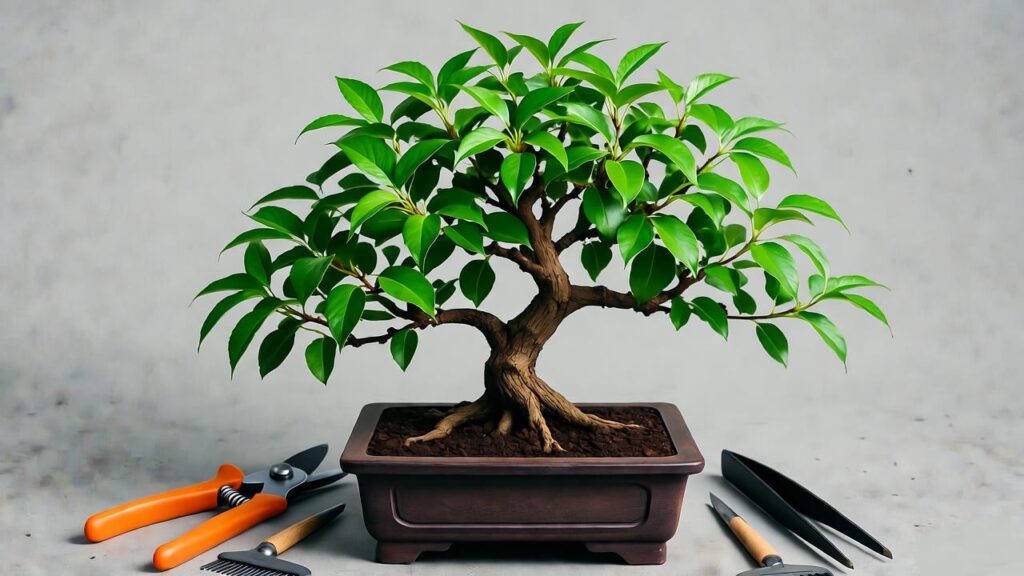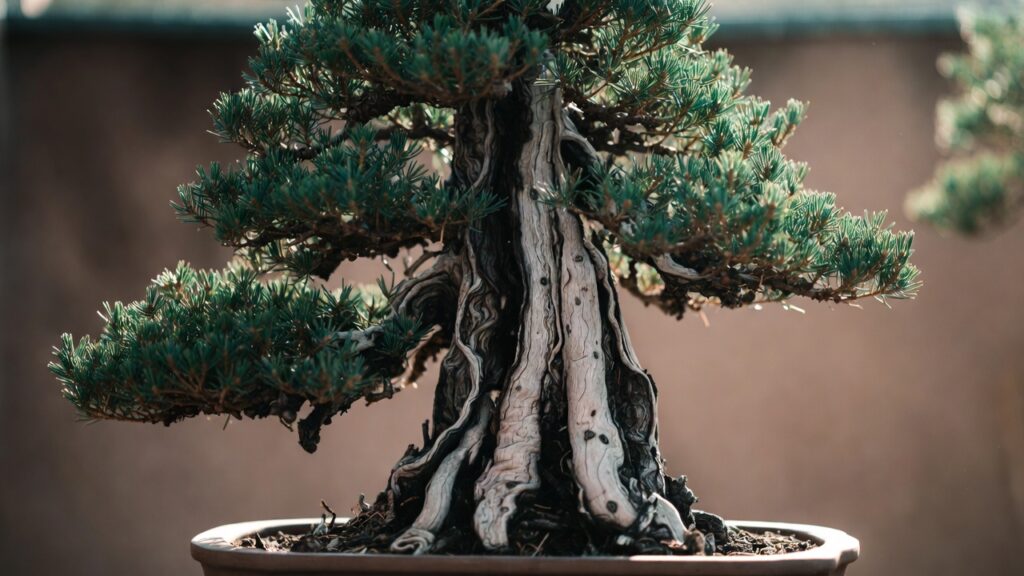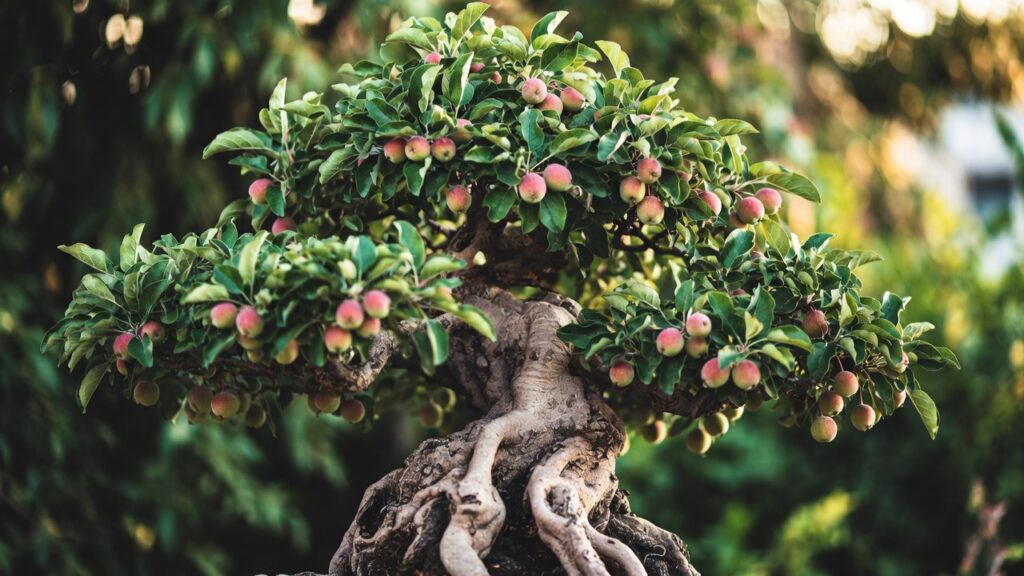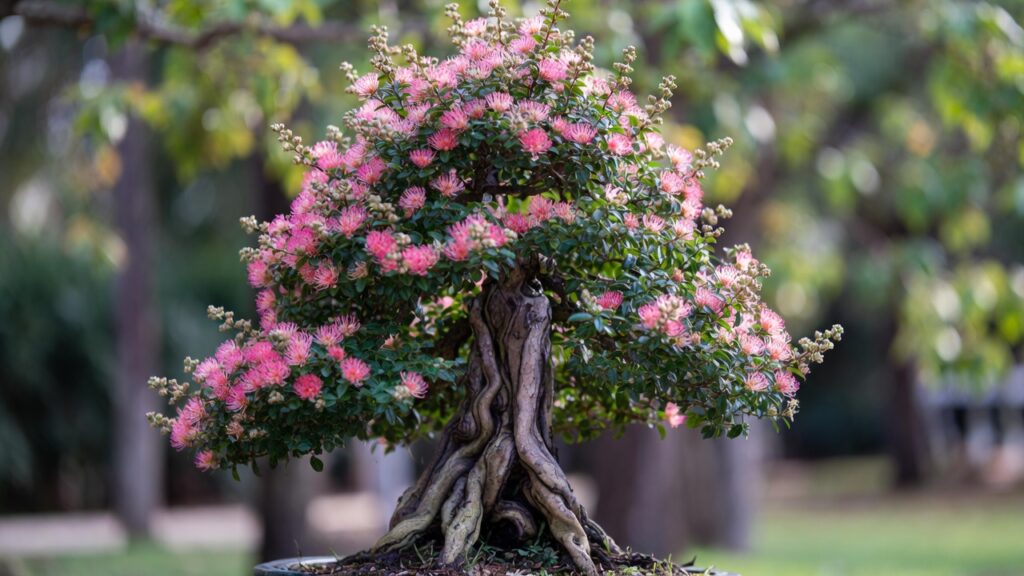

Your bonsai looks healthy. You water it carefully. It gets bright, indirect light. The pot is beautiful.Yet growth is weak. Leaves are pale. Branches refuse to ramify.In most indoor cases, the missing piece isn’t water or light — it’s bonsai fertilizer.
Unlike regular houseplants, bonsai live in shallow containers with limited soil. Nutrients are depleted quickly, especially indoors where growth patterns differ from outdoor trees. If feeding is inconsistent, too strong, or poorly timed, your bonsai will slowly decline — even if everything else seems “right.”
In this comprehensive guide, I’ll walk you through exactly how to choose the right fertilizer, how often to feed, how to avoid root burn, and how to tailor your feeding schedule for indoor bonsai success. This is not generic advice — it’s practical, experience-based guidance designed for real indoor growers who want long-term results.
Why Bonsai Fertilizer Is Essential for Indoor Bonsai Health
Limited Soil Means Limited Nutrients
Bonsai are not genetically small trees — they are normal trees grown in confined containers. Because of this:
- Soil volume is minimal
- Nutrients wash out quickly with watering
- There is little natural replenishment
In nature, trees draw nutrients from deep, biologically active soil. Indoors, your bonsai depends entirely on you.
Without consistent feeding, deficiencies develop slowly — often before visible symptoms appear.
What Happens When Bonsai Don’t Get Proper Nutrition
Improper fertilization can lead to:
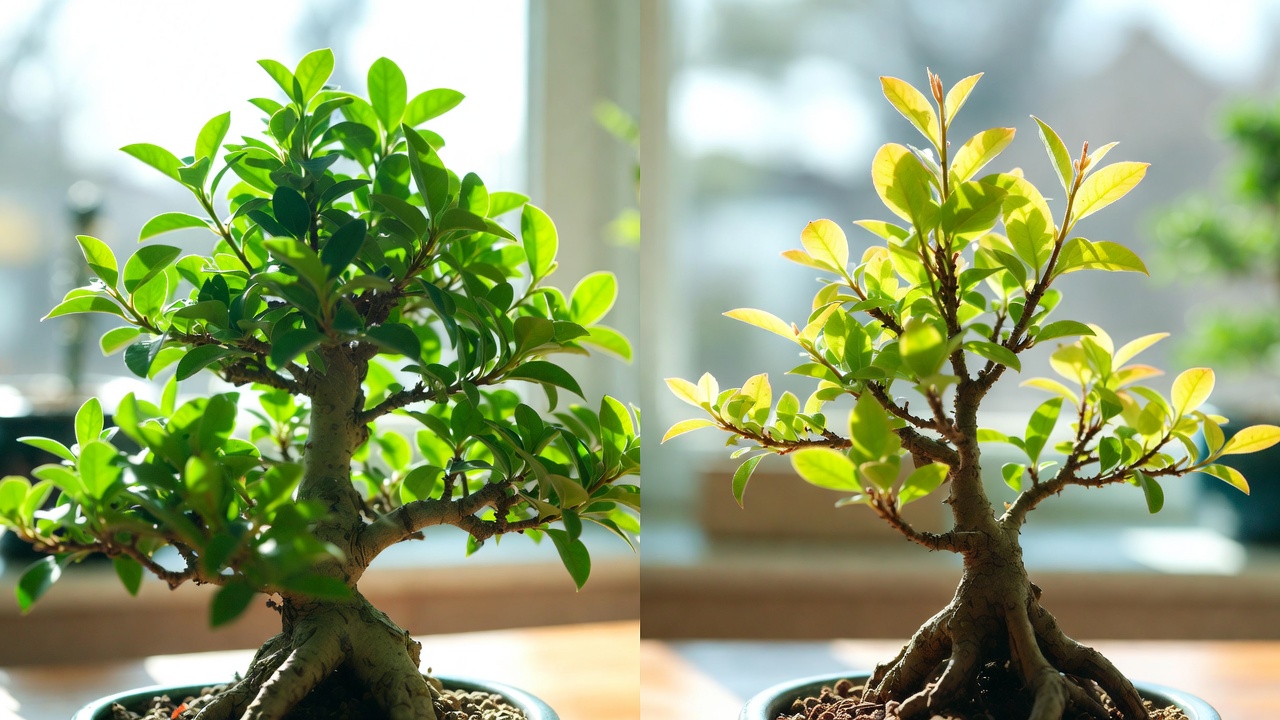
- Pale or yellowing leaves (nitrogen deficiency)
- Weak growth and elongated internodes
- Reduced leaf size control
- Poor back budding
- Increased susceptibility to pests
- Slow recovery after pruning
Many indoor growers mistake these symptoms for lighting problems, when the root cause is nutrient imbalance.
The Science Behind Bonsai Nutrition
To fertilize properly, you need to understand what your tree is actually using.
Macronutrients (Primary Nutrients)
- Nitrogen (N): Leaf and shoot growth
- Phosphorus (P): Root development and flowering
- Potassium (K): Overall strength and stress resistance
Secondary Nutrients
- Calcium
- Magnesium
- Sulfur
Micronutrients (Trace Elements)
- Iron
- Manganese
- Zinc
- Copper
- Boron
Indoor bonsai in inorganic soil mixes (like akadama, pumice, lava rock) receive almost none of these nutrients naturally. That’s why fertilizer isn’t optional — it’s essential.
Understanding Bonsai Fertilizer Labels (NPK Explained Clearly)
When you see numbers like 10-10-10 or 20-20-20, those refer to the NPK ratio.
What NPK Numbers Really Mean
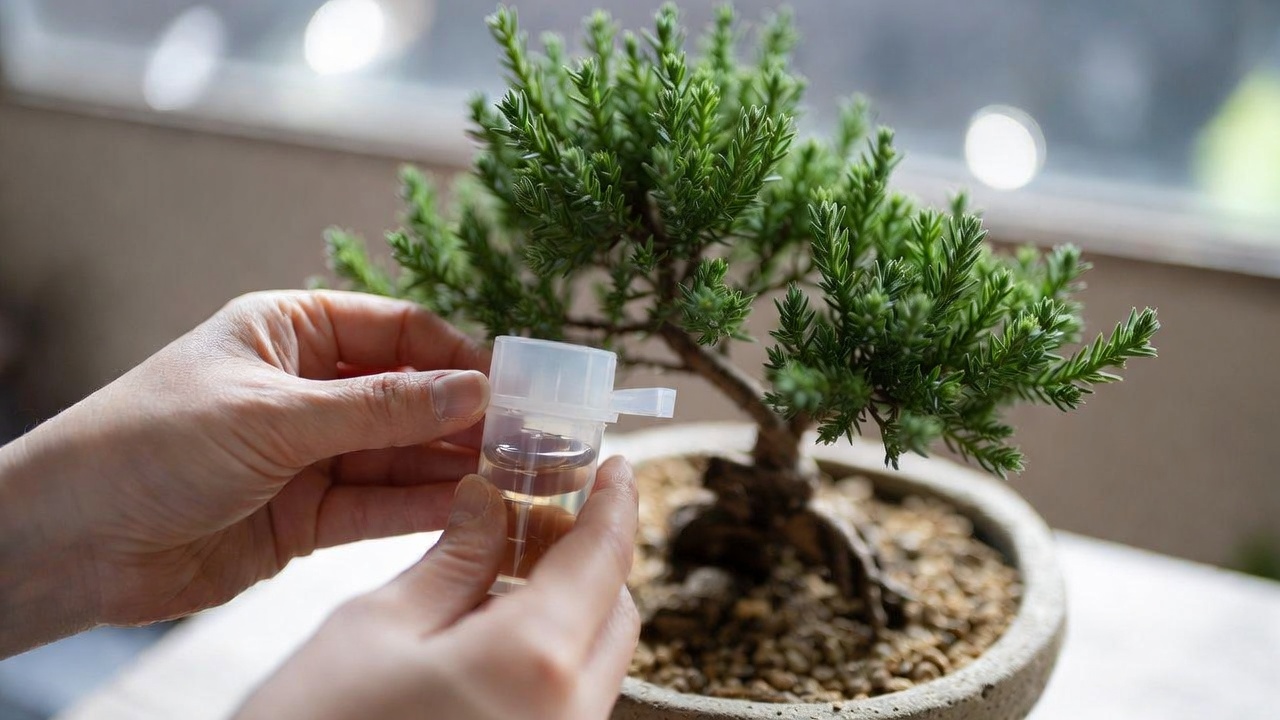
For example:
- 10-10-10 = Balanced fertilizer
- 20-10-10 = Higher nitrogen (encourages foliage growth)
- 5-10-10 = Lower nitrogen, supports flowering and fruiting
For most indoor tropical bonsai, a balanced fertilizer (10-10-10 or similar) works well during active growth.
However, if you’re refining ramification and want tighter growth, slightly lower nitrogen may help reduce internode length.
Organic vs Synthetic Bonsai Fertilizer
Both can work. The choice depends on your environment and goals.
Organic Bonsai Fertilizer
- Slow-release
- Supports microbial life
- Lower risk of root burn
- Often mild odor (important indoors)
Synthetic Fertilizer
- Fast-acting
- Precise nutrient control
- Highly concentrated
- Greater risk of overfeeding if misused
For indoor growers, liquid synthetic fertilizers diluted properly are often the most convenient and controllable option.
Liquid vs Granular vs Slow-Release
Liquid Fertilizer
- Best control
- Ideal for beginners
- Easy to adjust strength
Granular Organic Cakes
- Common in traditional bonsai
- Slow nutrient release
- Less practical indoors due to odor
Slow-Release Pellets
- Convenient
- Risky if overapplied
- Harder to adjust once added
For most indoor bonsai, liquid feeding every 2–4 weeks during active growth is the safest strategy.
How to Choose the Right Bonsai Fertilizer for Your Tree Type
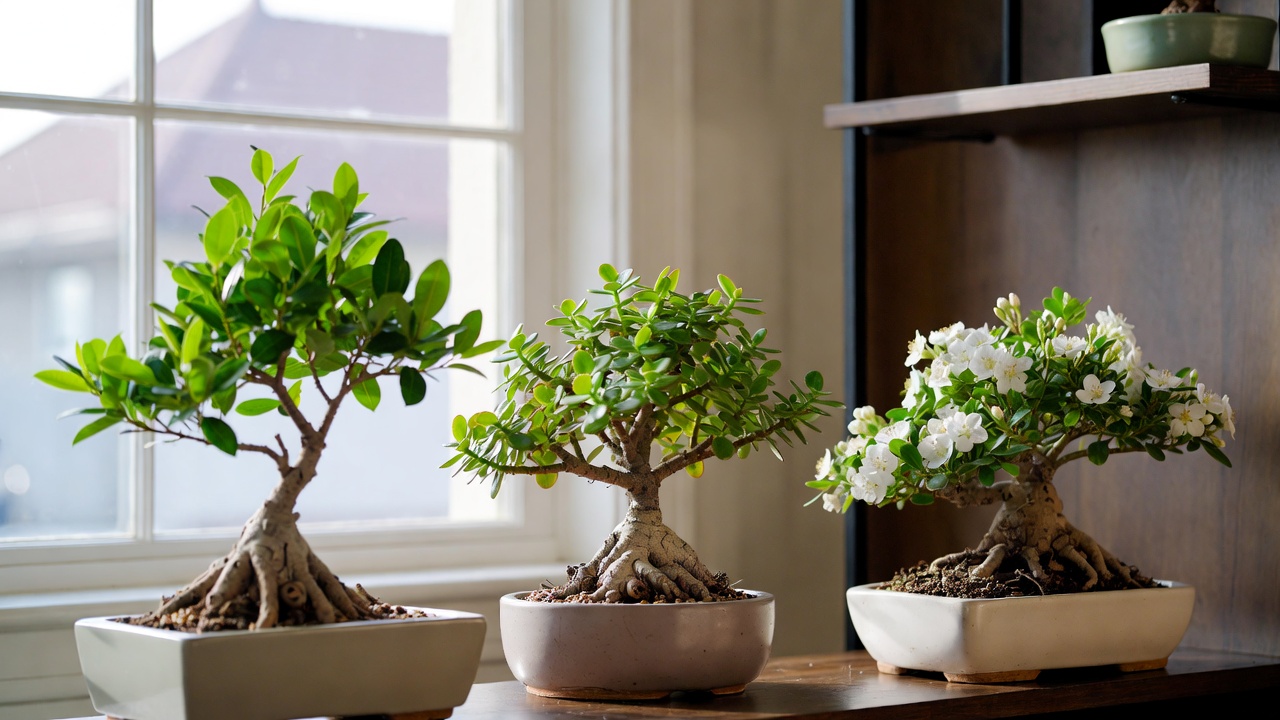
Not all bonsai need identical feeding schedules.
Fertilizer for Tropical Indoor Bonsai
Examples include:
- Ficus
- Chinese Elm (grown indoors)
- Jade (Portulacaria afra)
Tropical species grow year-round indoors under stable temperatures. They can be fertilized lightly even in winter if growth continues.
Recommended approach:
- Balanced liquid fertilizer
- Diluted to half-strength
- Every 2–4 weeks during active growth
Fertilizer for Flowering and Fruiting Bonsai
Flowering species may benefit from:
- Slightly higher phosphorus before blooming
- Reduced nitrogen once buds form
However, excessive phosphorus is rarely necessary. Balanced feeding works for most indoor situations.
Deciduous vs Evergreen Bonsai Indoors
If your bonsai experiences dormancy (rare indoors but possible near windows in cold climates):
- Reduce feeding significantly in winter
- Resume gradually in spring
Always observe growth — fertilizer timing should match active development, not the calendar alone.
When to Fertilize Indoor Bonsai (Timing Is Everything)
Overfeeding is just as damaging as underfeeding.
Seasonal Feeding Schedule for Indoor Bonsai
Spring
- Increase feeding frequency
- Support strong new growth
Summer
- Maintain consistent feeding
- Monitor soil drying rate
Fall
- Gradually reduce nitrogen-heavy fertilizers
- Prepare tree for slower growth
Winter
- Reduce feeding if growth slows
- Do not fertilize dormant trees
Indoor heating can create artificial growth cycles, so observation is critical.
How Indoor Climate Affects Feeding
Indoor conditions are controlled — but that changes nutrient needs.
- Artificial lighting may increase growth rate
- Low humidity can stress trees
- Heating systems dry soil faster
If growth is vigorous, feeding should match that energy demand.
Signs Your Bonsai Needs Fertilizer
Watch for:
- Pale green foliage
- Reduced leaf size unexpectedly
- Slowed growth during active season
- Weak new shoots
Subtle changes often appear before dramatic symptoms.
How to Apply Bonsai Fertilizer Correctly (Step-by-Step)
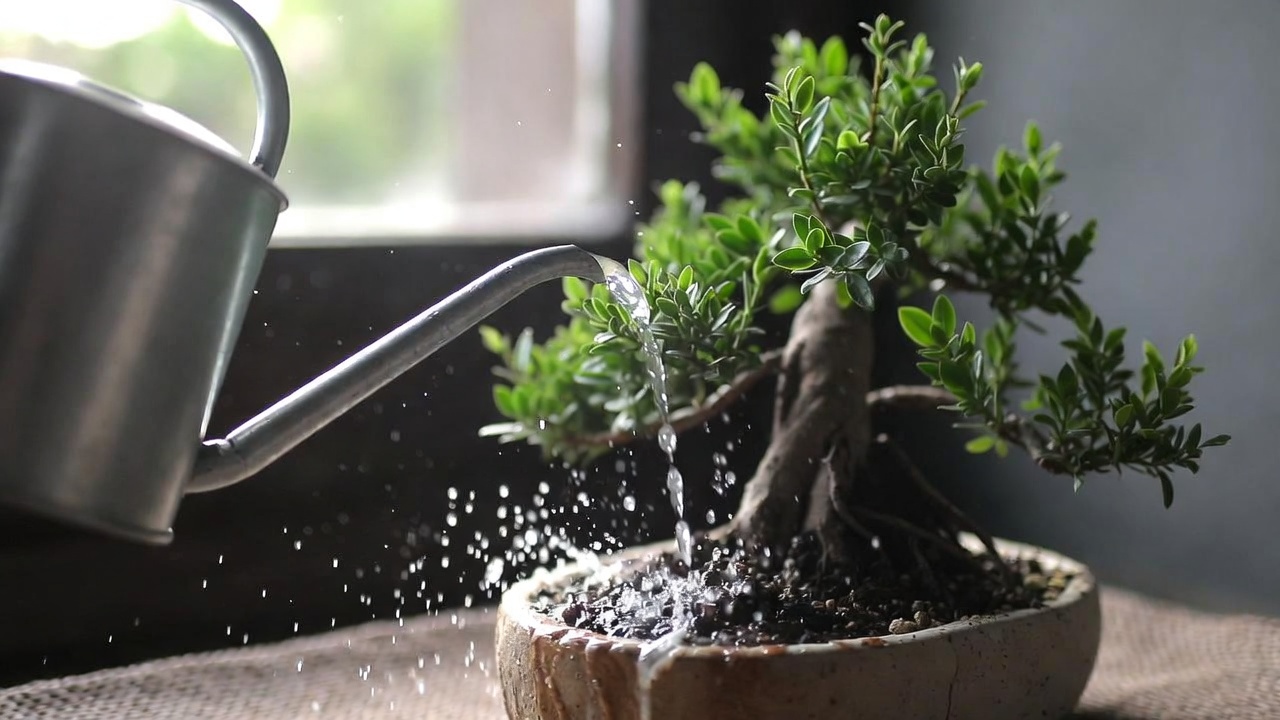
Application technique matters as much as product choice.
Safe Liquid Fertilizer Method
- Water your bonsai first with plain water.
- Dilute fertilizer to half recommended strength.
- Apply evenly until water drains from the bottom.
- Avoid letting solution sit in a tray.
Pre-watering prevents root burn and ensures even distribution.
Using Slow-Release Fertilizer Safely
- Place pellets evenly on soil surface
- Avoid direct contact with trunk
- Follow exact dosage instructions
Never “double up” thinking it will accelerate growth.
Preventing Over-Fertilization
Signs of fertilizer burn:
- Brown leaf tips
- Sudden leaf drop
- White crust on soil surface
If this happens:
- Flush soil thoroughly with distilled or filtered water
- Pause feeding for several weeks
Recovery depends on severity.
Common Bonsai Fertilizer Mistakes (And How to Avoid Them)
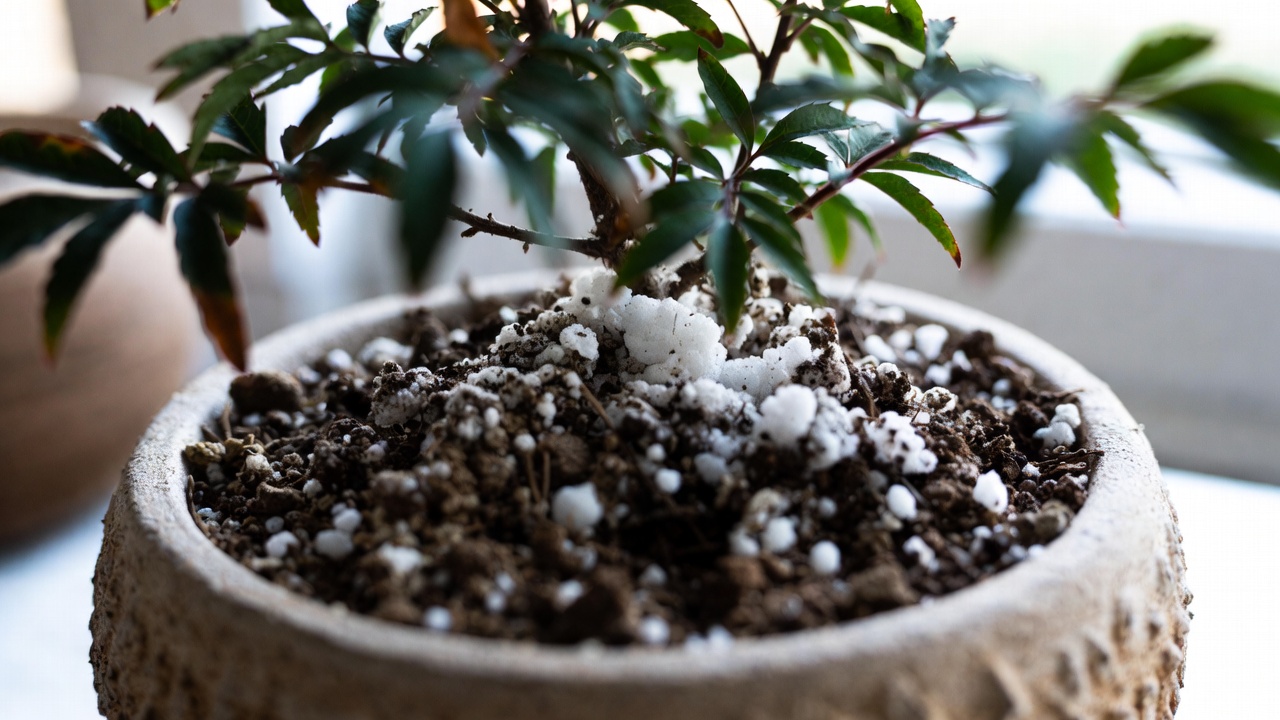
- Feeding dry soil
- Using full-strength houseplant fertilizer
- Fertilizing immediately after repotting
- Ignoring soil composition
- Feeding a stressed or sick tree
Remember: fertilizer is not medicine. Weak trees need stability first.
How Soil Type Affects Bonsai Fertilizer Strategy
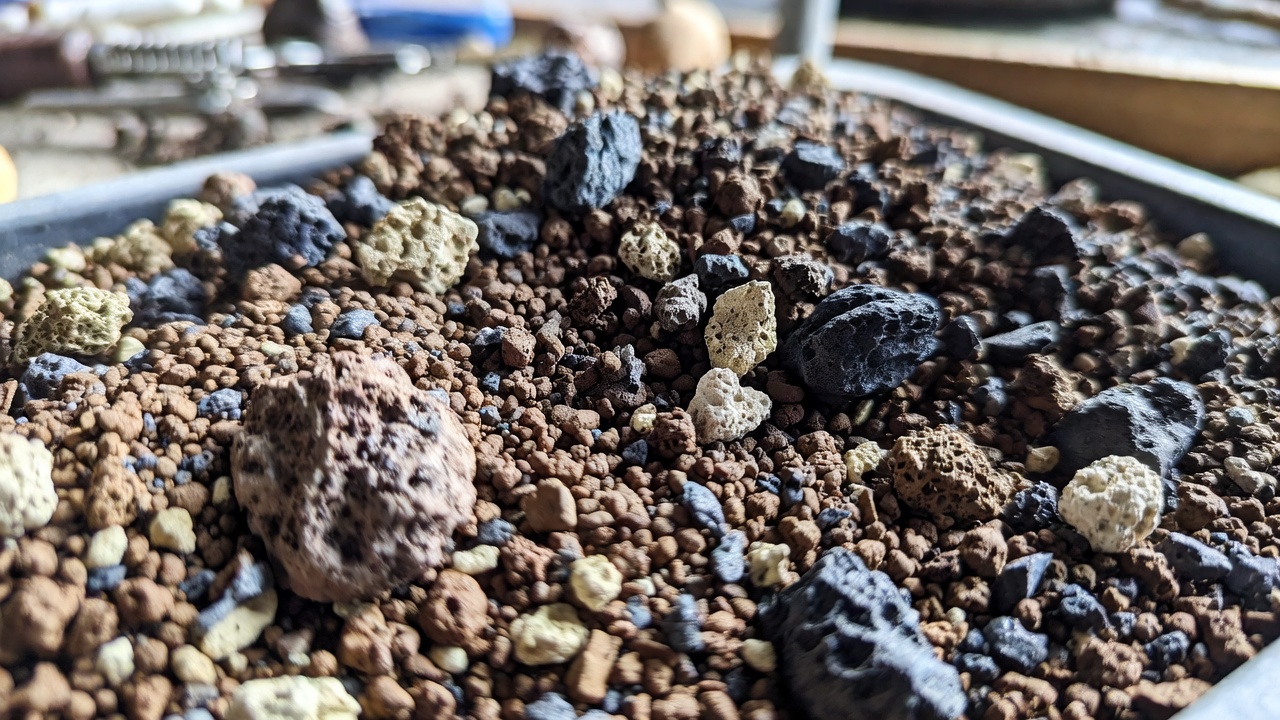
Your soil mix directly influences nutrient retention.
Inorganic Bonsai Mixes
Akadama, pumice, and lava rock drain quickly.
Pros:
- Excellent aeration
- Root health support
Cons:
- Nutrients flush out fast
These mixes require more consistent feeding.
Organic-Based Mixes
Contain composted bark or peat.
Pros:
- Better nutrient retention
- Less frequent feeding
Cons:
- Risk of salt buildup
Understanding your soil prevents guesswork.
Advanced Bonsai Fertilizing Techniques (Expert-Level Insight)
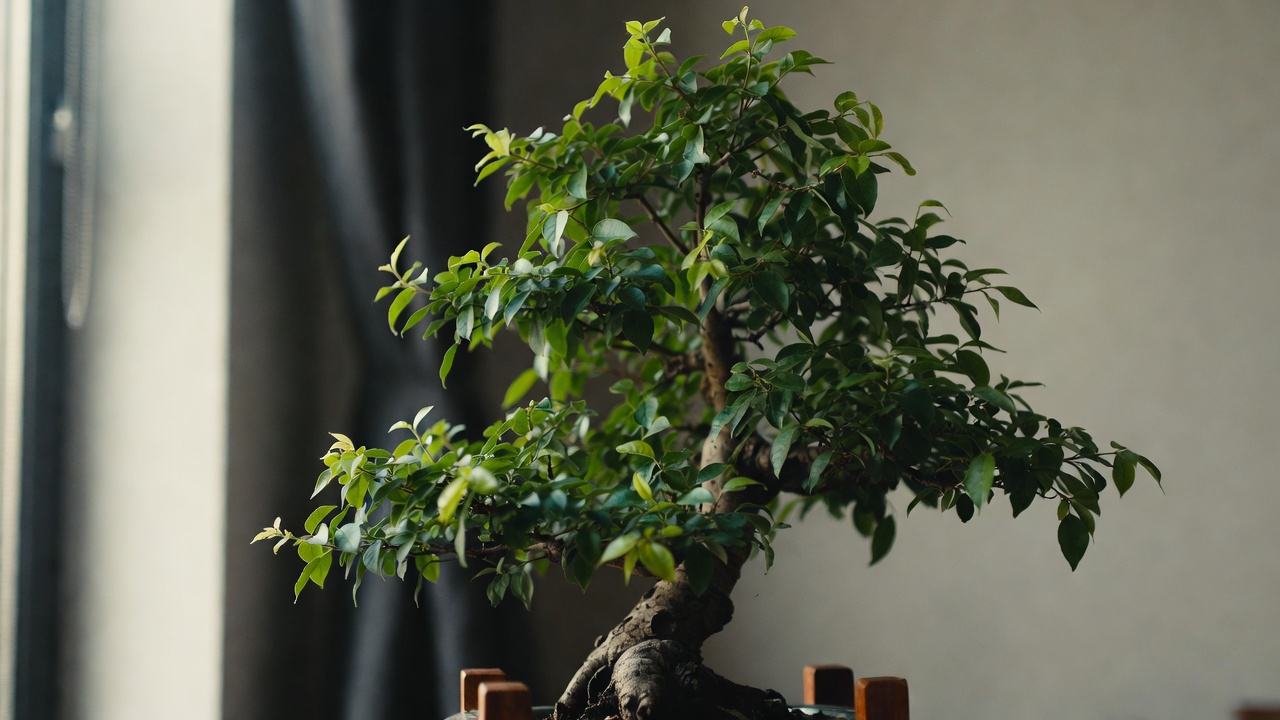
This is where fertilizing becomes an art.
Feeding for Ramification and Compact Growth
If you want tighter growth:
- Reduce nitrogen slightly
- Feed consistently but mildly
- Combine with proper pruning
Strong nitrogen spikes create long internodes.
Fertilizing After Pruning or Repotting
After repotting:
- Wait 3–4 weeks before fertilizing
- Allow roots to recover
After heavy pruning:
- Resume light feeding once new growth begins
Foliar Feeding Indoors
Foliar sprays can supply micronutrients temporarily.
However:
- They do not replace root feeding
- Risk fungal issues if humidity is high
Use sparingly and strategically.
Organic Homemade Bonsai Fertilizer Options
For growers who prefer natural methods:
- Diluted fish emulsion (very mild indoors)
- Compost tea (well-filtered to prevent odor)
- Banana peel tea (potassium boost)
Always test on one tree before applying widely.
Bonsai Fertilizer FAQ
How often should I fertilize indoor bonsai?
Every 2–4 weeks during active growth using diluted liquid fertilizer.
Can I use regular houseplant fertilizer?
Yes — if diluted properly and balanced (avoid high-nitrogen lawn formulas).
Do bonsai need fertilizer in winter?
Only if actively growing.
What happens if I overfertilize?
Root damage, leaf burn, salt buildup.
Is organic better than synthetic?
Both work. Proper application matters more than type.
Expert Feeding Schedule Cheat Sheet
Active Growth (Spring–Summer)
- Liquid fertilizer every 2–3 weeks
- Half-strength dilution
Slow Growth (Fall)
- Every 4 weeks
Dormant or Minimal Growth (Winter)
- Little to none
Observe your tree — not just the calendar.
Final Thoughts: Mastering Bonsai Fertilizer for Long-Term Indoor Success
Healthy indoor bonsai are not the result of occasional feeding — they’re built on consistent, intentional care.
If you remember only three things:
- Choose a balanced, appropriate fertilizer
- Apply it correctly at safe dilution
- Match feeding to growth cycles
Bonsai fertilizer is not about pushing growth. It’s about supporting controlled, refined development over years.
Master this, and your indoor bonsai will reward you with vibrant foliage, strong branching, and steady progress toward true miniature artistry.