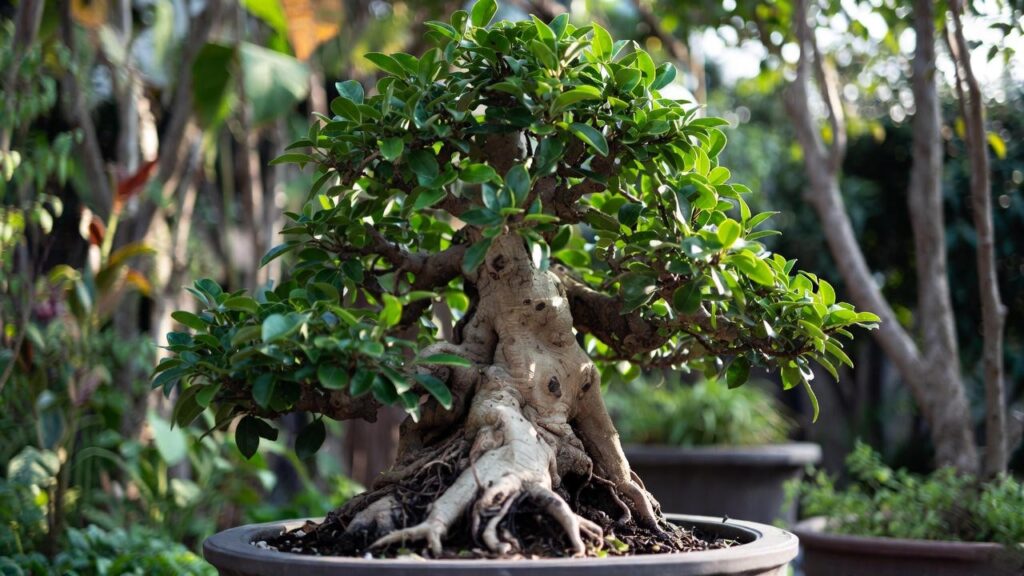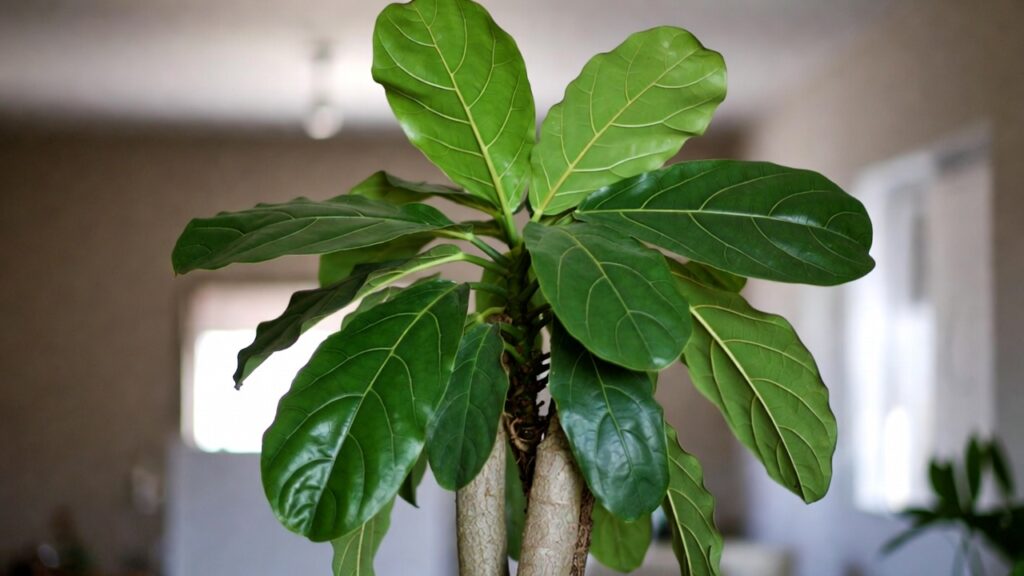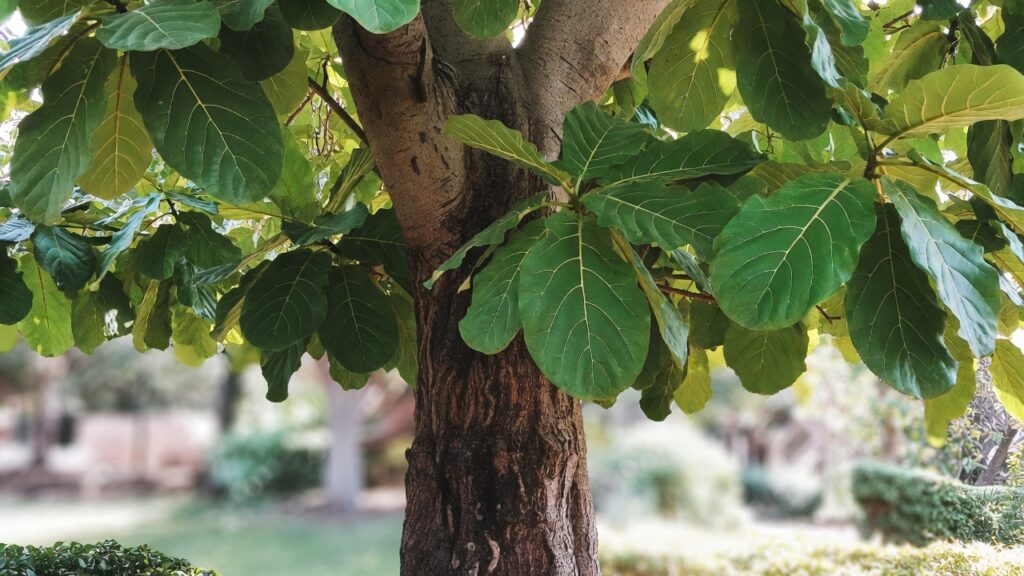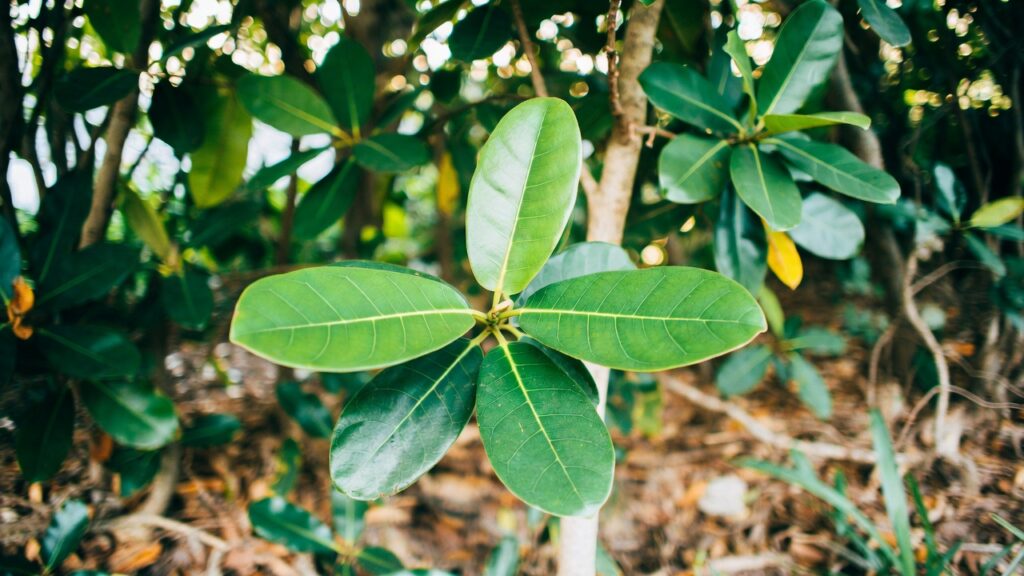
A bonsai tree can completely transform the atmosphere of a home. Its miniature shape, artistic structure, and calming presence make it one of the most loved indoor plants in the world. But many people struggle to keep their bonsai alive. Leaves suddenly fall off, branches weaken, and the plant starts looking unhealthy within weeks.
The good news is that the bonsai di ficus is one of the easiest and most beginner-friendly bonsai trees you can grow indoors. It is resilient, adaptable, and much more forgiving than many other bonsai varieties. With the right care, a bonsai di ficus can thrive for decades and become a stunning centerpiece in your home.
In this complete guide, you will learn everything you need to know about caring for a bonsai di ficus, including watering, lighting, pruning, repotting, fertilizing, troubleshooting common problems, and expert tips for long-term success.
Table of Contents
ToggleWhat Is a Bonsai di Ficus?
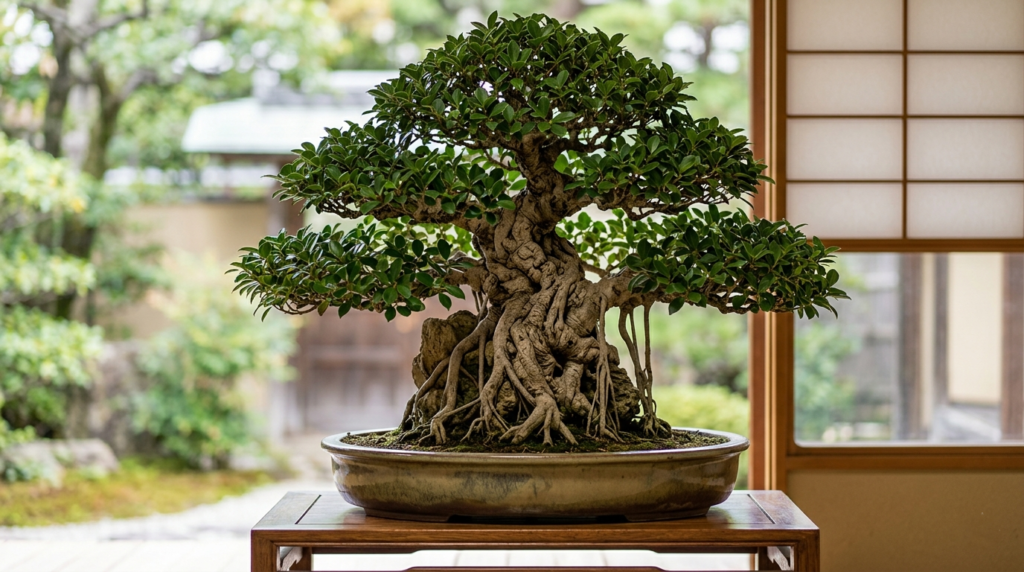
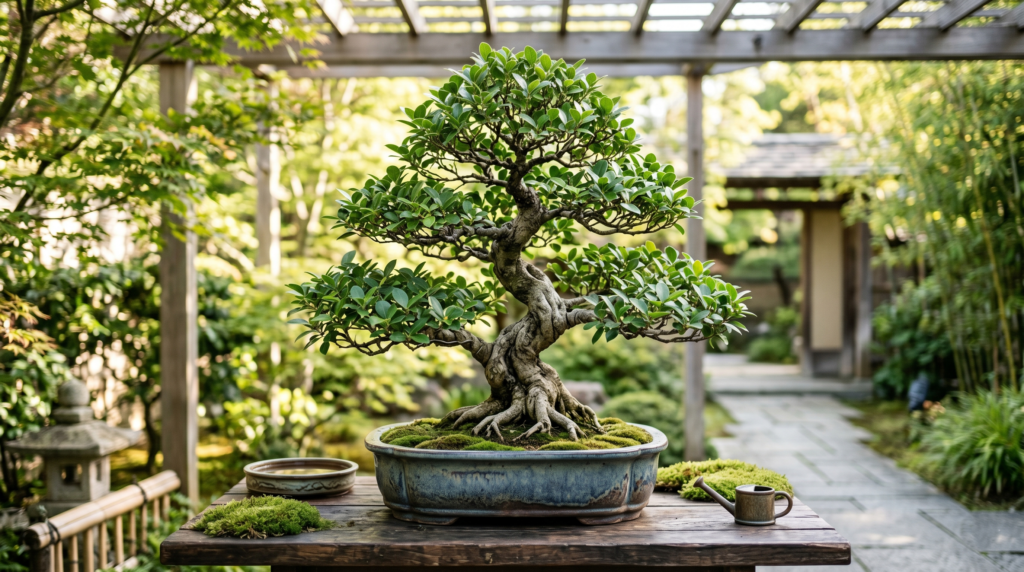
A bonsai di ficus is a miniature bonsai tree created from tropical ficus species such as:
- Ficus Retusa
- Ficus Microcarpa
- Ficus Ginseng
These bonsai trees are highly popular because of their:
- Thick decorative trunks
- Glossy green leaves
- Strong root systems
- Excellent adaptability indoors
Unlike many traditional bonsai trees, a bonsai di ficus tolerates indoor conditions very well, making it ideal for homes and apartments.
Why Bonsai di Ficus Is Perfect for Beginners
One of the biggest reasons people choose a bonsai di ficus is its beginner-friendly nature.
Benefits include:
- Easy indoor maintenance
- Better tolerance to watering mistakes
- Faster recovery from stress
- Strong adaptability
- Simple pruning and shaping
If you are starting your bonsai journey, a bonsai di ficus is one of the safest and most rewarding choices available.
Best Place to Keep a Bonsai di Ficus
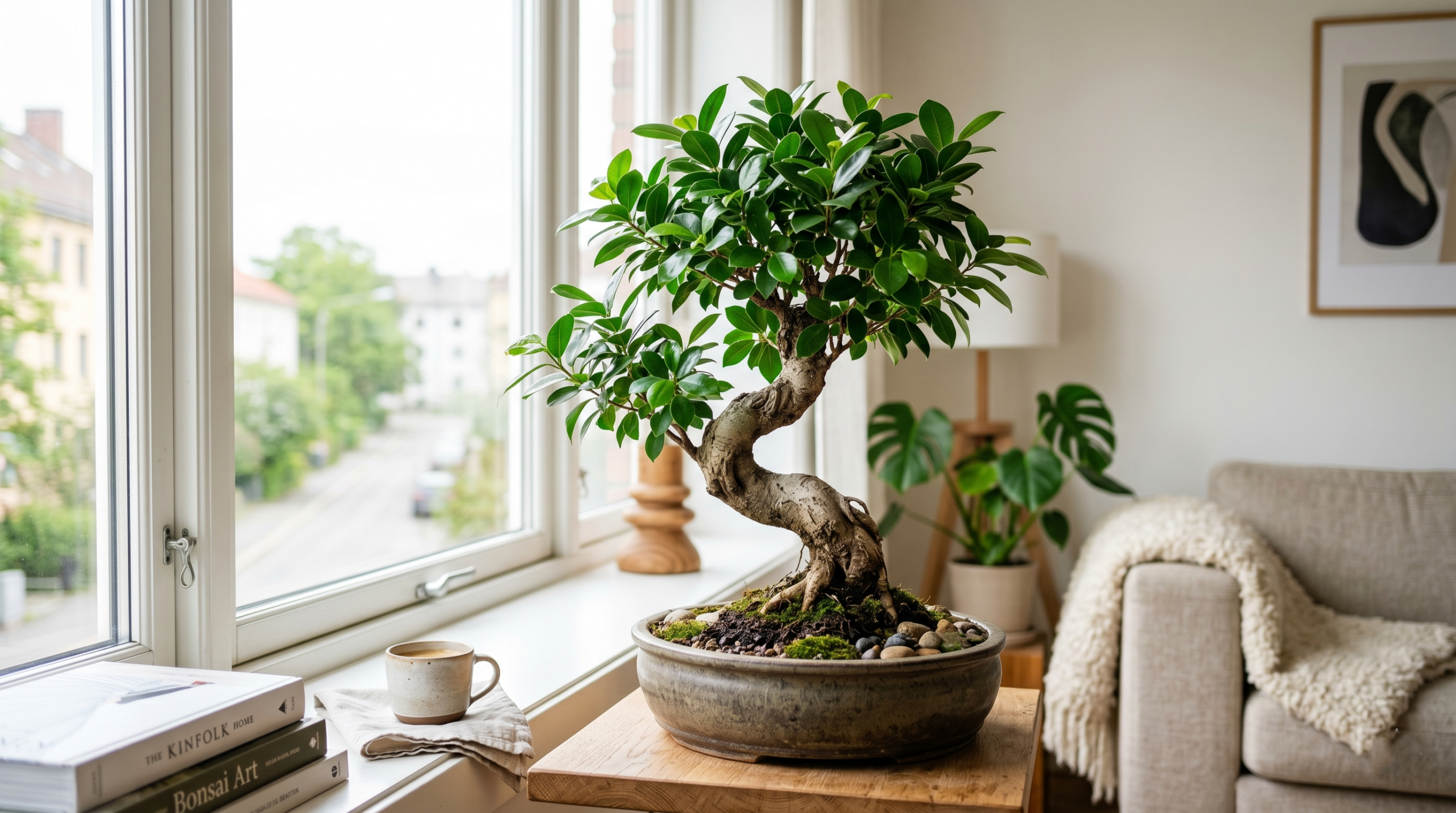
Light Requirements
A bonsai di ficus needs bright indirect sunlight to stay healthy.
The best locations include:
- Near east-facing windows
- Bright living rooms
- Well-lit indoor spaces
Avoid:
- Dark corners
- Harsh direct afternoon sunlight
- Rooms without airflow
Signs of poor lighting:
- Weak growth
- Yellow leaves
- Leaf drop
Proper lighting is one of the most important factors for healthy bonsai di ficus growth.
How to Water a Bonsai di Ficus Properly
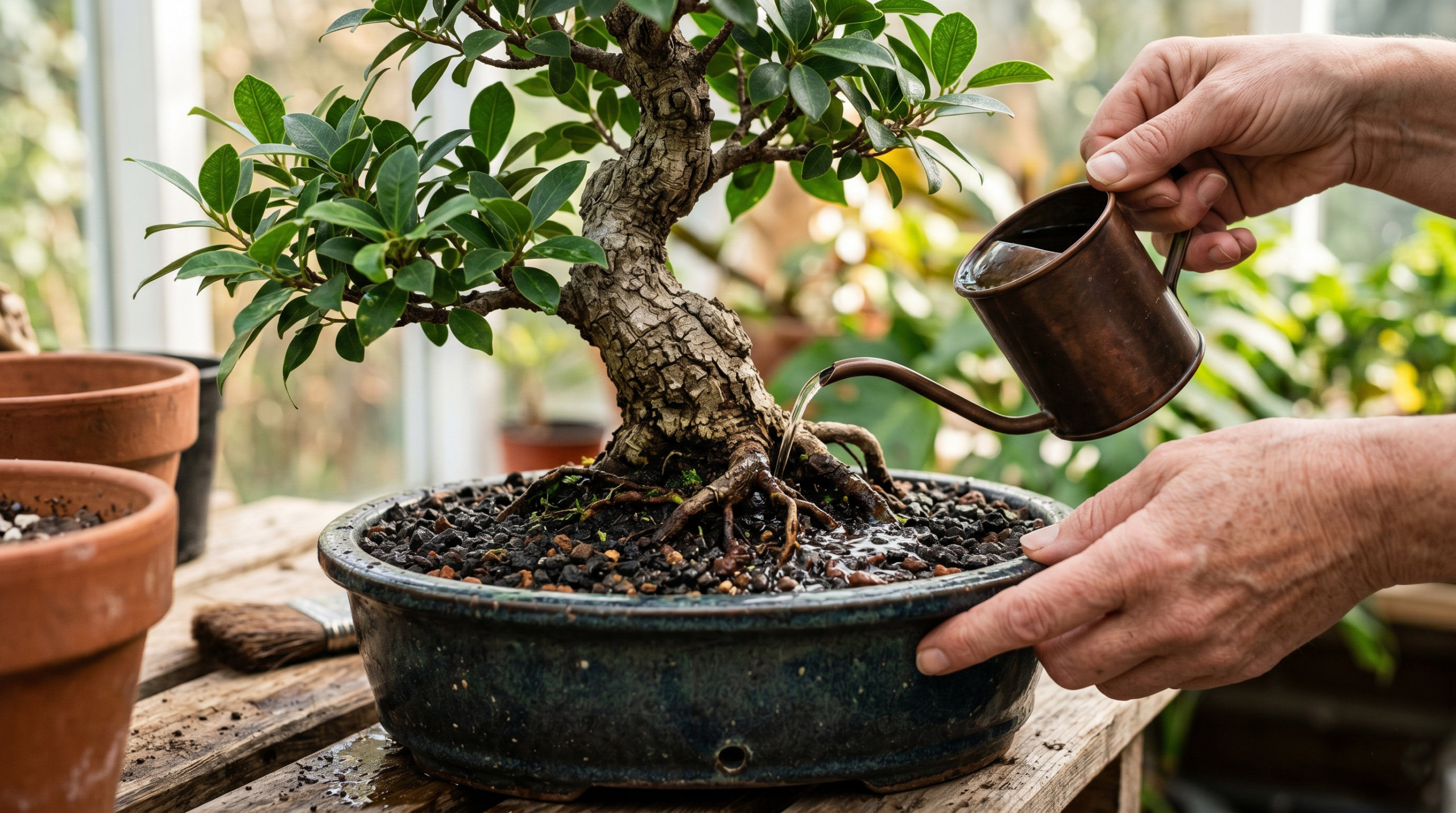
Watering mistakes are one of the main reasons a bonsai di ficus struggles indoors.
When to Water
Instead of watering on a strict schedule:
- Check the soil daily
- Water when the top layer becomes slightly dry
Correct Watering Method
Water slowly until excess water drains from the bottom holes.
This helps:
- Prevent root rot
- Hydrate the roots evenly
- Improve oxygen flow
Never allow your bonsai di ficus to sit in standing water.
Best Soil for Bonsai di Ficus
A healthy bonsai di ficus requires well-draining bonsai soil.
The ideal soil mix may contain:
- Akadama
- Pumice
- Lava rock
- Organic bonsai soil
Heavy garden soil can damage the roots by trapping too much moisture.
Pruning a Bonsai di Ficus
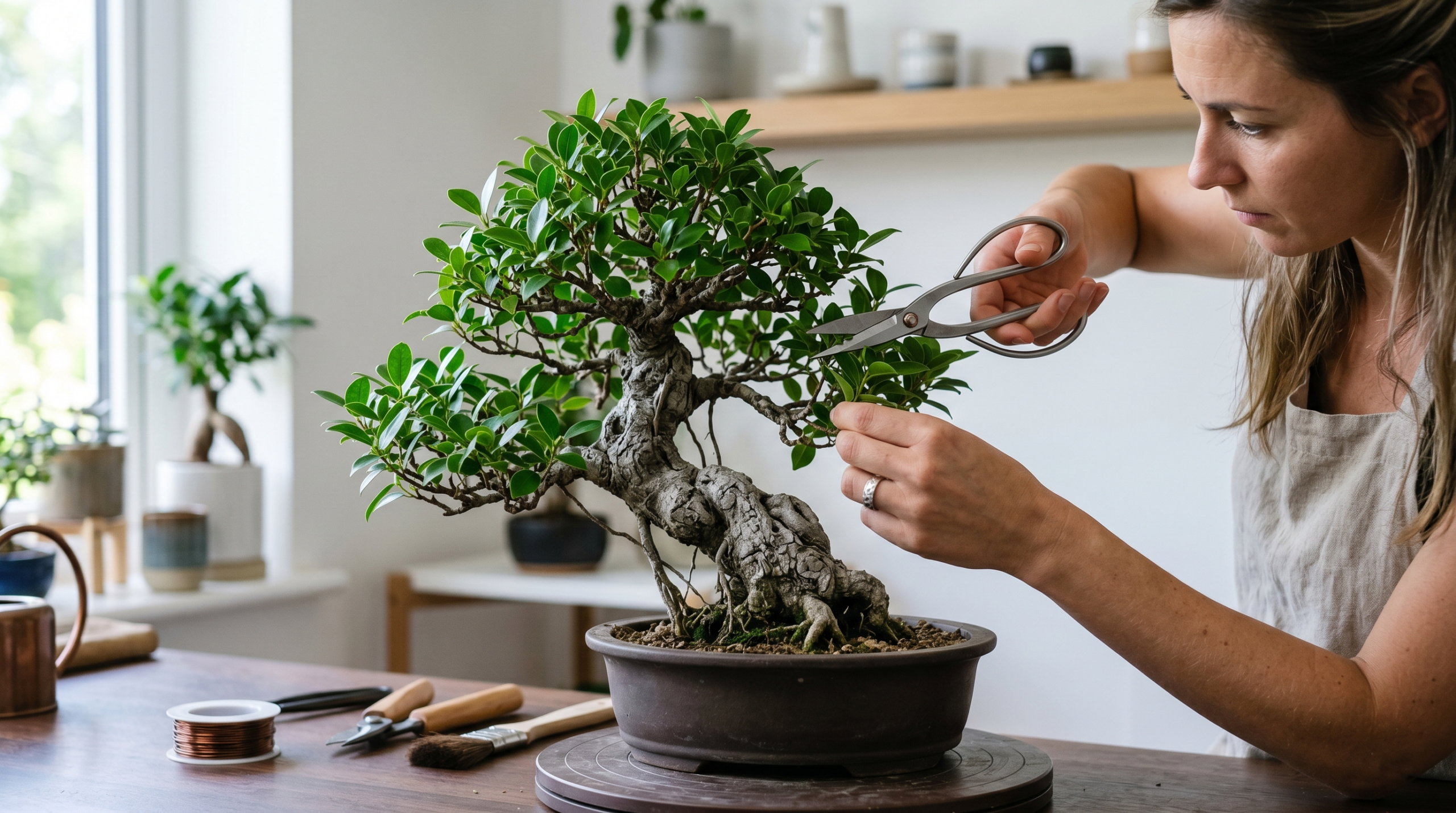
Regular pruning helps maintain the shape and beauty of your bonsai di ficus.
Maintenance Pruning
This type of pruning:
- Keeps the bonsai compact
- Encourages new growth
- Improves branch structure
Structural Pruning
Structural pruning helps create the desired bonsai style and overall balance.
Always use clean bonsai tools when pruning your bonsai di ficus.
Common Bonsai di Ficus Problems
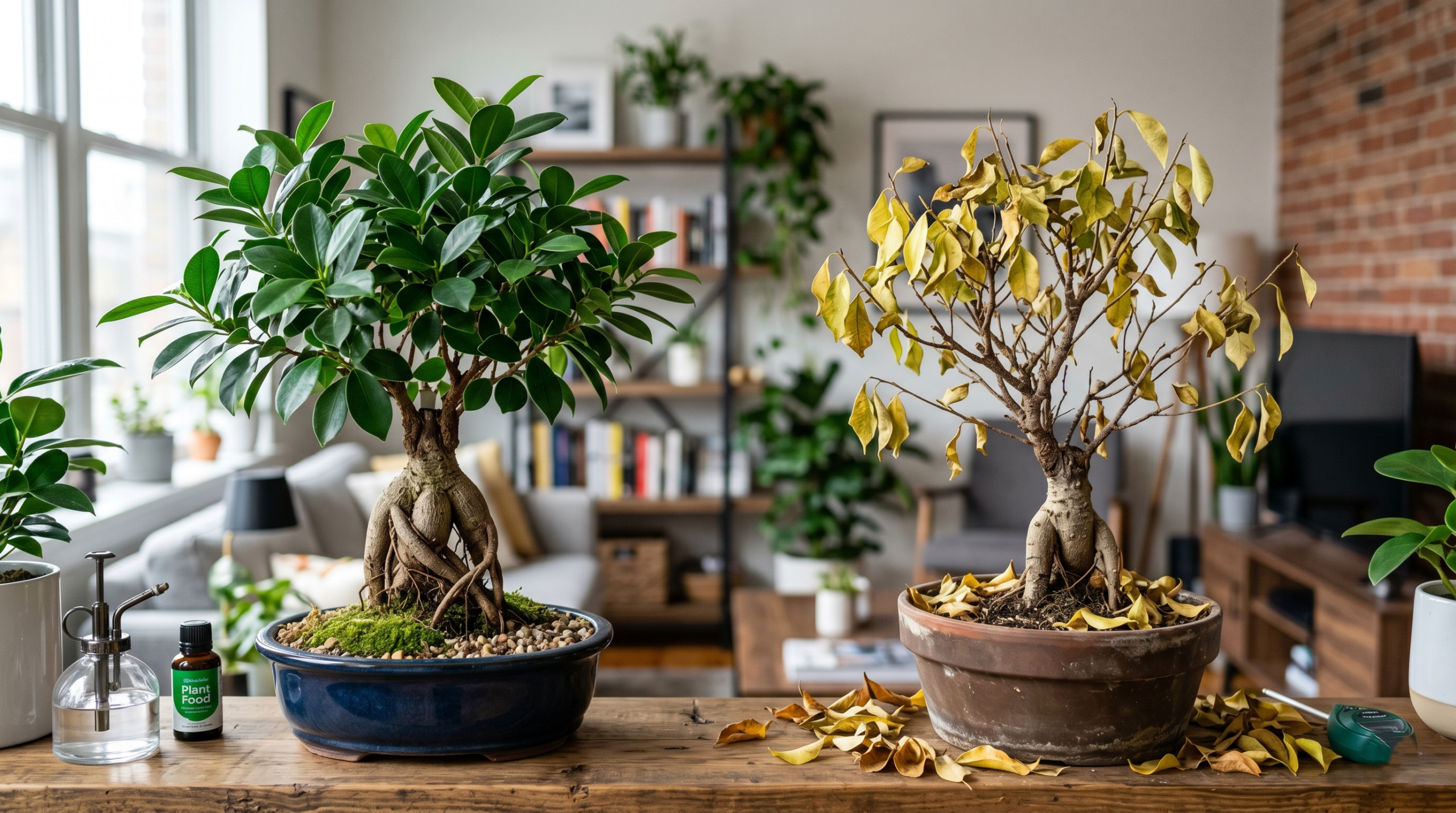
Leaf Drop
Leaf drop is common in bonsai di ficus trees.
Common causes:
- Sudden environmental changes
- Incorrect watering
- Poor lighting
- Stress after relocation
Yellow Leaves
Usually caused by:
- Overwatering
- Poor drainage
- Root stress
Dry Leaves
Dry leaves may result from:
- Low humidity
- Underwatering
- Excess sunlight
Fertilizing Bonsai di Ficus
Because a bonsai di ficus grows in a small pot, nutrients become depleted quickly.
Best Fertilizer Options
Use:
- Balanced bonsai fertilizer
- Organic fertilizer
- Liquid plant food
During active growth seasons, fertilize your bonsai di ficus every two weeks.
Expert Tips for Healthy Bonsai di Ficus Growth
To keep your bonsai di ficus healthy and attractive:
- Maintain stable indoor temperatures
- Avoid moving the tree frequently
- Provide bright indirect light
- Prune regularly
- Monitor watering carefully
Consistency is the secret to long-term bonsai success.
Frequently Asked Questions About Bonsai di Ficus
How often should I water a bonsai di ficus?
Water your bonsai di ficus when the top layer of soil feels slightly dry. Avoid watering on a fixed schedule because humidity, temperature, and season affect watering needs.
Why is my bonsai di ficus losing leaves?
Leaf drop in a bonsai di ficus is usually caused by:
- Sudden environmental changes
- Overwatering
- Underwatering
- Poor lighting
- Cold drafts
Most trees recover once conditions become stable.
Can a bonsai di ficus live indoors?
Yes. A bonsai di ficus is one of the best indoor bonsai trees because it adapts well to indoor temperatures and humidity levels.
Does bonsai di ficus need direct sunlight?
A bonsai di ficus prefers bright indirect sunlight. Too much harsh direct sunlight may burn the leaves, while too little light can weaken growth.
How long does a bonsai di ficus live?
With proper care, a bonsai di ficus can live for decades. Some bonsai trees survive for many generations.
When should I prune a bonsai di ficus?
You can prune a bonsai di ficus throughout the growing season, especially during spring and summer when growth is active.
What is the best soil for bonsai di ficus?
The best soil for bonsai di ficus is a well-draining bonsai mix containing materials like akadama, pumice, and lava rock.
Can I keep bonsai di ficus outside?
Yes, a bonsai di ficus can stay outdoors during warm months, but it should be protected from cold temperatures and brought indoors before temperatures drop below 50°F (10°C).
Why are the leaves of my bonsai di ficus turning yellow?
Yellow leaves on a bonsai di ficus are commonly caused by overwatering, poor drainage, or root stress.
Is bonsai di ficus good for beginners?
Absolutely. A bonsai di ficus is one of the easiest bonsai trees to care for, making it perfect for beginners.
Conclusion
A bonsai di ficus is more than just an indoor plant — it is a living piece of art that brings elegance and calmness into your home. Thanks to its resilience, beauty, and easy care requirements, it remains one of the best bonsai choices for beginners and experienced growers alike.
With proper lighting, balanced watering, quality soil, and regular pruning, your bonsai di ficus can stay healthy, strong, and beautifully green for many years.