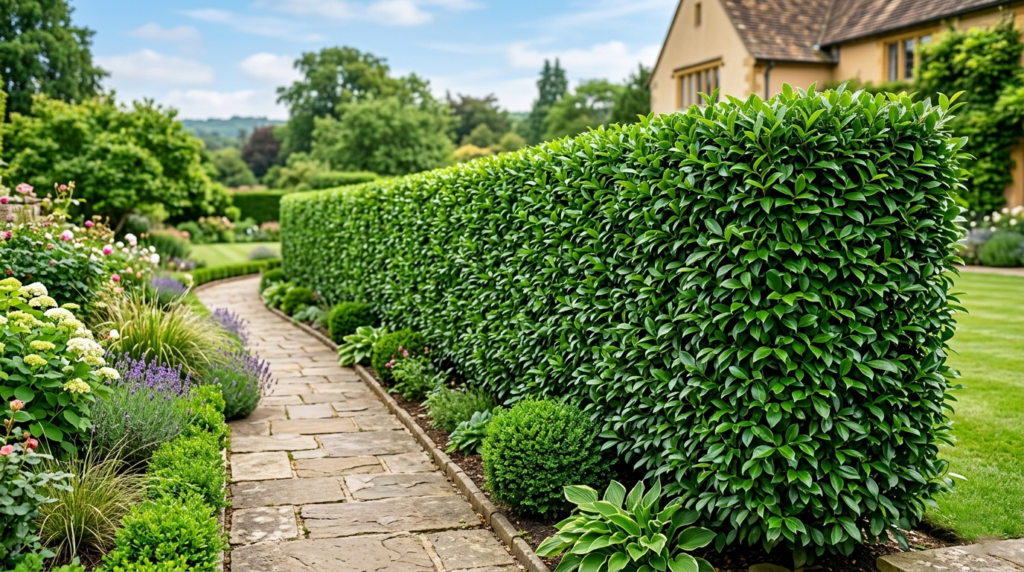
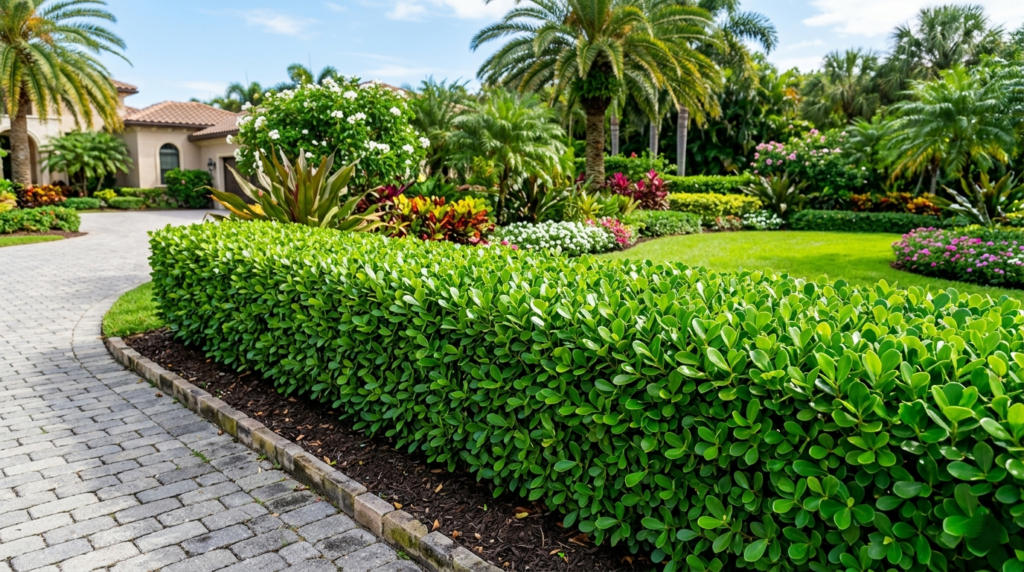
A thin, patchy hedge can make even the most beautiful landscape feel unfinished. Homeowners often spend years trying different privacy plants only to end up with constant pruning, yellowing leaves, or hedges that never truly fill in. That’s exactly why the green island ficus hedge cruce has become one of the most popular solutions for creating a dense, elegant, and low-maintenance evergreen screen.
Whether you want a tropical privacy hedge around your patio, a polished border for your front yard, or a lush green backdrop that stays attractive year-round, Green Island Ficus offers a reliable and visually striking option. With proper planting, spacing, watering, and pruning, this compact ficus variety can develop into a thick hedge that delivers privacy, curb appeal, and long-lasting greenery with surprisingly little effort.
In this complete guide, you’ll learn everything you need to know about growing and maintaining a healthy Green Island Ficus hedge, including expert planting tips, common mistakes to avoid, landscaping ideas, and professional care techniques that encourage fuller growth.
What Is Green Island Ficus Hedge Cruce?
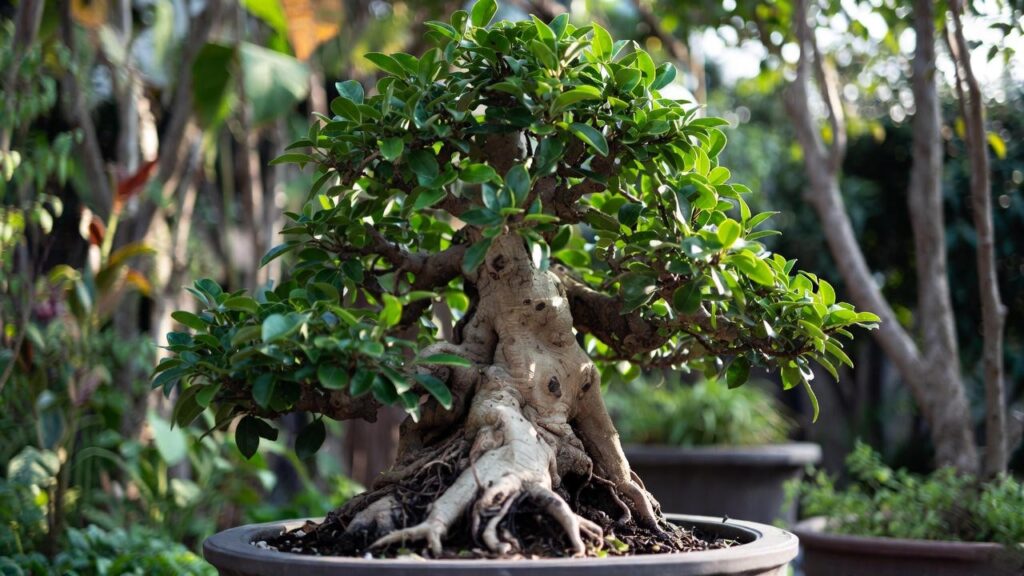
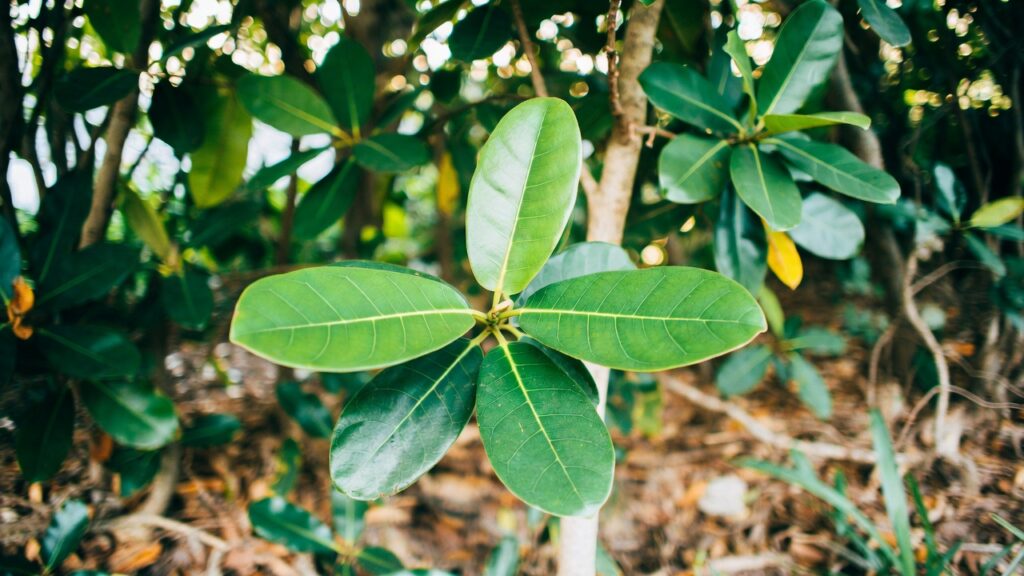
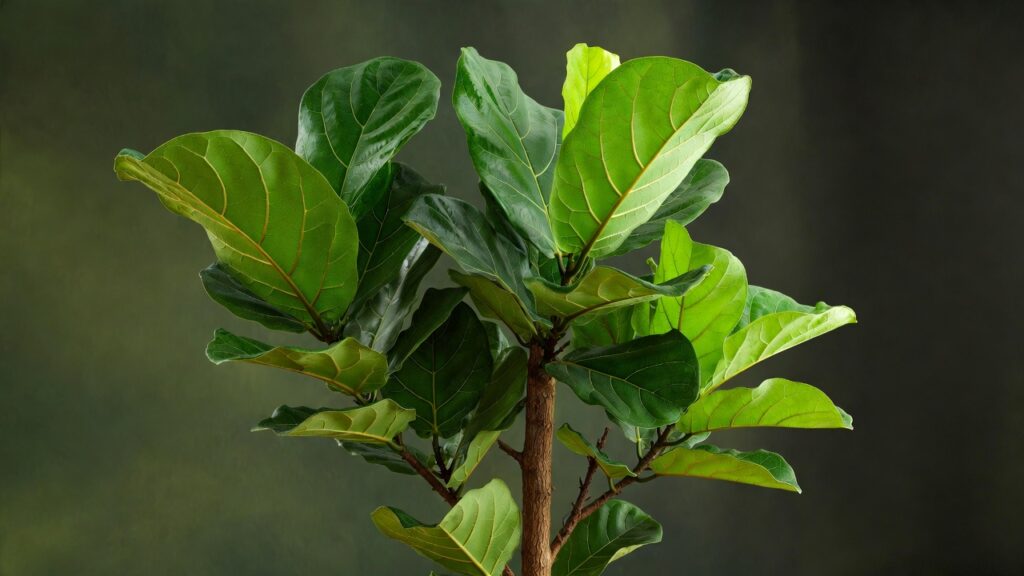
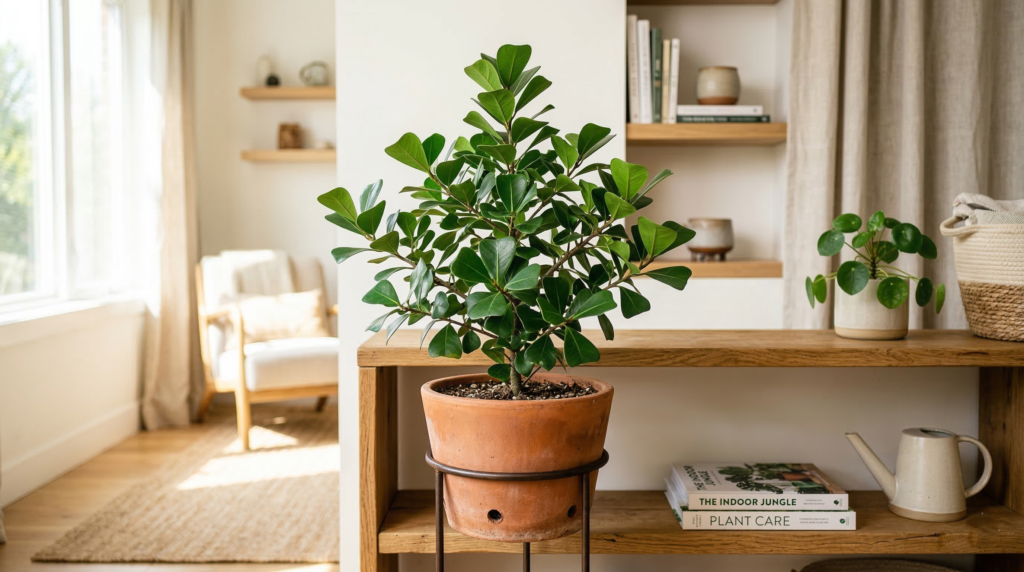
Green Island Ficus is a compact evergreen shrub known for its glossy, dark green leaves and naturally rounded growth habit. Botanically classified as Ficus microcarpa ‘Green Island’, this tropical plant is widely used in landscaping because it creates dense hedges without requiring excessive maintenance.
The term “cruce” is often associated with hedge layouts, crossing garden borders, or regional landscaping terminology related to structured hedge installations. In many cases, people searching for “green island ficus hedge cruce” are looking for guidance on creating a professionally shaped ficus hedge that offers both beauty and privacy.
Unlike fast-growing hedges that quickly become messy or invasive, Green Island Ficus grows in a controlled and compact manner. This makes it ideal for:
- Privacy screens
- Tropical garden borders
- Driveway hedges
- Poolside landscaping
- Modern minimalist landscapes
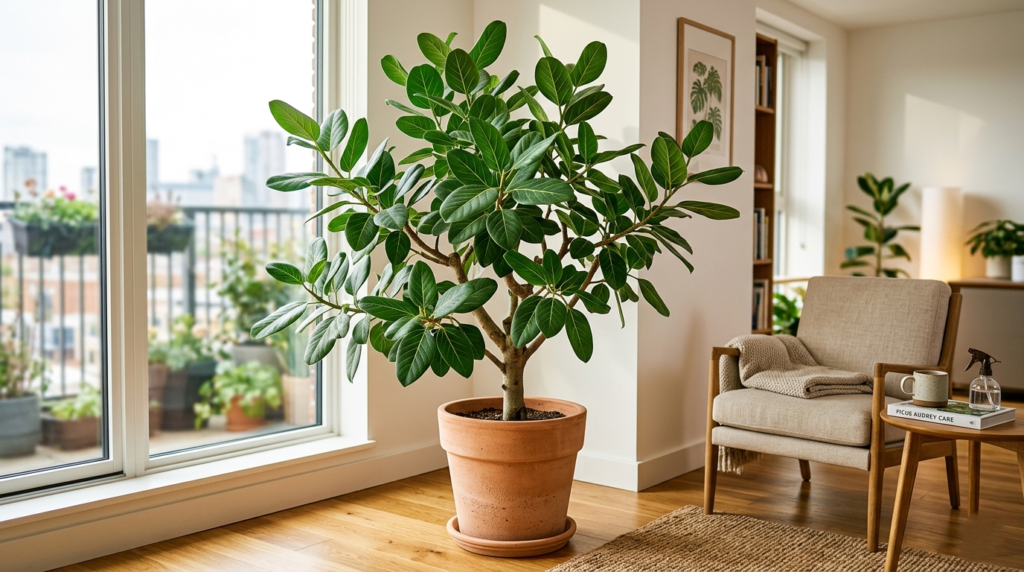
- Container hedges for patios
One of its greatest advantages is its dense foliage. The thick, rounded leaves naturally create a fuller appearance, even with minimal pruning.
Benefits of Growing a Green Island Ficus Hedge
Creates a Dense Natural Privacy Screen
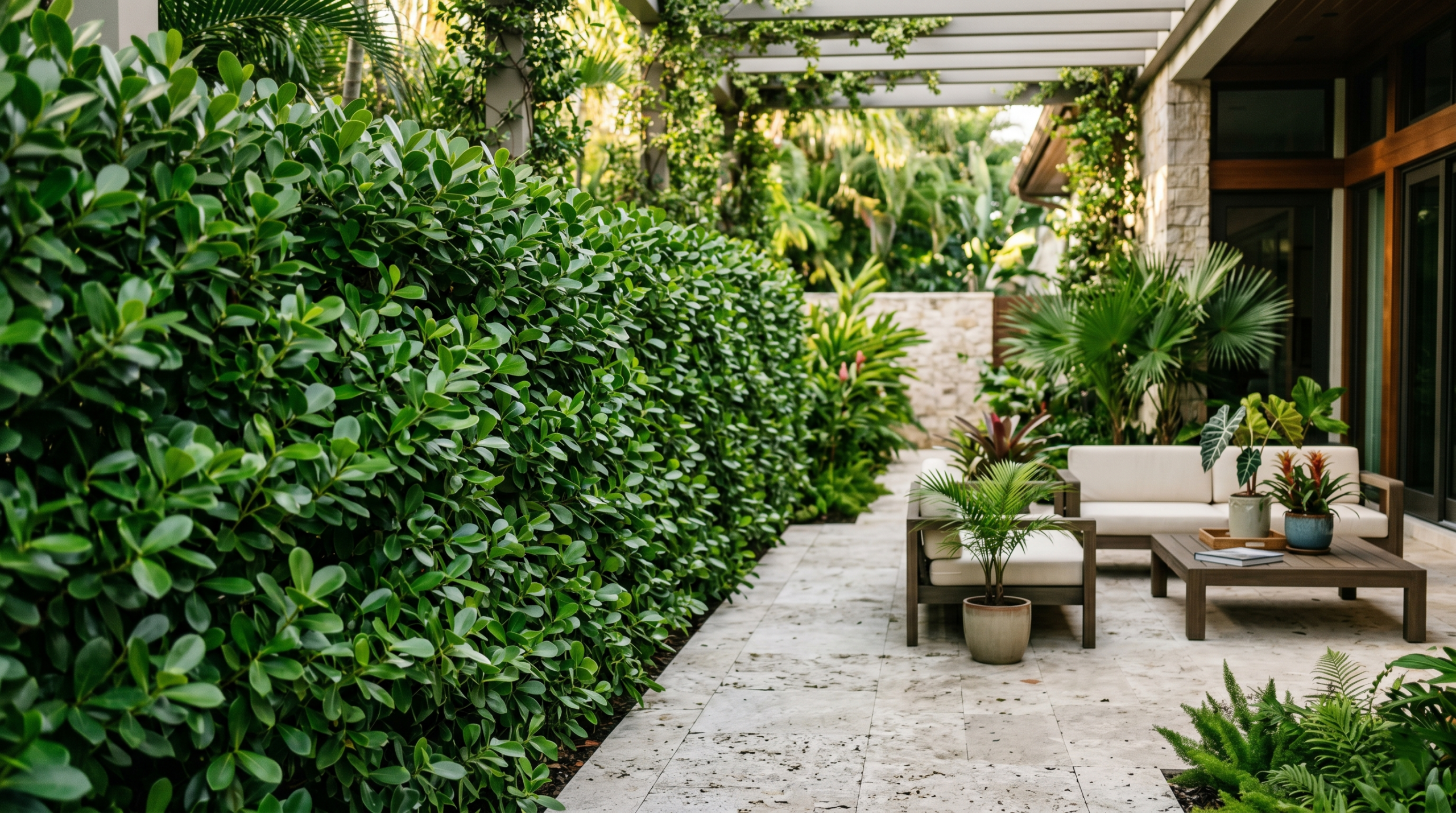
Privacy is one of the main reasons homeowners choose Green Island Ficus hedges. The plant’s compact branching structure allows it to form a thick living wall that blocks unwanted views while still looking refined and elegant.
When planted correctly, the hedge becomes dense enough to:
- Reduce visibility from neighbors
- Shield outdoor seating areas
- Create secluded garden spaces
- Add security around property borders
Because the leaves remain green throughout the year in warm climates, the hedge maintains privacy consistently without seasonal leaf drop.
Low Maintenance Compared to Other Hedge Plants
Many traditional hedge plants require constant trimming to stay neat. Green Island Ficus is much easier to manage because of its naturally tidy growth habit.
Benefits include:
- Less frequent pruning
- Minimal leaf shedding
- Good drought tolerance once established
- Strong resilience in humid climates
For busy homeowners who want an attractive landscape without weekly maintenance, this ficus variety is an excellent choice.
Excellent Tropical Appearance
The glossy leaves give Green Island Ficus a lush tropical look that works beautifully in modern and coastal landscapes. It pairs well with:
- Palm trees
- Bird of paradise
- Crotons
- Hibiscus
- Decorative grasses
Its clean appearance also makes it suitable for formal garden designs.
Adaptable for Small and Large Spaces
One reason landscape professionals often recommend Green Island Ficus is its versatility.
It works well as:
- A compact front-yard hedge
- A medium-height privacy screen
- A decorative border plant
- A container-grown patio hedge
Even smaller urban gardens can benefit from its controlled growth pattern.
Ideal Growing Conditions for Green Island Ficus
Understanding the right growing environment is essential if you want a hedge that stays dense and healthy for years.
Best Climate for Green Island Ficus
Green Island Ficus thrives in tropical and subtropical climates. It performs best in USDA zones 9–11 where temperatures remain relatively warm throughout the year.
Ideal conditions include:
- Warm temperatures
- Moderate humidity
- Protection from frost
- Consistent sunlight
While mature plants can tolerate brief cool periods, prolonged freezing temperatures may damage foliage and roots.
Sunlight Requirements
For the thickest and healthiest hedge growth, Green Island Ficus should receive:
- Full sun to partial shade
The plant grows fastest and densest in full sun. However, in extremely hot climates, partial afternoon shade can help prevent leaf stress.
Insufficient sunlight often causes:
- Sparse foliage
- Leggy growth
- Reduced hedge density
If privacy is your goal, maximizing sunlight exposure is especially important.
Soil Requirements
Like most ficus varieties, Green Island Ficus prefers:
- Well-draining soil
- Slightly acidic to neutral pH
- Soil rich in organic matter
Heavy clay soil can increase the risk of root rot because it retains excess moisture. Before planting, improve poor soil by adding:
- Compost
- Sand
- Organic mulch
Healthy soil creates stronger root systems and better drought resistance.
Watering Needs
Proper watering is one of the biggest factors in successful hedge establishment.
Newly Planted Hedges
Young plants require regular watering while roots develop. During the first few months:
- Water deeply 2–3 times weekly
- Keep soil evenly moist but not soggy
Established Hedges
Once mature, Green Island Ficus becomes relatively drought tolerant. Mature hedges usually need:
- Weekly deep watering during dry periods
- Less watering during rainy seasons
Overwatering is one of the most common causes of yellow leaves and root problems.
Fertilizer Recommendations
Regular feeding encourages lush green foliage and faster hedge formation.
Professional landscapers often recommend:
- Balanced slow-release fertilizer
- Fertilizer with moderate nitrogen content
- Feeding every 2–3 months during the growing season
Avoid excessive fertilization because it can lead to overly soft growth and increased maintenance.
Organic compost and mulch also help maintain healthy soil naturally.
How to Plant a Green Island Ficus Hedge Properly
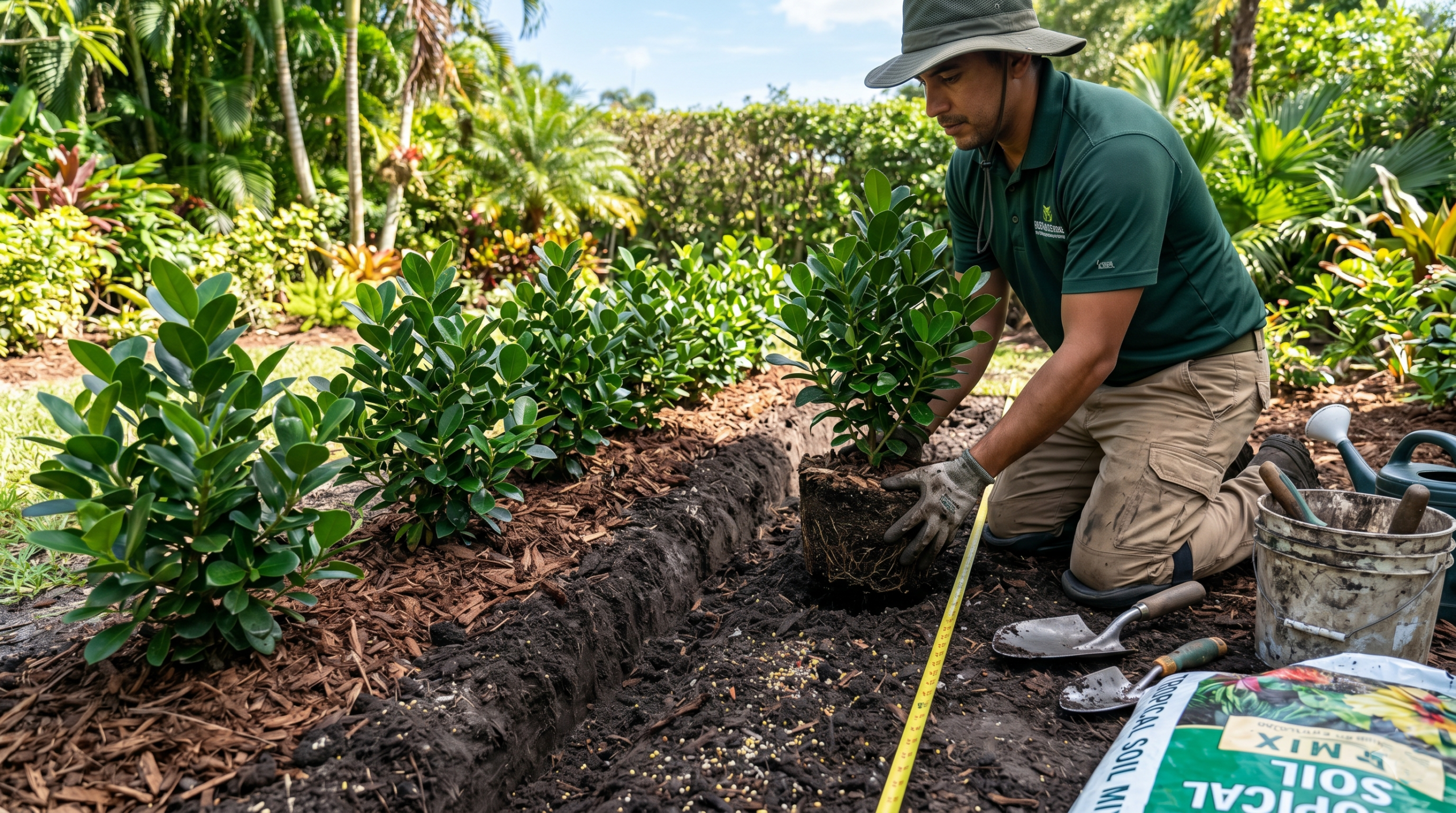
Correct planting techniques determine whether your hedge becomes dense and healthy or thin and uneven.
Choose Healthy Nursery Plants
Before purchasing Green Island Ficus plants, inspect them carefully.
Look for:
- Rich green leaves
- Compact branching
- Strong stems
- No yellowing or spotting
- No visible pests
Avoid plants with:
- Mushy roots
- Wilting foliage
- Sparse growth
- Root-bound containers
Healthy starter plants establish much faster after planting.
Best Time to Plant
The ideal planting time is during:
- Spring
- Early summer
- Warm rainy seasons
Warm soil temperatures help roots establish quickly.
Avoid planting during extreme heat or cold snaps whenever possible.
Correct Hedge Spacing
Spacing is one of the most important factors in creating a thick hedge.
For dense privacy hedges:
- Space plants approximately 2–3 feet apart
For decorative low hedges:
- Space plants 3–4 feet apart
Planting too closely can reduce airflow and increase disease risk. Planting too far apart may leave gaps for years.
Professional landscapers often stagger rows slightly for maximum density.
Step-by-Step Planting Guide
1. Prepare the Soil
Remove weeds, rocks, and debris from the planting area. Mix compost into the soil to improve drainage and nutrients.
2. Dig the Planting Holes
Dig holes twice as wide as the root ball but no deeper than the container height.
3. Position the Plants
Place each ficus plant level with the surrounding soil surface.
4. Backfill Carefully
Fill holes gently while pressing soil lightly around the roots.
5. Water Thoroughly
Deep watering helps eliminate air pockets and encourages root establishment.
6. Apply Mulch
Add 2–3 inches of mulch around the base while keeping mulch away from the trunk.
Mulching helps:
- Retain moisture
- Suppress weeds
- Regulate soil temperature
How Long Does It Take to Form a Full Hedge?
Growth speed depends on climate, sunlight, watering, and maintenance.
Under ideal conditions:
- Moderate fullness develops within 1–2 years
- Dense mature hedges may take 3–5 years
Consistent pruning significantly improves density over time.
Patience is important during the establishment phase because healthy roots support long-term hedge performance.
Green Island Ficus Hedge Care Guide
Watering Schedule by Season
Summer
During hot weather:
- Water deeply once or twice weekly
- Increase watering during drought
Rainy Season
Reduce supplemental watering to prevent waterlogged roots.
Winter
In cooler months:
- Water less frequently
- Allow the topsoil to dry slightly between watering
Deep watering is always better than frequent shallow watering.
Pruning and Shaping Tips
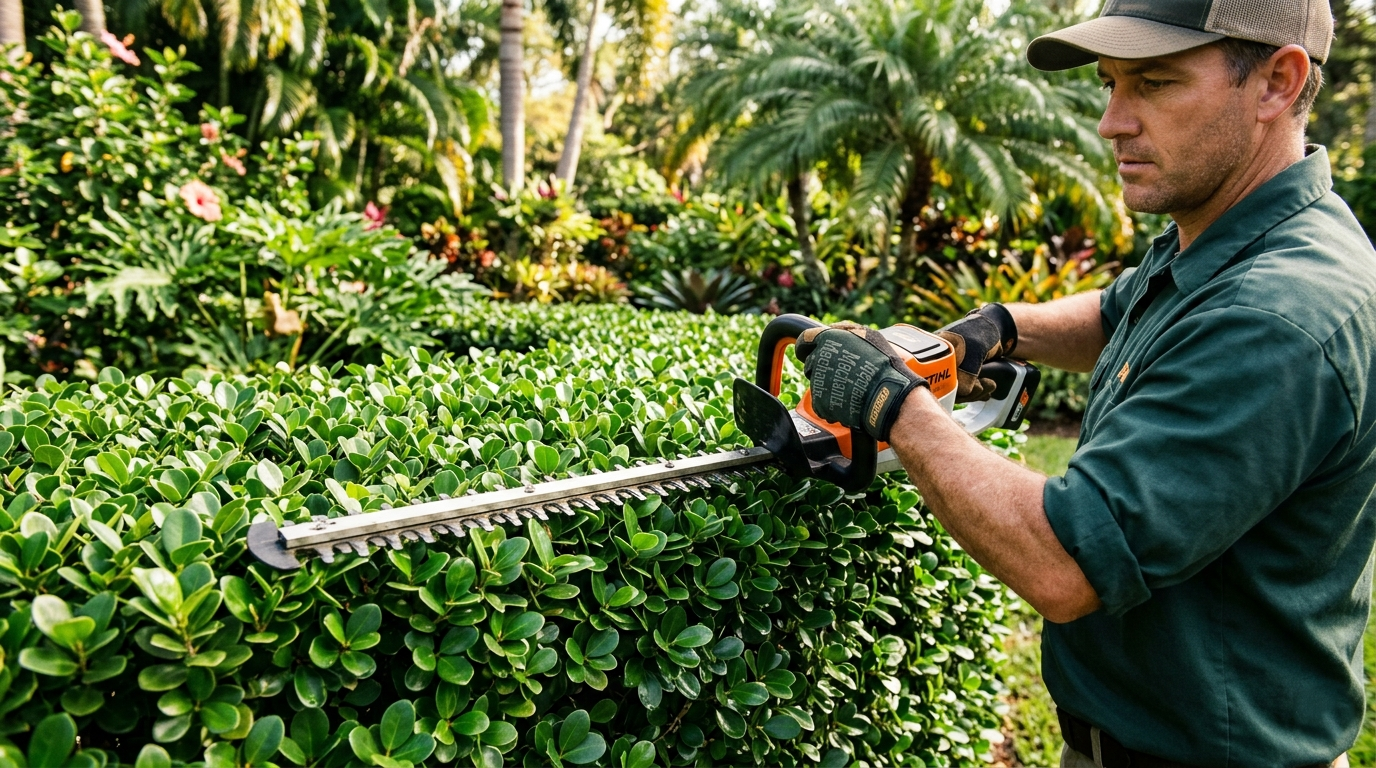
Pruning is the secret to creating a thick, luxurious hedge.
Best Time to Prune
- Late spring
- Early summer
- Early fall in warm climates
How Often to Trim
Most Green Island Ficus hedges benefit from trimming every:
- 6–8 weeks during active growth
Professional Pruning Technique
Landscape experts often trim:
- Wider at the bottom
- Slightly narrower at the top
This shape allows sunlight to reach lower branches and prevents thinning near the base.
Tip pruning young plants also encourages branching and denser growth.
Mulching Best Practices
Organic mulch improves both appearance and plant health.
Best mulch options include:
- Bark mulch
- Pine straw
- Compost
- Wood chips
Benefits:
- Conserves moisture
- Reduces weed competition
- Adds nutrients gradually
Avoid piling mulch directly against stems because excess moisture can encourage fungal issues.
Storm and Cold Protection
Although Green Island Ficus is hardy in warm climates, extreme weather can cause stress.
During cold weather:
- Cover young plants with frost cloth
- Avoid pruning before cold fronts
- Apply mulch to insulate roots
During storms:
- Inspect for broken branches
- Improve drainage around roots
Healthy established hedges recover much faster from environmental stress.
Common Problems and How to Fix Them
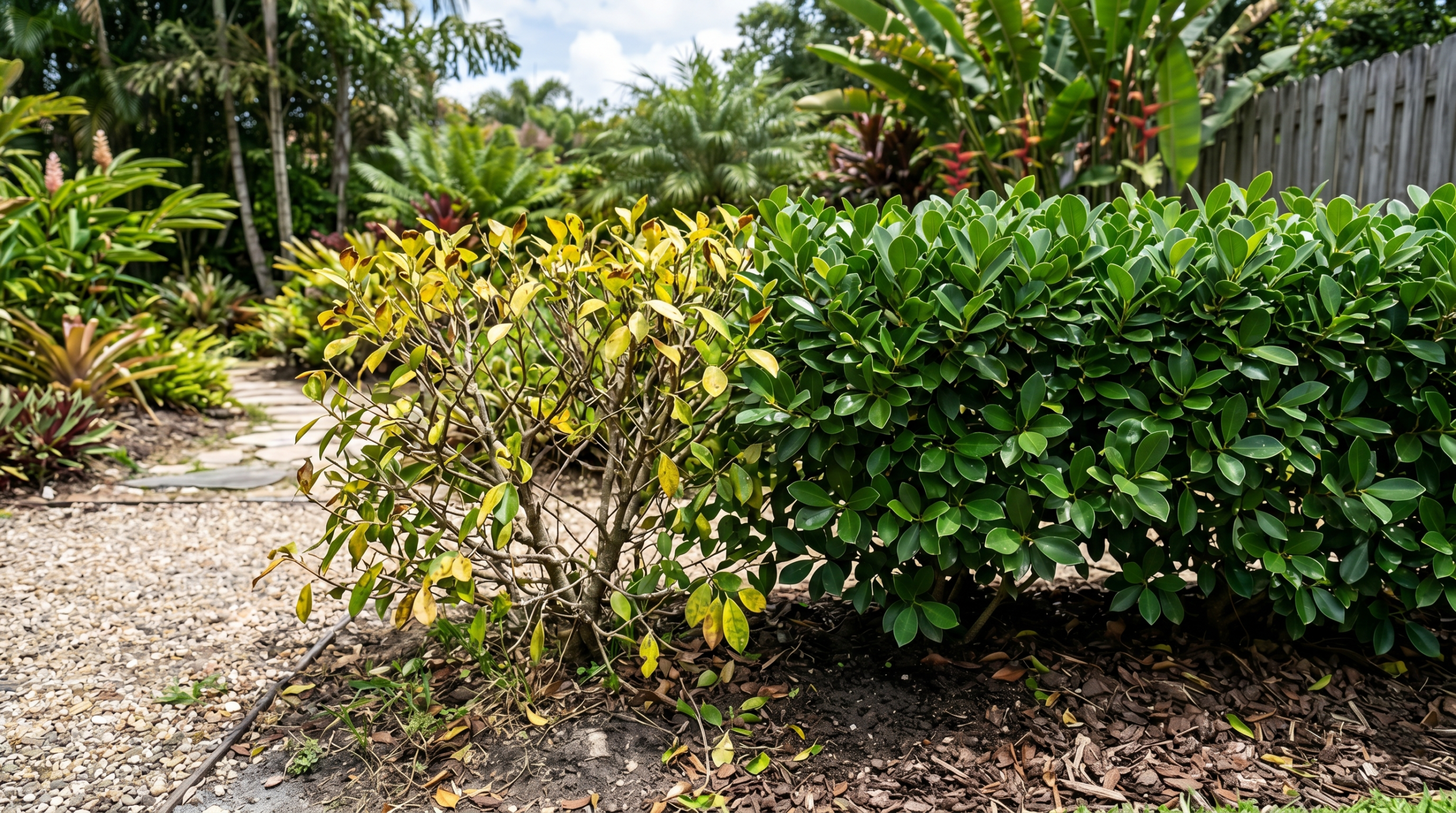
Even hardy hedges occasionally develop issues. Early identification is essential for maintaining a lush appearance.
Yellow Leaves
Yellow foliage is usually caused by:
- Overwatering
- Poor drainage
- Nutrient deficiencies
Solution:
- Reduce watering frequency
- Improve drainage
- Apply balanced fertilizer if needed
Sparse or Leggy Growth
Thin hedges often result from:
- Insufficient sunlight
- Lack of pruning
- Nutrient imbalance
Fixes include:
- Increasing sunlight exposure
- Regular trimming
- Strategic fertilization
Pest Problems
Common pests include:
- Scale insects
- Spider mites
- Mealybugs
Signs include:
- Sticky residue
- Tiny webbing
- Distorted leaves
Treatment options:
- Neem oil
- Insecticidal soap
- Proper airflow
Root Rot and Fungal Diseases
Root rot is one of the few serious problems that can damage a Green Island Ficus hedge. In most cases, poor drainage and excessive watering are the primary causes.
Common Symptoms
Watch for:
- Wilting despite wet soil
- Mushy roots
- Yellowing leaves
- Blackened stems near the base
- Slow or stunted growth
How to Prevent Root Rot
Prevention is far easier than treatment. Professional landscapers typically recommend:
- Planting in well-draining soil
- Avoiding standing water
- Watering deeply but less frequently
- Using mulch properly without burying stems
If root rot is detected early:
- Reduce watering immediately
- Improve soil drainage
- Remove severely affected roots if possible
- Apply fungicide when necessary
Hedge Turning Brown
Brown patches can appear for several reasons, including:
- Heat stress
- Windburn
- Fertilizer burn
- Drought stress
- Cold damage
How to Restore Healthy Growth
- Trim dead branches
- Water consistently during dry weather
- Avoid excessive fertilizer applications
- Protect young hedges from harsh winter winds
In many cases, healthy Green Island Ficus hedges recover quickly once growing conditions improve.
Expert Tips for Growing a Thicker, Healthier Hedge
Creating a dense, professional-looking ficus hedge requires more than basic maintenance. Experienced growers use specific techniques to maximize fullness, improve color, and encourage long-term health.
Use Tip Pruning for Maximum Density
One of the most effective strategies for thick hedge growth is tip pruning.
Instead of cutting large sections infrequently, lightly trim the growing tips regularly. This encourages the plant to:
- Produce more side branches
- Develop fuller foliage
- Maintain a compact shape
Tip pruning works especially well during the active growing season.
Fertilize Strategically
Nitrogen supports leafy growth, but balance is important.
Professional recommendations:
- Use slow-release fertilizer every 2–3 months
- Apply compost annually
- Avoid excessive synthetic fertilizers
Too much fertilizer can produce weak, overly soft growth that requires constant pruning.
Organic feeding methods often create healthier long-term hedge performance.
Improve Airflow Without Sacrificing Privacy
Many homeowners mistakenly allow hedges to become overly compact internally. Poor airflow increases humidity and creates ideal conditions for fungal diseases and pests.
To maintain healthy airflow:
- Thin interior branches occasionally
- Remove dead stems
- Avoid overcrowded planting
A properly maintained hedge stays dense externally while remaining healthy internally.
Mulch Consistently
Mulching is one of the easiest ways to improve hedge performance naturally.
Benefits include:
- Reduced soil temperature fluctuations
- Improved moisture retention
- Fewer weeds
- Better soil quality over time
Organic mulch gradually decomposes and enriches the soil with nutrients.
Monitor Growth During Establishment
The first two years are the most important for hedge development.
During this period:
- Water consistently
- Prune lightly but regularly
- Correct nutrient deficiencies early
- Watch for pest activity
Proper early care often determines how attractive the hedge will look for the next decade.
Green Island Ficus Hedge Landscaping Ideas

Green Island Ficus is incredibly versatile and can transform many different outdoor spaces.
Modern Minimalist Hedge Designs
The plant’s naturally rounded leaves and compact form work beautifully in modern landscapes.
Popular ideas include:
- Clean geometric hedge lines
- Symmetrical entry borders
- Contemporary courtyard privacy walls
Pairing ficus hedges with stone pathways or gravel creates a sophisticated appearance.
Tropical Garden Borders
Green Island Ficus blends seamlessly into tropical landscapes.
Excellent companion plants include:
- Areca palms
- Crotons
- Hibiscus
- Bird of paradise
- Philodendrons
The glossy foliage provides a calming green backdrop that highlights colorful tropical flowers.
Poolside Privacy Screens
Because of its dense foliage and relatively low leaf drop, Green Island Ficus is often used near swimming pools.
Advantages include:
- Privacy around seating areas
- Wind reduction
- Tropical resort-style appearance
- Easier cleanup compared to some large trees
Proper spacing and regular pruning help maintain airflow around pool areas.
Container-Grown Ficus Hedges
Small-space gardeners can grow Green Island Ficus in large containers.
Container hedges work well for:
- Patios
- Rooftop gardens
- Apartment balconies
- Courtyard screening
When growing in pots:
- Use high-quality well-draining potting mix
- Water more frequently
- Fertilize regularly because nutrients wash out faster
Driveway and Entryway Landscaping
A neatly shaped ficus hedge instantly improves curb appeal.
Common applications:
- Framing walkways
- Defining property lines
- Softening hardscape edges
- Creating elegant entrances
Because the plant responds well to shaping, it’s ideal for polished, formal landscapes.
Green Island Ficus Hedge vs Other Popular Hedges
Choosing the right hedge plant depends on climate, maintenance preferences, and desired appearance.
Green Island Ficus vs Boxwood
Green Island Ficus
- Faster growth in warm climates
- Tropical appearance
- Better heat tolerance
Boxwood
- More suitable for cooler climates
- Slower growth
- Formal European-style appearance
For tropical and subtropical regions, Green Island Ficus is often easier to maintain.
Green Island Ficus vs Clusia
Green Island Ficus
- Smaller leaves
- More compact growth
- Softer appearance
Clusia
- Larger leaves
- Faster screening ability
- More drought tolerance
Both work well for privacy hedges, but ficus offers a more refined texture.
Green Island Ficus vs Podocarpus
Green Island Ficus
- Dense rounded foliage
- Tropical aesthetic
- Lower mature height
Podocarpus
- Taller privacy screen
- Upright needle-like texture
- Better for large properties
For smaller landscapes, Green Island Ficus is often the better fit.
Mistakes to Avoid When Growing Green Island Ficus Hedges
Even experienced gardeners sometimes make avoidable mistakes that affect hedge quality.
Planting Too Close Together
Overcrowded hedges may:
- Develop fungal problems
- Have poor airflow
- Experience uneven growth
Always follow proper spacing recommendations.
Overwatering Young Plants
Newly planted hedges need moisture, but constantly soggy soil is dangerous.
Too much water can cause:
- Root rot
- Yellowing leaves
- Weak root systems
Deep watering with drying periods between sessions is healthier than constant shallow watering.
Neglecting Early Pruning
Many homeowners avoid pruning young hedges because they want rapid height growth. Unfortunately, this often creates sparse plants.
Early light trimming:
- Encourages branching
- Creates fullness
- Improves long-term density
The thickest hedges are usually pruned consistently from an early stage.
Ignoring Soil Drainage
Poor drainage is one of the leading causes of ficus decline.
Warning signs include:
- Standing water
- Slow growth
- Root disease
Always improve drainage before planting.
Using the Wrong Fertilizer
Excessive high-nitrogen fertilizer can cause:
- Weak growth
- Increased pest problems
- Rapid but unstable development
Balanced slow-release fertilizers are typically safer and more effective.
Frequently Asked Questions
How Fast Does a Green Island Ficus Hedge Grow?
Green Island Ficus has a moderate growth rate. Under ideal conditions, it may grow approximately 1–2 feet per year. Proper sunlight, watering, and pruning significantly improve density and speed.
Can Green Island Ficus Grow in Full Sun?
Yes. Full sun generally produces the densest and healthiest growth. However, in extremely hot climates, light afternoon shade may reduce stress on young plants.
How Often Should I Trim My Ficus Hedge?
Most established hedges benefit from trimming every 6–8 weeks during active growing seasons. Frequent light pruning creates a fuller appearance than occasional heavy cutting.
Is Green Island Ficus Safe for Pets?
Like many ficus varieties, the sap may cause mild irritation if ingested by pets or humans. It’s best to keep pets from chewing the leaves or stems.
Can Green Island Ficus Grow in Pots?
Absolutely. Green Island Ficus performs very well in containers when provided with:
- Proper drainage
- Regular watering
- Occasional fertilization
- Adequate sunlight
Container-grown hedges are especially popular for patios and balconies.
Why Is My Ficus Hedge Losing Leaves?
Leaf drop may occur due to:
- Sudden environmental changes
- Overwatering
- Underwatering
- Temperature stress
- Pest infestations
Correcting the underlying issue usually restores healthy growth.
What Is the Best Spacing for a Privacy Hedge?
For dense privacy screening, most landscapers recommend spacing plants about 2–3 feet apart. This allows the hedge to fill in properly without overcrowding.
Final Thoughts
A well-maintained green island ficus hedge cruce can completely transform an outdoor space by providing privacy, structure, and year-round tropical beauty. Its dense evergreen foliage, manageable growth habit, and relatively low maintenance needs make it one of the best hedge options for warm climates.
Unlike many fast-growing privacy plants that become difficult to control, Green Island Ficus offers a balanced combination of elegance and practicality. With proper spacing, strategic pruning, healthy soil, and consistent watering, homeowners can create a lush living wall that remains attractive for years.
Whether you’re designing a modern landscape, building a secluded backyard retreat, or upgrading your property’s curb appeal, Green Island Ficus delivers reliable performance with timeless visual appeal.
By following the expert techniques outlined in this guide, you’ll be able to grow a thicker, healthier, and more resilient ficus hedge that stays vibrant in every season.