A struggling houseplant can quietly ruin the atmosphere of an otherwise beautiful room. Yellow leaves, drooping branches, and constant leaf drop often make indoor plant owners feel frustrated — especially after investing in a trendy plant. The good news? The ficus audrey tree is one of the most forgiving and rewarding indoor trees you can grow when you understand its basic needs.
Known for its soft green leaves, pale trunk, and elegant structure, the ficus audrey tree has quickly become a favorite among interior designers and plant enthusiasts. Unlike the notoriously fussy fiddle leaf fig, this tropical indoor plant adapts better to home environments and requires less maintenance while still making a dramatic statement.
In this expert guide, you’ll learn exactly how to care for a ficus audrey tree, including watering, lighting, fertilizing, propagation, repotting, and troubleshooting common problems. Whether you’re a beginner or an experienced plant owner, these practical tips will help you grow a healthy, thriving indoor tree with confidence.
Table of Contents
ToggleWhat Is a Ficus Audrey Tree?
The ficus audrey tree, scientifically known as Ficus benghalensis, is a tropical plant native to India and surrounding regions. It belongs to the banyan tree family and is even considered the national tree of India.
Indoors, this plant is loved for its sophisticated appearance. It features:
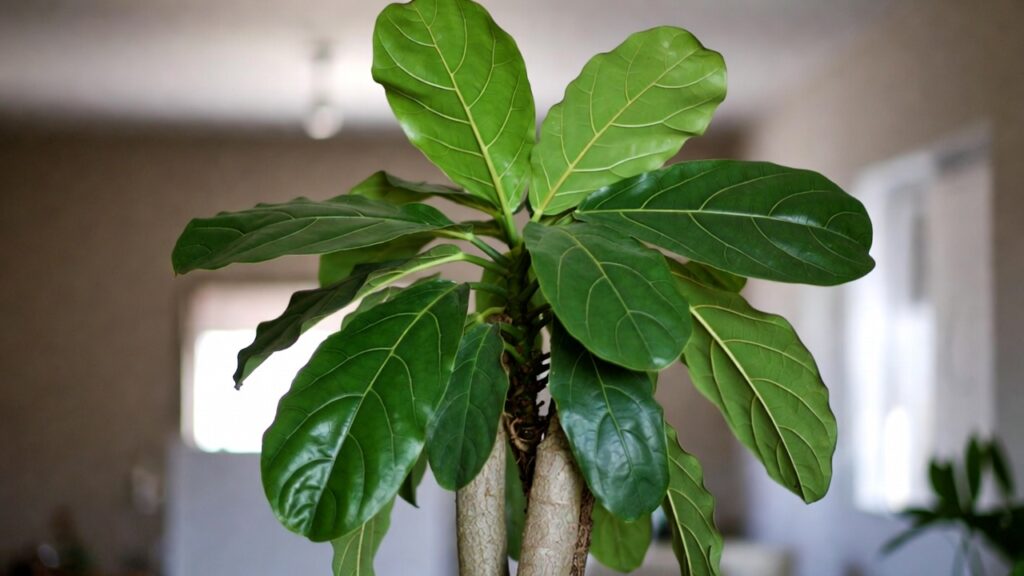
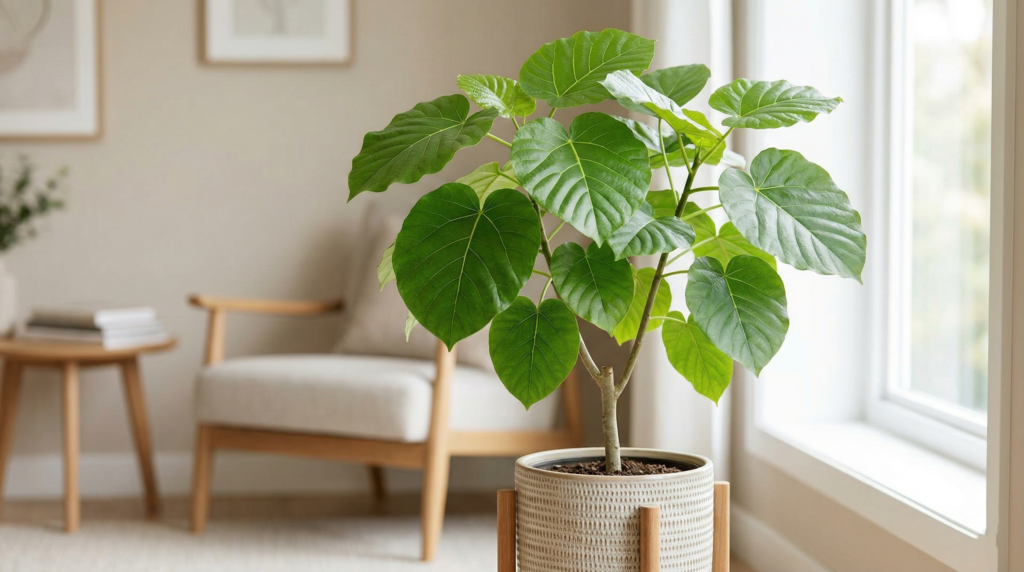
- Velvety matte green leaves
- Light-colored stems and trunks
- Upright, tree-like growth
- Strong architectural structure
Because of its elegant shape and relatively low-maintenance nature, it has become one of the most popular statement houseplants in modern homes.
Ficus Audrey Tree vs Fiddle Leaf Fig
Many people compare the ficus audrey tree to the fiddle leaf fig because both belong to the ficus family. However, the ficus audrey is generally easier to care for.
Key Differences
| Feature | Ficus Audrey Tree | Fiddle Leaf Fig |
|---|---|---|
| Maintenance Level | Moderate | High |
| Leaf Texture | Soft and velvety | Thick and glossy |
| Adaptability | Better indoors | Sensitive to changes |
| Water Tolerance | More forgiving | Prone to stress |
| Beginner Friendly | Yes | Less ideal |
If you want a large indoor tree without constant stress, the ficus audrey is often the better choice.
Benefits of Growing a Ficus Audrey Tree Indoors
1. Creates a Stunning Focal Point
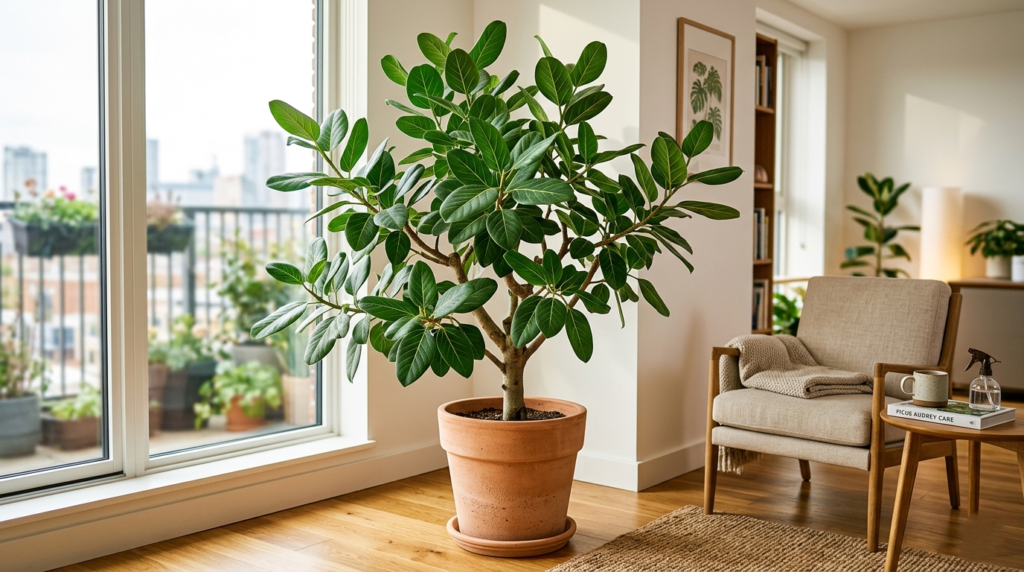
The ficus audrey instantly transforms empty corners into stylish spaces. Its upright growth and elegant canopy give homes a clean, modern, and calming appearance.
It works especially well in:
- Living rooms
- Home offices
- Bedrooms
- Entryways
- Bright apartments
2. Easier to Maintain Than Many Indoor Trees
Unlike some tropical houseplants, ficus audrey adapts well to indoor conditions. It tolerates occasional watering mistakes better than many ficus varieties.
3. Helps Create a Relaxing Indoor Environment
Like many indoor plants, ficus audrey contributes to a more refreshing and natural atmosphere. Large leafy plants can make indoor spaces feel calmer and more inviting.
Ideal Growing Conditions for a Healthy Ficus Audrey Tree

Creating the right environment is the foundation of successful ficus audrey tree care.
Best Light Requirements
The ficus audrey thrives in bright indirect light.
Place it near:
- East-facing windows
- South-facing windows with filtered sunlight
- Bright rooms with consistent natural light
Signs of Insufficient Light
- Slow growth
- Leggy stems
- Smaller leaves
- Leaning toward windows
Signs of Too Much Direct Sun
- Brown patches
- Crispy leaf edges
- Leaf scorching
Morning sun is usually safe, but harsh afternoon sunlight may damage leaves.
Ideal Temperature and Humidity
Ficus audrey enjoys warm indoor temperatures between 65°F and 85°F.
Avoid:
- Cold drafts
- Air conditioner vents
- Sudden temperature changes
- Frost exposure
Average household humidity is often enough, but dry environments may cause brown leaf edges.
Ways to Increase Humidity
- Use a humidifier
- Group plants together
- Place a pebble tray nearby
- Keep away from heating vents
Choosing the Right Soil
Well-draining soil is essential.
A good indoor soil mix should contain:
- Potting soil
- Perlite
- Coco coir or peat moss
- Bark chips
Heavy soil that stays wet too long increases the risk of root rot.
How to Water a Ficus Audrey Tree Properly

Improper watering is the most common reason ficus audrey trees struggle indoors.
How Often Should You Water?
Water when the top 2–3 inches of soil feel dry.
In general:
- Spring/Summer: Every 7–10 days
- Fall/Winter: Every 2–3 weeks
However, watering frequency depends on:
- Pot size
- Humidity
- Temperature
- Light exposure
Always check the soil before watering instead of following a strict schedule.
Signs of Overwatering
Overwatering is extremely common with indoor plants.
Symptoms Include:
- Yellow leaves
- Drooping foliage
- Mushy stems
- Wet soil for extended periods
- Root rot smell
If overwatering occurs:
- Stop watering immediately
- Allow soil to dry partially
- Check root health
- Improve drainage
Signs of Underwatering
Underwatering can also stress the plant.
Common Symptoms
- Dry crispy leaves
- Curling foliage
- Drooping branches
- Dry compacted soil
A deeply dehydrated ficus audrey may recover after thorough watering, but repeated stress weakens the plant over time.
Expert Tips to Help Your Ficus Audrey Tree Thrive
Place It Near Bright Natural Light
Consistent bright light promotes:
- Faster growth
- Larger leaves
- Stronger stems
- Healthier root development
Rotate the plant every few weeks to encourage even growth.
Avoid Frequent Relocation
Ficus trees dislike sudden environmental changes.
Moving the plant repeatedly can cause:
- Leaf drop
- Stress
- Slowed growth
Once you find a suitable location, keep it stable.
Water Thoroughly but Less Frequently
Instead of giving small amounts often, water deeply until excess drains from the pot.
This encourages stronger root systems.
Never Let the Pot Sit in Water
Standing water can quickly cause root rot.
Always empty:
- Drainage trays
- Decorative cachepots
- Saucers
Proper drainage is critical for long-term health.
Clean the Leaves Regularly
Dust blocks sunlight from reaching the leaves.
Wipe leaves monthly using:
- A soft damp cloth
- Lukewarm water
Clean leaves improve:
- Photosynthesis
- Appearance
- Overall plant health
Feed During Active Growth
During spring and summer, use a balanced liquid fertilizer every 4–6 weeks.
Avoid overfertilizing, which can damage roots and burn leaves.
Increase Humidity During Winter
Indoor heating dries the air significantly.
Low humidity may lead to:
- Crispy edges
- Curling leaves
- Brown tips
A humidifier is often the easiest solution.
Prune Strategically
Pruning encourages fuller, bushier growth.
Trim:
- Leggy stems
- Damaged leaves
- Weak branches
Use sterilized pruning shears to prevent disease spread.
Repot Before the Plant Becomes Root-Bound
Repot every 1–2 years depending on growth speed.
Signs it needs repotting:
- Roots emerging from drainage holes
- Soil drying too quickly
- Stunted growth
Choose a pot only slightly larger than the previous one.
Watch for Early Pest Signs
Like many tropical plants, ficus audrey may attract:
- Spider mites
- Mealybugs
- Scale insects
Inspect leaves regularly, especially underneath.
Early treatment prevents major infestations.
Be Patient After Stress
After repotting or relocation, some leaf drop is normal.
Give the plant time to adjust before making more changes.
Consistency is often the key to recovery.
Common Ficus Audrey Tree Problems and Solutions
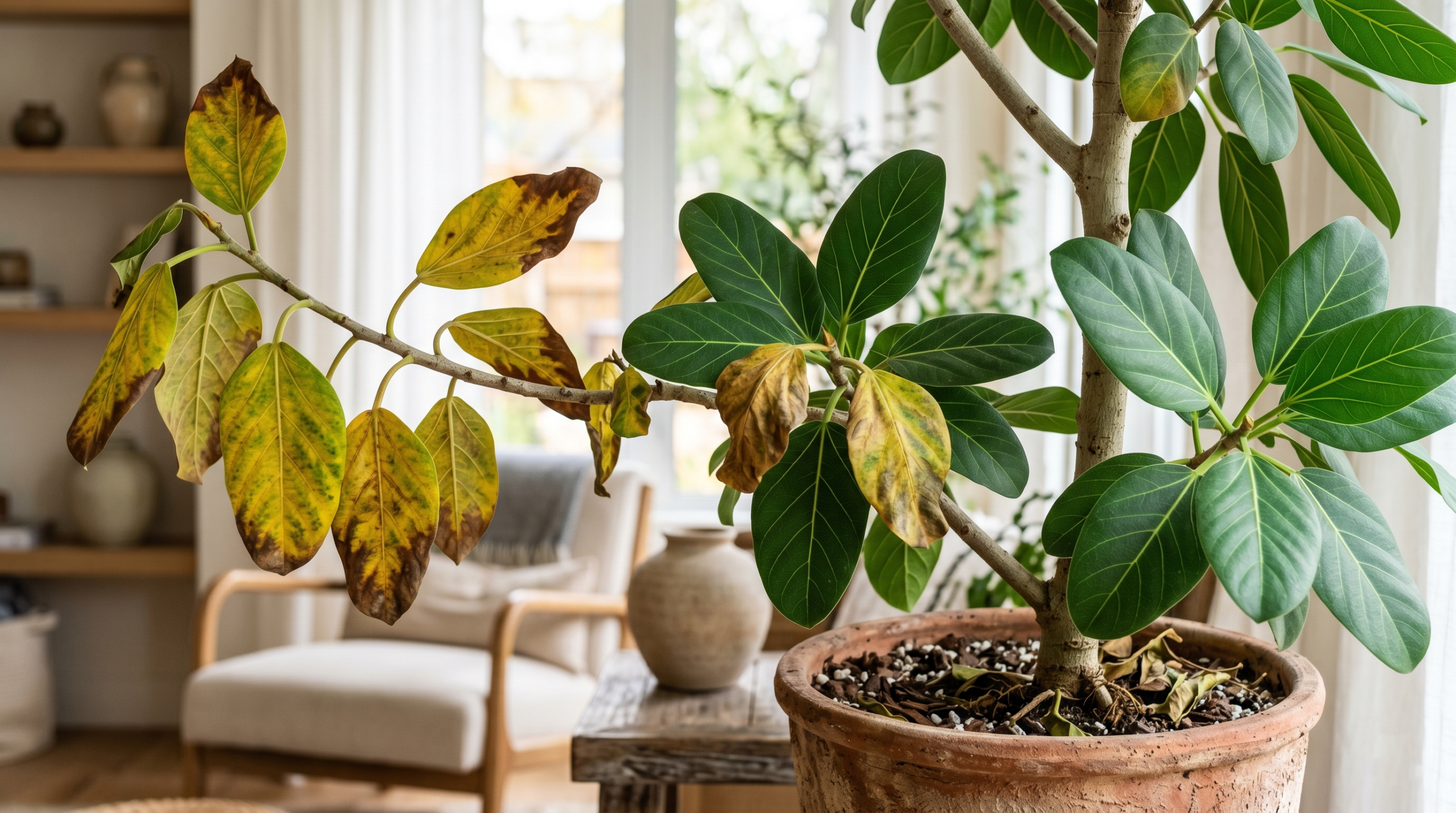
Even healthy indoor plants occasionally experience issues. Understanding early warning signs helps prevent long-term damage.
Yellow Leaves
Yellow leaves usually indicate:
- Overwatering
- Poor drainage
- Lack of sunlight
- Sudden stress
Solution
- Reduce watering frequency
- Improve light exposure
- Check drainage holes
- Inspect roots for rot
Dropping Leaves
Leaf drop often happens after:
- Moving the plant
- Temperature changes
- Underwatering
- Draft exposure
Solution
Keep care routines stable and avoid sudden environmental shifts.
Brown Leaf Edges
Brown edges typically result from:
- Dry air
- Inconsistent watering
- Excess fertilizer
- Salt buildup
Solution
- Increase humidity
- Flush soil occasionally
- Water consistently
Pests on Ficus Audrey Trees
Spider Mites
Tiny pests that create fine webbing.
Mealybugs
White cotton-like insects on stems and leaves.
Scale Insects
Brown bumps attached to stems.
Treatment Options
- Neem oil
- Insecticidal soap
- Rubbing alcohol on cotton swabs
- Isolating infected plants
Regular inspections help prevent severe infestations.
How to Fertilize a Ficus Audrey Tree
Fertilizing helps maintain vigorous growth and lush foliage.
Best Fertilizer Types
Choose:
- Balanced liquid fertilizer
- Organic houseplant fertilizer
- Slow-release indoor plant fertilizer
A balanced NPK ratio works well for most ficus varieties.
Fertilizing Schedule
Feed during:
- Spring
- Summer
- Early fall
Avoid fertilizing during winter dormancy.
When and How to Repot a Ficus Audrey Tree
Repotting refreshes soil nutrients and provides room for root growth.
Signs It Needs Repotting
- Roots circling inside the pot
- Water drains too quickly
- Slowed growth
- Compact root ball
Repotting Steps
- Select a slightly larger pot
- Use fresh well-draining soil
- Loosen roots gently
- Water thoroughly after repotting
Avoid oversized pots because excess soil retains too much moisture.
How to Propagate a Ficus Audrey Tree
Propagation is a rewarding way to grow new plants.
Stem Cutting Method
- Take a healthy stem cutting
- Remove lower leaves
- Place in water or moist soil
- Provide warmth and bright indirect light
Roots often develop within several weeks.
Water vs Soil Propagation
Water Propagation
- Easier to monitor roots
- Beginner friendly
Soil Propagation
- Stronger root adaptation
- Less transplant shock
Both methods can work successfully.
Styling and Decorating With a Ficus Audrey Tree

One reason the ficus audrey is so popular is its decorative versatility.
Best Placement Ideas
- Bright corners
- Minimalist interiors
- Scandinavian décor
- Modern apartments
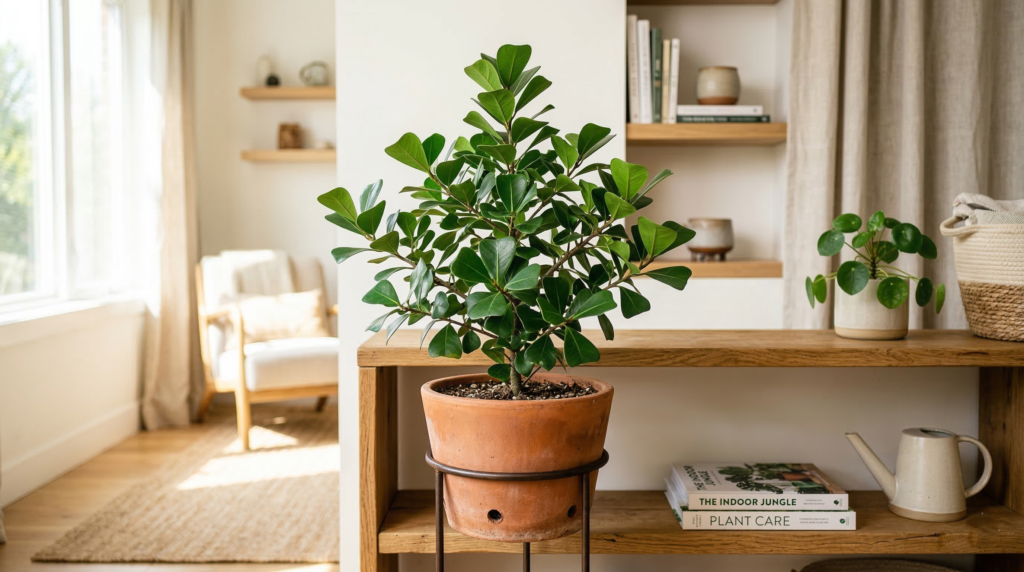
Pairing it with neutral planters enhances its clean aesthetic.
Plants That Pair Well With Ficus Audrey
- Snake plants
- Monstera deliciosa
- Rubber plants
- ZZ plants
Mixing leaf textures creates a more dynamic indoor jungle.
Seasonal Ficus Audrey Tree Care Guide
Spring and Summer
- Increase watering slightly
- Fertilize regularly
- Monitor rapid growth
Fall
- Reduce feeding
- Prepare for slower growth
Winter
- Water less frequently
- Increase humidity
- Protect from cold drafts
- Maximize available sunlight
Seasonal adjustments help maintain consistent plant health year-round.
Beginner Mistakes to Avoid
Overwatering
The most common mistake by far.
Low-Light Placement
Poor light leads to weak, stretched growth.
Ignoring Pests
Small infestations quickly become major problems.
Repotting Too Often
Unnecessary repotting stresses the plant.
Constantly Moving the Plant
Ficus trees prefer stability.
Frequently Asked Questions About Ficus Audrey Tree Care
How Fast Does a Ficus Audrey Tree Grow?
With proper care, it can grow several feet indoors over a few years.
Is Ficus Audrey Toxic to Pets?
Yes. Like many ficus plants, it can be mildly toxic if ingested by cats or dogs.
Can Ficus Audrey Survive Low Light?
It may survive, but growth becomes slower and less healthy.
Should I Mist My Ficus Audrey?
Occasional misting may help temporarily, but humidifiers provide more consistent humidity.
Why Is My Ficus Audrey Leaning?
Leaning usually happens when the plant stretches toward light. Rotate it regularly for balanced growth.
Expert Care Checklist
Light
Bright indirect sunlight
Water
Allow top soil to dry between watering
Humidity
Moderate to high humidity preferred
Soil
Well-draining indoor plant mix
Fertilizer
Monthly during growing season
Repotting
Every 1–2 years
Common Risks
Overwatering, poor drainage, pests, low light
Conclusion
The ficus audrey tree is one of the best indoor statement plants for anyone who wants a beautiful, modern, and relatively low-maintenance houseplant. With proper lighting, careful watering, and a stable environment, this tropical tree can thrive indoors for many years.
The key to success is consistency. Avoid sudden changes, monitor the soil carefully, and respond early to signs of stress. In return, your ficus audrey will reward you with elegant growth, lush foliage, and a calming indoor presence that instantly elevates your space.
Whether you’re a beginner plant parent or an experienced indoor gardener, mastering ficus audrey tree care is easier than most people think — and absolutely worth the effort.