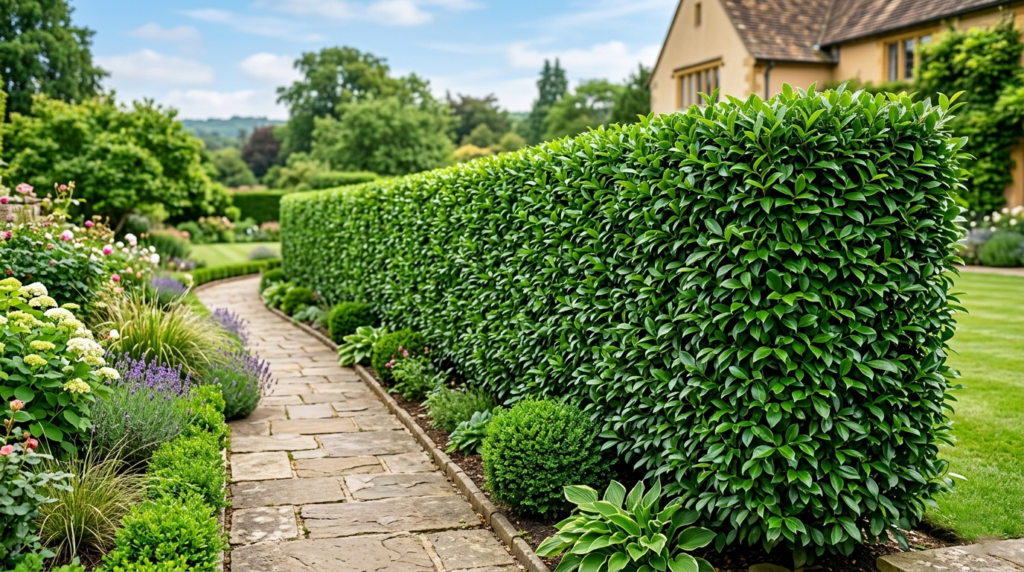
A beautiful privacy screen does not always require expensive fencing or artificial walls. A lush ficus hedge can transform both indoor and outdoor spaces into elegant, green sanctuaries while improving air quality and enhancing visual appeal. Whether you want to create a tropical backyard border, block unwanted views, or design a stylish indoor divider, ficus hedges are among the most versatile and fast-growing solutions available.
The problem many plant owners face, however, is keeping their ficus hedge dense, healthy, and attractive year-round. Sparse growth, yellow leaves, dropping foliage, and uneven shaping are extremely common — especially for beginners. The good news is that with the right growing conditions and maintenance techniques, ficus hedges can thrive for decades.
In this complete guide, you’ll learn exactly how to grow, shape, and maintain a thriving ficus hedge indoors and outdoors, including expert pruning strategies, watering schedules, pest prevention, and design ideas that truly work.
Table of Contents
ToggleWhat Is a Ficus Hedge?
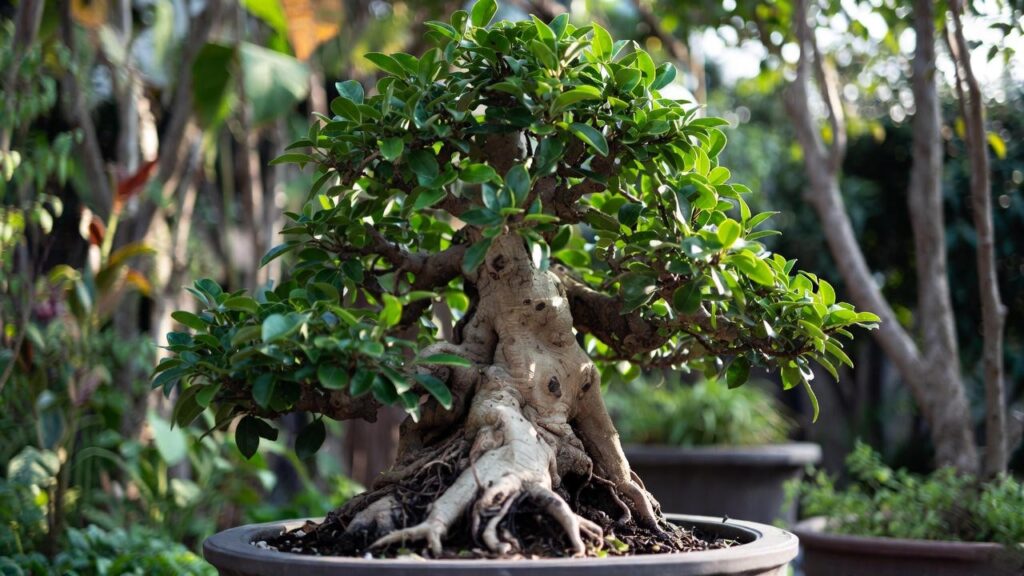
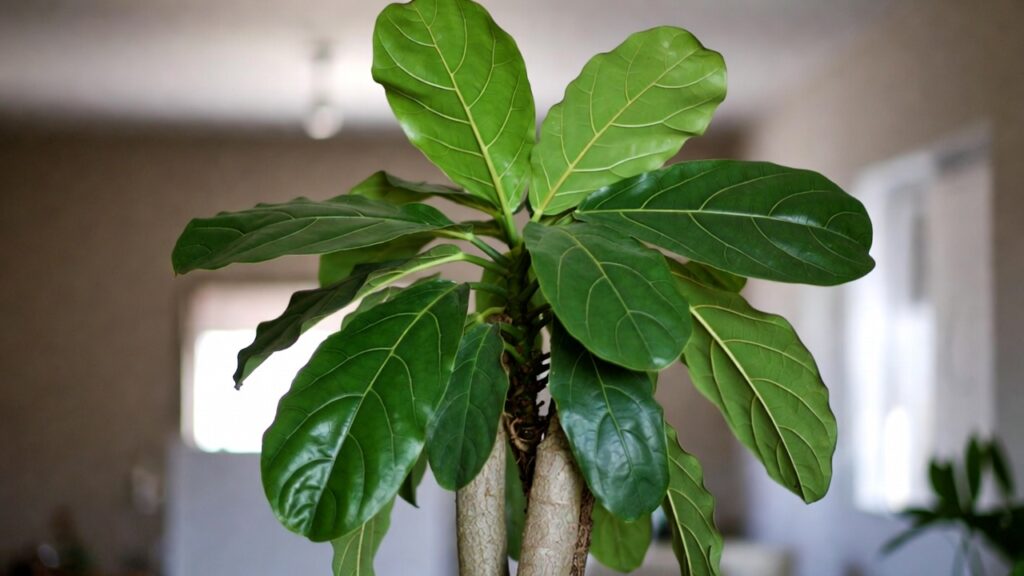
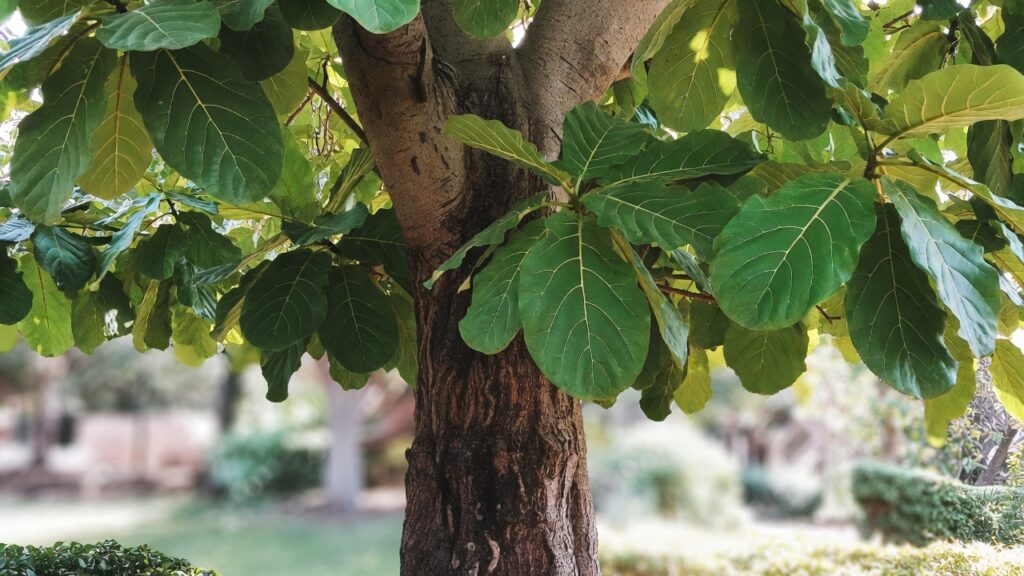
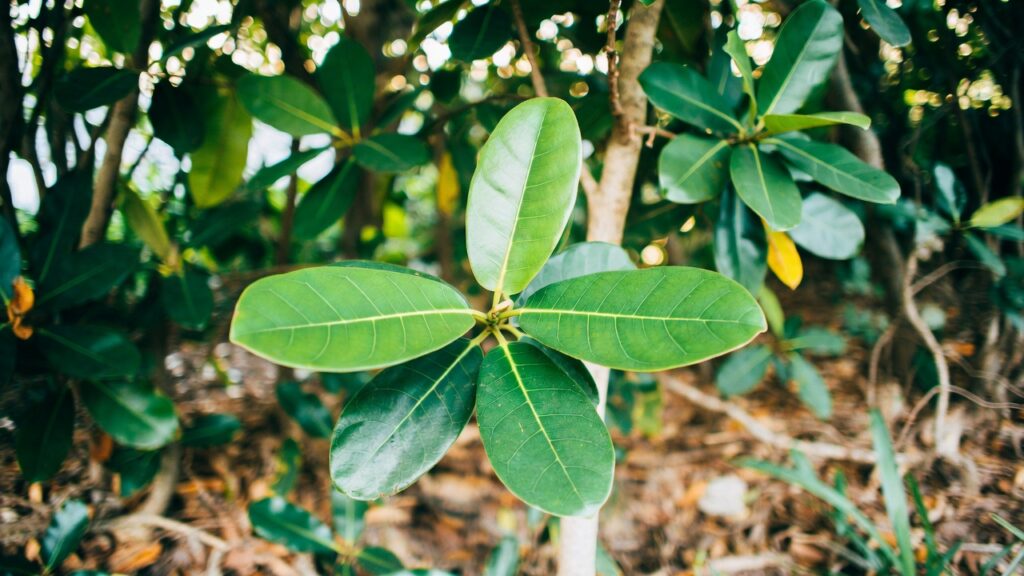
A ficus hedge is a dense row of ficus plants grown closely together to create a natural privacy barrier or decorative green wall. Ficus plants belong to the Ficus genus, which includes hundreds of tropical species known for their glossy leaves, rapid growth, and adaptability.
Because of their thick foliage and evergreen appearance, ficus plants are widely used in landscaping, patios, balconies, and indoor spaces.
Best Types of Ficus for Hedges
Not all ficus varieties perform equally well as hedges. These are the most popular and reliable options:
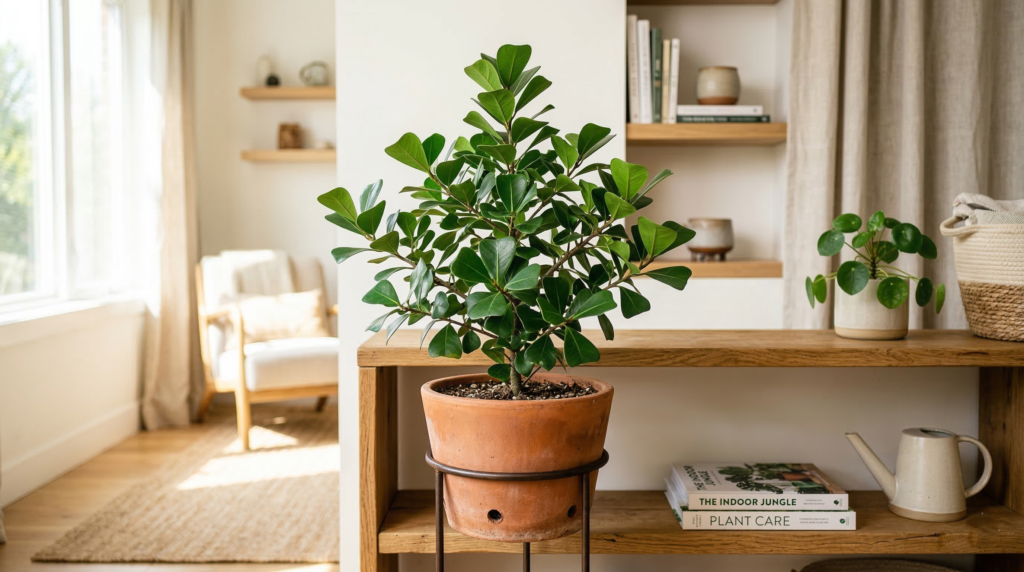
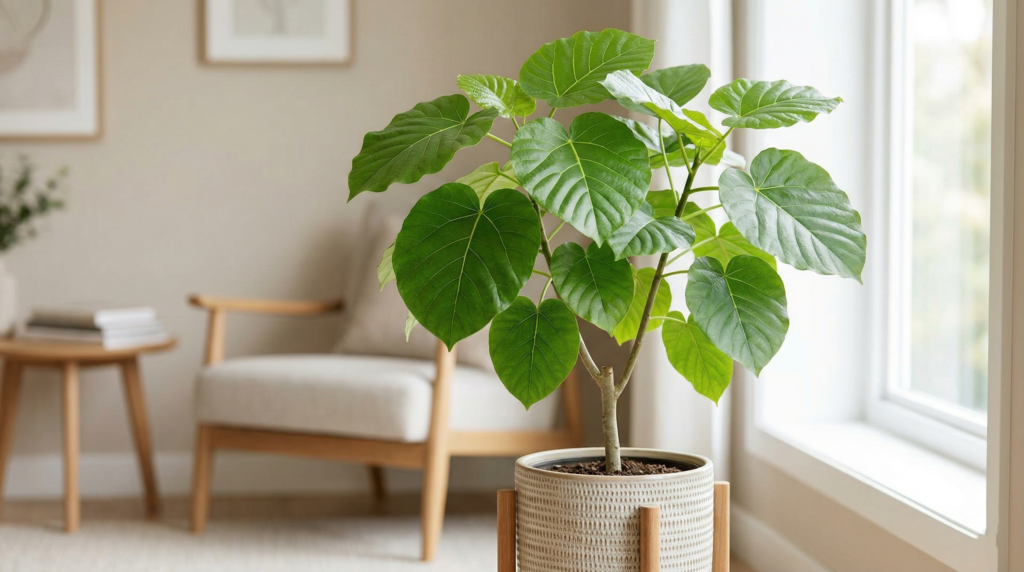
Ficus benjamina (Weeping Fig)
- Excellent for indoor hedges
- Elegant arching branches
- Dense foliage with regular pruning
- Popular in modern homes and offices
Ficus nitida
- One of the best outdoor privacy hedges
- Extremely fast-growing
- Heat tolerant and durable
- Ideal for tropical and subtropical climates
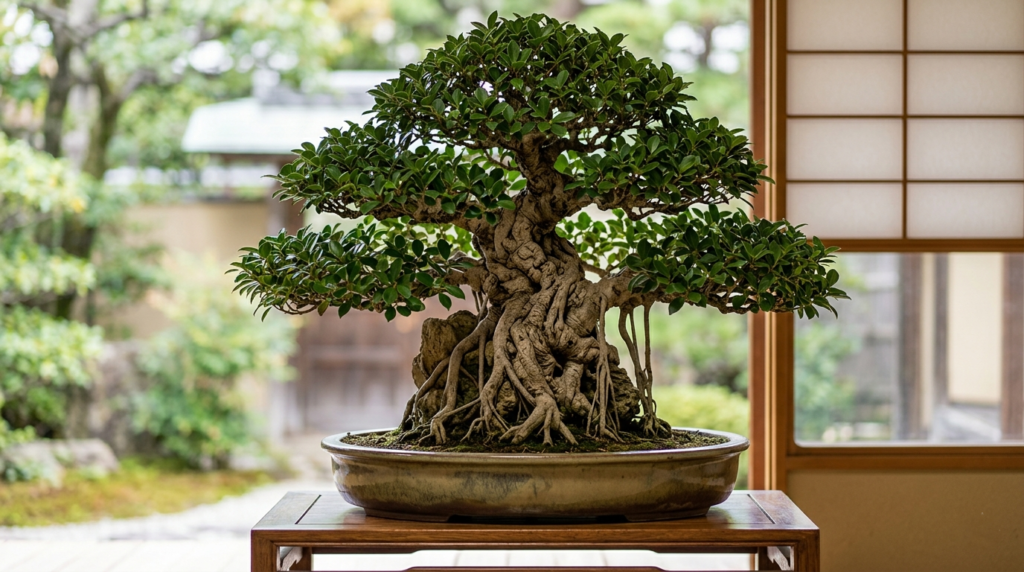
Ficus microcarpa
- Compact growth habit
- Great for decorative landscaping
- Strong resistance to pruning
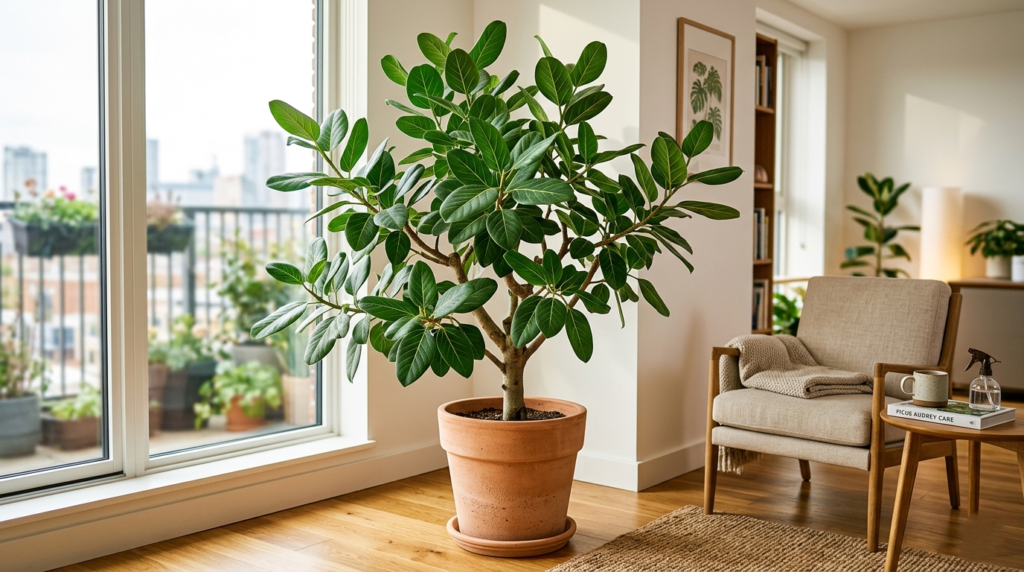
Indian Laurel Fig
- Frequently used in luxury landscape designs
- Thick, glossy leaves
- Creates excellent visual privacy
Benefits of Growing a Ficus Hedge

A ficus hedge offers far more than visual beauty. It provides functional benefits that make it one of the best natural screening plants available.
Natural Privacy Screen
The primary reason many homeowners choose a ficus hedge is privacy. Dense foliage creates a living wall that blocks neighboring views more naturally than traditional fences.
Outdoor ficus privacy hedges are especially useful for:
- Backyard boundaries
- Poolside screening
- Patio separation
- Balcony privacy
- Urban gardens
Indoor ficus hedges can also divide spaces beautifully in apartments and open-concept homes.
Fast Growth Rate
Compared to many hedge plants, ficus grows relatively quickly under ideal conditions. Some outdoor varieties can grow several feet each year.
This fast growth allows homeowners to establish privacy much sooner than with slower-growing shrubs.
Improved Air Quality
Indoor ficus plants help filter airborne pollutants and contribute to healthier indoor environments. Their large leaf surfaces can trap dust and improve humidity levels slightly in dry spaces.
Elegant Tropical Appearance
Ficus hedges instantly create a luxurious tropical feel. Their glossy green leaves work beautifully in:
- Minimalist interiors
- Mediterranean landscapes
- Contemporary patios
- Resort-style gardens
Indoor vs. Outdoor Ficus Hedge
Although the same plant family is used, indoor and outdoor ficus hedges require slightly different care approaches.
| Feature | Indoor Ficus Hedge | Outdoor Ficus Hedge |
|---|---|---|
| Light | Bright indirect light | Full sun to partial shade |
| Growth Speed | Moderate | Fast |
| Maintenance | Easier shaping | Frequent pruning |
| Climate Needs | Stable temperatures | Warm climates preferred |
| Privacy Level | Decorative separation | Full privacy barrier |
Understanding these differences helps prevent common growing problems later.
Ideal Growing Conditions for a Healthy Ficus Hedge
Creating the right environment is essential if you want thick, vibrant growth.
Light Requirements
Light is one of the biggest factors affecting ficus hedge density.
Indoors
Place your ficus hedge near:
- Bright windows
- East-facing light
- Filtered sunlight areas
Avoid placing indoor ficus plants in dark corners, as poor lighting causes leggy and sparse growth.
Outdoors
Outdoor ficus hedges grow best in:
- Full sun
- Partial shade in extremely hot climates
At least 6 hours of sunlight daily encourages dense branching.
Soil Requirements
Ficus plants prefer:
- Well-draining soil
- Slightly acidic to neutral pH
- Rich organic matter
Heavy clay soil can trap moisture and lead to root rot, especially during rainy seasons.
Recommended Soil Mix
A high-quality mix should contain:
- Potting soil
- Perlite or sand
- Compost or organic matter
This combination improves both drainage and nutrient retention.
Temperature and Humidity
Ficus plants thrive in warm conditions.
Ideal Temperature Range
- 65°F to 85°F (18°C to 29°C)
Cold drafts and sudden temperature changes often trigger leaf drop.
Indoor growers should avoid placing ficus hedges near:
- Air conditioners
- Heating vents
- Frequently opened doors
Humidity also matters, especially indoors. Dry indoor air may cause brown leaf tips and slower growth.
How to Plant a Ficus Hedge
Correct planting techniques make an enormous difference in long-term success.
Outdoor Planting Steps
1. Choose the Right Location
Select an area with:
- Adequate sunlight
- Good drainage
- Enough room for root expansion
Avoid planting too close to foundations or underground pipes because mature ficus roots can spread aggressively.
2. Prepare the Soil
Loosen the soil deeply and mix in compost before planting.
3. Space Plants Properly
Spacing depends on the desired hedge density.
General guideline:
- 2 to 4 feet apart for dense hedges
Closer spacing creates quicker privacy coverage.
4. Water Thoroughly
Deep watering after planting helps roots establish faster.
5. Add Mulch
Mulch helps:
- Retain moisture
- Reduce weeds
- Protect roots from heat
Organic mulch works best for ficus hedges.
How to Create an Indoor Ficus Hedge
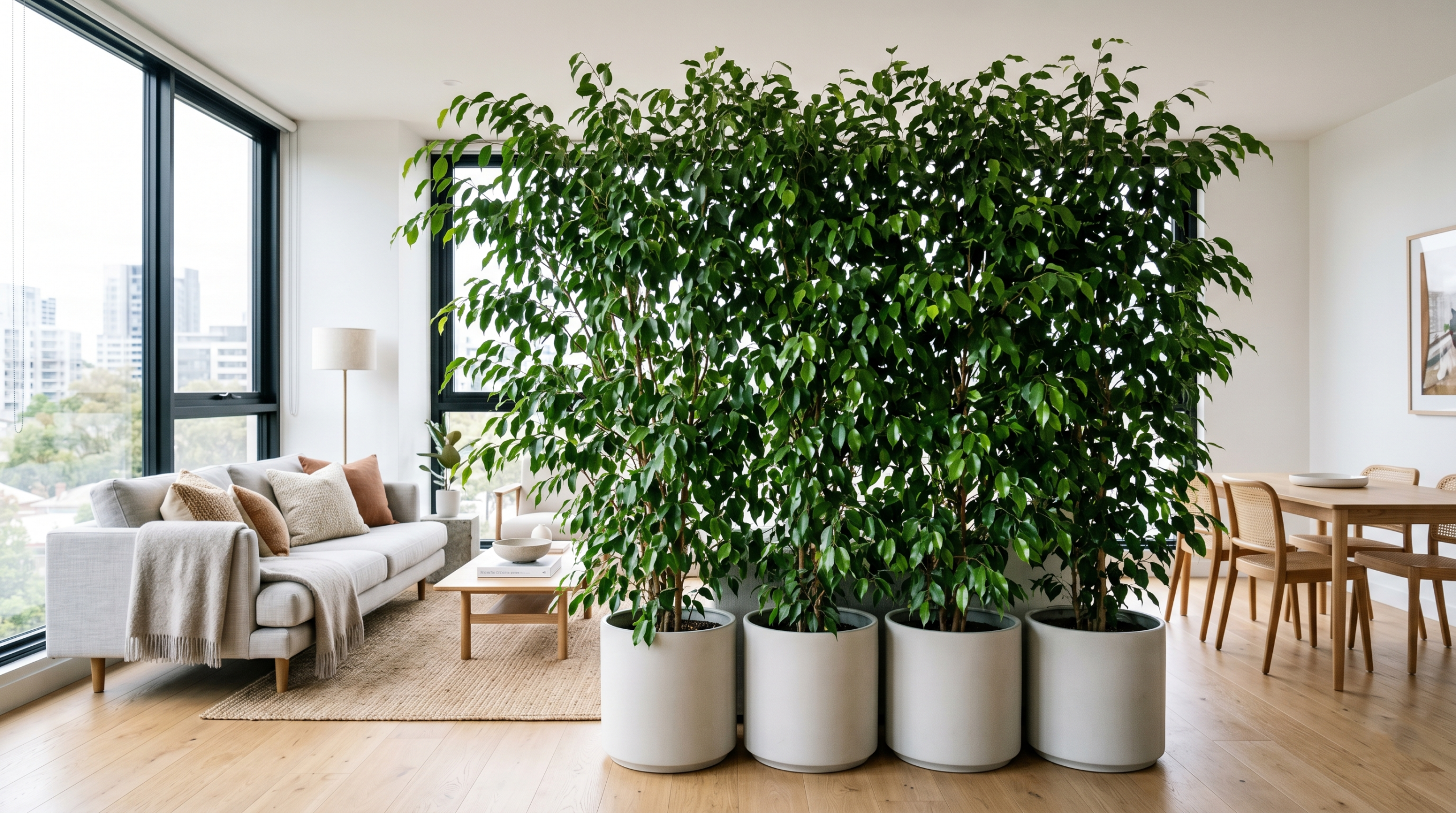
Indoor ficus hedges are becoming increasingly popular in apartments and modern homes.
Best Indoor Placement Ideas
Living Room Divider
A row of ficus plants in identical planters can separate spaces naturally without blocking light.
Balcony Privacy Screen
Tall ficus plants in containers provide privacy for small urban balconies.
Office Green Wall
Ficus hedges create a calming and professional atmosphere in workspaces.
Best Containers for Indoor Ficus
Choose containers with:
- Drainage holes
- Adequate root space
- Durable materials
Large containers help reduce watering frequency and stabilize growth.
How to Make a Ficus Hedge Dense and Full
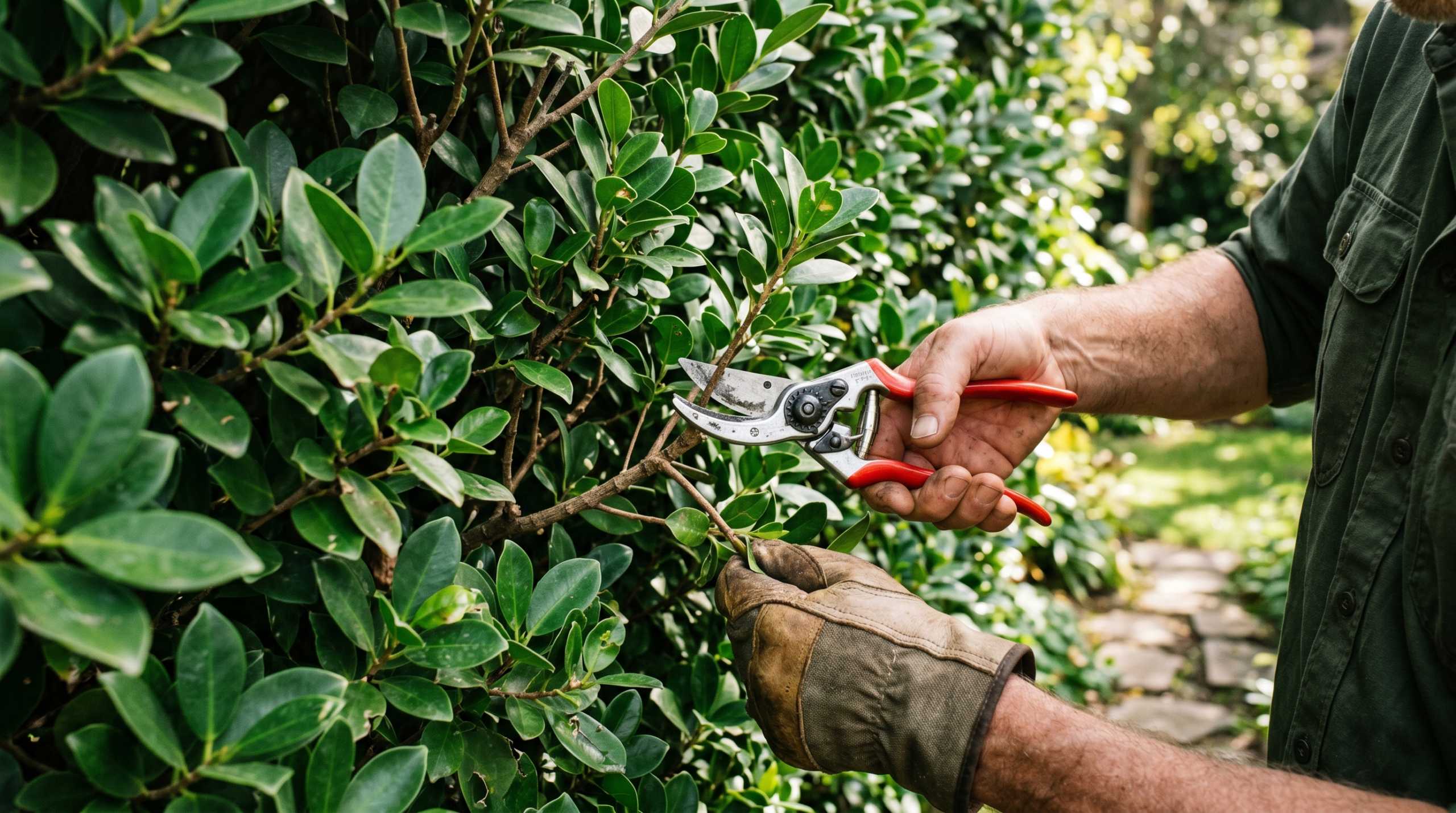
One of the most common complaints is a thin or patchy ficus hedge. Fortunately, proper maintenance dramatically improves fullness.
Pruning Is the Secret
Regular pruning encourages branching and thicker foliage.
Best Time to Prune
- Spring
- Early summer
Avoid heavy pruning during winter dormancy.
How to Prune Properly
- Trim long leggy branches
- Remove weak growth
- Cut just above leaf nodes
This stimulates new side branches and creates a fuller hedge.
Pinching New Growth
Pinching young tips encourages bushier development and prevents tall, sparse stems.
Indoor ficus hedges especially benefit from monthly pinching during active growth.
Fertilizing for Faster Growth
Ficus hedges are heavy feeders during growing seasons.
Best Fertilizer
Use:
- Balanced liquid fertilizer
- Slow-release plant food
- Organic compost supplements
Feeding Schedule
- Every 4–6 weeks during spring and summer
- Reduce feeding in fall and winter
Over-fertilizing can burn roots and damage foliage, so moderation is important.
Watering a Ficus Hedge Correctly
Improper watering is the leading cause of ficus problems.
How Often Should You Water?
There is no universal schedule because watering depends on:
- Climate
- Pot size
- Sun exposure
- Soil drainage
Instead, check the top inch of soil before watering.
Indoor Rule
Water when the upper soil feels slightly dry.
Outdoor Rule
Deep watering once or twice weekly is often sufficient after establishment.
Signs of Overwatering
- Yellow leaves
- Mushy roots
- Leaf drop
- Fungus gnats
Signs of Underwatering
- Crispy edges
- Curling leaves
- Dry soil
- Slow growth
Consistent moisture is the key to healthy ficus hedge growth.
Common Ficus Hedge Problems and Solutions
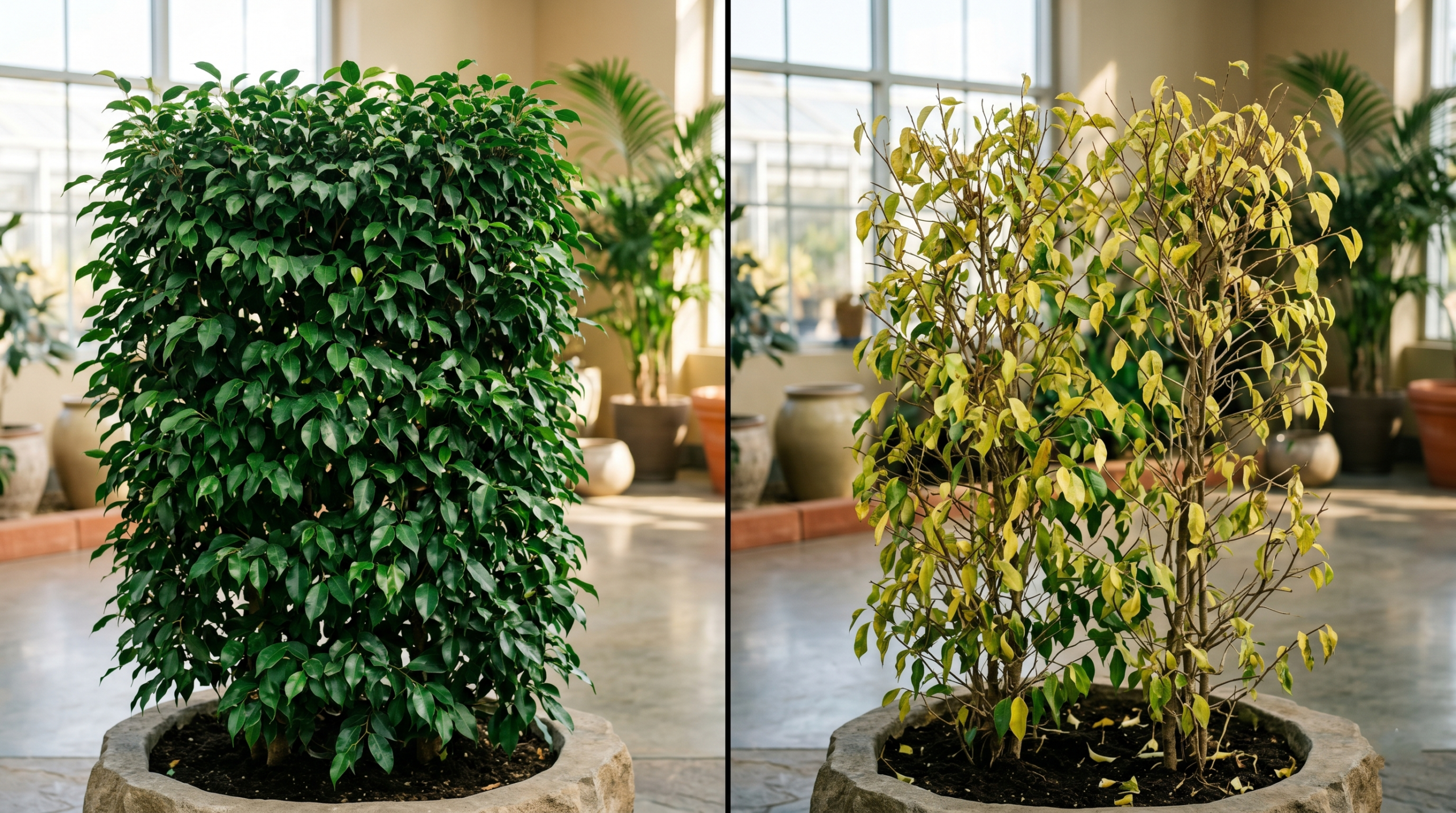
Even healthy ficus hedges occasionally experience issues.
Yellow Leaves
Yellowing leaves usually result from:
- Overwatering
- Poor drainage
- Sudden environmental changes
Solution
- Reduce watering
- Improve drainage
- Avoid moving the plant frequently
Leaf Drop
Ficus plants are sensitive to environmental stress.
Common triggers include:
- Temperature fluctuations
- Relocation shock
- Drafts
- Low light
Consistency is critical for preventing leaf drop.
Brown Leaf Tips
Brown edges often indicate:
- Low humidity
- Salt buildup
- Inconsistent watering
Indoor growers can increase humidity using:
- Pebble trays
- Humidifiers
- Grouped plants
Sparse Growth
Thin growth usually points to:
- Insufficient sunlight
- Lack of pruning
- Nutrient deficiencies
Increasing light exposure and regular shaping can quickly improve fullness.
Pest and Disease Prevention
Ficus hedges are generally hardy but can still attract pests.
Common Ficus Pests
Spider Mites
Tiny pests that thrive in dry indoor conditions.
Mealybugs
White cotton-like insects hiding near stems.
Scale Insects
Hard-shelled pests that attach to branches.
Natural Treatment Options
Use:
- Neem oil
- Insecticidal soap
- Damp cloth cleaning
Early detection prevents severe infestations.
Preventing Root Rot
Root rot is usually caused by overly wet soil.
Prevention methods:
- Well-draining soil
- Proper containers
- Controlled watering
Healthy roots are essential for long-term hedge success.
Seasonal Care Tips for Ficus Hedges
Ficus care changes slightly throughout the year.
Spring and Summer
This is the active growing season.
Focus on:
- Fertilizing
- Pruning
- Increased watering
Growth is fastest during warm months.
Fall Care
Gradually reduce:
- Fertilizer
- Heavy pruning
This helps prepare plants for slower winter growth.
Winter Care
Winter is challenging for indoor ficus hedges because of dry air and reduced light.
Protect plants by:
- Increasing humidity
- Avoiding cold drafts
- Watering less frequently
Outdoor ficus hedges in colder regions may require frost protection.
Indoor Ficus Hedge Design Ideas
A ficus hedge can completely transform interior spaces.
Minimalist Living Room Divider
Tall ficus plants in matching containers create clean architectural lines while maintaining openness.
Tropical Balcony Retreat
Combine ficus hedges with:
- Ferns
- Palms
- Decorative lighting
This creates a resort-inspired atmosphere even in small apartments.
Office Privacy Corners
Indoor ficus hedges soften harsh office spaces and improve comfort naturally.
Outdoor Landscaping Ideas With Ficus Hedges
Outdoor ficus hedges are widely used in luxury landscaping because of their elegant appearance and rapid growth.
Backyard Privacy Fence Alternative
A ficus hedge creates softer, more attractive privacy than wood or metal fencing.
Poolside Landscaping
Ficus plants tolerate warmth well and pair beautifully with tropical landscapes.
Courtyard Green Walls
Dense ficus hedges can frame outdoor seating areas and create peaceful garden rooms.
Expert Tips for Long-Term Success
Experienced growers follow a few important practices consistently.
Rotate Indoor Plants
Rotating containers helps ensure even light exposure and balanced growth.
Trim Frequently
Light but regular pruning creates better density than occasional aggressive cutting.
Avoid Sudden Changes
Ficus plants dislike environmental instability. Keep:
- Temperature stable
- Watering consistent
- Lighting predictable
Watch Root Growth
Repot indoor ficus hedges every few years to prevent root binding.
Frequently Asked Questions About Ficus Hedges
How Fast Does a Ficus Hedge Grow?
Outdoor ficus hedges can grow several feet annually in warm climates, while indoor growth is usually slower.
Can a Ficus Hedge Grow Indoors?
Yes. Many ficus varieties thrive indoors when provided with bright indirect light and consistent care.
How Do You Keep a Ficus Hedge Dense?
Regular pruning, sufficient sunlight, and balanced fertilization encourage thick growth.
Are Ficus Roots Invasive?
Some outdoor ficus varieties develop aggressive roots over time, so avoid planting near structures or plumbing systems.
Why Is My Ficus Hedge Dropping Leaves?
Leaf drop commonly occurs بسبب stress from temperature changes, inconsistent watering, or relocation.
Final Thoughts
A healthy ficus hedge can become one of the most beautiful and functional features in your home or garden. Whether you want a lush indoor divider or a tall outdoor privacy screen, ficus plants offer elegance, fast growth, and long-lasting greenery when cared for properly.
The key to success is consistency. Proper lighting, controlled watering, regular pruning, and stable growing conditions all contribute to a dense, thriving hedge that looks attractive year-round.
With patience and the expert techniques covered in this guide, you can grow a ficus hedge that not only enhances privacy but also transforms your space into a greener, calmer, and more sophisticated environment.