A bonsai tree can transform an ordinary room into a calm, living space — but many beginners quickly discover that keeping one healthy is harder than it looks. Leaves suddenly fall off, branches become weak, growth slows down, and before long, the tree starts looking nothing like the beautiful miniature masterpiece they bought.
The good news? A bonsai ficus is one of the easiest and most forgiving bonsai trees you can grow indoors. With the right balance of light, watering, pruning, humidity, and patience, your bonsai ficus can thrive for years and become even more beautiful over time.
This complete bonsai ficus care guide will teach you everything you need to know to grow a healthy, compact, and vibrant indoor bonsai tree — whether you’re a complete beginner or an experienced indoor plant enthusiast looking to improve your bonsai care routine.
What Is a Bonsai Ficus?
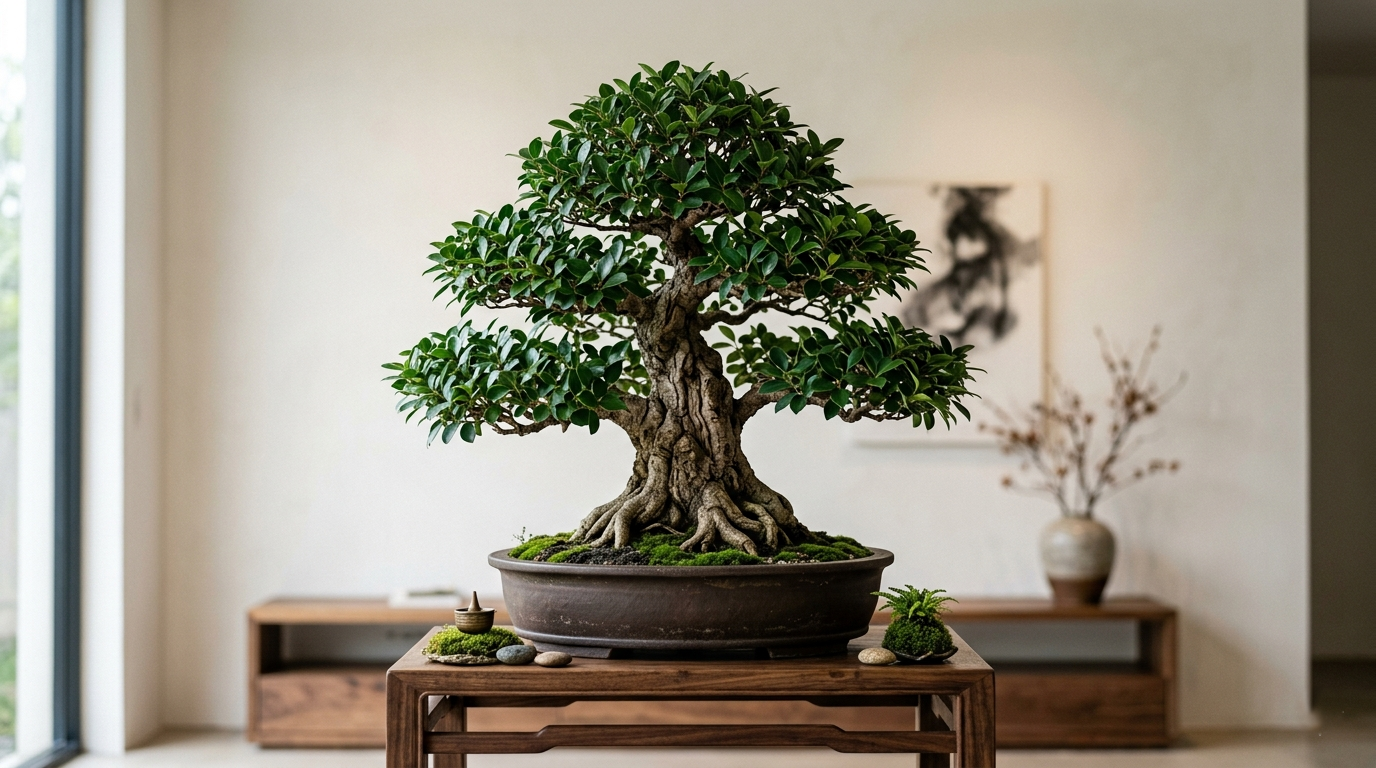
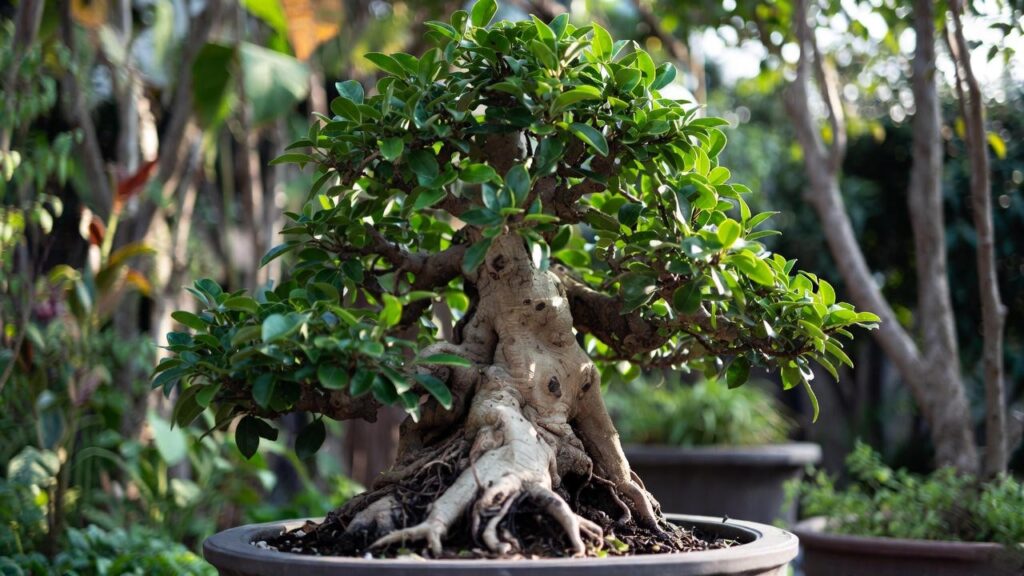
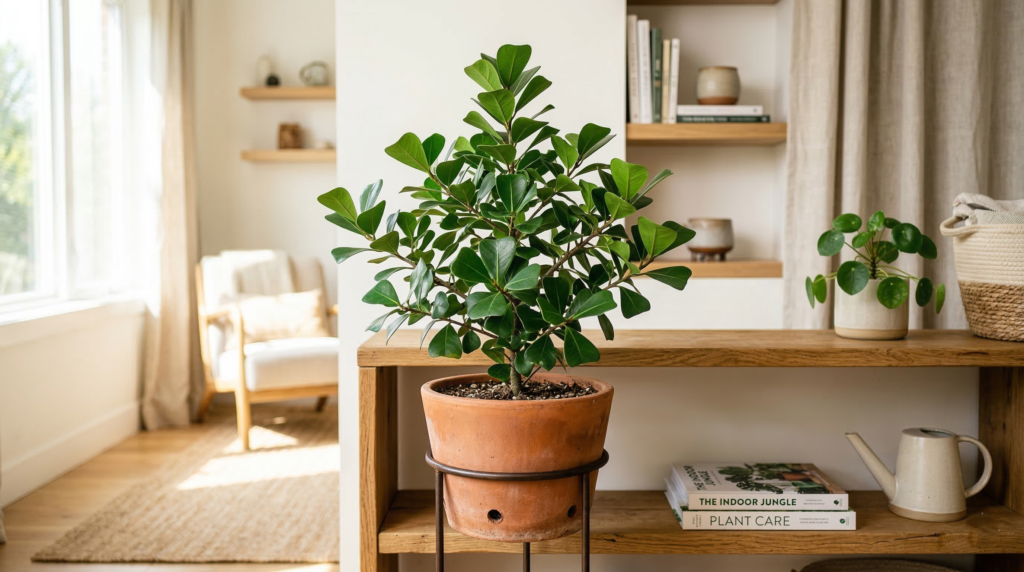
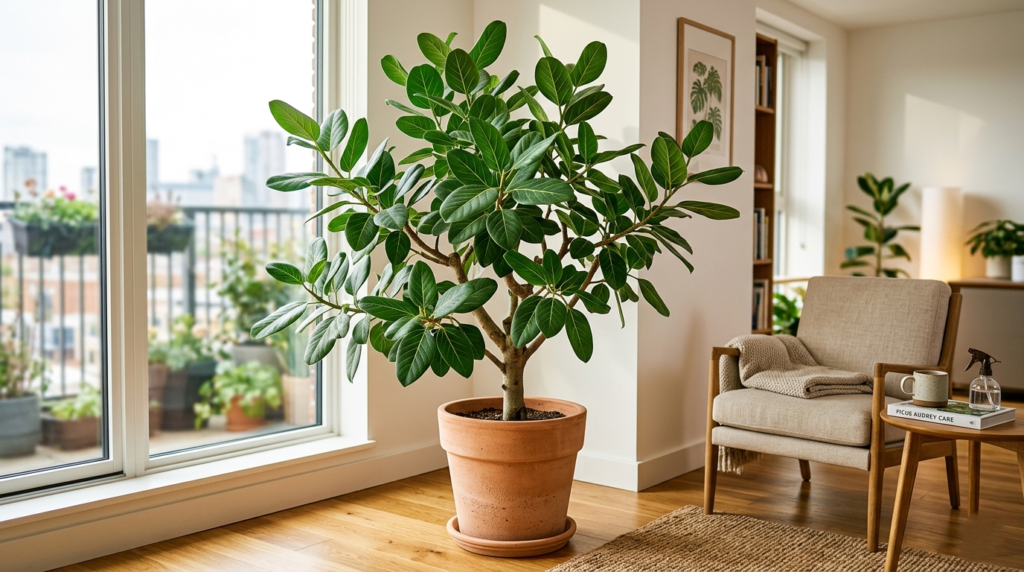
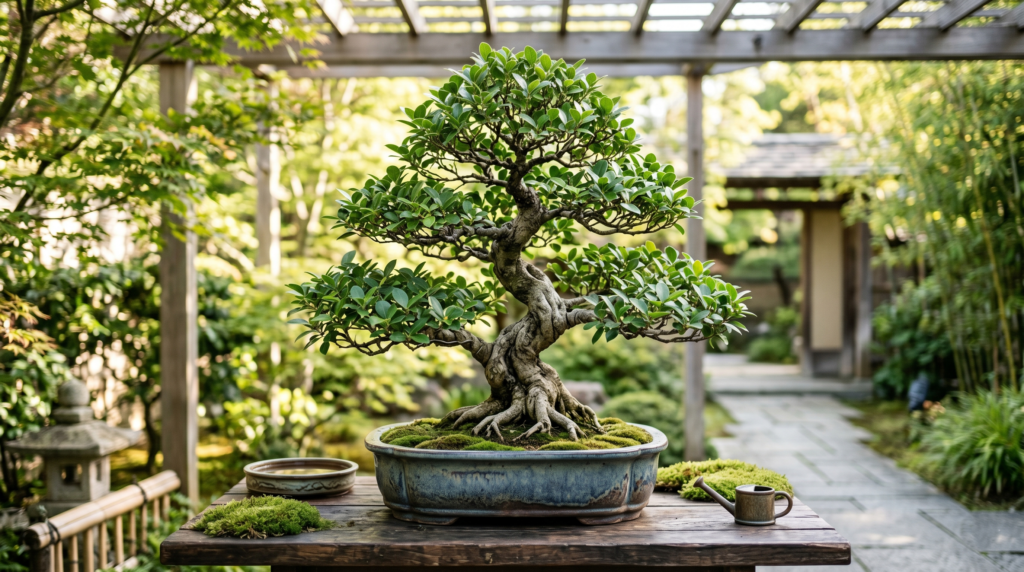
A bonsai ficus is a miniature tree created from species within the Ficus genus, carefully pruned and trained to grow in compact bonsai form. Unlike many traditional bonsai species that require outdoor conditions, ficus bonsai trees adapt exceptionally well to indoor environments.
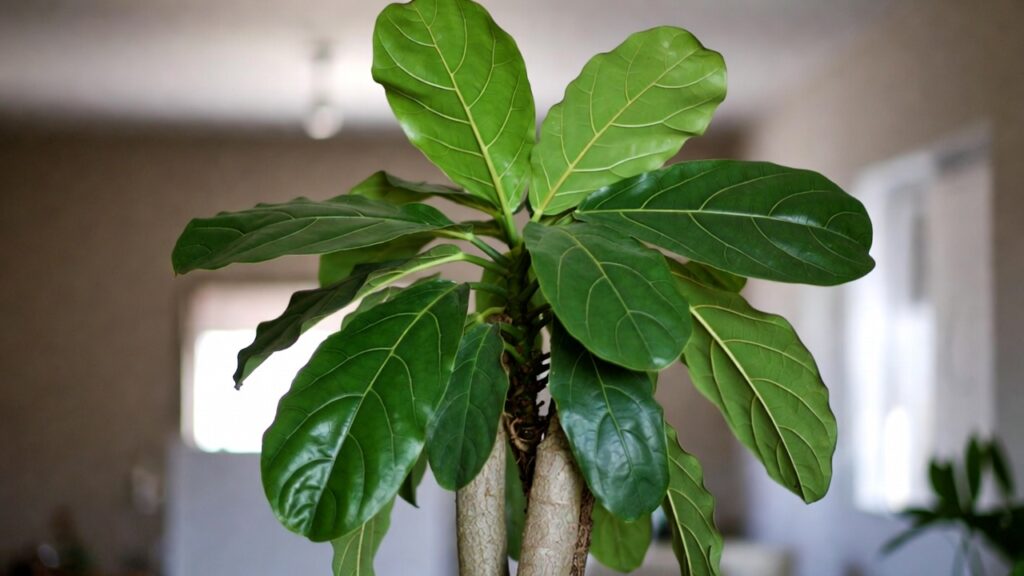
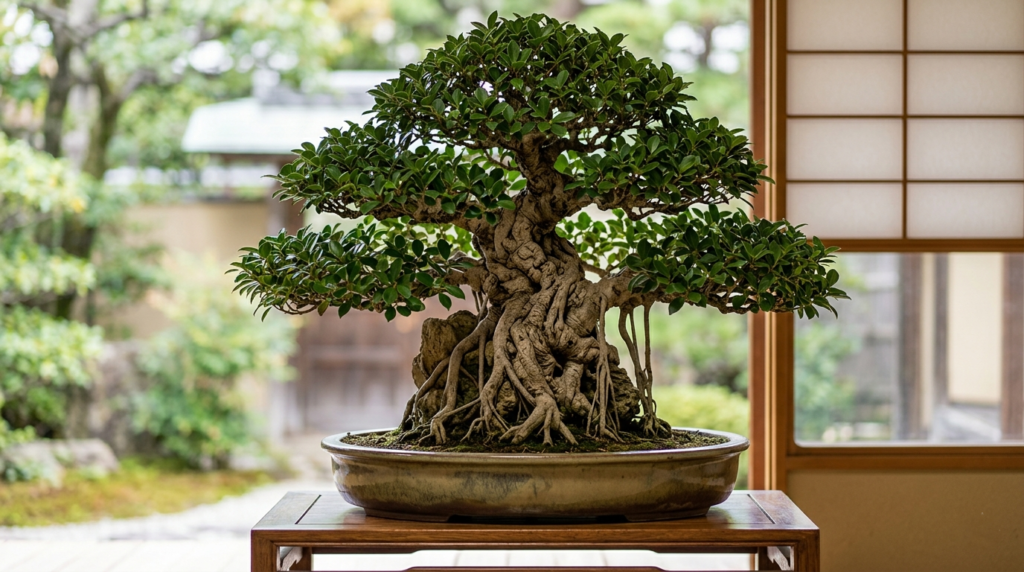
Their glossy green leaves, thick trunks, and aerial roots give them a mature, tropical appearance that makes them highly desirable as indoor bonsai plants.
Because of their resilience and adaptability, bonsai ficus trees are often recommended for beginners learning the art of bonsai cultivation.
Why Bonsai Ficus Is So Popular Indoors
Several qualities make the bonsai ficus one of the best indoor bonsai trees:
- Tolerates indoor humidity better than many bonsai species
- Recovers well from pruning mistakes
- Grows relatively fast
- Handles occasional neglect better than delicate bonsai varieties
- Develops attractive roots and trunk structure over time
- Thrives under artificial grow lights
For apartment dwellers and indoor gardeners, few bonsai species are as practical and rewarding.
Common Types of Bonsai Ficus
Ficus Retusa
One of the most common bonsai ficus varieties, known for its smooth trunk and oval leaves.
Ficus Ginseng
Popular for its thick, bulbous roots and sculptural appearance.
Ficus Benjamina
Features elegant weeping branches and smaller leaves.
Tiger Bark Ficus
Highly valued for its textured bark and excellent bonsai aesthetics.
Bonsai Ficus Lifespan and Growth Potential
With proper care, a bonsai ficus can live for decades. Some bonsai trees are passed down through generations.
Indoors, most bonsai ficus trees remain compact, but they continuously develop thicker trunks, denser foliage, and more refined branching as they mature.
Bonsai Ficus Care at a Glance
Before diving deeper into care techniques, here’s a quick overview of ideal bonsai ficus growing conditions.
| Care Factor | Ideal Condition |
|---|---|
| Light | Bright indirect light |
| Watering | Water when topsoil slightly dries |
| Humidity | Moderate to high humidity |
| Temperature | 60–80°F (16–27°C) |
| Soil | Fast-draining bonsai mix |
| Fertilizer | Every 2–4 weeks during growth |
| Pruning | Regular light pruning |
| Repotting | Every 2–3 years |
Is Bonsai Ficus Good for Beginners?
Absolutely.
Many bonsai species demand strict outdoor conditions and precise care routines. Bonsai ficus trees are far more forgiving. They tolerate pruning, adapt to indoor conditions, and recover quickly from stress.
This resilience allows beginners to learn bonsai techniques without constant fear of killing the tree.
Best Light Conditions for Bonsai Ficus
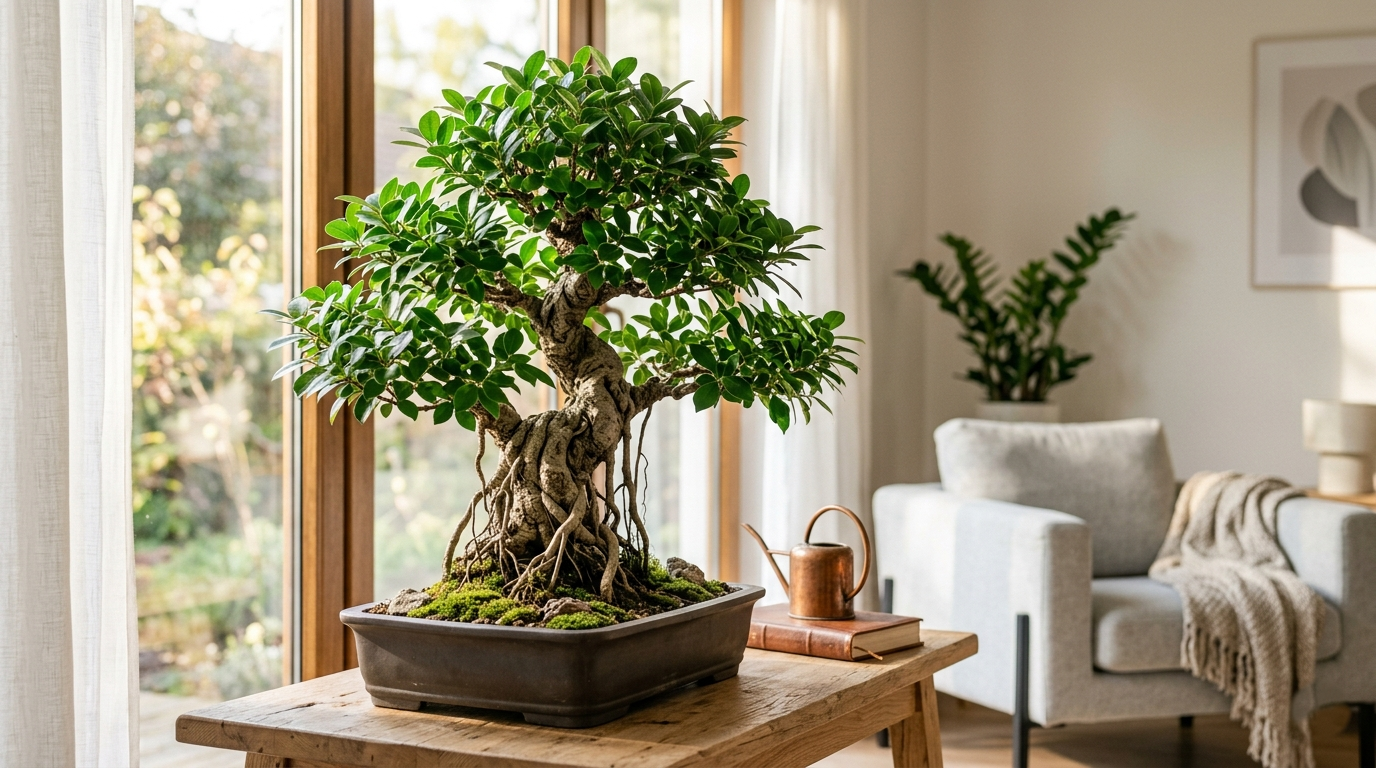
Light is one of the most important factors in bonsai ficus care. Poor lighting is often the hidden reason behind weak growth, leaf drop, and unhealthy foliage.
How Much Light Does a Bonsai Ficus Need?
A bonsai ficus thrives in:
- Bright indirect sunlight
- Several hours of filtered light daily
- Gentle morning sun
The ideal location is usually near:
- East-facing windows
- South-facing windows with filtered curtains
- Bright indoor spaces with stable lighting
If natural light is limited, supplemental grow lights can help maintain healthy growth.
Signs Your Bonsai Ficus Needs More Light
Low light conditions often cause:
- Sparse foliage
- Pale leaves
- Long, stretched stems
- Slow growth
- Sudden leaf drop
If your bonsai ficus appears weak or leggy, insufficient lighting is often the cause.
Can Bonsai Ficus Grow Under Artificial Lights?
Yes — bonsai ficus trees grow very well under LED grow lights.
For best results:
- Use full-spectrum LED grow lights
- Keep lights 12–18 inches above the tree
- Provide 10–12 hours of light daily
Grow lights are especially useful during winter when daylight hours decrease.
Seasonal Light Adjustments
Indoor light intensity changes dramatically throughout the year.
During Summer
- Protect from harsh afternoon sun
- Increase airflow around the tree
During Winter
- Move closer to brighter windows
- Supplement with grow lights if necessary
Consistent lighting helps prevent seasonal stress and leaf drop.
How to Water a Bonsai Ficus Properly
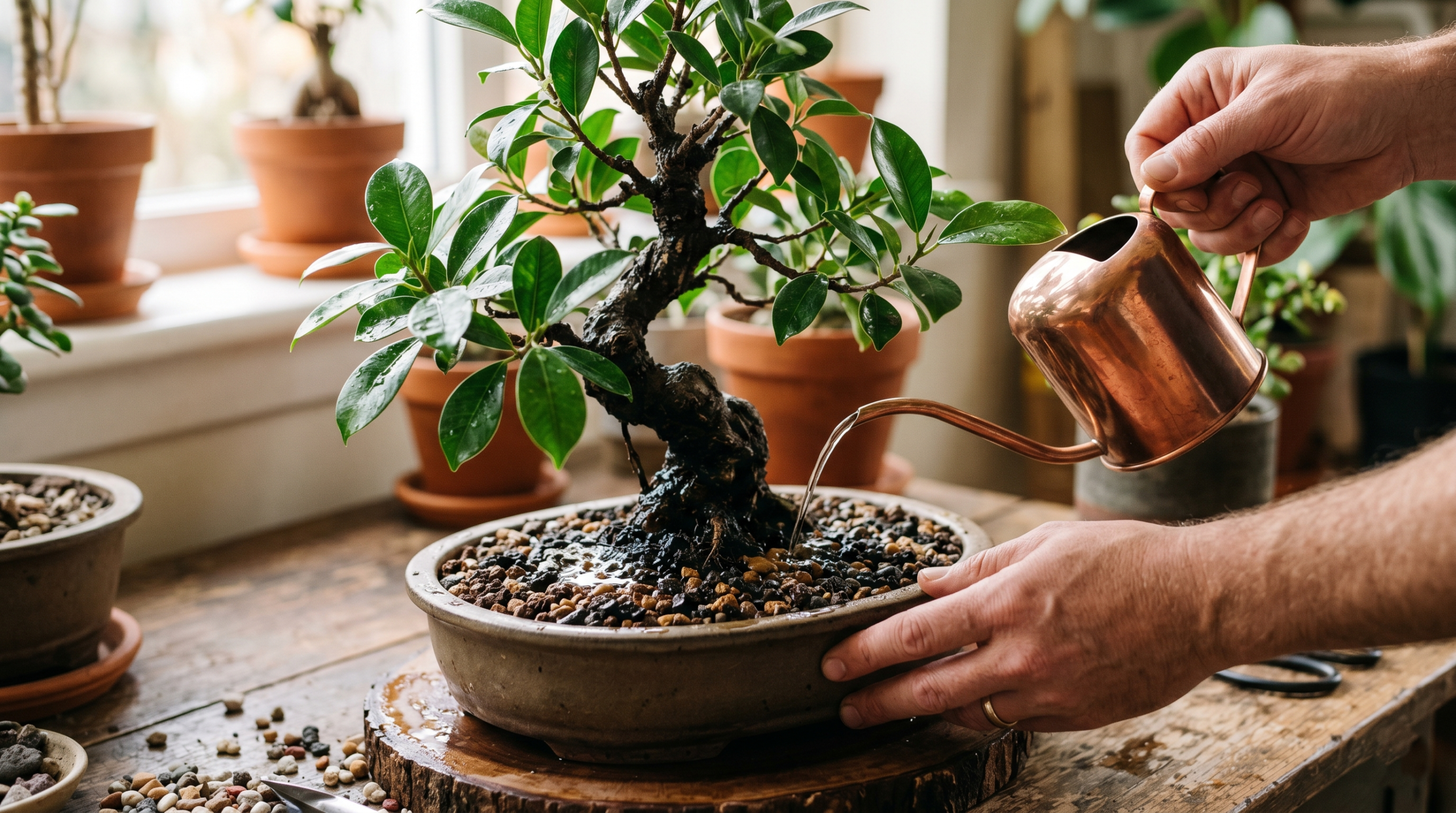
Improper watering kills more bonsai ficus trees than almost any other issue.
The key is understanding that bonsai containers behave differently from regular houseplant pots.
The Biggest Mistake: Overwatering
Because bonsai pots are shallow, many beginners water too frequently out of fear that the soil dries quickly.
Unfortunately, constantly wet soil suffocates roots and encourages root rot.
Common signs of overwatering include:
- Yellow leaves
- Mushy roots
- Foul-smelling soil
- Leaf drop
- Blackened roots
Healthy bonsai roots need both moisture and oxygen.
How Often Should You Water a Bonsai Ficus?
There is no universal watering schedule.
Instead, watering depends on:
- Room temperature
- Humidity
- Pot size
- Soil mix
- Season
- Tree size
In general:
- Summer may require watering every 1–2 days
- Winter may require watering every 4–7 days
Always check the soil before watering.
The Finger Test Method Explained
The safest watering method is simple:
- Insert your finger about 1 inch into the soil
- If the soil feels slightly dry, water thoroughly
- If still moist, wait another day
This method prevents both underwatering and overwatering.
Best Water Type for Bonsai Ficus
Filtered water or rainwater is ideal because it reduces mineral buildup.
Hard tap water may eventually cause:
- White crust on soil
- Salt accumulation
- Leaf tip browning
If using tap water, allow it to sit overnight before watering.
Signs of Underwatering vs Overwatering
Underwatering
- Crispy leaves
- Dry soil
- Wilting
- Leaf curling
Overwatering
- Yellow leaves
- Soft roots
- Constantly wet soil
- Mushy trunk base
Learning to distinguish these symptoms is essential for long-term bonsai success.
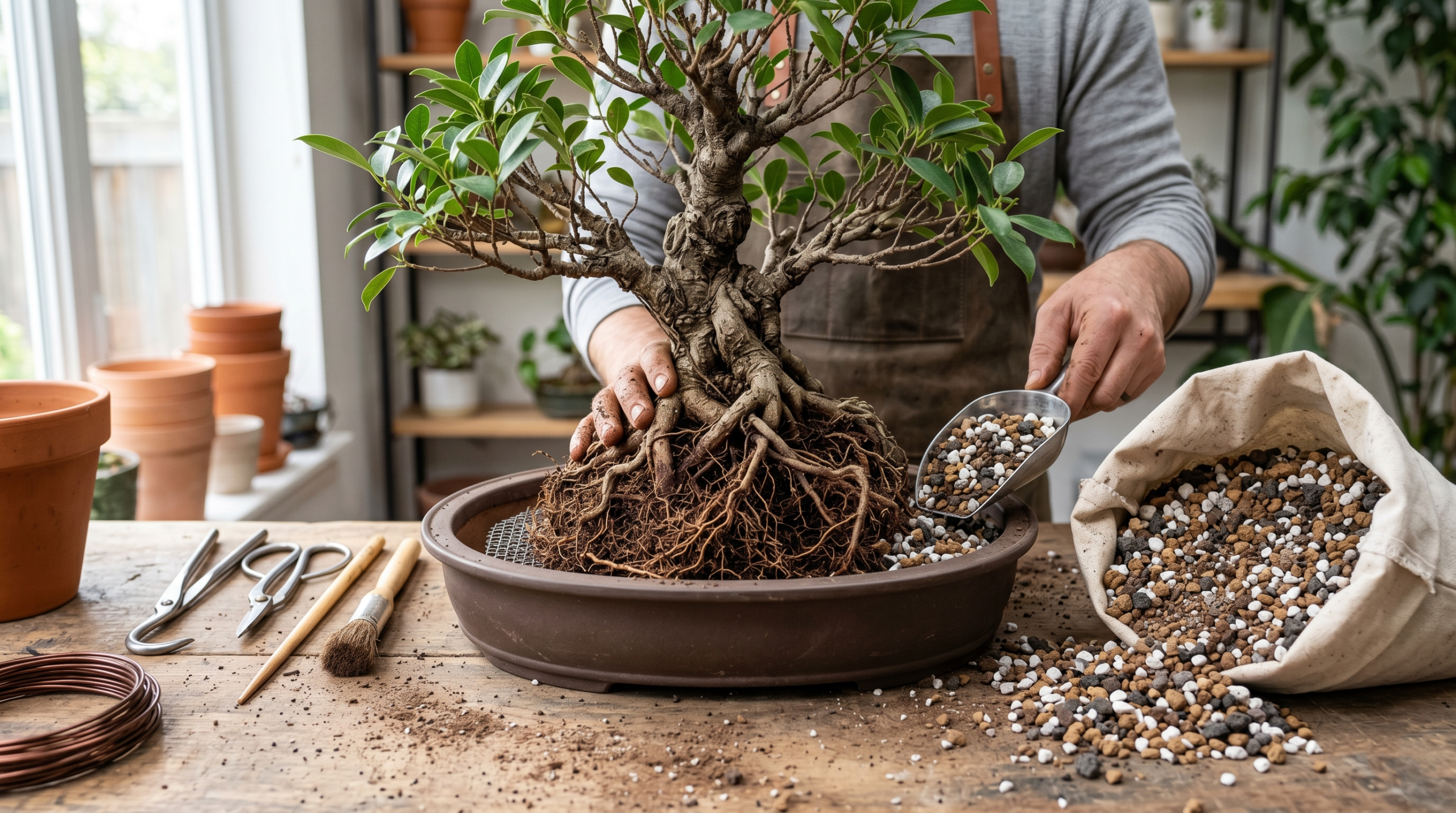
Choosing the Best Soil for Bonsai Ficus
Soil quality directly affects root health, drainage, oxygen flow, and overall tree vitality.
Why Regular Potting Soil Doesn’t Work Well
Standard potting soil retains too much moisture for bonsai containers.
This creates:
- Poor airflow
- Compacted roots
- Root rot risk
- Weak growth
Bonsai ficus trees need fast-draining soil.
Ideal Bonsai Soil Mix for Ficus
A good bonsai soil blend usually contains:
- Akadama
- Pumice
- Lava rock
- Pine bark or organic matter
These ingredients create excellent drainage while retaining enough moisture for healthy roots.
DIY Bonsai Ficus Soil Recipe
A beginner-friendly bonsai soil mix:
- 40% pumice
- 30% akadama
- 20% lava rock
- 10% pine bark
This combination balances drainage, moisture retention, and airflow.
How Good Soil Prevents Root Rot
Healthy bonsai roots require oxygen.
Fast-draining soil:
- Prevents waterlogging
- Reduces fungal problems
- Encourages stronger root systems
- Improves nutrient uptake
Soil is often the hidden foundation of a thriving bonsai ficus.
Temperature and Humidity Requirements
Because bonsai ficus trees are tropical plants, they prefer warm temperatures and moderate humidity.
Ideal Indoor Temperature Range
The best temperature range is:
- 60–80°F (16–27°C)
Avoid:
- Cold drafts
- Sudden temperature changes
- Air conditioner vents
- Heating vents
Extreme fluctuations stress the tree and trigger leaf loss.
Why Humidity Matters for Bonsai Ficus
Indoor air often becomes very dry, especially during winter.
Low humidity may cause:
- Brown leaf edges
- Dry foliage
- Weak growth
- Increased pest problems
Maintaining humidity improves overall tree health.
Easy Ways to Increase Humidity
Use a Pebble Tray
Place water beneath the pot without submerging roots.
Run a Humidifier
Especially useful during winter.
Group Indoor Plants Together
Plants naturally raise surrounding humidity levels.
Mist Occasionally
Helpful, but not a replacement for proper humidity management.
Can Bonsai Ficus Go Outside?
Yes — during warm months.
Outdoor exposure can:
- Improve vigor
- Increase trunk thickening
- Promote dense foliage
However:
- Avoid temperatures below 55°F (13°C)
- Gradually acclimate the tree to sunlight
Sudden outdoor exposure may scorch leaves.
How to Prune and Shape a Bonsai Ficus
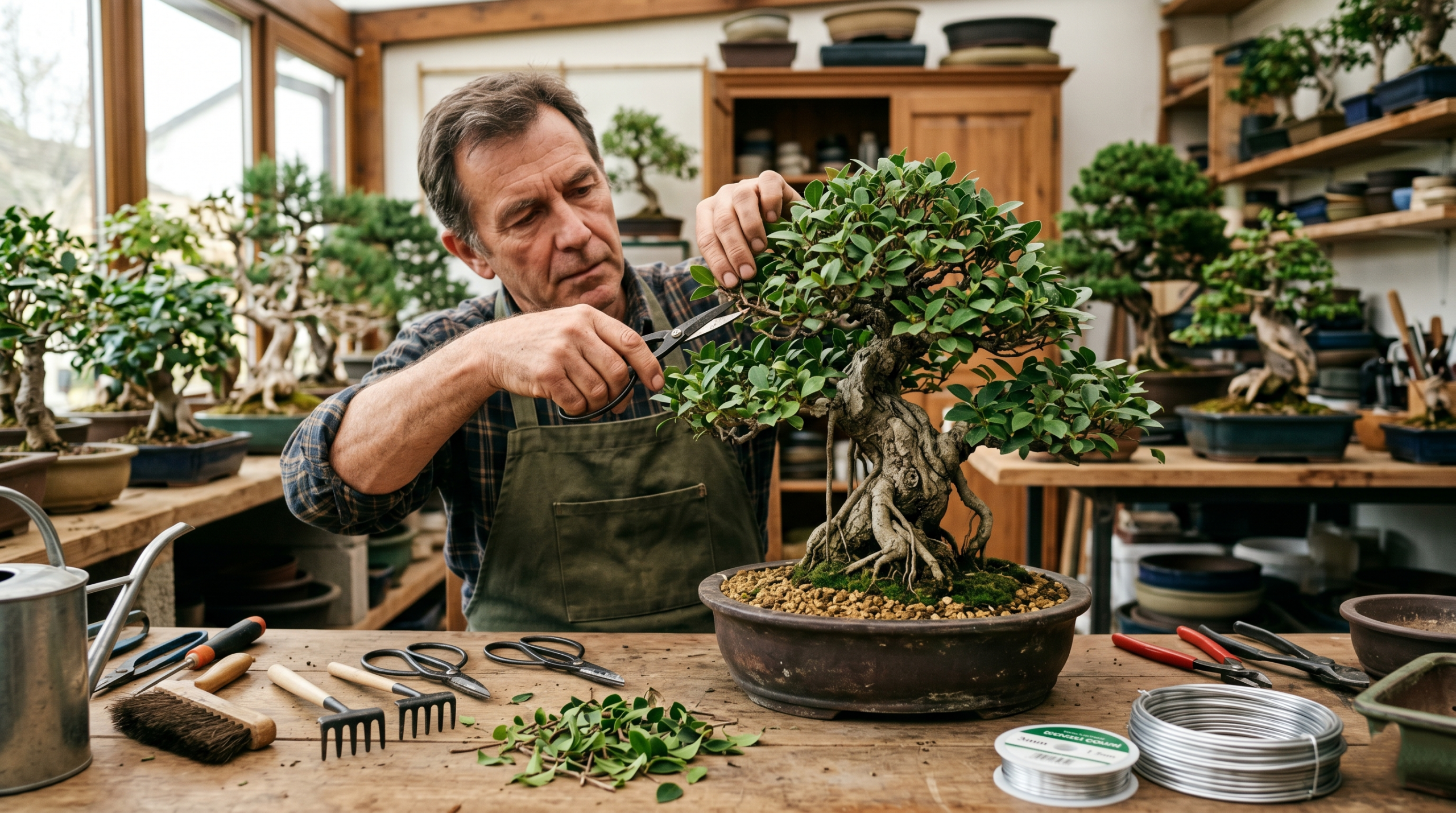
Pruning is what transforms an ordinary ficus into a beautiful bonsai tree.
Without pruning, the plant quickly loses its compact structure.
Why Pruning Is Essential
Proper pruning:
- Encourages branching
- Maintains miniature proportions
- Improves airflow
- Creates aesthetic structure
- Stimulates dense foliage
Consistent shaping is central to bonsai artistry.
When to Prune Bonsai Ficus
The best time to prune is during active growth:
- Spring
- Early summer
Light maintenance pruning can continue year-round indoors.
Step-by-Step Bonsai Ficus Pruning Guide
Step 1: Inspect the Tree
Identify:
- Crossing branches
- Weak growth
- Overextended shoots
Step 2: Remove Unwanted Growth
Trim:
- Dead branches
- Leggy stems
- Inward-growing branches
Step 3: Maintain Shape
Cut back long shoots to 2–4 leaves.
Step 4: Sterilize Tools
Always use clean pruning scissors to prevent disease spread.