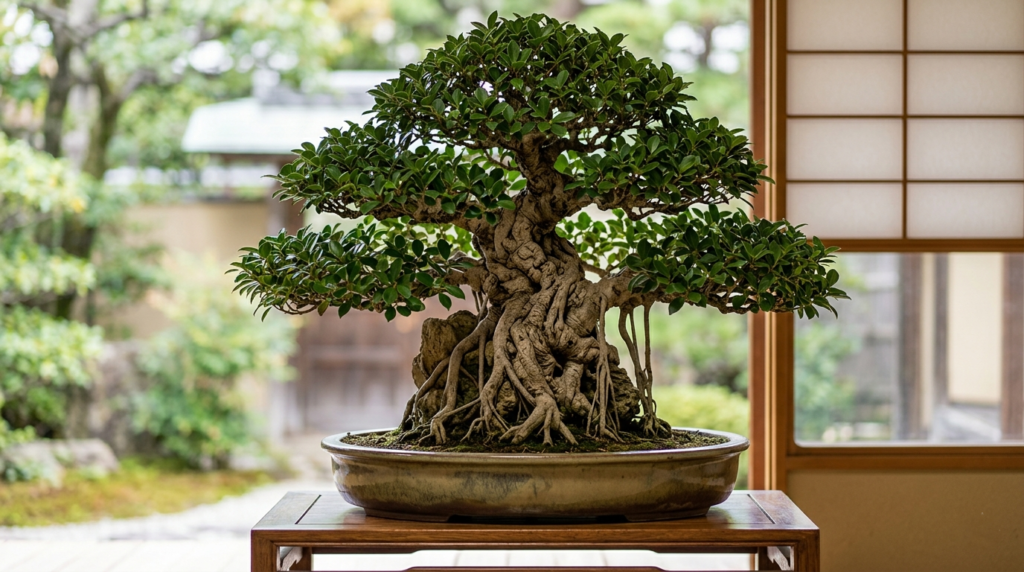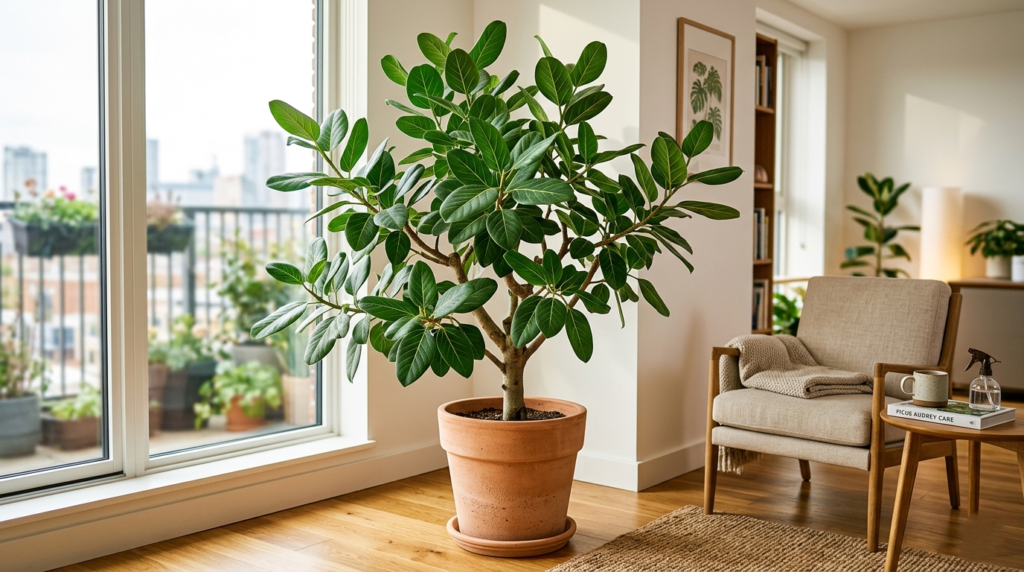

Indoor plants have long been cherished for their ability to purify the air, add aesthetic value, and create a calming atmosphere in any room. Among the many varieties that thrive indoors, Ficus Shivereana stands out as a beautiful, low-maintenance option for plant enthusiasts. With its striking variegated leaves and elegant growth, this plant is quickly becoming a favorite among those who want to add a touch of nature to their home decor.
Whether you’re a seasoned plant parent or just starting your indoor plant journey, caring for a Ficus Shivereana can be a rewarding experience. But to ensure that your plant flourishes, it’s essential to understand its unique care requirements. In this ultimate guide, we’ll explore everything you need to know to keep your Ficus Shivereana healthy, happy, and thriving in your indoor space.
What is Ficus Shivereana?
Understanding Ficus Shivereana
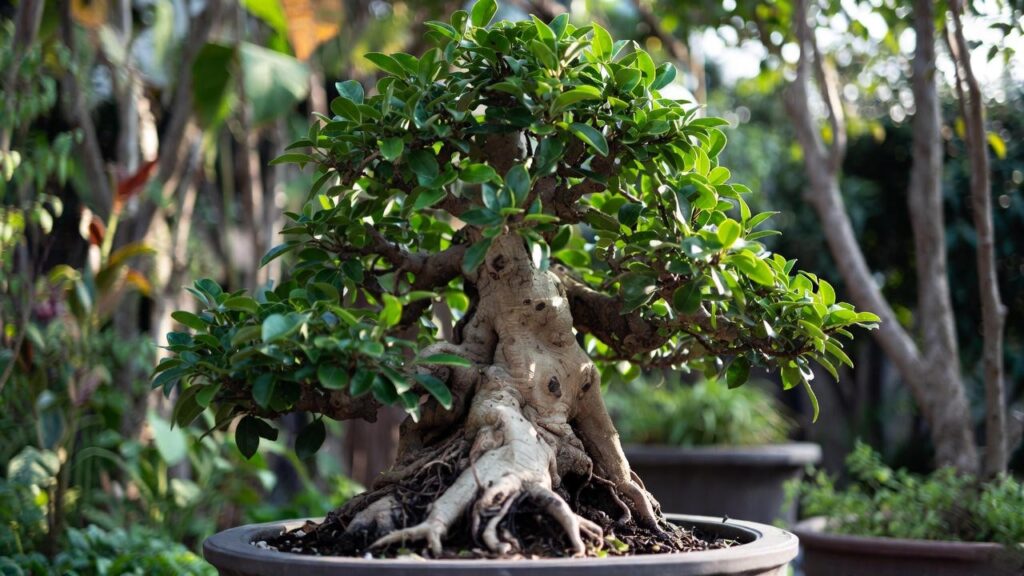
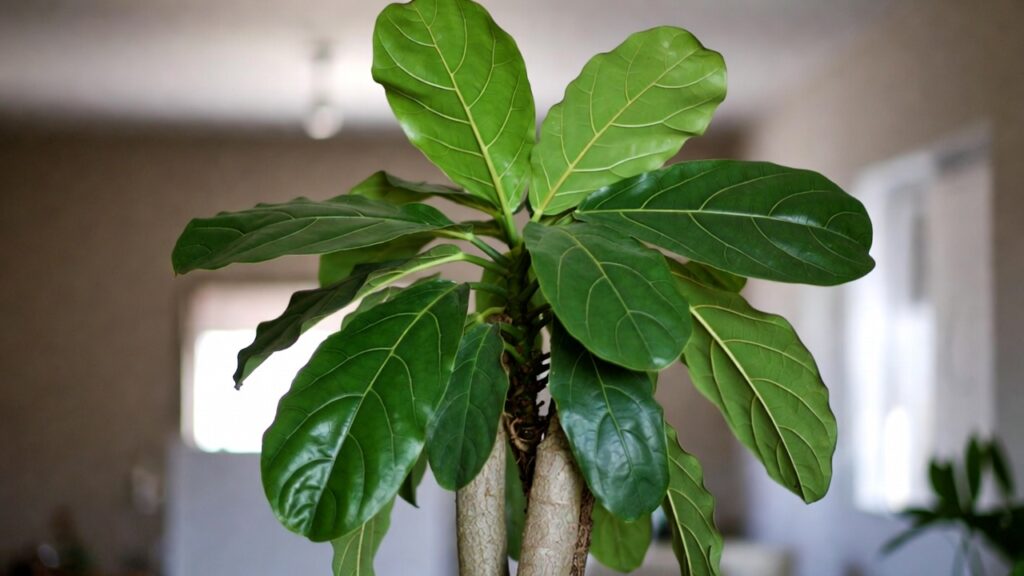
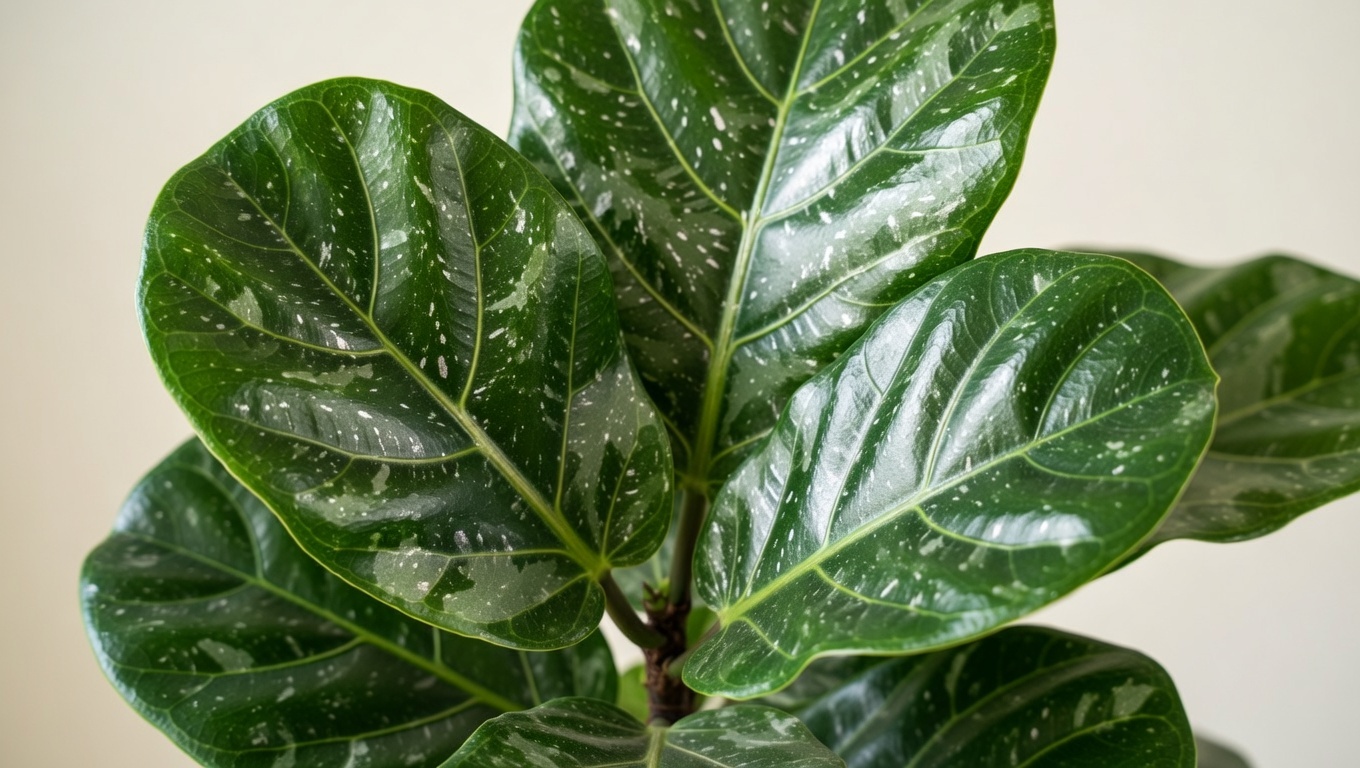
Ficus Shivereana, often called the “Silver Ficus,” is a member of the Ficus genus, which includes many popular houseplants such as Ficus elastica (rubber plant) and Ficus lyrata (fiddle leaf fig). Native to tropical regions, particularly Southeast Asia, Ficus Shivereana has been prized for its stunning, glossy green leaves with silver streaks that give the plant a unique, striking appearance. This eye-catching variegation is what makes Ficus Shivereana a standout choice for indoor gardens and plant collections.
This species of Ficus is relatively compact compared to its larger cousins, making it ideal for small spaces and apartments. The leaves of Ficus Shivereana grow in a dense, bushy pattern, and the plant can reach up to 3 feet tall when fully grown indoors, with a spread of about 2 feet.
Why Ficus Shivereana is Perfect for Indoor Spaces
Ficus Shivereana is an excellent choice for indoor gardening due to its moderate size, ease of care, and adaptability to common indoor conditions. Its ability to tolerate a range of lighting conditions, combined with its relatively slow growth rate, makes it an ideal option for those who want a low-maintenance plant that doesn’t take up too much space or attention. Plus, its aesthetic appeal—featuring glossy green leaves with unique silver streaks—adds a touch of elegance and sophistication to any room.
How to Care for Your Ficus Shivereana
To help your Ficus Shivereana thrive, you need to replicate its natural environment as much as possible. Below are the essential care requirements for growing a healthy and vibrant plant:
Lighting Requirements
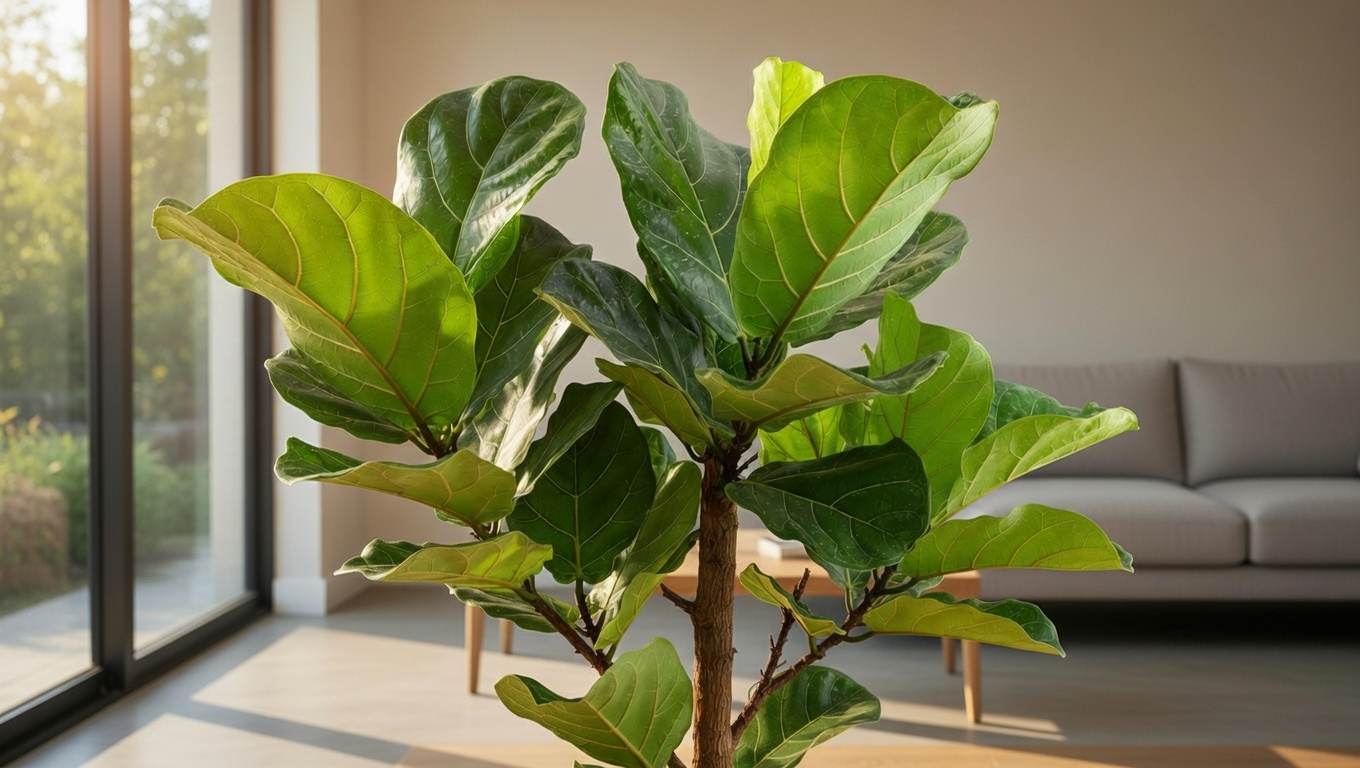
The right lighting is crucial for the overall health of your Ficus Shivereana. While this plant can tolerate low-light conditions, it thrives best in bright, indirect light. Too much direct sunlight can scorch its leaves, while too little light will cause the plant to become leggy and weak.
Watering and Humidity Needs
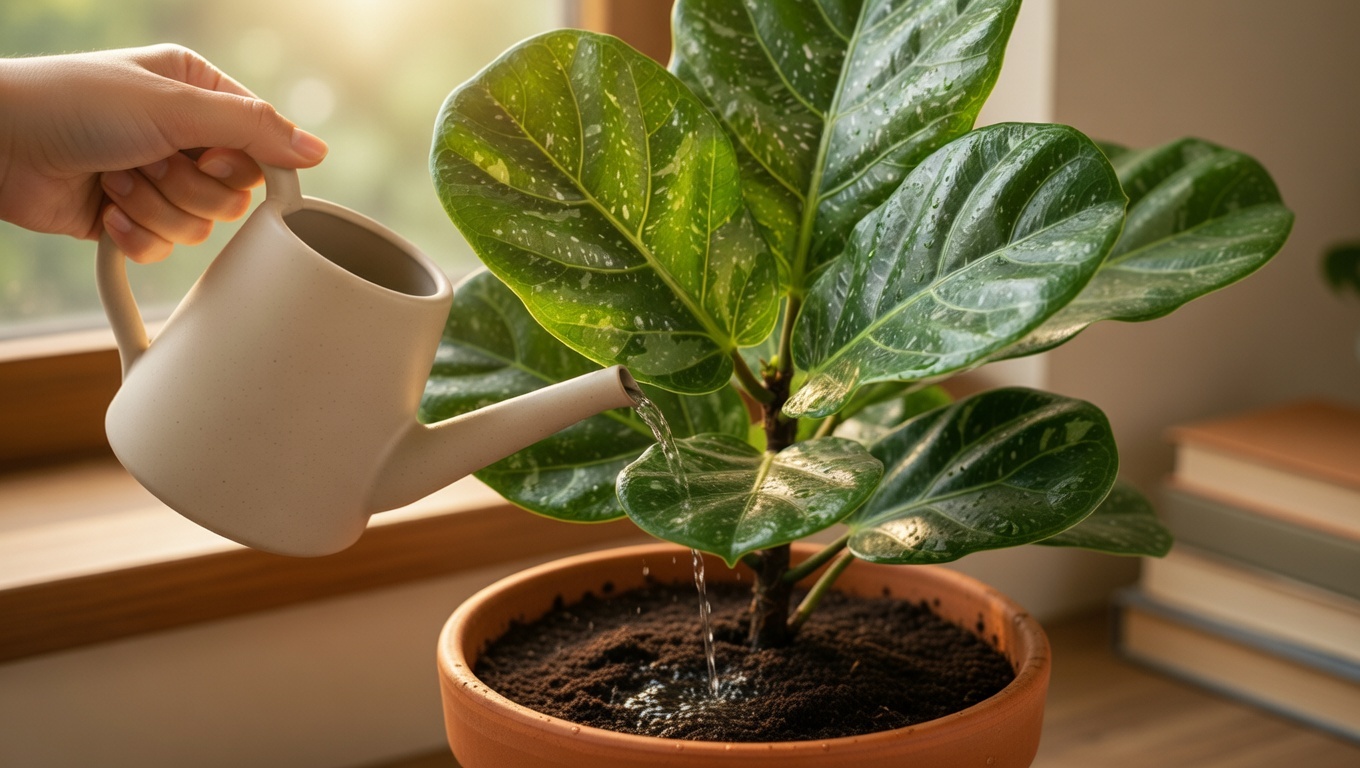
Watering is one of the most important aspects of plant care. Overwatering Ficus Shivereana can lead to root rot, while underwatering can cause the leaves to drop and turn yellow. The key is to let the soil dry out between waterings.
Tip: Water your Ficus Shivereana when the top 1-2 inches of soil feel dry. Be sure to use a well-draining potting mix to prevent water from accumulating at the bottom of the pot, which can lead to root rot. Additionally, ensure the pot has drainage holes to allow excess water to escape.
This plant also benefits from higher humidity levels. If you live in a dry climate or keep your indoor spaces air-conditioned, you may want to consider placing your Ficus Shivereana on a humidity tray or using a room humidifier to maintain optimal humidity.
Soil and Potting Tips
For the best results, plant your Ficus Shivereana in well-draining soil that allows excess water to escape easily. A mix designed for tropical plants, such as one that contains peat, perlite, and pine bark, works well. When selecting a pot, make sure it has proper drainage holes to prevent waterlogged soil.
Tip: Repot your Ficus Shivereana every 1-2 years or when it outgrows its container. Choose a pot that’s 1-2 inches larger in diameter than the current one to allow for healthy root development.
Temperature Preferences
Ficus Shivereana prefers temperatures between 60°F (15°C) and 75°F (24°C). It’s important to keep the plant away from cold drafts and hot air vents, as extreme temperature fluctuations can cause stress and damage the leaves.
Troubleshooting Common Issues with Ficus Shivereana
Even with the best care, indoor plants can sometimes face challenges. Here are some common problems that Ficus Shivereana owners may encounter and how to address them:
Yellowing or Dropping Leaves
Yellowing or dropping leaves can be a sign of stress caused by overwatering, insufficient light, or nutrient deficiencies. If the plant is dropping leaves, check for signs of root rot (soft, darkened roots) or adjust its water intake.
Tip: If the plant is yellowing due to low light, try moving it to a brighter spot or supplementing with a grow light. If overwatering is the issue, reduce your watering schedule and ensure the plant’s soil is drying out properly between waterings.
Pests and Diseases to Watch For
Common pests that may affect Ficus Shivereana include spider mites, aphids, and mealybugs. These pests can cause leaf discoloration and damage if left untreated. Fungal infections like root rot can also occur if the plant is watered too frequently or not provided with enough drainage.
Propagating Ficus Shivereana: A Step-by-Step Guide
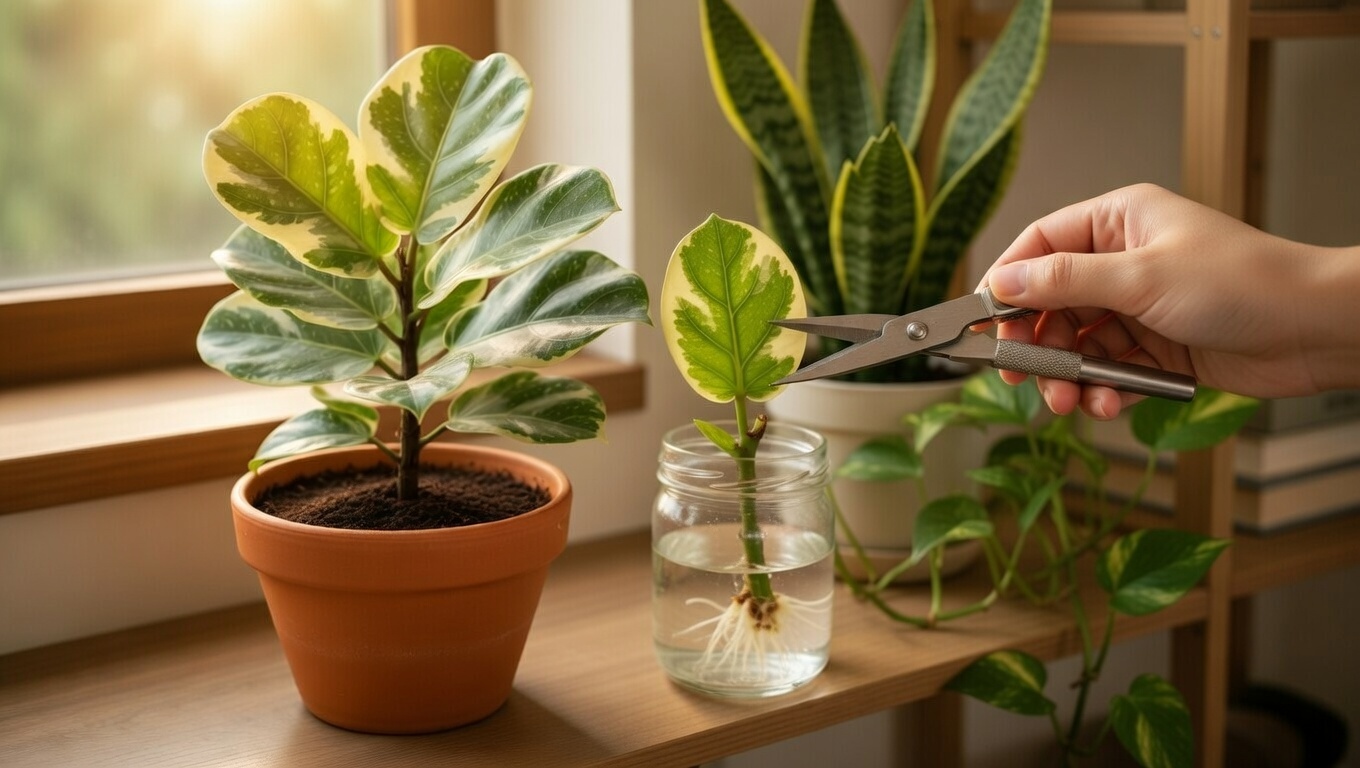
If you’re looking to expand your Ficus Shivereana collection or share a plant with a friend, propagation is an easy and rewarding process.
Why Propagate Ficus Shivereana?
Propagation allows you to grow new plants from a healthy parent. This is a great way to increase your collection or share your favorite indoor plant with others. Additionally, propagation can help rejuvenate a plant that’s starting to look leggy or unhealthy.
Methods of Propagation
The most common method for propagating Ficus Shivereana is through stem cuttings. Here’s how to do it:
-
Select a healthy stem: Choose a stem with at least two or three leaves. Cut the stem just below a node (the point where leaves or branches emerge).
-
Prepare the cutting: Remove any leaves from the bottom part of the cutting to avoid them rotting in the soil.
-
Root the cutting: Place the cutting in water or soil. If rooting in water, ensure the node is submerged while the leaves remain above water. Change the water every few days to prevent bacterial growth.
-
Transfer to soil: Once roots have formed (usually within a few weeks), transfer the cutting to a well-draining potting mix.
Styling and Displaying Ficus Shivereana in Your Home
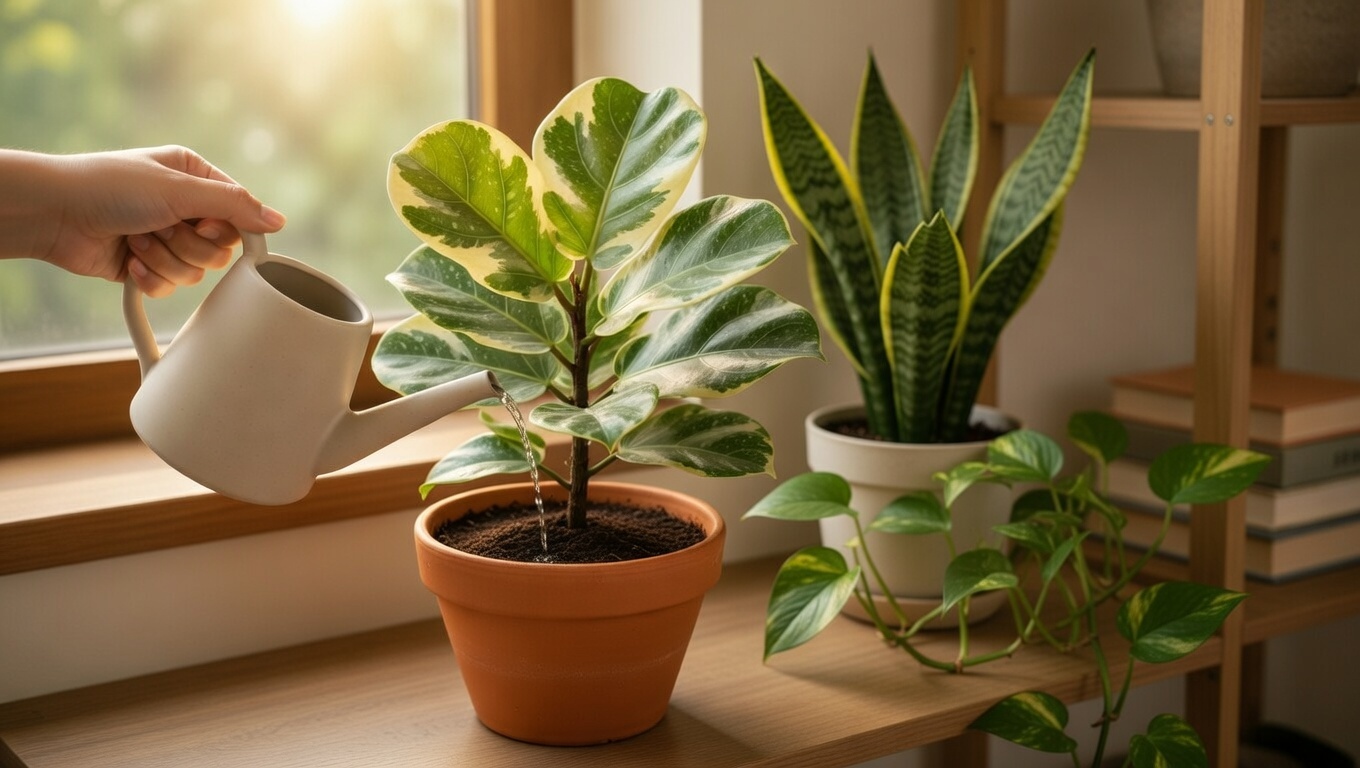
One of the most enjoyable aspects of having Ficus Shivereana as an indoor plant is its versatility in home decor. Not only does this plant improve the ambiance of any room, but its bold foliage also adds an elegant and contemporary touch. Here are some tips for styling your Ficus Shivereana in various spaces.
Best Placement for Aesthetic Appeal
Ficus Shivereana is a statement plant with its eye-catching leaves and graceful growth. To make the most of its beauty, choose a location that highlights its striking variegated foliage. The plant can easily complement different interior styles, from modern to bohemian, making it a perfect fit for any home.
-
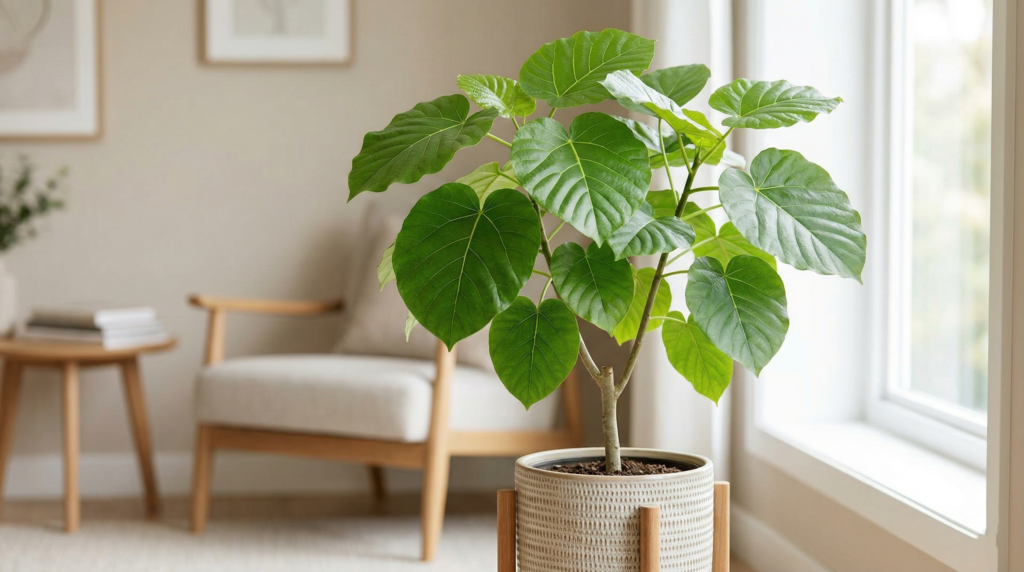
Living Room: Place your Ficus Shivereana near a well-lit window where it can receive bright, indirect light. It pairs well with minimalist or contemporary furniture styles, providing a fresh green contrast against neutral tones.
-
Office or Study: This plant adds a touch of nature and sophistication to any workspace. Put it on a desk or near a bookshelf to enhance the room’s atmosphere without taking up too much space.
-
Bathroom: If your bathroom has a window with plenty of natural light, Ficus Shivereana can thrive here. The humid environment can be perfect for the plant, and its vibrant foliage can brighten up the space.
Tip: Avoid placing your plant in high-traffic areas where it might get knocked over or damaged. A dedicated corner or a plant stand can help your Ficus Shivereana stand out and grow gracefully.
Combining Ficus Shivereana with Other Indoor Plants
If you’re aiming to create a lush, indoor plant paradise, Ficus Shivereana can be paired with other indoor plants to enhance the look of your space. Here are a few suggestions for complementary plant pairings:
-
Snake Plant (Sansevieria): Its upright, vertical form and architectural appearance balance well with the bushy, sprawling growth of Ficus Shivereana. Both plants have low maintenance requirements, making them ideal companions.
-
Spider Plant (Chlorophytum comosum): The cascading leaves of the spider plant create a beautiful contrast against the upright nature of Ficus Shivereana, and they both thrive in similar conditions.
-
Pothos (Epipremnum aureum): The trailing vines of Pothos pair well with the compact and upright growth of the Ficus Shivereana, offering a variety of textures that create an appealing dynamic.
Expert Insights: Ficus Shivereana Care from Plant Enthusiasts
Interview with an Expert
To provide you with additional expert insights, we spoke to plant care professional Sarah Lee, who has been growing indoor plants for over a decade. Here’s what she had to say about Ficus Shivereana:
Top Tips from Experienced Ficus Growers
Here are some additional tips from experienced Ficus Shivereana owners:
-
Be patient with growth: This plant is slow-growing, so don’t expect rapid results. It’s important to give it time to adapt to your home and care routine.
-
Avoid frequent repositioning: Ficus plants don’t like being moved around. Once you’ve found the right spot, try to leave it in place to avoid stressing the plant.
-
Clean the leaves regularly: Dust can accumulate on the large leaves, blocking light and causing the plant to look unhealthy. Use a damp cloth to gently wipe down the leaves every few weeks.
Frequently Asked Questions (FAQs)
Can Ficus Shivereana tolerate low light?
While Ficus Shivereana can tolerate lower light levels, it performs best in bright, indirect light. In lower light, the plant may grow more slowly, and its variegation may become less pronounced. If you notice your plant stretching toward the light, it’s an indication that it needs more sunlight.
How often should I repot Ficus Shivereana?
Repotting should be done every 1-2 years or when the plant outgrows its current container. Signs that it needs repotting include roots growing out of the drainage holes or the plant becoming top-heavy and unstable. Choose a pot that is 1-2 inches larger in diameter than the current one to give the roots enough room to grow.
Is Ficus Shivereana safe for pets?
Unfortunately, Ficus Shivereana is toxic to pets, particularly cats and dogs, if ingested. The plant contains compounds called ficin and psoralen, which can cause irritation to the mouth, digestive system, and skin. Keep your plant out of reach of pets or opt for a safer plant species if you have curious animals in your home.
Why are the leaves of my Ficus Shivereana turning yellow?
Yellowing leaves on your Ficus Shivereana can be caused by several factors, including overwatering, insufficient light, or a nutrient deficiency. Check the soil to ensure it’s not waterlogged, and adjust the lighting if the plant is not receiving enough indirect sunlight. If necessary, trim the yellow leaves to promote new growth.
Conclusion: Make Your Ficus Shivereana Flourish
Caring for a Ficus Shivereana can be a truly rewarding experience. With its stunning foliage and relatively simple care requirements, this plant is perfect for both beginners and seasoned plant enthusiasts alike. By following the care guidelines in this article—proper lighting, watering, and humidity—you’ll ensure that your Ficus Shivereana thrives in your home for years to come.
Remember, patience is key. Allow your plant to grow at its own pace and provide it with the right environment, and you’ll be rewarded with a healthy, beautiful plant that brings natural elegance to your indoor space.
If you have any questions or want to share your success stories with Ficus Shivereana, feel free to leave a comment below. Happy planting!