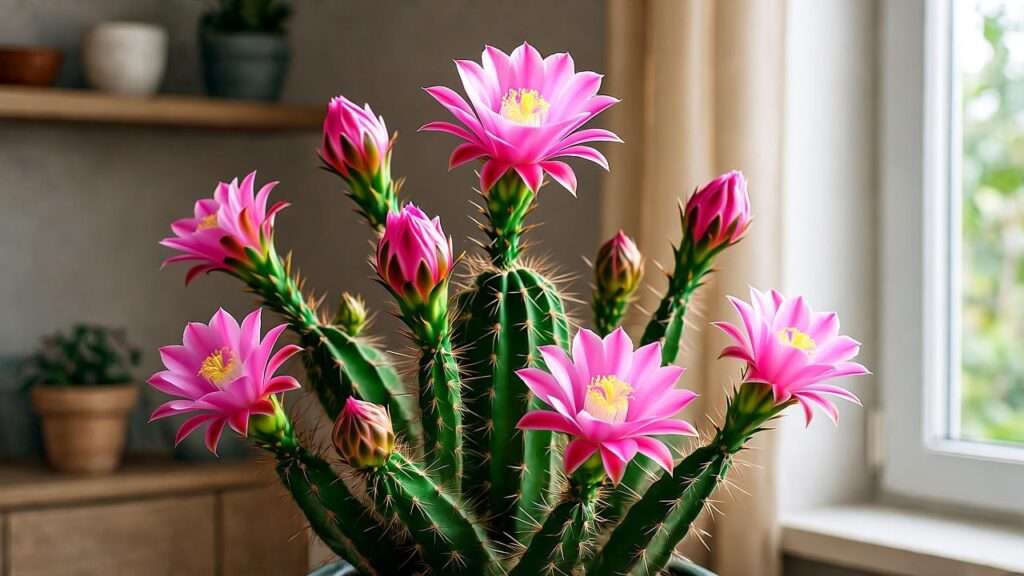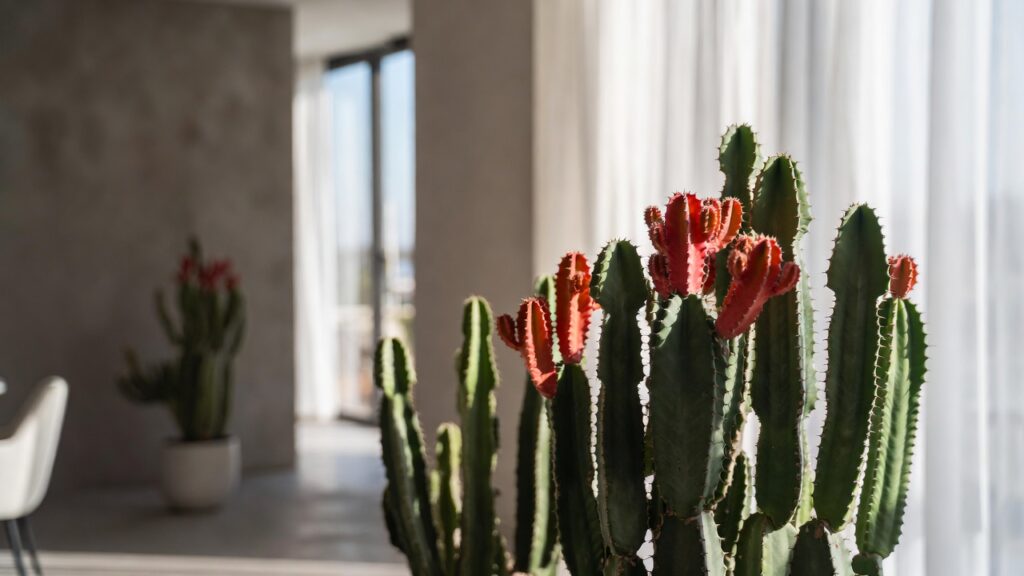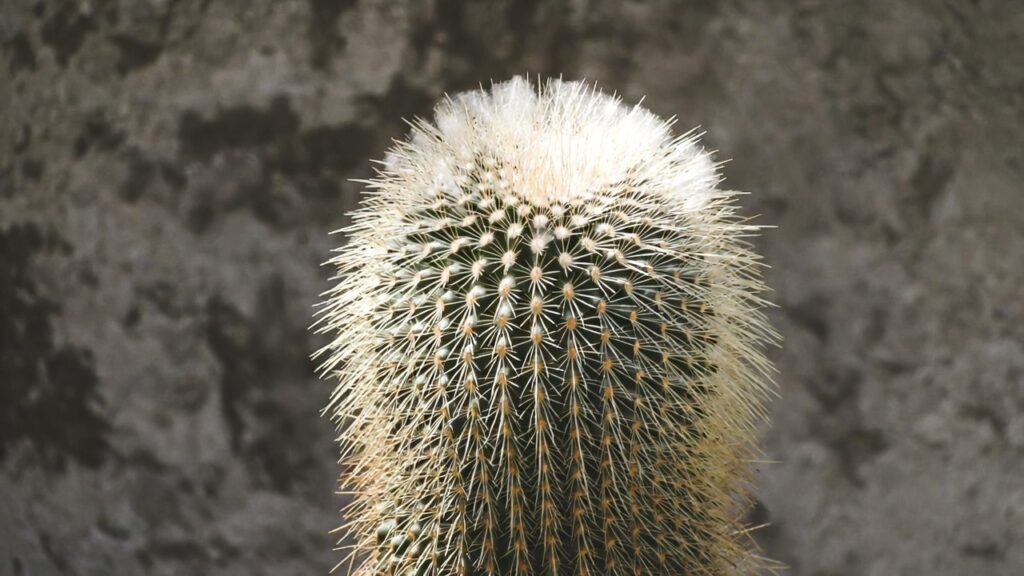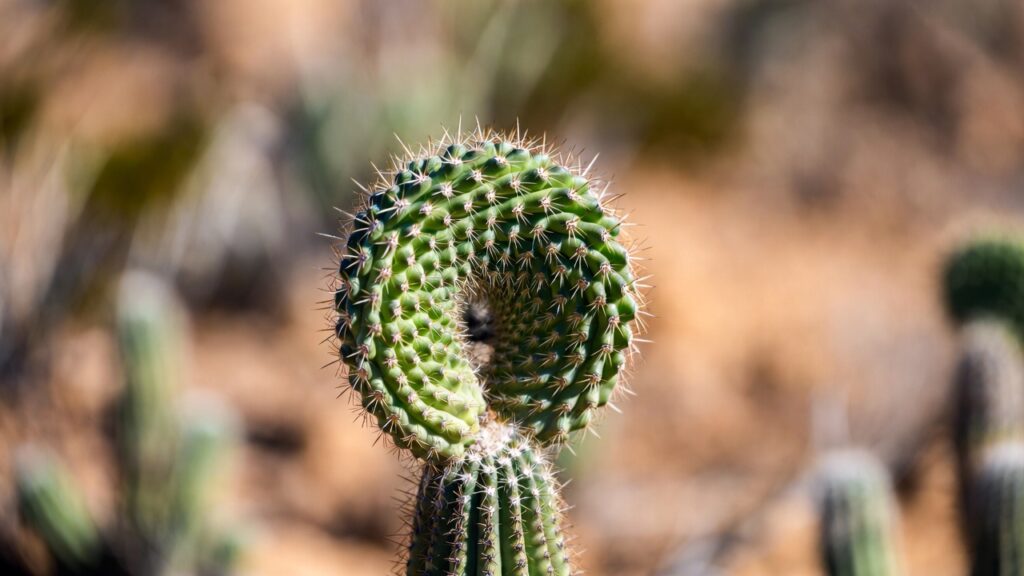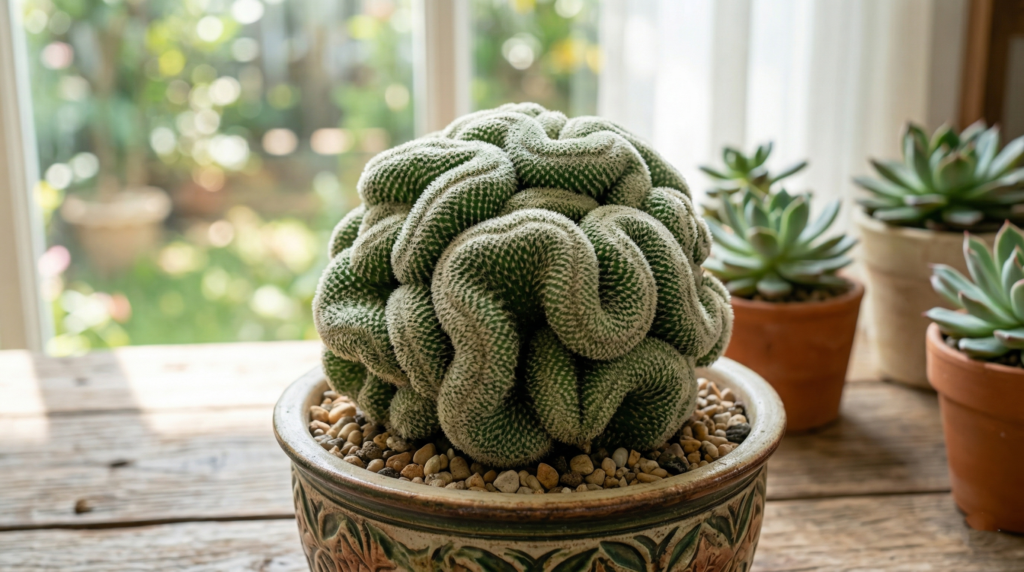
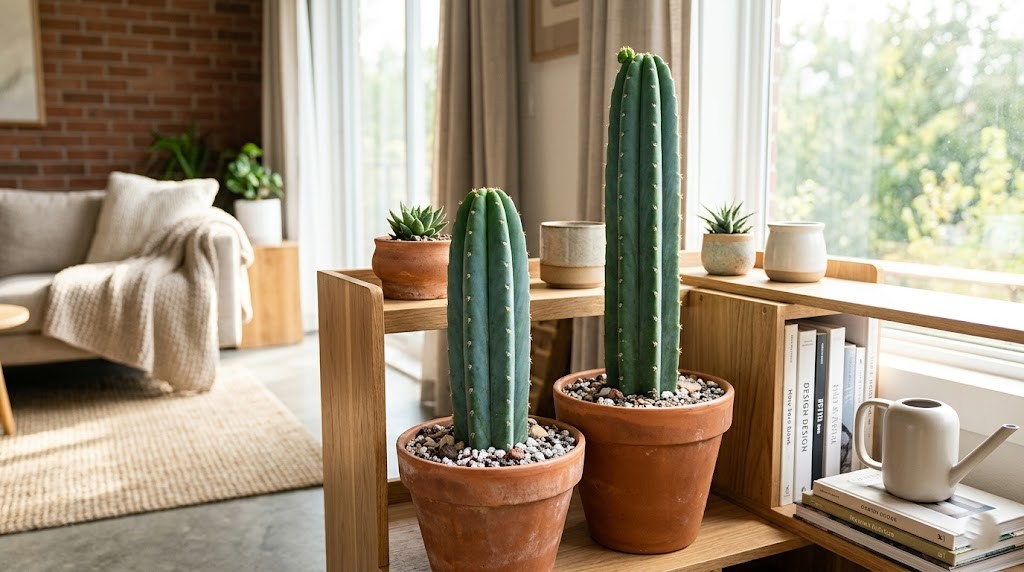
There is a distinct, undeniable gravity to a mature columnar cactus. For decades, interior design enthusiasts and houseplant collectors have relegated their indoor greenery to leafy, tropical monsters or trailing vines. But a modern shift is happening. The striking, architectural silhouette of Trichocereus pachanoi—commonly known as the San Pedro cactus—has transitioned from a rugged Andean giant to one of the most coveted statement plants for contemporary interior spaces. Its clean vertical lines, minimal ribbing, and soothing blue-green hue make it a living sculpture that instantly elevates a room.
However, if you are actively browsing san pedro cactus plants for sale, you likely find yourself standing at a crossroads of excitement and hesitation. The core conflict is obvious: can a massive, fast-growing desert monolith truly survive, let alone thrive, inside a standard home or apartment?
Over years of hands-on experience acclimating desert cacti to indoor environments, we have encountered every myth, mistake, and triumph imaginable. We know the sinking feeling of watching a prized specimen turn mushy at the base, and we know the thrill of seeing a healthy tip push out vibrant new growth under a living room grow light. This comprehensive guide cuts through the generalized internet fluff to provide an authentic, expert-backed roadmap. We will arm you with the precise criteria needed to evaluate online nursery listings, understand fair market pricing, and implement a foolproof care system so your investment remains a thriving centerpiece for decades.
2. Navigating San Pedro Cactus Plants for Sale: What to Look For
When you begin searching for Trichocereus pachanoi online, you will quickly realize that purchasing a large succulent is vastly different from buying a pothos or a peace lily. Because these plants are incredibly resilient, they are sold in various stages of propagation. Navigating these options requires an understanding of what you are actually buying to ensure you don’t accidentally buy a project that is beyond your current skill level.
Sourcing Logically: Rooted Plants vs. Unrooted Cuttings
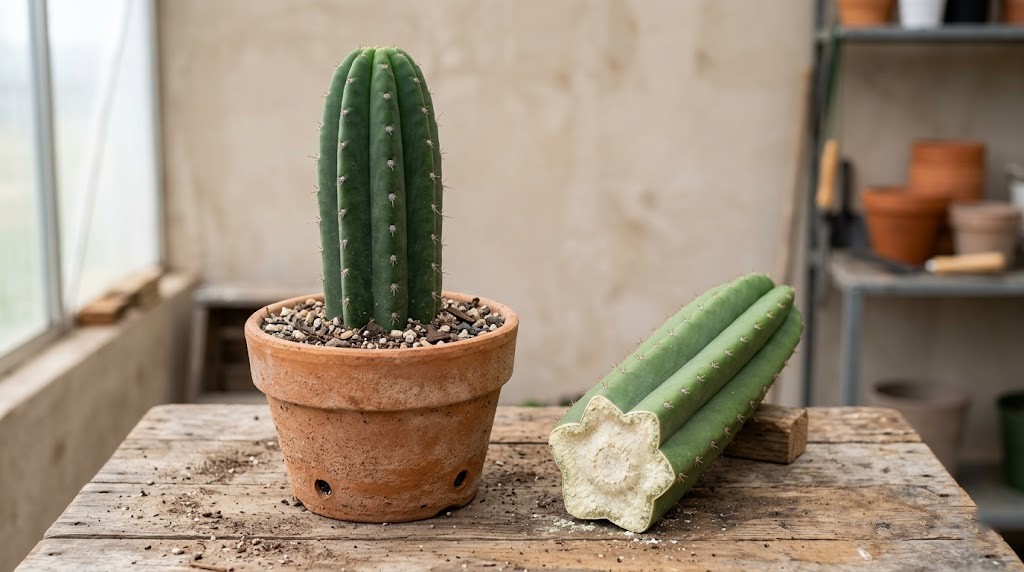
The first major decision you will face when looking at listings is choosing between a fully rooted, potted plant and an unrooted cutting. Both are highly viable options, but they serve different needs:
-
Fully Rooted Plants: These are specimens that have been grown in soil, usually in a greenhouse environment, and feature an established root system. When you buy a rooted plant, you are paying a premium for time and security. Once unboxed, these plants stabilize quickly, absorb water efficiently, and can handle the transition to indoor lighting with much less stress. If you are a beginner or want an immediate ornamental piece, always opt for a rooted plant.
-
Unrooted Cuttings (Tip or Mid-Sections): Because San Pedro cacti have a phenomenal ability to regenerate, growers frequently slice large columns into segments and sell them raw. A “tip cutting” includes the active growing point of the cactus, while a “mid-cutting” (or log) is a trunk segment with cut faces on both ends. Buying cuttings is highly cost-effective and a favorite among DIY horticulturists. However, they require you to patiently “callus” the wound and root the plant yourself in dry media for several weeks before it can take its first sip of water.
4 Essential Quality Checks for Online Buyers
If you are buying from an online nursery or an independent grower marketplace, you must learn to read the photos like an expert. Never buy a listing that uses a single, generic stock photo. Demand clear, high-resolution images of the exact specimen you will receive, and evaluate it using these four professional benchmarks:
-
Firmness and Turgidity: While you cannot physically touch the plant through a screen, look closely at the ribs. A healthy San Pedro should look plump, smooth, and full. Deeply sunken, heavily wrinkled, or deflated ribs indicate a plant that has either been severely dehydrated for months or, conversely, has suffered root rot and can no longer uptake water.
-
Apical Growth Inspection: Look directly at the very top tip of the column. The growth point should exhibit a vibrant, slightly lighter lime-green coloration compared to the mature skin below. This variance is a sign of an active, healthy metabolic state. If the tip is yellow, brown, or covered in a white, chalky film, pass on the listing.
-
Areole and Spine Health: The small, fuzzy cushions along the ribs where spines emerge are called areoles. On a prime Trichocereus pachanoi, these should look clean, dry, and slightly fuzzy. Look out for sticky, black soot or web-like structures around the areoles, which are immediate indicators of pest infestations like scale or mealybugs.
-
Color Uniformity: The ideal color profile for an authentic San Pedro ranges from a deep, rich forest green to a glaucous, powdery blue-green. Beware of specimens displaying splotchy yellow patches (which can indicate nutrient deficiencies or light damage) or dark, water-soaked blemishes.
Red Flags to Avoid Before Hitting “Add to Cart”
The absolute biggest hazard for indoor plant enthusiasts buying a San Pedro online is a condition known as etiolation. Etiolation occurs when a cactus is grown in inadequate light; the plant literally stretches itself thin in a desperate bid to find a light source. This manifests as a column that suddenly tapers into a skinny, pale, weak point at the top.
Why is this a red flag? Etiolation permanently compromises the structural integrity of the cactus. Even if you bring it home and provide it with perfect, blinding light, that skinny segment will never thicken up; it will remain a permanent bottleneck that will eventually buckle under the weight of healthy new growth above it. Avoid any seller offering tapered or “stretched” cacti, no matter how deeply discounted they are.
Furthermore, look out for any localized mushy spots or dark orange, rust-like scabs near the soil line. These are symptoms of active fungal pathogens that can rapidly spread and liquefy the core of your cactus within weeks of arrival.
3. Real Price Expectations: A Buyer’s Reference Guide
The market for Trichocereus has exploded, creating a wide variance in pricing. To ensure you are neither scammed by unscrupulous sellers nor tricked into buying poorly grown plants, it helps to understand market values. Prices are determined almost entirely by the length of the column, the thickness (diameter), whether it is a highly sought-after cultivar (such as the fast-growing “PC” or Predominant Cultivar, vs. non-PC Peruvian or Ecuadorian genetics), and its rooting status.
The following reference table outlines what you should expect to pay for high-quality, nursery-grown ornamental stock:
4. The Legal and Ethical Checklist for Buyers
As an educated houseplant collector, it is vital to understand both the legal status and the ethical considerations surrounding the San Pedro cactus.
From a legal perspective, cultivation of Trichocereus pachanoi is completely legal across the United States, Canada, Europe, and many other parts of the world, provided it is grown purely for ornamental, landscaping, and horticultural purposes. It is widely appreciated by collectors for its stunning nightly blooms, rapid growth rates, and ease of care.
However, its popularity has unfortunately given rise to a black market for wild-poached desert plants. Unscrupulous harvesters strip mature cacti from natural habitats or private botanical collections. When shopping, always ask the seller about the origin of their stock. Ethical nurseries will proudly tell you that their plants are grown from seed, propagated from sustainable mother plants in domestic greenhouses, or sourced from certified local wholesale growers. Supporting ethical propagation protects wild ecosystems and ensures that the plant you bring into your home is clean, acclimated to domestic life, and legally sound.
5. Acclimating Your New Cactus to Indoor Living

The box arrives at your doorstep. You have successfully navigated the market, verified the seller, and your new San Pedro is finally home. The choices you make over the next 72 hours will dictate whether the plant thrives or undergoes severe transplant shock.
The Unboxing Protocol
Unboxing a columnar cactus requires a blend of caution and care. While San Pedro is famous for having relatively short, blunt spines compared to its fiercely armed desert cousins, it can still puncture skin or, worse, sustain bruises along its delicate vertical ribs.
-
Handle with Soft Support: Wear thick leather gardening gloves, or wrap a thick towel or several layers of newspaper around the midsection of the column to lift it out of the shipping carton. Never pull the plant out by its tip or its roots.
-
Inspect Immediately: Gently brush away any loose packing material (such as perlite or paper shreds) from the areoles. Check the root ball if it was shipped bare-root. Healthy roots should look dry, wiry, and tan or light brown. If you smell a sour, damp, earthy odor indicative of rotting tissue, let the roots air out completely in a dry room for 48 hours before potting.
The 3-Week Light Transition Rule
The single biggest mistake new owners make is taking a cactus that has been trapped in a pitch-black cardboard box for 3 to 5 days and slapping it directly against a scorching, south-facing glass window. This causes an immediate, catastrophic reaction: sunburn. Yes, even a desert cactus can get sunburnt if it is unaccustomed to intense light. Sunburn leaves permanent, unsightly bleached-white or straw-colored scars across the skin of the plant.
To protect your investment, implement our strict three-week acclimation framework:
-
Week 1: Place the newly potted or unboxed cactus in a room that receives bright, indirect ambient light. Keep it away from direct sun beams entirely. Do not water it during this week; let it adjust to your home’s ambient humidity and temperature.
-
Week 2: Move the plant into a position where it receives 1 to 2 hours of direct, early-morning sunlight (which is cooler and less intense than afternoon sun), followed by bright indirect light for the rest of the day.
-
Week 3: Shift the plant into its permanent home—a spot that boasts maximum sun exposure, such as directly on the sill of your brightest window or under a dedicated grow light system.
6. Masterclass: Replicating Andean Soil Indoors
To successfully grow a San Pedro cactus inside a home, you must abandon traditional houseplant logic. Tropical plants like Monstera or Pothos thrive in soils that retain moisture evenly. If you use a standard commercial potting mix for a San Pedro cactus indoors, you are essentially setting a timer for its demise.
In their native habitats throughout the high-altitude regions of the Andes mountains, these plants grow in rocky, coarse, highly mineral-rich soils. Rainstorms are intense but incredibly brief, and the water rushes down sloped terrains, leaving the roots damp for only a short period. Indoors, without the intense heat and wind of the outdoors to evaporate water, soil stays wet for significantly longer. Therefore, you must engineer a substrate that prioritizes drainage and aeration above all else.
The Ultimate DIY San Pedro Indoor Soil Recipe

Do not rely on cheap, store-bought “cactus and succulent” mixes straight out of the bag. Paradoxically, many mass-market cactus mixes contain high concentrations of peat moss, which becomes hydrophobic when dry and retains far too much water when wet. Instead, mix your own using our battle-tested recipe:
-
50% Inorganic Pumice or Perlite: This is the core of your mix. Pumice is highly recommended over perlite because it is heavier, preventing your top-heavy cactus from toppling over, and it does not float to the top over time. These porous rocks create massive air pockets around the roots, ensuring that oxygen can always reach them and that water drains completely out of the bottom within seconds.
-
40% Premium Organic Potting Soil: Use a high-quality, non-peat-based potting soil as your organic foundation. Ensure it is finely sifted and free of large wood chunks, which can hold onto moisture for too long and harbor fungal spores.
-
10% Pure Worm Castings: Because San Pedro cacti grow much faster than typical desert cacti, they require a steady, gentle supply of nutrients. Worm castings act as a fantastic, low-burning organic fertilizer that feeds the beneficial microbes in the soil without burning the delicate root hairs.
Container Architecture: Why Terracotta Wins
The vessel you choose to house your cactus is just as important as the soil inside it. While plastic and glazed ceramic pots are beautiful and hold moisture well for tropicals, they are dangerous for indoor columnar cacti.
Always opt for unglazed terracotta or clay pots. Terracotta is naturally porous. When you water your cactus, the clay walls absorb a portion of the water and allow it to evaporate out through the sides of the pot, drastically speeding up the drying time of the internal soil profile. Furthermore, ensure the pot has at least one large, completely unobstructed drainage hole at the base. Never place a layer of rocks at the bottom of a pot without a hole; this creates a “perched water table” that keeps the roots trapped in stagnant water, leading directly to root rot.
7. The Core Indoor Care Framework (The “How-Not-To-Kill-It” System)
Now that your San Pedro is properly selected, acclimated, and potted into a highly breathable mineral substrate, you need to execute a consistent care routine. Growing a desert plant indoors requires mindfulness regarding two primary inputs: light and water.
Lighting: Beating the Indoor “Stretching” Trap
We cannot overstate this: Trichocereus pachanoi is a light-hungry organism. To maintain its thick, robust, iconic column shape indoors, it demands a minimum of 6 hours of direct, unobstructed sunlight daily.
-
The Window Selection: In the Northern Hemisphere, your absolute best option is a large, unobstructed South-facing window. A West-facing window is a viable secondary option, as it provides intense, hot afternoon light. East windows are generally too weak, and North windows will lead to immediate etiolation. Place the pot as close to the glass pane as possible, as light intensity drops off exponentially for every foot a plant is moved away from a window.
-
The Supplemental Grow Light Solution: If you live in an apartment with deep overhangs, north-facing windows, or long, cloudy winters, you must invest in supplemental lighting if you want your cactus to thrive long-term. Look for full-spectrum LED grow lights that draw a minimum of 30-50 actual watts from the wall (ignore “incandescent equivalent” marketing numbers). Position the grow light panel roughly 8 to 12 inches directly above the top tip of the cactus and run it on a timer for 12 to 14 hours a day.
The “Soak and Dry” Watering Method
More indoor cacti are killed by overwatering than by all other causes combined. Throw away any advice that tells you to water your cactus “once every two weeks” on a rigid schedule. Environmental factors like indoor humidity, seasonal changes, and heating or air conditioning systems dictate how fast soil dries out.
Instead, use the Soak and Dry method:
-
Verify Absolute Dryness: Insert a clean wooden chopstick or a moisture meter all the way down to the bottom third of the pot. If the chopstick comes out with even a hint of damp soil clinging to it, do not water. The entire soil column must be bone-dry from top to bottom.
-
The Deep Drench: When it is time to water, do not give it a tiny splash. Pour water evenly over the surface of the soil until it flows freely out of the drainage hole at the bottom. This ensures that the entire root system receives an even drink and flushes away accumulated mineral salts.
-
Empty the Saucer: Never allow your terracotta pot to sit in a saucer filled with standing water. After drenching, allow the pot to drain completely for 15 minutes, then empty the collection tray entirely.
Seasonal Dormancy vs. Active Feeding
Understanding the natural lifecycle of the San Pedro cactus is the secret hallmark of an expert grower. These plants respond strongly to seasonal cues, even when kept inside a climate-controlled home.
-
Spring and Summer (The Active Growth Phase): From late March to September, your cactus will actively push out new tissue. During this phase, it is highly active and thirsty. You will water it more frequently (whenever the soil dries completely) and feed it once a month with a low-nitrogen, high-phosphorus liquid fertilizer (such as a 2-7-7 NPK ratio). This supports strong cellular walls and dense spine development.
-
Winter Rest (The Dormancy Phase): When the days shorten and outdoor temperatures drop, the San Pedro cactus naturally wants to enter a state of rest. To prevent it from trying to grow weak, skinny tissue during dark winter months, you must force dormancy. Stop fertilizing entirely around October. Reduce your watering frequency dramatically—most indoor San Pedro cacti require only one or two extremely light waterings across the entire winter period (November to February). Keep the room slightly cooler if possible, as cool temperatures combined with bone-dry soil safely lock the plant in a resting state until spring returns.
8. Troubleshooting Common Indoor San Pedro Issues
Even with the best preparation, cultivating a large outdoor succulent inside a house can present occasional hurdles. Recognizing the earliest warning signs allows you to pivot and save the plant before damage becomes irreversible.
Problem: Bleached or Crispy Patches
-
Diagnosis: This is sunburn, caused by moving the plant into intense light too quickly without proper acclimation, or due to a sudden heatwave magnifying light through an exceptionally clean window pane.
-
The Fix: Immediately provide a sheer curtain or back the plant a few inches away from the glass to break the intensity of the light. While the existing bleached scars are permanent, the cactus will eventually outgrow them, leaving the marks at the base of the column as it scales upward.
Problem: Shriveled, Deflated Ribs
-
Diagnosis: The plant is dehydrated. If you check the soil and find it bone-dry and crusty, the plant has simply used up its internal water reserves stored in its fleshy stem.
-
The Fix: Give the pot a thorough, deep bottom-watering soak. Fill a sink or tub with a few inches of water, sit the terracotta pot inside, and let it wick moisture upward through the drainage hole for 30 minutes until the top soil is damp. It should plump back up to its firm, pristine self within a few days.
Problem: Black, Oozing Spots or a Squishy Base
-
Diagnosis: This is the ultimate emergency: Root Rot or Stem Rot, driven by overwatering, dense soil, or a complete lack of drainage. Fungal pathogens are destroying the plant’s cellular walls from the inside out.
-
The Action: Immediate emergency surgery is required to salvage the plant. If the base of the column is squishy or oozing, the roots are dead and cannot be saved. You must perform a cutting propagation to save the top portion.
Pest Defense: Eliminating Mealybugs and Scale
Indoor environments lack the predatory insects that keep pests in check outdoors. Keep an eye out for mealybugs (which look like tiny bits of white, fuzzy cotton huddled deep inside the valleys of the ribs) and scale (which look like hard, brown, raised bumps that can be scraped off with a fingernail).
Do not spray harsh systemic chemicals inside your living space. Instead, dip a cotton swab in 70% isopropyl alcohol and dab it directly onto the pests. The alcohol instantly dissolves their protective waxy coatings, neutralizing them on contact without damaging the thick, resilient skin of your San Pedro. For larger outbreaks, mix a solution of water and a few drops of pure neem oil with organic insecticidal soap, and mist the plant thoroughly during evening hours when grow lights or direct sun are turned off to prevent light-induced leaf burning.
9. Frequently Asked Questions (FAQs)
How fast does a San Pedro cactus grow indoors?
Compared to typical slow-growing desert species like the Saguaro or Peyote, the San Pedro cactus is remarkably fast-growing. Under optimal indoor conditions with proper supplemental LED grow lights and a consistent summer feeding routine, a healthy specimen can comfortably grow 6 to 12 inches per year. If your plant is growing significantly slower or pushing out very thin growth, it is a clear sign it requires a substantial increase in light intensity.
Is the San Pedro cactus safe for homes with pets?
From a toxicity perspective, the San Pedro cactus does not produce deadly sap like some members of the Euphorbia family. However, it should still be kept out of reach of curious dogs, cats, and small children. While its spines are generally shorter and less needle-sharp than other columnar varieties, they can still cause painful mechanical injuries if bumped into or chewed on. Furthermore, the structural weight of a large column means that if a pet knocks the pot over, it could cause physical injury. Position your heavy terracotta pots on stable, low ground or secure plant stands.
Can I place my indoor San Pedro outside during the summer?
Yes, absolutely! In fact, giving your indoor San Pedro a “summer vacation” outdoors on a sunny patio, deck, or balcony is one of the best ways to boost its health and encourage thick, massive growth. The natural wind, intense unfiltered sunlight, and natural temperature fluctuations do wonders for the plant. Just remember to follow the light transition rules when moving it outside in the spring (to avoid sunburn) and when bringing it back inside in the autumn (to avoid shocking the plant and to ensure you aren’t bringing outdoor pests into your home).
10. Conclusion: Your Statement Plant Awaits
Investing in a San Pedro cactus is an incredibly rewarding endeavor for any indoor plant enthusiast. It effortlessly bridges the gap between high-end interior styling and fascinating botanical care. By understanding how to carefully evaluate san pedro cactus plants for sale, bypassing low-quality or etiolated listings, and setting up a dedicated system centered around exceptional mineral drainage and intense light, you completely eliminate the guesswork that causes so many indoor desert plants to fail.
Treat this striking Andean giant not just as a piece of green decor, but as a long-term living investment. Armed with the expert strategies laid out in this masterclass guide, you are fully prepared to select a healthy specimen, cultivate a thriving root system, and enjoy the commanding architectural presence of a beautifully grown San Pedro cactus inside your home for decades to come. Happy growing!