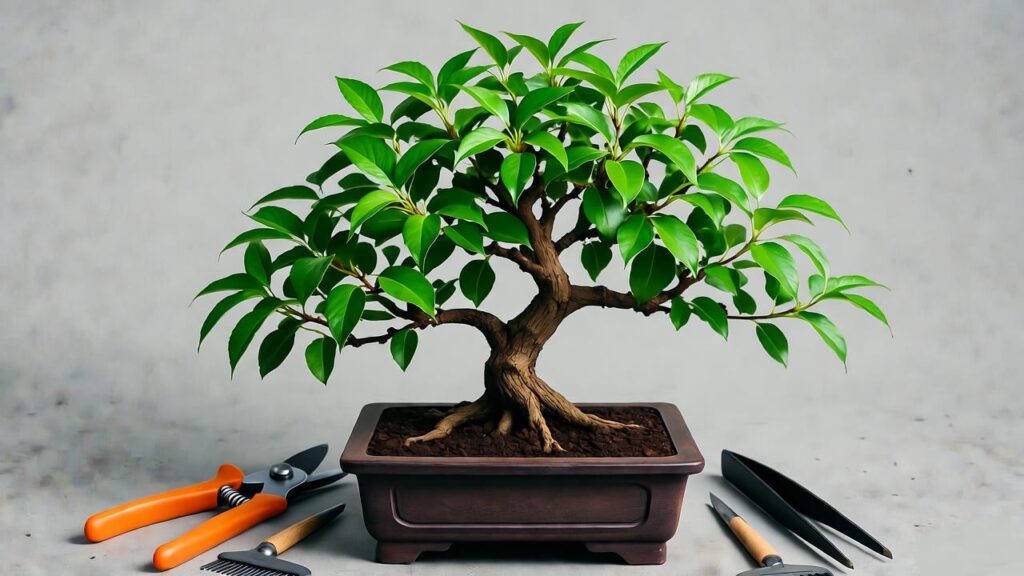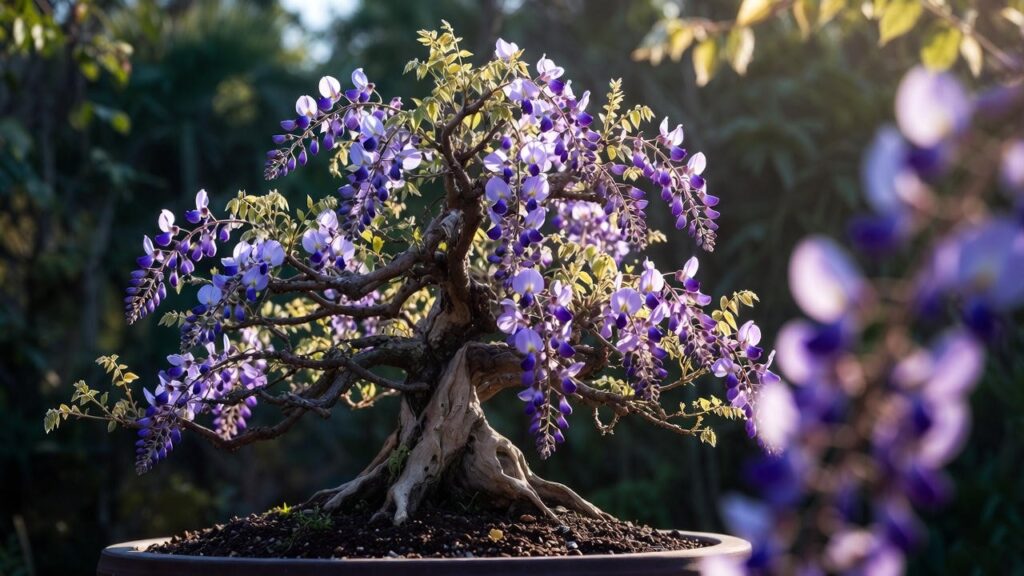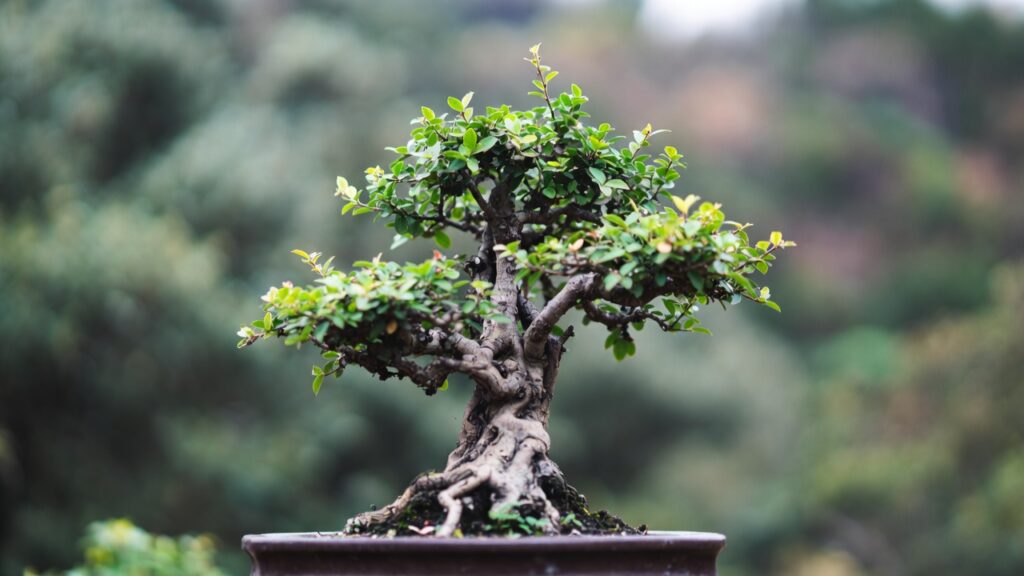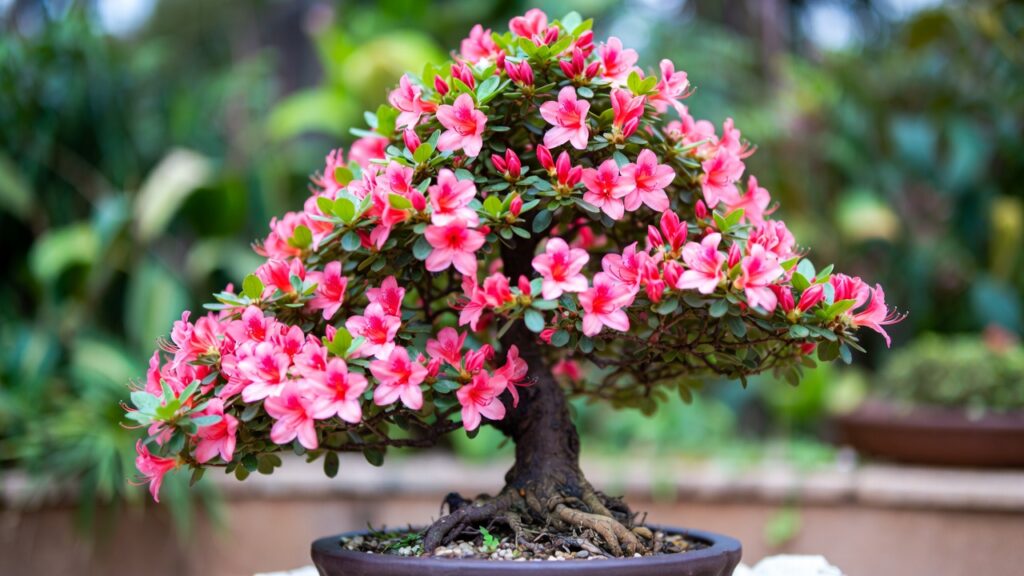
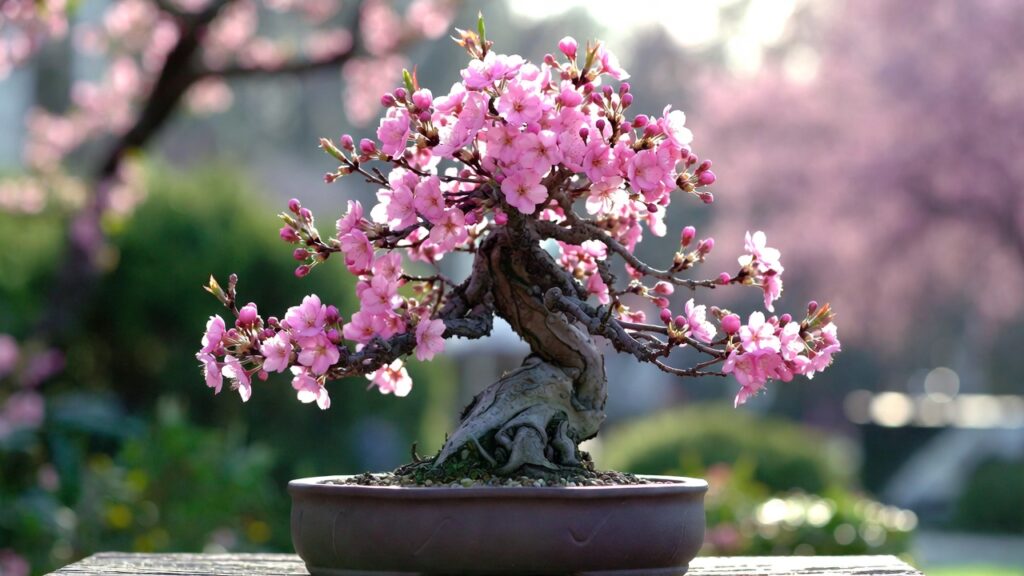
Few indoor plants stop people in their tracks. A healthy sakura bonsai, covered in delicate pink blossoms, does exactly that. It transforms a simple room into a living work of art — one that reflects patience, skill, and harmony with nature.
But here’s the truth most guides won’t tell you: growing a sakura bonsai indoors is not the same as caring for a typical houseplant. Many enthusiasts bring one home expecting easy maintenance — only to face leaf drop, no blooms, or even tree loss within the first year.
This guide is different.
Drawing from practical bonsai cultivation principles and real indoor growing experience, you’ll learn exactly how to grow, maintain, and encourage blooming in your cherry blossom bonsai indoors — even if you’ve struggled before. Whether you’re a committed indoor gardener or expanding into bonsai artistry, this comprehensive guide will help you avoid costly mistakes and cultivate long-term success.
What Is a Sakura Bonsai? Understanding the Tree Before You Grow It
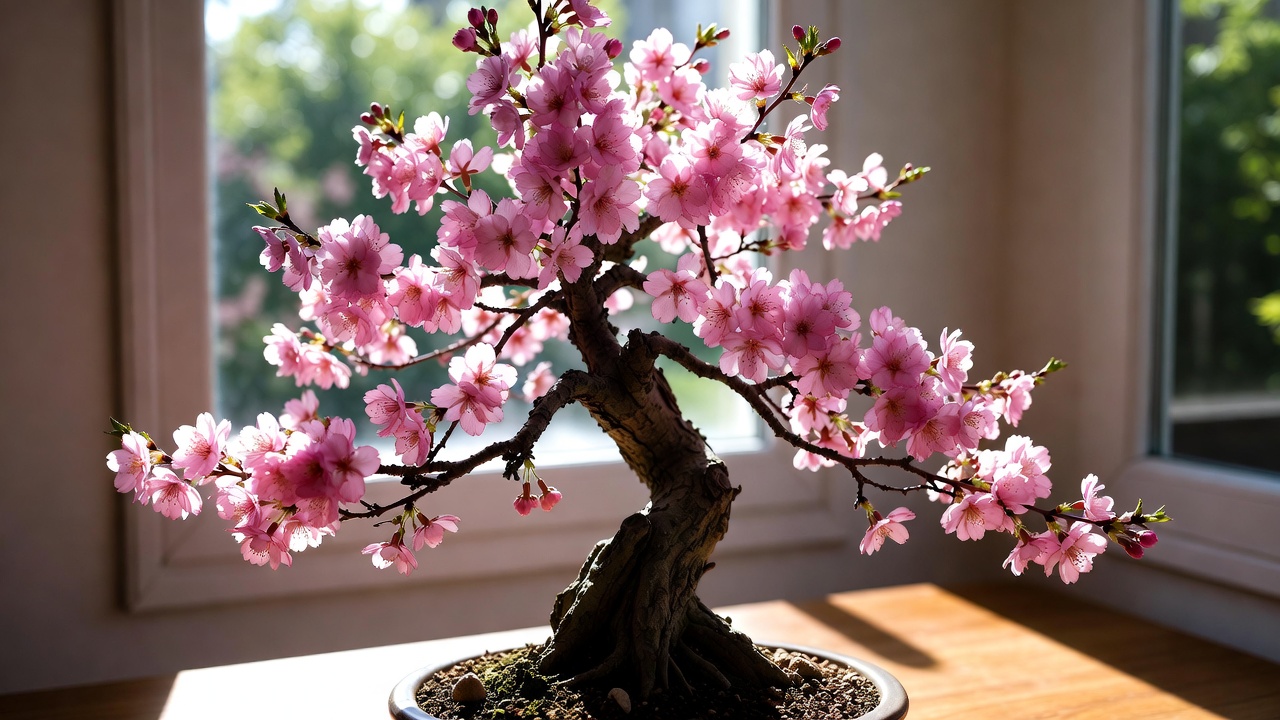
Before discussing watering schedules or pruning techniques, it’s essential to understand what you’re actually growing.
The Meaning and Cultural Significance of Sakura
“Sakura” refers to Japanese cherry blossoms, most famously associated with spring in Japan. In traditional Japanese culture, cherry blossoms symbolize:
-
Renewal
-
The fleeting nature of life
-
Beauty and impermanence
When cultivated as bonsai, sakura represents a miniature embodiment of seasonal rhythm and artistic balance.
However, despite its cultural roots, a sakura bonsai is still a living temperate tree — not a tropical indoor plant. Understanding this distinction is critical to keeping it alive indoors.
Botanical Background: Species Commonly Used
Several cherry species are used to create sakura bonsai, including:
-
Prunus serrulata (Japanese flowering cherry)
-
Prunus incisa
-
Prunus subhirtella
These trees are naturally:
-
Deciduous
-
Temperate-climate species
-
Dependent on winter dormancy
-
Seasonal bloomers
Unlike common indoor plants such as pothos or snake plants, cherry blossom bonsai require seasonal temperature changes to complete their biological cycle.
Can Sakura Bonsai Really Grow Indoors?
This is one of the most misunderstood aspects.
Technically, yes — but not as a permanent indoor plant year-round.
Sakura bonsai need:
-
Strong light
-
Seasonal dormancy (cold period)
-
Air circulation
-
Temperature fluctuation
Most successful growers treat them as outdoor trees that are displayed indoors temporarily, especially during bloom season.
If you plan to grow your sakura bonsai indoors full-time, you must simulate outdoor conditions strategically — especially winter dormancy.
Is Sakura Bonsai Right for Your Indoor Space?
Not every home environment is suitable. Assessing your conditions honestly can prevent disappointment.
Ideal Indoor Growing Conditions Checklist
Your indoor space should offer:
✔ A south-facing or west-facing window
✔ 6–8 hours of strong light daily
✔ Winter temperatures between 35–50°F (2–10°C) for dormancy
✔ Moderate humidity (40–60%)
✔ Good airflow
If you cannot provide dormancy conditions, flowering will decline year after year.
Who Should (and Shouldn’t) Grow a Sakura Bonsai
Ideal for:
-
Intermediate plant owners
-
Bonsai enthusiasts
-
Those willing to move the tree outdoors periodically
Not ideal for:
-
People seeking a low-maintenance houseplant
-
Homes with consistently warm temperatures year-round
-
Spaces with very low natural light
Sakura bonsai reward attentive growers — not passive ones.
How to Choose a Healthy Sakura Bonsai
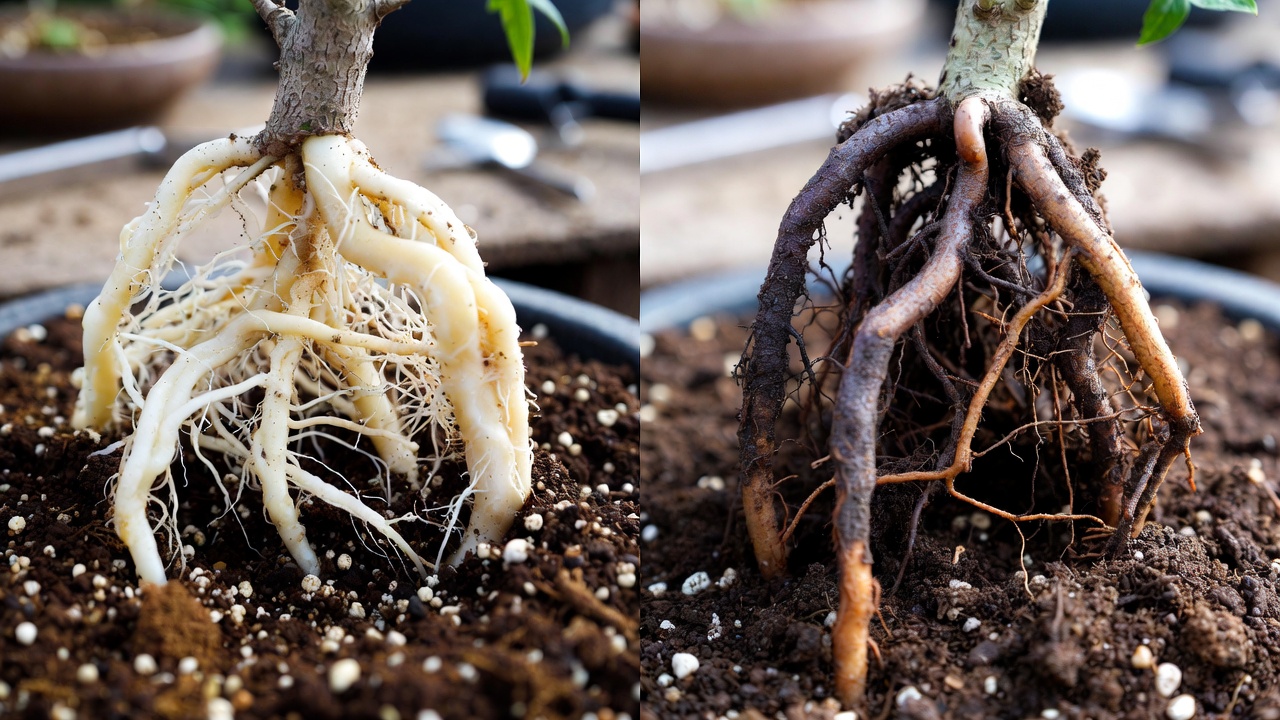
Your success begins at purchase.
What to Look for When Buying
Inspect carefully for:
-
Firm, evenly distributed roots (no foul odor)
-
Smooth bark without cracking
-
Healthy branch structure
-
No blackened buds
-
No visible pests (aphids, scale, spider mites)
Avoid trees that:
-
Have dry, brittle branches
-
Show signs of fungal spotting
-
Sit in soggy soil
A weak tree will struggle indoors.
Nursery vs Online Purchase
Local nursery advantages:
-
Inspect tree health in person
-
Ask care questions
-
Avoid shipping shock
Online purchase considerations:
-
Check seller reviews
-
Confirm species name
-
Avoid winter shipping in freezing conditions
-
Allow recovery time after delivery
If possible, purchase in late winter before spring growth begins.
The Ultimate Indoor Care Guide for Sakura Bonsai
Now we move into the most important section: practical care.
Light Requirements (Critical for Flowering)
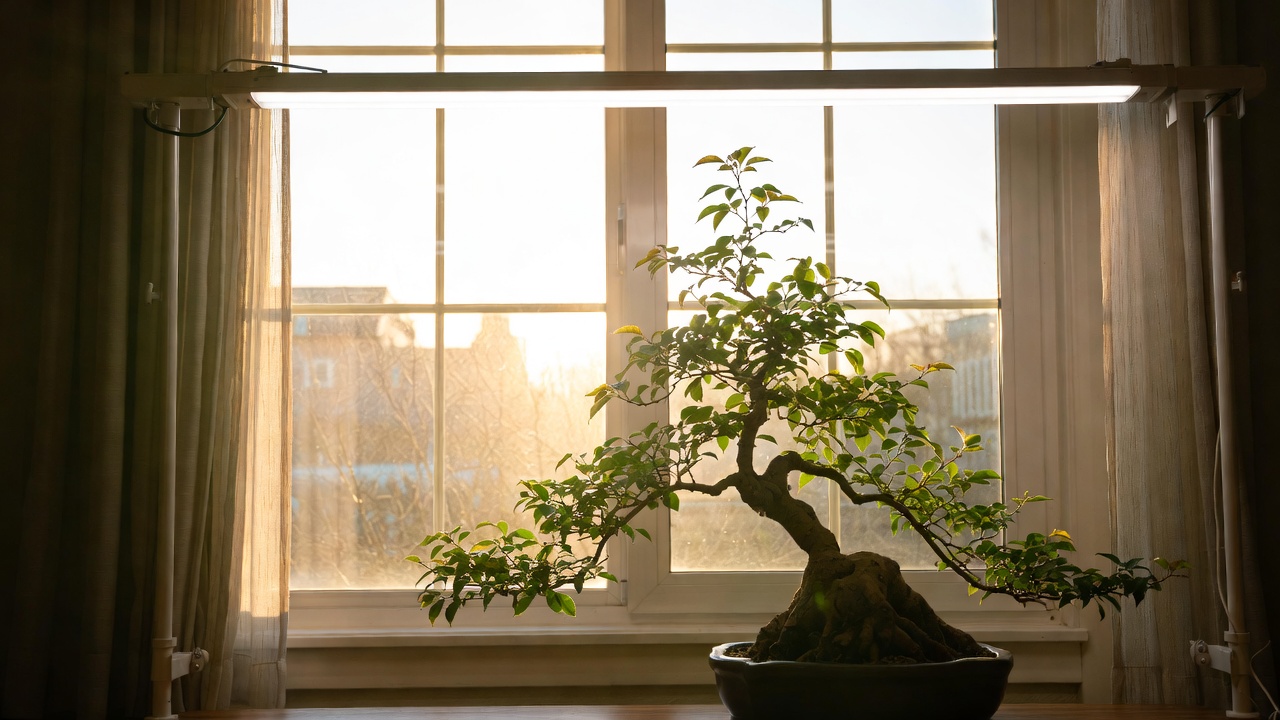
Light is the number one factor in indoor sakura bonsai success.
Cherry blossom bonsai require:
-
6–8 hours of direct sunlight daily
-
South-facing window preferred
-
Supplemental grow lights if natural light is insufficient
If using grow lights:
-
Full-spectrum LED
-
Positioned 12–18 inches above canopy
-
12–14 hours per day during active growth
Insufficient light leads to:
-
Leggy growth
-
Poor bud formation
-
No flowering
Light quality directly impacts bloom production.
Watering Schedule and Technique
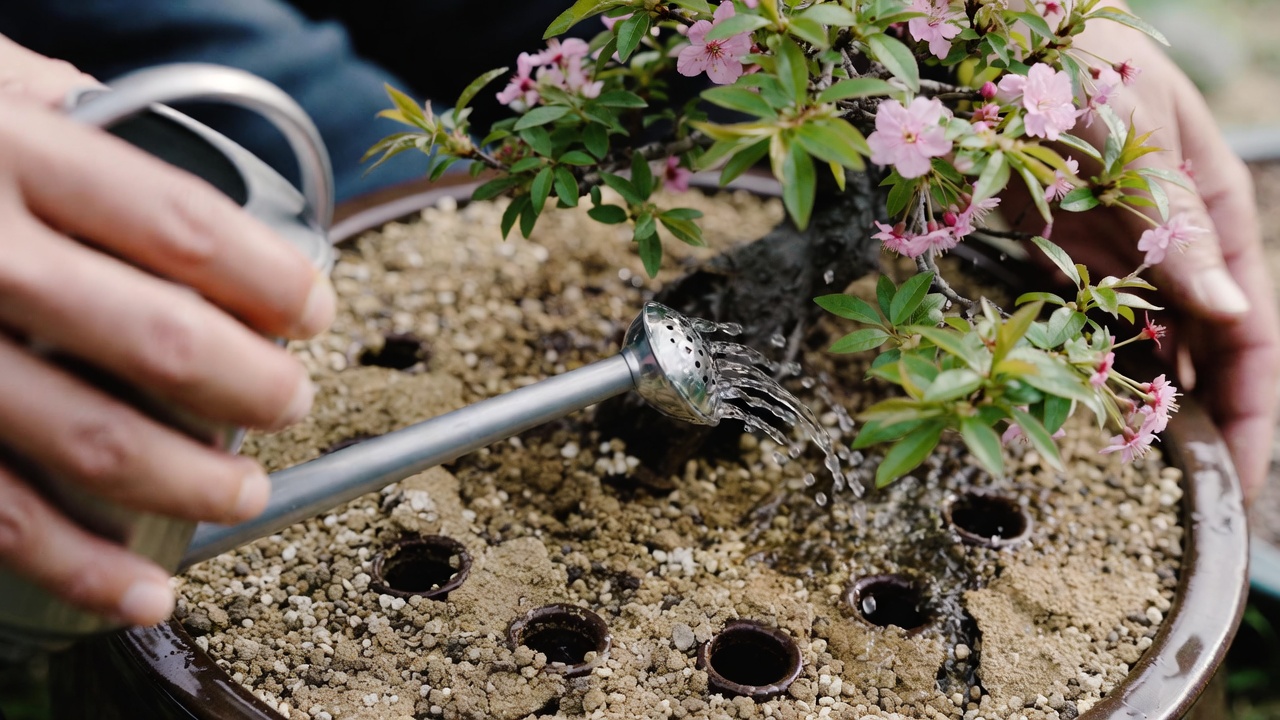
Overwatering kills more sakura bonsai than underwatering.
Best practice:
-
Check soil daily.
-
Water thoroughly when top 1 inch feels slightly dry.
-
Ensure water drains freely from drainage holes.
-
Never allow standing water in tray.
During:
-
Spring/summer: more frequent watering
-
Autumn: gradually reduce
-
Winter dormancy: minimal watering
Use room-temperature water to avoid shocking roots.
Best Soil for Sakura Bonsai
Standard potting soil will suffocate roots.
Use a well-draining bonsai mix containing:
-
Akadama
-
Pumice
-
Lava rock
-
Pine bark fines (optional)
Ideal characteristics:
-
Fast drainage
-
Good aeration
-
Moderate moisture retention
Repot every 2–3 years to refresh soil structure.
Temperature and Dormancy Needs
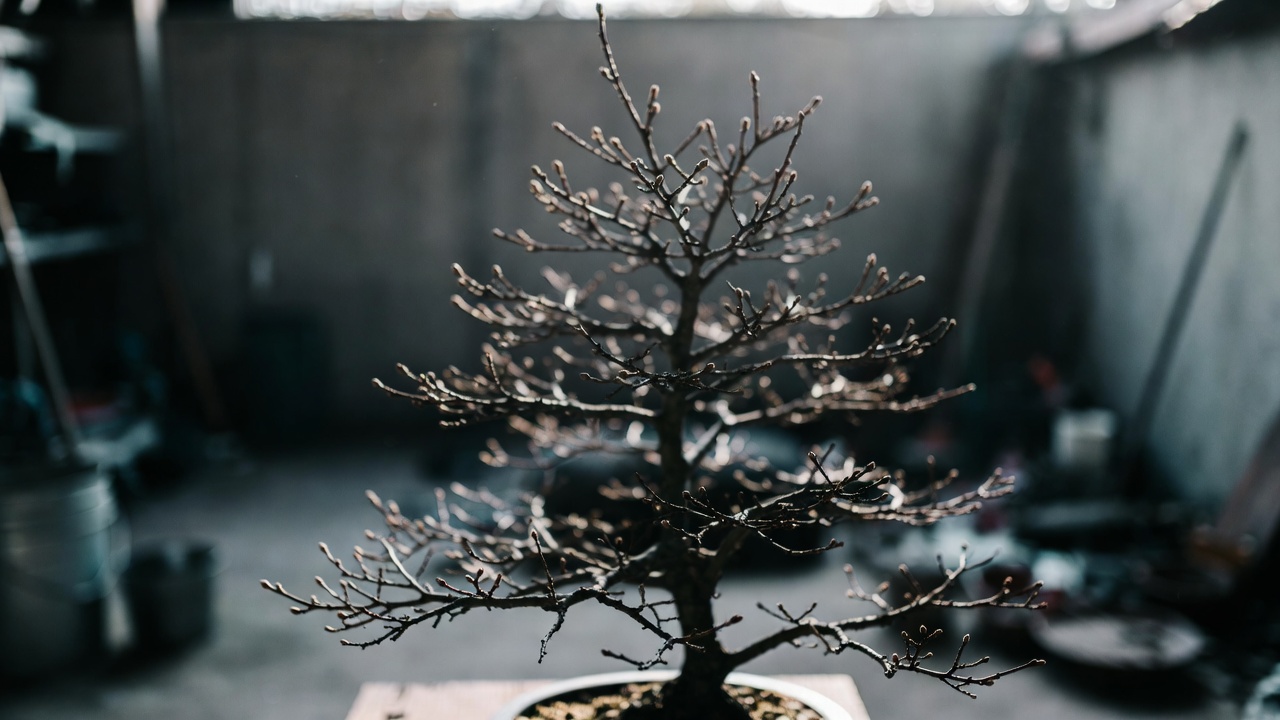
This is where most indoor growers fail.
Sakura bonsai require:
-
Cold dormancy (8–12 weeks)
-
Temperatures between 35–50°F (2–10°C)
Without dormancy:
-
Flower buds fail to develop
-
Tree weakens
-
Long-term decline occurs
Options for dormancy:
-
Unheated garage (above freezing)
-
Cold frame
-
Outdoor protected balcony
-
Refrigerated dormancy (advanced technique only)
Never keep the tree in a warm living room all winter.
Humidity and Airflow Management
Indoor heating dries air significantly.
Ideal humidity: 40–60%
You can increase humidity by:
-
Using pebble trays
-
Running a humidifier nearby
-
Grouping plants together
Avoid misting blossoms directly — it encourages fungal disease.
Good airflow prevents:
-
Powdery mildew
-
Aphid infestations
-
Fungal leaf spots
How to Encourage Blooming in Your Sakura Bonsai
The ultimate goal: flowers.
Why Your Sakura Bonsai Isn’t Flowering
Common reasons include:
-
Insufficient winter dormancy
-
Inadequate light exposure
-
Over-pruning
-
Excess nitrogen fertilizer
Cherry blossoms form on older wood. Pruning incorrectly removes next season’s buds.
Fertilizing for Healthy Blossoms
Use a balanced fertilizer (e.g., 10-10-10) during active growth.
Schedule:
-
Begin after flowering
-
Feed every 2–4 weeks during spring/summer
-
Stop feeding in late summer
Avoid high-nitrogen fertilizers before blooming season.
Pruning Techniques to Promote Flower Production
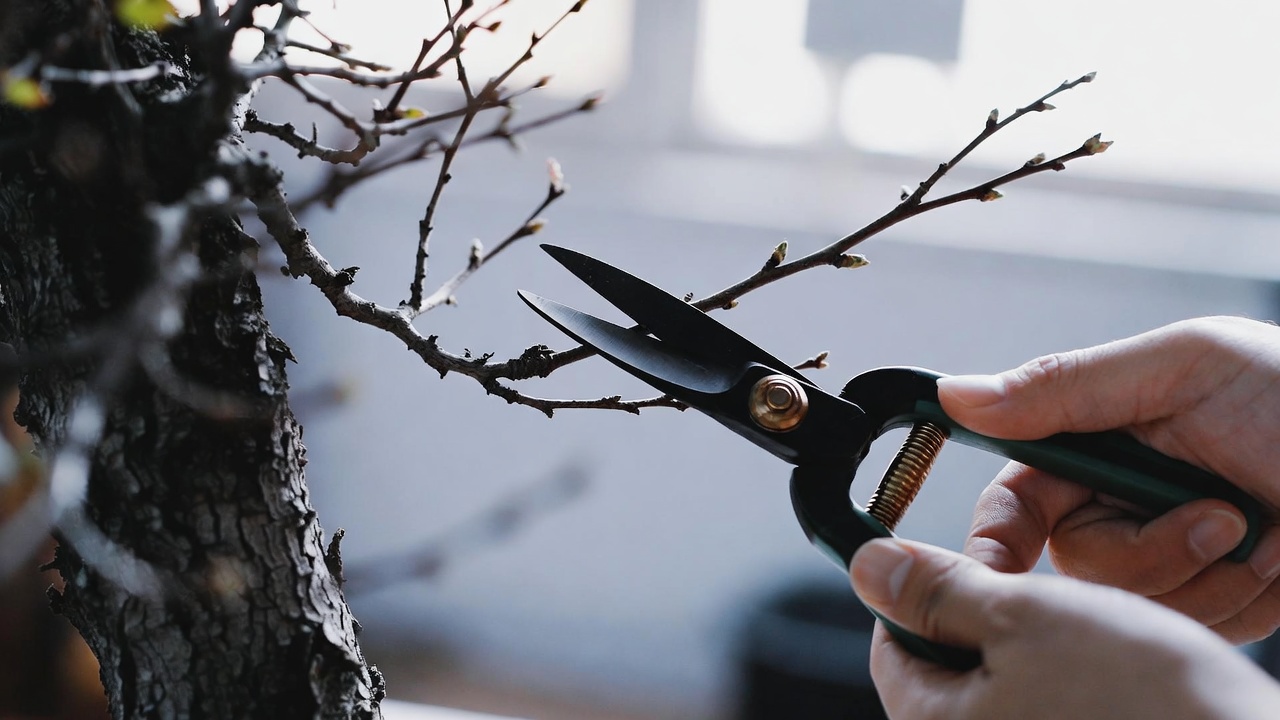
There are two types:
Structural pruning (late winter):
-
Shapes overall design
-
Remove crossing branches
Maintenance pruning (after bloom):
-
Shorten new growth
-
Encourage ramification
Never heavily prune right before flowering.
Repotting and Root Care
Healthy roots equal healthy blooms.
When to Repot
Repot:
-
Every 2–3 years
-
Early spring before buds open
-
When roots circle container
Signs of root-bound tree:
-
Water runs straight through
-
Slowed growth
-
Roots visible at surface
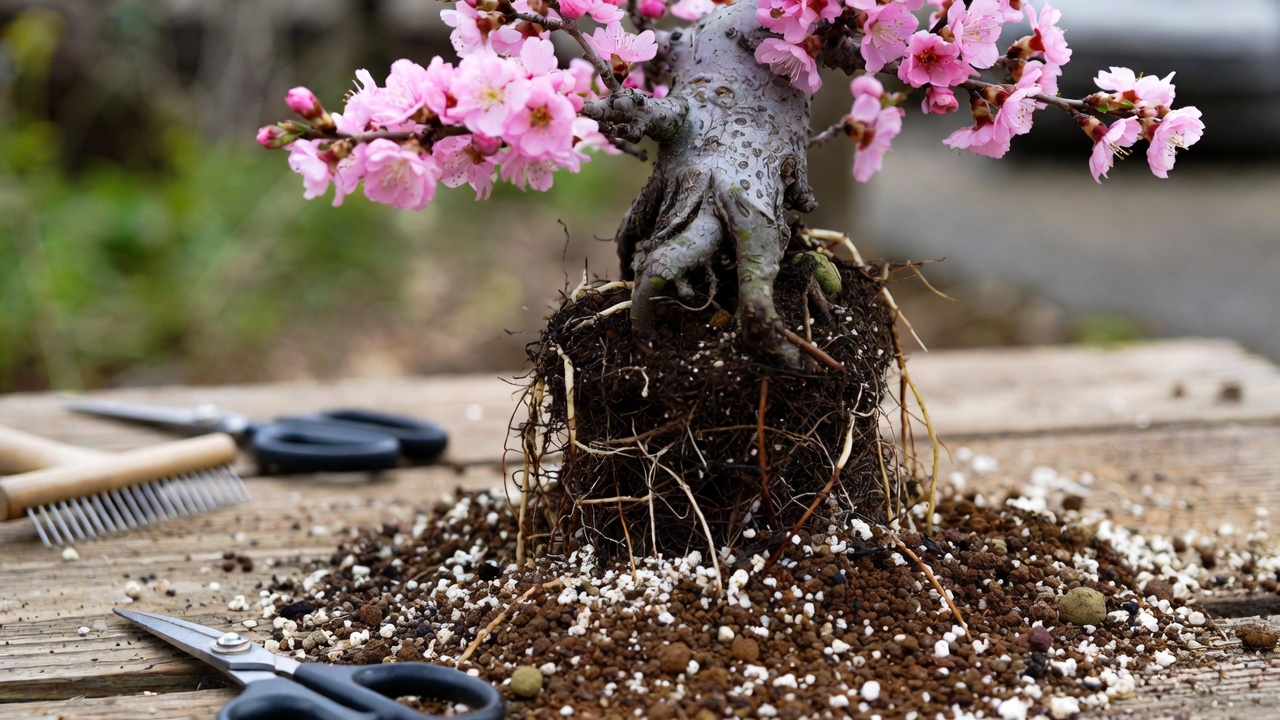
Step-by-Step Repotting Guide
-
Remove tree carefully.
-
Trim up to 30% of roots.
-
Remove old compacted soil.
-
Place fresh bonsai mix.
-
Water thoroughly.
-
Keep in shade for 1–2 weeks.
Avoid fertilizing immediately after repotting.
Common Sakura Bonsai Problems (And How to Fix Them)
Yellowing Leaves
Cause: Overwatering or poor drainage
Solution: Improve soil aeration, adjust watering frequency
Leaf Drop
Cause: Sudden temperature shift
Solution: Maintain stable environment
No Blooms
Cause: Lack of dormancy
Solution: Provide proper winter cold period
Pests
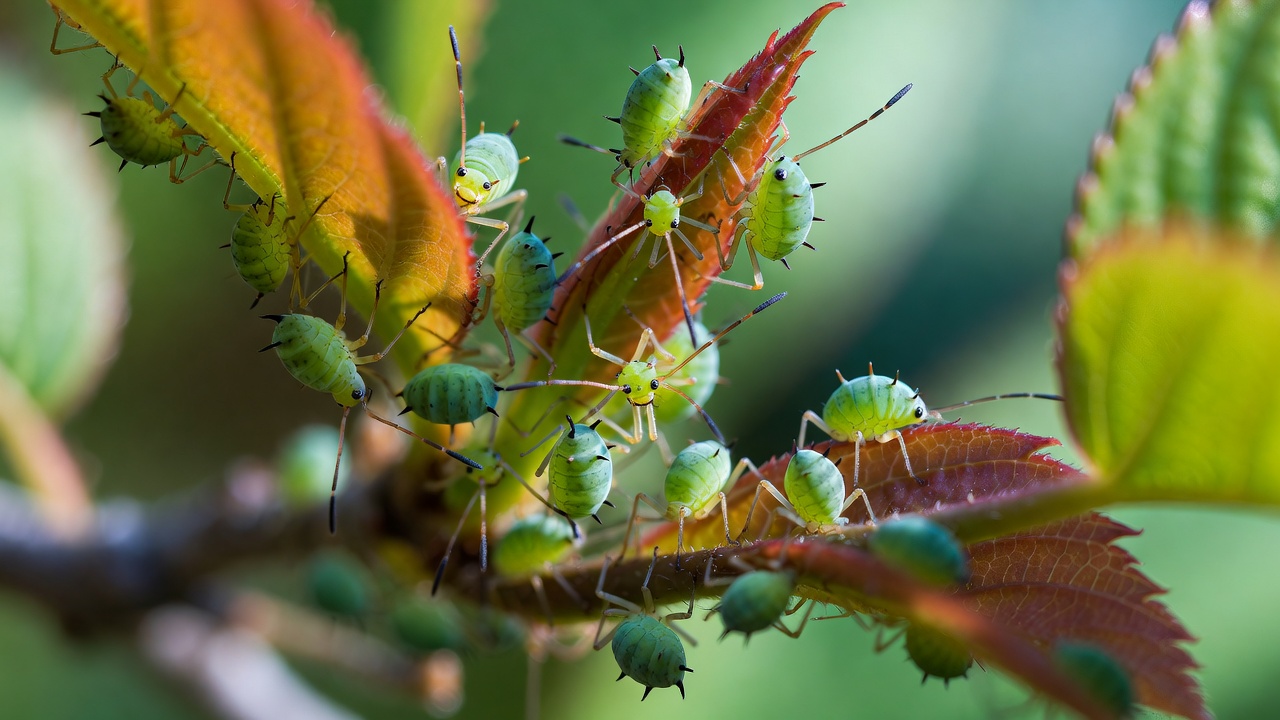
Watch for:
-
Aphids
-
Spider mites
-
Scale insects
Treat early using:
-
Neem oil
-
Insecticidal soap
-
Manual removal
Seasonal Care Calendar for Sakura Bonsai (Indoor Growers)
One of the most powerful ways to master sakura bonsai care is to think seasonally. Cherry blossom bonsai follow a natural biological rhythm. When you align your indoor care with that rhythm, the tree thrives.
Below is a practical, expert-informed seasonal breakdown.
Spring: Awakening and Bloom
What’s happening biologically:
Bud break, flowering, and the beginning of active growth.
Your priorities:
-
Gradually reintroduce the tree to brighter light
-
Resume regular watering
-
Begin light fertilization after blooming
-
Monitor for aphids (they love fresh growth)
If you moved the tree to cold storage for dormancy, reintroduce it gradually to indoor conditions. Sudden temperature shifts can shock developing buds.
Pro tip:
Avoid rotating the tree while in bloom — sudden directional light changes can cause premature flower drop.
Summer: Vigorous Growth Phase
What’s happening biologically:
Leaf and branch expansion; energy storage for next year’s buds.
Care focus:
-
Ensure maximum light exposure
-
Water more frequently
-
Fertilize every 2–4 weeks
-
Prune lightly to maintain shape
-
Watch for spider mites in dry indoor air
If possible, summer is the best time to place your sakura bonsai outdoors in partial sun. Outdoor airflow dramatically improves tree strength.
Warning:
Indoor air conditioning can dry leaves quickly. Increase humidity if leaf edges brown.
Autumn: Preparation for Dormancy
What’s happening biologically:
Energy shifts from growth to storage. Leaves begin to yellow and drop.
Your tasks:
-
Gradually reduce fertilizing
-
Decrease watering frequency
-
Stop pruning
-
Prepare dormancy location
Do not panic when leaves fall — this is normal for deciduous bonsai.
Winter: Essential Dormancy Period
What’s happening biologically:
Metabolic slowdown. Bud formation for next spring.
This stage determines whether your sakura bonsai will bloom.
Dormancy checklist:
-
Maintain 35–50°F (2–10°C)
-
Keep soil slightly moist, never soaked
-
Provide darkness or low light
-
Protect from hard freezing
Many indoor growers fail here by keeping the tree in a heated room. Without cold dormancy, flowering declines significantly over time.
Styling and Shaping Your Sakura Bonsai
A sakura bonsai is not just a plant — it’s living sculpture. Proper styling enhances beauty and encourages balanced growth.
Popular Bonsai Styles for Cherry Blossom Trees
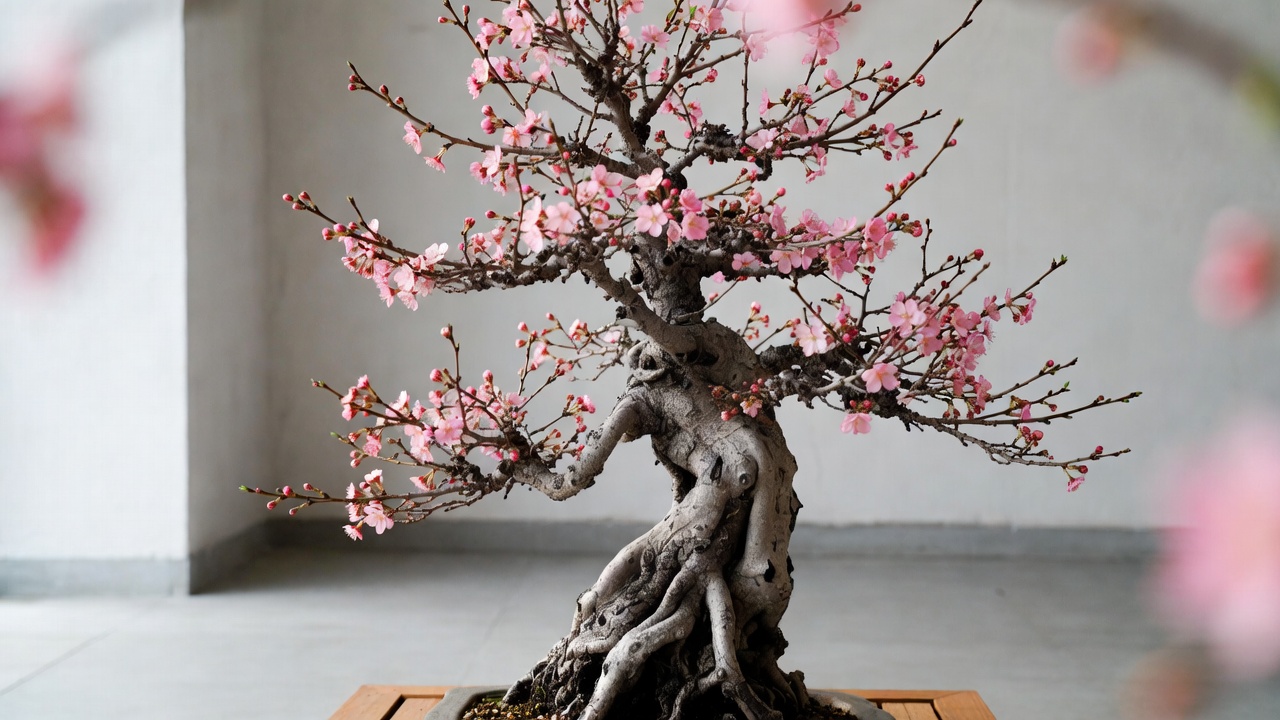
Informal Upright (Moyogi)
Gentle trunk curves — natural and elegant.
Slanting (Shakan)
Trunk angled, suggesting wind influence.
Cascade (Kengai)
Branches flow downward below pot level.
Cherry blossom bonsai look especially graceful in informal upright forms due to their delicate blooms.
Wiring Techniques for Beginners
Wiring shapes branches carefully.
When to wire:
-
Late autumn or early winter (after leaf drop)
Basic steps:
-
Use anodized aluminum bonsai wire.
-
Wrap at 45-degree angle.
-
Avoid tight coils.
-
Monitor weekly.
Remove wire within 2–3 months to prevent bark scarring.
Never wire during flowering — branches are more fragile.
Indoor Sakura Bonsai vs Outdoor Growth: Key Differences
Understanding this comparison clarifies expectations.
| Factor | Indoor Growth | Outdoor Growth |
|---|---|---|
| Light intensity | Often limited | Naturally strong |
| Dormancy | Must be simulated | Occurs naturally |
| Flower quality | Good (if managed well) | Typically superior |
| Pest exposure | Lower overall | Higher |
| Maintenance | Higher monitoring | More forgiving |
Expert Recommendation:
For best long-term health, treat sakura bonsai as primarily outdoor trees with seasonal indoor display during bloom.
Frequently Asked Questions About Sakura Bonsai
How long does a sakura bonsai live?
With proper care, cherry blossom bonsai can live decades — even 50+ years. Longevity depends heavily on correct dormancy cycles and root maintenance.
How big does it grow indoors?
Most sakura bonsai remain between 8–24 inches tall, depending on pruning and container size.
Can I grow sakura bonsai from seed?
Yes, but it requires:
-
Cold stratification
-
Several years of shaping
-
Patience before flowering
Most indoor growers prefer pre-trained nursery trees.
Why are the flowers falling off quickly?
Possible causes:
-
Sudden temperature shift
-
Low humidity
-
Overwatering
-
Moving tree during bloom
Keep the tree stable while flowering.
Is sakura bonsai safe for pets?
Cherry trees contain compounds that can be toxic if ingested in large quantities. Keep away from pets prone to chewing plants.
Expert Tips for Long-Term Success
After years of indoor bonsai cultivation, several principles consistently lead to thriving sakura bonsai:
1. Track Seasonal Changes
Keep a simple care journal:
-
Bloom dates
-
Dormancy start
-
Fertilizer schedule
-
Repotting year
Patterns improve over time.
2. Avoid Overwatering at All Costs
If unsure whether to water — wait one day.
Root rot is the fastest way to lose a sakura bonsai indoors.
3. Invest in Proper Tools
-
Sharp bonsai pruning shears
-
Root rake
-
Moisture meter (optional)
-
Quality grow light
Good tools reduce stress on the tree.
4. Respect Dormancy
This cannot be overstated. Dormancy is not optional — it is biologically required.
If flowering declines year after year, review your winter conditions first.
5. Observe Before Reacting
Leaves yellowing?
Check soil before watering.
No blooms?
Review last winter’s dormancy.
Act thoughtfully, not reactively.
Final Thoughts: Bringing Cherry Blossom Beauty Into Your Indoor Garden
A thriving sakura bonsai is not just decoration — it’s a living reflection of seasonal balance. When cared for properly, it rewards you with breathtaking blossoms that rival full-sized cherry trees.
The key to success lies in understanding one simple truth:
Sakura bonsai are temperate trees adapted to seasons — not conventional houseplants.
Provide:
-
Strong light
-
Proper watering
-
Well-draining soil
-
Careful pruning
-
And most importantly — winter dormancy
Do that consistently, and your indoor cherry blossom bonsai can flourish for decades.
Growing sakura bonsai indoors requires patience and attentiveness — but the moment those soft pink blooms open in early spring, you’ll understand why generations of bonsai artists consider it one of the most rewarding trees to cultivate.