Imagine a plant so quirky it looks like it was plucked straight from a fantasy movie — thick, tubular leaves that resemble tiny green horns or ears. That’s the Ogre Ear Succulent, a captivating and resilient indoor plant that’s taking the houseplant world by storm.
Known scientifically as Crassula ovata ‘Gollum’, this jade plant variety has become a favorite among plant lovers for its low-maintenance care requirements, unique alien-like shape, and ability to thrive indoors with minimal attention. If you’ve been searching for a houseplant that stands out from the crowd while still being beginner-friendly, the ogre ear succulent might be your perfect match.
In this complete care guide, you’ll learn exactly how to grow, maintain, and multiply this unusual succulent — plus expert strategies to prevent common problems, promote healthy growth, and ensure your plant stays vibrant for years to come.
Meet the Ogre Ear Succulent: What Makes It So Unique
What Is an Ogre Ear Succulent?
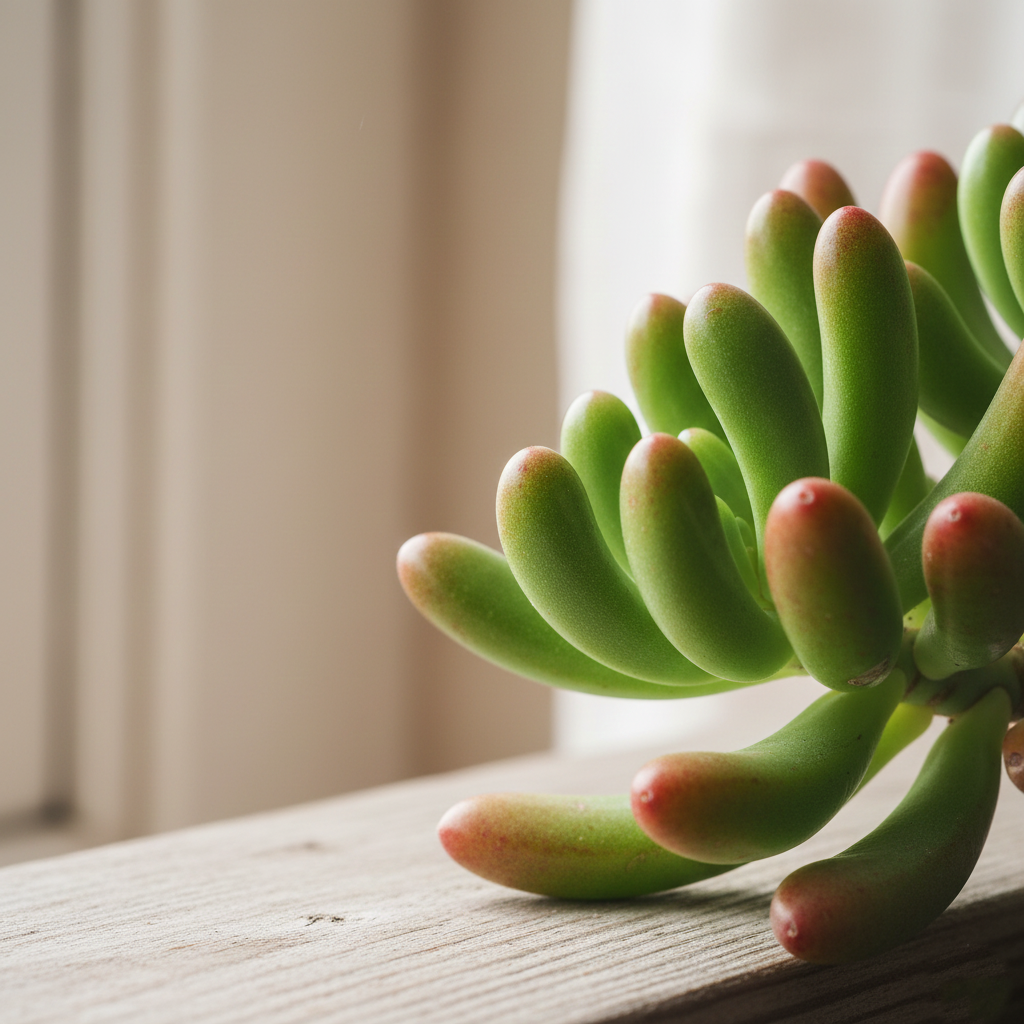
The Ogre Ear Succulent, also known as Crassula ovata ‘Gollum’, is a fascinating cultivar of the classic jade plant — part of the Crassulaceae family. Originating from South Africa, this species has evolved to store water in its fleshy leaves and stems, allowing it to survive long dry periods in the wild.
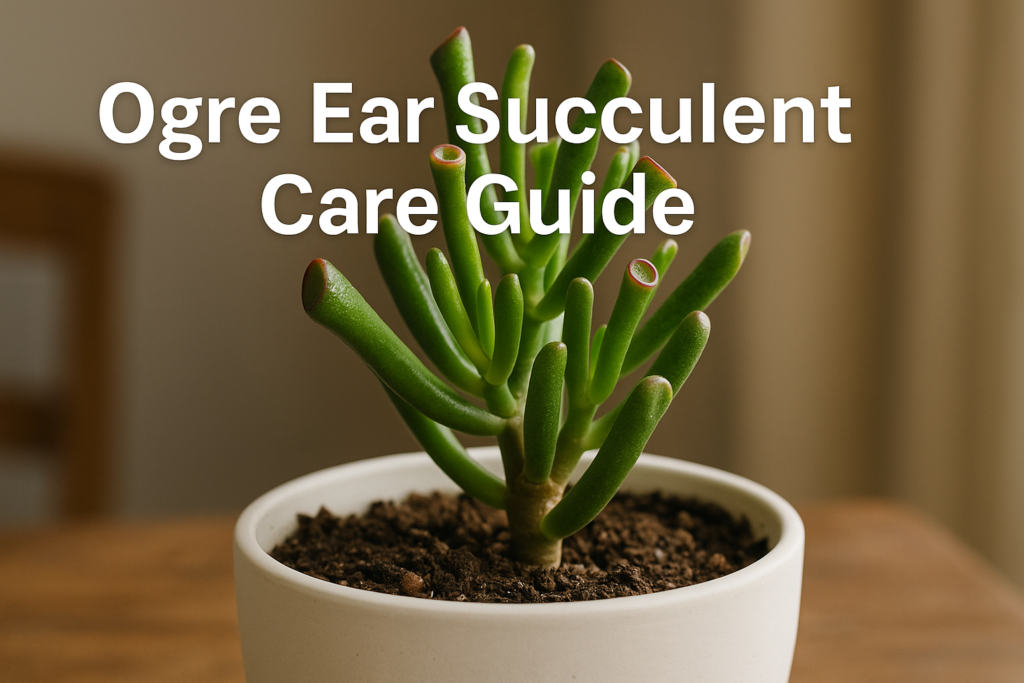
What truly sets this plant apart is its distinct leaf structure: long, tubular, trumpet-shaped leaves with reddish tips that resemble ogre or goblin ears — hence the name. The overall appearance is sculptural, making it a stunning centerpiece for desks, shelves, or windowsills.
Compared to its close relatives like Crassula ovata ‘Hobbit’ or Crassula ovata ‘Sunset’, the ‘Gollum’ variety features smoother, more cylindrical leaves and a tighter growth pattern, giving it a bold, architectural look.
Why It’s Called “Ogre Ear”
The nickname “Ogre Ear” or “Gollum Jade” stems from the plant’s whimsical resemblance to characters from folklore and fantasy. Its peculiar, finger-like leaves look like something straight out of a storybook — earning it both its playful name and a cult following among indoor gardeners and collectors.
But don’t let its mythical appearance fool you — this succulent is incredibly hardy, making it an excellent choice for beginners and experts alike.
Key Benefits of Growing an Ogre Ear Succulent Indoors
Beyond its novelty, the ogre ear succulent offers several real-world benefits that make it a worthy addition to any home or office:
1. Naturally Purifies Indoor Air
Like many succulents, Crassula ovata ‘Gollum’ helps purify the air by absorbing carbon dioxide and releasing oxygen, especially at night — improving indoor air quality in small spaces.
2. Easy to Maintain
It’s drought-tolerant, forgiving of occasional neglect, and resistant to most pests. Even if you’re a forgetful waterer, your plant will usually bounce back with minimal fuss.
3. Compact and Space-Saving
The plant grows slowly and typically reaches only 2–3 feet tall indoors, making it perfect for small apartments, desks, or windowsills.
4. Symbolism of Prosperity and Luck
In Feng Shui, jade plants symbolize wealth, growth, and good fortune. Placing your ogre ear succulent near an entryway or workspace is believed to attract prosperity and positive energy.
5. Long Lifespan
With the right care, this plant can live for decades, often becoming a cherished heirloom passed from one generation to the next.
Essential Care Requirements for a Thriving Ogre Ear Succulent
This is where the magic happens — and where most new plant parents either succeed or struggle. The ogre ear succulent may be hardy, but understanding its preferences for light, water, soil, and temperature will make the difference between a healthy, glowing plant and one that withers.
Light Requirements
Light is the lifeblood of your ogre ear succulent. This plant loves bright, indirect sunlight and thrives when placed near a south- or west-facing window. Ideally, it should receive at least 4–6 hours of light daily.
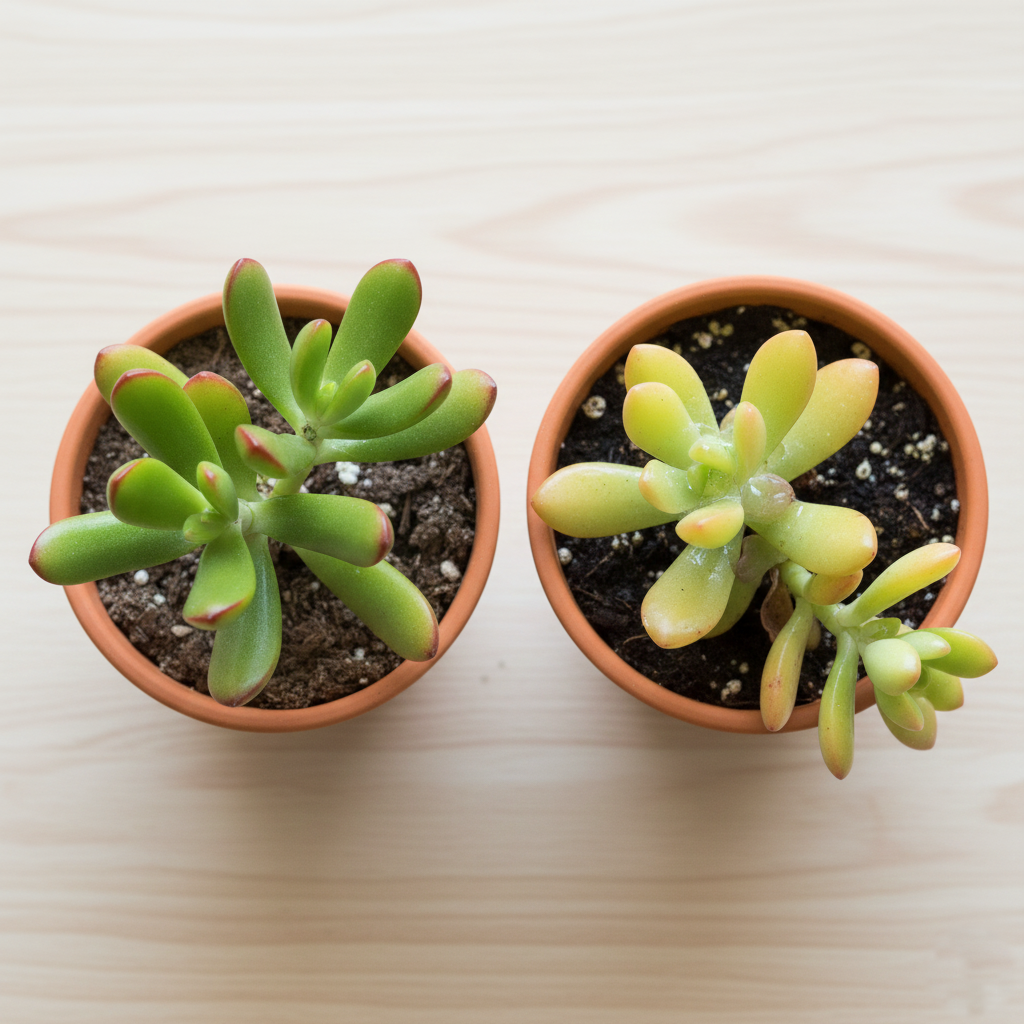
If the leaves start turning pale or elongated (a condition known as etiolation), it’s a sign your plant isn’t getting enough light. Conversely, if the leaf tips become overly red or the leaves start to scorch, it’s getting too much direct sun.
Watering Schedule and Technique
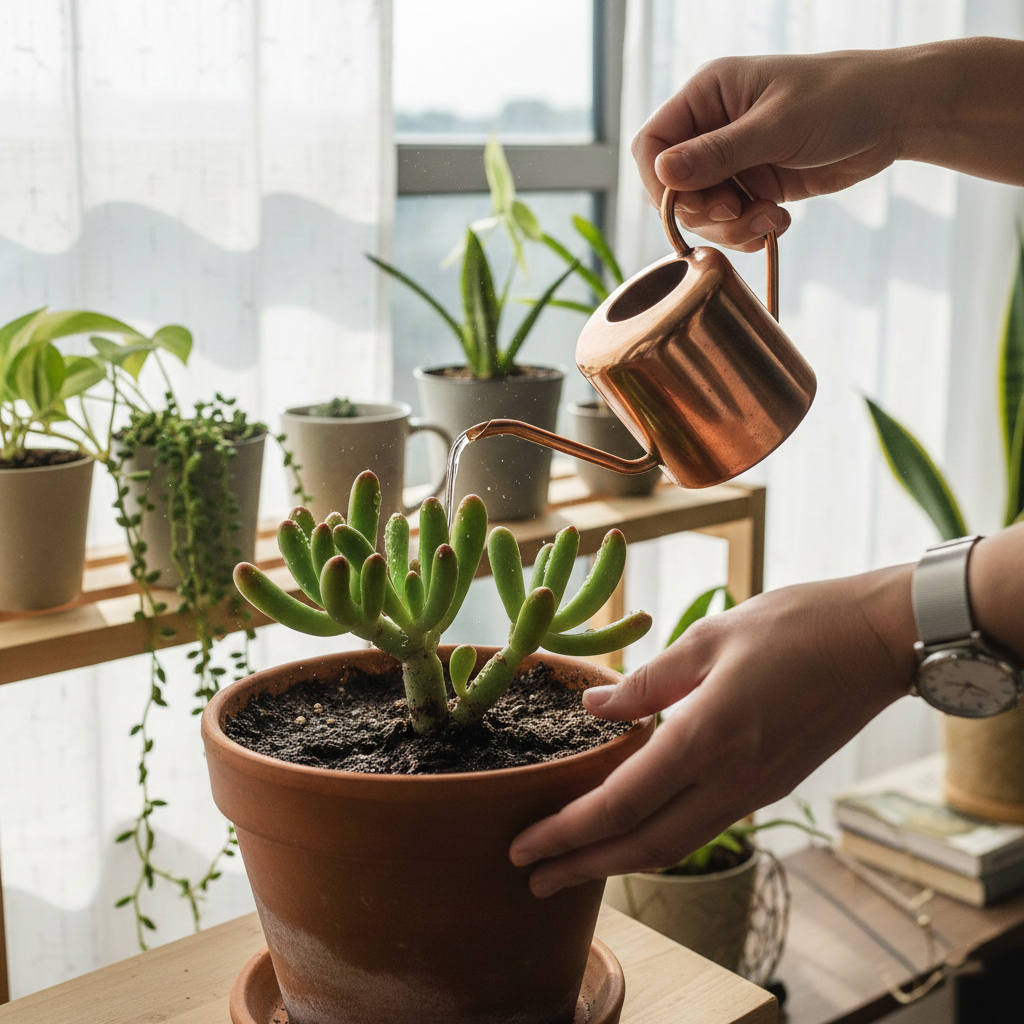
Overwatering is the number one cause of death in succulents — and the ogre ear is no exception. This plant prefers the “soak and dry” method: water thoroughly, then wait until the soil is completely dry before watering again.
In summer, this might mean watering every 10–14 days; in winter, every 3–4 weeks is usually sufficient. Always adjust based on the environment — indoor humidity, light exposure, and pot size can all influence how quickly soil dries out.
Avoid:
-
Leaving water sitting in the saucer.
-
Watering on a fixed schedule rather than checking soil moisture.
-
Mist-spraying (succulents prefer deep, infrequent watering).
Soil and Potting Mix
A well-draining soil mix is non-negotiable for succulents. For your ogre ear plant, use a cactus or succulent mix or create your own by combining:
-
2 parts potting soil
-
1 part perlite or pumice
-
1 part coarse sand
This ensures the roots stay oxygenated and prevents waterlogging — the most common cause of root rot.
When choosing a pot, opt for terracotta or unglazed clay, which allows the soil to dry faster. Always ensure the pot has a drainage hole.
Temperature and Humidity
The ogre ear succulent thrives in temperatures between 60°F and 75°F (15°C–24°C). It can tolerate short dips below 50°F but should never be exposed to frost. Indoors, maintain moderate humidity levels — avoid placing it near humidifiers or drafty windows.
In winter, keep the plant away from cold glass or heating vents, as sudden temperature changes can stress the leaves.
Fertilizing Tips
While not heavy feeders, ogre ear succulents appreciate a nutrient boost during their active growing season (spring through early fall).
-
Use a balanced, diluted succulent fertilizer once a month.
-
Stop feeding in winter, when growth naturally slows.
-
Avoid over-fertilizing — it can cause weak, leggy growth.
Organic options such as compost tea or worm castings can also enhance soil health naturally.
Common Problems and How to Fix Them
Even the toughest succulents can show signs of stress when their needs aren’t met. Understanding what your ogre ear succulent is trying to tell you is key to keeping it healthy. Below are the most common issues — and expert fixes for each.
Yellow or Mushy Leaves
Likely Cause: Overwatering or poor drainage.
When the roots sit in soggy soil for too long, they begin to rot, and the plant’s leaves turn yellow and feel soft or mushy to the touch.
How to Fix It:
-
Remove the plant from its pot and inspect the roots. Trim away any black, mushy areas.
-
Let the plant dry out for a day before repotting it in fresh, well-draining soil.
-
Adjust your watering frequency to the “soak and dry” method.
Wrinkled or Shriveled Leaves
Likely Cause: Underwatering or excessive heat exposure.
When deprived of water for too long, the plant begins using stored moisture from its leaves, causing them to shrivel.
Solution:
-
Water deeply and ensure the soil is evenly moist (but not soaked).
-
Move the plant out of harsh sunlight or hot spots near windows.
Dropping Leaves or Stunted Growth
Likely Causes: Poor lighting, nutrient deficiency, or temperature stress.
If your ogre ear succulent drops leaves suddenly or stops growing, it might be responding to inconsistent care.
Solution:
-
Move it to a brighter location with filtered light.
-
Feed monthly with a diluted succulent fertilizer during the growing season.
-
Maintain consistent indoor temperatures — avoid cold drafts.
Pest Infestations (Mealybugs, Aphids, Spider Mites)
Tiny white cotton-like spots or webbing on the leaves are common signs of pests.
How to Treat:
-
Isolate the plant immediately.
-
Wipe affected areas with a cotton swab dipped in rubbing alcohol.
-
For severe infestations, use an organic insecticidal soap or neem oil spray.
Propagation: How to Multiply Your Ogre Ear Succulent Easily
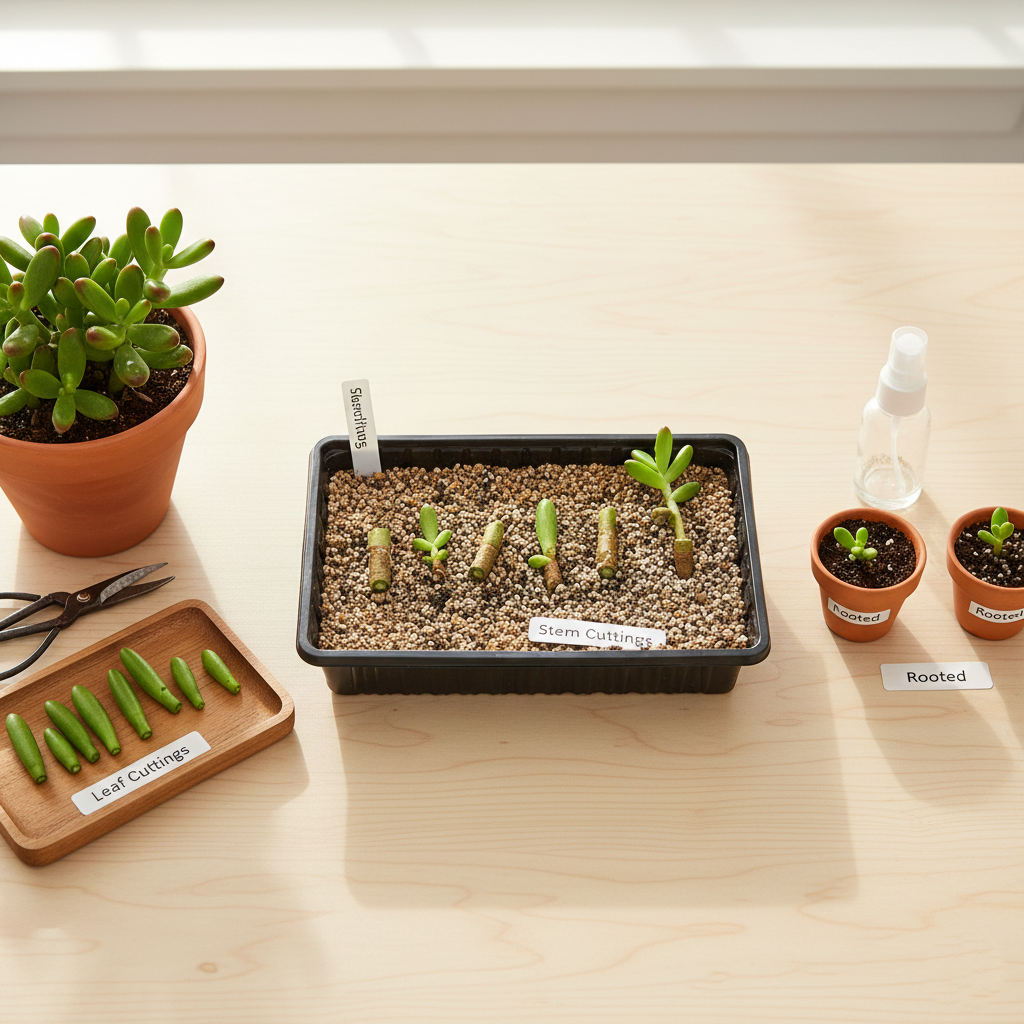
Propagating the ogre ear succulent is one of the most rewarding experiences for plant lovers. It’s a simple, low-cost way to expand your indoor garden or share plants with friends.
Propagating from Leaf Cuttings
-
Choose a healthy leaf and gently twist it off the stem, ensuring a clean break.
-
Let it callus over for 2–3 days in a dry area away from direct sunlight.
-
Place the calloused end on top of moist succulent soil — don’t bury it.
-
Mist lightly every few days until roots appear (usually within 2–3 weeks).
Once new baby rosettes form, reduce misting and water more deeply every 10–14 days.
Propagating from Stem Cuttings
This method produces faster results and stronger new plants.
-
Cut a 3–4 inch stem with several healthy leaves.
-
Allow it to dry and callus for 3–5 days.
-
Plant the stem in a small pot with well-draining soil.
-
Place in bright, indirect light and water sparingly until roots establish (around 2–4 weeks).
Tips for Propagation Success
-
Avoid overwatering — it’s better to keep soil slightly dry until new roots form.
-
Use a warm environment (around 70°F/21°C) for faster rooting.
-
Be patient — succulents take time to develop new growth.
Styling and Display Ideas for Ogre Ear Succulents
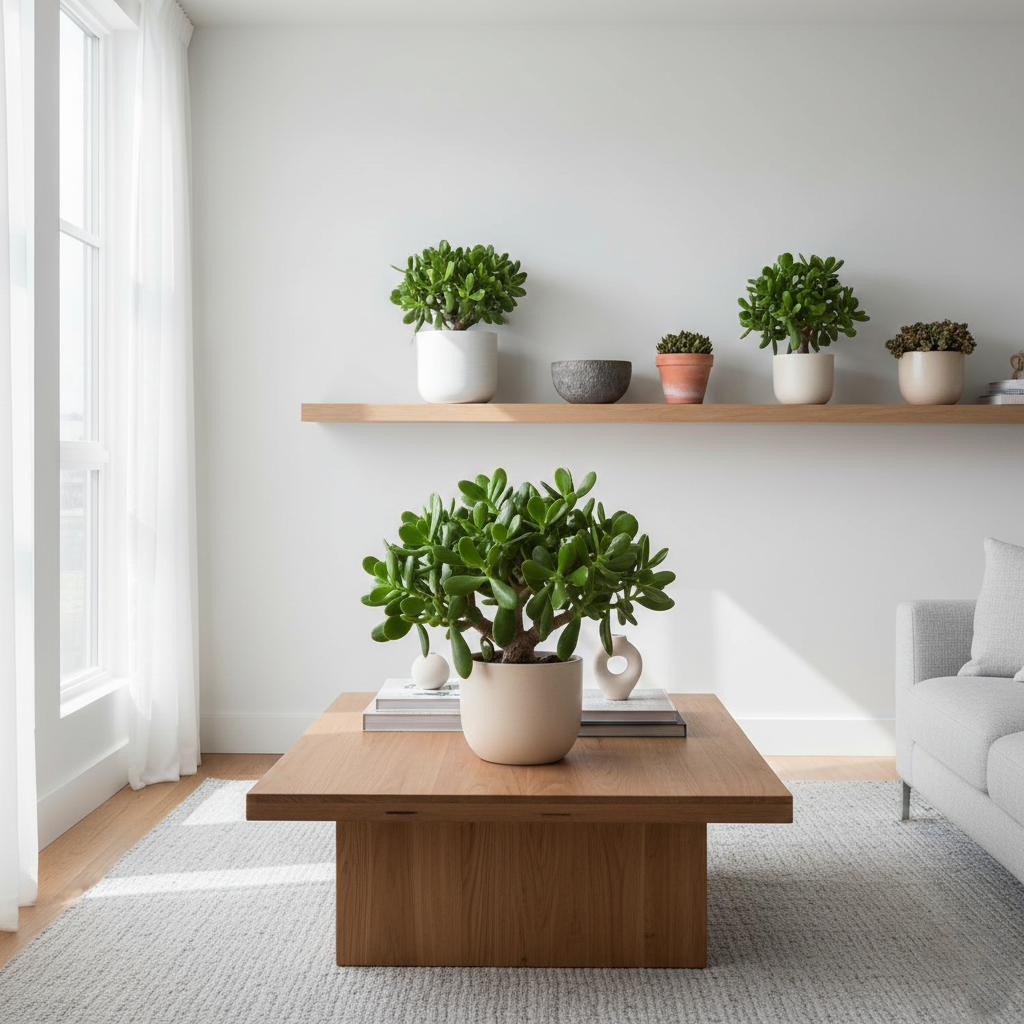
Because of its bold shape and texture, the ogre ear succulent doubles as both a houseplant and a living sculpture.
Creative Indoor Display Tips
-
Use minimalist white ceramic pots for a clean, modern look.
-
Add top dressing (small pebbles or crushed quartz) for contrast and to retain soil moisture.
-
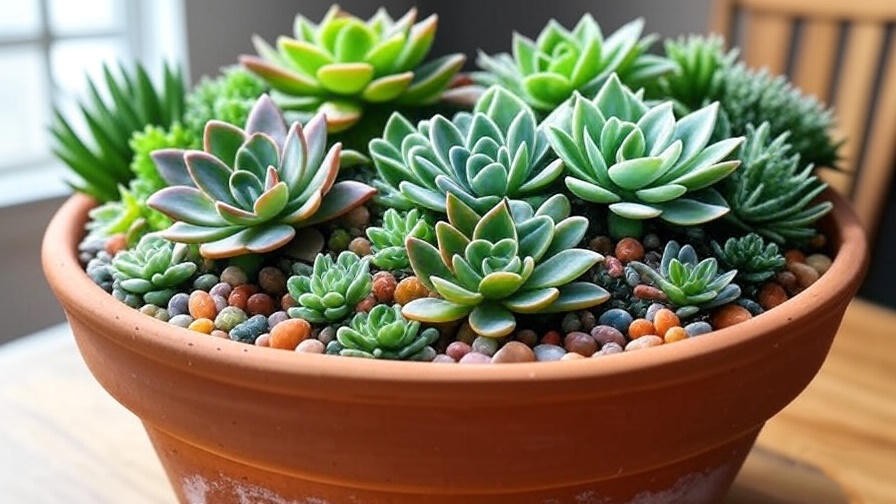
Combine multiple ogre ears in a shallow dish garden with cacti and stones for a desert aesthetic.
Companion Plants
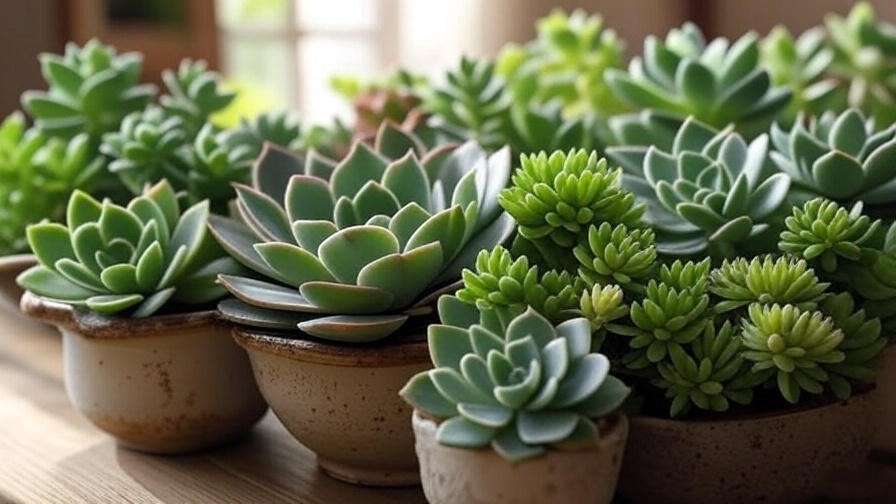
The ogre ear pairs beautifully with other succulents that have contrasting forms, such as:
-
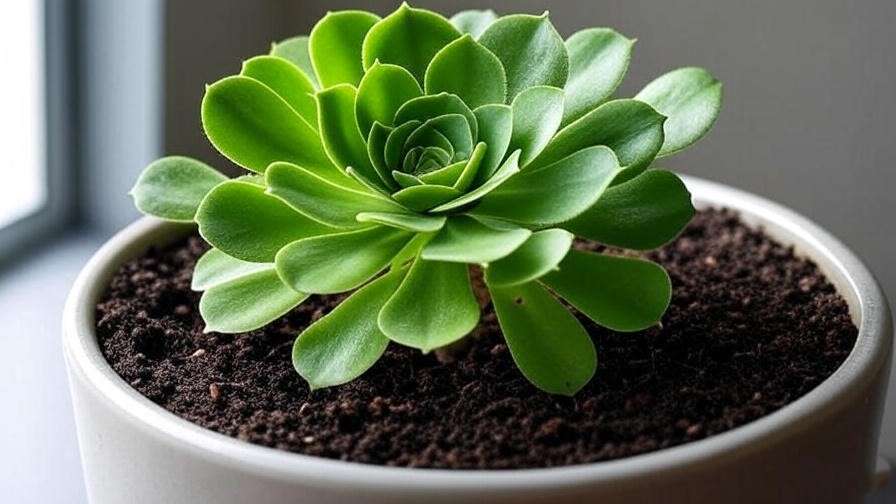
Echeveria (rosette-shaped)
-
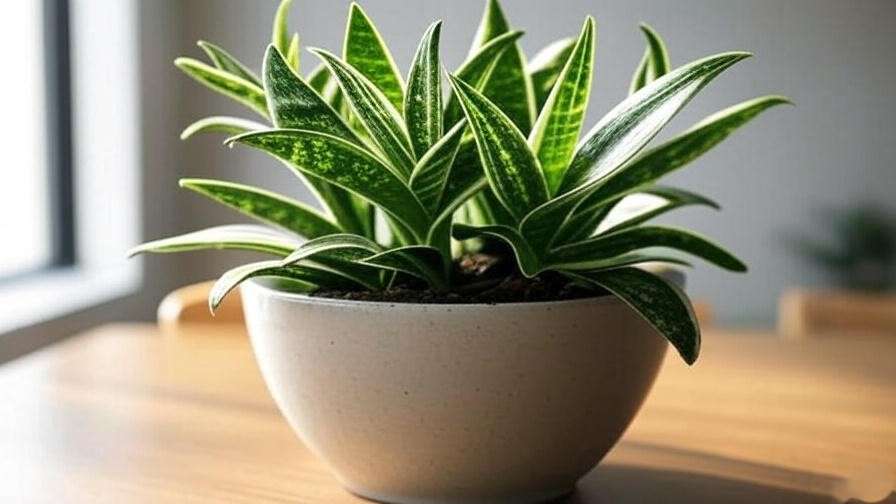
Haworthia (striped leaves)
-
Sedum burrito (trailing texture)
These combinations create balanced, visually interesting arrangements for tables, windowsills, or terrariums.
Feng Shui Placement for Prosperity
In Feng Shui tradition, jade plants represent wealth and positive energy flow. For best results:
-
Place your ogre ear succulent near the entrance or southeast corner of your home or workspace.
-
Avoid positioning it near bathrooms or cluttered areas.
-
Keep it healthy and vibrant to maintain the positive “chi.”
Seasonal Care Calendar
Succulents have different needs throughout the year. Here’s how to adapt your care routine season by season for optimal growth.
Spring and Summer Care
-
This is the active growing season — water regularly (every 10–14 days).
-
Feed monthly with diluted fertilizer.
-
Repot if needed and prune leggy stems to encourage fuller growth.
-
Provide bright but indirect sunlight.
Fall and Winter Adjustments
-
Growth slows down — reduce watering to once every 3–4 weeks.
-
Stop fertilizing completely.
-
Keep the plant indoors and away from cold drafts.
-
Rotate occasionally to maintain even exposure to light.
Expert Tips for Long-Term Success
After years of cultivating jade varieties, experienced growers agree that consistent care habits are key. Here’s how to elevate your ogre ear succulent care like a pro:
Encouraging Blooming
Though rare indoors, mature ogre ear succulents can produce small white or pink star-shaped flowers in winter.
To encourage blooming:
-
Provide bright light year-round.
-
Allow slight stress from cooler winter temperatures (around 55°F/13°C at night).
-
Limit watering in late fall to trigger the flowering cycle.
Pruning and Shaping Techniques
Regular pruning helps your plant maintain a compact, bonsai-like form.
-
Trim back leggy stems using sterilized scissors.
-
Always cut just above a leaf node to encourage branching.
-
Don’t discard the cuttings — they make perfect propagation material.
Frequently Asked Questions (FAQs)
1. How big does an ogre ear succulent grow indoors?
Typically 2–3 feet tall and 1–2 feet wide, depending on care and light conditions.
2. Is it safe for pets?
No. Like most jade plants, it’s toxic if ingested by cats, dogs, or small animals. Keep out of reach.
3. Can it survive in low light?
It can tolerate low light temporarily, but it will become leggy and weak over time. Bright, indirect light is ideal.
4. How long does it take for new cuttings to root?
Usually between 2–4 weeks, depending on temperature and humidity.
5. Can the ogre ear succulent live outdoors?
Yes, in warm climates (USDA zones 9–11). Just protect it from frost and excessive rain.
Conclusion: Your Perfect Indoor Companion Plant
The ogre ear succulent isn’t just another trendy plant — it’s a living piece of art, a symbol of prosperity, and a resilient companion for your indoor space. With its sculptural beauty, forgiving nature, and decades-long lifespan, it’s the perfect plant for both beginners and collectors.
By following the expert care steps in this guide — from watering and light management to propagation and seasonal adjustments — you’ll enjoy a thriving plant that brightens your home year-round.
So, whether you’re expanding your succulent collection or just starting your green journey, the ogre ear succulent offers uniqueness, ease, and enduring charm in one extraordinary little plant.