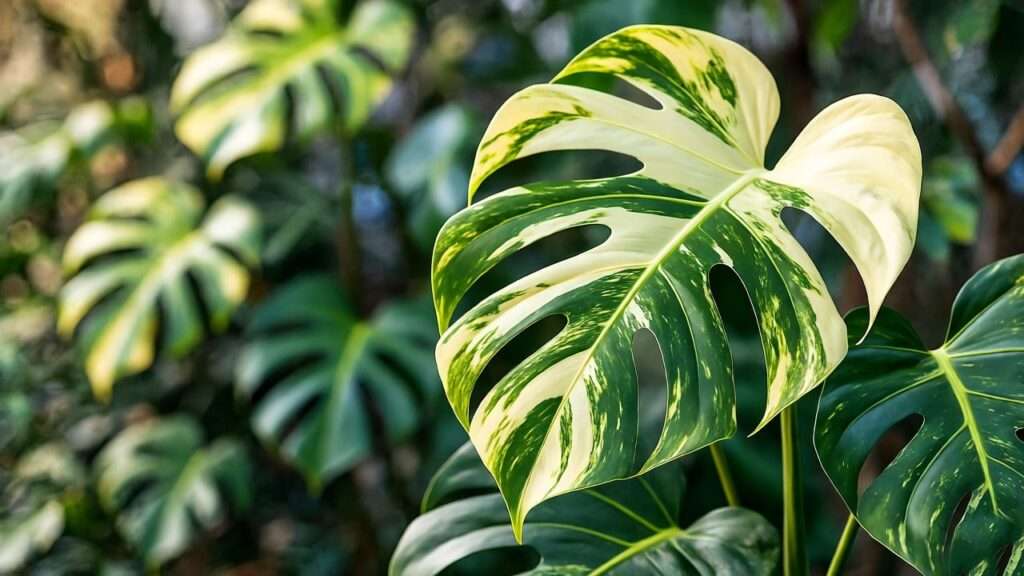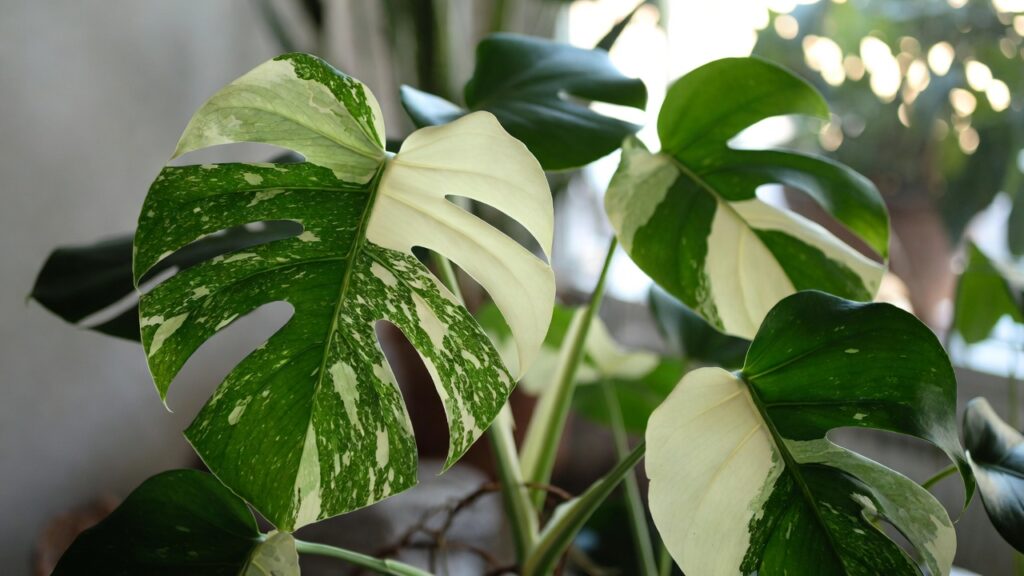

Imagine transforming your living space with a plant so breathtaking it stops guests in their tracks. The variegated monstera, with its lush green leaves splashed with creamy white or golden streaks, is the ultimate showstopper for indoor plant enthusiasts. But its stunning beauty comes with unique care challenges that can intimidate even seasoned growers. This comprehensive variegated monstera care guide will equip you with expert-backed tips to ensure your plant thrives year-round. From mastering light and watering to troubleshooting common issues, we’ll cover everything you need to nurture this tropical gem and elevate your indoor jungle.
In this article, we draw on the latest plant care science, insights from experienced horticulturists, and practical advice from the plant community to help you succeed. Whether you’re a beginner or a collector, you’ll find actionable steps to keep your variegated monstera healthy and vibrant. Let’s dive into the world of this coveted houseplant and unlock the secrets to its care.
Understanding the Variegated Monstera
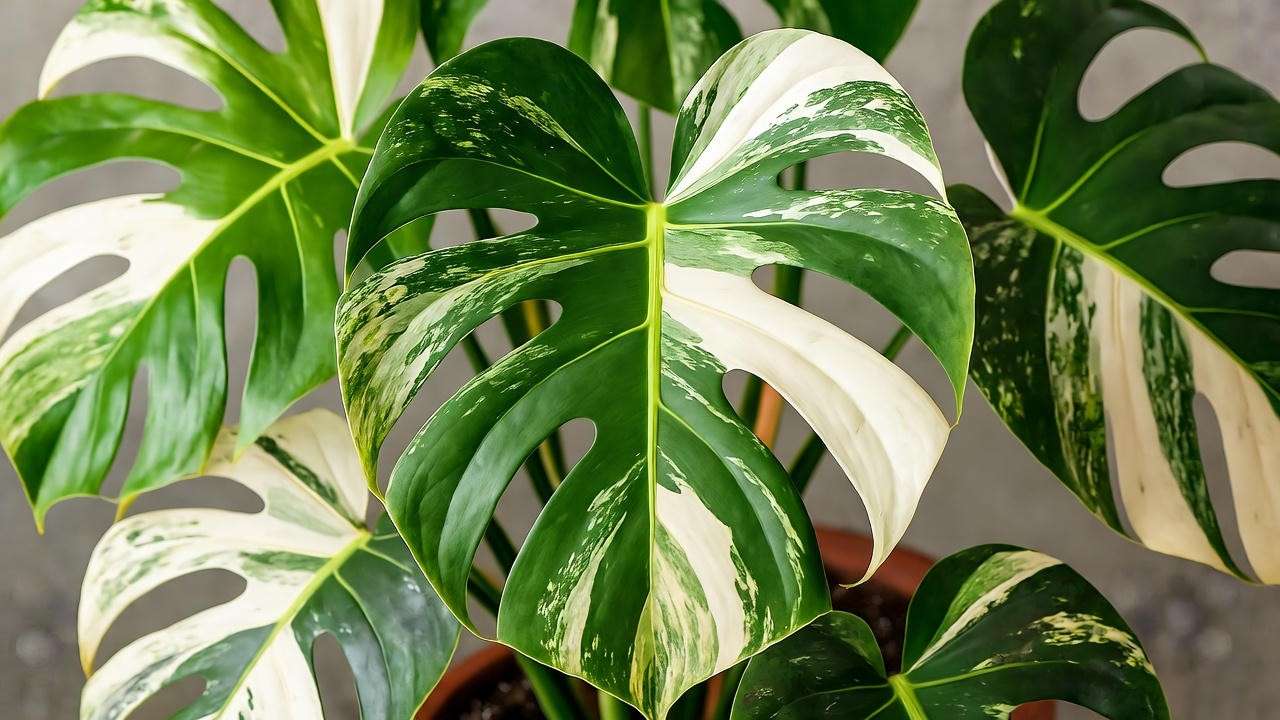
What Is a Variegated Monstera?
The variegated monstera, a cultivar of Monstera deliciosa, is celebrated for its striking foliage featuring white, cream, or yellow patches alongside its iconic green, fenestrated leaves. This variegation results from a genetic mutation that reduces chlorophyll in certain leaf areas, creating a marbled or splashed effect. Popular varieties include the Monstera deliciosa ‘Albo’ (white variegation), ‘Thai Constellation’ (creamy speckles), and the rare ‘Aurea’ (yellow variegation). Each variety has slight care differences, but all share the same tropical charm that makes them a favorite among plant collectors.
Why Is the Variegated Monstera So Popular?
The variegated monstera’s popularity has skyrocketed, fueled by its photogenic leaves and prominence in home decor trends. Social media platforms like Instagram showcase these plants in chic, minimalist interiors or lush, bohemian spaces, making them a must-have for plant enthusiasts. Their rarity and high demand also contribute to their allure—cuttings of Monstera ‘Albo’ can fetch hundreds of dollars, with mature plants often priced above $1,000, according to data from specialty nurseries like Plant Proper.
Beyond aesthetics, variegated monsteras appeal to collectors who value the challenge of nurturing a high-maintenance plant. Their unique patterns make each leaf a work of art, turning a simple houseplant into a living masterpiece.
Essential Care Requirements for Variegated Monstera
Light Requirements for Optimal Growth
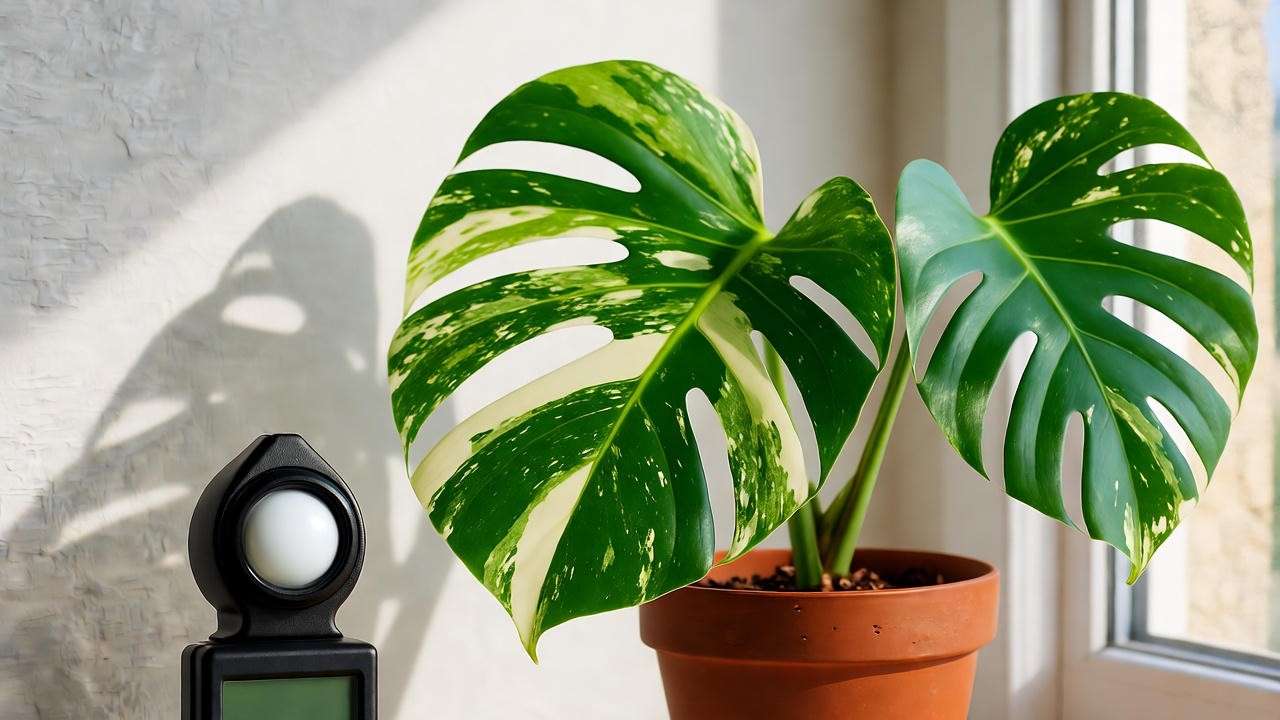
Light is the cornerstone of variegated monstera care. Due to their reduced chlorophyll, these plants rely heavily on bright, indirect light to fuel photosynthesis. Place your monstera near an east- or north-facing window where it can bask in soft, filtered sunlight. Direct sunlight can scorch the delicate variegated leaves, causing brown, crispy spots, while too little light may lead to leggy growth or loss of variegation.
For precision, use a light meter to ensure your plant receives 1000–2000 lux, ideal for variegated monsteras. If natural light is limited, supplement with a full-spectrum grow light, keeping it 12–18 inches above the plant for 10–12 hours daily. A common mistake is assuming low light is sufficient—variegated monsteras will stretch toward light sources, becoming weak and less vibrant.
Expert Tip: Rotate your plant every few weeks to ensure even light exposure, promoting balanced growth and consistent variegation.
Watering Your Variegated Monstera
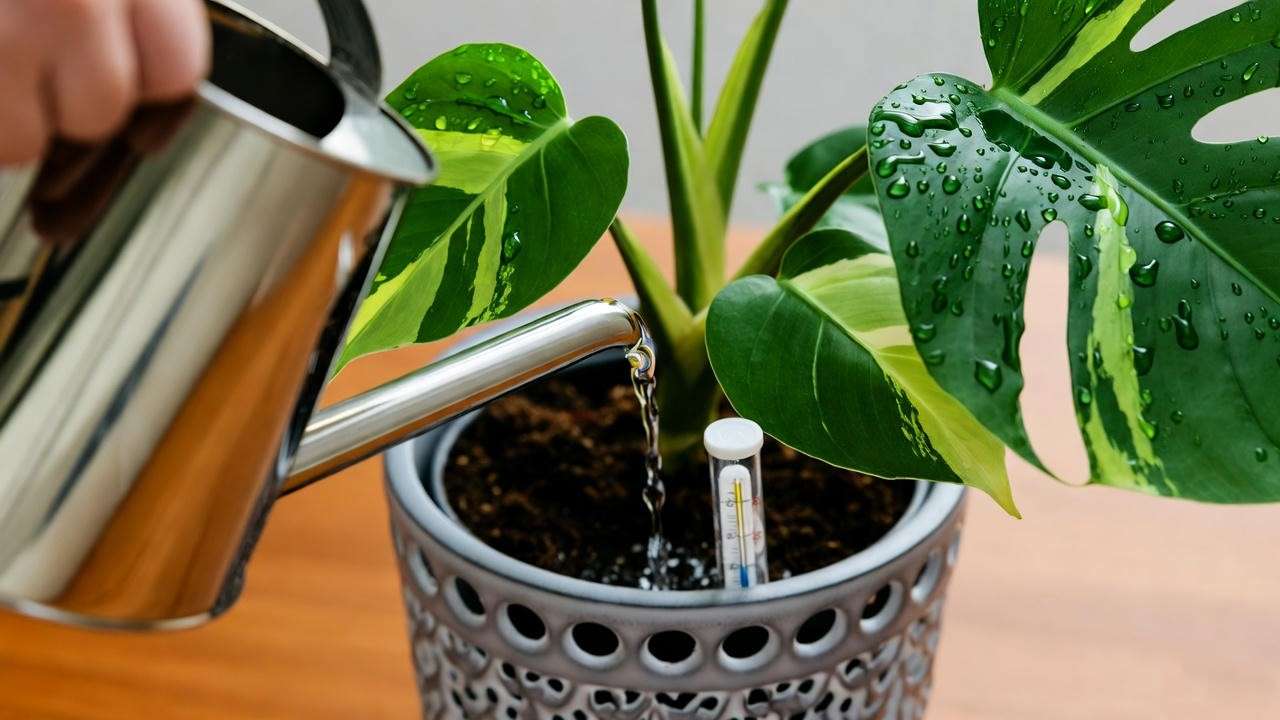
Watering a variegated monstera requires a delicate balance. Allow the top 1–2 inches of soil to dry out before watering thoroughly, ensuring excess water drains completely. Overwatering is a leading cause of root rot, while underwatering can cause leaves to yellow or curl. In spring and summer, you may water every 7–10 days, but reduce frequency in fall and winter when growth slows.
Here’s a quick troubleshooting guide for watering issues:
| Symptom | Cause | Solution |
|---|---|---|
| Yellowing leaves | Overwatering | Check soil; reduce watering frequency |
| Crispy, brown leaf edges | Underwatering | Water thoroughly; adjust schedule |
| Wilting despite watering | Root rot | Inspect roots; repot if needed |
Test soil moisture with your finger or a moisture meter to avoid guesswork. Indoor conditions like humidity and temperature can affect watering needs, so stay observant.
Soil and Potting Mix
A well-draining, airy potting mix is essential for variegated monsteras. A recommended blend includes 50% peat moss or coco coir, 30% perlite, and 20% orchid bark to mimic their tropical rainforest habitat. This mix ensures proper aeration and prevents waterlogged roots. Choose a pot with drainage holes—terracotta pots are ideal for wicking excess moisture, while plastic pots retain more water, requiring careful monitoring.
The ideal soil pH for monsteras ranges from 5.5 to 7.0, according to research from the University of Florida’s Institute of Food and Agricultural Sciences. Avoid heavy, compact soils like standard potting mix, which can suffocate roots and lead to rot.
Humidity and Temperature Needs
As tropical natives, variegated monsteras thrive in 60–80% humidity. Most homes average 30–50% humidity, so consider using a humidifier, placing a pebble tray with water beneath the pot, or grouping plants to create a humid microclimate. A hygrometer can help you monitor levels accurately.
Maintain temperatures between 65–85°F (18–29°C). Avoid placing your monstera near cold drafts, air conditioning vents, or heating sources, which can stress the plant. Sudden temperature drops below 60°F may cause leaf drop or stunted growth.
Pro Tip: Mist leaves sparingly to avoid fungal issues, and prioritize consistent humidity over occasional misting.
Fertilizing for Healthy Growth
Feed your variegated monstera with a balanced, water-soluble fertilizer (e.g., 20-20-20) diluted to half-strength every 4–6 weeks during the growing season (spring and summer). Over-fertilizing can cause salt buildup, leading to leaf burn or root damage. In fall and winter, pause fertilizing as growth slows.
For eco-conscious growers, organic options like compost tea or fish emulsion provide gentle nutrients. Always water the plant before fertilizing to prevent root burn. “Diluting fertilizer is key for variegated monsteras, as their delicate leaves are sensitive to nutrient overload,” says horticulturist Sarah Evans, owner of a tropical plant nursery.
Advanced Care Tips for Variegated Monstera
Pruning and Maintenance
Regular pruning keeps your variegated monstera healthy and encourages bushy growth. Use clean, sharp shears to remove yellowing, damaged, or fully green leaves, as the latter can dominate and reduce variegation. Cut just above a node (where leaves and roots emerge) to promote new growth. Clean leaves with a damp cloth to remove dust, enhancing photosynthesis and preventing pests.
Pruning Steps:
- Sterilize shears with rubbing alcohol.
- Identify dead, yellow, or green leaves.
- Cut ¼ inch above a node at a 45-degree angle.
- Dispose of cuttings or propagate (see Section 5).
Visualize your pruning plan with a simple diagram of a monstera stem, marking nodes and cut points for clarity.
Supporting Your Variegated Monstera
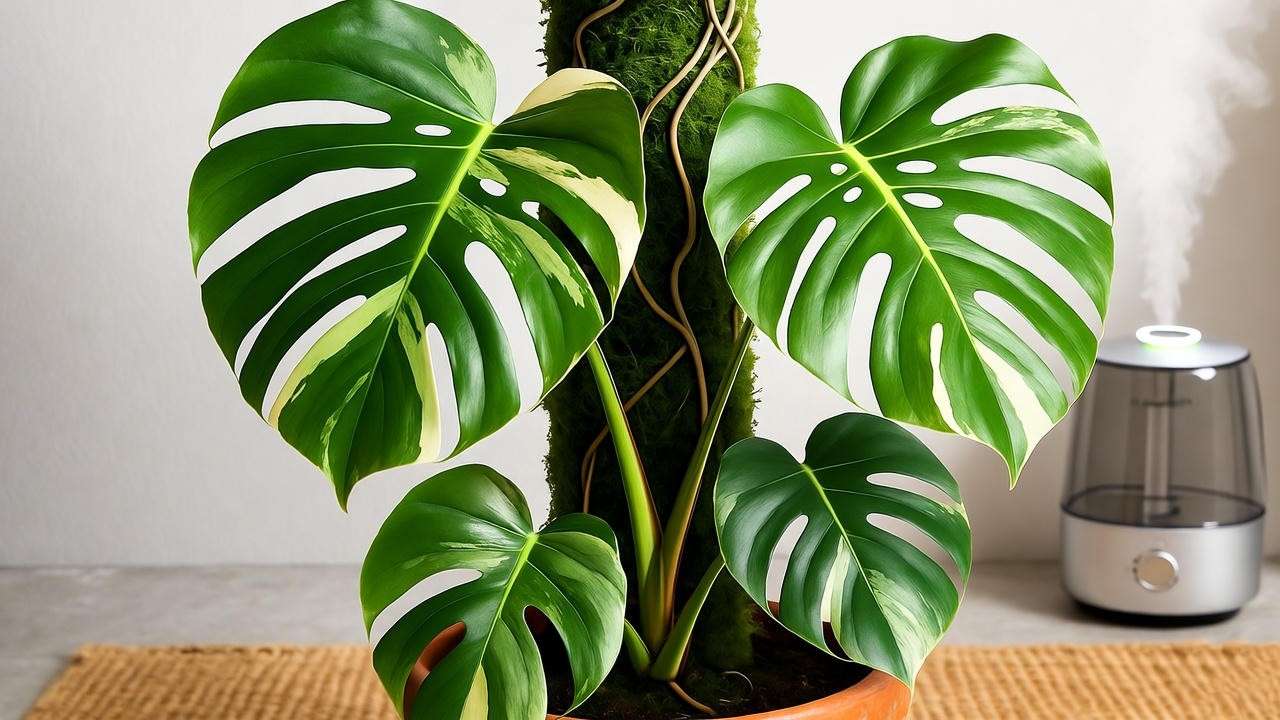
Variegated monsteras are climbers that benefit from a moss pole or trellis to support their vining growth. A moss pole mimics their natural epiphytic habitat, allowing aerial roots to anchor and absorb moisture. You can purchase a pre-made moss pole or create one by wrapping sphagnum moss around a PVC pipe or wooden stake.
DIY Moss Pole Guide:
- Soak sphagnum moss in water for 20 minutes.
- Wrap moss tightly around a stake, securing with twine.
- Insert the pole into the pot and tie stems gently to it.
Aerial roots are vital for stability and nutrient absorption, so avoid cutting them unless necessary. Tuck healthy roots into the soil or moss pole to encourage growth.
Repotting Your Variegated Monstera
Repot every 1–2 years or when roots become crowded, typically indicated by roots circling the pot or emerging from drainage holes. Spring is the best time to repot, as the plant is actively growing.
Repotting Steps:
- Choose a pot 2–4 inches larger in diameter with drainage holes.
- Prepare a fresh aroid mix (see Soil section).
- Gently remove the plant, shaking off old soil.
- Inspect roots for rot, trimming any black or mushy sections.
- Place in the new pot, fill with soil, and water lightly.
Avoid repotting shock by keeping the plant in similar light and humidity conditions post-repotting. “Patience is key—don’t disturb the roots more than necessary,” advises nursery owner Sarah Evans.
Common Problems and Solutions
Troubleshooting Variegated Monstera Issues
Variegated monsteras are prone to specific issues due to their unique physiology. Below is a comprehensive troubleshooting guide to address common problems and keep your plant thriving.
| Issue | Cause | Solution |
|---|---|---|
| Yellowing leaves | Overwatering or nutrient deficiency | Check soil moisture; adjust watering; fertilize with balanced 20-20-20. |
| Brown, crispy leaf edges | Underwatering or low humidity | Increase watering frequency; boost humidity with a humidifier or pebble tray. |
| Loss of variegation | Insufficient light or reversion | Move to brighter, indirect light; prune fully green leaves to maintain variegation. |
| Brown spots on leaves | Sunburn or fungal infection | Relocate away from direct sun; treat with neem oil if fungal. |
| Drooping leaves | Root rot or underwatering | Inspect roots; repot if rotten; water thoroughly if dry. |
| Pests (spider mites, scale) | Poor air circulation or dust buildup | Wipe leaves with neem oil solution; increase airflow; isolate affected plant. |
Pests like spider mites and scale are common in low-humidity environments. Regularly inspect the undersides of leaves and treat infestations early with organic solutions like neem oil diluted in water (1 tsp per cup). “Consistent leaf cleaning not only prevents pests but also boosts photosynthesis, especially for variegated leaves with less chlorophyll,” says horticulturist Dr. Jane Thompson.
Pro Tip: Use a magnifying glass to spot tiny pests like spider mites, which appear as small red or white dots.
Preventing and Treating Root Rot
Root rot, caused by overwatering or poor drainage, is a leading threat to variegated monsteras. Early signs include wilting, yellowing leaves, or a foul odor from the soil. To diagnose, gently remove the plant from its pot and inspect the roots—healthy roots are white and firm, while rotten roots are black, mushy, or slimy.
Treatment Steps:
- Remove the plant and rinse roots to clear soil.
- Trim affected roots with sterilized scissors.
- Soak remaining roots in a 1:10 hydrogen peroxide solution for 10 minutes to kill bacteria.
- Repot in fresh, well-draining aroid mix.
- Water sparingly for the first two weeks to encourage recovery.
Prevent root rot by using a well-draining potting mix, ensuring pots have drainage holes, and sticking to a disciplined watering schedule. Check soil moisture with a finger or moisture meter before watering.
Propagating Your Variegated Monstera
How to Propagate a Variegated Monstera
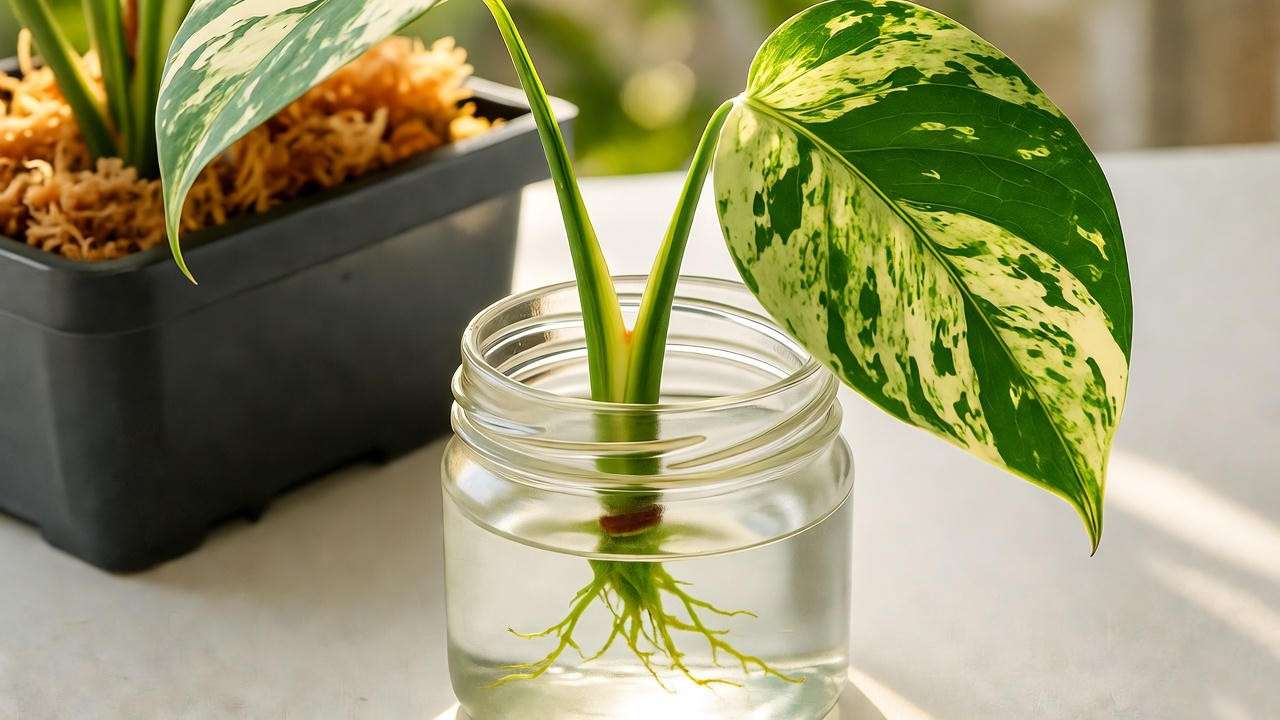
Propagating a variegated monstera is a rewarding way to expand your collection or share with fellow plant lovers, especially given the plant’s high market value. The two most effective methods are stem cuttings in water and air layering, both of which preserve variegation when done correctly.
Stem Cutting in Water:
- Select a healthy stem with at least one node (the bumpy area where leaves and roots emerge) and variegated leaves.
- Using sterilized shears, cut ¼ inch below the node.
- Place the cutting in a jar of filtered water, ensuring the node is submerged but leaves are above water.
- Change water every 3–5 days and place in bright, indirect light.
- Roots should appear in 2–4 weeks; transfer to soil once roots are 2–3 inches long.
- Optional: Dip the cut end in rooting hormone to speed up root development.
Air Layering:
- Identify a node with an aerial root.
- Wrap the node and root with damp sphagnum moss, securing it with plastic wrap.
- Keep moss moist and check for root growth after 3–4 weeks.
- Once roots are robust, cut below the node and pot in an aroid mix.
Both methods require high humidity (70–80%) and patience to ensure successful rooting. “Always choose a variegated section for propagation to maintain the plant’s unique pattern,” advises Sarah Evans, a tropical plant nursery owner.
Common Propagation Mistakes to Avoid
- Cutting below a node: Nodes are essential for root growth; cutting too far below reduces success.
- Using non-variegated sections: Green-only cuttings may produce plants with little to no variegation.
- Neglecting humidity: Low humidity slows rooting; use a propagation box or plastic bag to trap moisture.
- Impatience: Rushing to pot cuttings before roots are strong can lead to failure.
To boost success, maintain consistent conditions and monitor progress weekly. A clear container for water propagation lets you track root growth easily.
Styling and Displaying Your Variegated Monstera
Incorporating Variegated Monstera into Your Home Decor
A variegated monstera is more than a plant—it’s a statement piece. Its bold, variegated leaves complement various decor styles, from bohemian to minimalist to tropical. Here are creative ways to showcase your monstera:
- Shelves: Place in a decorative ceramic pot on a high shelf to let vines cascade down.
- Room Centerpiece: Use a large, mature monstera as a focal point in a living room, supported by a moss pole.
- Hanging Planters: For smaller plants, use macramé hangers to display near a window.
- Plant Grouping: Pair with other tropicals like pothos or philodendrons for a lush, jungle vibe.
Choose pots in neutral tones (white, terracotta) to highlight the plant’s vibrant foliage or bold colors (emerald, mustard) for a boho aesthetic. Ensure the display area has adequate light and space for growth.
FAQs About Variegated Monstera Care
- Why is my variegated monstera losing its variegation?
Low light or genetic reversion may cause leaves to turn green. Move to brighter, indirect light and prune fully green leaves to encourage variegated growth. - How often should I water my variegated monstera?
Water when the top 1–2 inches of soil are dry, typically every 7–10 days in spring/summer and less in fall/winter. - Can I grow a variegated monstera in low light?
No, variegated monsteras need bright, indirect light to thrive. Low light leads to weak growth and loss of variegation. - Is a variegated monstera safe for pets?
No, monsteras are toxic to cats and dogs, causing oral irritation or vomiting if ingested. Keep out of reach of pets. - How can I increase humidity for my monstera indoors?
Use a humidifier, place a pebble tray with water under the pot, or group plants to create a humid microclimate.
Expert Insights and Community Tips
Experienced growers emphasize patience and consistency in variegated monstera care. “The key is replicating their tropical habitat—think warm, humid, and bright but not harsh,” says plant influencer Mia Green, who has cultivated monsteras for over a decade. Community tips from plant forums like Reddit’s r/Monstera suggest using a fish tank pump to aerate water for propagation, boosting root growth.
Conclusion
Caring for a variegated monstera is a rewarding journey that blends science, patience, and creativity. By providing bright, indirect light, maintaining proper humidity, watering thoughtfully, and addressing issues promptly, you can ensure your plant thrives as a stunning centerpiece in your home. This guide has equipped you with expert insights, practical tips, and troubleshooting strategies to tackle any challenge. Now it’s your turn—apply these tips, share your progress, and explore more indoor plant care guides on our site to grow your green oasis.