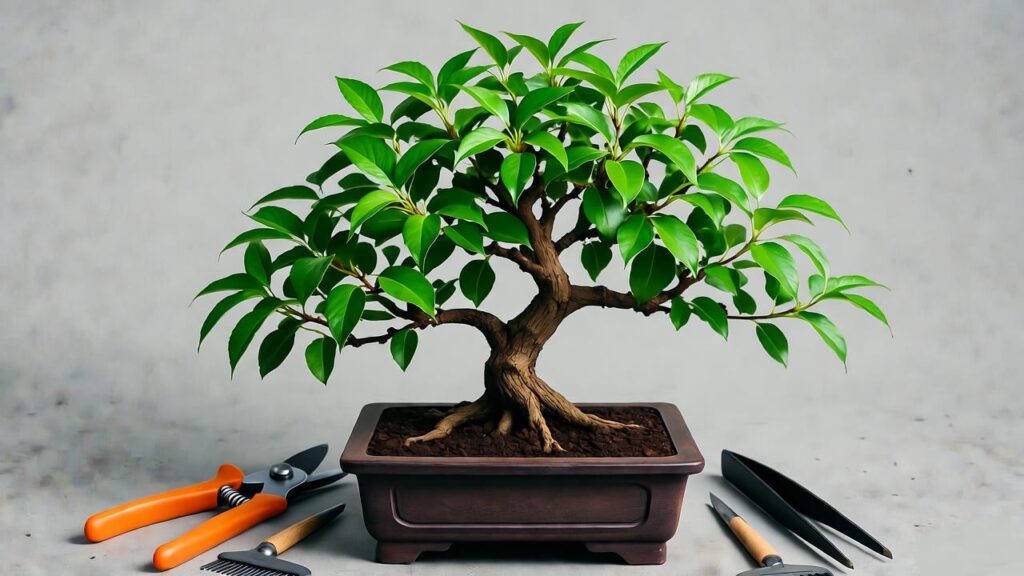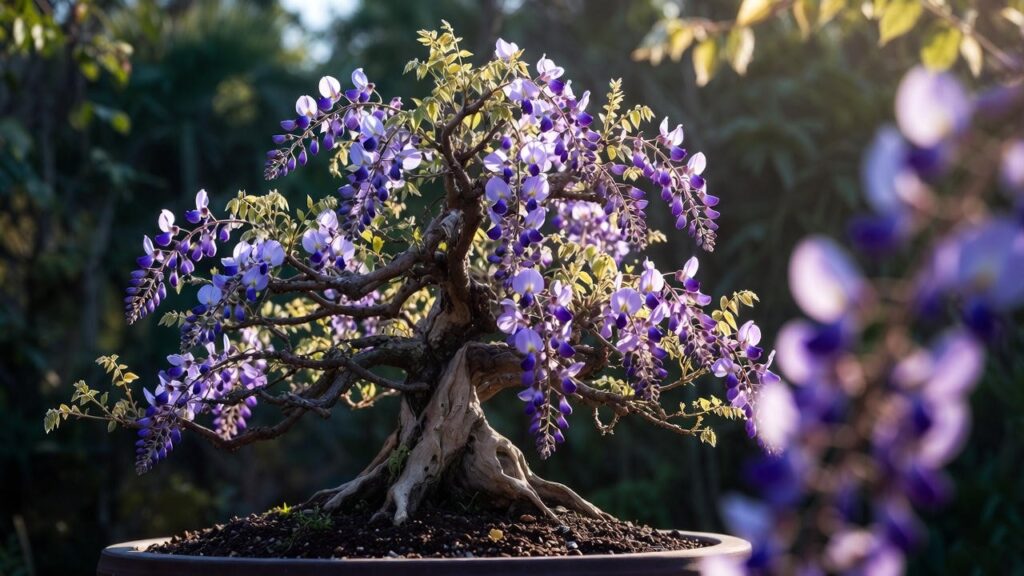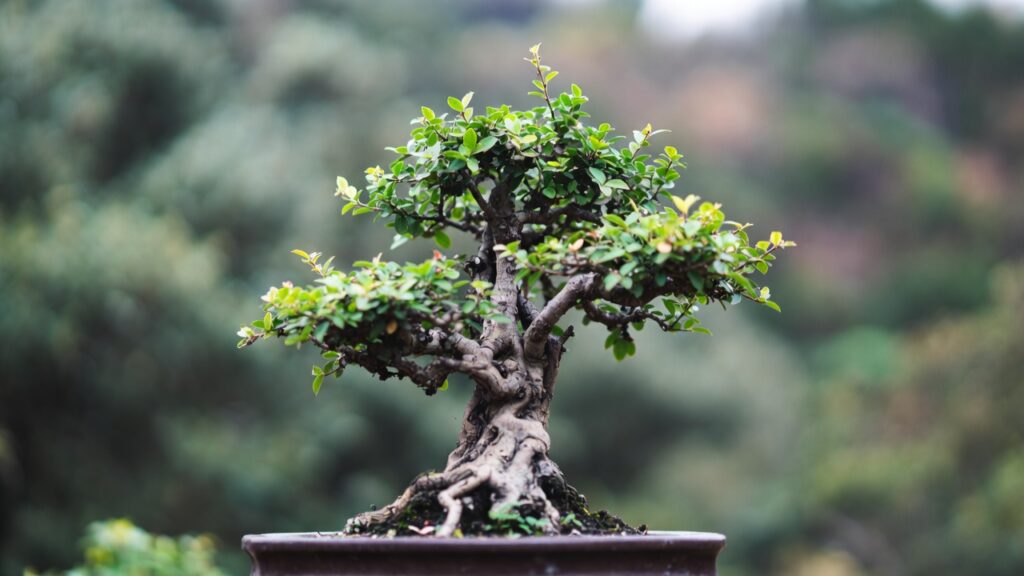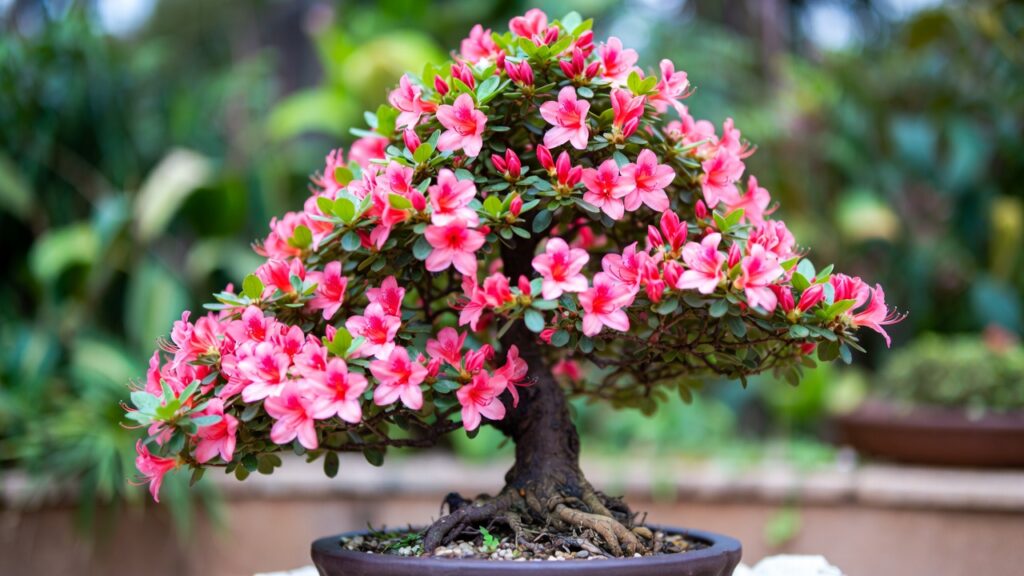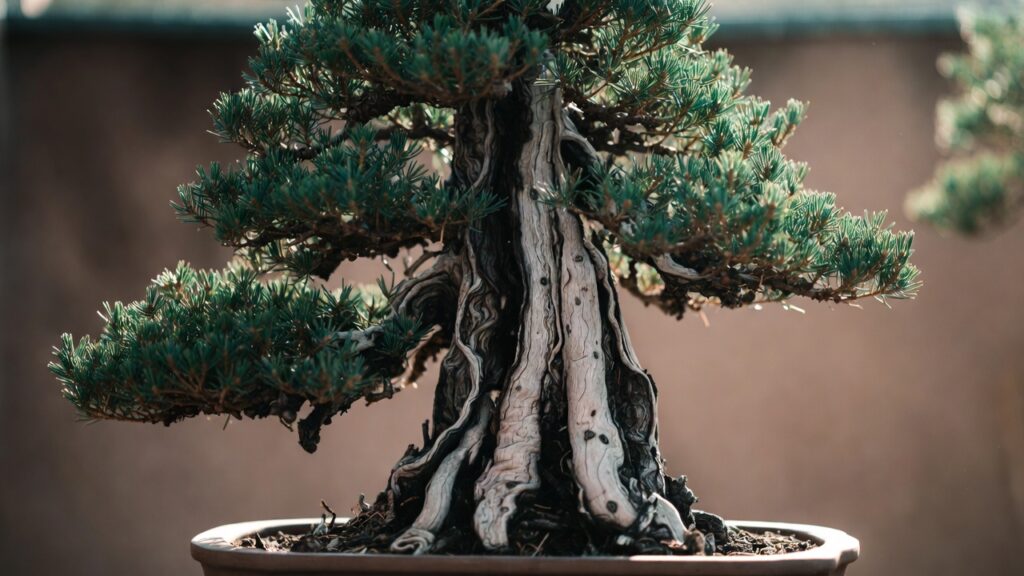

There’s nothing more discouraging than watching your Fukien tea bonsai suddenly drop leaves after weeks of careful care. One day it’s glossy, compact, and covered in tiny white blooms — the next, it looks stressed and fragile. If that sounds familiar, you’re not alone.
The Fukien tea bonsai is one of the most beautiful indoor bonsai trees available, but it’s also one of the most misunderstood. Many growers struggle with leaf drop, yellowing foliage, pest outbreaks, or trees that refuse to flower. The good news? Nearly all of these issues stem from a few correctable environmental factors.
In this complete indoor care guide, I’ll walk you through exactly how to grow, shape, and troubleshoot Fukien tea bonsai successfully — using proven horticultural principles, not guesswork. Whether you’re a beginner or refining your bonsai technique, this guide will help you build long-term confidence and healthy, thriving trees.
What Is a Fukien Tea Bonsai?

The Fukien tea bonsai comes from Carmona retusa (also classified as Ehretia microphylla), a tropical evergreen native to Southeast Asia. It’s prized for:
- Small, dark green, glossy leaves
- Tiny white star-shaped flowers
- Small red berries
- Naturally textured bark
Unlike temperate bonsai species that require winter dormancy, Fukien tea is tropical — which makes it one of the few bonsai trees that can live indoors year-round in the right conditions.
Is Fukien Tea Bonsai Good for Beginners?
Honest answer: It depends.
Pros:
- Compact leaf size (great for small indoor spaces)
- Flowers indoors with proper light
- Attractive bark and structure
Challenges:
- Sensitive to changes in environment
- Prone to leaf drop when stressed
- Susceptible to pests in dry indoor air
If you’re willing to maintain stable light, warmth, and humidity, it can absolutely thrive indoors. Most failures happen due to inconsistent care — not because the tree is inherently difficult.
Ideal Indoor Growing Conditions for Fukien Tea Bonsai
Indoor success comes down to recreating stable tropical conditions.
Light Requirements (The #1 Success Factor)

Fukien tea bonsai requires bright, consistent light. Insufficient light is the most common reason for:
- Leaf drop
- Leggy growth
- Lack of flowering
- Weak, pale leaves
Best indoor placement:
- South-facing window (ideal)
- West-facing window (acceptable)
- Supplement with a full-spectrum grow light if natural light is limited
Aim for:
- 12–14 hours of bright light daily
- 2–4 hours of gentle direct morning sun if possible
If you’re using grow lights:
- Place 6–12 inches above the canopy
- Keep lights on a timer for consistency
Signs of insufficient light:
- Large leaf growth
- Thin, stretched stems
- Reduced flowering
- Gradual leaf drop
Stability is key. Avoid frequently moving the tree — Fukien tea bonsai dislikes environmental changes.
Temperature and Humidity Needs

Because it’s tropical, this bonsai prefers:
- Temperature: 65–75°F (18–24°C)
- Avoid dropping below 60°F (15°C)
- No cold drafts or sudden fluctuations
Indoor humidity is often the hidden problem.
Ideal humidity: 50–70%
Most homes drop below 40%, especially in winter. Low humidity increases the risk of:
- Spider mites
- Leaf browning
- Stress-related leaf drop
How to increase humidity:
- Use a humidity tray (pebbles + water under the pot)
- Run a small humidifier nearby
- Group indoor plants together
- Avoid placing near heaters or AC vents
Placement Tips for Stable Growth
Choose a permanent location with:
- Consistent lighting
- No drafts
- Stable room temperature
- Good air circulation
Rotate the tree every 1–2 weeks for even growth — but avoid constantly relocating it to different rooms.
How to Water Fukien Tea Bonsai Properly (Without Killing It)
Watering mistakes cause most indoor bonsai deaths.
How Often Should You Water?
There is no fixed schedule.
Instead:
- Check soil daily.
- Insert your finger about ½ inch into the soil.
- Water when the top layer feels slightly dry — not bone dry.
Typically:
- Summer: every 2–4 days
- Winter: every 5–7 days
But always check soil moisture rather than following a calendar.
Proper Watering Technique

When watering:
- Use room-temperature water
- Water thoroughly until it drains from the bottom
- Never let the tree sit in standing water
- Ensure the pot has proper drainage holes
Deep watering encourages healthy root development.
Avoid misting as a substitute for watering. Misting helps humidity slightly but does not hydrate roots.
Overwatering vs. Underwatering (How to Tell the Difference)
Overwatering signs:
- Yellowing leaves
- Soft, blackened roots
- Sour soil smell
- Fungus gnats
Underwatering signs:
- Crispy, dry leaves
- Soil pulling away from pot edges
- Rapid leaf drop after drying out
Overwatering is far more dangerous. Root rot can kill a bonsai quickly.
If root rot is suspected:
- Remove from pot
- Trim black roots
- Repot in fresh, well-draining bonsai soil
Best Soil and Potting Mix for Fukien Tea Bonsai
Standard potting soil is too dense.
Fukien tea requires a fast-draining bonsai mix.
Ideal Soil Components

A balanced bonsai mix may include:
- Akadama (moisture retention)
- Pumice (aeration)
- Lava rock (drainage)
The goal:
- Water retention without compaction
- Excellent airflow around roots
- Prevention of root rot
Repotting Schedule and Technique
Repot every 2–3 years in spring or early summer.
Steps:
- Gently remove the tree from the pot.
- Comb out roots carefully.
- Trim up to 25% of root mass.
- Place in fresh bonsai soil.
- Water thoroughly.
After repotting:
- Keep in bright indirect light for 1–2 weeks
- Avoid fertilizing for 4 weeks
Fertilizing Fukien Tea Bonsai for Healthy Growth and Flowering
Indoor bonsai rely on you for nutrients.
Best Fertilizer Type
Use:
- Balanced liquid fertilizer (10-10-10 or similar)
- Or slow-release bonsai fertilizer pellets
Organic fertilizers are gentler and improve soil biology.
Fertilizing Schedule
- Spring & Summer: every 2 weeks (liquid)
- Fall: reduce to monthly
- Winter: light feeding or pause if growth slows
Overfertilizing can cause salt buildup and root damage.
How to Encourage Flowering Indoors
To stimulate blooms:
- Provide strong light
- Maintain stable warmth
- Avoid stress from environmental shifts
- Feed consistently during active growth
Healthy trees flower naturally — stressed trees do not.
Pruning and Shaping Fukien Tea Bonsai Like a Pro
Pruning maintains compact growth and improves ramification (branch density).
Maintenance Pruning

- Trim new shoots back to 2–3 leaves
- Prune regularly during growing season
- Remove inward-growing branches
Frequent light pruning is better than drastic cutting.
Structural Pruning
Best done in late spring.
Remove:
- Crossing branches
- Weak interior growth
- Unwanted large branches
Always use clean, sharp bonsai tools.
Wiring Techniques

Fukien tea branches are somewhat brittle.
- Use aluminum bonsai wire
- Apply gently at 45-degree angle
- Remove within 6–8 weeks
Check regularly to prevent wire scarring.
Popular Fukien Tea Bonsai Styles
- Informal upright
- S-curve
- Compact indoor style
- Broom style (less common but possible)
Choose a style that complements natural trunk movement.
Common Fukien Tea Bonsai Problems and How to Fix Them
This is where most indoor growers struggle — so let’s break it down clearly.
Leaf Drop (Most Common Issue)

Causes:
- Sudden relocation
- Light changes
- Overwatering
- Cold drafts
- Repotting shock
Recovery plan:
- Stabilize environment
- Check soil moisture
- Increase light exposure
- Avoid further changes
Patience is essential. New leaves typically emerge once stability returns.
Yellow Leaves
Common reasons:
- Overwatering
- Nutrient deficiency
- Poor drainage
Solution:
- Adjust watering
- Check roots
- Resume balanced feeding
Pests: Spider Mites, Scale, Aphids

Indoor tropical bonsai are vulnerable.
Prevention:
- Maintain humidity
- Inspect weekly
- Improve airflow
Treatment:
- Neem oil spray
- Insecticidal soap
- Isolate infected plants
Early detection prevents severe infestation.
Root Rot
Symptoms:
- Persistent yellowing
- Wilting despite wet soil
- Foul smell
Immediate action:
- Remove affected roots
- Repot in fresh mix
- Reduce watering frequency
Seasonal Care Guide for Indoor Fukien Tea Bonsai
Spring & Summer
- Active growth period
- Increase feeding
- Regular pruning
- Strong light exposure
Fall Adjustments
- Slightly reduce fertilizer
- Monitor decreasing light
- Adjust watering frequency
Winter Survival Guide
- Increase humidity
- Provide supplemental grow light
- Protect from cold drafts
- Water less frequently
Winter is when most indoor failures occur due to low light and dry air.
Expert Tips for Long-Term Success
- Consistency beats perfection
- Avoid frequent repositioning
- Monitor microclimate near windows
- Keep a simple care log
- Observe before reacting
Bonsai care is about observation and gradual adjustment — not drastic intervention.
Quick Care Checklist
- Bright indirect light (12–14 hrs daily)
- Water when topsoil slightly dry
- Humidity 50–70%
- Fertilize biweekly in growing season
- Repot every 2–3 years
- Prune regularly for shape
Frequently Asked Questions About Fukien Tea Bonsai
Why is my Fukien tea bonsai losing leaves indoors?
Usually environmental shock, lighting issues, or watering imbalance.
Can it live indoors year-round?
Yes — if provided sufficient light and humidity.
How long does it live?
With proper care, decades.
Why isn’t it flowering?
Insufficient light or inconsistent feeding.
Is it pet-safe?
Mildly toxic if ingested — keep away from pets.
Conclusion: Grow with Confidence
The Fukien tea bonsai rewards stability, patience, and consistent care. Most problems stem from environmental stress — not lack of skill. Once you master light balance, watering control, and humidity management, this tropical bonsai becomes a stunning, flowering centerpiece for your indoor plant collection.
Remember: observe first, adjust gradually, and avoid drastic changes.