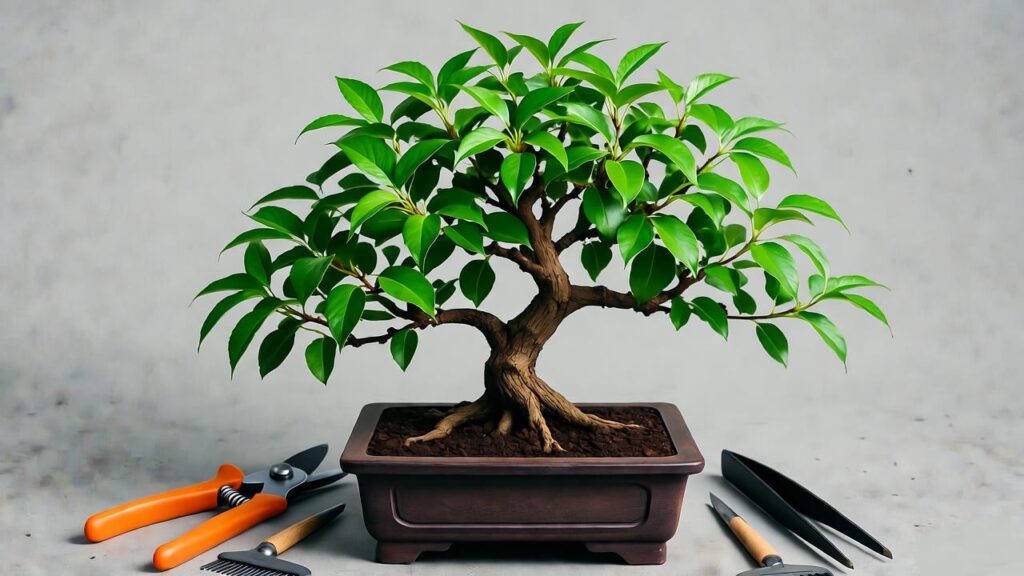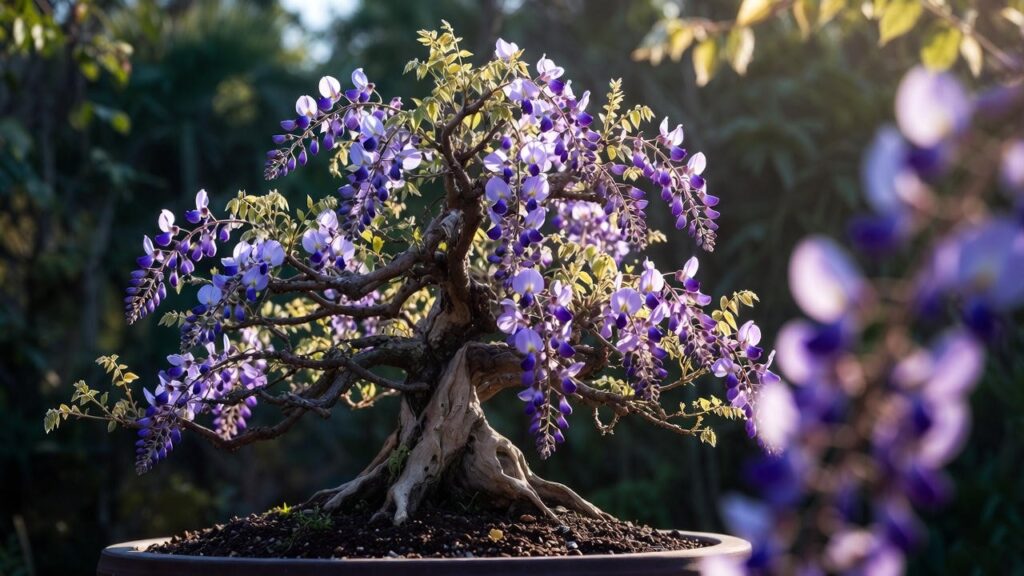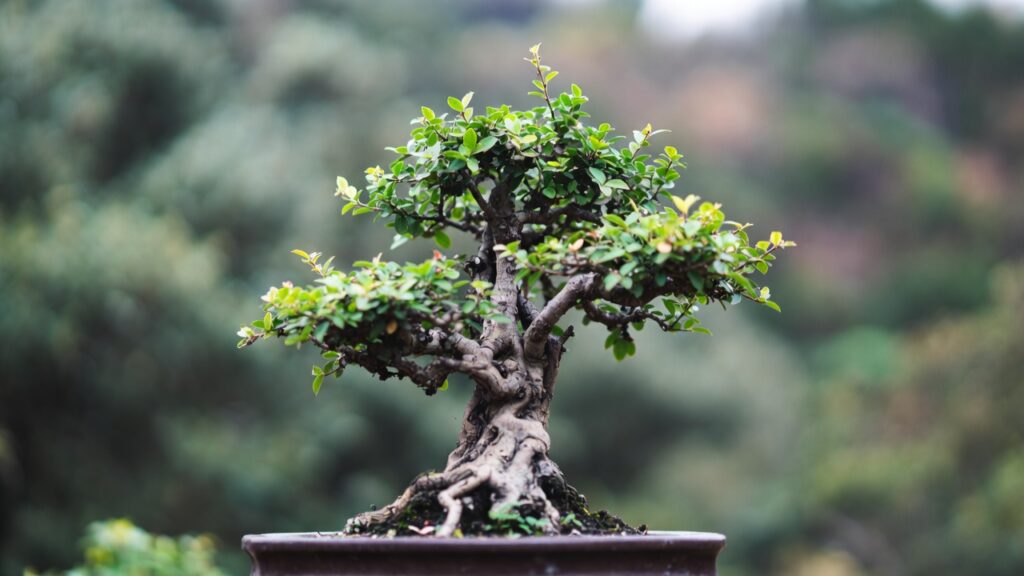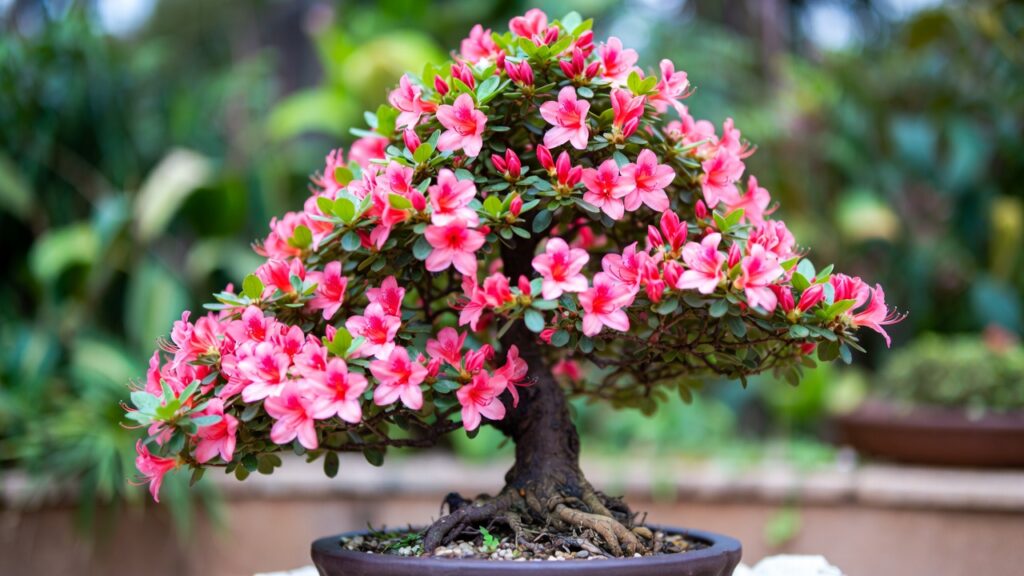
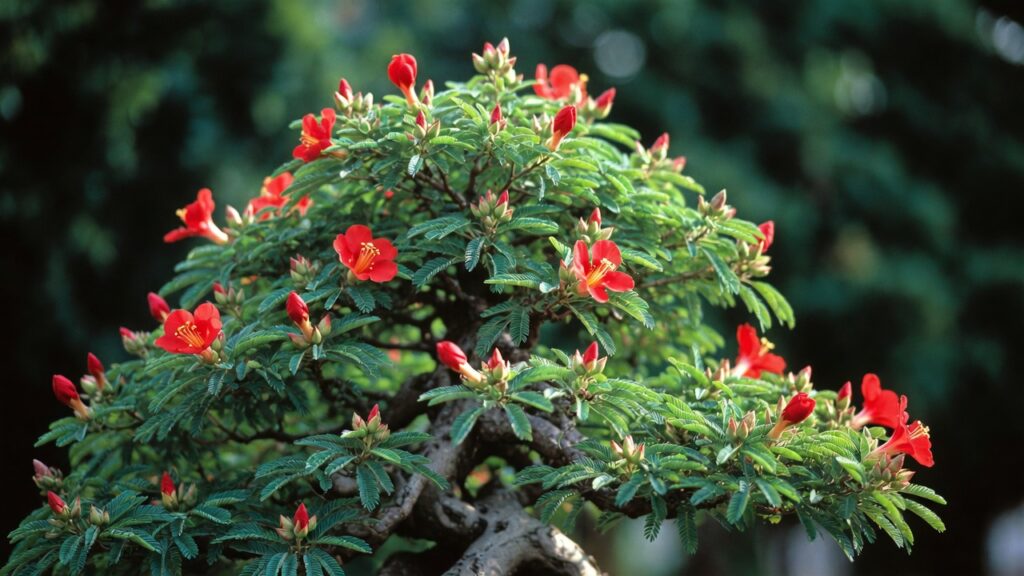
Imagine a miniature tree bursting with fiery red-orange blooms, its umbrella-shaped canopy glowing like a tropical sunset — all sitting gracefully on your windowsill. That’s the magic of a flame tree bonsai. But while its beauty is unforgettable, successfully growing one indoors can feel intimidating without the right guidance.
Many indoor gardeners struggle with leggy growth, yellowing leaves, or a flame tree bonsai that refuses to bloom. The truth? This tropical species has very specific light, watering, pruning, and seasonal needs. When you understand them, it transforms from “high-maintenance” to deeply rewarding.
In this comprehensive guide, I’ll walk you through everything you need to know — from soil selection and watering techniques to flowering triggers and dormancy management — so you can grow a healthy, thriving indoor Royal Poinciana bonsai year-round.
Whether you’re a beginner or an intermediate bonsai enthusiast, this guide is designed to give you clarity, confidence, and real results.
What Is a Flame Tree Bonsai?
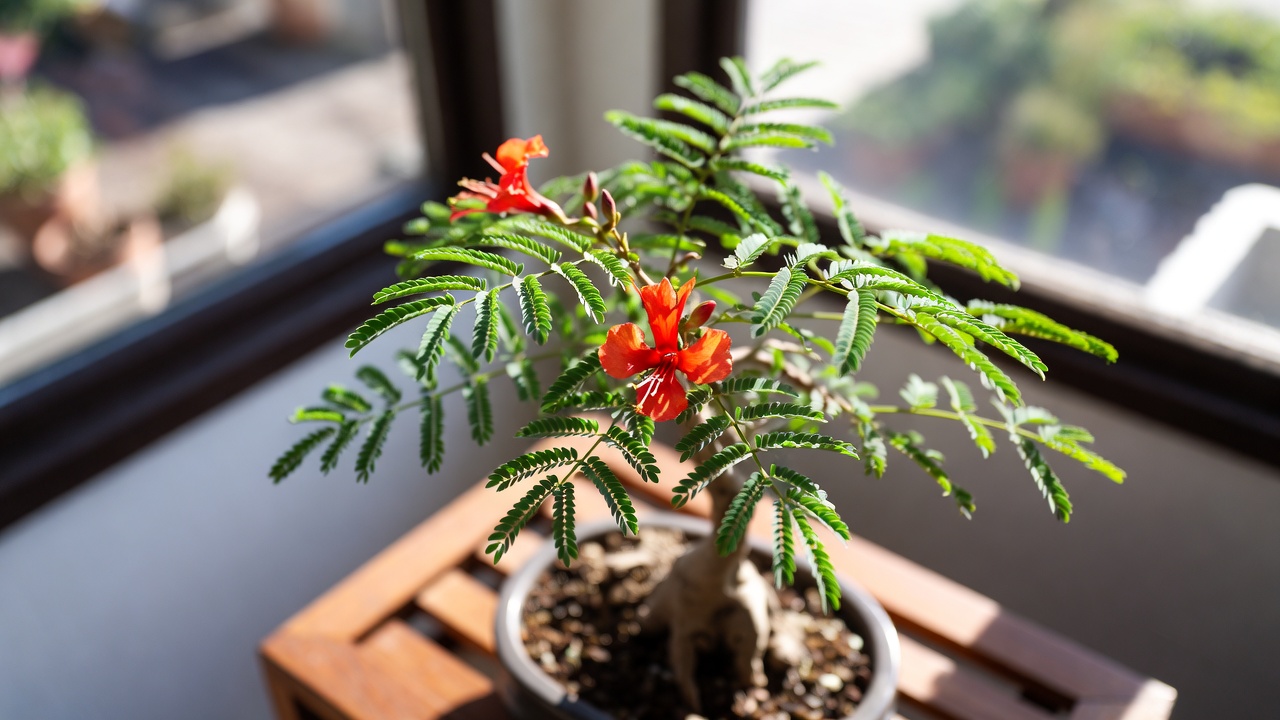
A flame tree bonsai is a miniature cultivated version of the tropical tree scientifically known as Delonix regia. Commonly called Royal Poinciana, flamboyant tree, or flame tree, this species is prized for its dramatic scarlet blooms and delicate fern-like foliage.
In nature, Delonix regia can grow up to 40 feet tall with a wide, umbrella-shaped canopy. As a bonsai, however, it becomes a compact, artistic representation of its full-sized counterpart — while still retaining its signature tropical flair.
The Origin of Delonix regia
Native to Madagascar, the flame tree thrives in warm, humid climates with abundant sunlight. It has since naturalized in tropical and subtropical regions worldwide.
Understanding its native environment is key to indoor success:
- High heat
- Intense direct sunlight
- Well-draining sandy soil
- Seasonal dry periods
When growing indoors, your goal is to replicate these conditions as closely as possible.
Can Flame Tree Bonsai Be Grown Indoors Successfully?
Yes — but with conditions.
Because it’s a tropical species, flame tree bonsai cannot tolerate frost. If you live in a temperate climate, indoor cultivation is often necessary during cooler months.
However, indoor growing requires:
- Strong light exposure (minimum 6–8 hours daily)
- Careful watering control
- Seasonal adjustment to mimic tropical growth cycles
Without sufficient light, blooming is unlikely. Most indoor failures are due to inadequate lighting — not the plant itself.
Is Flame Tree Bonsai Suitable for Beginners?
It’s best classified as intermediate-level.
Beginners can succeed if they:
- Have access to bright light or grow lights
- Understand bonsai pruning basics
- Can monitor watering carefully
If you’re willing to learn and observe your tree closely, this species is incredibly rewarding.
Ideal Growing Conditions for Flame Tree Bonsai Indoors
Growing a healthy indoor bonsai always starts with recreating the right environment.
Light Requirements (The #1 Blooming Factor)
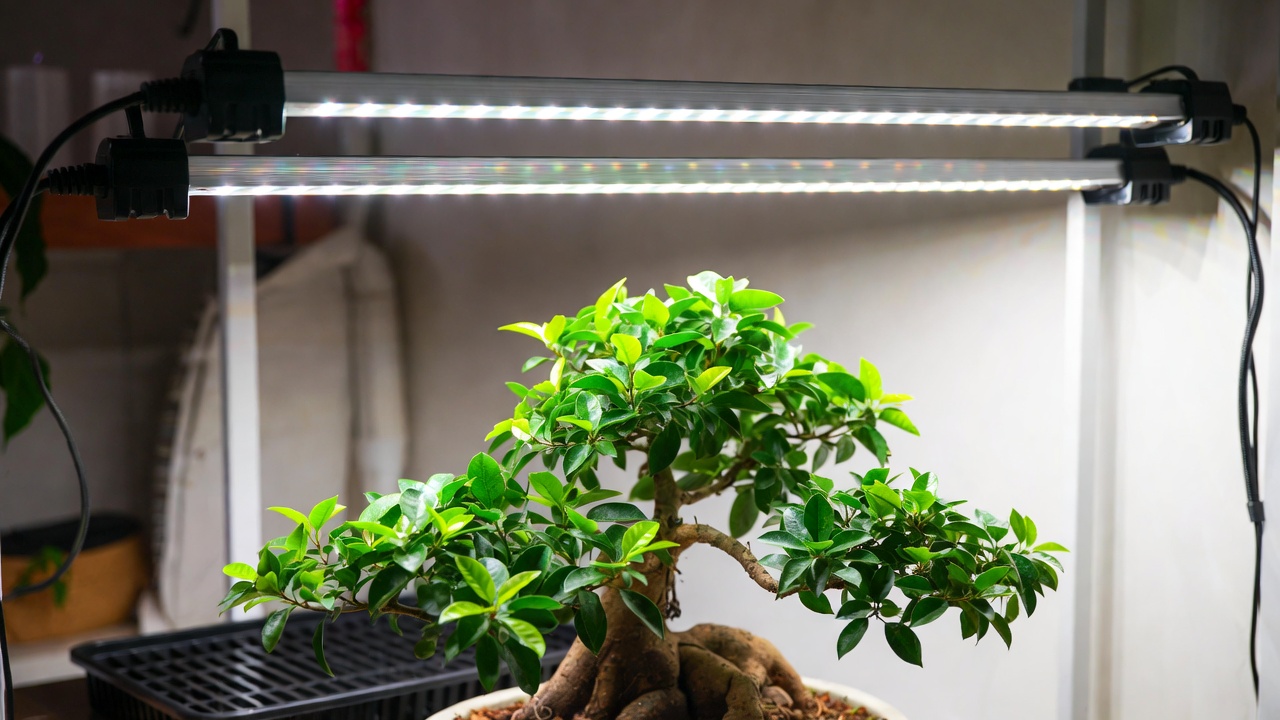
Flame tree bonsai demands intense light.
Minimum Requirements:
- 6–8 hours of direct sunlight daily
- South-facing window preferred
- Supplement with full-spectrum grow lights if needed
If natural light is insufficient:
- Use LED grow lights (5000–6500K spectrum)
- Position lights 6–12 inches above canopy
- Provide 12–14 hours of light per day
Expert Insight:
If your tree produces long, weak stems with large gaps between leaves, it’s stretching for light. Increase intensity immediately.
Without adequate light, flowering will not occur — no matter how perfect your fertilizing schedule is.
Temperature & Humidity Needs
As a tropical species, flame tree bonsai thrives in warmth.
Ideal Temperature Range:
- 65°F–85°F (18°C–29°C)
- Avoid prolonged exposure below 55°F (13°C)
Keep away from:
- Cold drafts
- Air conditioner vents
- Sudden temperature swings
Humidity:
Moderate humidity (40–60%) is ideal. If your home is dry:
- Use a pebble tray
- Add a humidifier
- Group plants together
Low humidity can cause leaf tip browning.
Best Soil Mix for Flame Tree Bonsai
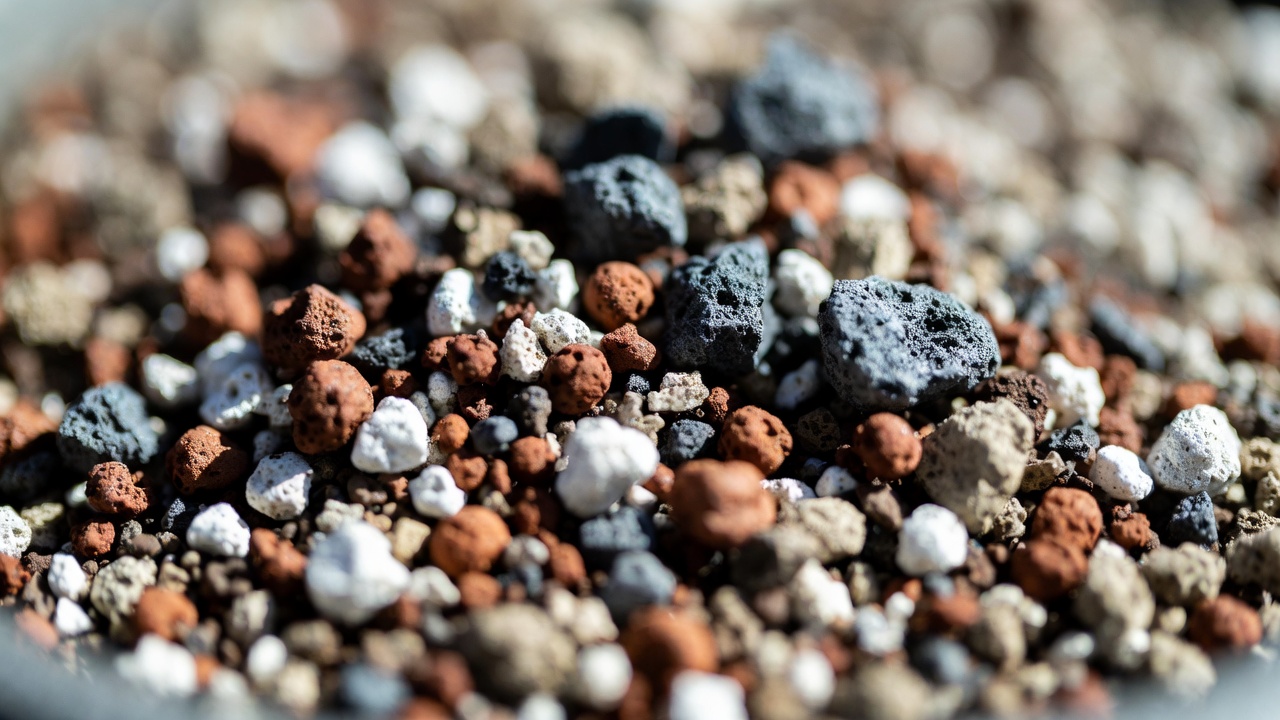
Regular potting soil is too dense and retains excess moisture.
Use a fast-draining bonsai mix such as:
- 40% akadama (or clay-based substitute)
- 30% pumice
- 30% lava rock
If those aren’t available:
- Coarse sand
- Perlite
- Pine bark fines
Drainage is critical. Flame tree roots are highly sensitive to waterlogging.
Choosing the Right Bonsai Pot
A proper bonsai pot must have:
- Large drainage holes
- Shallow depth
- Enough width for lateral root spread
Repotting Schedule:
- Young trees: every 1–2 years
- Mature trees: every 2–3 years
Repot in early spring before active growth begins.
How to Water a Flame Tree Bonsai Properly
Watering is where most indoor growers go wrong.
Watering Frequency by Season
Spring & Summer (Active Growth):
- Water when top 1 inch of soil feels dry
- Typically every 2–4 days (depending on light & temperature)
Fall & Winter:
- Reduce watering
- Allow soil to dry slightly more between waterings
Never follow a strict calendar. Always check soil moisture first.
Signs of Overwatering vs. Underwatering
Overwatering Symptoms:
- Yellowing leaves
- Soft stems
- Persistent wet soil
- Fungal odor
Underwatering Symptoms:
- Crispy leaf edges
- Drooping leaves
- Rapid soil drying
The key is balance — evenly moist but never soggy.
Best Watering Technique
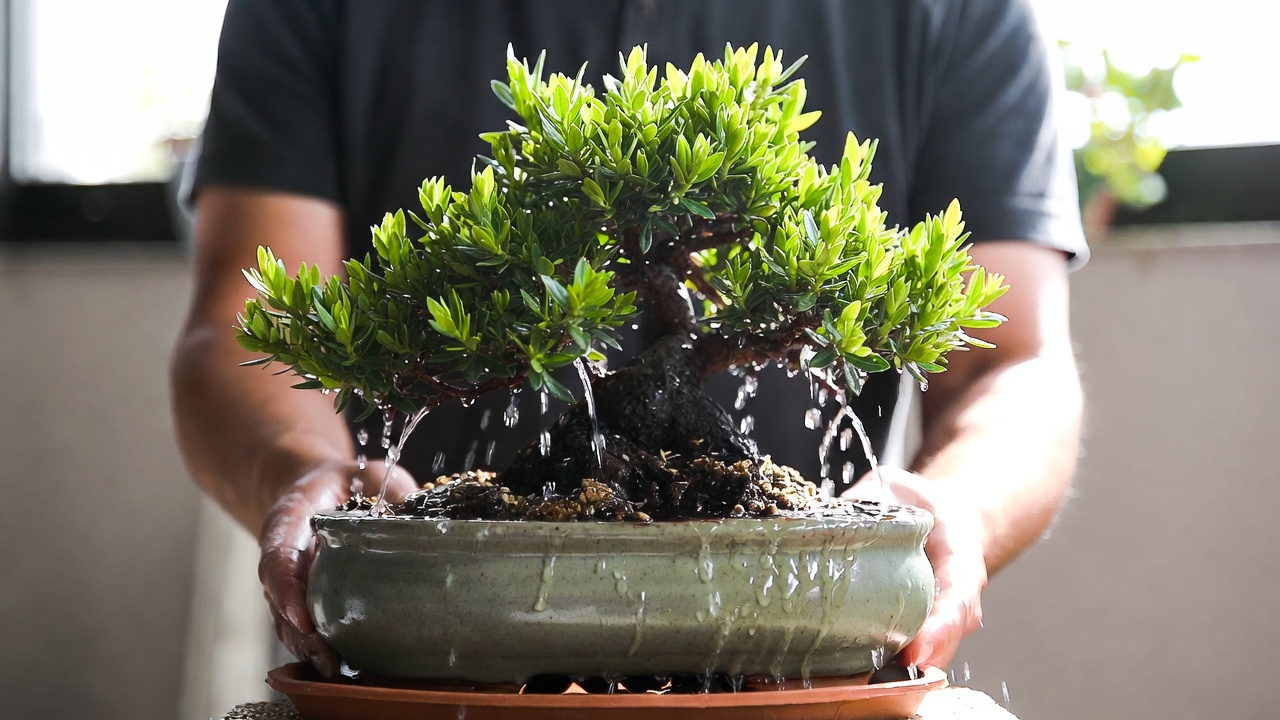
Use the soak-and-drain method:
- Water thoroughly until it drains from the bottom.
- Let excess water fully drain.
- Never allow the pot to sit in standing water.
Use room-temperature water. If possible, use filtered or rainwater to avoid mineral buildup.
Fertilizing for Healthy Growth and Vibrant Blooms
Flame tree bonsai are moderate to heavy feeders during active growth.
Nutrient Needs
- Nitrogen (N): Supports leaf growth
- Phosphorus (P): Encourages flowering
- Potassium (K): Strengthens roots and overall health
Use a balanced fertilizer (10-10-10 or similar) during vegetative growth.
Fertilizing Schedule
Spring:
Feed every 2 weeks with balanced fertilizer.
Summer:
Switch to slightly higher phosphorus formula to encourage blooms.
Fall:
Reduce feeding to once per month.
Winter:
Pause fertilization if growth slows significantly.
Organic vs. Liquid Fertilizers
- Organic pellets provide slow release.
- Liquid fertilizers offer precise control.
For indoor growers, diluted liquid fertilizer is often easiest to manage.
Pruning and Shaping Your Flame Tree Bonsai
Pruning transforms a young plant into a refined bonsai.
Structural Pruning
Best done in early spring:
- Remove thick vertical shoots
- Encourage horizontal branching
- Establish trunk taper
Flame tree grows quickly, so regular pruning is essential.
Maintenance Pruning
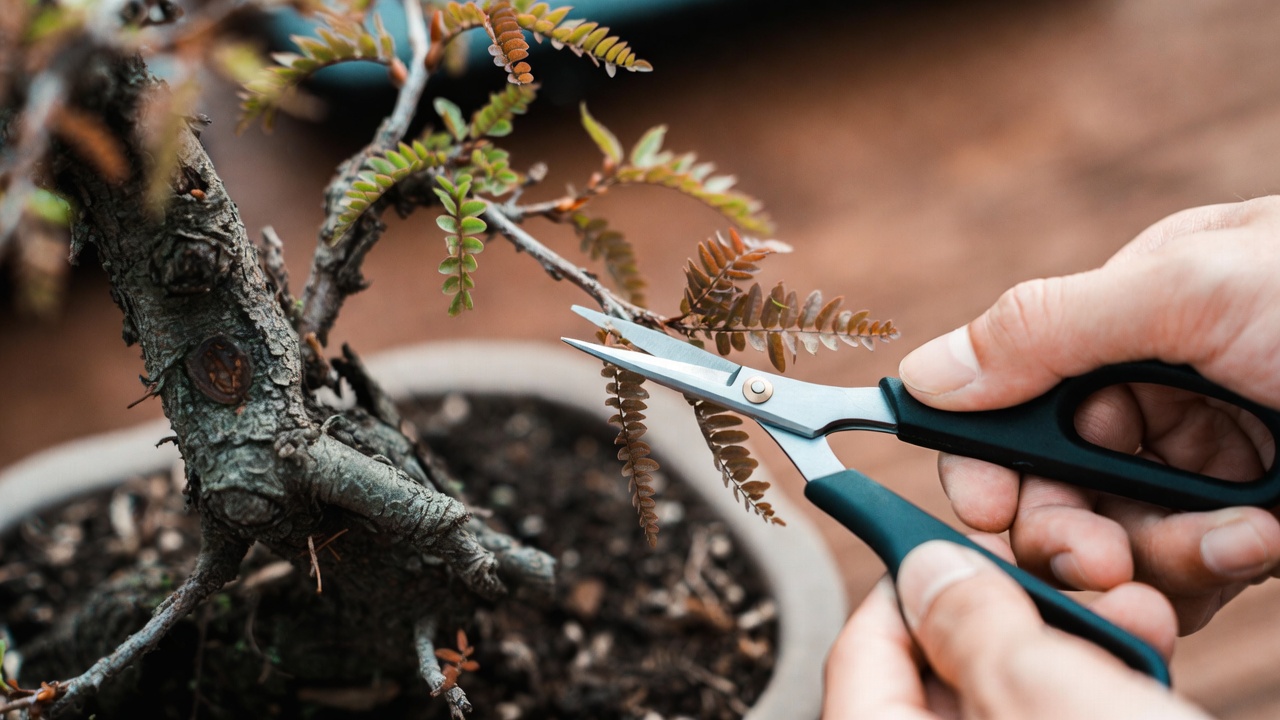
Throughout growing season:
- Trim back to 2–3 leaf pairs
- Remove leggy growth
- Encourage dense ramification
Always use clean, sharp bonsai scissors.
Wiring Techniques
Wire during active growth:
- Use aluminum bonsai wire
- Wrap gently at 45-degree angle
- Remove before wire bites into bark
Check every 2–3 weeks.
Defoliation — Should You Do It?
Partial defoliation can:
- Reduce leaf size
- Improve branch density
- Enhance light penetration
Only attempt on healthy, mature trees during peak growth.
How to Encourage Flame Tree Bonsai to Flower
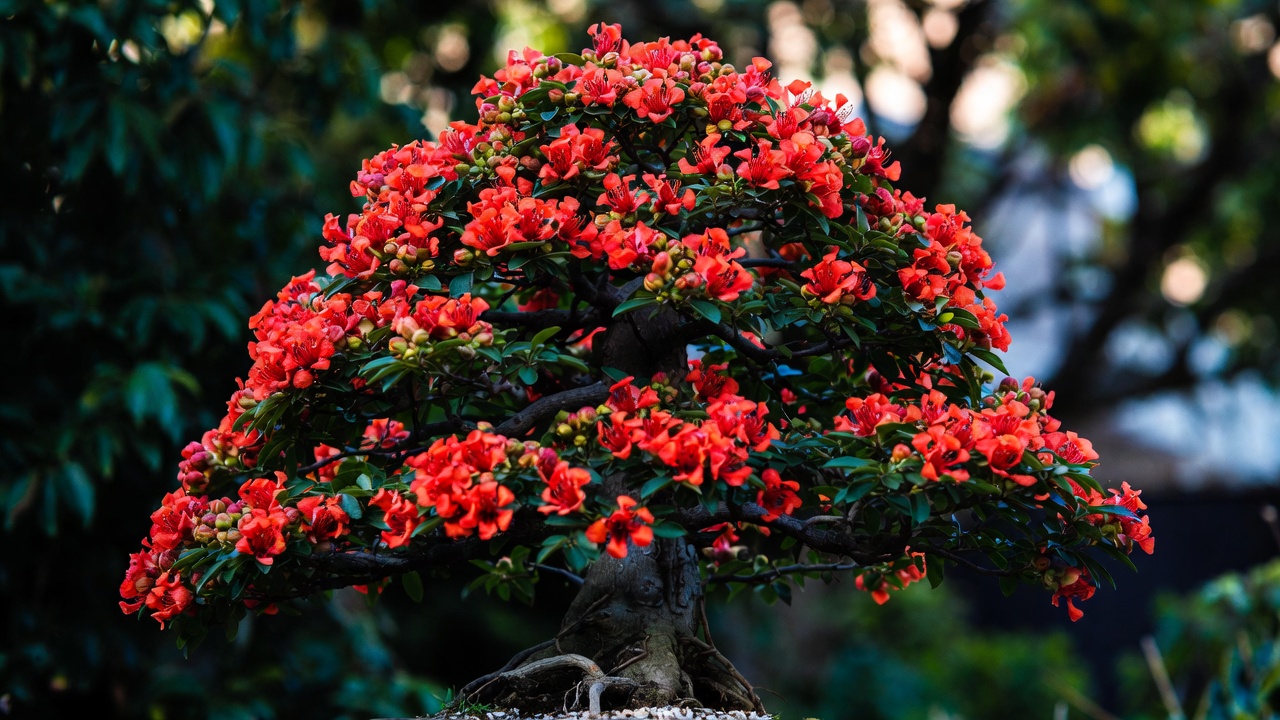
Flowering is the ultimate goal.
Age & Maturity
Flame tree bonsai typically won’t bloom until:
- 3–5 years old
- Well-established root system
Patience is essential.
Sunlight & Heat
Full sun exposure is non-negotiable for blooming.
If indoors:
- Use high-output grow lights
- Provide warmth during growing season
Stress Techniques to Trigger Flowering
Controlled stress can help:
- Slight root restriction
- Reducing nitrogen before bloom season
- Increasing phosphorus levels
Never stress a weak tree.
Seasonal Care Calendar for Indoor Flame Tree Bonsai
One of the biggest mistakes indoor growers make is treating their flame tree bonsai the same way all year. In nature, even tropical trees experience subtle seasonal shifts in rainfall, light intensity, and growth pace. Mimicking these cycles indoors dramatically improves health and flowering potential.
Here’s your practical, season-by-season care roadmap.
Spring Care (Active Growth Begins)
Spring is the most important season for structural development.
What Happens:
-
Rapid leaf production
-
Strong root activity
-
Ideal time for shaping
Your Action Plan:
-
Repot (if needed) before vigorous growth starts
-
Begin biweekly fertilization
-
Increase watering frequency
-
Start structural pruning
-
Apply wiring for shaping
This is also the best time to correct weak branch structure or improve trunk taper.
Summer Care (Peak Growth & Bloom Window)
Summer provides maximum energy for your flame tree bonsai.
Focus Areas:
-
Intense sunlight exposure
-
Consistent watering
-
Bloom support
If possible, place your bonsai outdoors in full sun when nighttime temperatures remain above 60°F (15°C). Outdoor sun is significantly stronger than indoor light and can make the difference between foliage-only growth and flowering.
Maintenance Checklist:
-
Monitor soil daily (heat increases evaporation)
-
Feed with phosphorus-supporting fertilizer
-
Watch for pests (especially spider mites)
-
Prune lightly to maintain shape
Fall Transition (Slowing Growth)
As daylight decreases, your tree prepares for slower growth.
Adjustments:
-
Reduce fertilization to once monthly
-
Slightly reduce watering frequency
-
Stop heavy pruning
-
Remove wire if applied earlier
Some leaf drop during this period can be normal.
Winter Dormancy Management Indoors
While Delonix regia is tropical and not truly deciduous, it may semi-dormant indoors due to lower light levels.
What to Expect:
-
Slower growth
-
Possible partial leaf drop
-
Reduced water needs
Winter Strategy:
-
Provide supplemental grow lights
-
Keep temperature stable (65°F minimum)
-
Water only when soil surface dries
-
Pause fertilization
Do not panic if leaves drop — assess light and watering before assuming disease.
Common Problems and How to Fix Them
Even experienced growers face occasional setbacks. Let’s break down the most common issues and their root causes.
Yellow Leaves
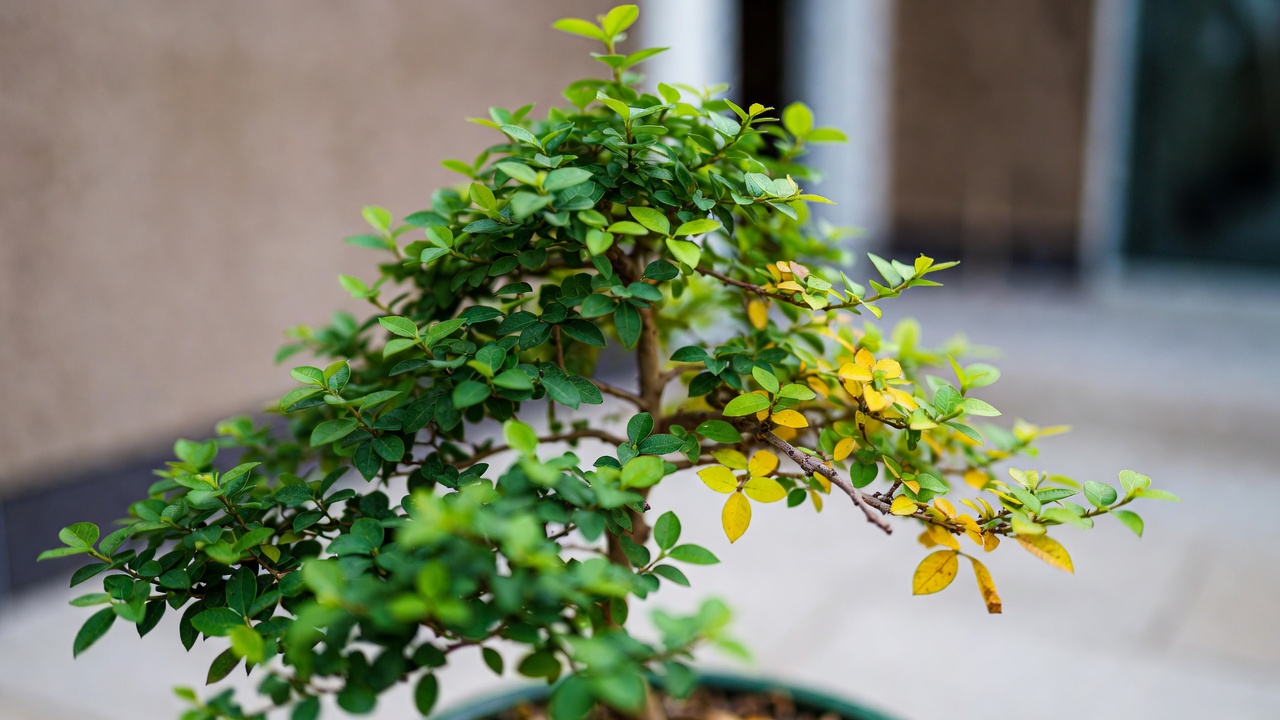
Possible Causes:
-
Overwatering (most common)
-
Nutrient deficiency
-
Sudden environmental change
Solution:
-
Check soil moisture immediately
-
Improve drainage if needed
-
Resume balanced fertilization during growth season
If yellowing begins from lower leaves upward, suspect overwatering first.
Leaf Drop
Leaf drop can occur due to:
-
Seasonal adjustment
-
Relocation stress
-
Low light exposure
-
Cold drafts
Quick Diagnostic Tip:
If stems remain green and flexible, your tree is still alive and likely adjusting.
No Flowers
This is the top frustration for indoor growers.
Checklist for Bloom Failure:
-
Is the tree at least 3–5 years old?
-
Is it receiving 6–8 hours of direct sunlight?
-
Have you overfed nitrogen?
-
Is the tree root-bound enough to trigger maturity?
Increase light intensity before adjusting fertilizer. Light is almost always the missing piece.
Pests: Spider Mites, Aphids, Scale
Indoor environments can invite pests.
Spider Mites:
-
Fine webbing
-
Speckled leaves
-
Thrive in dry air
Aphids:
-
Cluster on new growth
-
Sticky residue (honeydew)
Scale:
-
Hard bumps on stems
-
Slow decline in vigor
Treatment Plan:
-
Isolate affected plant
-
Use insecticidal soap or neem oil
-
Increase humidity to discourage mites
-
Inspect weekly
Consistency is key — most infestations require multiple treatments.
Advanced Shaping Techniques for Exhibition-Quality Flame Tree Bonsai
Once your tree is healthy and established, refinement becomes the focus.
Developing Trunk Movement
Young flame tree bonsai trunks are flexible.
-
Wire early in development
-
Create gentle curves (avoid sharp bends)
-
Allow thickening before removing wire
Tropical species thicken quickly under strong light.
Improving Ramification
Ramification (fine branch division) creates a dense canopy.
To improve:
-
Prune back to 2 leaf pairs repeatedly
-
Allow regrowth
-
Repeat throughout growing season
This technique reduces leaf size naturally over time.
Creating the Classic Umbrella Canopy
The natural growth habit of flame tree makes it perfect for a wide, flat canopy design.
To achieve this:
-
Select horizontal primary branches
-
Remove vertical shoots
-
Encourage lateral growth
Visual balance is crucial — step back often to evaluate symmetry.
Propagation: Growing Flame Tree Bonsai from Seed or Cutting
If you want to expand your collection, propagation is rewarding.
Growing from Seed
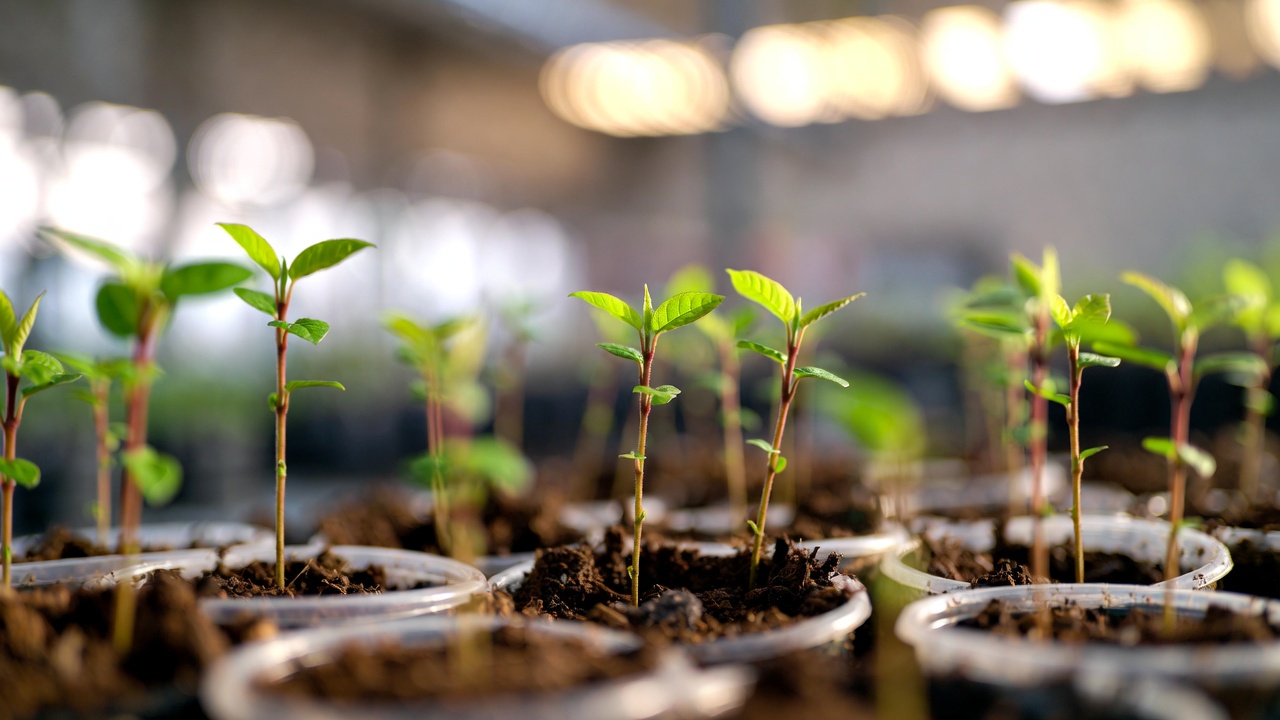
Flame tree seeds have a hard outer shell and require scarification.
Steps:
-
Gently nick seed coat or soak in warm water 24 hours
-
Plant in well-draining soil
-
Keep warm (75–85°F)
-
Expect germination in 1–3 weeks
Seed-grown trees develop stronger trunk character over time.
Growing from Cuttings
Cuttings are faster but slightly less vigorous initially.
-
Take semi-hardwood cuttings in late spring
-
Dip in rooting hormone
-
Use high humidity environment
-
Rooting may take 4–8 weeks
Seeds are generally preferred for bonsai structure.
Expert Tips for Long-Term Success
After years of indoor bonsai cultivation, several patterns become clear:
-
Light intensity determines 70% of success.
-
Overwatering causes more failures than underwatering.
-
Pruning discipline improves leaf size and structure.
-
Patience is essential — especially for flowering.
If something looks wrong, adjust one variable at a time.
Frequently Asked Questions (FAQ)
How fast does a flame tree bonsai grow?
Under strong light, growth can be rapid — especially during summer. Expect noticeable development each season.
Can flame tree bonsai stay indoors year-round?
Yes, but strong grow lights are usually required in non-tropical climates to maintain vigor.
Why are the leaves closing at night?
This is natural nyctinasty behavior — the leaflets fold in response to darkness.
How long does it take to bloom?
Typically 3–5 years, sometimes longer indoors. Consistent sunlight is essential.
Is flame tree bonsai toxic to pets?
While not highly toxic, ingestion should be avoided. Keep out of reach of pets.
Final Thoughts: Is Flame Tree Bonsai Worth It?
Absolutely — if you’re prepared to meet its needs.
A flame tree bonsai offers something few indoor plants can: dramatic tropical blooms in miniature form. It demands light, attention, and seasonal awareness — but rewards you with beauty and artistic satisfaction.
If you:
-
Provide strong light
-
Water carefully
-
Prune consistently
-
Adjust seasonally
You’ll transform a challenging species into a thriving indoor masterpiece.
And when those fiery blossoms finally appear, you’ll know every careful step was worth it.