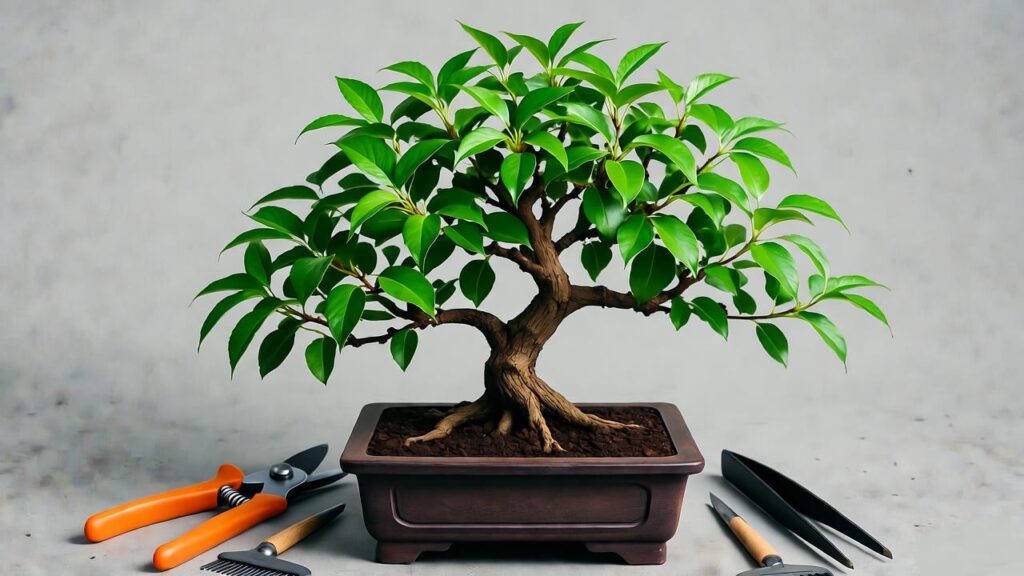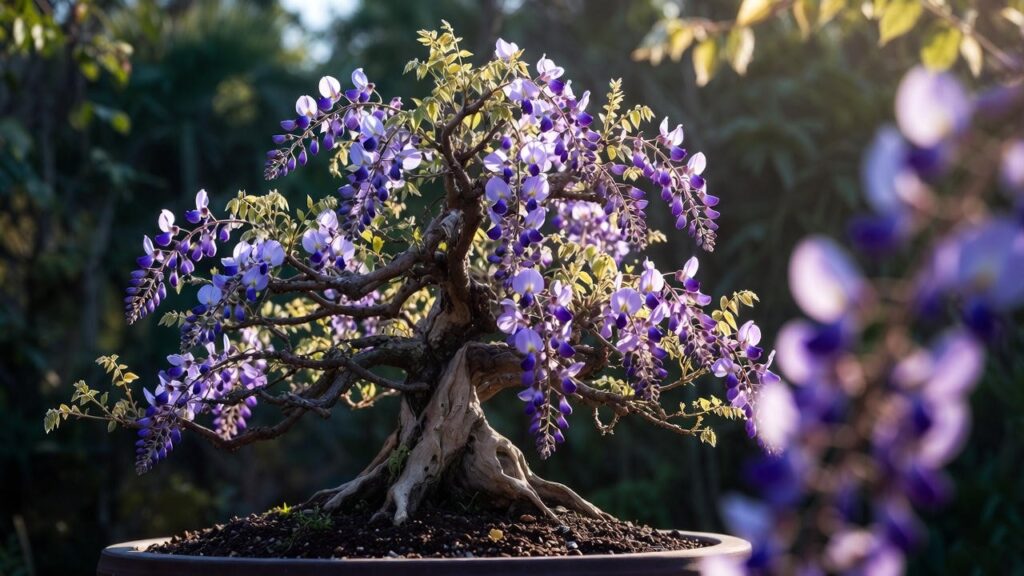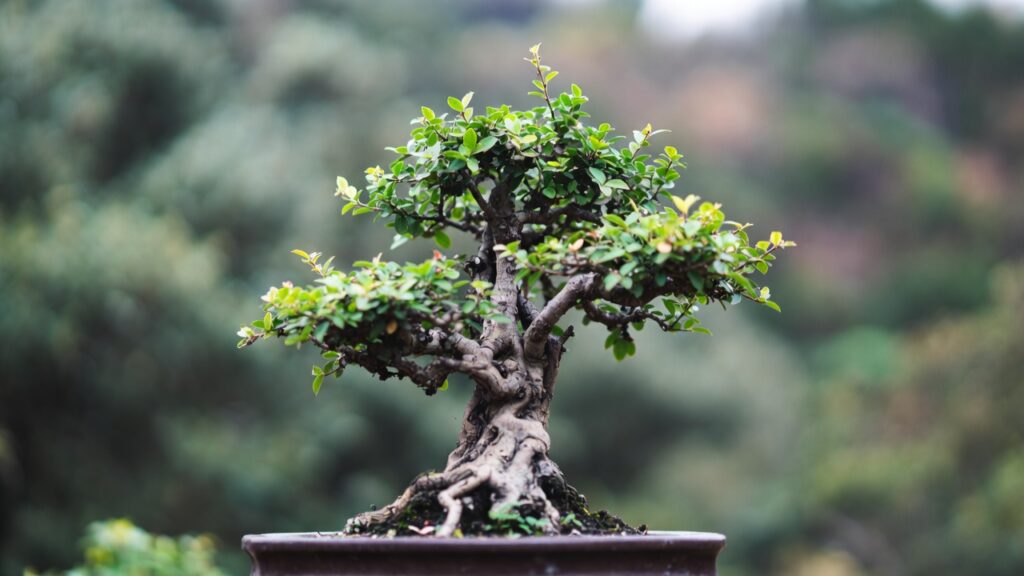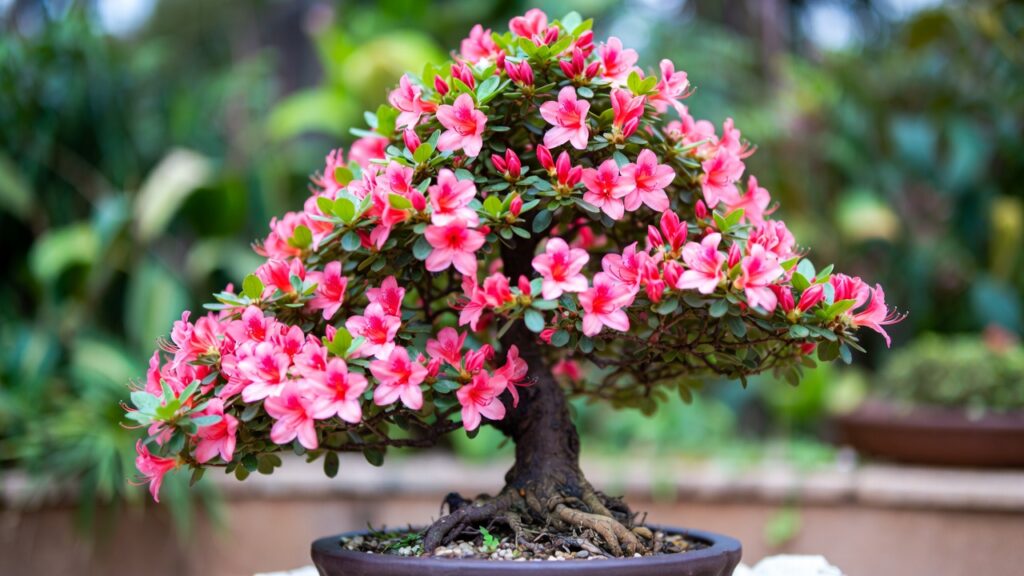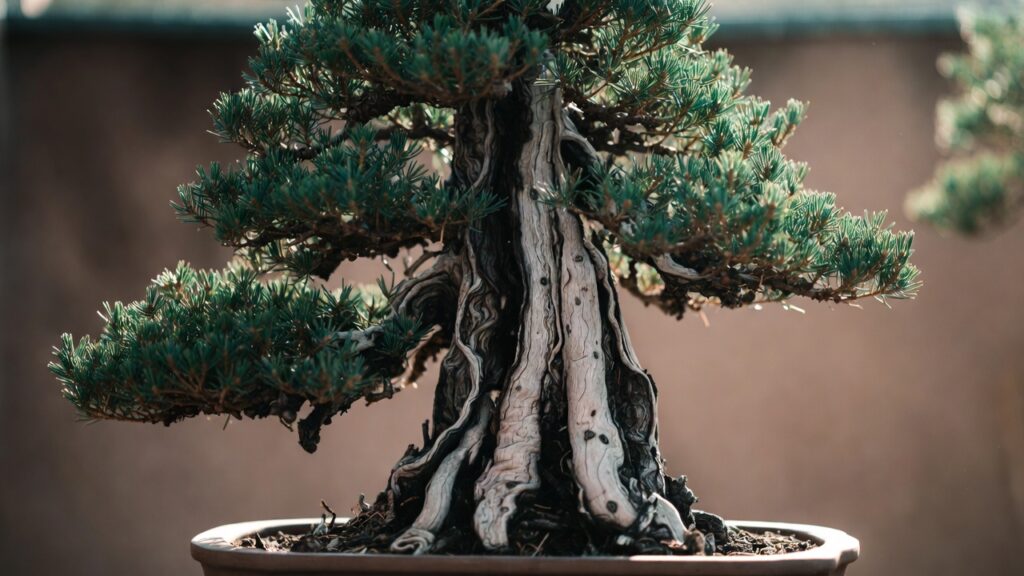
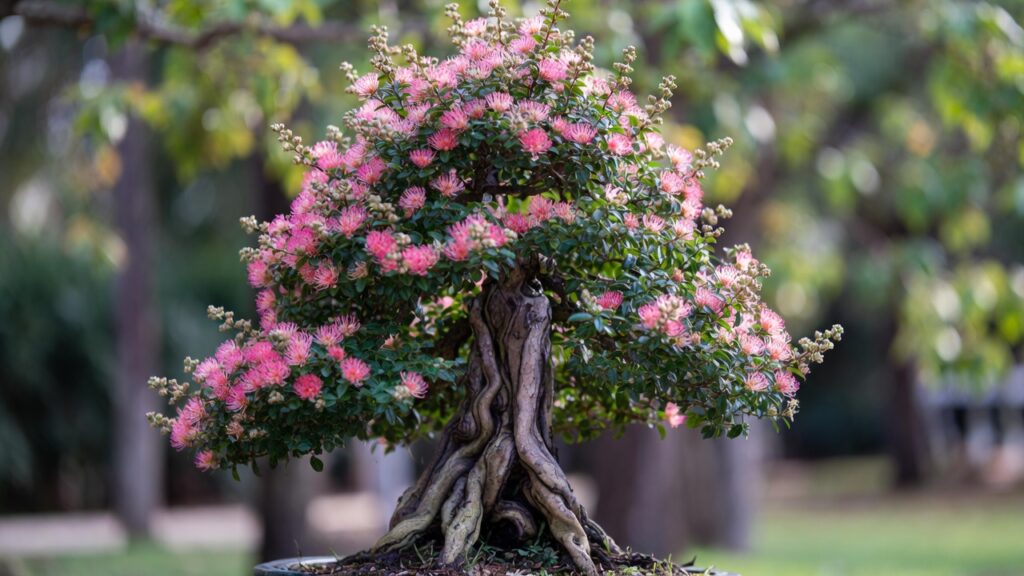
There’s something undeniably magical about a tree covered in vibrant summer blooms — especially when that tree fits in the palm of your hand. A crepe myrtle bonsai combines dramatic flowers, exfoliating bark, and elegant structure into one living work of art. But here’s the truth most guides don’t tell you: keeping a crepe myrtle bonsai healthy indoors year-round requires far more than occasional watering and sunlight.
Many indoor gardeners struggle with weak growth, no blooms, yellowing leaves, or winter dieback — not because they lack dedication, but because crepe myrtle has very specific seasonal and dormancy needs.
In this complete expert guide, you’ll learn:
- Whether crepe myrtle bonsai can truly thrive indoors
- The exact light, soil, and watering requirements
- Proven pruning techniques to maximize flowering
- A season-by-season care calendar
- How to troubleshoot common problems before they become fatal
This article is designed to be your definitive indoor care resource, rooted in horticultural best practices and real bonsai cultivation principles.
Understanding Crepe Myrtle Bonsai (Before You Bring One Indoors)
What Is a Crepe Myrtle Bonsai?
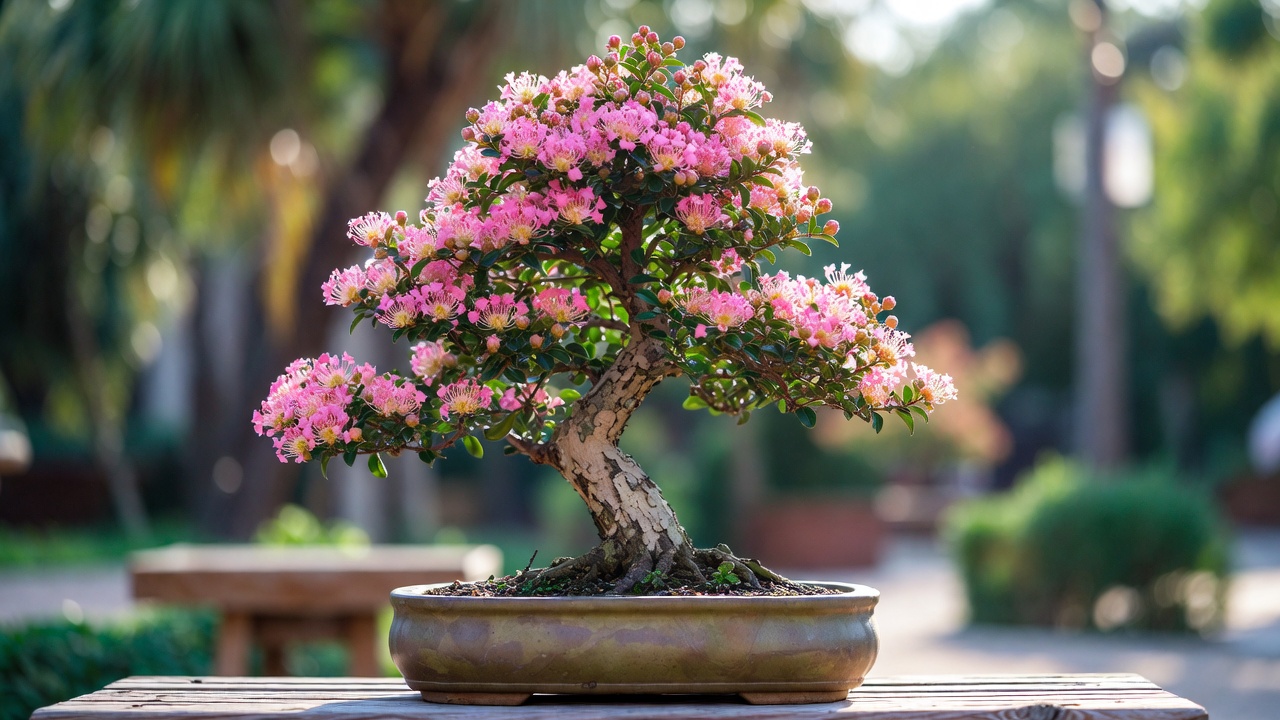
Crepe myrtle bonsai is created from species in the Lagerstroemia genus, most commonly Lagerstroemia indica. Known for:
- Vibrant pink, red, white, or purple blooms
- Naturally textured, peeling bark
- Fine branching structure
- Strong summer growth
Unlike many indoor bonsai species (like ficus), crepe myrtle is a deciduous flowering tree, not a tropical plant. That distinction is critical to long-term success.
Can Crepe Myrtle Bonsai Truly Thrive Indoors?
This is the most misunderstood aspect of crepe myrtle bonsai care.
Crepe myrtle is not naturally an indoor plant. It is an outdoor, temperate tree that requires:
- Full sun exposure
- Seasonal temperature fluctuations
- Winter dormancy
However, it can be kept indoors temporarily or seasonally — especially in colder climates — if you carefully replicate its environmental needs.
Key truth: If you plan to grow crepe myrtle bonsai indoors year-round in a warm living room, it will eventually weaken without a dormancy period.
Is Crepe Myrtle Bonsai Right for Beginners?
It depends.
Pros:
- Fast-growing
- Stunning summer flowers
- Tolerates pruning well
Challenges:
- Needs strong light
- Requires winter dormancy
- Flowering depends on correct pruning timing
If you’re comfortable managing seasonal adjustments, it’s an incredibly rewarding species.
Ideal Growing Conditions for Crepe Myrtle Bonsai Indoors
Getting the environment right is 80% of success.
Light Requirements (The #1 Success Factor)
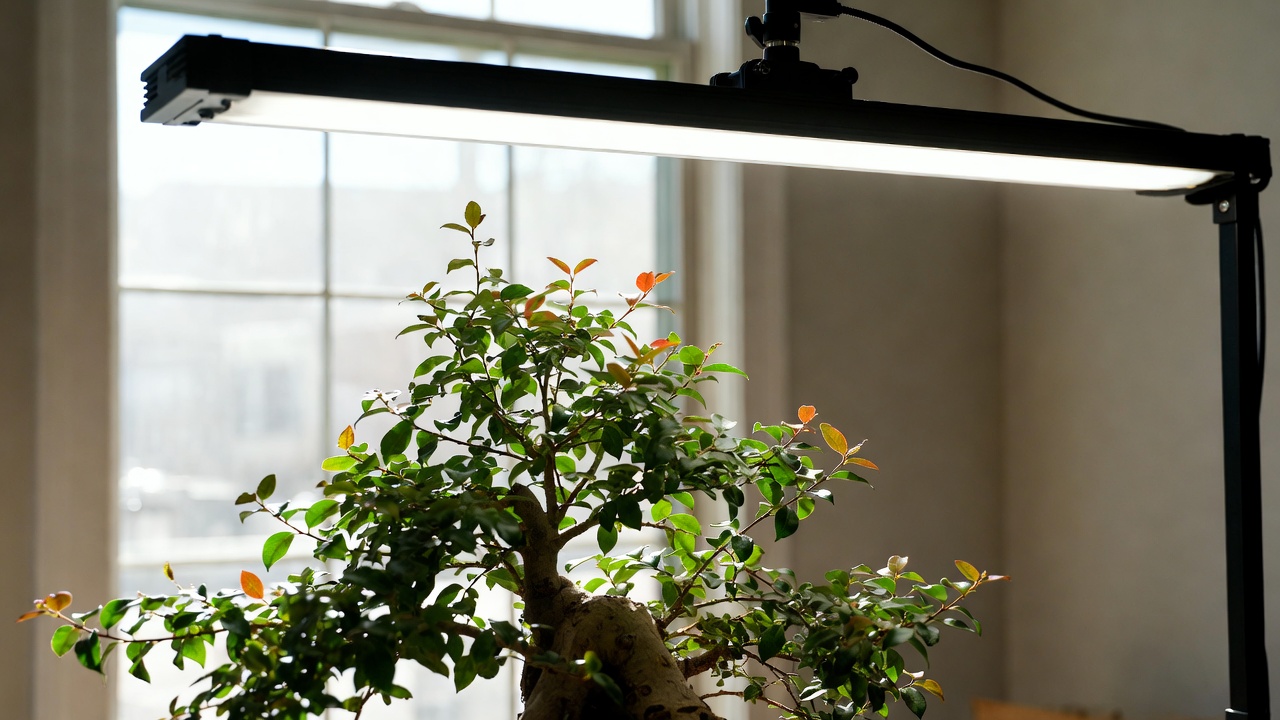
Crepe myrtle bonsai requires:
- 6–8 hours of direct sunlight daily
- A south-facing window indoors
- Supplemental full-spectrum grow lights if natural light is insufficient
Without strong light, you’ll see:
- Long, leggy growth
- Weak branches
- Few or no blooms
- Pale or yellowing leaves
If using grow lights:
- Keep them 6–12 inches above foliage
- Provide 12–14 hours daily during active growth
Expert Tip: Outdoor sun is significantly stronger than window light. If possible, move your bonsai outdoors during spring and summer.
Temperature & Seasonal Dormancy Needs
Crepe myrtle bonsai thrives in:
- Spring/Summer: 65–85°F (18–29°C)
- Fall/Winter dormancy: 35–50°F (2–10°C)
Winter dormancy is not optional. It’s biologically necessary for:
- Energy reset
- Bud formation
- Future flowering
If kept warm all winter, the tree becomes stressed and may stop blooming altogether.
Indoor Solution:
Use an unheated garage, enclosed balcony, or cool basement for dormancy.
Humidity & Air Circulation
While not extremely humidity-sensitive, crepe myrtle benefits from:
- 40–60% humidity
- Good airflow to prevent fungal issues
Avoid misting constantly — instead:
- Use a humidity tray
- Ensure proper air circulation
- Avoid stagnant indoor air
Soil, Potting & Repotting Essentials
Healthy roots = healthy tree.
Best Soil Mix for Crepe Myrtle Bonsai
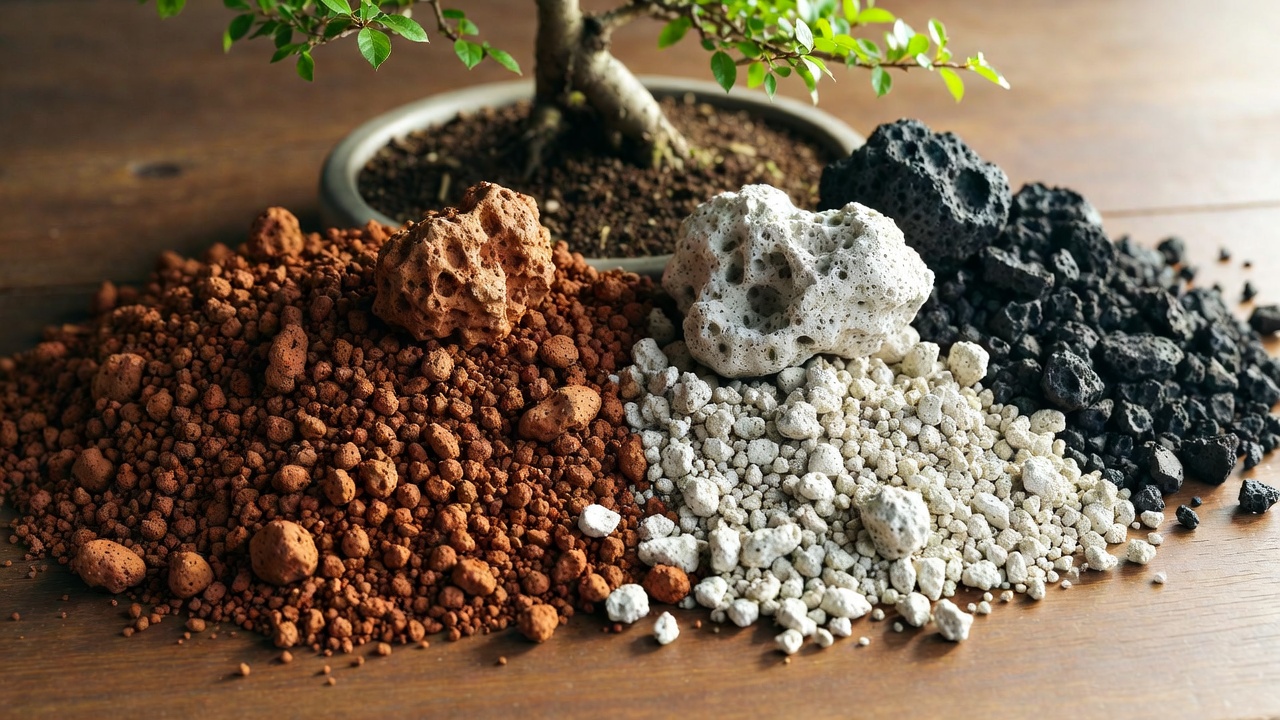
Never use standard potting soil. It compacts and suffocates roots.
Use a well-draining bonsai mix such as:
- 40% akadama or baked clay
- 30% pumice
- 30% lava rock or coarse sand
This ensures:
- Proper oxygen flow
- Drainage
- Root health
Choosing the Right Bonsai Pot
Your pot must have:
- At least one drainage hole
- Mesh covering drainage holes
- Proper depth for root structure
Too shallow = unstable growth
Too deep = excess moisture retention
Balance aesthetics with functionality.
When and How to Repot
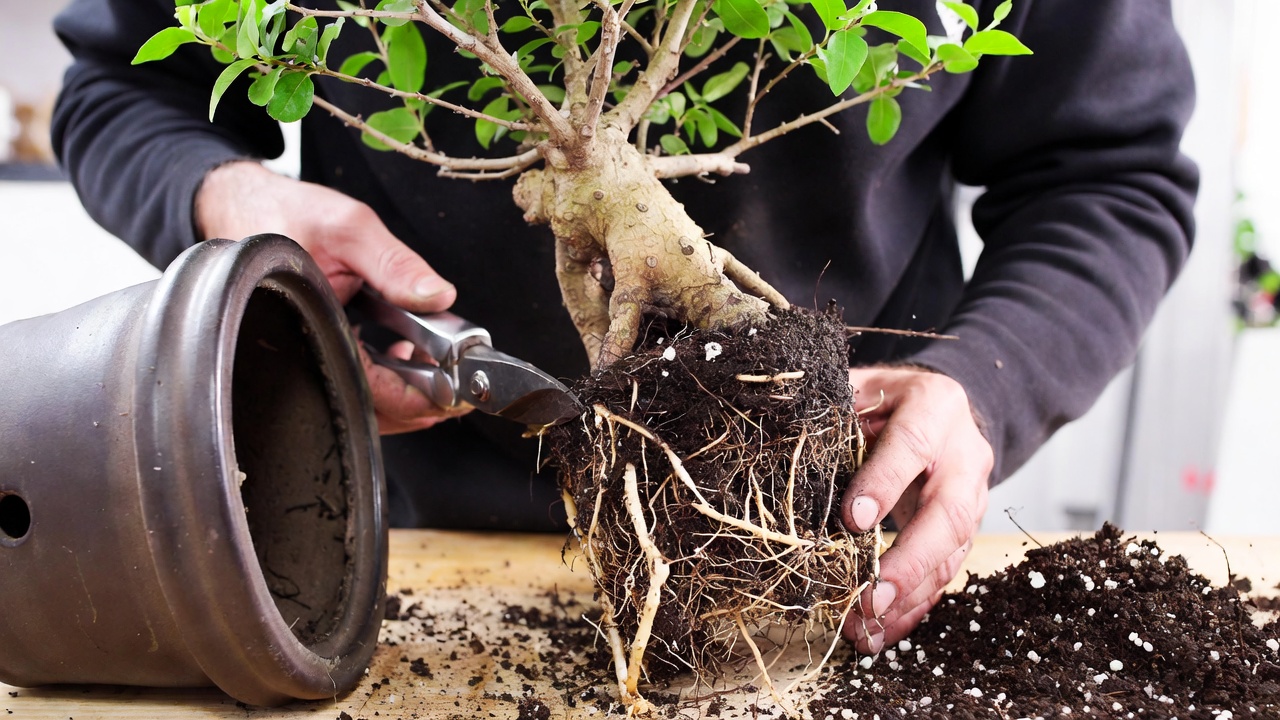
Repot every 2–3 years in early spring before bud break.
Steps:
- Gently remove tree from pot
- Trim back 20–30% of roots
- Replace old soil with fresh mix
- Water thoroughly
- Avoid fertilizing for 3–4 weeks
Repotting encourages:
- Root rejuvenation
- Controlled growth
- Improved flowering
Watering a Crepe Myrtle Bonsai the Right Way
Improper watering is the most common mistake.
How Often Should You Water?
Water when:
- The top 1 inch of soil feels slightly dry
- The pot feels lighter when lifted
In summer:
- Possibly daily watering
In winter dormancy:
- Minimal watering (keep soil barely moist)
Signs of Overwatering vs. Underwatering
Overwatering:
- Yellow leaves
- Mushy roots
- Fungal smell
Underwatering:
- Crispy leaves
- Dry soil pulling from pot edges
- Sudden leaf drop
Best Watering Technique
- Water thoroughly until it drains out the bottom
- Never leave standing water in trays
- Occasionally flush soil to prevent salt buildup
Pruning & Shaping for Healthy Growth and Maximum Blooms
This is where many growers fail.
Why Pruning Is Essential for Flowering
Crepe myrtle blooms on new growth.
That means:
- Correct pruning stimulates flowering
- Incorrect timing removes flower buds
Structural vs. Maintenance Pruning
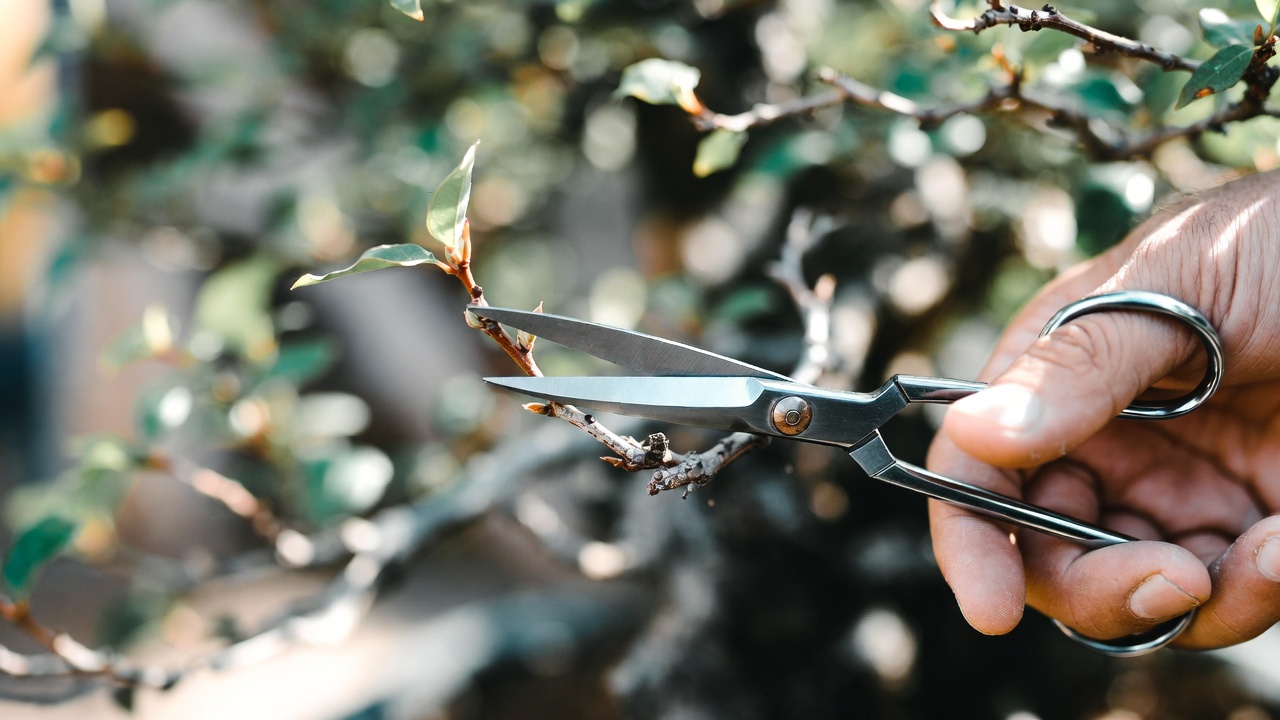
Structural pruning (late winter):
- Establish main branches
- Remove crossing growth
- Improve shape
Maintenance pruning (summer):
- Trim new shoots back to 2–3 leaves
- Encourage ramification
- Support flowering
How to Encourage More Flowers
To maximize blooms:
- Provide full sun
- Fertilize properly (avoid excess nitrogen)
- Prune after flowering flush
- Do not over-prune mid-season
Over-pruning = foliage growth without blooms.
Wiring Techniques
- Wire during active growth
- Monitor weekly to prevent bark damage
- Remove before cutting into bark
Crepe myrtle bark scars easily — caution is critical.
Fertilizing for Strong Growth & Vibrant Blooms
Best Fertilizer Type
Use:
- Balanced fertilizer (10-10-10) in spring
- Slightly lower nitrogen during bloom phase
Organic options:
- Fish emulsion
- Compost tea
Synthetic options:
- Controlled-release bonsai pellets
Fertilizing Schedule
Spring:
- Every 2 weeks
Summer:
- Every 2–3 weeks
Fall:
- Reduce feeding
Winter:
- No fertilizer during dormancy
Avoiding Fertilizer Mistakes
Overfeeding causes:
- Salt buildup
- Root burn
- Weak flowering
Flush soil monthly during growing season.
Seasonal Care Calendar for Crepe Myrtle Bonsai
Spring
- Repot if needed
- Begin fertilizing
- Structural pruning
- Increase watering
Summer
- Full sun exposure
- Regular feeding
- Maintenance pruning
- Monitor pests
Fall
- Reduce fertilizer
- Gradually decrease watering
- Prepare for dormancy
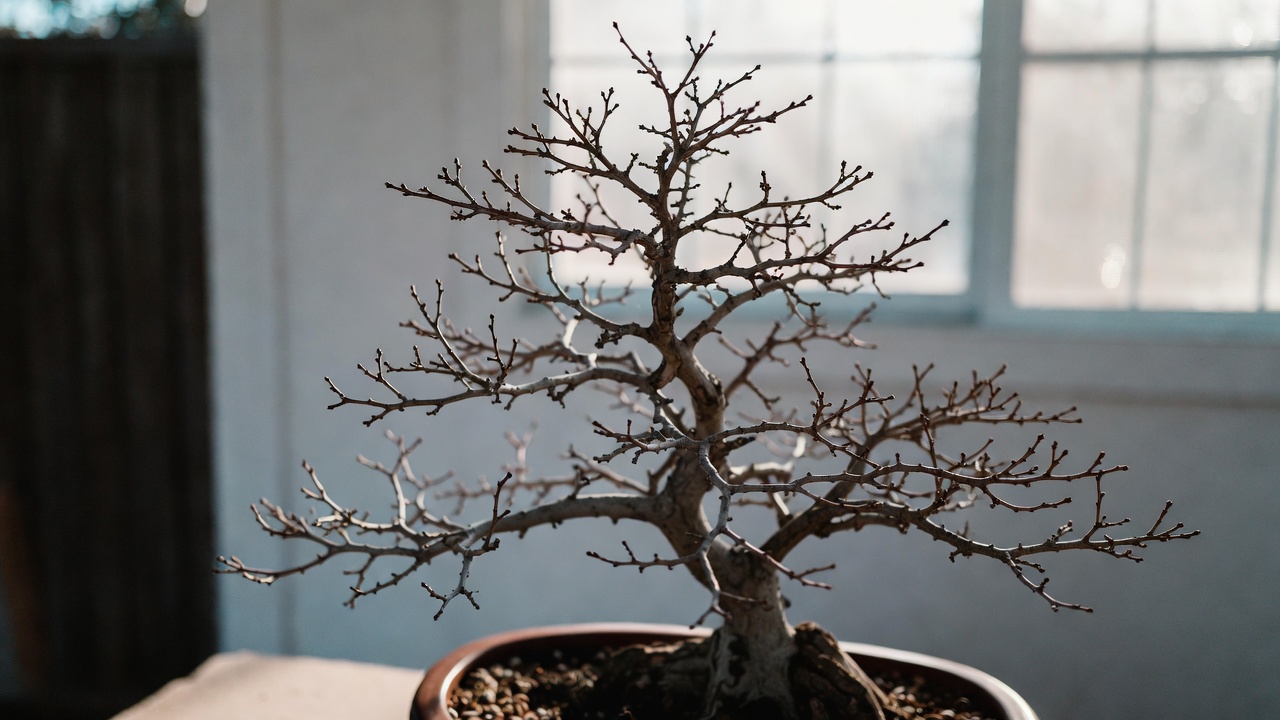
Winter
- Move to cool location
- Minimal watering
- No fertilizing
- Protect roots from freezing
Common Problems and How to Fix Them
Why Isn’t My Crepe Myrtle Bonsai Blooming?
Most common causes:
- Insufficient sunlight
- Over-pruning
- Excess nitrogen
- Lack of winter dormancy
Fix the environment before blaming the plant.
Yellowing Leaves
Possible causes:
- Overwatering
- Nutrient imbalance
- Natural seasonal leaf drop
Observe timing carefully.
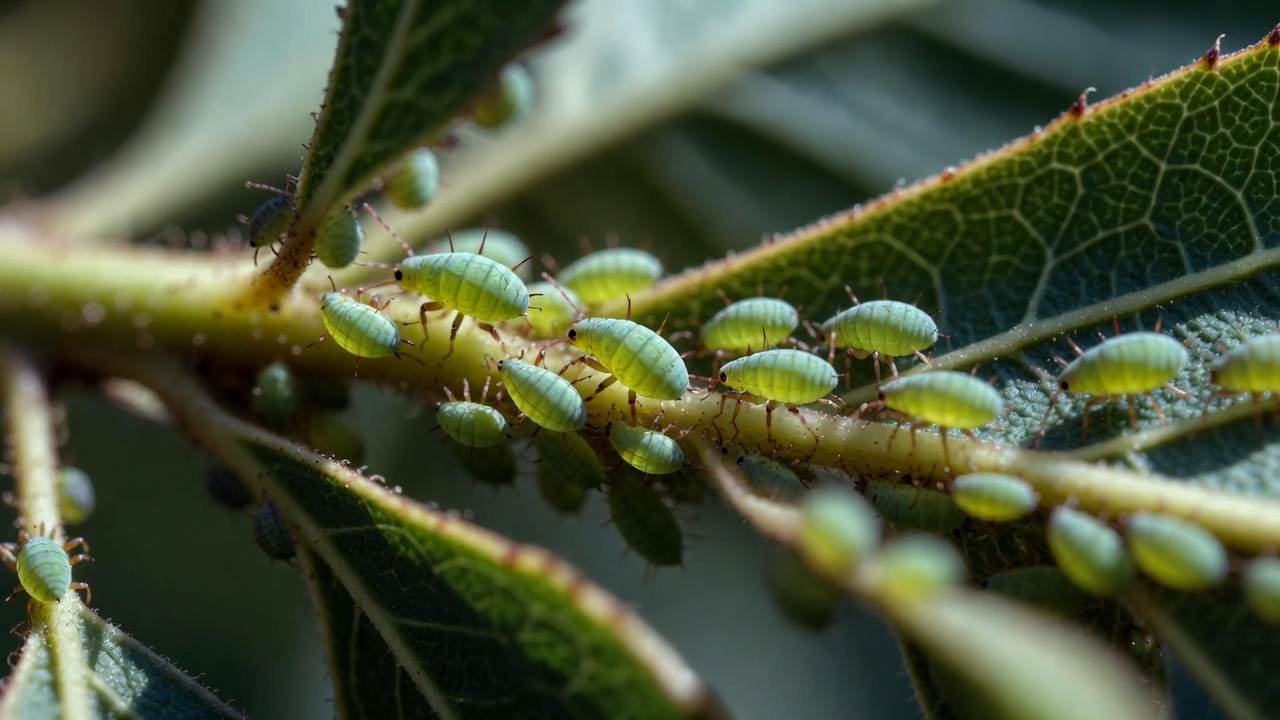
Pests & Diseases
Watch for:
- Aphids
- Spider mites
- Powdery mildew
Treat with:
- Neem oil
- Insecticidal soap
- Improved airflow
Indoor vs. Outdoor Growing: What Experts Recommend
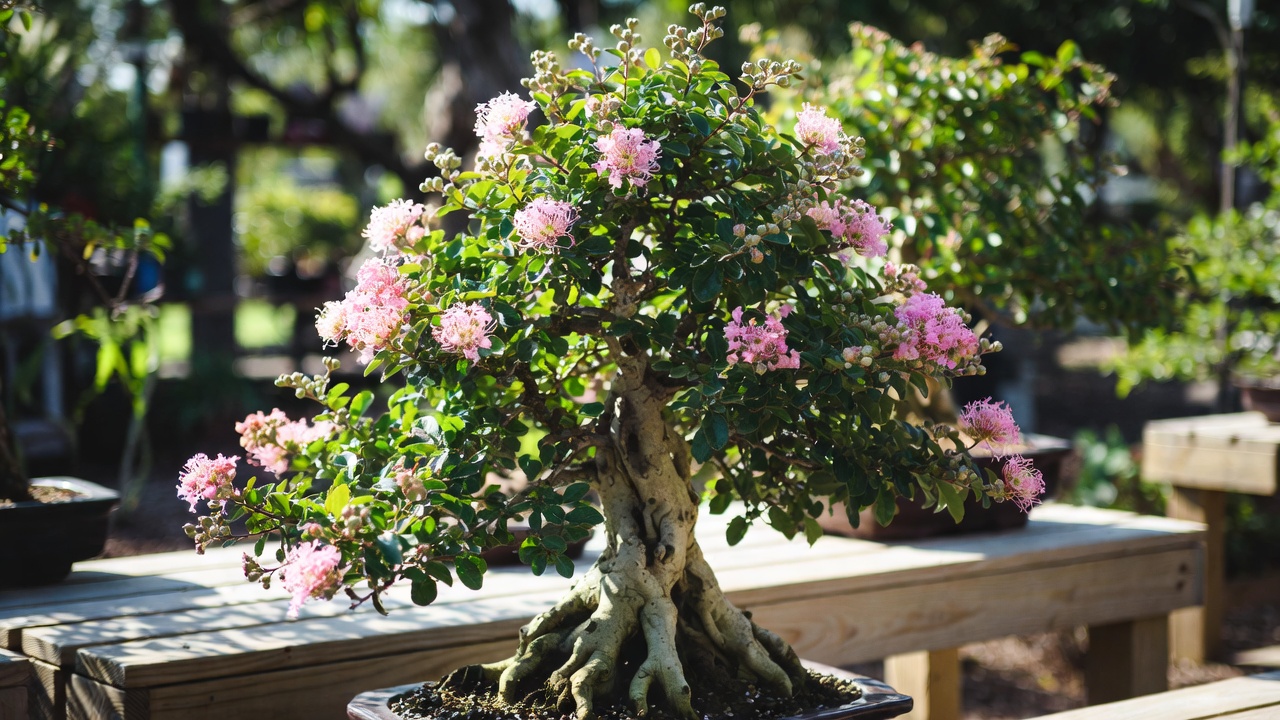
Professional bonsai growers overwhelmingly recommend:
- Outdoor growing during active seasons
- Indoor display only temporarily
- Proper winter dormancy
If you live in a cold climate:
- Grow outdoors spring–fall
- Protect during winter
This hybrid approach ensures longevity and strong flowering.
Expert Tips for Long-Term Success
- Observe your tree daily
- Rotate for even light exposure
- Keep seasonal notes
- Be patient — bonsai is long-term art
Consistency beats perfection.
Frequently Asked Questions
Can crepe myrtle bonsai stay indoors all year?
Not ideally. It requires winter dormancy to remain healthy long-term.
How long does it take to flower?
Typically 2–3 years if grown from young stock and properly pruned.
How big will it get?
With pruning, it can remain under 24 inches tall.
Can I grow it from cuttings?
Yes. Semi-hardwood cuttings root well in late spring.
Final Thoughts: Is Crepe Myrtle Bonsai Worth the Effort?
If you’re willing to respect its seasonal needs, crepe myrtle bonsai rewards you with:
- Spectacular summer blooms
- Elegant bark texture
- Dynamic seasonal change
It is not the easiest indoor bonsai — but it may be one of the most beautiful.
Master the light. Respect dormancy. Prune wisely.
Do that, and your crepe myrtle bonsai won’t just survive — it will thrive year after year.