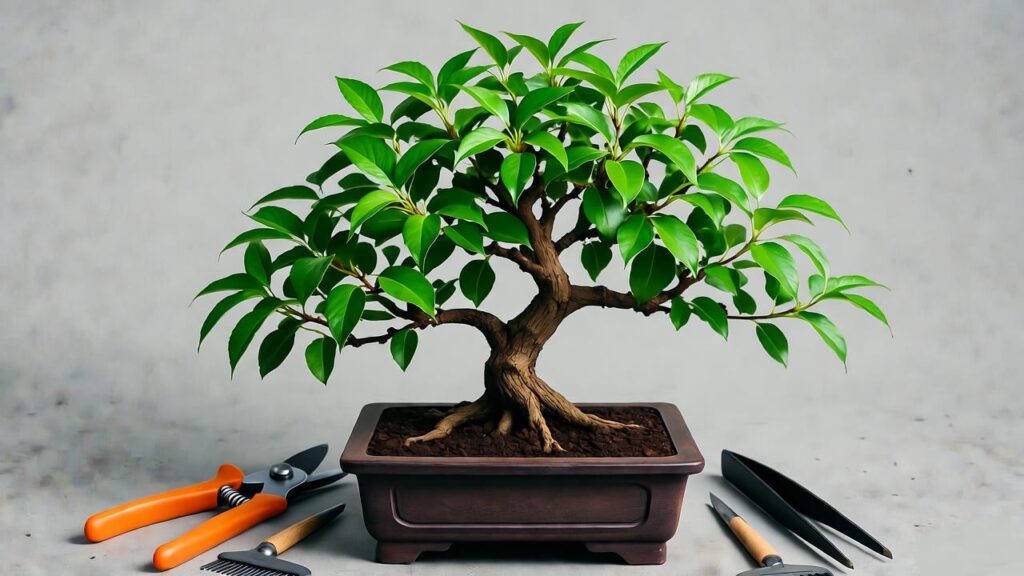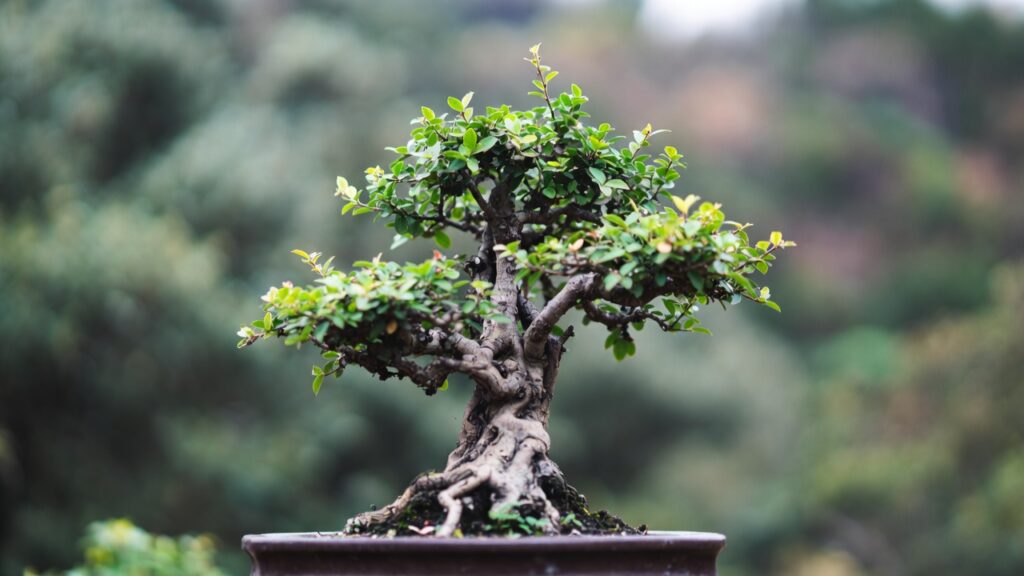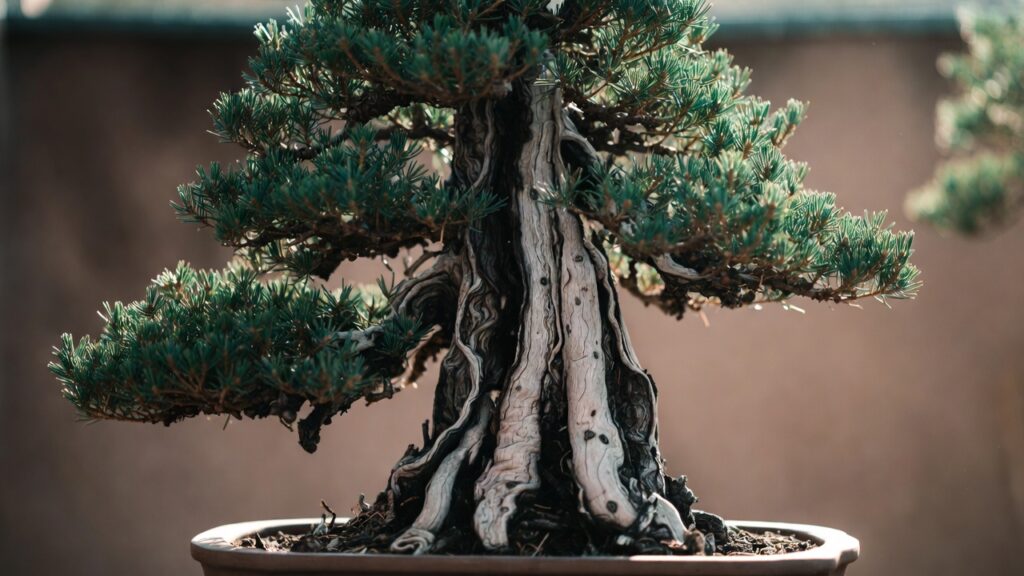

Few indoor trees strike the perfect balance between elegance and resilience quite like the chinese elm ulmus parvifolia bonsai. With its graceful branching, textured bark, and forgiving nature, it’s often recommended for beginners — yet it’s also refined enough for experienced bonsai enthusiasts.
But here’s the reality: most Chinese Elm bonsai struggle indoors not because they’re fragile, but because their care requirements are misunderstood. Leaf drop, yellowing foliage, weak growth, or sudden decline usually trace back to incorrect light, watering, or dormancy management.
This comprehensive indoor care guide is designed to solve those problems — clearly, practically, and scientifically. Whether you’re new to bonsai or refining your technique, you’ll learn exactly how to help your Chinese Elm bonsai thrive indoors for decades.
Understanding Chinese Elm Ulmus Parvifolia Bonsai

Botanical Background and Origin
Chinese Elm (Ulmus parvifolia) is native to China, Korea, Japan, and parts of Southeast Asia. In nature, it grows as a medium-sized deciduous tree. In bonsai form, it’s prized for:
- Small, serrated leaves
- Beautiful mottled bark that develops with age
- Excellent ramification (fine twig structure)
- High tolerance to pruning and shaping
Depending on climate, it behaves as:
- Deciduous in colder regions
- Semi-evergreen in mild climates
This adaptability is what makes it suitable for indoor bonsai cultivation — but only when its biological needs are respected.
Why Chinese Elm Is Ideal for Indoor Bonsai Enthusiasts
Among temperate bonsai species, Chinese Elm is one of the most forgiving. It tolerates:
- Minor watering mistakes
- Moderate humidity fluctuations
- Aggressive pruning
- Styling and wiring
However, forgiving does not mean maintenance-free. Indoor success depends on replicating key elements of its natural environment — especially light and seasonal cycles.
Indoor vs. Outdoor Growing: What You Need to Know
There is widespread confusion about whether Chinese Elm bonsai can live indoors year-round.
Here’s the expert consensus:
- It can survive indoors.
- It performs best with outdoor exposure part of the year.
- It requires a cool dormancy period in temperate climates.
If you live in a tropical or consistently warm region, dormancy requirements differ. But in most indoor plant setups, especially in heated homes, managing dormancy becomes the single biggest challenge.
We’ll address this in detail later.
Ideal Indoor Growing Conditions for Chinese Elm Bonsai
Light Requirements (The #1 Success Factor)

If there is one factor that determines whether your Chinese Elm thrives or declines indoors, it’s light.
How Much Light Does It Need?
Chinese Elm bonsai require:
- 6–8 hours of bright, indirect sunlight daily
- Some direct morning sun is beneficial
- South- or west-facing windows are ideal
Insufficient light leads to:
- Long, leggy growth
- Larger leaves
- Pale or yellowing foliage
- Chronic leaf drop
Should You Use Grow Lights?

In many indoor environments, natural light isn’t enough — especially during winter.
A full-spectrum LED grow light can dramatically improve health and vigor.
Look for:
- 5000K–6500K color temperature
- 2000–4000 lumens minimum
- Positioned 6–12 inches above canopy
- 10–12 hours daily exposure
Grow lights are not optional in darker homes — they’re often essential.
Temperature & Humidity
Chinese Elm prefers:
- 60–75°F (15–24°C) during active growth
- Cooler temperatures (35–50°F / 2–10°C) during dormancy
Avoid placing your bonsai near:
- Heating vents
- Radiators
- Air conditioning units
- Drafty doors
Humidity Considerations
Indoor heating dries the air significantly. While Chinese Elm tolerates moderate humidity, prolonged dry air increases pest risk (especially spider mites).
Helpful strategies:
- Humidity tray beneath the pot
- Occasional misting (not a replacement for watering)
- Small room humidifier in winter
Placement Tips for Long-Term Health
Best indoor placement:
- Brightest window in your home
- Away from artificial heat sources
- Good air circulation
Rotate the tree every 1–2 weeks to ensure even growth.
Watering Chinese Elm Ulmus Parvifolia Bonsai Correctly
Improper watering causes more Chinese Elm decline than any other issue.
How Often Should You Water?

Never water on a fixed schedule.
Instead:
- Check soil daily
- Water thoroughly when the top ½–1 inch feels dry
Use the chopstick method:
Insert a wooden stick into the soil. If it comes out damp with soil sticking, wait. If dry, water deeply.
Seasonal Watering Guidelines
| Season | Frequency (Typical Indoor) |
|---|---|
| Spring | Every 2–4 days |
| Summer | Daily or every other day |
| Autumn | Every 3–5 days |
| Winter (Dormant) | Minimal, but never fully dry |
Always water until excess drains from the bottom.
Overwatering vs. Underwatering Symptoms
Overwatering:
- Yellow leaves
- Mushy roots
- Foul-smelling soil
- Leaf drop with soft stems
Underwatering:
- Crispy leaves
- Sudden wilting
- Dry soil pulling from pot edges
Consistency is key. Bonsai soil should be moist, never soggy.
Best Water Type to Use
Rainwater is ideal.
If using tap water:
- Let it sit 24 hours to dissipate chlorine
- Flush soil monthly to prevent mineral buildup
Hard water can leave white salt crusts on soil — rinse thoroughly when this occurs.
Soil and Repotting Guide
Best Soil Mix for Indoor Chinese Elm Bonsai

Regular potting soil is not suitable.
Use a well-draining bonsai mix, typically:
- 50% Akadama
- 25% Pumice
- 25% Lava rock
For indoor growers, slightly more moisture retention is acceptable, but drainage must remain excellent.
When and How to Repot

Repot:
- Every 1–2 years (young trees)
- Every 2–3 years (mature trees)
Best time:
- Early spring, just before new growth emerges
Repotting Steps:
- Remove tree gently.
- Trim 20–30% of roots.
- Remove old compacted soil.
- Replant in fresh bonsai mix.
- Water thoroughly.
- Keep in shade for 1–2 weeks.
Post-Repot Care
- Avoid fertilizing for 4 weeks
- Reduce direct sun exposure temporarily
- Monitor closely for stress
Fertilizing for Vigorous Growth
Healthy indoor bonsai need consistent feeding.
Best Fertilizers
Use:
- Balanced liquid fertilizer (10-10-10 or 12-12-12)
- Organic pellets for slow release
Fertilizing Schedule
- Spring & Summer: Every 2 weeks
- Autumn: Monthly
- Winter (Dormant): Stop or reduce drastically
Over-fertilization causes:
- Burnt leaf edges
- Salt buildup
- Weak, rapid growth
Always dilute to half-strength for indoor bonsai.
Pruning, Shaping, and Styling
Maintenance Pruning

Trim new shoots back to 2–3 leaves once they reach 6–8 leaves. This encourages fine branching (ramification).
Structural Pruning
Best done in early spring.
Remove:
- Crossing branches
- Vertical shoots
- Weak inner growth
Seal large cuts with bonsai cut paste to prevent infection.
Wiring Techniques
- Use aluminum wire for beginners
- Wrap at 45° angle
- Remove after 6–8 weeks
- Monitor to prevent scarring
Never wire during weak or stressed growth phases.
Managing Dormancy Indoors
This is where many indoor growers struggle.
Does Chinese Elm Need Dormancy?
Yes — in most temperate climates.
Without dormancy:
- Tree weakens over time
- Growth becomes irregular
- Lifespan shortens
How to Provide Indoor Dormancy

Options include:
- Unheated garage
- Enclosed balcony
- Cool basement with light
Keep soil slightly moist, never frozen solid.
Dormancy usually lasts 8–12 weeks.
Common Problems and Expert Troubleshooting
Leaf Drop

Most common causes:
- Sudden relocation
- Insufficient light
- Overwatering
Solution:
- Stabilize light conditions
- Adjust watering
- Avoid frequent repositioning
Yellow Leaves
Possible causes:
- Nitrogen deficiency
- Root rot
- Seasonal transition
Investigate roots before increasing fertilizer.
Pests
Watch for:
- Spider mites
- Aphids
- Scale insects
Treat with:
- Neem oil
- Insecticidal soap
- Improved humidity
Inspect weekly.
Root Rot Emergency Protocol
- Remove from pot.
- Trim black, mushy roots.
- Replace soil immediately.
- Reduce watering frequency.
Seasonal Care Calendar
Spring
- Repot if needed
- Increase watering
- Begin fertilizing
Summer
- Protect from intense midday sun
- Water frequently
- Prune actively
Autumn
- Reduce fertilizer
- Prepare dormancy location
Winter
- Cool temperatures
- Minimal watering
- No heavy pruning
Beginner Mistakes to Avoid
- Keeping tree in low light
- Watering on schedule instead of checking soil
- Ignoring dormancy
- Using regular garden soil
- Over-fertilizing
Expert Tips for Long-Term Success
- Gradually expose to outdoor light in summer if possible
- Develop surface roots (nebari) during repotting
- Prune roots strategically for trunk thickening
- Keep detailed care notes
With proper care, a Chinese Elm bonsai can live 50+ years — often much longer.
Frequently Asked Questions
Can Chinese Elm Ulmus Parvifolia bonsai live indoors year-round?
Yes, but performance improves significantly with outdoor exposure and proper dormancy management.
Why is my Chinese Elm bonsai losing leaves?
Most commonly due to light deficiency or watering imbalance.
How fast does it grow?
Moderate to fast during active growing season under strong light.
Do I need a grow light?
In most indoor environments — yes.
How long can it live?
Decades, even centuries with expert care.
Is Chinese Elm Bonsai Right for You?
If you want:
- A resilient indoor tree
- A species forgiving of beginner mistakes
- Classic bonsai aesthetics
Then Chinese Elm is an excellent choice.
If you cannot provide bright light or seasonal cooling, consider tropical species instead.
Conclusion: Growing a Healthy, Long-Living Chinese Elm Indoors
The success of your Chinese Elm Ulmus Parvifolia bonsai comes down to four pillars:
- Strong light
- Proper watering
- Well-draining soil
- Managed dormancy
Master these, and your bonsai won’t just survive — it will thrive for generations.