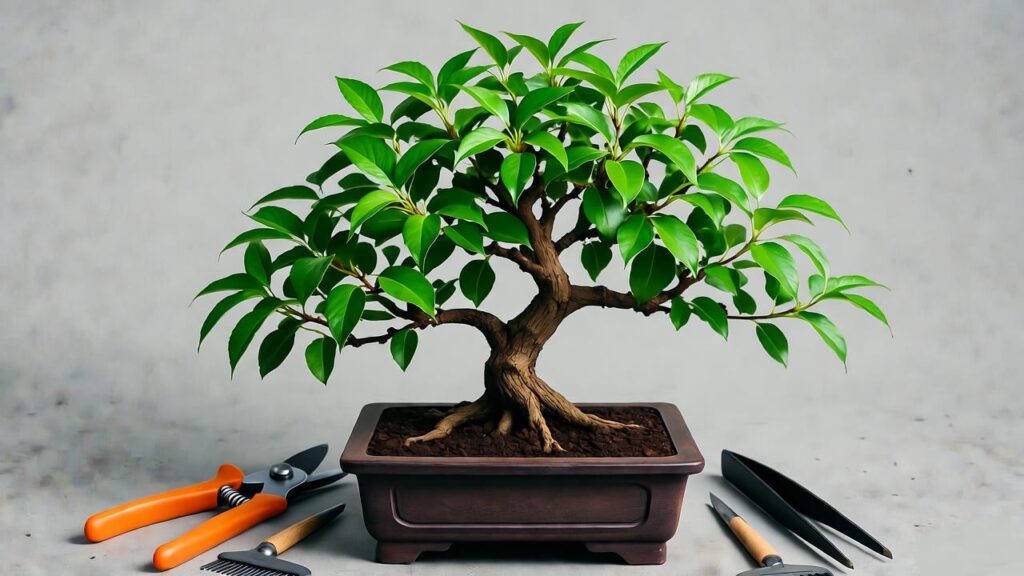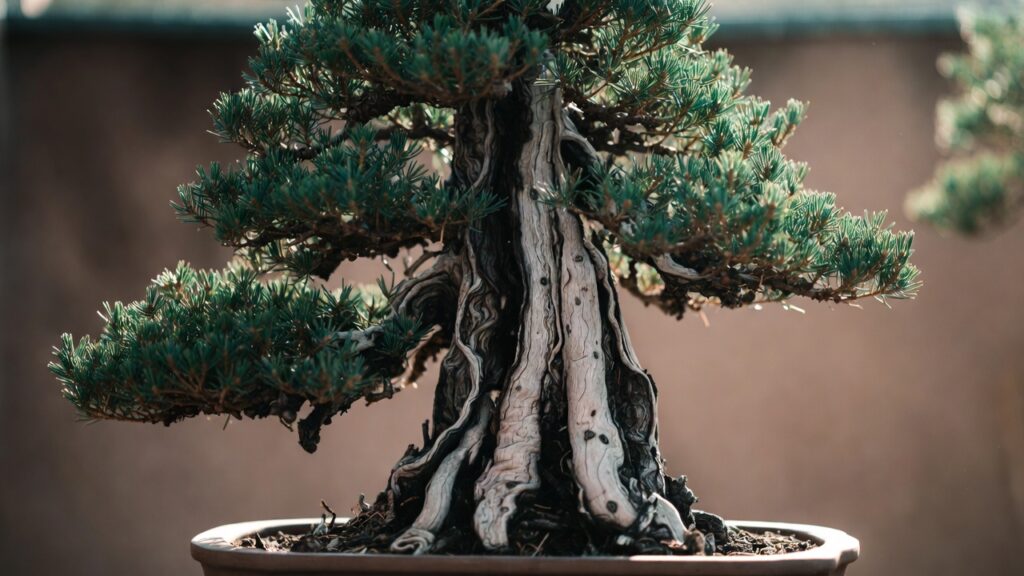

Your indoor bonsai looks healthy. The leaves are vibrant. The roots are strong. But something still feels off.The structure lacks movement. The branches don’t flow. The silhouette isn’t balanced.This is where bonsai wire transforms everything.
If you’ve ever felt nervous about wiring your indoor bonsai — worried about damaging bark, choosing the wrong thickness, or leaving wire on too long — you’re not alone. Wiring is one of the most misunderstood yet essential techniques in bonsai cultivation. Done correctly, it creates elegant structure and long-term form. Done poorly, it can scar or weaken your tree.
In this comprehensive guide, you’ll learn exactly how to choose the right bonsai wire, determine proper thickness, and apply safe wiring techniques specifically for indoor bonsai species. Whether you grow Ficus, Chinese Elm, Jade, or Juniper indoors, this article will give you expert-level clarity and confidence.
What Is Bonsai Wire and Why It’s Essential for Indoor Bonsai
Pruning controls length.
Wiring controls direction.
While trimming shapes foliage, bonsai wiring allows you to reposition branches and trunks to create movement, taper, and balance — the defining features of mature bonsai design.
Without wiring, most indoor bonsai grow straight upward with little character. Wiring gently guides growth into artistic forms that mimic ancient trees in nature.
The Purpose of Bonsai Wire in Tree Training
Bonsai wire serves three core purposes:
- Structural Development – Positioning primary branches.
- Directional Growth Control – Redirecting awkward or vertical growth.
- Aesthetic Refinement – Creating flow, asymmetry, and negative space.
In early development, wiring builds the tree’s foundation. In refinement stages, it perfects subtle branch angles.
Why Indoor Bonsai Require Special Wiring Considerations
Indoor bonsai behave differently from outdoor specimens due to:
- Reduced light intensity
- Slower growth rates
- Thinner bark (especially tropical species)
- Controlled climate environments
Because growth is slower indoors, wire stays on longer — increasing the risk of wire bite (indentation into bark). Tropical species like Ficus and Jade also have softer bark, requiring gentler technique.
This is where many beginners make costly mistakes.
Common Myths About Bonsai Wire
Myth #1: Wiring hurts the tree.
When applied correctly, wiring does not harm healthy bonsai. Damage occurs from improper thickness or leaving wire on too long.
Myth #2: Pruning is enough.
Pruning reduces growth but cannot reposition a branch that’s growing in the wrong direction.
Myth #3: Thicker wire is better.
Overly thick wire increases bark damage and makes precise shaping harder.
Understanding these fundamentals builds confidence before you even pick up your first roll of wire.
Types of Bonsai Wire: Which One Should You Choose?

Choosing the right type of bonsai wire is the first critical decision. The two primary options are aluminum and copper.
Aluminum Bonsai Wire (Best for Indoor Growers)
Aluminum bonsai wire is:
- Lightweight
- Flexible
- Easy to apply
- Ideal for beginners
It’s commonly anodized in brown or black, blending visually with bark.
For indoor species like Ficus, Chinese Elm, Jade (Portulacaria afra), or Schefflera, aluminum wire is typically the safest and most practical choice.
Pros:
- Easier to bend and remove
- Less risk of bark damage
- More forgiving for beginners
Cons:
- Slightly less holding strength than copper
- May require thicker gauge for strong branches
For most indoor plant enthusiasts, aluminum is the recommended starting point.
Copper Bonsai Wire (Advanced Option)
Copper bonsai wire is stronger and work-hardens as it’s bent, meaning it gains rigidity once applied.
It’s traditionally used for conifers and advanced styling.
However, for indoor bonsai:
- It’s less forgiving
- Harder to apply correctly
- More likely to cause bark scarring if misused
Unless you have experience and are working with stronger wood species, aluminum remains the safer option.
Anodized vs. Non-Anodized Wire
Anodized aluminum:
- Resists corrosion
- Blends visually with bark
- Is ideal for humid indoor environments
Non-anodized wire can oxidize over time, especially in high-humidity indoor spaces.
For indoor bonsai care, anodized aluminum wire is the most practical and professional choice.
How to Choose the Right Bonsai Wire Thickness (The Critical Step Most People Get Wrong)

Wire thickness determines whether a branch holds its new position — or snaps back the next day.
The 1/3 Rule Explained
The standard rule:Bonsai wire should be approximately 1/3 the thickness of the branch you’re shaping.
If a branch is 6mm thick, use roughly 2mm wire.
This guideline works for most indoor species. However:
- Softer wood (Jade) may require slightly thicker wire.
- Very flexible young growth may require thinner wire.
Wire Gauge Quick Reference
Common aluminum wire sizes for indoor bonsai:
- 1mm – Very small twigs
- 1.5mm – Thin secondary branches
- 2mm – Small primary branches
- 2.5–3mm – Medium branches
- 4mm+ – Trunk shaping or heavy bends
Most indoor bonsai growers benefit from owning a range between 1mm and 3mm.
Signs Your Wire Is Too Thin
- Branch springs back after bending
- Shape doesn’t hold after 48 hours
- You feel no resistance when bending
Signs Your Wire Is Too Thick
- Hard to wrap smoothly
- Leaves large indentations
- Requires excessive force to apply
Using the proper bonsai wire thickness is one of the most important skills you’ll develop.
Step-by-Step Guide to Wiring Indoor Bonsai Safely
Now we move into application — the part most beginners fear.
Tools You’ll Need
- Aluminum bonsai wire (multiple gauges)
- Wire cutters (concave cutters preferred)
- Optional: raffia for bark protection
- Optional: bonsai turntable
Never use household scissors to remove wire — always cut coil by coil.
When Is the Best Time to Wire Indoor Bonsai?
For tropical indoor species:
- Late spring through early summer (active growth)
- Avoid wiring immediately after repotting
- Do not wire stressed or unhealthy trees
Because indoor conditions are controlled, wiring can be done year-round if the tree is actively growing and healthy.
How to Apply Bonsai Wire Properly

- Anchor the wire.
Either anchor around the trunk or insert into soil near the base. - Wrap at a 45-degree angle.
Even spacing ensures even pressure. - Do not overlap coils.
Overlapping creates pressure points. - Support the branch while bending.
Always hold the branch near the bend point to avoid snapping. - Bend gradually.
Slow, steady pressure prevents cracks.
Never rush the bending process.
How Long Should Bonsai Wire Stay On?
For indoor bonsai:
- Typically 6–12 weeks
- Slower growers may require longer
- Fast growers (Ficus) may need removal sooner
Check weekly.
If you notice the wire starting to press into bark, remove it immediately.
How to Remove Bonsai Wire Correctly
Never unwind the wire — this can tear bark.
Instead:
- Use wire cutters
- Cut each coil individually
- Gently lift pieces away
This preserves bark integrity and prevents micro-tears.
Indoor-Specific Wiring Challenges (And Solutions)
Indoor bonsai present unique obstacles.
Preventing Wire Bite

Because indoor growth is slower, wires remain longer — increasing scarring risk.
Prevention strategy:
- Inspect weekly
- Adjust light to promote consistent growth
- Avoid over-tight wrapping
Wiring Soft-Barked Species (Ficus, Jade)
These trees require extra caution.
Solutions:
- Use slightly thicker wire with lighter tension
- Consider wrapping raffia for protection
- Bend in smaller increments
Soft bark scars more easily — patience is essential.
Low-Light Conditions and Shape Retention
If a branch reverts to its original position, the issue may not be wire thickness — it may be weak growth from insufficient light.
Improve:
- Light intensity
- Fertilization schedule
- Air circulation
Healthy growth holds shape better.
Advanced Bonsai Wiring Techniques
Once comfortable, you can elevate your styling.
Double Wiring Method
Two branches of similar thickness can be wired with one piece of wire.
Benefits:
- Increased stability
- Cleaner structure
- Efficient material use
Guy Wiring (Anchor Technique)

Instead of wrapping the branch, guy wiring uses anchored tension to pull branches downward.
Ideal for:
- Thick branches
- Trunk positioning
- Delicate bark species
This method reduces bark contact.
Wiring for Classic Bonsai Styles
Indoor-friendly styles include:
- Informal upright
- Slanting
- Cascade
- Windswept
Each requires different branch angles and tension strategies.
Common Bonsai Wire Mistakes (Avoid These)
- Wiring unhealthy trees
- Using hardware-store wire
- Leaving wire on too long
- Bending too aggressively
- Ignoring species-specific growth patterns
Most wiring damage comes from impatience — not the wire itself.
Bonsai Wire Maintenance Checklist for Indoor Growers

Weekly:
- Inspect for bark indentation
- Monitor new growth swelling
- Adjust light positioning
Monthly:
- Evaluate shape retention
- Remove or rewire if necessary
After removal:
- Allow recovery period before rewiring
Consistency protects your tree long-term.
Frequently Asked Questions About Bonsai Wire
Can I reuse bonsai wire?
Aluminum wire can sometimes be reused if straightened carefully, but it loses structural integrity. For best results, use fresh wire.
Can I use electrical or craft wire instead?
No. Non-bonsai wire may contain coatings or materials harmful to plants and often lacks proper flexibility.
Does wiring hurt the tree?
When done correctly on healthy trees, wiring does not harm bonsai.
How often should I rewire an indoor bonsai?
Typically once or twice per year depending on growth rate and species.
What is the best bonsai wire for beginners?
Anodized aluminum bonsai wire in sizes 1mm–3mm.
Expert Tips for Long-Term Indoor Bonsai Success
- Combine strategic pruning with wiring.
- Improve indoor lighting to strengthen structure.
- Fertilize appropriately after wiring to support recovery.
- Never rush structural development.
Shaping bonsai is measured in seasons — not days.
Conclusion: Mastering Bonsai Wire for Healthy, Beautiful Indoor Trees
Bonsai wire is not just a shaping tool — it’s a structural language that guides how your tree grows for years to come.
When you choose the correct type, proper thickness, and apply careful technique, you create:
- Balanced structure
- Natural movement
- Long-term design integrity
Approach wiring with patience, observation, and consistency — and your indoor bonsai will reward you with character and elegance that pruning alone could never achieve.