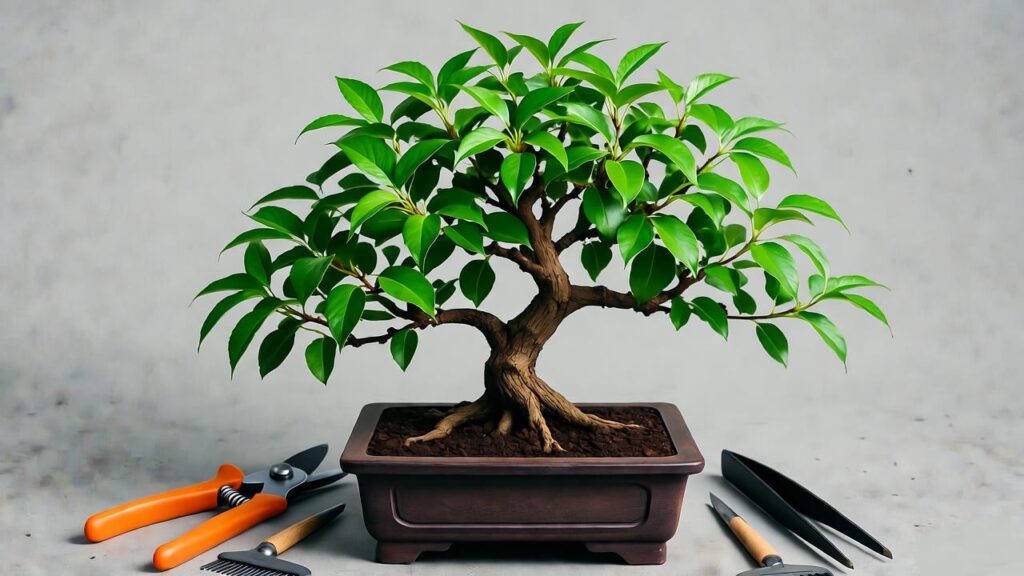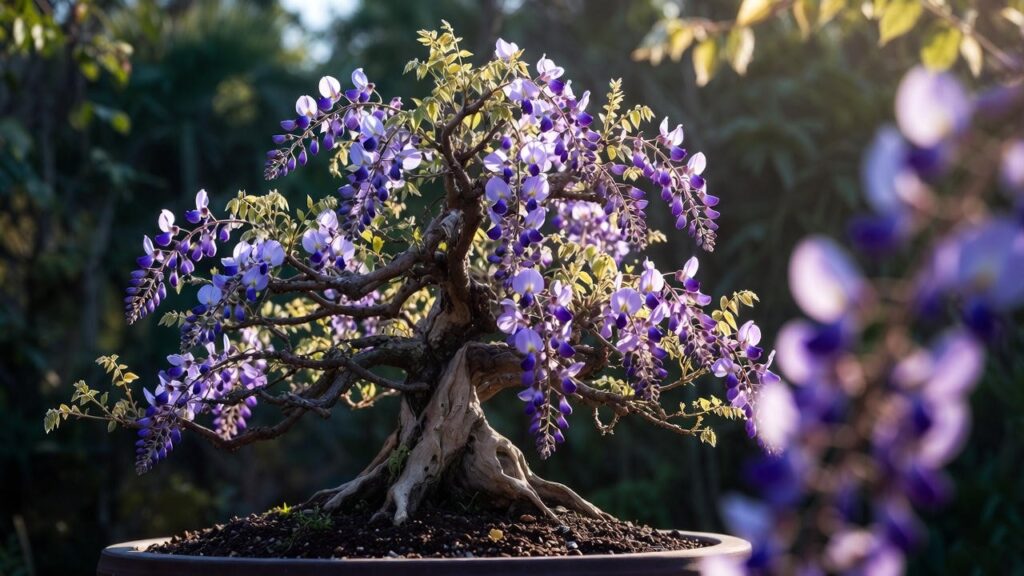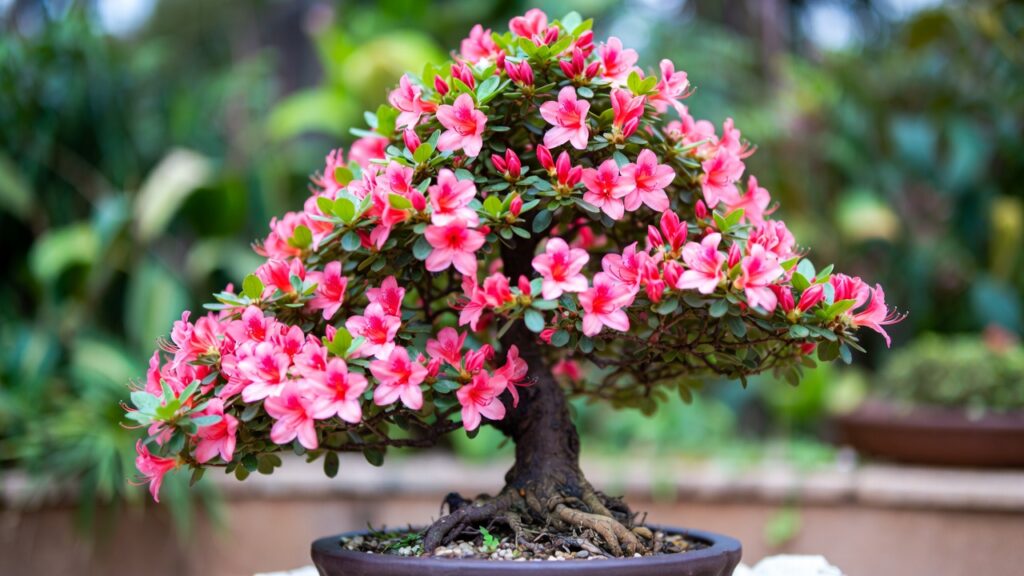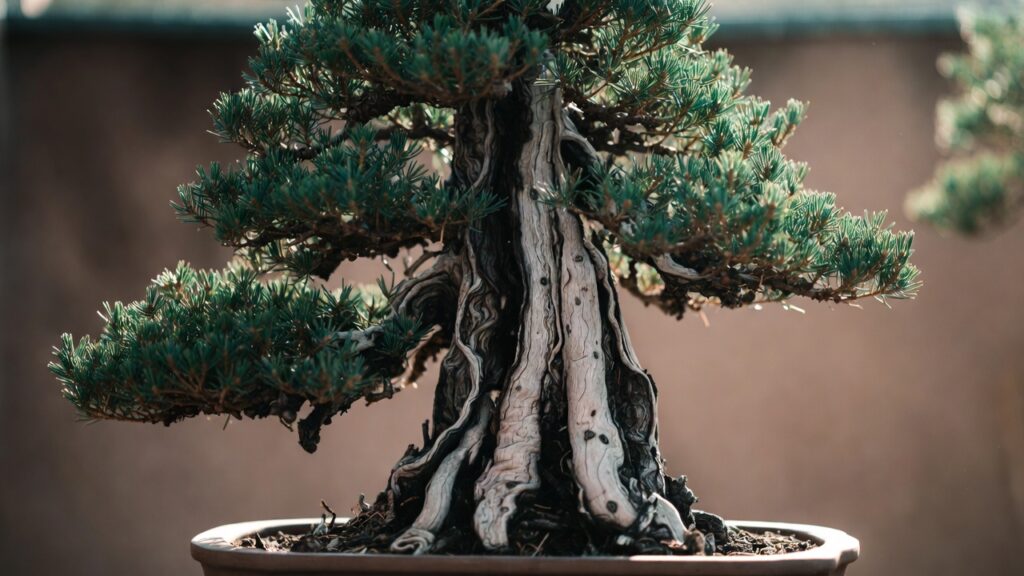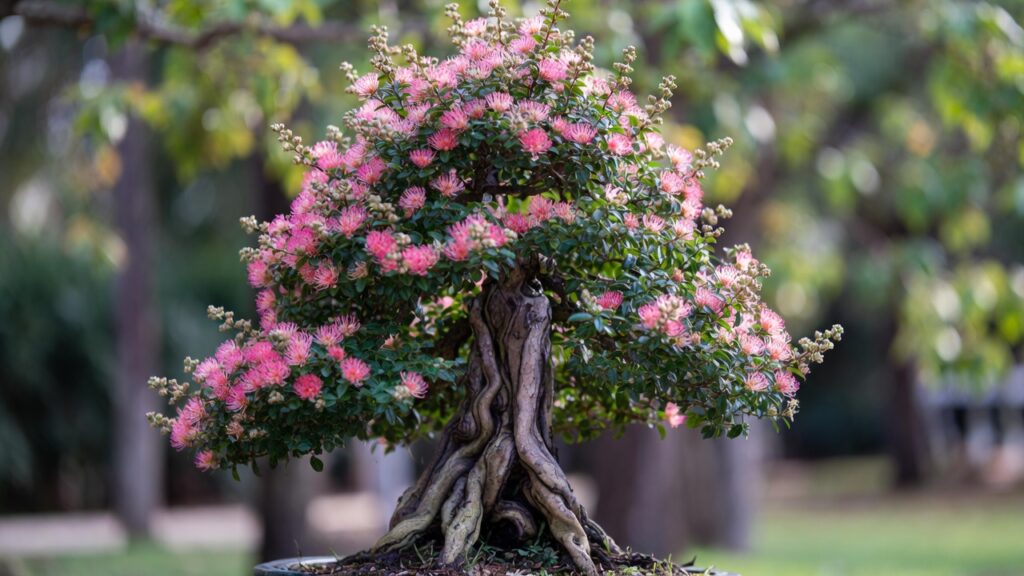
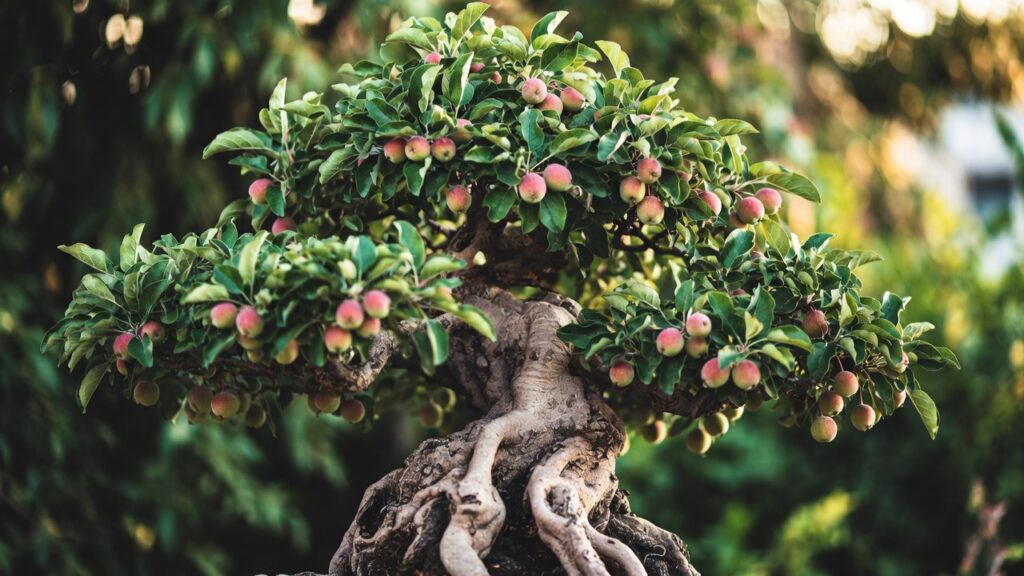
Imagine harvesting fresh lemons, figs, or even pomegranates from a miniature tree sitting by your living room window. It sounds impossible — but with the right approach, a bonsai fruit tree can thrive indoors and produce real, edible fruit.
Many indoor gardeners are drawn to bonsai for its artistic beauty, yet hesitate when it comes to fruiting varieties. The biggest questions I hear from readers and clients are:
- Will a bonsai fruit tree actually produce fruit indoors?
- Why is my tree flowering but not fruiting?
- Which species are easiest for beginners?
- What lighting and fertilizer does it truly need?
This comprehensive guide answers all of that — and more.
Drawing from practical indoor growing experience and horticultural best practices, this article will walk you step-by-step through selecting, growing, and maintaining a healthy indoor fruit bonsai that doesn’t just survive — but flowers and fruits successfully.
If you’ve struggled with fruit drop, yellow leaves, or poor flowering, you’ll find clear solutions here.
Let’s start with the foundation.
What Is a Bonsai Fruit Tree? (Understanding the Basics)
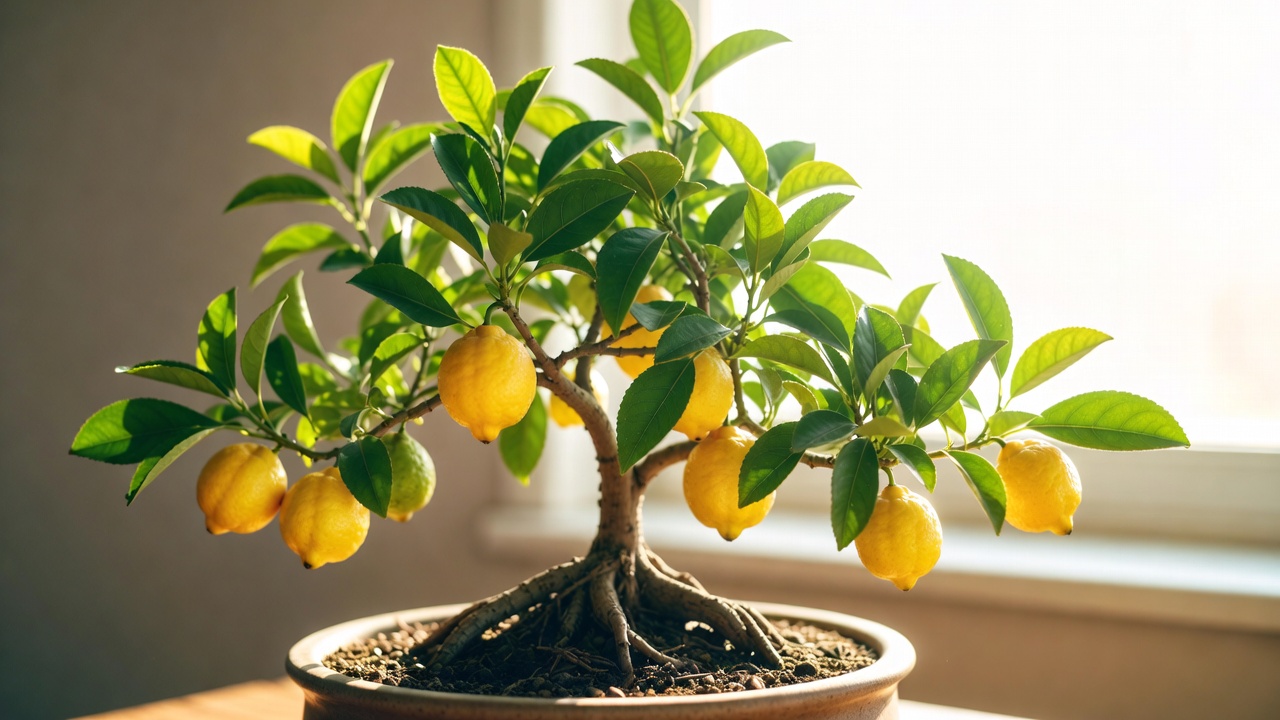
The True Meaning of “Bonsai” — It’s a Technique, Not a Plant Type
One of the biggest misconceptions is that bonsai trees are genetically dwarf plants. They’re not.
“Bonsai” is a cultivation technique — originating from Japanese horticultural tradition — that involves:
- Root restriction
- Strategic pruning
- Wiring and shaping
- Controlled feeding
Nearly any tree species can become bonsai, including fruit-bearing trees.
A bonsai fruit tree is simply a fruit-producing species trained and maintained in miniature form while still retaining its natural ability to flower and fruit.
Can Bonsai Fruit Trees Really Produce Edible Fruit?
Yes — and this surprises many people.
The fruit is generally:
- Normal in size (in most species)
- Fully edible
- Identical in taste to full-size tree fruit
What differs is yield. A miniature tree won’t produce dozens of fruits — but it can produce a small, satisfying harvest.
For indoor growers, the goal is realistic expectations: a decorative tree that produces occasional fruit, not a commercial crop.
Indoor vs Outdoor Bonsai Fruit Trees
This distinction is critical.
Outdoor bonsai benefit from:
- Natural sunlight cycles
- Wind for pollination
- Seasonal dormancy
Indoor bonsai fruit trees must compensate for:
- Lower light intensity
- Limited air movement
- Artificial seasonal conditions
The key to success indoors lies in selecting adaptable species and optimizing the growing environment.
Best Bonsai Fruit Tree Varieties for Indoor Growing
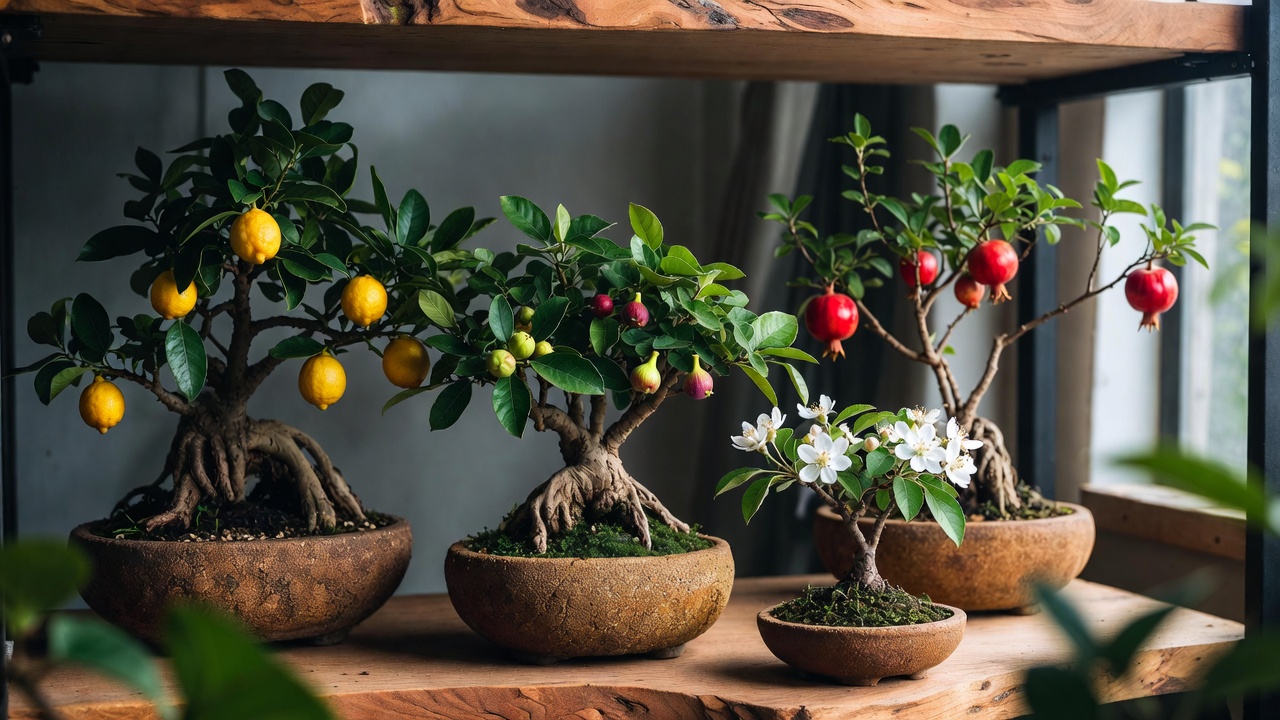
Not all fruit trees adapt well to indoor life. Some demand cold winters, intense sun, or cross-pollination. Below are the most reliable options for indoor growers.
Citrus Bonsai (Lemon, Lime, Calamondin)
Citrus varieties are among the best choices for indoor bonsai fruit production.
Why they work well indoors:
- Many are self-pollinating
- They tolerate container life
- They prefer warm temperatures
- Evergreen foliage provides year-round beauty
Calamondin orange is especially beginner-friendly. Dwarf Meyer lemon is another popular indoor fruit bonsai choice.
Light requirement: 8+ hours of bright light
Best placement: South-facing window or strong grow light
Fig Bonsai (Ficus carica)
Figs are highly adaptable and forgiving.
Advantages:
- Many varieties are self-fertile
- Reliable fruiting in containers
- Tolerate heavy pruning
Figs are excellent for indoor growers who can provide strong light and moderate humidity.
Apple Bonsai (Dwarf Varieties)
Apple bonsai are visually stunning — especially during flowering.
However, they are more challenging indoors because:
- Many require cross-pollination
- They need winter dormancy
- They demand high light levels
They are better suited for experienced growers who can simulate seasonal cycles.
Cherry Bonsai
Cherry bonsai are famous for their blossoms.
Fruit production indoors is possible but difficult due to pollination and dormancy requirements. They’re typically grown for ornamental flowers rather than reliable fruit indoors.
Pomegranate Bonsai
Pomegranate trees are surprisingly suitable for bonsai.
Benefits include:
- Naturally compact growth
- Self-pollinating flowers
- Tolerance of heat
They require strong light but adapt well to container culture.
Quick Comparison Table
| Variety | Difficulty | Light Needs | Pollination | Beginner-Friendly? |
|---|---|---|---|---|
| Citrus | Moderate | High | Self | Yes |
| Fig | Easy-Moderate | High | Self | Yes |
| Apple | Advanced | Very High | Often Cross | No |
| Cherry | Advanced | Very High | Cross | No |
| Pomegranate | Moderate | High | Self | Yes |
For most indoor plant enthusiasts, citrus, fig, or pomegranate are the most practical starting points.
How to Choose the Right Bonsai Fruit Tree for Your Home
Before purchasing a tree, assess your environment honestly.
1. Evaluate Your Light Conditions
Indoor fruiting requires significantly more light than foliage houseplants.
Ask yourself:
- Do I have a south-facing window?
- Can I install a full-spectrum LED grow light?
- Is the light unobstructed?
Without adequate light, fruiting will fail.
2. Consider Seasonal Changes
Some fruit trees require dormancy — a cool resting period. If your home remains warm year-round, citrus may be better than apple or cherry.
3. Assess Your Commitment Level
Fruit bonsai require:
- Regular pruning
- Seasonal fertilizing
- Monitoring for pests
If you prefer low-maintenance indoor plants, start with fig or citrus.
Step-by-Step Guide to Growing a Bonsai Fruit Tree Indoors
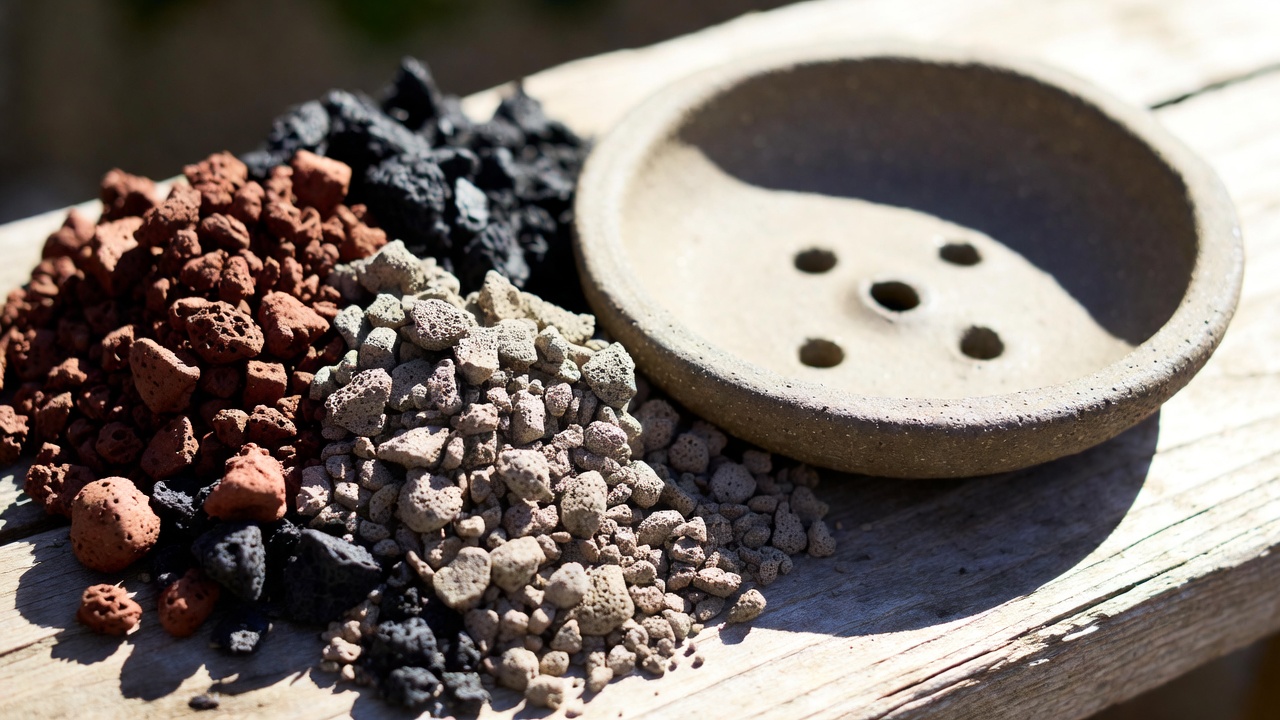
Now let’s build the foundation correctly.
Step 1 – Selecting the Right Container
Proper drainage is non-negotiable.
Choose:
- A shallow bonsai pot with drainage holes
- A size appropriate to root mass
- Unglazed ceramic for breathability (optional but helpful)
Fruit production requires healthy roots — and roots require oxygen.
Step 2 – Choosing the Best Soil Mix
Never use regular potting soil.
Use a well-draining bonsai substrate such as:
- Akadama
- Pumice
- Lava rock
- Coarse sand blend
Good drainage prevents root rot — the number one killer of indoor bonsai fruit trees.
Step 3 – Providing Proper Light
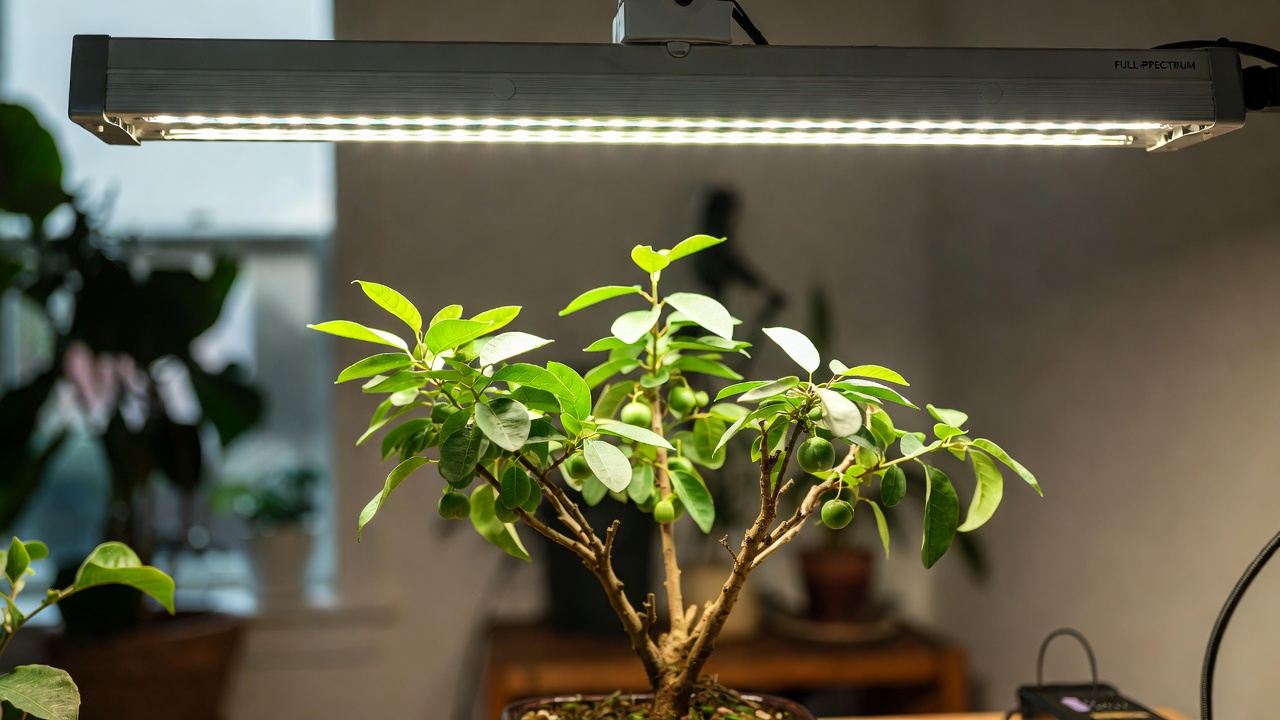
Light intensity determines fruit success.
Indoor fruit bonsai need:
- 8–12 hours of bright light daily
- Supplemental grow lighting in winter
- Direct sun whenever possible
If natural light is insufficient, invest in a high-quality full-spectrum grow light positioned 6–12 inches above the canopy.
Without adequate light, your bonsai fruit tree may survive — but it will not flower or fruit.
Step 4 – Watering Correctly
Overwatering is a common mistake.
Best practices:
- Water thoroughly until runoff appears
- Allow the top layer of soil to slightly dry before watering again
- Never let the pot sit in standing water
Consistency is crucial. Irregular watering can cause fruit drop.
Step 5 – Fertilizing for Flowering and Fruit
Fertilizer strategy directly affects fruiting.
During growing season:
- Use balanced fertilizer early (e.g., 10-10-10)
- Switch to higher phosphorus and potassium during flowering
Avoid excessive nitrogen — it promotes leaf growth at the expense of fruit.
Feed every 2–4 weeks during active growth.
Step 6 – Pruning and Training for Shape & Yield
Strategic pruning encourages fruiting branches.
Focus on:
- Removing crossing branches
- Opening the canopy for light penetration
- Pruning after fruiting cycle
Never over-prune during flowering season.
How to Encourage Flowering and Fruit Production Indoors
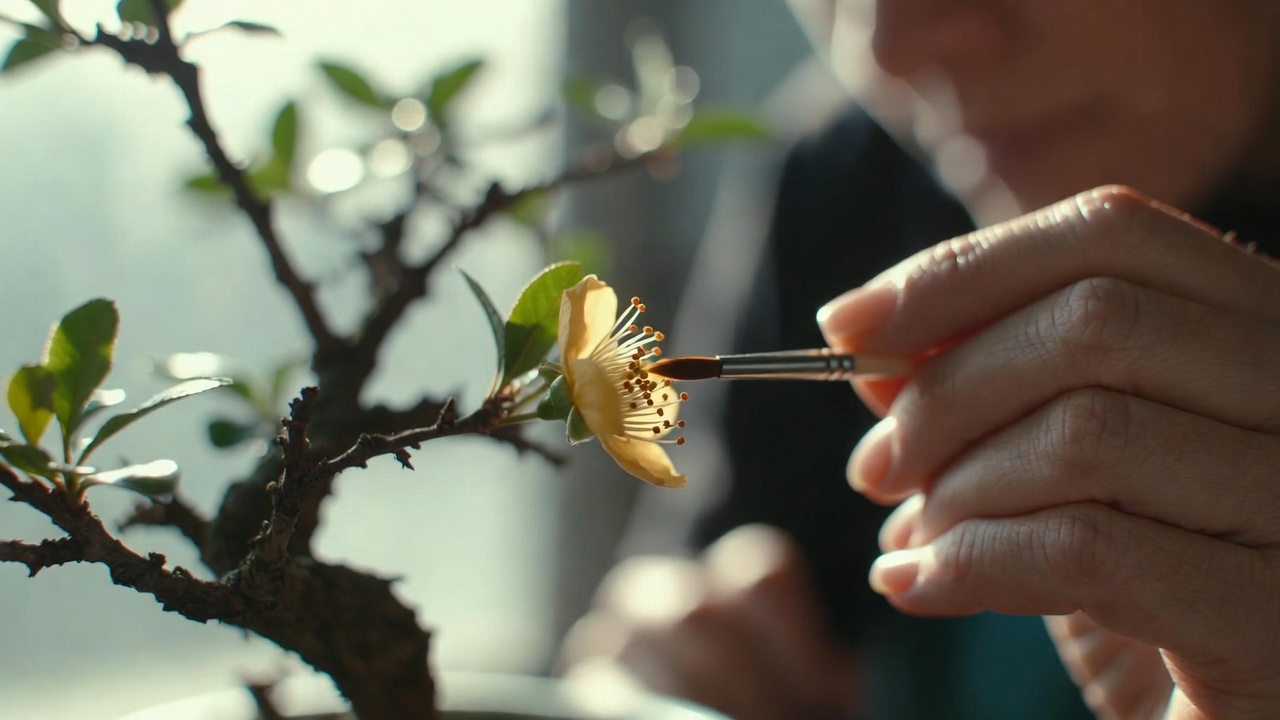
This is where many indoor growers struggle.
Understanding Pollination Needs
Some bonsai fruit trees are self-pollinating. Others are not.
If needed, you can hand-pollinate using:
- A small paintbrush
- Gentle transfer of pollen between flowers
Indoor environments lack natural pollinators, so manual assistance can dramatically improve fruit set.
Seasonal Dormancy (Critical for Some Species)
Certain species — like apple — require a winter rest period.
Without dormancy:
- Flowering may decline
- Fruit production may stop
To simulate dormancy:
- Reduce watering
- Lower temperature to 40–50°F (if possible)
- Reduce light exposure
Citrus generally do not require true dormancy.
Stress Factors That Prevent Fruiting
Common causes include:
- Insufficient light
- Over-fertilizing with nitrogen
- Temperature fluctuations
- Underwatering during flowering
Fruit trees are energy-intensive. They will not fruit unless conditions are optimal.
Common Problems with Bonsai Fruit Trees (And Proven Solutions)
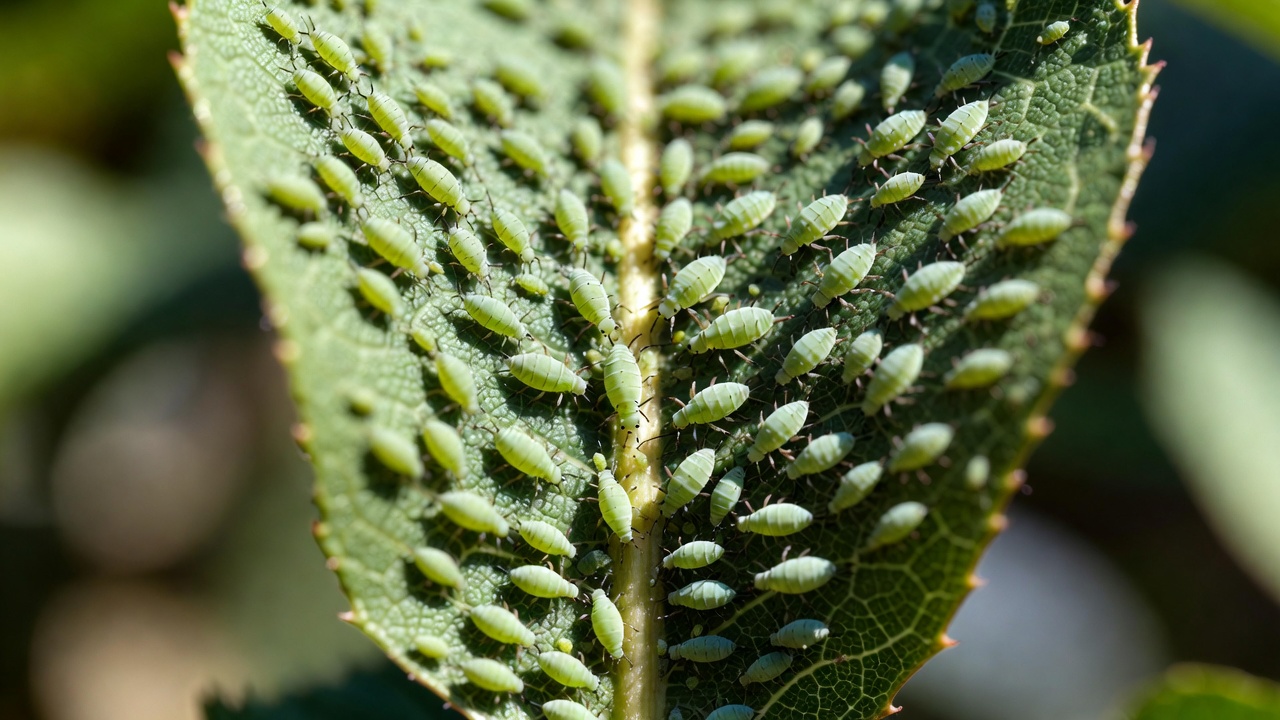
Even experienced indoor gardeners face setbacks with fruiting bonsai. The key is diagnosing issues early and responding strategically rather than reactively.
Below are the most common problems I’ve encountered in indoor fruit bonsai cultivation — along with proven solutions.
Leaves Turning Yellow
Yellow leaves are one of the most frequent concerns with a bonsai fruit tree.
Possible Causes:
- Overwatering (most common)
- Poor drainage
- Nitrogen deficiency
- Sudden temperature changes
- Low light conditions
Proven Solution:
- Check soil moisture before watering.
- Ensure your pot drains freely.
- Increase light intensity if needed.
- Apply a balanced fertilizer during active growth.
If yellowing occurs after repotting, mild stress may be temporary — monitor rather than panic.
Tree Flowers But Doesn’t Produce Fruit
This is frustrating — and very common indoors.
Why It Happens:
- Lack of pollination
- Insufficient light intensity
- Excess nitrogen fertilizer
- Immature tree (too young)
What to Do:
- Hand-pollinate flowers using a soft brush.
- Increase daily light exposure.
- Switch to a bloom-support fertilizer (higher phosphorus).
- Be patient — some trees need maturity before fruiting.
Consistency matters more than intensity. Sudden environmental shifts often interrupt fruit set.
Fruit Drops Early
Premature fruit drop can feel discouraging.
Common Triggers:
- Inconsistent watering
- Low humidity
- Root stress
- Temperature swings
Correction Strategy:
- Maintain consistent watering schedule.
- Avoid moving the tree during fruiting.
- Use a humidity tray if indoor air is dry.
- Avoid drastic pruning while fruit is forming.
Fruit drop often occurs when the tree cannot support all developing fruit. Light thinning can help redistribute energy.
Pest and Disease Issues
Indoor bonsai fruit trees can attract pests due to warm, stable indoor conditions.
Most Common Pests:
- Spider mites
- Aphids
- Scale insects
Treatment:
- Inspect weekly (especially undersides of leaves).
- Use insecticidal soap or neem oil.
- Increase air circulation.
- Isolate infected plants immediately.
Fungal issues often stem from overwatering and poor airflow. Prevention is easier than cure — proper soil and watering practices dramatically reduce disease risk.
Indoor Bonsai Fruit Tree Care Calendar (Month-by-Month Guide)
Seasonal awareness is critical — even indoors.While indoor conditions are more stable than outdoors, fruit trees still respond to seasonal light shifts.
Spring (Growth & Flower Initiation)
- Increase watering gradually.
- Begin regular fertilization.
- Monitor for new buds and flowers.
- Repot if necessary (early spring is ideal).
Spring sets the stage for fruit production. Proper nutrition during this period determines flowering strength.
Summer (Peak Growth & Fruit Development)
- Provide maximum light exposure.
- Maintain consistent watering.
- Support branches if fruit becomes heavy.
- Watch for pests.
Summer is the highest energy phase. Avoid stress during this period.
Fall (Transition Phase)
- Gradually reduce fertilizer.
- Begin light structural pruning.
- Monitor fruit ripening.
- Prepare dormancy plan (for species that require it).
Avoid aggressive pruning late in the season.
Winter (Dormancy or Light Adjustment)
For species requiring dormancy:
- Reduce watering.
- Lower temperature if possible.
- Stop fertilizing.
For evergreen varieties like citrus:
- Supplement with grow lights.
- Maintain stable temperature.
- Reduce feeding frequency.
Understanding this cycle is one of the most overlooked factors in successful indoor fruit bonsai care.
Expert Tips for Long-Term Success
These insights come from years of observing indoor fruiting behavior.
Rotate the Tree Regularly
Indoor light is directional. Rotate your bonsai fruit tree every 1–2 weeks to ensure balanced growth.
Use a Humidity Tray
Indoor air — especially during winter — is dry.
Place the pot over a tray filled with water and pebbles. This increases localized humidity without soaking roots.
Avoid Over-Pruning During Flowering
Heavy pruning during bloom reduces fruit potential.
Instead:
- Prune structurally after harvest.
- Perform light maintenance trimming only during flowering.
Repot Strategically
Repot every 2–3 years depending on growth rate.
Root pruning:
- Stimulates fresh root growth
- Prevents root binding
- Maintains tree health
Always repot in early spring before vigorous growth begins.
Be Patient with Young Trees
A newly trained bonsai fruit tree may need:
- 1–3 years to establish
- Several flowering cycles before consistent fruiting
Patience and environmental consistency outperform aggressive intervention.
Frequently Asked Questions (Optimized for Search Intent)
Can a bonsai fruit tree grow entirely indoors?
Yes — provided it receives sufficient light (natural or artificial), proper fertilization, and appropriate seasonal care. Citrus and figs are among the best fully indoor options.
How long does it take for a bonsai fruit tree to produce fruit?
It depends on species and maturity. Grafted citrus may fruit within 1–2 years. Seed-grown trees can take significantly longer.
Do bonsai fruit trees need special fertilizer?
They benefit from a balanced fertilizer during vegetative growth and a phosphorus-rich formula during flowering and fruiting. Avoid excessive nitrogen.
How big will the fruit grow?
In most species, fruit size remains normal despite the tree’s miniature form. The yield, however, will be smaller.
Why is my bonsai fruit tree not flowering?
Common causes include:
- Insufficient light
- Lack of dormancy (for certain species)
- Over-fertilizing with nitrogen
- Immaturity
Evaluate environmental factors first before assuming plant health issues.
Can I grow multiple bonsai fruit trees indoors?
Yes — if light availability is sufficient. Grouping trees can also help improve humidity levels.
Is a Bonsai Fruit Tree Worth Growing Indoors? (Honest Final Verdict)
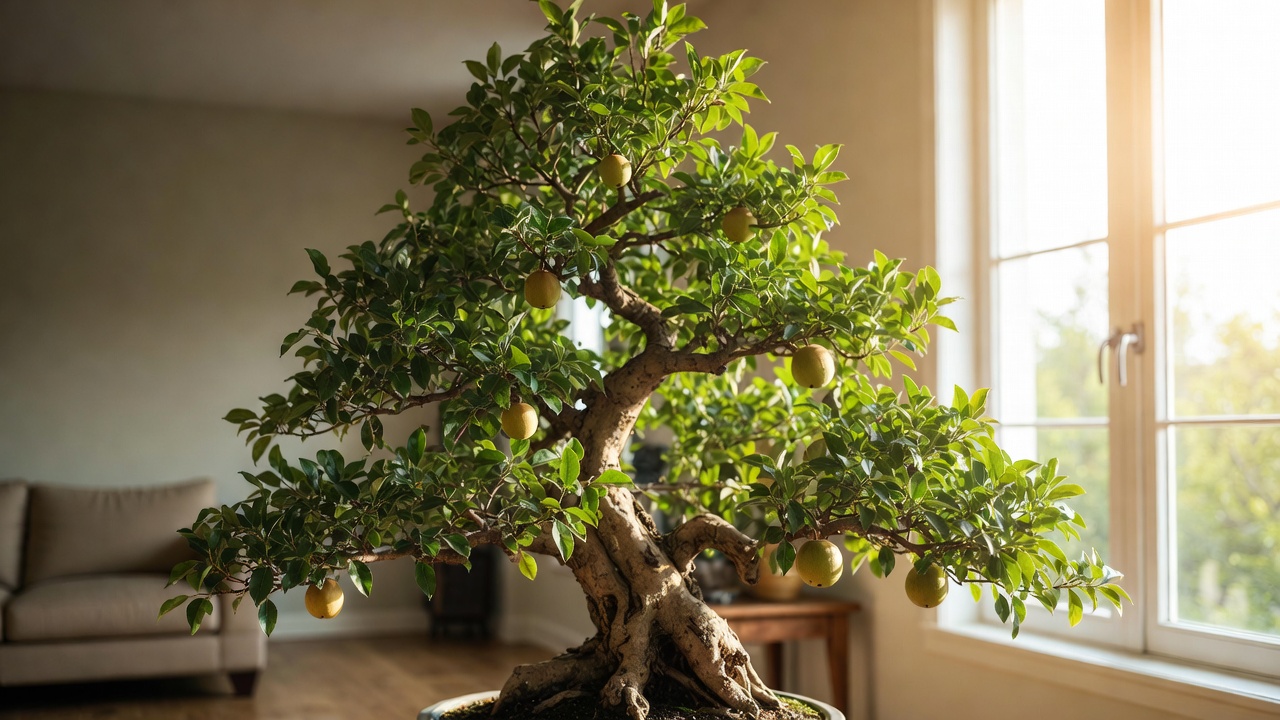
If you’re looking for:
- A decorative indoor plant
- A conversation piece
- A functional edible element
- A rewarding long-term project
Then a bonsai fruit tree is absolutely worth growing.
However, it is not a low-maintenance houseplant.
Success requires:
- Strong light commitment
- Consistent watering
- Seasonal awareness
- Patience
For beginners, start with citrus or fig. As your confidence grows, experiment with more demanding species.
The combination of art and horticulture makes fruit bonsai one of the most satisfying indoor plant experiences available.
Conclusion: Turning Miniature Trees into Real Harvests
Growing a bonsai fruit tree indoors is both a science and an art.
With proper lighting, well-draining soil, strategic pruning, and a seasonal care routine, you can successfully cultivate a miniature fruit-bearing tree that thrives inside your home.
The key principles to remember:
- Light drives fruit production.
- Consistency prevents stress.
- Seasonal awareness improves flowering.
- Patience ensures long-term success.
Whether you choose lemon, fig, or pomegranate, the reward of harvesting fruit from your own indoor bonsai is unmatched.
Start with the right species. Create the right environment. Stay consistent.
And soon, your miniature tree won’t just be ornamental — it will be productive.