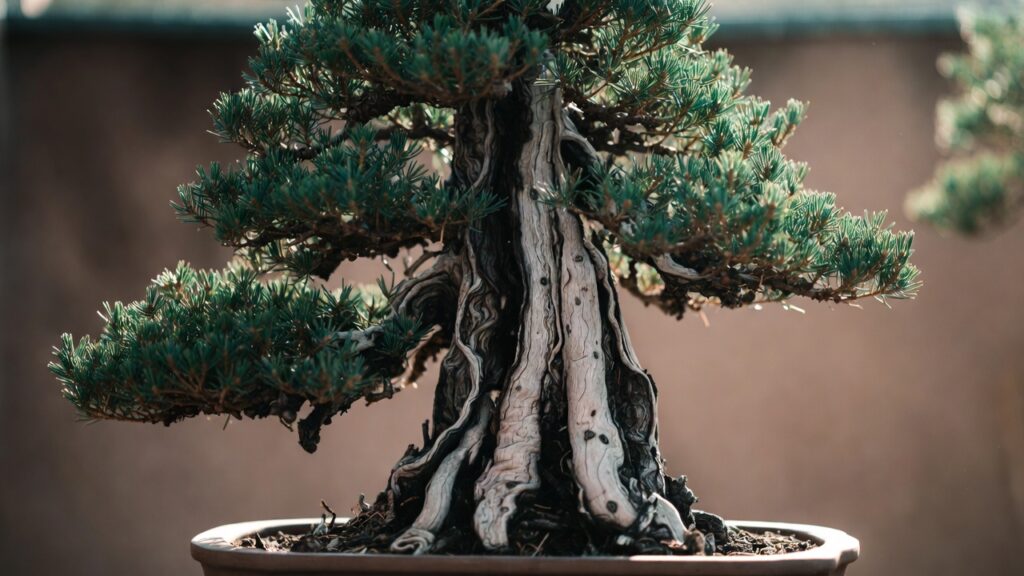

You brought home a beautiful bonsai bamboo plant, carefully arranged in a sleek glass container, its green stalks spiraling gracefully upward. It looked effortless — calm, balanced, and low maintenance. But weeks later, the leaves are turning yellow, the water smells unpleasant, or the once-vibrant stalks are fading.
If this sounds familiar, you’re not alone.
Despite its reputation as an “easy indoor plant,” bonsai bamboo is often misunderstood. Most indoor varieties are not true bamboo at all — and caring for them properly requires understanding what they actually need to thrive indoors.
This comprehensive guide will walk you through everything: proper lighting, watering (in water and soil), pruning, shaping, fertilizing, troubleshooting yellow leaves, preventing root rot, and even propagating new plants. Whether you’re a beginner or an experienced indoor plant enthusiast, this expert-level guide will help you grow a healthy, long-lasting bonsai bamboo plant with confidence.
What Is a Bonsai Bamboo Plant?

Before we dive into care instructions, it’s essential to clarify what you’re growing.
Is Bonsai Bamboo Real Bamboo?
Most plants sold as bonsai bamboo indoors are actually Lucky Bamboo (Dracaena sanderiana). Despite the name, it is not a true bamboo species. True bamboo belongs to the grass family (Poaceae), while Lucky Bamboo is part of the Asparagaceae family.
Why does this matter?
Because true bamboo requires:
- Outdoor growing conditions
- Full sun
- Aggressive root space
- Different soil structure
Meanwhile, Lucky Bamboo thrives indoors in indirect light and can grow in water — something true bamboo cannot tolerate long term.
Understanding this distinction prevents 90% of common care mistakes.
Why Is It So Popular as an Indoor Plant?
The bonsai bamboo plant is beloved because it offers:
- Compact size ideal for apartments
- Tolerance of low-to-moderate light
- Minimal pruning needs
- Ability to grow in decorative water arrangements
- Symbolic meaning in Feng Shui (prosperity, harmony, good fortune)
It combines aesthetics with accessibility — making it a top choice for desks, offices, and modern interiors.
Lifespan and Growth Expectations

With proper care, a bonsai bamboo plant can live 5–10 years or longer indoors.
Healthy signs include:
- Firm, bright green stalks
- Consistent leaf growth
- No mushy sections
- Clear water (if water-grown)
- Slow but steady vertical growth
It is not a fast-growing plant, which makes it ideal for bonsai-style presentation.
Ideal Growing Conditions for a Healthy Bonsai Bamboo Plant
Creating the right environment is the foundation of long-term success.
Light Requirements (The #1 Growth Factor)

Light is the most misunderstood factor in bonsai bamboo care.
Ideal Light:
- Bright, indirect sunlight
- Near an east-facing window
- A few feet away from a south or west window with sheer curtains
Avoid:
- Direct afternoon sun (causes leaf burn)
- Very dark corners (leads to weak, pale growth)
Signs of Light Problems:
- Yellow leaves = too much direct sun
- Leggy or stretched growth = insufficient light
- Pale green leaves = low light stress
Pro Tip: If you can comfortably read a book in the room without turning on lights during the day, your bonsai bamboo plant likely has adequate light.
Watering Guide: Water vs Soil Growing Methods
One of the most common questions is: Should bonsai bamboo grow in water or soil?
The answer: Both work — but each requires specific care.
Caring for a Water-Grown Bonsai Bamboo Plant

This is the most popular setup.
Water Quality Is Critical
Tap water often contains chlorine, fluoride, and salts — which cause brown tips and yellow leaves.
Best options:
- Distilled water
- Filtered water
- Rainwater
If using tap water, let it sit uncovered for 24 hours before using (helps chlorine evaporate).
How Much Water?
- Keep roots submerged
- Water should cover roots but not the entire stalk
- Avoid submerging leaf nodes
How Often to Change Water?
- Every 7–10 days
- Clean the container each time
- Rinse roots gently
Stagnant water leads to bacterial growth and root rot.
Caring for a Soil-Grown Bonsai Bamboo Plant

Growing in soil offers more stability and long-term vigor.
Best Soil Mix
Use:
- Well-draining indoor potting mix
- Optional addition of perlite for aeration
Avoid heavy garden soil.
Watering Schedule
- Keep soil slightly moist
- Water when the top 1 inch feels dry
- Never let soil become soggy
Overwatering is the fastest way to kill soil-grown bonsai bamboo.
Drainage Is Non-Negotiable
Always use a pot with drainage holes. Standing water suffocates roots.
Temperature and Humidity Needs
Bonsai bamboo thrives in typical indoor conditions.
Ideal Temperature:
65–80°F (18–27°C)
Avoid:
- Cold drafts
- Air conditioning vents
- Heater airflow
- Temperatures below 50°F
Humidity
Average household humidity is fine. However, in very dry climates:
- Mist lightly once a week
- Or place near other indoor plants to create a microclimate
Brown tips often indicate dry air or poor water quality.
Choosing the Right Container and Setup
The container affects both health and aesthetics.
Best Containers for Water-Grown Plants
- Glass containers allow root monitoring
- Opaque ceramic containers reduce algae growth
- Ensure stability to prevent tipping
Add clean decorative pebbles to anchor stalks.
Clean stones monthly to prevent algae buildup.
Best Pots for Soil-Grown Plants
Choose:
- Small to medium pots
- Good drainage
- Stable base
Repot every 2–3 years if roots become crowded.
How to Shape and Train Your Bonsai Bamboo Plant
One of the most fascinating aspects of bonsai bamboo care is shaping.
Understanding Phototropism
Bonsai bamboo naturally grows toward light. This phenomenon is called phototropism.
You can use this to shape your plant.
Creating Curves and Spirals
To train curves:
- Place plant near light source.
- Allow it to grow slightly toward light.
- Rotate plant slightly every few days.
- Repeat gradually.
It can take months to achieve elegant curves. Patience is essential.
Alternatively, purchase pre-trained spiral stalks if you prefer instant design.
Pruning Techniques for Compact Growth

Pruning encourages bushier growth and maintains proportion.
How to Prune:
- Use sterilized scissors
- Cut leaf offshoots, not main stalk
- Trim just above a node
Never cut the main stalk unless propagating.
Regular pruning keeps your bonsai bamboo plant looking balanced and refined.
Fertilizing for Balanced Growth
Bonsai bamboo requires minimal fertilizer.
Overfeeding causes:
- Yellow leaves
- Salt buildup
- Weak growth
Recommended Feeding Schedule
- Diluted liquid houseplant fertilizer
- 1/10th recommended strength
- Every 2–3 months
Water-grown plants require even less feeding.
If leaves are healthy green, fertilizer is likely unnecessary.
Common Bonsai Bamboo Problems (And How to Fix Them Fast)
Let’s address the most frequent concerns.
Yellow Leaves

Causes:
- Too much sunlight
- Poor water quality
- Overfertilization
- Root rot
Fix:
- Move to indirect light
- Switch to distilled water
- Remove affected leaves
- Inspect roots
Brown Leaf Tips
Usually caused by:
- Fluoride or chlorine
- Dry air
- Salt buildup
Solution:
- Use filtered water
- Flush soil occasionally
- Trim brown tips for appearance
Soft or Rotting Stalks
This is serious.
Signs:
- Mushy texture
- Foul smell
- Yellowing stalk
Action:
- Remove affected stalk immediately
- Disinfect container
- Propagate healthy sections
Algae Growth in Water Containers
Caused by:
- Direct sunlight
- Dirty container
- Infrequent water changes
Fix:
- Use opaque container
- Clean weekly
- Reduce sun exposure
Propagation Guide: Multiply Your Bonsai Bamboo
One healthy stalk can produce multiple new plants.
How to Propagate from Cuttings

- Cut a healthy offshoot.
- Ensure at least one node.
- Place in clean water.
- Wait 3–4 weeks for root development.
Roots will appear as small white strands.
Once established, keep in water or transfer to soil.
Propagation is an excellent way to rescue plants affected by rot.
Seasonal Care Adjustments
Winter Care
- Reduce watering
- Keep away from cold windows
- Avoid fertilizing
Growth slows naturally.
Summer Care
- Monitor evaporation
- Check water levels frequently
- Protect from harsh afternoon sun
Is Bonsai Bamboo Safe for Pets?
Lucky Bamboo (Dracaena) is mildly toxic to cats and dogs.
Symptoms if ingested:
- Vomiting
- Drooling
- Loss of appetite
Keep out of reach of pets or choose pet-safe alternatives if necessary.
Expert Bonsai Bamboo Care Checklist
✔ Bright, indirect light
✔ Filtered or distilled water
✔ Water change every 7–10 days
✔ Minimal fertilizer
✔ Prune leaf offshoots
✔ Monitor for yellowing
✔ Stable temperature
Consistency is more important than perfection.
Frequently Asked Questions
How often should I water a bonsai bamboo plant?
Water-grown plants need weekly water changes. Soil-grown plants should be watered when the top inch of soil dries.
Can bonsai bamboo grow in low light?
Yes, but growth will slow. Bright, indirect light produces stronger, greener growth.
Why is my bonsai bamboo turning yellow?
Most often due to poor water quality or too much direct sunlight.
How long does a bonsai bamboo plant live?
With proper care, 5–10 years or more indoors.
Final Thoughts: Grow With Confidence
A bonsai bamboo plant is not difficult — it’s simply misunderstood.
When you understand its light needs, respect water quality, avoid overfertilizing, and practice occasional pruning, it becomes one of the most reliable and elegant indoor plants you can own.
Healthy bonsai bamboo doesn’t happen by accident. It happens by consistency.
And now, you have the complete roadmap.