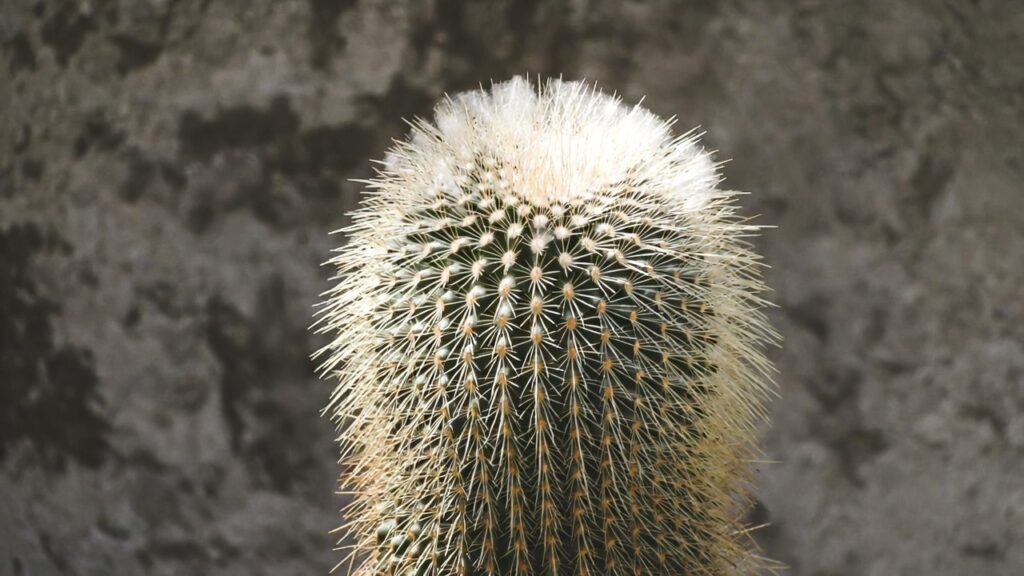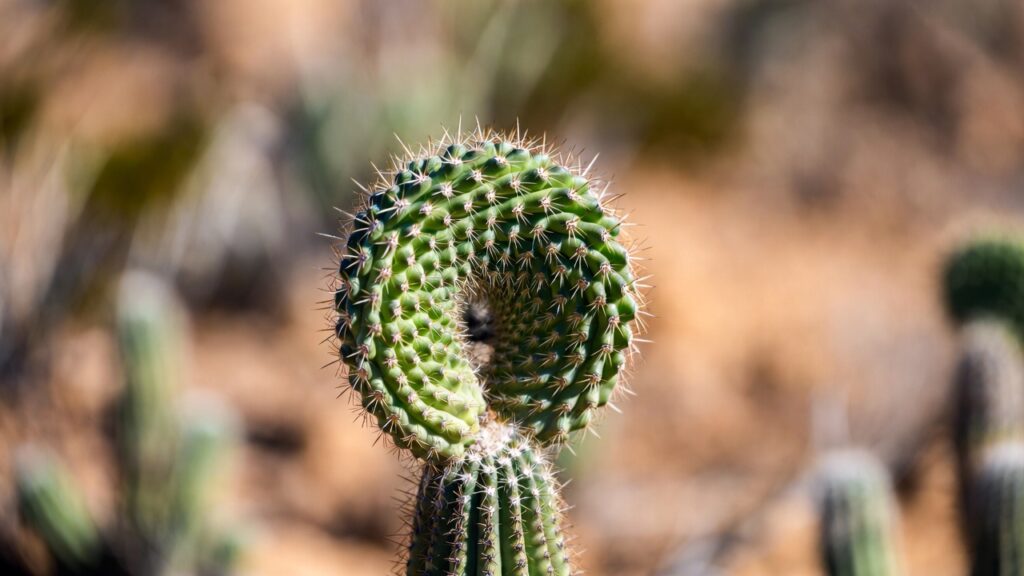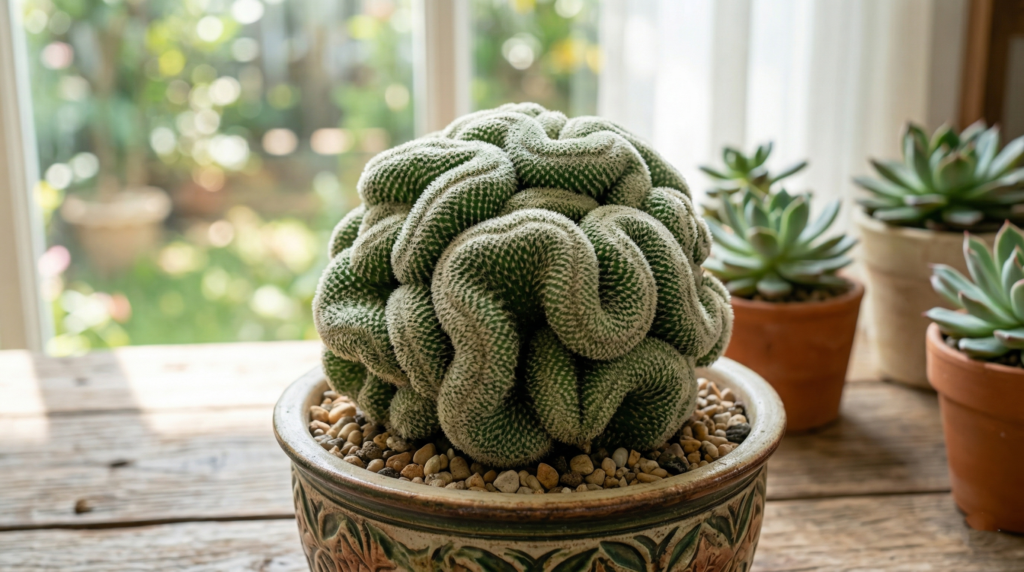
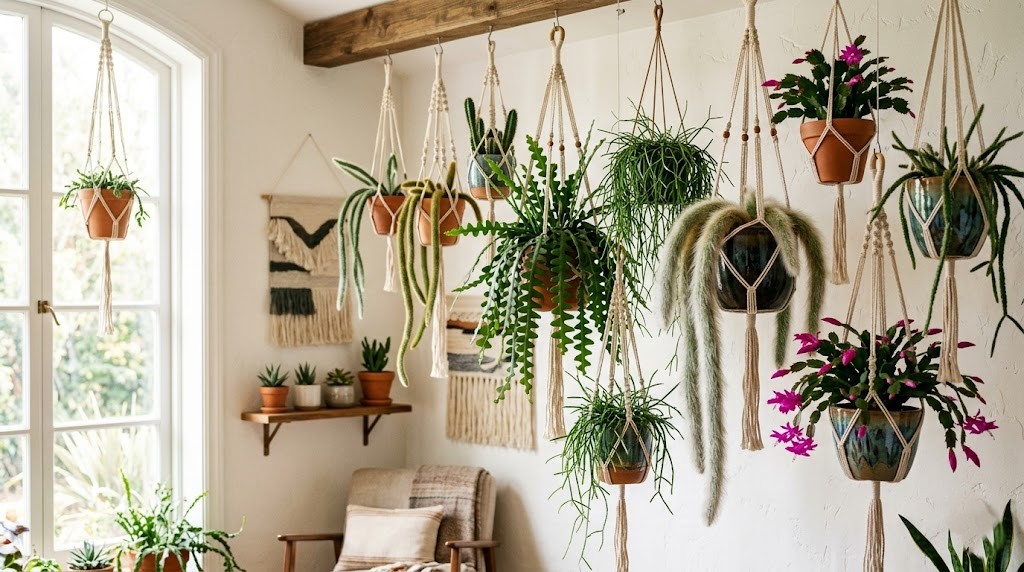
When most people picture a cactus, their minds immediately drift to a barren, sun-bleached desert landscape. They imagine a rigid, fiercely thorny saguaro or a spiked barrel cactus anchored into parched sand, baking under a relentless sun. But nature loves a plot twist. Deep within the shaded canopy of tropical rainforests and cascading down the steep, rocky faces of cloud mountains, an entirely different family of succulents thrives.
If you are looking to elevate your indoor jungle, a hanging cactus is the ultimate design secret. These structural, cascading marvels break away from the traditional windowsill setup, allowing you to utilize your vertical living space with breathtaking, trailing foliage that spills over the rims of hanging baskets like living sculptures.
The trouble is, many well-meaning indoor gardeners treat a trailing or hanging cactus exactly like its desert-dwelling cousins. They subject them to blistering, unfiltered sunlight and bone-dry soil for months on end, only to wonder why their plant’s stems are shriveling, dropping segments, or succumbing to fatal root rot. Having spent years cultivating, propagating, and diagnosing exotic indoor plants, I have seen firsthand how easily these unique specimens can thrive when you understand their true origins.
This comprehensive, skyscraper-level guide is designed to strip away the guesswork. We will explore the 10 absolute best trailing varieties for your home, break down the critical horticultural differences between jungle and desert species, and provide you with a foolproof master care blueprint to keep your cascading beauties vibrant for decades.
What Exactly is a Hanging Cactus? The Jungle vs. Desert Distinction
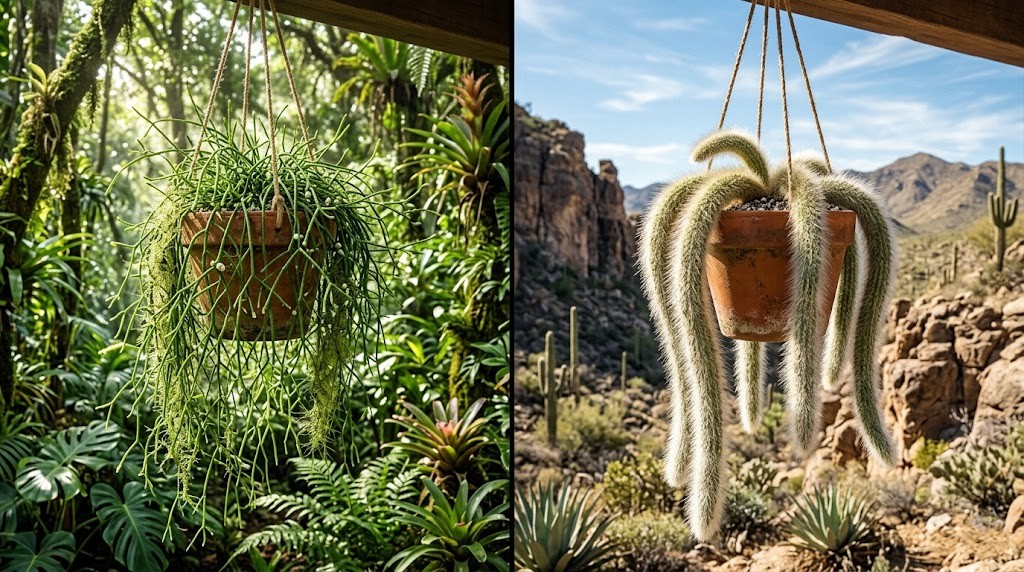
To successfully grow a hanging cactus indoors, you must first unlearn the myth that all cacti are desert plants. Botanically, the family Cactaceae is incredibly diverse. Trailing cacti generally fall into two distinct ecological categories, and identifying which one you own is the master key to keeping it alive.
The Epiphytic Marvels (Jungle Cacti)
The vast majority of popular hanging cacti are epiphytes. In their native habitats—primarily the subtropical and tropical rainforests of Central and South America—these plants do not grow in the ground. Instead, they anchor themselves to tree branches, rock crevices, and organic debris high up in the forest canopy.
Genera such as Rhipsalis, Epiphyllum, and Schlumbergera have evolved to love high humidity, dappled or filtered sunlight, and frequent but fast-draining rainfall. They do not possess the heavy, water-storing root systems of desert plants; instead, their roots are designed primarily for anchoring, absorbing ambient moisture, and feeding on decaying organic matter that washes down the trees. When you bring a jungle epiphyte into your home, you are bringing in a plant that prefers the environment of an orchid rather than a traditional cactus.
The Trailing Desert Mavericks
While jungle epiphytes dominate the hanging plant category, a few true desert cacti have evolved a decumbent or prostrate growth habit. Instead of growing upright toward the sky, their heavy, elongated stems creep along the ground or spill over rocky cliffsides in arid regions.
Genera like Hildewintera and Aporocactus retain the classic characteristics of desert flora—such as dense coats of protective spines or hairs to shield them from intense UV rays—but their structural weight causes them to cascade beautifully when planted in a elevated container. These varieties demand the blazing sun and prolonged dry spells typical of classic arid environments.
10 Stunning Hanging Cactus Varieties for Your Home
1. Mistletoe Cactus (Rhipsalis baccifera)
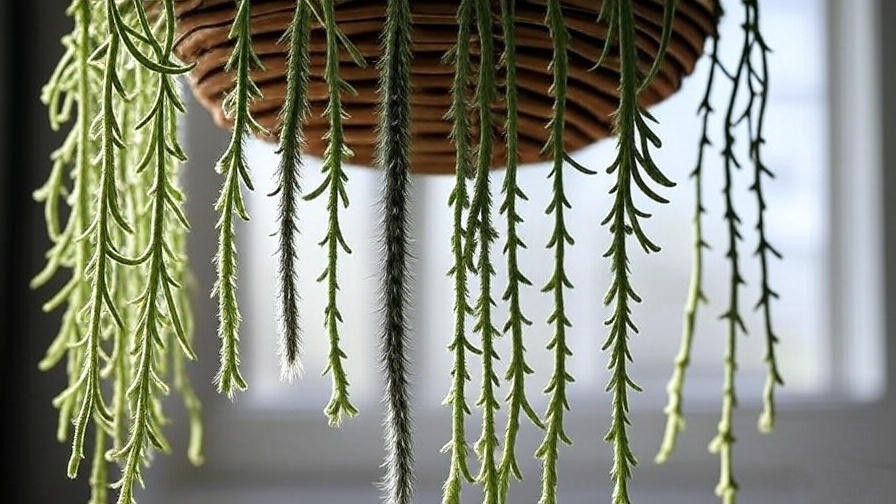
The Mistletoe Cactus is a masterclass in delicate, minimalist texture. Characterized by its incredibly long, thread-like, pale green branching stems, this plant creates a dense, mop-like canopy that can easily cascade several feet down from a ceiling hook. In the wild, it is found tucked beneath the dense shade of large forest trees.
This variety is uniquely suited for indoor spaces because it is exceptionally shade-tolerant compared to almost any other cactus on earth. It adapts beautifully to the lower light levels found in standard living rooms and bedrooms. As a delightful bonus, when a mature Rhipsalis baccifera is happy, it produces tiny, star-shaped white flowers followed by translucent, mistletoe-like white berries along the margins of its slender green cords.
-
Expert Care Note: Because its stems are so thin, the Mistletoe Cactus has less internal water storage capacity than thicker succulents. It prefers its substrate to remain slightly damp to the touch, rather than drying out to a crisp.
2. Monkey’s Tail Cactus (Hildewintera colademononis)
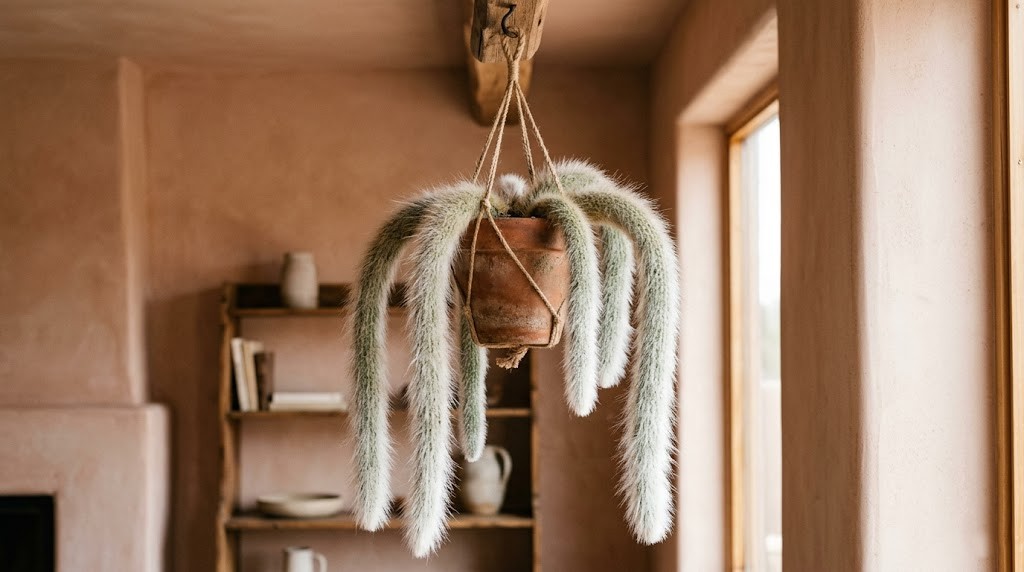
If you want a dramatic statement piece that stops guests in their tracks, the Monkey’s Tail Cactus is unparalleled. Native to the steep cliff faces of Santa Cruz, Bolivia, this true desert maverick features thick, cylindrical trailing pendulous stems completely covered in soft, hair-like white spines. These spines can grow several inches long, giving the cascading arms the unmistakable appearance of a fluffy white tail.
Indoors, this plant provides immense visual contrast against dark walls or minimalist decor. Despite its soft, touchable appearance, it is a rugged plant that demands bright, direct sunlight to maintain its signature snowy-white coat. Without sufficient sun, the new growth will emerge thin, green, and weakly spined.
-
Expert Care Note: Hang this variety in your absolute sunniest window—a direct south or west exposure is mandatory. Water deeply only when the potting medium is dry all the way to the bottom of the pot.
3. Fishbone or Zig-Zag Cactus (Selenicereus anthonyanus)
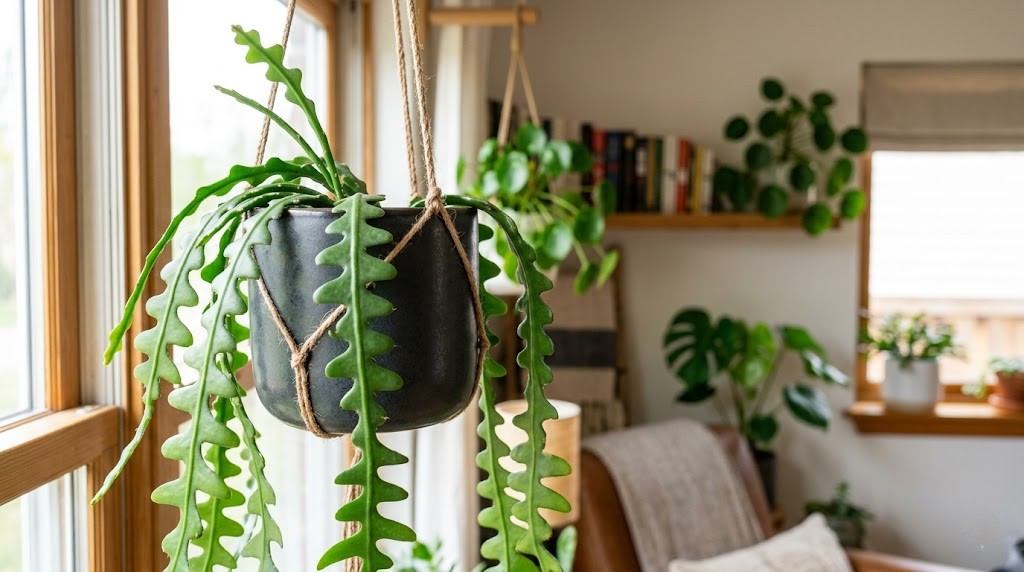
The Fishbone Cactus is a structural masterpiece of the botanical world. It features flat, fleshy, bright green trailing stems that are deeply lobed, perfectly mimicking the silhouette of a fish skeleton or a sharp zig-zag pattern. This architectural growth habit makes it a darling of interior designers and plant collectors alike.
As a native of the Mexican rainforests, this epiphyte climbs up trees using aerial roots, but when grown in a home container, it spills over the sides in a wild, geometric tangle. It is highly resilient, fast-growing, and remarkably forgiving of occasional forgetful watering. If you manage to provide it with high humidity and bright, indirect light, you may be rewarded with large, intoxicatingly fragrant, night-blooming flowers featuring deep pink outer petals and cream-colored centers.
-
Expert Care Note: This plant loves to climb just as much as it loves to hang. If you notice its trailing stems producing long, leafless, aerial root-covered runners, it is searching for something to grip. You can let them cascade naturally or give them a small totem to climb.
4. Rat Tail Cactus (Aporocactus flagelliformis)
A classic favorite that has graced bright indoor sunrooms for generations, the Rat Tail Cactus is known for its long, whip-like, heavily spined stems that can grow up to four feet in length. The stems are covered in fine, interlocking golden-brown bristles that give them a rough, textured appearance.
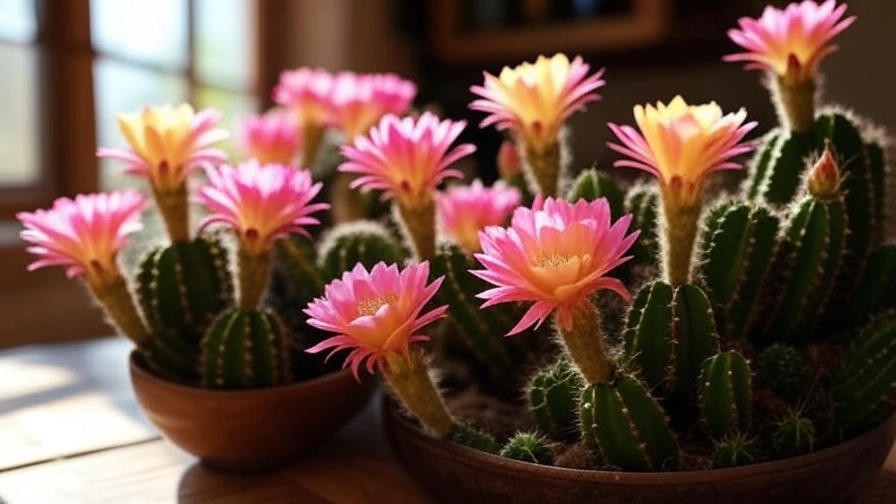
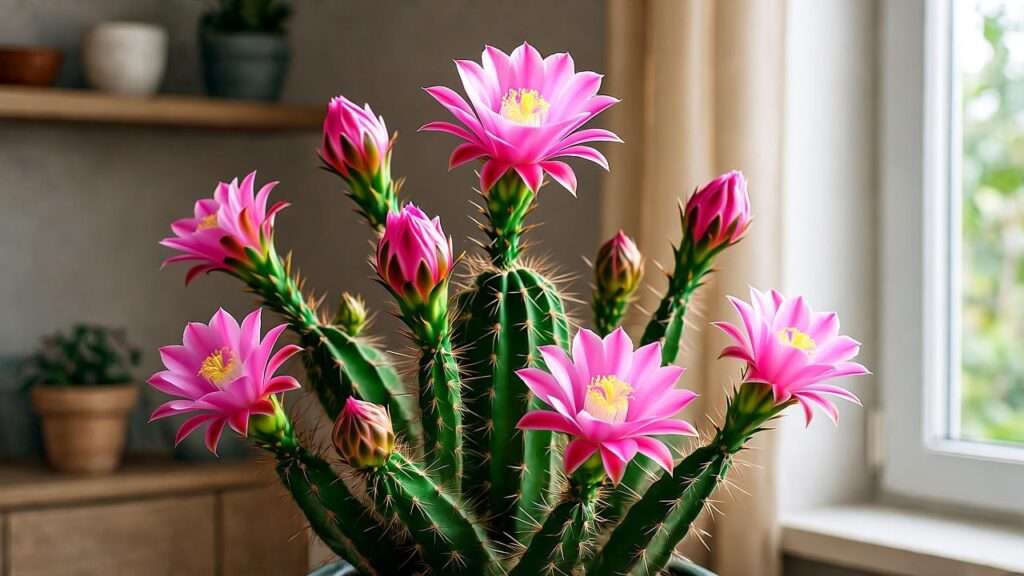
This is a true desert climber that loves heat and direct sunlight. In the spring and early summer, it undergoes a spectacular transformation, producing an abundance of large, vivid pink, tubular blooms that remain open for several days. It is an exceptionally hardy plant that handles dry indoor air and winter drafts better than its jungle counterparts.
-
Expert Care Note: Be mindful of placement. Because its spines are quite sharp and catch easily on fabrics, hang your Rat Tail Cactus in a low-traffic area where people or pets won’t accidentally brush past it.
5. Christmas Cactus (Schlumbergera bridgesii)
The Christmas Cactus is perhaps the most famous hanging epiphyte in the world, often passed down through families as a living heirloom for up to a century. It features flat, segmented, smooth dark green stem segments (called cladodes) that lack true spines. The plant naturally grows in a rounded, weeping mound that cascades beautifully over time.
Its fame comes from its reliable, spectacular winter display. When daylight hours shorten and temperatures drop in late autumn, the tips of the segments form multi-tiered, neon-colored buds that open into brilliant tubular flowers in shades of pink, red, white, magenta, or orange. It is an incredibly adaptable plant that thrives in average indoor conditions and is highly proficient at purifying indoor air.
-
Expert Care Note: To trigger those iconic winter blooms, the plant requires a “cool down” period in October, experiencing night temperatures around 55°F to 60°F and roughly 12 to 14 hours of continuous, uninterrupted darkness every day for six weeks.
6. Orchid Cactus (Epiphyllum species)
For those who want jaw-dropping floral rewards, the Orchid Cactus genus is unmatched. These rainforest epiphytes feature broad, flat, thick, strap-like stems that cascade lazily down from large baskets. While the foliage itself has a bold, wild look, the real show happens when these plants bloom.
The flowers of Epiphyllum are among the largest and most complex in the entire cactus family, often reaching the size of a dinner plate. Depending on the specific hybrid, the blooms can feature layers of shimmering, iridescent petals in blinding shades of scarlet, electric purple, neon yellow, or pure white. Many varieties are nocturnal, opening their massive blooms at dusk to fill the entire room with a rich, intoxicating perfume before closing by mid-morning.
-
Expert Care Note: Orchid cacti are heavy feeders during their spring active growth phase. To encourage those massive blooms, apply a diluted, low-nitrogen, high-phosphorus liquid fertilizer every two weeks from March through August.
7. Peanut Cactus (Echinopsis chamaecereus)
The Peanut Cactus is a charming, petite option for smaller indoor spaces, floating shelves, or compact window displays. It is a clumping, prostrate desert cactus that forms masses of finger-sized, pale green stems covered in soft, white bristles. As the plant matures, the crowded stems sprawl horizontally and eventually spill over the edges of their container like a miniature green waterfall.
In late spring, this diminutive plant puts on a massive show, completely covering itself in bright, fiery orange-red blossoms that are nearly as large as the individual stems themselves. It is incredibly drought-tolerant and handles the low humidity of winter-heated homes with ease.
-
Expert Care Note: The stems of the Peanut Cactus are quite fragile and detach easily when bumped. Do not panic if a few fall off during potting; simply lay the detached segments back on top of dry soil, and they will quickly grow roots to form a brand new plant cluster.
8. Hurricane Cactus (Rhipsalis cruciformis)
Another spectacular entry from the diverse Rhipsalis family, the Hurricane Cactus gets its common name from the wild, twisting, spiraling patterns its stems create as they grow. Unlike the round threads of Rhipsalis baccifera, the stems of this variety are distinctly triangular or three-angled, featuring small tufts of soft white wool at each joint.
What makes this hanging cactus a standout is its ability to change color based on light exposure, a process known as sun-stressing. When grown in bright, filtered light, the deep green stems shift into gorgeous shades of bronze, maroon, and deep violet.
-
Expert Care Note: Sun-stressing is a perfectly natural and safe defense mechanism for the plant, but it must be managed carefully. If the stems turn a pale, bleached yellow or develop crispy brown spots, it means the light is too intense and the plant is actually burning.
9. Dancing Bones Cactus (Hatiora salicornioides)
The quirky, whimsical Dancing Bones Cactus looks like a piece of living green coral. It is composed of thousands of tiny, deep green, bottle-shaped segments that branch out frantically. As a juvenile plant, it grows in an upright, bushy form, but as the chains of segments lengthen and get heavier, the branches weep downward into a dense, multi-layered, structural canopy.
In late winter, the tips of the “bones” explode with tiny, bright yellow or orange bell-shaped flowers, giving the entire plant a warm, glowing aura. It is a highly resilient jungle epiphyte that prefers consistent indoor temperatures and bright, filtered light.
-
Expert Care Note: This plant is sensitive to fluoride and chlorine often found in tap water, which can cause it to drop its segments prematurely. Whenever possible, water your Dancing Bones Cactus with collected rainwater, distilled water, or tap water that has sat out uncovered for 24 hours.
10. Golden Rat Tail Cactus (Cleistocactus winteri)
A close relative of the Monkey’s Tail, the Golden Rat Tail Cactus features heavy, cylindrical, pendulous stems that can grow up to three or four feet long. Instead of the long white hairs of the Monkey’s Tail, this desert native is densely clothed in thousands of short, stiff, shimmering golden-yellow bristles.
When hung in an area that catches the low, warm light of afternoon sun, the entire plant appears to glow with a brilliant golden aura. It is an exceptionally structural, structural plant that adds a bright splash of warm color and aggressive texture to any indoor plant collection.
-
Expert Care Note: Due to the weight of its thick, water-filled golden stems, a mature specimen can become incredibly heavy. Ensure you plant it in a sturdy container and suspend it from a high-quality hook anchored directly into a wall stud or ceiling joist.
The Master Care Guide: How to Keep Your Hanging Cactus Alive
Now that you have chosen the perfect trailing varieties for your indoor space, it is time to master the fundamentals of their long-term care. By understanding how to manage light, water, and soil, you can eliminate the stress of plant maintenance and ensure your collection thrives.
Light Requirements: Finding the “Sweet Spot”
Lighting is the most critical variable in trailing cactus care, and this is where separating your jungle epiphytes from your desert mavericks pays off.
For jungle varieties (Rhipsalis, Epiphyllum, Schlumbergera, Hatiora), your goal is to mimic the filtered light of a forest canopy. Place these plants in rooms with eastern or northern exposures, or set them a few feet back from bright, western or southern windows where they receive abundant bright, indirect light. Direct, unfiltered afternoon sun will quickly scorch their sensitive skin, leading to unsightly brown patches and dried, withered stems.
For desert varieties (Hildewintera, Aporocactus, Cleistocactus), direct sun is food. These plants require a minimum of four to six hours of direct, unfiltered sunlight daily to maintain their tight spine patterns, vibrant colors, and to trigger flowering. A spot right up against a south- or west-facing window is ideal. If your home lacks strong natural light, you will need to supplement these desert varieties with a high-intensity LED grow light to prevent them from stretching out weakly.
The Watering Protocol: Breaking the “Desert Cult” Myth
Improper watering is the number one killer of all indoor cacti. To avoid this trap, adopt the “soak and dry” method, but apply it with a clear understanding of your plant’s specific lineage.
When watering, do not simply pour a splash of water over the top of the pot. Instead, take the hanging basket down, carry it to a sink, and pour water thoroughly over the soil until it runs freely out of the drainage holes at the bottom. This ensures that the entire root zone is fully hydrated. Allow the pot to drain completely before hanging it back up; never let the container sit in a pool of standing water inside a saucer.
The frequency of your watering depends heavily on the plant’s type and the season. For jungle epiphytes, you want to water as soon as the top two inches of the potting mix feel dry to the touch. They prefer their environment to mimic a damp forest floor, meaning they should never be allowed to dry out completely to the core for weeks at a time.
For desert varieties, you must let the entire potting mix dry out completely from top to bottom before watering again. During the active growing seasons of spring and summer, this might mean watering every 7 to 10 days. However, in the dark winter months, these desert plants enter a period of deep dormancy. Their metabolic activity slows to a crawl, and they may only require water once every 4 to 6 weeks.
Soil and Potting: The Lifeline of Cascading Stems
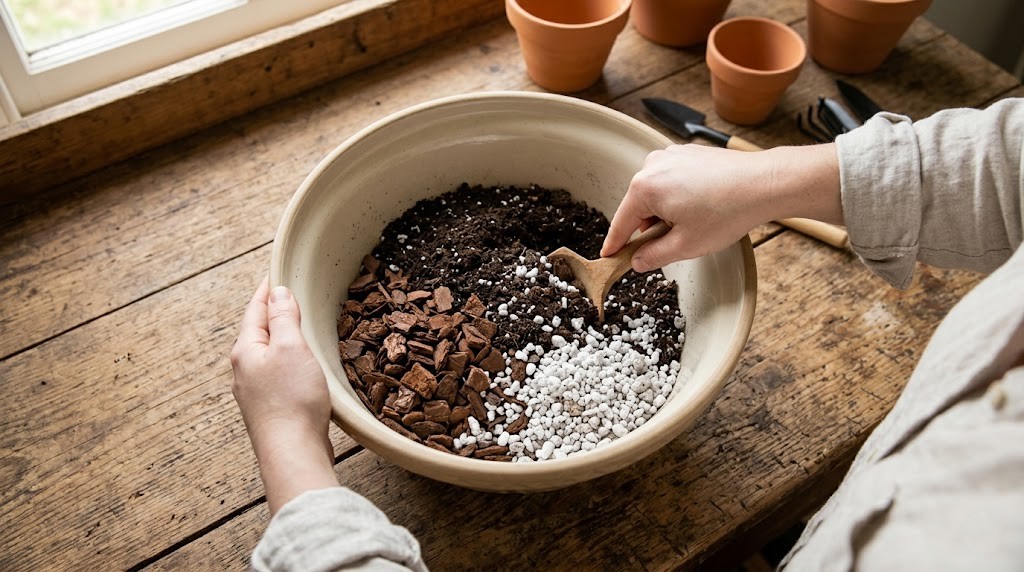
No matter how careful you are with your watering can, your hanging cactus will fail if it is trapped in dense, heavy potting soil. Standard commercial potting soils are formulated to retain moisture for long periods, which is a death sentence for the sensitive root systems of trailing cacti.
To keep these plants healthy, you must use a custom, highly porous, fast-draining substrate. A spectacular, all-purpose DIY recipe that works beautifully for both jungle and desert hanging varieties consists of:
-
50% high-quality potting soil (as an organic base)
-
30% coarse perlite or pumice (to create large air pockets and promote rapid drainage)
-
20% clean orchid bark or coco coir chips (crucial for mimicking the chunky, airy debris that epiphytes love to anchor into)
When selecting a container for your hanging cactus, prioritize function over form. Always ensure the pot has ample drainage holes at the bottom. Terracotta or unglazed clay hanging baskets are highly recommended; because clay is porous, it breathes, allowing oxygen to reach the roots and helping excess moisture evaporate evenly through the sides of the pot.
Troubleshooting: Common Hanging Cactus Problems & Cures
Even with the best care, you may occasionally run into issues. Use this quick, practical diagnostic guide to identify problems early and save your plants from distress.
Shriveled, Limp, or Wrinkled Stems
If the trailing arms of your cactus look deflated and wrinkled, the plant is telling you it is dehydrated. However, you must play detective to find out why. Check the moisture level of the soil. If the substrate is bone-dry and hard, the solution is simple: give the plant a thorough, deep soaking.
If the soil is wet and soggy, you are facing a much more dangerous issue: overwatering leading to root rot. When roots are trapped in stagnant water, they suffocate, die, and rot away. Because the plant no longer has functioning roots to absorb moisture, the upper stems shrivel from dehydration despite sitting in wet soil. In this case, you must immediately remove the plant from its pot, cut away any mushy, black roots, and repot the healthy remaining sections into fresh, dry soil.
Yellowing, Translucent Stem Segments
When individual segments or stems turn a pale, sickly yellow and feel soft or mushy to the touch, it is a classic early warning sign of overwatering or poor drainage. Stop watering immediately and check that the pot’s drainage holes are not blocked by debris. If the yellowing continues to spread upward through the plant, it means an internal rot infection is moving through the vascular system. Your best course of action is to cut off the healthy, green upper portions of the stems to save them as cuttings, and discard the compromised base of the plant.
Dropping Entire Segments Cleanly
If your Christmas Cactus, Mistletoe Cactus, or Dancing Bones Cactus looks healthy but suddenly drops perfectly green, intact segments onto the floor, the plant is experiencing environmental shock. This is typically triggered by a sudden, drastic change in its microclimate. Check the surrounding area: is the plant hanging directly in the path of a blast of cold air from an air conditioning vent? Is it brushing up against a hot radiator or sitting in a severe doorway draft? Move the plant to a stable, protected location with consistent temperatures, and the segment dropping should stop within a week.
Pale, Elongated, Weak Growth
If your beautifully thick Monkey’s Tail or Rat Tail cactus begins producing new growth that is incredibly thin, pale green, and lacks spines, it is suffering from etiolation. This is the plant’s desperate attempt to stretch out and search for light. The thin growth is weak and will never thicken up, even if conditions improve. To fix this, gradually move the plant to a significantly brighter window over the course of a few days to avoid sunburn, and prune away the weak, spindly growth to encourage healthy, robust new branching.
Hanging Cactus: Frequently Asked Questions
Do hanging cacti need a lot of direct sunlight?
It depends entirely on the variety. Desert trailing cacti (like the Monkey’s Tail or Rat Tail cactus) require 4 to 6 hours of direct, intense sunlight daily to maintain their spines and bloom. Jungle epiphytic cacti (like the Fishbone, Christmas, or Mistletoe cactus), however, will burn in direct sun; they thrive in bright, filtered, or indirect light.
How often should I water a trailing cactus?
There is no set calendar schedule, but a good rule of thumb is the “soak and dry” method:
-
Jungle Cacti: Water thoroughly as soon as the top 2 inches of soil feel completely dry.
-
Desert Cacti: Let the potting mix dry out completely from top to bottom before watering again. Reduce winter watering to once every 4 to 6 weeks.
Why is my hanging cactus dropping its segments?
Cleanly dropping healthy green segments is usually a sign of environmental shock. This happens when the plant experiences sudden temperature fluctuations, such as being placed too close to a blasting air conditioning vent, a hot radiator, or a drafty winter doorway. Move the plant to a stable environment to stop the dropping.
Can I grow a hanging cactus in a regular pot without drainage?
No. Growing a hanging cactus in a pot without drainage holes is the fastest way to kill it. Excess water will pool at the bottom of the container, suffocating the root system and causing fatal root rot. Always use a pot with functional drainage holes and a lightweight, porous soil mix.
Why is my trailing cactus growing very thin and pale?
This condition is called etiolation (stretching), and it is a desperate cry for more light. When a desert trailing cactus doesn’t get enough UV rays, its new growth emerges weak, skinny, and pale as it searches for a light source. Gradually acclimate the plant to a brighter window to fix it.
Are hanging cacti safe for cats and dogs?
Most popular jungle epiphytes like the Christmas Cactus (Schlumbergera) and Mistletoe Cactus (Rhipsalis) are non-toxic to pets. However, desert varieties like the Rat Tail cactus have sharp, bristly spines that can cause mechanical injury to a curious pet’s mouth or paws. Always check the specific botanical name of your variety before hanging it within reach of pets.
Step-by-Step Propagation: How to Multiply Your Collection
One of the greatest joys of owning a hanging cactus is how incredibly easy they are to propagate. Because these plants are segmented or branch freely, you can easily turn a single mature specimen into dozens of new plants to fill your home or share with friends.
To propagate your trailing cactus successfully, follow this simple, reliable method:
-
Take the Cutting: Select a healthy, robust trailing stem. Using a pair of sharp, sterile shears or a clean knife, cut a section of the stem that contains at least two to three segments or is roughly 4 to 6 inches long.
-
Let it Callous: Place the cuttings on a clean, dry paper towel in a shaded, well-ventilated room. Leave them alone for 2 to 4 days. This allows the raw, wet cut end to heal over and form a dry, firm calloused barrier. Skipping this step and putting a fresh, wet cutting directly into soil will almost always cause the stem to rot before it can root.
-
Plant the Cuttings: Fill a small, well-draining starter pot with your custom perlite and potting soil mix. Insert the calloused end of the cutting roughly one inch deep into the medium. If you are propagating a flat-stemmed epiphyte like a Fishbone Cactus, make sure the orientation is correct (the top of the stem facing up).
-
Provide Gentle Care: Place the pot in a warm spot with bright, indirect light. Moisten the soil very lightly—just enough to keep it from being completely dry—but avoid soaking it, as the cutting does not yet have roots to drink up the water. Within 3 to 4 weeks, the cutting will develop a network of fresh roots. You can test this by giving the stem a very gentle upward tug; if you feel resistance, roots have successfully formed.
Conclusion: Elevate Your Space with Trailing Cactaceae
Vertical gardening is more than just a clever way to fit more plants into your home; it is an art form that brings movement, depth, and structural drama into interior spaces. While classic trailing options like Pothos, English Ivy, or Heartleaf Philodendrons are wonderful staples, they lack the architectural, unexpected flair of a beautifully grown hanging cactus.
Whether you fall in love with the ethereal, thread-like canopy of the Mistletoe Cactus, the bold geometric lines of the Fishbone Cactus, or the shimmering golden aura of a trailing desert maverick, these plants offer an incredible return on your investment. By simply tailoring your care routine to match their unique jungle or desert lineages, you can enjoy a low-maintenance, high-impact vertical jungle that thrives for years to come. Turn your gaze upward, find an empty ceiling hook, and let the cascading beauty of these extraordinary succulents transform your home.