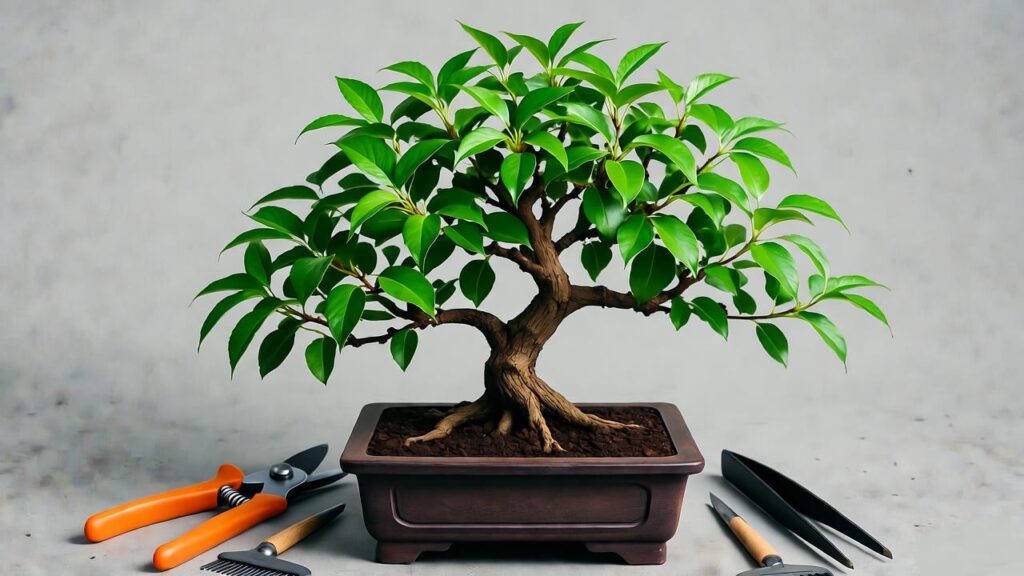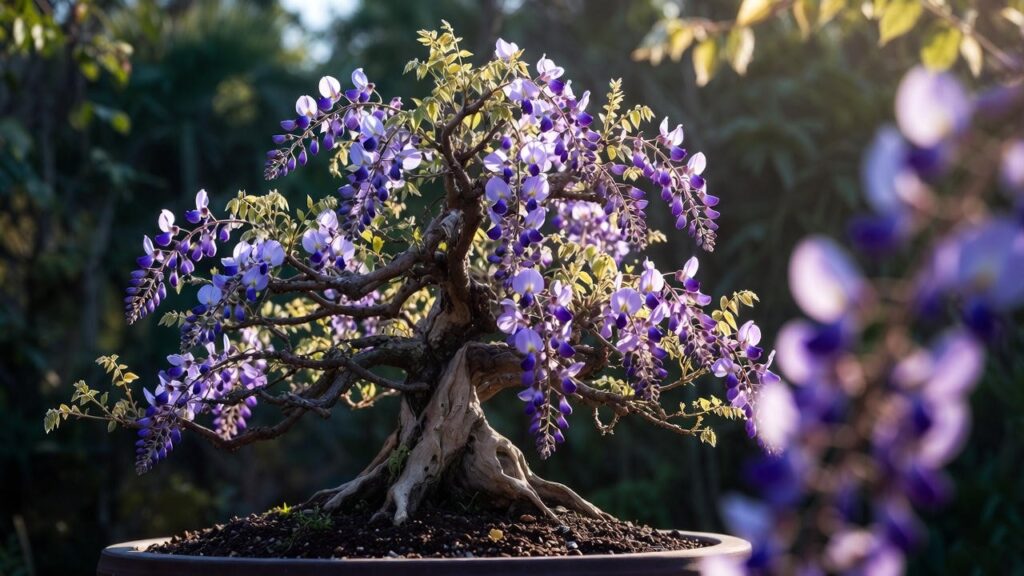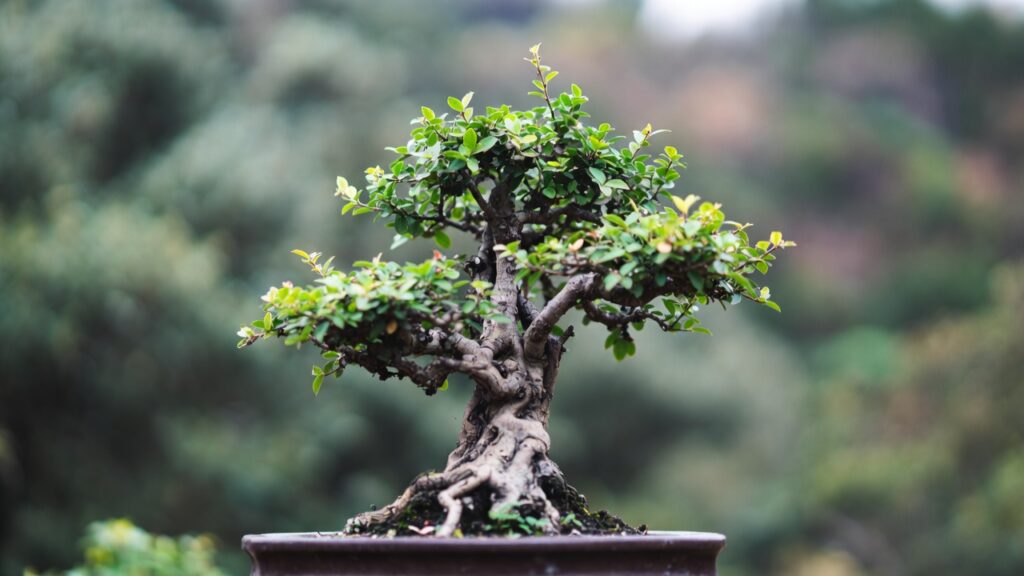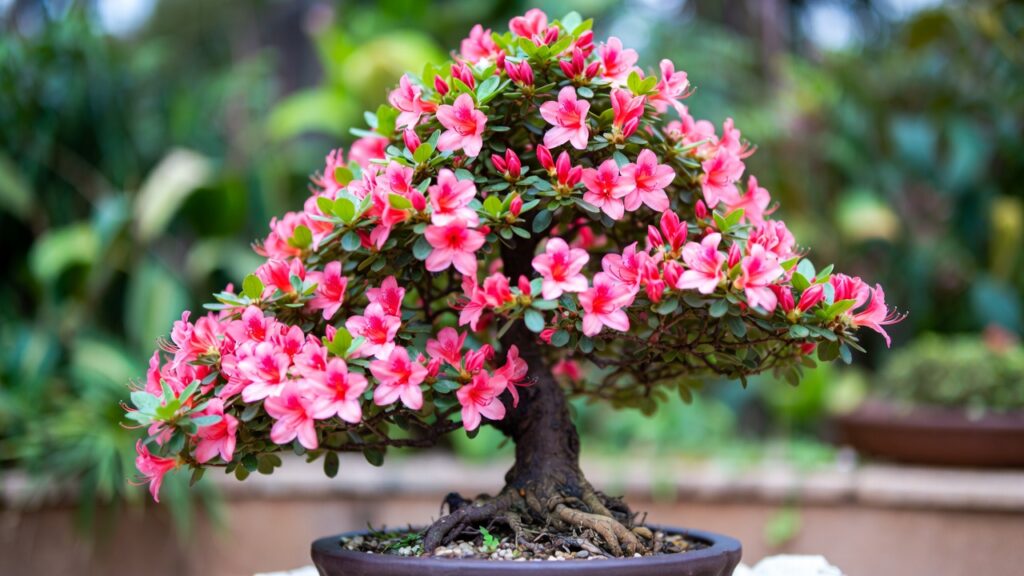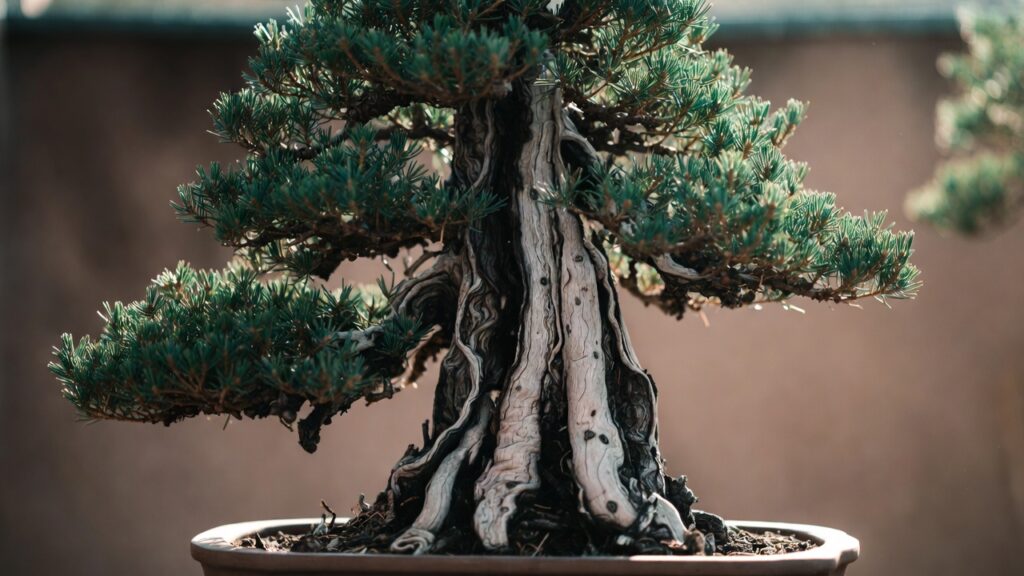
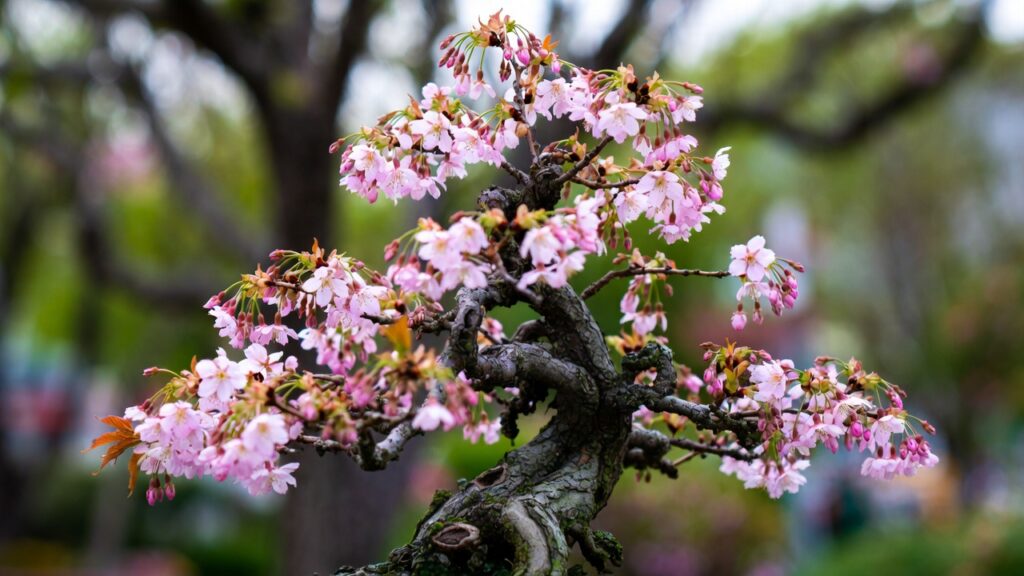
Imagine walking into your home and being greeted by the delicate, ethereal beauty of a Bonsai Cherry Blossom tree in full bloom. This captivating miniature tree, with its soft pink or white flowers, brings the tranquility of nature directly into your indoor space. Whether you’re a seasoned bonsai enthusiast or a beginner excited to explore the world of indoor plants, growing and caring for a Bonsai Cherry Blossom is an incredibly rewarding experience.
In this guide, we will delve into everything you need to know about Bonsai Cherry Blossoms—from selecting the right variety to encouraging blooming indoors. This article provides step-by-step expert advice, practical tips, and valuable insights to help you master the art of Bonsai Cherry Blossom care. Let’s embark on this journey to create your very own indoor garden masterpiece.
What is a Bonsai Cherry Blossom?
Understanding Bonsai as an Art Form
The art of bonsai, originating from Japan over a thousand years ago, involves cultivating miniature trees in containers to replicate the form and beauty of full-sized trees found in nature. While bonsai can include various types of plants, the Bonsai Cherry Blossom (Prunus serrulata), with its stunning flowers and graceful shape, is a particularly sought-after variety for indoor enthusiasts. Unlike regular cherry trees that grow tall in the ground, the Bonsai Cherry Blossom is cultivated in a way that allows it to thrive in small pots, making it an ideal addition to your home décor.
Why Choose a Bonsai Cherry Blossom for Indoor Gardening?
Bonsai Cherry Blossoms are perfect for indoor gardening due to their manageable size, stunning aesthetic appeal, and relatively easy care requirements. Their blossoms bloom for a short period, but when they do, they create a beautiful, peaceful ambiance in any room. Furthermore, having this elegant tree indoors adds a touch of nature’s beauty to your space, especially during the winter months when many outdoor gardens are dormant. A Bonsai Cherry Blossom is not only a stunning ornamental tree but also a testament to the patience and artistry involved in bonsai cultivation.
The Best Bonsai Cherry Blossom Varieties for Indoor Growth
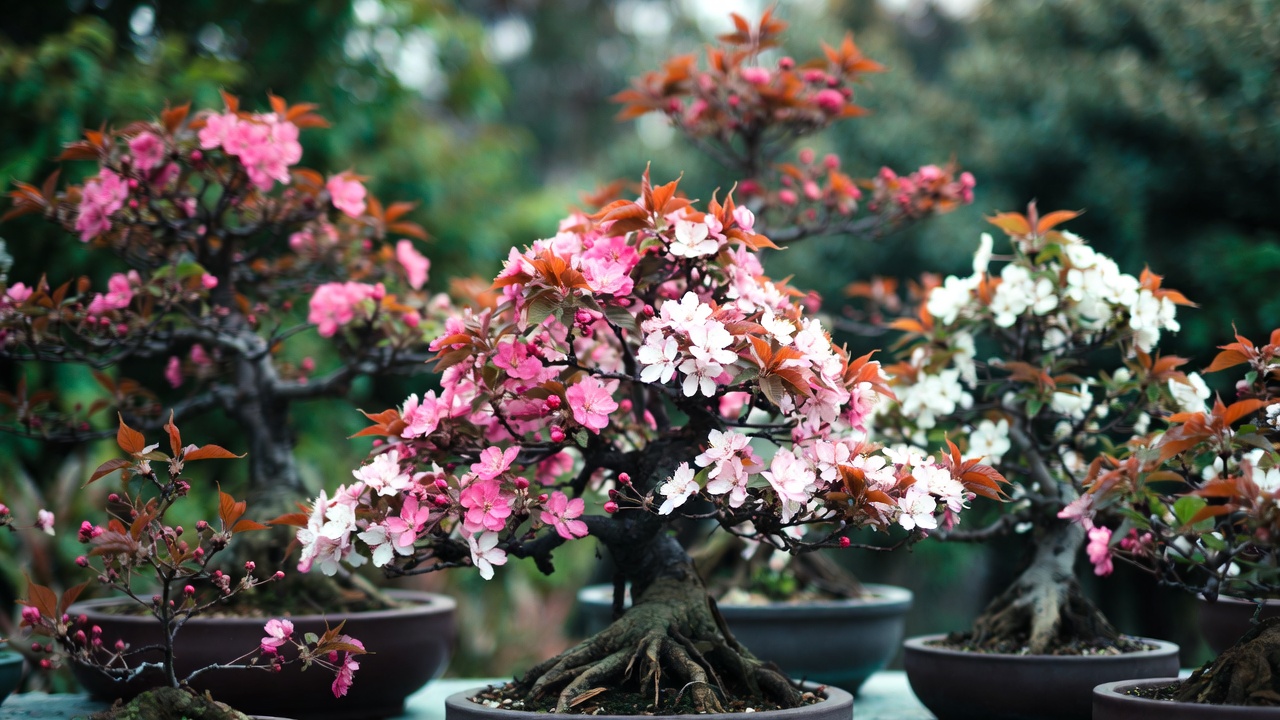
Selecting the Right Variety for Indoor Bonsai
When it comes to Bonsai Cherry Blossoms, selecting the right variety is crucial to ensuring the success of your indoor garden. While many cherry blossom varieties exist, some are better suited for bonsai cultivation indoors.
-
Prunus serrulata (Japanese Cherry Blossom)
This variety is one of the most common types of cherry blossom used for bonsai. It produces vibrant pink or white flowers and has a delicate, graceful shape, making it perfect for indoor bonsai. -
Prunus x yedoensis (Yedoensis Cherry Blossom)
Known for its pale pink blooms and graceful form, the Yedoensis is another popular choice for bonsai. It’s well-suited for indoor environments and can tolerate a wide range of temperatures, which is essential for growing bonsai indoors. -
Prunus ‘Shirotae’ (Mount Fuji Cherry Blossom)
This variety produces large, fragrant white blossoms and can adapt well to indoor conditions. It’s often recommended for those looking to add a touch of elegance to their bonsai collection.
Bonsai Cherry Blossom vs. Other Indoor Bonsai Varieties
While Bonsai Cherry Blossoms are undoubtedly beautiful, they do require specific care to thrive indoors. In comparison, other types of indoor bonsai, such as Ficus, Jade, or Boxwood, might be more forgiving and easier to maintain. However, the beauty and serenity that a Bonsai Cherry Blossom brings make it worth the extra effort. As long as you can provide the right care and environment, the stunning flowers and graceful branches of a Bonsai Cherry Blossom will be an extraordinary addition to your home.
Preparing to Grow Your Bonsai Cherry Blossom
Choosing the Right Pot and Soil
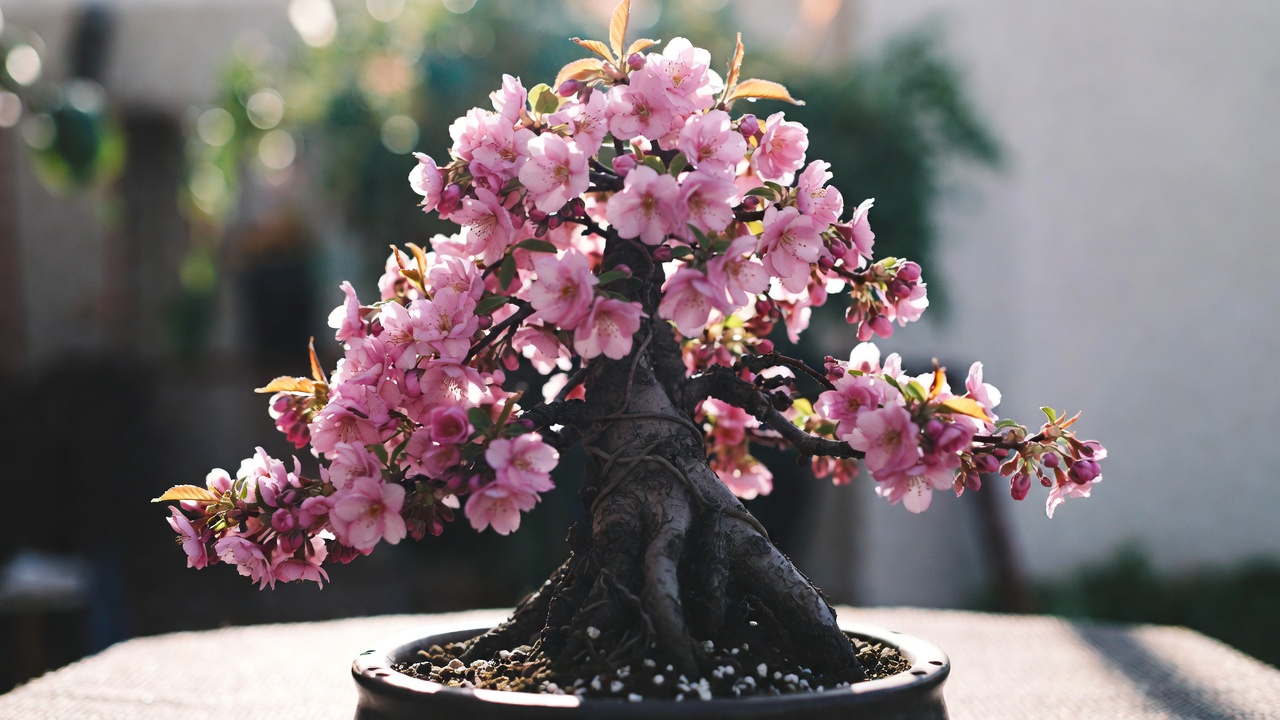
The pot you choose for your Bonsai Cherry Blossom is vital to its health. Bonsai trees need a pot that provides enough space for the roots while ensuring proper drainage. A shallow, wide container is ideal for growing bonsai, as it mimics the shallow root structure of the tree in nature.
For soil, it’s essential to use a well-draining, acidic mix. Bonsai Cherry Blossoms prefer slightly acidic to neutral soil with excellent drainage to prevent waterlogging, which can cause root rot. A mix designed specifically for bonsai or a combination of akadama, pumice, and lava rock is a great choice.
Ensuring Proper Lighting for Your Bonsai
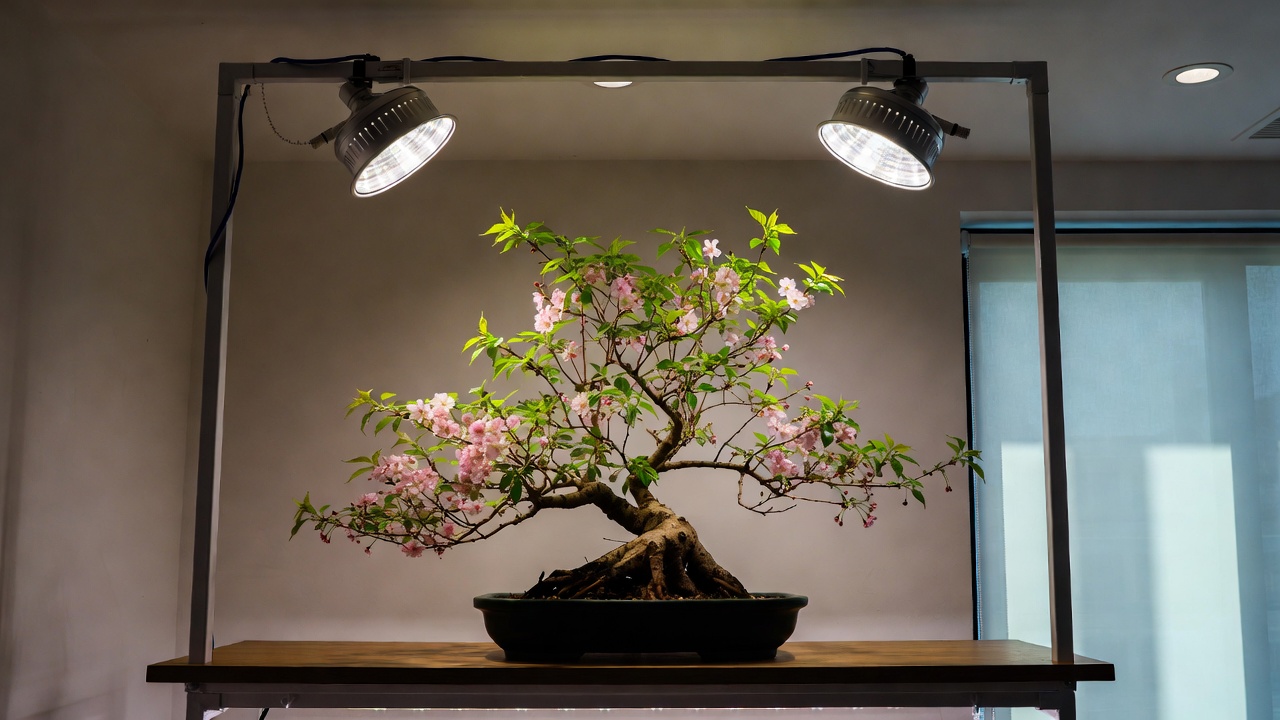
Light is one of the most critical factors when growing a Bonsai Cherry Blossom indoors. Like all plants, bonsai trees need an adequate amount of light to grow, flower, and stay healthy. Ideally, your Bonsai Cherry Blossom should receive direct sunlight for at least 4-6 hours a day. A south-facing window is often the best place to position your bonsai for optimal light.
If you’re unable to provide sufficient natural sunlight, you can supplement with grow lights designed for indoor plants. These specialized lights can provide the full spectrum of light necessary for healthy growth, particularly during the winter months when natural light is limited.
Temperature and Humidity Considerations
Bonsai Cherry Blossoms thrive in moderate temperatures. Aim to keep your bonsai in a room with temperatures between 60-75°F (15-24°C). They can tolerate slight fluctuations but avoid placing them in areas with extreme heat or cold drafts, such as near heaters or air conditioners.
Humidity is also important for Bonsai Cherry Blossoms, especially in dry indoor environments. These trees prefer higher humidity levels. If your home is too dry, consider placing your bonsai on a humidity tray or using a room humidifier to maintain the ideal moisture levels.
Step-by-Step Guide to Planting Your Bonsai Cherry Blossom
Step 1: Potting Your Bonsai Tree
Proper potting is crucial to ensuring your Bonsai Cherry Blossom has a healthy root system. Start by placing a layer of gravel or mesh over the drainage hole of the pot to prevent soil from washing out. Fill the bottom of the pot with a well-draining bonsai soil mix, leaving enough space for the root ball.
Gently remove your Bonsai Cherry Blossom from its nursery pot and inspect the roots. Trim any damaged or excessively long roots, then place the tree in the new pot, ensuring the roots are spread evenly. Fill the remaining space with more bonsai soil and gently tamp it down to eliminate air pockets.
Step 2: Shaping and Pruning Techniques
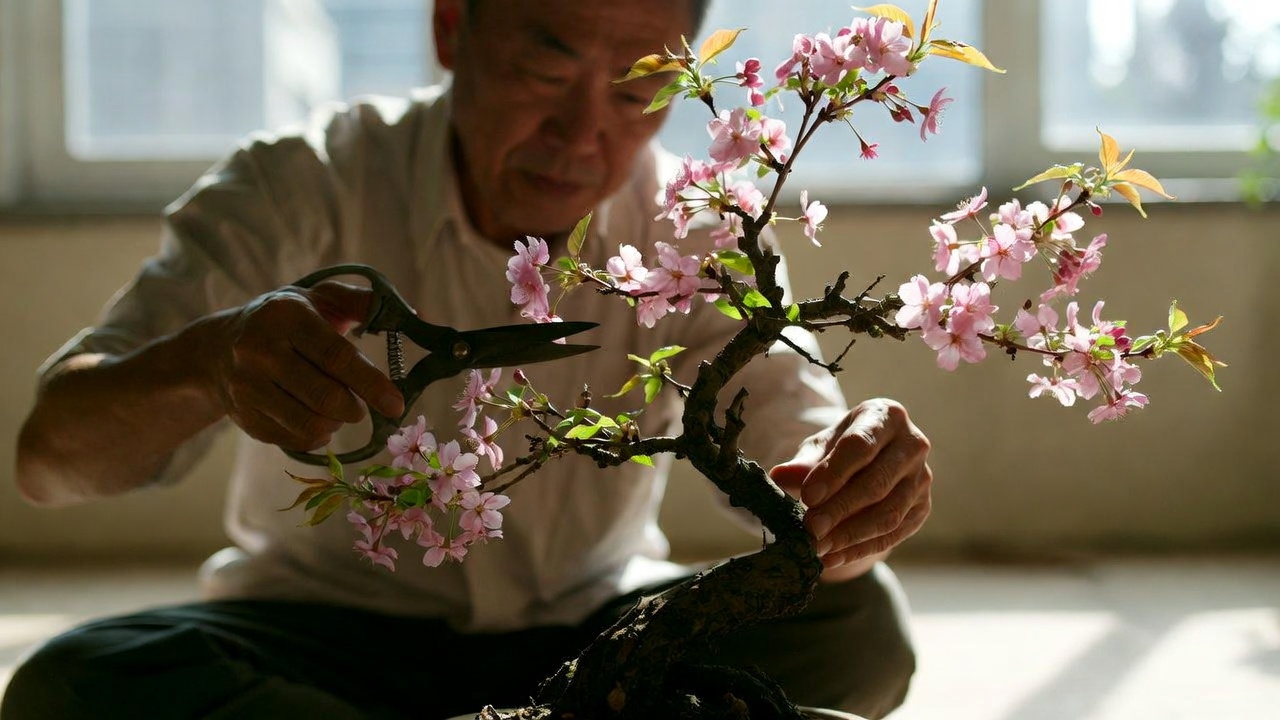
Pruning is an essential part of growing a Bonsai Cherry Blossom. Regular pruning not only maintains the tree’s shape but also encourages strong growth. Start by removing any dead, damaged, or crossing branches. Use sharp, clean bonsai shears to trim the tree’s foliage and branches, making sure to cut just above the node.
For shaping, focus on maintaining a balanced and aesthetically pleasing form. The goal is to mimic the natural growth pattern of a cherry tree, creating a harmonious and graceful silhouette. Be patient, as bonsai shaping is an ongoing process that takes time.
Step 3: Wiring and Styling Your Bonsai
Wiring is an essential technique for shaping the branches and trunk of your Bonsai Cherry Blossom. Use soft bonsai wire to gently wrap around the branches and trunk, bending them into the desired shape. Be sure to check the tree regularly to ensure the wire is not cutting into the bark. Once the tree has taken shape, you can remove the wire.
Ongoing Care for a Bonsai Cherry Blossom
Watering Your Bonsai Cherry Blossom
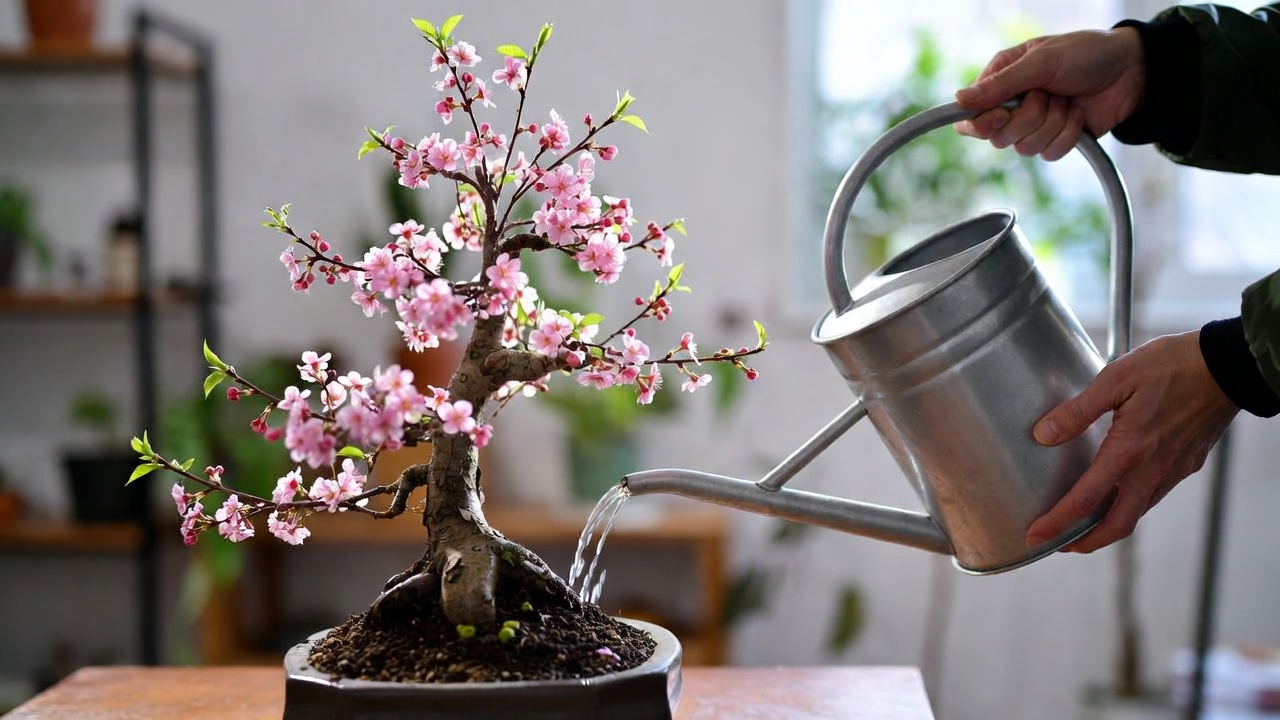
Watering is one of the most important aspects of Bonsai Cherry Blossom care. These trees need to be watered regularly, but overwatering can lead to root rot. To determine when to water, check the soil’s moisture level. If the top inch of soil feels dry, it’s time to water. Make sure to water the tree thoroughly until water drains out of the bottom of the pot.
During the warmer months, your Bonsai Cherry Blossom may require more frequent watering, while in winter, when the tree is dormant, watering should be reduced. Always use room-temperature water, and avoid using hard water, as it can damage the plant over time.
Fertilizing for Optimal Growth
To ensure your Bonsai Cherry Blossom thrives, regular fertilization is essential. Use a balanced, slow-release fertilizer to provide the necessary nutrients. During the growing season (spring and summer), feed the tree every 4-6 weeks. In fall and winter, reduce fertilization as the tree enters its dormant phase.
Be cautious not to over-fertilize, as this can lead to excessive leaf growth at the expense of flowers. A well-balanced fertilizer will help maintain a healthy, flowering bonsai.
Regular Pruning and Maintenance
Bonsai Cherry Blossoms require ongoing care, including periodic pruning to keep their shape. Regularly remove dead or damaged branches, and trim back new growth to maintain a compact and balanced tree. Additionally, check for pests or diseases and address them promptly to prevent damage.
How to Encourage Blossoms on Your Bonsai Cherry Blossom
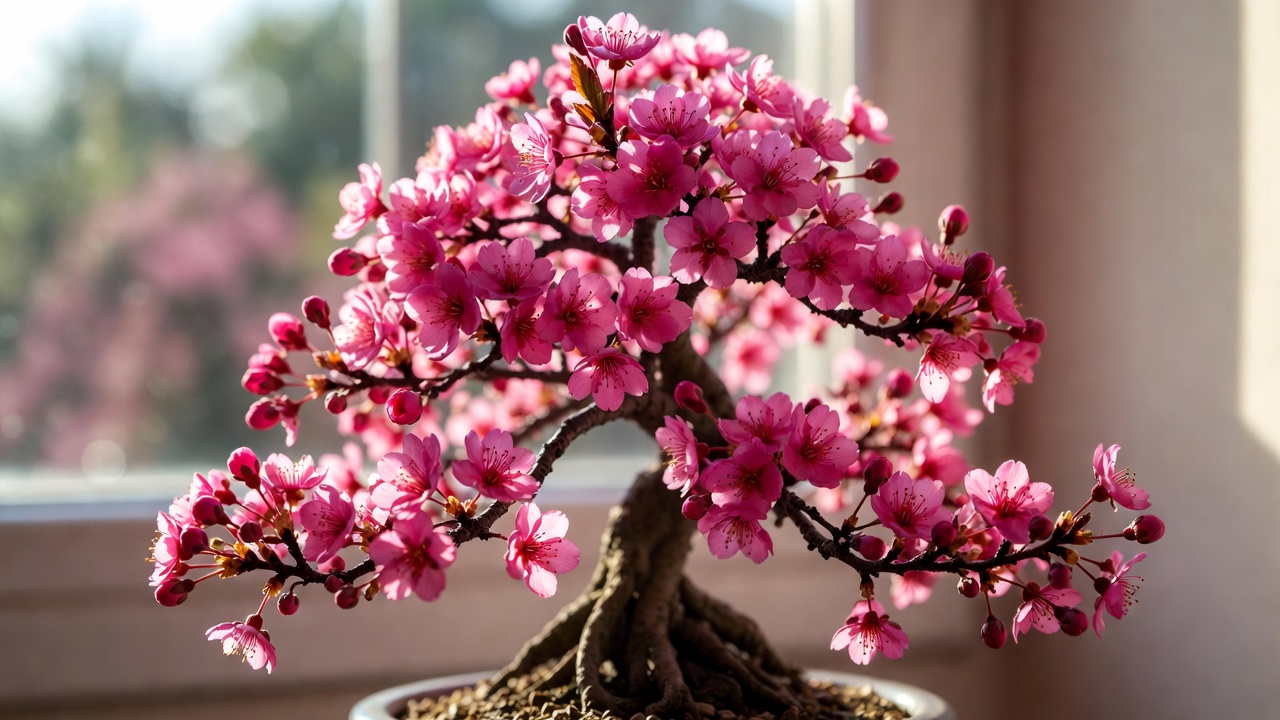
Understanding the Blooming Cycle
Bonsai Cherry Blossoms typically bloom in the spring, though the timing can vary depending on the variety and indoor conditions. The tree’s flowering cycle is influenced by factors like light, temperature, and the tree’s overall health.
Triggering Blossoms with Proper Care
To encourage blooming indoors, ensure your Bonsai Cherry Blossom receives adequate sunlight, is properly pruned, and is given the right nutrients. Some varieties may also benefit from a slight cold period to stimulate blooming. If you’ve followed all the proper care techniques and the tree is healthy, it should reward you with beautiful blossoms each spring.
Common Issues and Troubleshooting for Bonsai Cherry Blossom
Yellowing Leaves and Poor Growth
One of the most common issues Bonsai Cherry Blossom owners encounter is yellowing leaves or slow growth. This issue can often be traced back to improper watering, lack of nutrients, or exposure to too much or too little sunlight.
-
Overwatering: When you overwater, the soil can become waterlogged, leading to root rot and yellowing leaves. Ensure that the pot has proper drainage and that the soil dries out slightly between watering sessions.
-
Underwatering: Conversely, insufficient watering can cause the tree to dry out, which also results in yellow leaves. Always check the soil moisture to maintain the right balance.
-
Nutrient Deficiency: Yellowing leaves could indicate that your Bonsai Cherry Blossom isn’t getting enough nutrients. Regular fertilizing with a balanced fertilizer should resolve this issue.
-
Insufficient Light: If your tree isn’t getting enough sunlight, it may not be able to produce enough energy to maintain its foliage. Move your tree to a brighter spot or supplement with grow lights.
Dealing with Pests and Diseases
While Bonsai Cherry Blossoms are generally resilient, they can be susceptible to pests and diseases, especially when grown indoors. Here are a few common pests and how to deal with them:
-
Aphids: These small, green insects suck the sap from the leaves, causing them to curl or yellow. To remove aphids, wash the tree’s leaves with a mild insecticidal soap or a solution of water and neem oil.
-
Spider Mites: These tiny pests can cause leaves to become speckled or even drop off. Spider mites thrive in dry conditions, so increase the humidity around the tree and use an insecticidal soap to get rid of them.
-
Root Rot: Caused by overwatering or poor drainage, root rot can quickly spread and damage your Bonsai Cherry Blossom. If you notice soft, dark, or smelly roots, it’s important to remove the affected parts and repot the tree in fresh, well-draining soil.
-
Fungal Infections: Fungal diseases can sometimes affect Bonsai Cherry Blossoms. Make sure to remove any infected leaves and avoid getting water on the leaves when watering.
Stress from Improper Care
Stress is another major issue that can affect Bonsai Cherry Blossoms. Symptoms of stress may include wilting, browning of leaves, and general lack of vigor. Stress can be caused by:
-
Inconsistent watering
-
Sudden changes in temperature or humidity
-
Too much direct sunlight or too little light
To alleviate stress, ensure your Bonsai Cherry Blossom is kept in a stable environment. Avoid placing it in drafty areas or near air conditioning and heating vents. Ensure that the watering schedule is consistent and that the tree has access to the proper amount of light.
Expert Tips and Insights for Bonsai Cherry Blossom Care
Seasonal Care Adjustments
Just like all trees, Bonsai Cherry Blossoms go through seasonal changes, and adjusting care throughout the year is crucial for their success.
-
Spring and Summer: During the warmer months, your Bonsai Cherry Blossom will be actively growing. Water it more frequently and fertilize regularly to promote growth and flowering. Keep it in a location where it can receive full sunlight.
-
Fall and Winter: As the tree enters its dormant period, reduce watering and stop fertilizing. Place the bonsai in a cooler location with less sunlight to mimic the natural seasonal changes it would experience outdoors. This helps the tree rest and prepare for the next blooming cycle.
-
Pruning for Shape: Throughout the year, make sure to regularly prune the tree to maintain its compact shape. Removing old and unhealthy growth encourages new, strong branches and leaves.
Advanced Bonsai Techniques for Enthusiasts
Once you’ve mastered the basics of Bonsai Cherry Blossom care, you may want to explore more advanced techniques to further enhance the beauty and health of your tree.
-
Grafting: For advanced bonsai enthusiasts, grafting is an excellent way to introduce new branches or even a different variety of cherry blossom to your tree. Grafting can help you create a more unique or robust bonsai tree.
-
Multi-Tree Bonsai Arrangements: If you want to create a truly unique display, you can cultivate multiple Bonsai Cherry Blossoms in a single pot. This requires careful planning and a solid understanding of bonsai shaping and pruning techniques.
-
Wiring for Artistic Shaping: Using wiring to shape the branches and trunk of the Bonsai Cherry Blossom is a common technique. As your tree matures, this method can help you achieve a more dramatic, sculptural effect that highlights the tree’s beauty.
Frequently Asked Questions (FAQs)
How long does it take for a Bonsai Cherry Blossom to bloom?
Typically, a Bonsai Cherry Blossom will bloom in early spring, with the flowers lasting for a few weeks. However, it may take a few years for your tree to mature enough to produce its first bloom. Patience is key in bonsai cultivation, and with proper care, your tree should eventually reward you with beautiful blossoms.
Can a Bonsai Cherry Blossom thrive in low light?
While Bonsai Cherry Blossoms do best in bright, direct sunlight, they can tolerate lower light conditions for a short period. However, this may result in weaker growth and fewer blossoms. If you have low light indoors, consider supplementing with a grow light to ensure your bonsai receives the necessary amount of light.
What should I do if my Bonsai Cherry Blossom isn’t growing well indoors?
If your Bonsai Cherry Blossom isn’t growing well, first check its environment. Ensure it has adequate light, proper humidity, and a suitable temperature. If the problem persists, inspect for pests or disease, and consider repotting the tree with fresh, well-draining soil.
Conclusion: Mastering the Art of Growing Bonsai Cherry Blossoms Indoors
Growing a Bonsai Cherry Blossom indoors is a beautiful and rewarding experience that allows you to bring a touch of nature into your home. By following the expert tips and advice in this guide, you can ensure that your bonsai tree thrives, blooms beautifully, and becomes a centerpiece of your indoor garden.
Remember, bonsai cultivation is an art form that requires patience, attention, and care. But with the right knowledge and techniques, you can create a stunning Bonsai Cherry Blossom that will brighten your home for years to come. Start your journey today, and enjoy the beauty and tranquility this remarkable plant brings into your life.