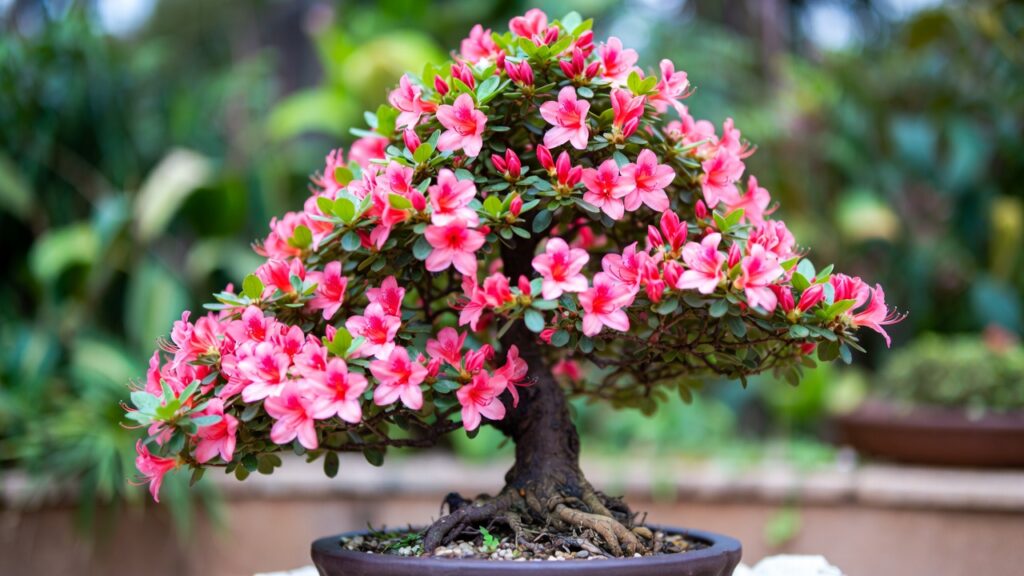
Few indoor plants can rival the breathtaking beauty of an azalea bonsai in full bloom — a miniature tree covered in vibrant pink, red, or white blossoms that look almost too perfect to be real. Yet many plant lovers bring home an azalea bonsai only to watch it drop buds, lose leaves, or refuse to bloom again.
If you’ve ever wondered why your azalea bonsai isn’t thriving indoors, you’re not alone. The truth is: azaleas are not difficult — they’re just specific. Once you understand their natural growth cycle, soil preferences, and pruning timing, they become one of the most rewarding flowering bonsai you can grow.
In this comprehensive, expert-level guide, you’ll learn exactly how to grow, prune, water, fertilize, and maintain an azalea bonsai indoors so it blooms beautifully year after year.
Understanding Azalea Bonsai: What Makes It Unique?
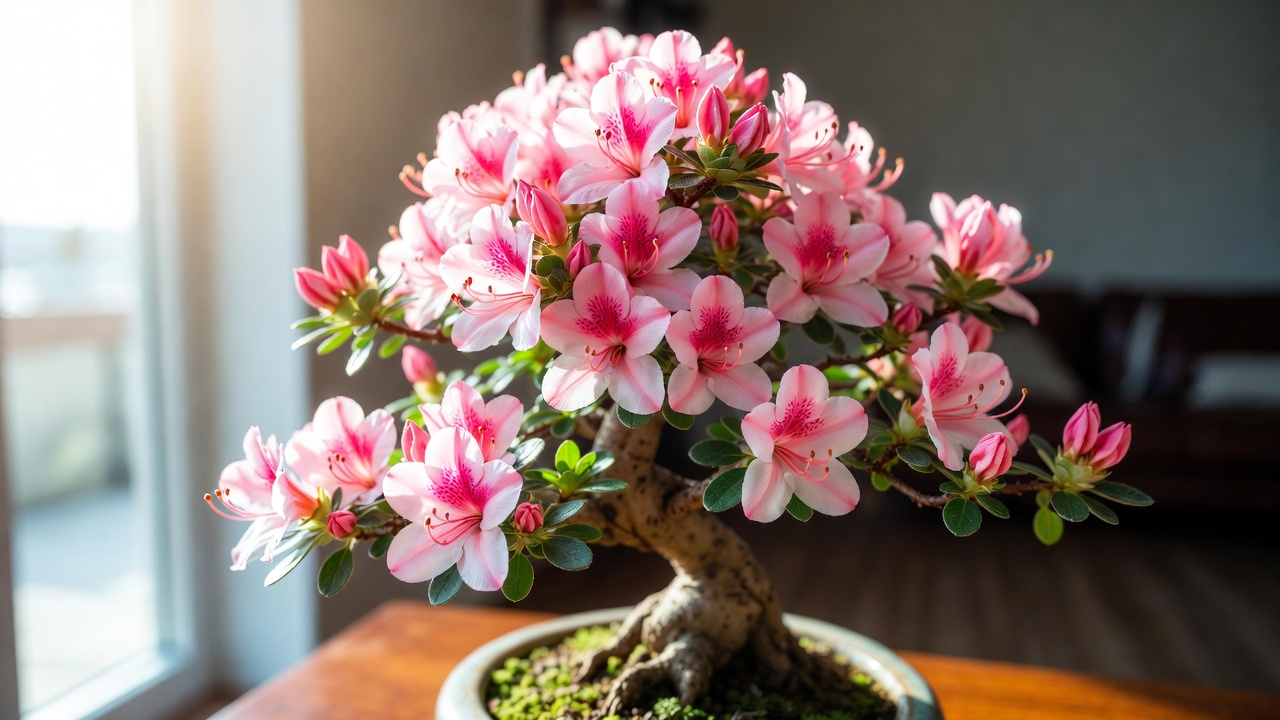
What Is an Azalea Bonsai?
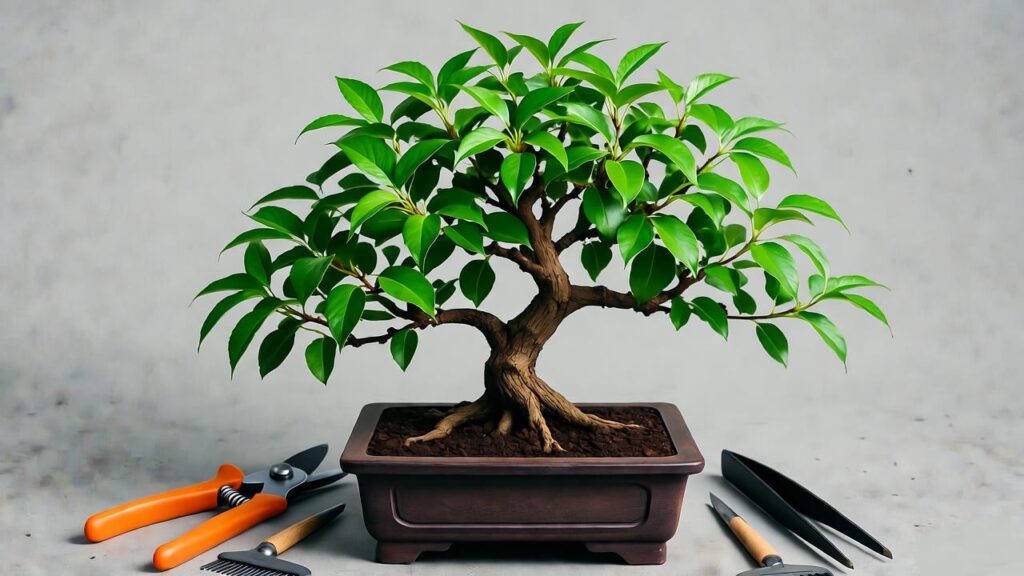
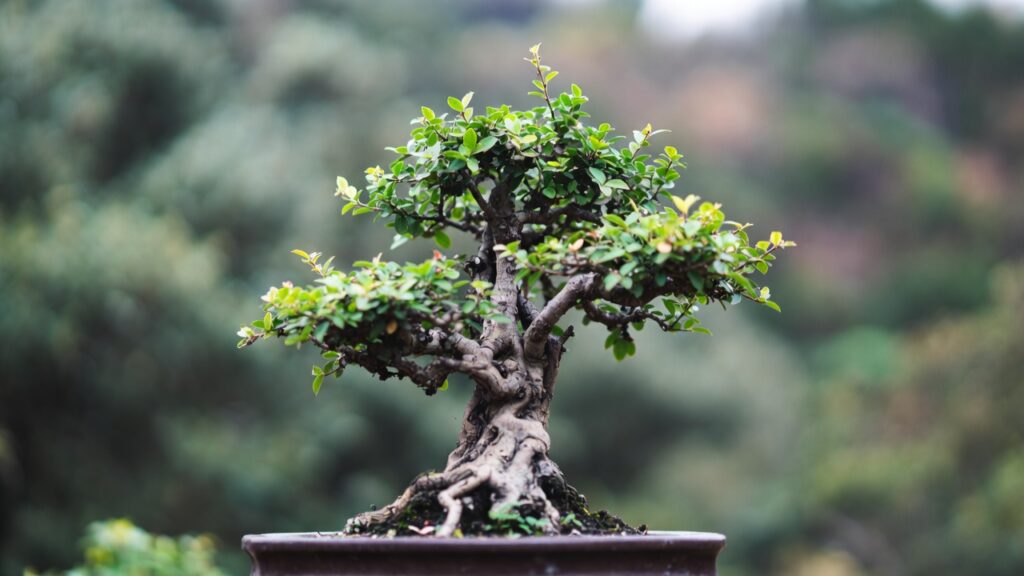
An azalea bonsai is a miniature tree created by training species of azalea — part of the Rhododendron genus — using traditional bonsai techniques such as root pruning, branch shaping, and controlled growth.
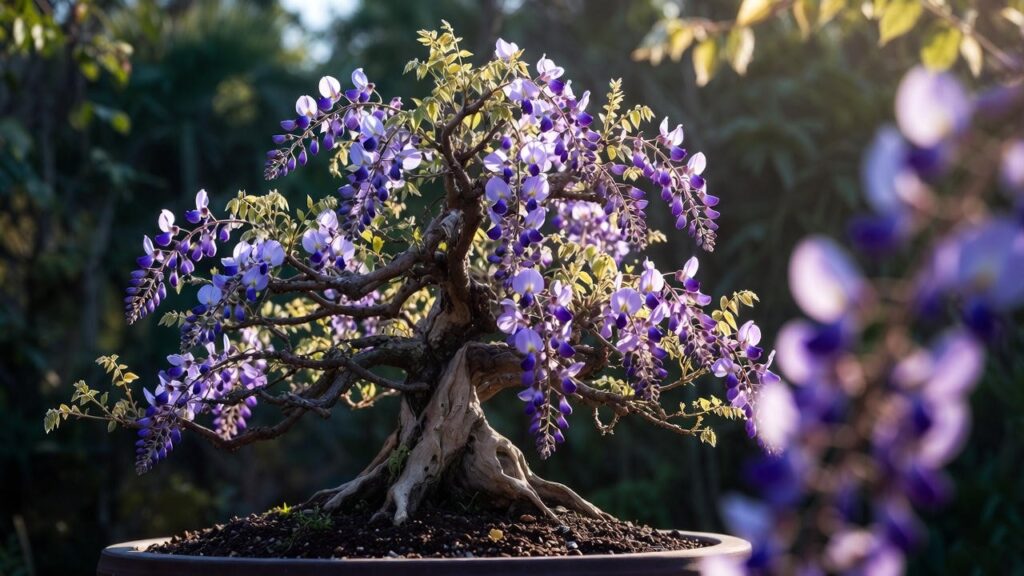
Unlike foliage-focused bonsai like juniper or ficus, azaleas are prized for their spectacular flowers. During bloom season, the tree can become completely covered in blossoms, often obscuring the foliage.
What makes them unique:
- Naturally small leaves (ideal for scale)
- Abundant flowering
- Flexible branches (excellent for shaping)
- Long lifespan with proper care
However, azaleas also have very specific needs — especially when grown as indoor bonsai.
Best Azalea Varieties for Bonsai
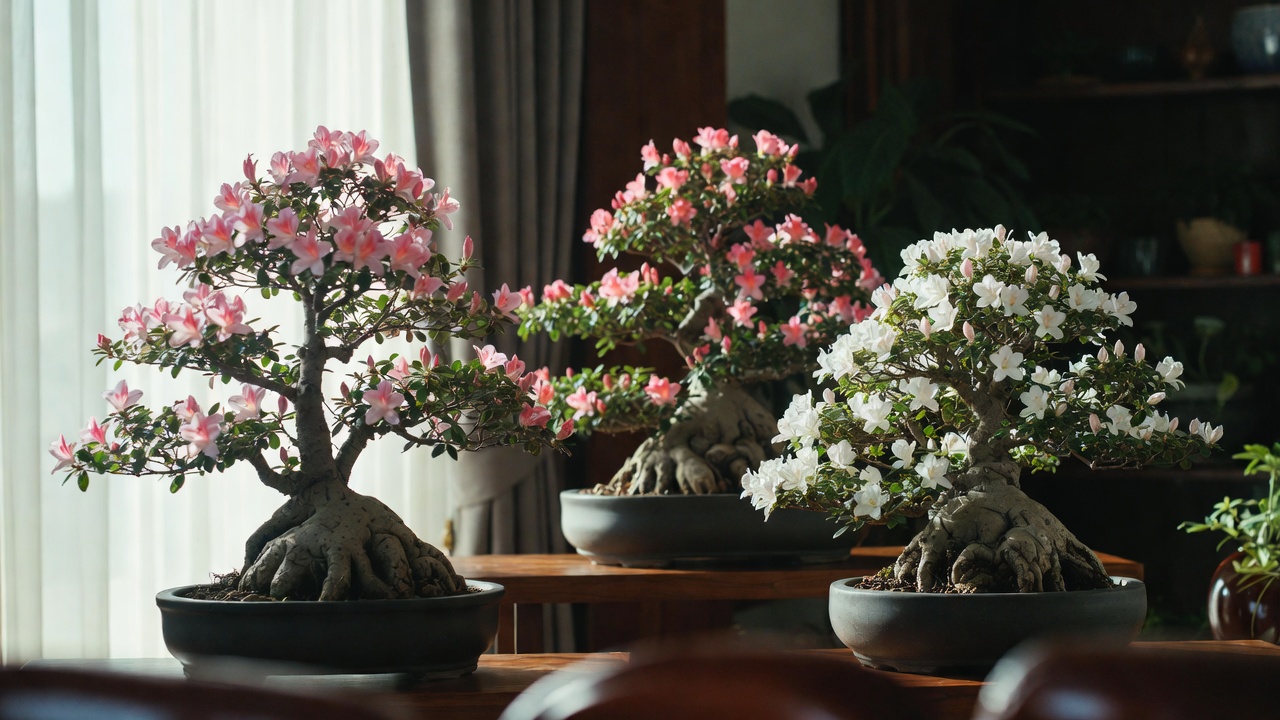
Not all azaleas are suitable for bonsai culture. The two most popular and reliable varieties are:
1. Satsuki Azalea
- Blooms late spring to early summer
- Large, dramatic flowers
- Excellent for shaping
- Highly prized by bonsai enthusiasts
2. Kurume Azalea
- Smaller flowers
- Compact growth habit
- Very hardy
- Ideal for beginners
If you purchased a flowering bonsai from a garden center, it’s most likely one of these varieties.
Is Azalea Bonsai Truly an Indoor Plant?
Here’s where many growers go wrong.
Azaleas are technically outdoor shrubs. However, they can be successfully grown indoors with proper environmental management. The key is understanding:
- They need bright light
- They require seasonal dormancy
- They prefer cool temperatures
- They demand acidic, well-draining soil
If you live in an apartment or colder climate, you can keep your azalea bonsai indoors for most of the year — but you must mimic natural seasonal changes.
Ideal Growing Conditions for Azalea Bonsai Indoors
Creating the right environment is the foundation of long-term success.
Light Requirements (Critical for Blooming)
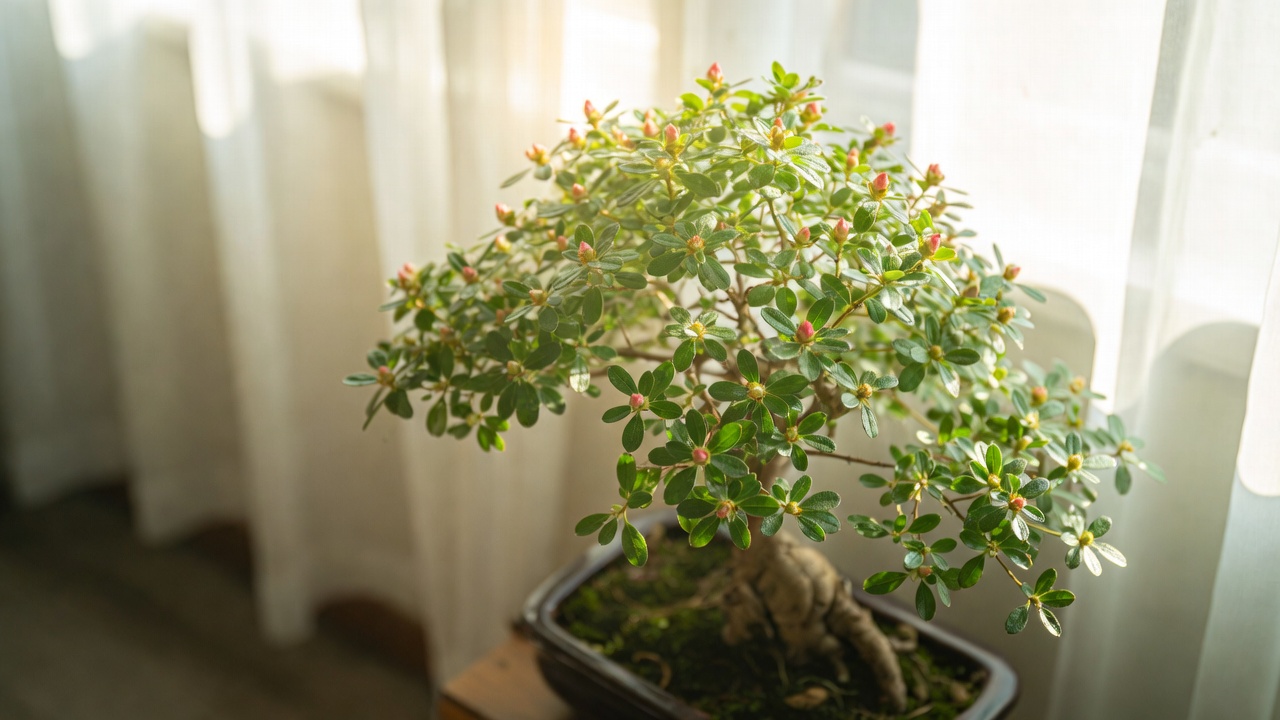
Light is the #1 factor influencing flowering.
Azalea bonsai require:
- Bright, indirect light
- 4–6 hours daily minimum
- Morning sun preferred
- Protection from harsh afternoon rays
Best Placement
- East-facing window (ideal)
- South-facing window with sheer curtain
- Supplemental grow light in low-light homes
Signs of Insufficient Light
- Leggy growth
- Fewer blooms
- Pale leaves
- Bud drop
Signs of Too Much Direct Sun
- Leaf scorch
- Crispy edges
- Wilt despite moist soil
For consistent blooming, stable light exposure is essential — avoid frequently moving the plant once buds form.
Temperature & Humidity Control
Azaleas thrive in cooler conditions than many common houseplants.
Ideal Temperature Range:
- Spring/Summer: 60–75°F (15–24°C)
- Winter dormancy: 40–55°F (4–13°C)
Without a cool rest period, your azalea bonsai may not bloom the following year.
Humidity Needs
Indoor air — especially in winter — is often too dry.
Aim for:
- 50–70% humidity
Ways to increase humidity:
- Pebble tray with water
- Room humidifier
- Grouping plants together
- Avoid placing near heating vents
Dry air can cause bud drop and spider mite infestations.
Best Soil for Azalea Bonsai
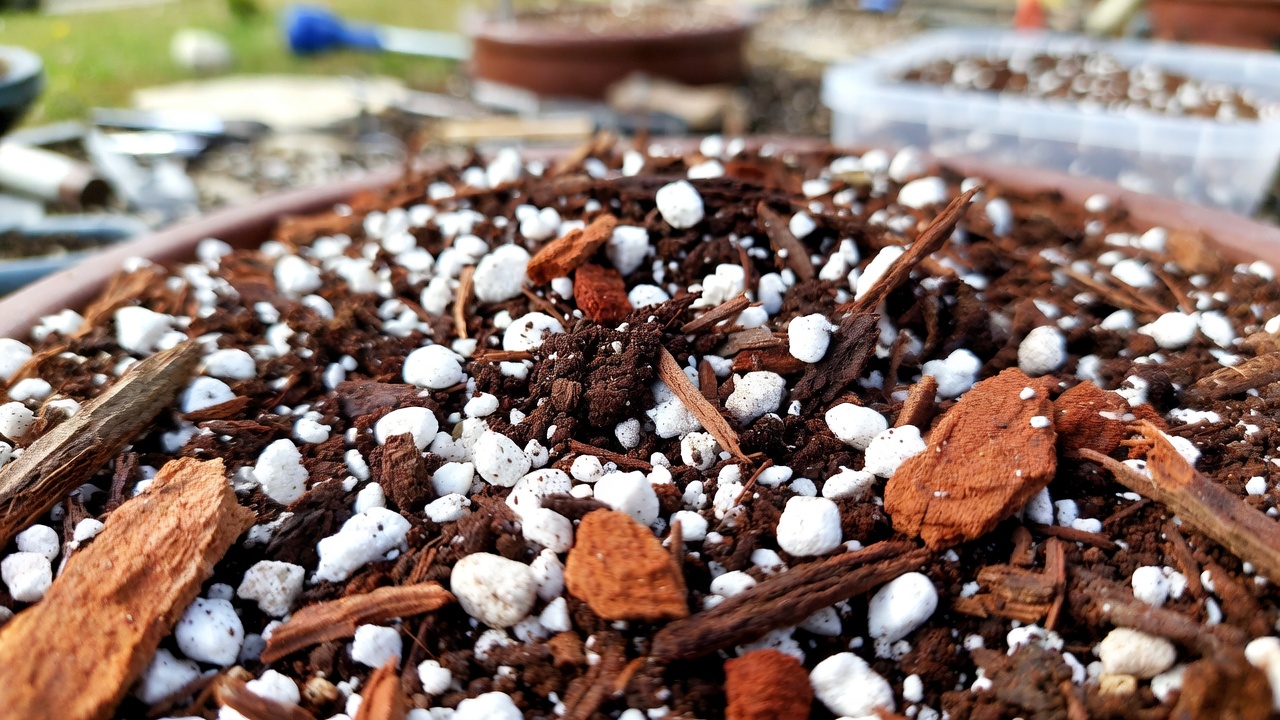
Soil is where most beginners fail.
Azalea bonsai must grow in acidic, fast-draining soil. Regular potting mix will suffocate the roots.
Ideal Soil Components
- Kanuma (volcanic clay, ideal for azaleas)
- Pine bark fines
- Perlite (optional for drainage)
Target pH Range
4.5 to 6.0
Azaleas have fine, hair-like roots that rot easily in compact soil. Good drainage is non-negotiable.
Choosing the Right Pot
A proper bonsai container should:
- Be shallow
- Have multiple drainage holes
- Match root mass size
- Complement flower color aesthetically
Overpotting can lead to water retention and root rot.
Watering Azalea Bonsai Correctly (The #1 Mistake to Avoid)
Improper watering is the leading cause of azalea bonsai decline.
How Often to Water
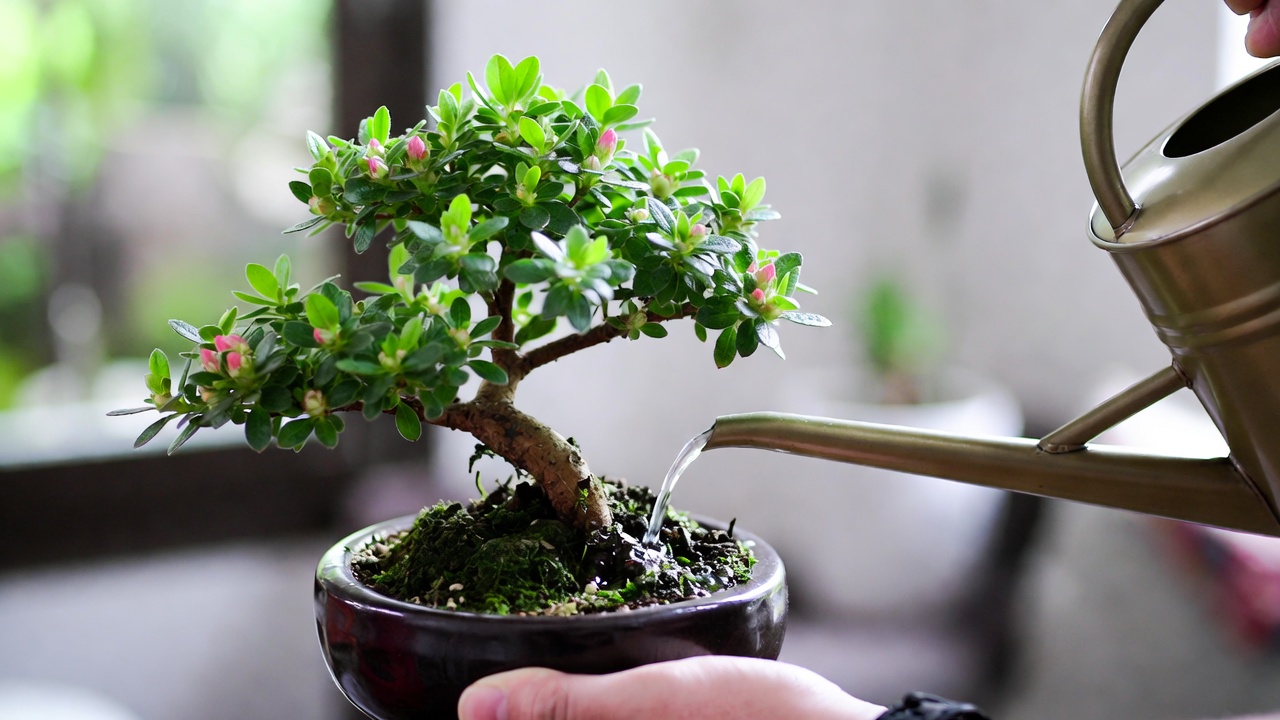
Azaleas prefer consistently moist soil — never bone dry, never waterlogged.
General rule:
- Water when the top layer feels slightly dry
- Check daily during warm months
Because bonsai pots are shallow, they dry faster than regular containers.
Water Quality Matters
Azaleas are sensitive to alkaline water.
If your tap water is hard (high mineral content), it may slowly raise soil pH.
Best options:
- Rainwater
- Filtered water
- Distilled water (occasionally)
Over time, hard water can cause yellowing leaves due to nutrient lockout.
Signs of Overwatering vs Underwatering
Overwatering Symptoms:
- Yellow leaves
- Soft stems
- Fungal smell in soil
- Root rot
Underwatering Symptoms:
- Drooping leaves
- Crispy edges
- Bud drop
- Dry soil pulling from pot edges
Consistency is more important than frequency.
Fertilizing for Strong Growth and Abundant Blooms
Azalea bonsai need nutrients — but carefully timed.
Best Fertilizers for Azalea Bonsai
Use fertilizer formulated for:
- Acid-loving plants
- Azaleas and rhododendrons
Look for:
- Balanced NPK ratio during growth
- Lower nitrogen before blooming
Organic options:
- Cottonseed meal
- Fish emulsion (diluted)
Avoid high-nitrogen fertilizers late in the season — they promote leaves, not flowers.
Fertilizing Schedule
Spring (Post-bloom):
- Fertilize every 2–3 weeks
Summer:
- Light feeding monthly
Late Summer to Fall:
- Reduce feeding
- Stop before dormancy
Winter:
- Do not fertilize
How Overfertilizing Affects Flowering
Too much nitrogen:
- Produces lush leaves
- Reduces bud formation
- Causes salt buildup
- Burns fine roots
When in doubt, fertilize lightly.
Pruning & Shaping Azalea Bonsai Like a Pro
Pruning determines next year’s blooms.
When to Prune Azalea Bonsai
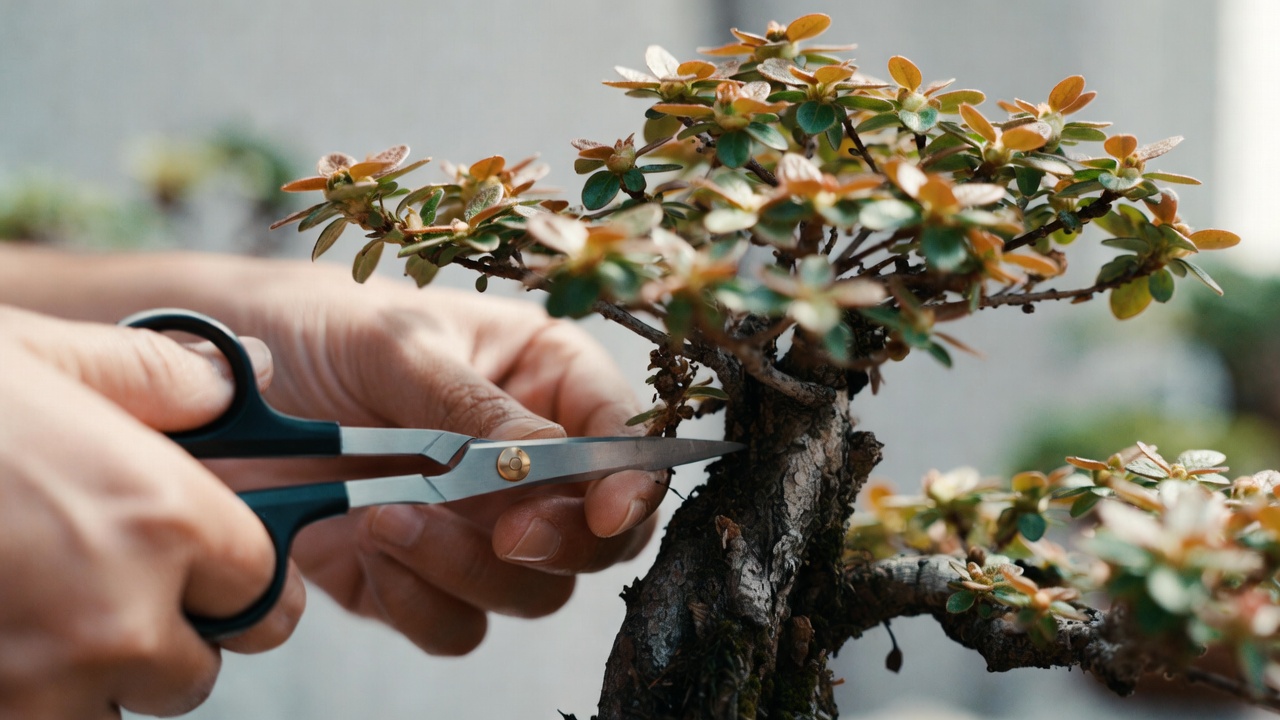
Always prune immediately after flowering.
Why?
Azaleas form next year’s flower buds shortly after blooming. If you prune too late (mid-summer or fall), you’ll remove developing buds.
Structural vs Maintenance Pruning
Structural Pruning
- Removes thick branches
- Defines overall shape
- Done after flowering
Maintenance Pruning
- Pinching new shoots
- Encouraging compact growth
- Improving air circulation
Deadheading for More Blooms
After flowers fade:
- Gently remove spent blooms
- Avoid damaging new growth at the base
- This redirects energy into root and bud development
Wiring Techniques (Use With Caution)
Azalea bark is thin and delicate.
If wiring:
- Use soft aluminum wire
- Check weekly
- Remove before it scars
Often, pruning alone is enough for shaping.
Repotting Azalea Bonsai (Without Killing It)
Repotting maintains root health and soil acidity.
When to Repot
Every 2–3 years
Best time: Immediately after flowering
Step-by-Step Repotting Process
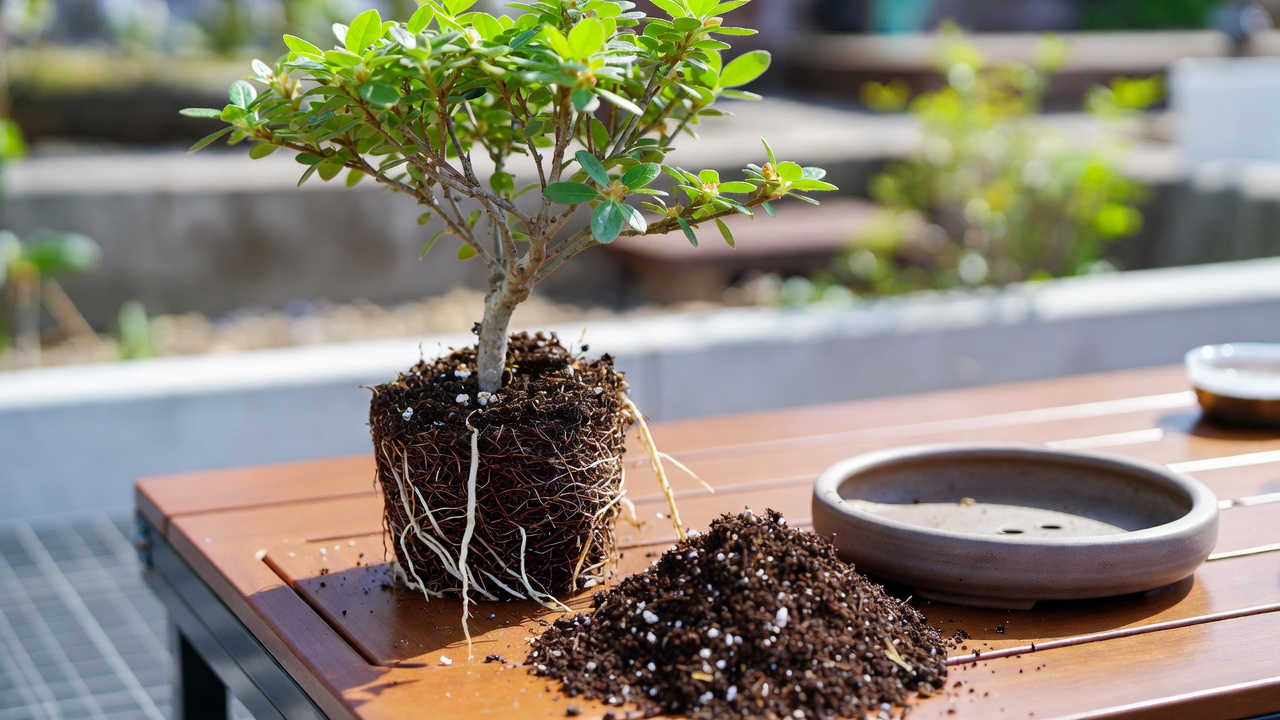
- Prepare fresh acidic bonsai soil
- Gently remove tree from pot
- Loosen outer roots carefully
- Trim up to 1/3 of root mass
- Replant in fresh soil
- Water thoroughly
Aftercare Following Repotting
- Keep in partial shade for 2 weeks
- Avoid fertilizing for 4 weeks
- Maintain even moisture
How to Get Your Azalea Bonsai to Bloom Every Year
If your tree refuses to flower, one of these factors is usually responsible.
The Importance of Dormancy
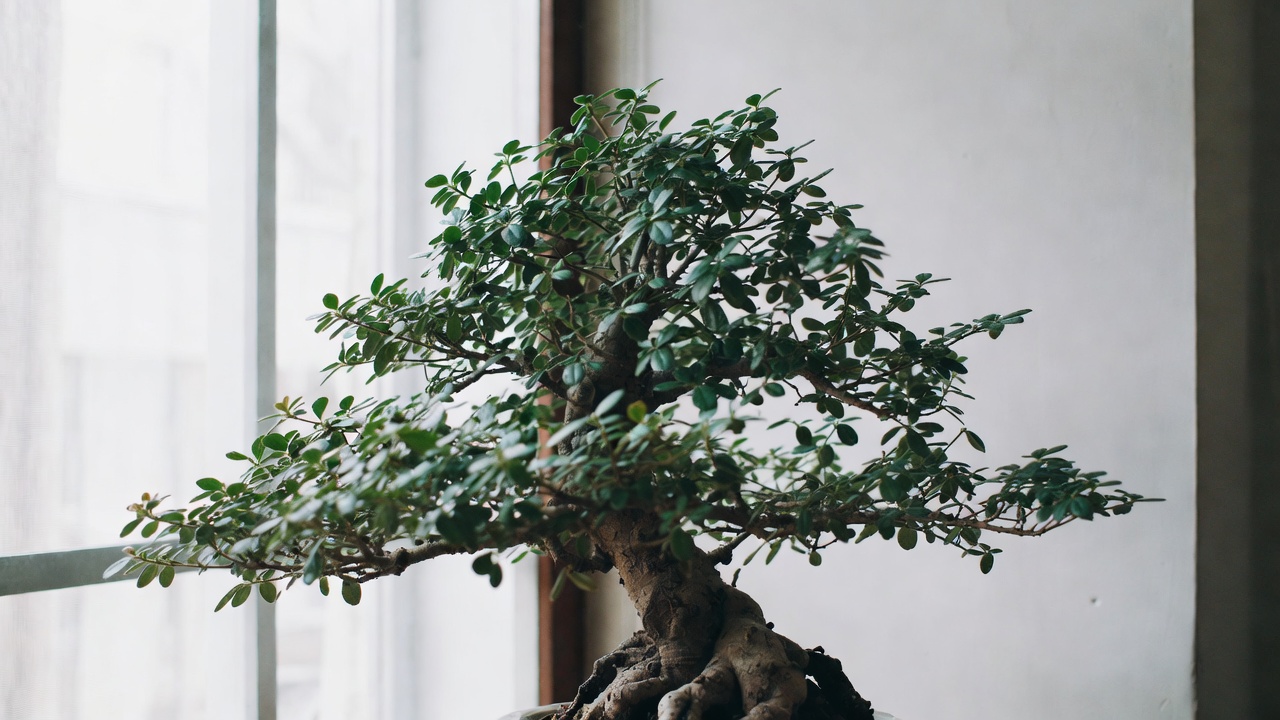
Azaleas need a cool winter rest period to set buds.
Without:
- Reduced temperatures
- Shorter daylight hours
The plant may survive — but won’t bloom.
Ideal dormancy conditions:
- 40–55°F
- Bright but indirect light
- Reduced watering
Light & Temperature Balance During Bud Formation
Bud formation occurs late summer to fall.
During this time:
- Avoid moving the plant
- Maintain stable light
- Reduce nitrogen
- Ensure cool nights
Common Reasons Azalea Bonsai Won’t Bloom
- Pruned too late
- No winter dormancy
- Too much nitrogen
- Insufficient light
- Root stress
Diagnosing bloom failure requires reviewing the previous season’s care.
Common Problems and How to Fix Them
Yellow Leaves
Causes:
- Overwatering
- High soil pH
- Nutrient deficiency
Solution:
- Check drainage
- Test soil acidity
- Use azalea fertilizer
Bud Drop Before Blooming
Triggers:
- Sudden temperature change
- Dry indoor air
- Moving the plant
- Inconsistent watering
Stability is key.
Pests That Affect Azalea Bonsai
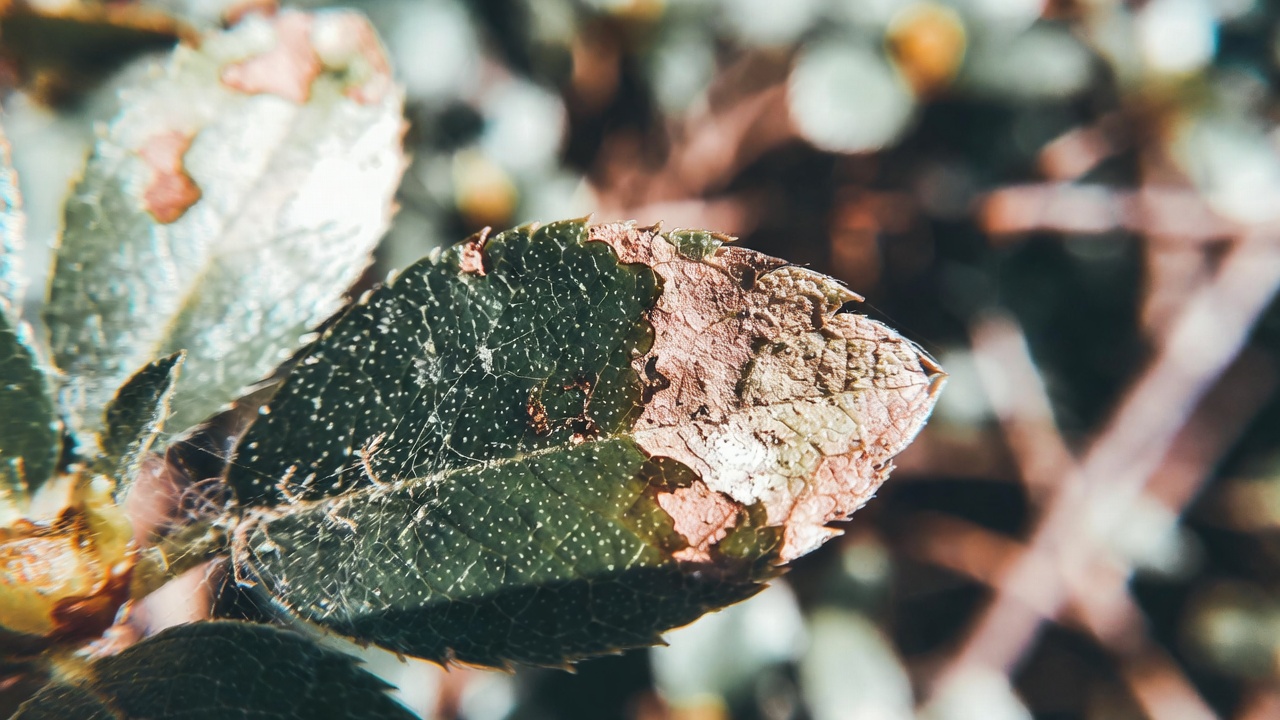
- Spider mites
- Aphids
- Mealybugs
Treat with:
- Neem oil
- Insecticidal soap
- Increased humidity (for mites)
Root Rot and Fungal Issues
Prevention:
- Proper drainage
- Avoid soggy soil
- Sterile pruning tools
Early detection can save the plant.
Seasonal Azalea Bonsai Care Calendar
Spring
- Enjoy blooms
- Prune after flowering
- Begin fertilizing
Summer
- Protect from heat
- Monitor watering closely
Fall
- Reduce fertilizer
- Prepare for dormancy
Winter
- Provide cool rest period
- Water sparingly
Expert Tips for Long-Term Success
- Rotate plant weekly for balanced growth
- Keep a care journal
- Avoid repotting and heavy pruning in same season
- Test soil pH annually
- Be patient — azaleas reward consistency
Frequently Asked Questions
How long does an azalea bonsai live?
With proper care, 30–50 years or more.
Can azalea bonsai stay indoors year-round?
Yes — but must experience cool dormancy.
Why are my leaves turning brown?
Often low humidity or salt buildup.
How big can an azalea bonsai get?
Typically 6–18 inches tall, depending on training.
Final Thoughts: Creating a Blooming Masterpiece Indoors
An azalea bonsai is not just a plant — it’s living art. When cared for properly, it rewards you with a breathtaking floral display that few indoor plants can match.
Success comes down to five fundamentals:
- Bright indirect light
- Acidic, well-draining soil
- Consistent watering
- Proper pruning timing
- Cool winter dormancy
Master these, and your azalea bonsai can bloom beautifully year after year — becoming the centerpiece of your indoor plant collection.