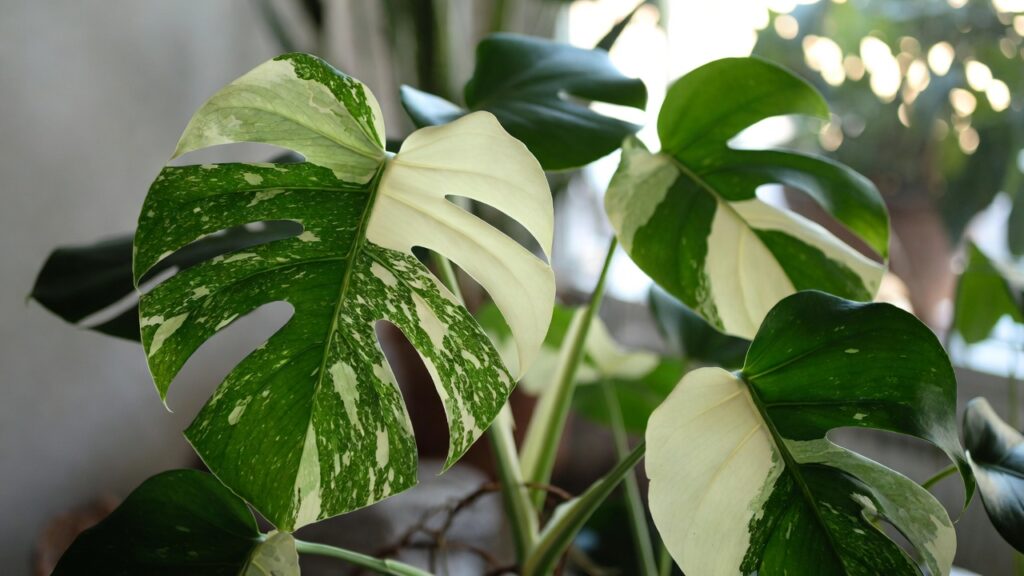
Imagine a plant so stunning it stops you in your tracks—creamy white leaves splashed across lush green, like a living piece of art. That’s the Monstera Albo, a rare variegated beauty that’s become the crown jewel of indoor plant collections. But its breathtaking appearance comes with unique care challenges. Whether you’re a proud new owner or dreaming of adding a Monstera Albo to your home, this guide is your roadmap to keeping it thriving. As a horticulturist with over a decade of experience cultivating rare aroids, I’ve distilled years of expertise and research into seven essential tips to ensure your Monstera Albo flourishes. From perfecting light conditions to mastering propagation, this comprehensive guide addresses every need, helping you avoid common pitfalls and grow a vibrant, healthy plant.
What Makes the Monstera Albo So Special?
Understanding the Monstera Albo
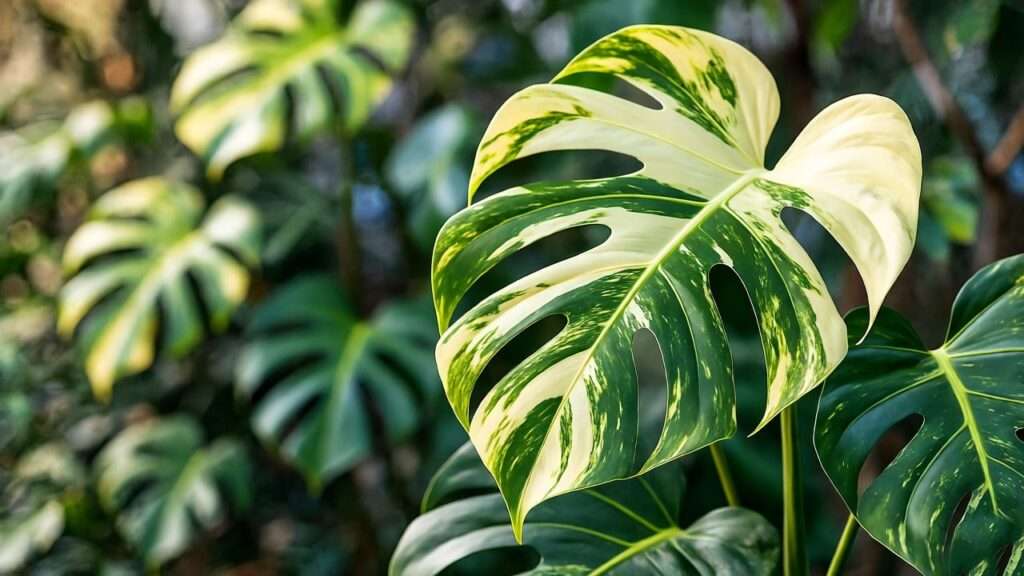
The Monstera Albo, scientifically known as Monstera deliciosa ‘Albo Variegata,’ is a variegated cultivar of the popular Swiss cheese plant. Its defining feature is its striking variegation—white or cream patches on its iconic fenestrated leaves, caused by a genetic mutation that reduces chlorophyll in certain areas. This rarity makes it a prized possession among plant collectors, often fetching high prices due to its limited availability and slow growth. Each leaf is unique, with patterns ranging from subtle speckles to bold, half-moon splits, making every Monstera Albo a one-of-a-kind masterpiece.
Why Proper Care Is Critical
Variegation isn’t just a visual treat; it impacts the plant’s biology. With less chlorophyll, the Monstera Albo relies heavily on optimal care to photosynthesize effectively. Incorrect light, watering, or humidity can lead to faded variegation, leaf burn, or even plant decline. Many owners unknowingly make mistakes, like placing their plant in direct sunlight or overwatering, which can stress this delicate aroid. This guide is designed to help you navigate these challenges with expert-backed advice, ensuring your Monstera Albo remains a showstopper.
Tip 1: Mastering Light Requirements for Variegated Leaves
Ideal Light Conditions
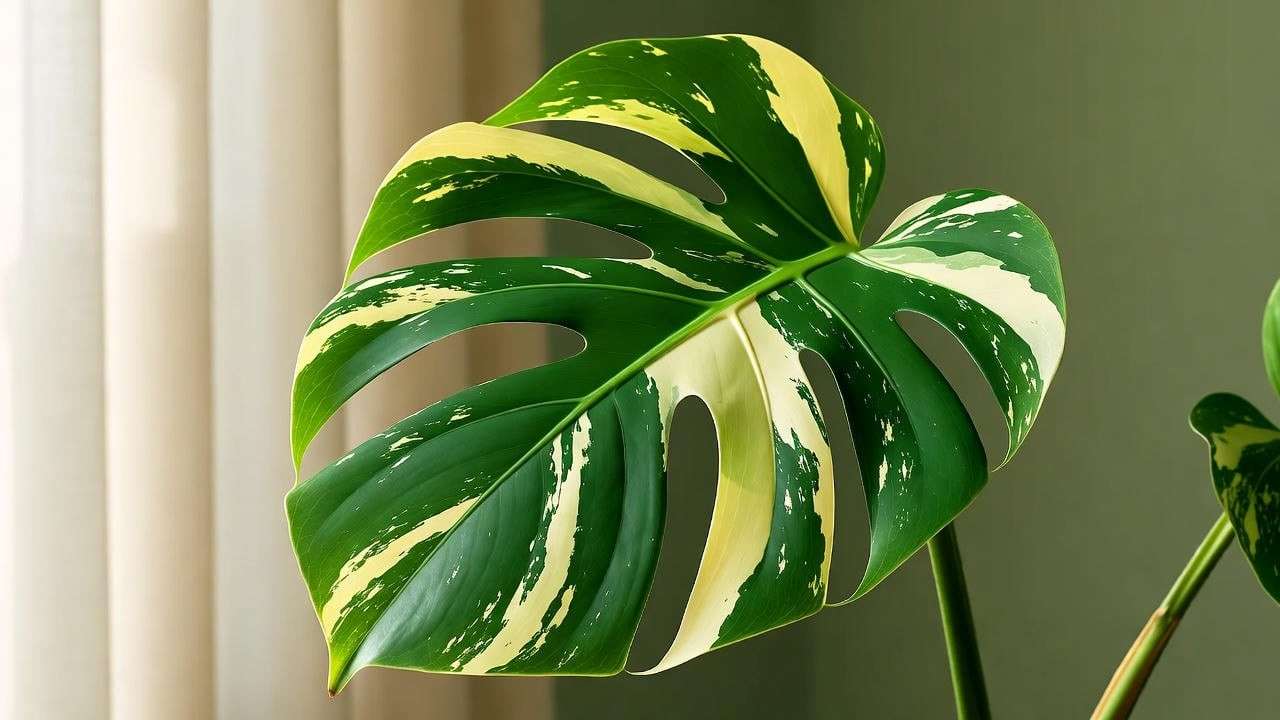
Light is the lifeline of your Monstera Albo. Its variegated leaves require bright, indirect light to maintain their vibrant patterns without damage. Place your plant near an east-facing window for gentle morning light or a north-facing window for consistent, filtered brightness. If using a south- or west-facing window, diffuse the light with sheer curtains to prevent scorching. A good rule of thumb: If you can read a book comfortably without artificial light, it’s likely ideal for your Monstera Albo. Look for signs of healthy light exposure—new leaves with strong variegation and steady growth.
Avoiding Common Light-Related Mistakes
Too much direct sunlight can burn the white portions of the leaves, causing brown, crispy edges. Conversely, too little light may cause the plant to produce solid green leaves, diluting its prized variegation. If natural light is limited, invest in a full-spectrum LED grow light (aim for 2000-3000 lumens). Position the light 12-18 inches above the plant for 10-12 hours daily. A light meter can help measure intensity—aim for 200-400 foot-candles. Regularly rotate your plant to ensure even light distribution, promoting balanced growth.
Tip 2: Watering Your Monstera Albo the Right Way
Finding the Perfect Watering Schedule
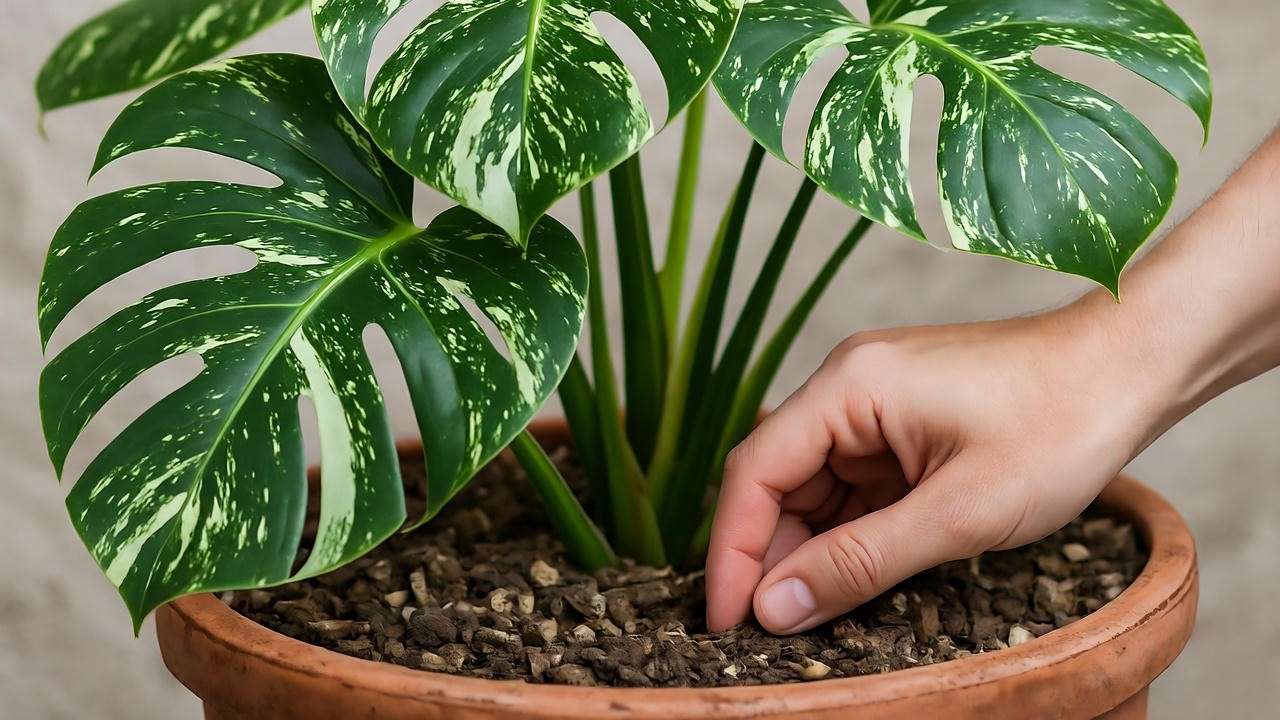
Watering a Monstera Albo is a balancing act. Overwatering is the leading cause of root rot, while underwatering can stress the plant. Check the top 1-2 inches of soil; water only when it feels dry to the touch. In spring and summer, this might mean watering every 7-10 days, while in fall and winter, every 2-3 weeks may suffice, depending on your climate. Use room-temperature water to avoid shocking the roots, and always water evenly until excess drains out.
Preventing Overwatering and Root Rot
Overwatering symptoms include yellowing leaves, mushy stems, or a foul smell from the soil. To prevent this, ensure your pot has drainage holes and use a well-draining soil mix (more on this later). A moisture meter can provide precise readings, but the finger test works just as well. If you suspect root rot, gently remove the plant, trim affected roots with sterilized scissors, and repot in fresh soil. Proper drainage is non-negotiable—choose pots with multiple drainage holes and avoid letting the plant sit in a saucer of water.
Tip 3: Optimizing Soil and Potting Mix
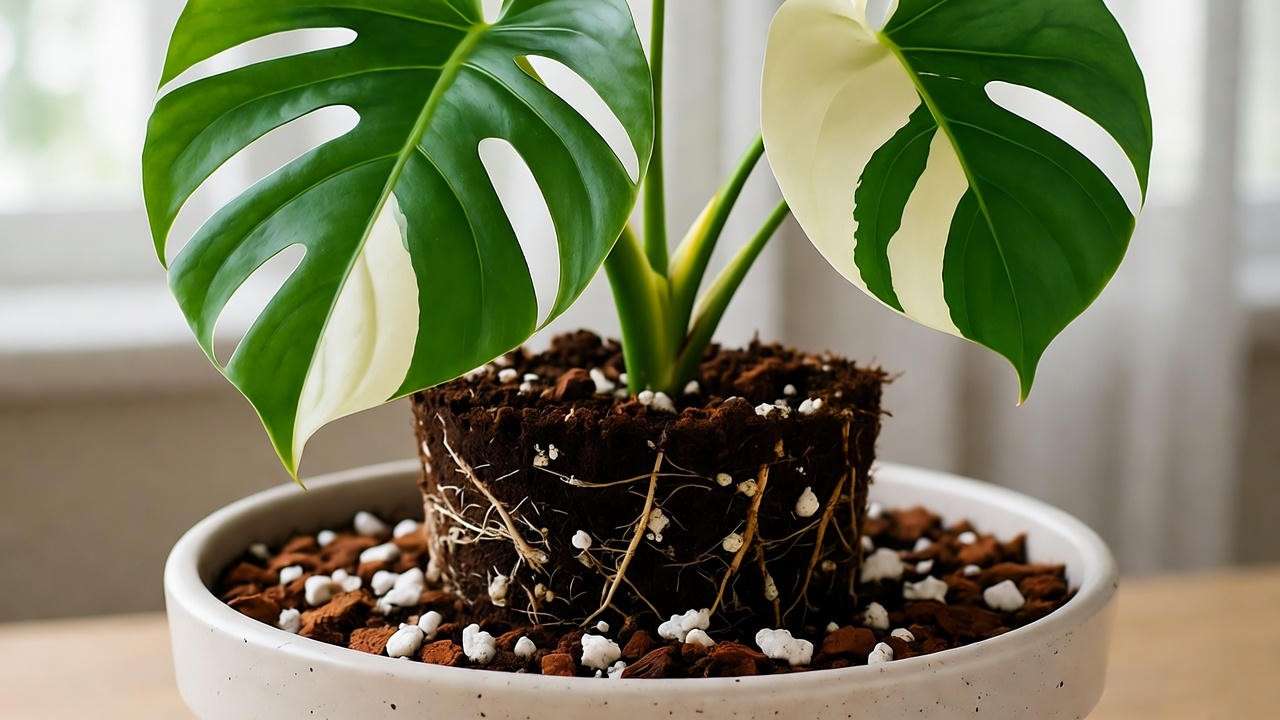
Crafting the Ideal Soil Mix
A Monstera Albo thrives in a loose, airy soil mix that mimics its natural epiphytic environment. A proven recipe is 40% peat or coco coir, 30% perlite, and 30% orchid bark or pine bark for aeration and drainage. This mix retains just enough moisture while preventing waterlogging. Aim for a slightly acidic pH (5.5-6.5) to optimize nutrient uptake. You can purchase pre-made aroid mixes or create your own, ensuring all components are high-quality to avoid pests or compaction.
Repotting Tips for Healthy Growth
Repot your Monstera Albo every 1-2 years or when roots start circling the pot’s bottom. Choose a pot 2-4 inches larger in diameter than the current one to allow growth without excess soil retaining moisture. Spring is the best time for repotting, as the plant is actively growing. Gently tease apart roots, remove old soil, and place the plant in fresh mix, ensuring the root ball is level with the soil surface. Water lightly after repotting and keep the plant in indirect light for a week to reduce stress.
Tip 4: Maintaining Proper Humidity and Temperature
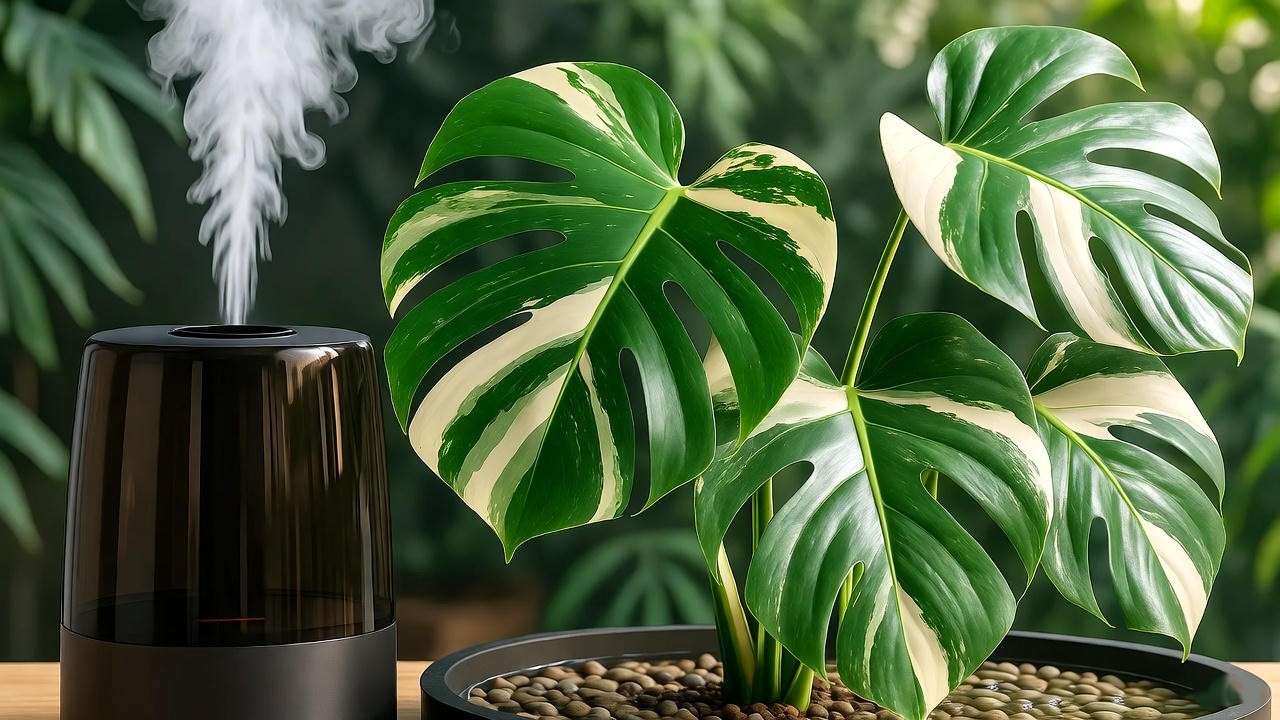
Creating a Tropical Environment
As a tropical native, the Monstera Albo craves humidity levels of 60-80% and temperatures between 65-85°F (18-29°C). Low humidity can cause leaf curling or browning, especially in variegated areas. Boost humidity with a humidifier (aim for a model with 2-4 liters capacity), a pebble tray filled with water, or by grouping plants to create a microclimate. Misting can help but is less effective long-term. Use a hygrometer to monitor levels and ensure consistency.
Seasonal Adjustments
In winter, indoor heating can dry out the air, so increase humidity measures and keep your Monstera Albo away from cold drafts or heating vents. Reduce watering frequency as growth slows. In summer, protect the plant from intense heat by moving it away from windows with strong afternoon sun. A thermometer can help maintain the ideal temperature range, preventing stress that could affect variegation or growth.
Tip 5: Fertilizing for Vibrant Growth
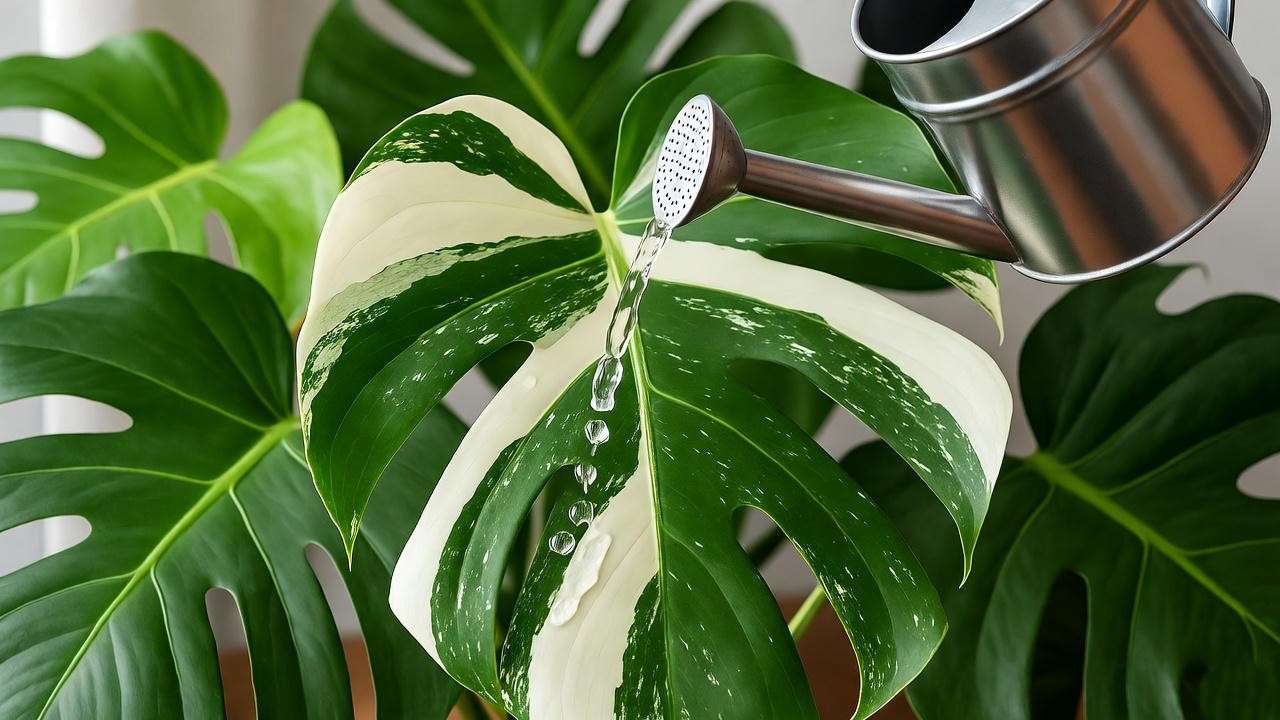
Choosing the Right Fertilizer
Fertilizing supports the Monstera Albo’s growth, especially during spring and summer. Use a balanced liquid fertilizer (e.g., 20-20-20) diluted to half strength or a specialized aroid formula. Organic options like fish emulsion or worm castings can also work but require careful application to avoid buildup. Always apply fertilizer to moist soil to prevent root burn.
Fertilizing Schedule
Fertilize monthly during the growing season (March-August). In fall and winter, pause fertilizing as the plant enters dormancy. Over-fertilizing can cause salt buildup, leading to brown leaf tips. If this occurs, flush the soil with distilled water and reduce fertilizer frequency. Monitor leaf color and growth rate—lush, variegated leaves indicate proper nutrition.
Tip 6: Pruning and Propagating Your Monstera Albo
Pruning for Health and Aesthetics
Pruning keeps your Monstera Albo healthy and visually appealing. Remove yellowing or damaged leaves to redirect energy to new growth and prevent disease. Use clean, sharp scissors or pruning shears, sterilizing them with rubbing alcohol to avoid spreading pathogens. Cut close to the main stem, leaving no stubs. Pruning also encourages bushier growth by stimulating new leaf production. For aesthetic shaping, trim leggy vines to maintain a compact form, especially if your plant is climbing a moss pole. Regular pruning—every few months or as needed—helps maintain vibrant variegation and overall vigor.
Propagating to Grow Your Collection
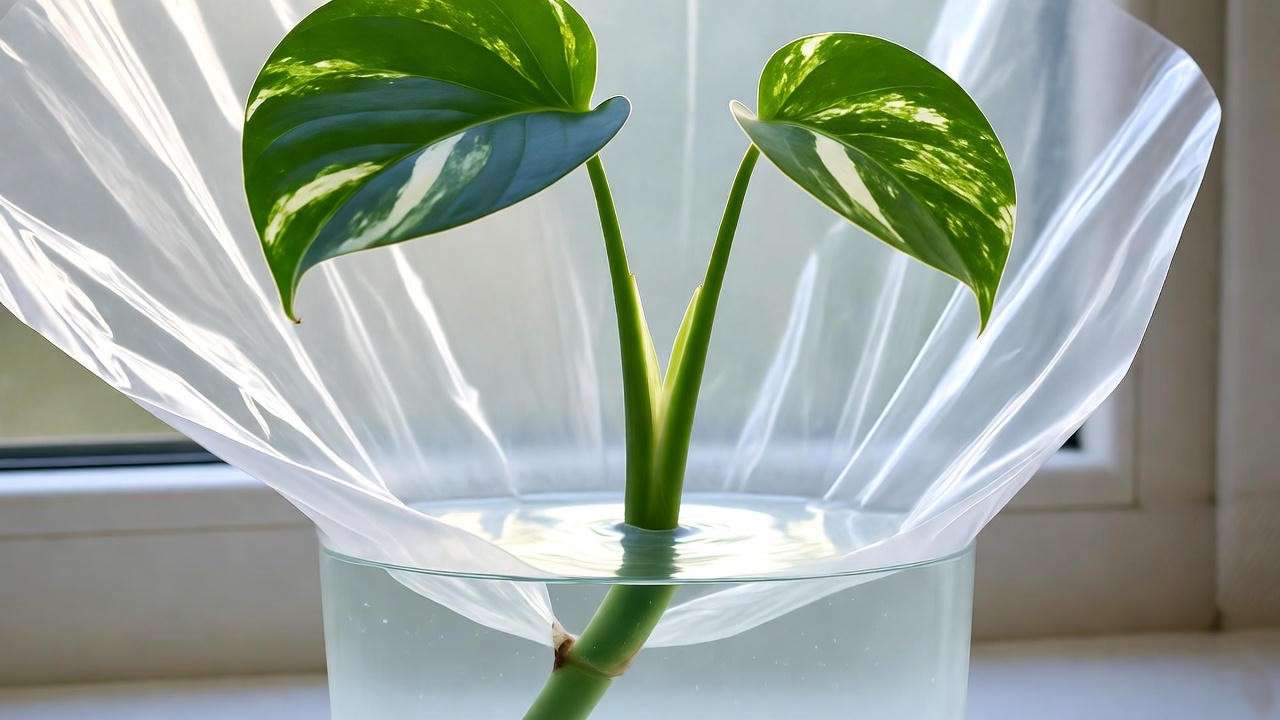
Propagating a Monstera Albo is a rewarding way to expand your collection or share with fellow plant enthusiasts. The most effective method is stem cuttings. Select a healthy stem with at least one node (the small bump where leaves emerge) and one or two leaves, ideally with variegation. Using sterilized shears, cut just below the node. Place the cutting in water or a moist sphagnum moss-perlite mix, ensuring the node is submerged or covered. Keep it in bright, indirect light and maintain high humidity (e.g., cover with a plastic bag to trap moisture). Roots typically appear in 2-4 weeks. Once roots are 2-3 inches long, transfer to a well-draining soil mix. For higher success, consider using a rooting hormone, though it’s optional. Note that variegation may not always transfer perfectly—cuttings without variegated nodes may produce green leaves.
Tip 7: Troubleshooting Common Monstera Albo Problems
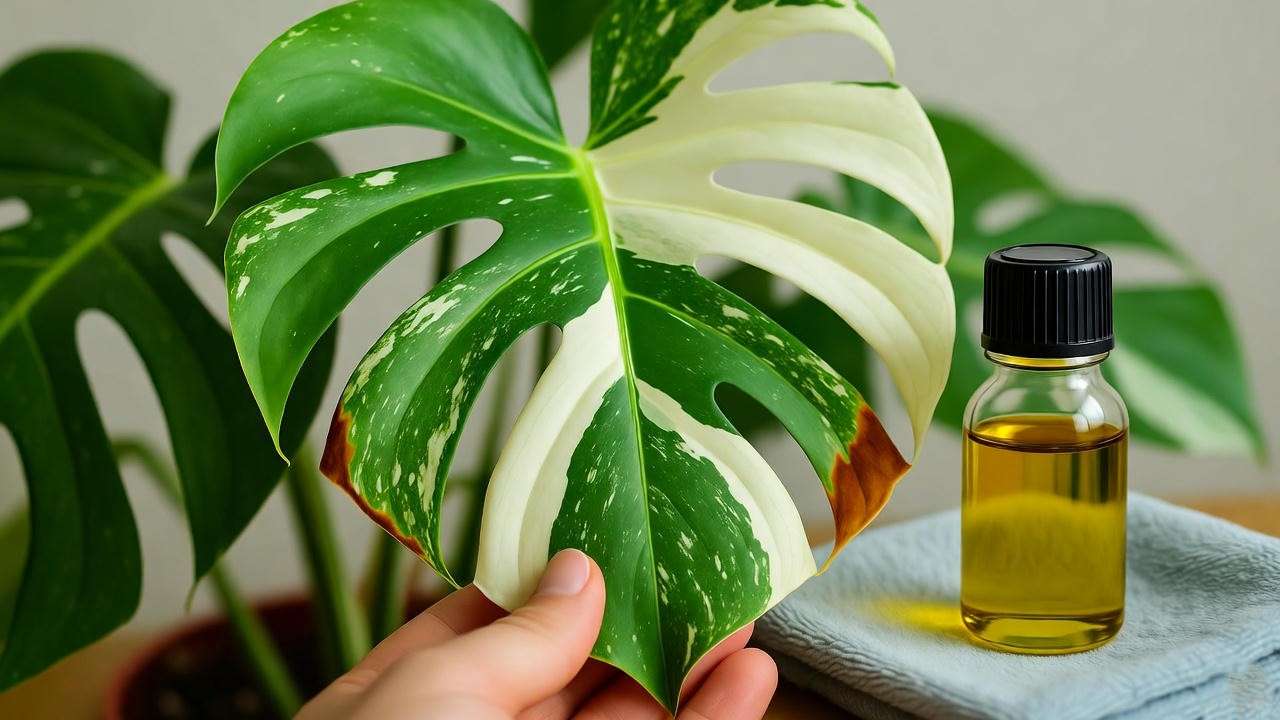
Diagnosing Leaf Issues
Leaf problems are common but manageable with proper diagnosis. Yellowing leaves often indicate overwatering, poor drainage, or nutrient deficiency. Check soil moisture and adjust watering habits; consider a balanced fertilizer if leaves look pale. Browning or crispy edges suggest low humidity, excessive light, or fertilizer burn. Move the plant to a shadier spot or increase humidity with a humidifier. Loss of variegation—new leaves turning solid green—points to insufficient light. Relocate to a brighter area or supplement with a grow light. Regularly inspect leaves for early signs of stress to act quickly and preserve your plant’s beauty.
Pest Prevention and Treatment
Monstera Albo is susceptible to pests like spider mites, mealybugs, and scale, especially in dry or crowded conditions. Spider mites appear as tiny webs or stippling on leaves, while mealybugs look like white, cottony clumps. Check leaf undersides and nodes weekly. For prevention, wipe leaves with a damp cloth and maintain 60-80% humidity to deter pests. If infestations occur, isolate the plant and treat with neem oil (diluted per instructions) or insecticidal soap, applying every 7-10 days until pests are gone. For severe cases, prune heavily affected areas. Avoid chemical pesticides indoors unless absolutely necessary, and always test treatments on a small area first.
Expert Insights: Advanced Care Tips for Monstera Albo Enthusiasts
For seasoned plant parents, elevating your Monstera Albo’s care can yield even more stunning results. To stabilize variegation, ensure consistent bright, indirect light and prune any solid green leaves promptly, as they can dominate growth. Encourage larger, more fenestrated leaves by providing a moss pole or trellis for climbing—Monstera Albo is a natural epiphyte and thrives with support. Secure the plant to the pole with soft ties, and keep the moss moist to promote aerial root growth. For nutrient optimization, alternate between synthetic and organic fertilizers to provide a broad spectrum of micronutrients. Experienced growers also recommend maintaining a stable environment year-round, as fluctuations in light or humidity can stress the plant and reduce variegation. Joining online plant communities, like those on Reddit or Instagram, can offer peer insights and rare cultivar tips.
Monstera Albo Care Checklist
For quick reference, here’s a concise checklist to keep your Monstera Albo thriving:
- Light: Bright, indirect light (200-400 foot-candles); use grow lights if needed.
- Watering: Water when top 1-2 inches of soil are dry; ensure proper drainage.
- Soil: Well-draining aroid mix (peat, perlite, orchid bark); pH 5.5-6.5.
- Humidity: 60-80% humidity; use humidifier or pebble tray.
- Temperature: 65-85°F (18-29°C); avoid drafts and extreme heat.
- Fertilizing: Monthly in spring/summer with diluted balanced fertilizer.
- Pruning/Propagation: Prune yellow leaves; propagate via node cuttings in water or moss.
Consider creating an infographic with these points for visual learners, highlighting ideal conditions and warning signs.
Frequently Asked Questions (FAQs)
Why is my Monstera Albo losing its variegation?
Loss of variegation often results from insufficient light or genetic reversion. Move the plant to a brighter spot with indirect light, and prune non-variegated growth to encourage variegated leaves. Genetic reversion can’t always be prevented, but consistent care helps.
How often should I water my Monstera Albo?
Water when the top 1-2 inches of soil are dry, typically every 7-10 days in spring/summer and 2-3 weeks in fall/winter. Adjust based on your home’s conditions and use a moisture meter for precision.
Can I propagate a Monstera Albo without variegation?
Yes, but cuttings without variegated nodes may produce green leaves. For best results, choose cuttings with visible variegation and a healthy node.
What’s the best way to increase humidity for my Monstera Albo?
Use a humidifier (2-4L capacity), place a pebble tray with water beneath the pot, or group plants together. Aim for 60-80% humidity, monitored with a hygrometer.
Is the Monstera Albo toxic to pets?
Yes, it’s toxic to cats and dogs due to calcium oxalate crystals, which can cause mouth irritation or digestive issues. Keep it out of reach and monitor pets around the plant.
Conclusion
Caring for a Monstera Albo is a journey of patience and precision, but the reward—a thriving, variegated masterpiece—is worth every effort. By mastering light, watering, soil, humidity, fertilizing, pruning, and troubleshooting, you’ll keep your plant healthy and vibrant. These seven expert tips, backed by years of horticultural experience, provide a foolproof guide to success. Start applying these strategies today, and watch your Monstera Albo flourish. Have questions or tips of your own? Share them in the comments below, and explore our related articles on rare indoor plants or aroid propagation for more plant-care inspiration. Join our plant community to connect with fellow enthusiasts and keep your collection thriving!