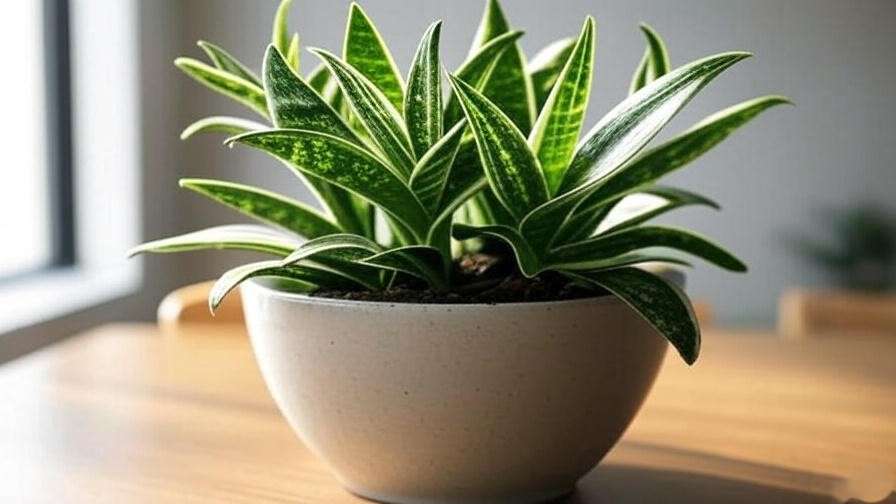
Imagine transforming your home with a stunning, low-maintenance plant that boasts bold, white-striped leaves resembling a zebra’s iconic pattern. The zebra plant succulent (Haworthiopsis attenuata) is your ticket to effortless indoor greenery, perfect for beginners and seasoned plant lovers alike. With its compact size and striking appearance, this South African native has become a favorite for adding a touch of nature to any space. But how do you keep it thriving? In this comprehensive guide, we’ll share expert-backed tips, personal insights from years of growing succulents, and practical solutions to ensure your zebra plant flourishes indoors. Whether you’re troubleshooting yellowing leaves or aiming to propagate new plants, this article has you covered with everything you need to know.
As a horticulture enthusiast who’s nurtured zebra plants for over a decade, I’ve consulted with succulent specialists to compile this skyscraper guide. It’s designed to answer your questions, solve common care challenges, and inspire you to make your zebra plant the star of your indoor jungle. Let’s dive into the essentials of zebra plant care, from light and watering to propagation and styling.
What Is a Zebra Plant Succulent?
Overview and Characteristics
The zebra plant succulent, scientifically known as Haworthiopsis attenuata (formerly Haworthia), is a small, rosette-forming succulent native to South Africa’s Eastern Cape. Its dark green leaves are adorned with distinctive white, warty tubercles that form horizontal stripes, giving it the “zebra” moniker. Typically growing to 4–6 inches tall and wide, this compact plant is ideal for small spaces like windowsills, desks, or terrariums. Its slow growth and minimal care needs make it a top choice for indoor gardeners seeking low-maintenance beauty.
Unlike many succulents, the zebra plant thrives in indirect light, making it perfect for homes with limited natural sunlight. Its resilience and unique aesthetic have earned it a spot in countless plant collections, from minimalist apartments to vibrant bohemian spaces.
Zebra Plant vs. Aloe Vera: Key Differences
The zebra plant is often mistaken for aloe vera due to its rosette shape and succulent nature, but the two differ significantly. Zebra plants have shorter, thicker leaves with white tubercles, while aloe vera features longer, smoother leaves with serrated edges. Zebra plants rarely exceed 6 inches in height, whereas aloe can grow much larger. Care-wise, zebra plants prefer less direct sun and more infrequent watering than aloe.
| Feature | Zebra Plant Succulent | Aloe Vera |
|---|---|---|
| Leaf Appearance | Short, thick, white-striped tubercles | Long, smooth, serrated edges |
| Size | 4–6 inches tall/wide | Up to 2 feet tall |
| Light Needs | Bright, indirect light | Bright, direct or indirect light |
| Watering | Every 2–3 weeks, soak and dry | Weekly, moderate watering |
Understanding these distinctions ensures you provide the right care for your zebra plant, avoiding common mistakes like overexposure to sunlight.
Ideal Growing Conditions for Zebra Plant Succulents
Light Requirements
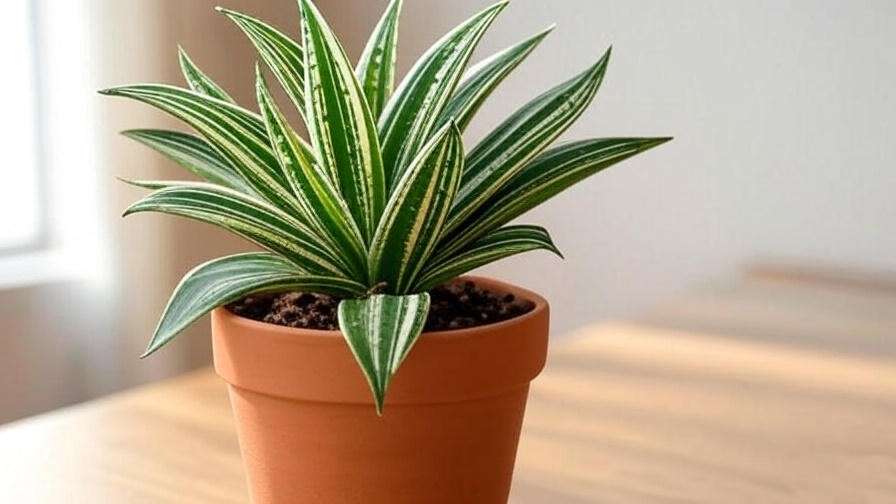
Zebra plants thrive in bright, indirect light, mimicking the dappled shade of their native South African habitat. Place them near east- or west-facing windows to provide 4–6 hours of filtered sunlight daily. South-facing windows work too, but use a sheer curtain to diffuse intense midday rays. Too much direct sun can scorch leaves, causing brown tips, while insufficient light leads to leggy growth or faded stripes.
Pro Tip: If your zebra plant’s leaves start stretching (etiolation), move it to a brighter spot gradually to avoid shock. Rotate the pot every few weeks for even growth.
Temperature and Humidity
Zebra plants prefer temperatures between 65–80°F (18–27°C), aligning with typical indoor environments. They tolerate average household humidity (30–50%) but dislike extreme cold or heat. Keep them away from drafty windows or heating vents in winter, as temperatures below 50°F (10°C) can trigger dormancy or damage.
In dry climates, occasional misting or a nearby pebble tray can boost humidity slightly, though it’s rarely necessary. During winter, reduce watering and ensure good air circulation to prevent fungal issues.
Soil and Potting Needs
Well-draining soil is non-negotiable for zebra plants to prevent root rot. Use a commercial cactus or succulent mix, or create your own by combining equal parts potting soil, coarse sand, and perlite. Adding pumice or gravel enhances drainage further. Always choose pots with drainage holes—terracotta is ideal for its breathability.
Expert Insight: Repotting every 2–3 years refreshes the soil and prevents compaction. Check for root-bound plants by gently removing them from the pot; if roots circle tightly, it’s time for a slightly larger container.
Step-by-Step Care Guide for Zebra Plant Succulents
Watering Best Practices
The golden rule for zebra plant care is the “soak and dry” method. Water thoroughly until liquid drains from the pot’s holes, then wait until the soil is completely dry before watering again—typically every 2–3 weeks in spring/summer and every 4–6 weeks in fall/winter. Overwatering is the leading cause of zebra plant issues, resulting in mushy, translucent leaves. Underwatering, while less common, causes shriveled or wrinkled leaves.
Signs to Watch:
- Overwatering: Soft, yellowing, or mushy leaves.
- Underwatering: Dry, shriveled leaves curling inward.
Use room-temperature water and avoid getting the rosette wet to prevent rot. In my experience, a moisture meter has been a game-changer for ensuring precise watering, especially for beginners.
Fertilizing for Optimal Growth
Zebra plants need minimal feeding but benefit from a diluted, balanced fertilizer (e.g., 10-10-10) applied monthly during the growing season (spring/summer). Dilute to half-strength to avoid burning the roots. Skip fertilizing in fall/winter when the plant is dormant.
Eco-Friendly Option: I’ve had success using organic worm castings sprinkled lightly on the soil surface once a season. This provides slow-release nutrients without overwhelming the plant.
Pruning and Maintenance
Zebra plants require little pruning. Gently remove dead or damaged leaves by pulling them from the base to prevent fungal growth. Dust leaves with a soft brush to maintain photosynthesis efficiency. Repot every 2–3 years or when the plant outgrows its pot, refreshing the soil and checking for healthy roots.
Maintenance Tip: If leaves accumulate dust, wipe them gently with a damp cloth. This keeps your zebra plant looking vibrant and supports its health.
Propagating Your Zebra Plant Succulent

Propagation Methods
Propagating zebra plants is a rewarding way to expand your collection or share with friends. The two most effective methods are offsets (pups) and leaf cuttings.
- Offsets: Zebra plants naturally produce small rosettes (pups) at their base. Using a sterilized knife, carefully separate the pup from the mother plant, ensuring some roots remain attached. Let it callus for 1–2 days, then plant in a well-draining mix.
- Leaf Cuttings: Gently twist a healthy leaf from the base, let it callus for 2–3 days, and place it on top of moist soil. Roots should form within 2–4 weeks.
Tips for Successful Propagation
Propagate in spring or early summer for best results, as the plant is actively growing. Avoid overwatering cuttings, as this can cause rot before roots develop. A rooting hormone can speed up the process but isn’t necessary. Patience is key—expect roots in 2–4 weeks and new growth in 1–2 months.
Common Mistake: Planting un-callused cuttings can lead to rot. Always let cut surfaces dry out to form a protective layer.
Common Problems and Solutions

Pests and Diseases
Zebra plants are relatively pest-resistant but can attract mealybugs, spider mites, or scale. Inspect regularly for white, cottony patches (mealybugs) or tiny webs (spider mites). Treat with neem oil or insecticidal soap, applied with a cotton swab for precision. For severe infestations, isolate the plant and remove pests manually.
Fungal issues, like root rot, stem from overwatering or poor ventilation. Ensure proper drainage and avoid waterlogged soil to prevent these problems.
Troubleshooting Growth Issues
Here’s a quick diagnostic guide for common zebra plant issues:
| Symptom | Cause | Solution |
|---|---|---|
| Leggy, stretched growth | Insufficient light | Move to brighter, indirect light |
| Brown, scorched leaf tips | Too much direct sun | Use a sheer curtain or relocate |
| Yellow, mushy leaves | Overwatering | Let soil dry completely; reduce watering |
| Shriveled, wrinkled leaves | Underwatering | Water thoroughly; adjust schedule |
| Faded white stripes | Low light or nutrient deficiency | Increase light; fertilize lightly |
Expert Tip: Adjust environmental changes gradually. Sudden moves to brighter light or new pots can stress the plant, so transition over a week.
Styling and Displaying Your Zebra Plant

Creative Potting Ideas
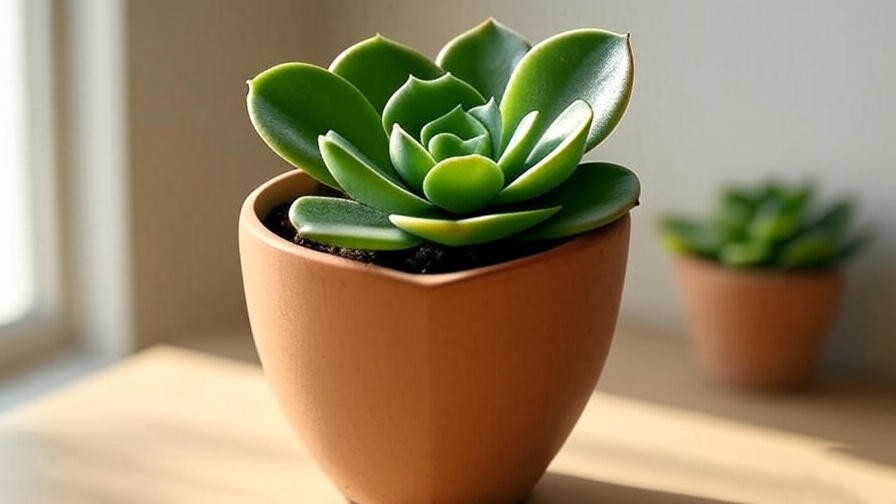
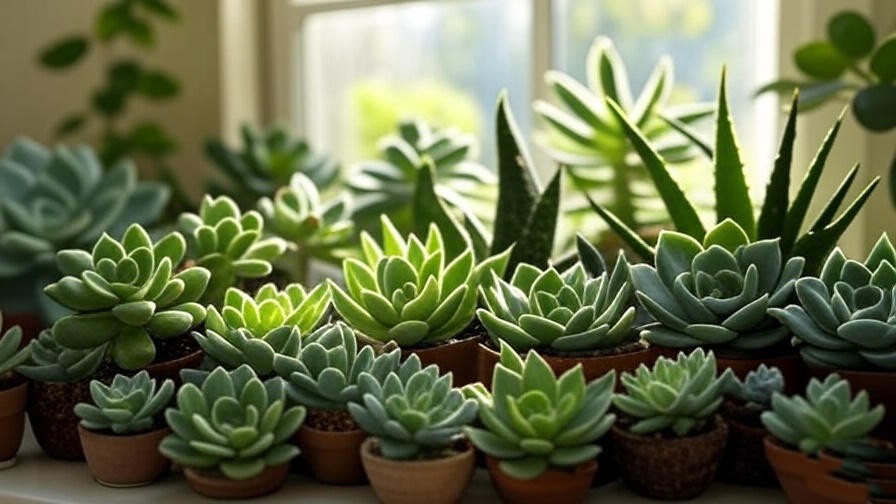
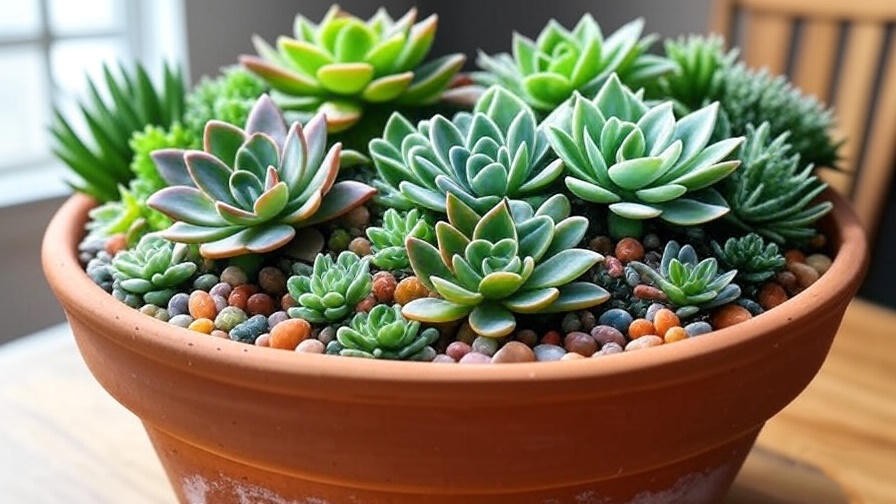
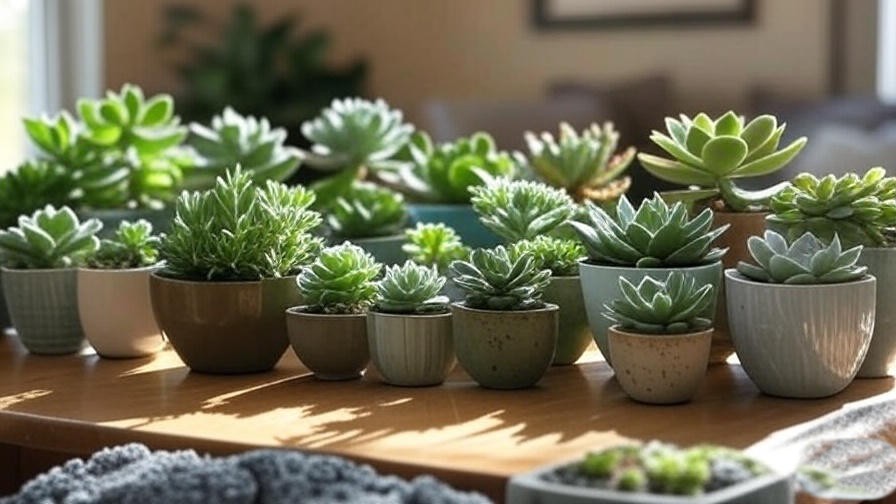
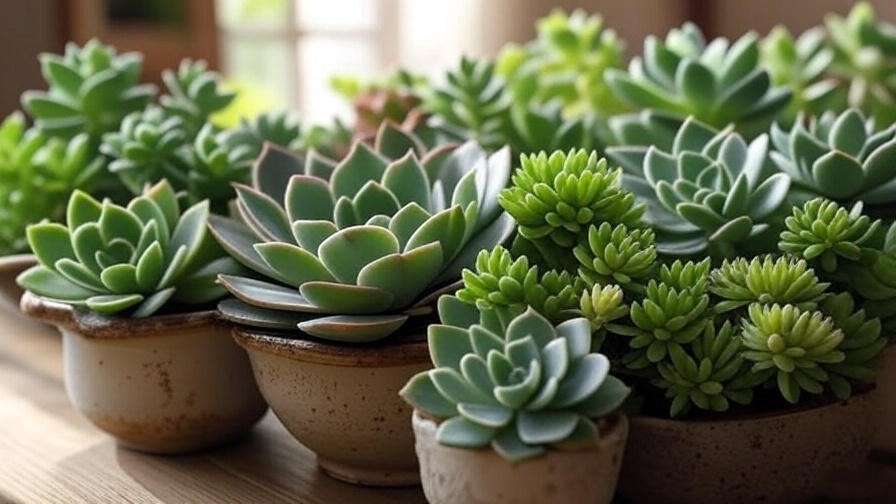
Zebra plants shine in decorative pots that complement their striking foliage. Terracotta pots enhance breathability, while ceramic or geometric planters add modern flair. Pair with other succulents like echeveria or jade plants for a stunning mixed arrangement. For a minimalist look, use a sleek white pot to highlight the plant’s stripes.
Styling Idea: Create a layered display by placing your zebra plant in a shallow dish with colorful pebbles or moss for texture.
Incorporating into Home Decor
Zebra plants are versatile for home styling. Place them on windowsills, bookshelves, or coffee tables to add a pop of green. They’re perfect for terrariums, where their compact size creates a mini desert scene. In feng shui, succulents like the zebra plant promote calm and balance, making them ideal for bedrooms or workspaces.
Inspiration: In my home, I’ve grouped three zebra plants in mismatched ceramic pots on a wooden tray, creating a cozy, eclectic vibe. Try pairing with string lights for a boho-chic effect.
Advanced Care Tips for Enthusiasts

Encouraging Blooms
Zebra plants can produce small, tubular white flowers on long stalks, typically in summer. To encourage blooming, ensure the plant is mature (2–3 years old), receives ample indirect light, and experiences slight stress (e.g., slightly drier conditions). Avoid over-fertilizing, as this prioritizes leaf growth over flowers.
Seasonal Care Adjustments
- Summer: Increase watering slightly (every 2 weeks) and monitor for heat stress. Move away from hot windows if temperatures exceed 85°F (29°C).
- Winter: Reduce watering to every 4–6 weeks and keep away from cold drafts. A grow light can supplement low winter light.
Experimenting with Hybrid Varieties
For advanced growers, explore cultivars like Haworthiopsis attenuata ‘Super White’, which boasts brighter stripes. Source rare varieties from reputable nurseries or online succulent specialists. These hybrids often require similar care but may need extra attention to light for optimal coloration.
FAQs About Zebra Plant Succulent Care
Q: How often should I water my zebra plant succulent?
A: Water every 2–3 weeks in spring/summer, ensuring the soil dries completely between waterings. Reduce to every 4–6 weeks in fall/winter.
Q: Why are my zebra plant’s leaves turning brown?
A: Brown leaves often indicate too much direct sun or overwatering. Relocate to indirect light and let the soil dry out fully.
Q: Can zebra plants survive in low light?
A: They tolerate low light better than most succulents but may become leggy. Aim for bright, indirect light for best results.
Q: How do I know if my zebra plant is healthy?
A: Look for firm, plump leaves with vibrant green color and clear white stripes. No mushiness or discoloration.
Q: Is the zebra plant succulent safe for pets?
A: Yes, zebra plants are non-toxic to cats and dogs, making them a pet-friendly houseplant.
Conclusion
The zebra plant succulent is a low-maintenance, visually stunning addition to any indoor space. By providing bright, indirect light, well-draining soil, and minimal watering, you can keep your plant thriving year-round. Whether you’re propagating offsets, troubleshooting pests, or styling it in a chic pot, this guide equips you with expert tips to succeed. I’ve seen firsthand how these resilient plants can transform a room, and with advice from succulent specialists, I’m confident you’ll enjoy the same success.