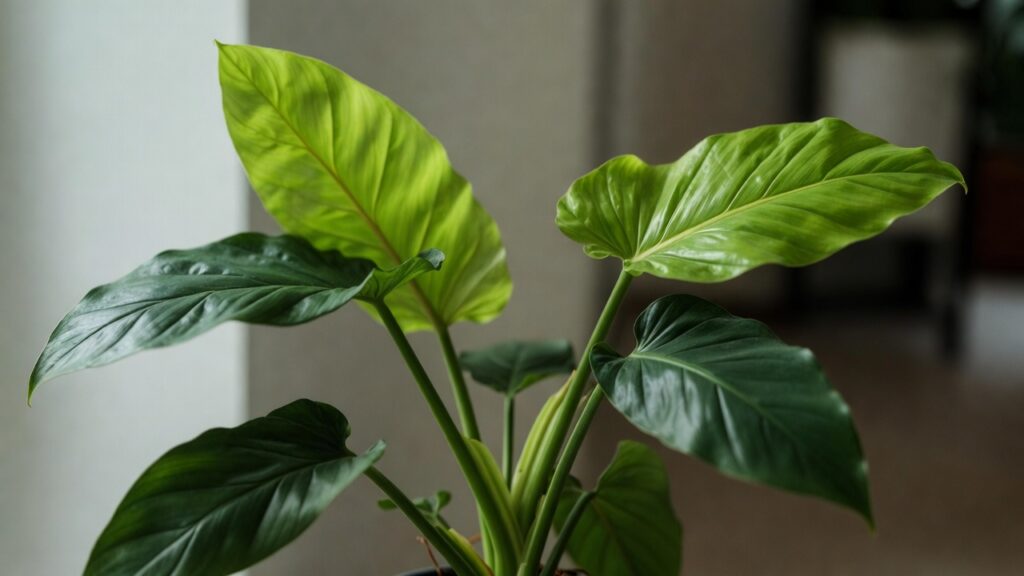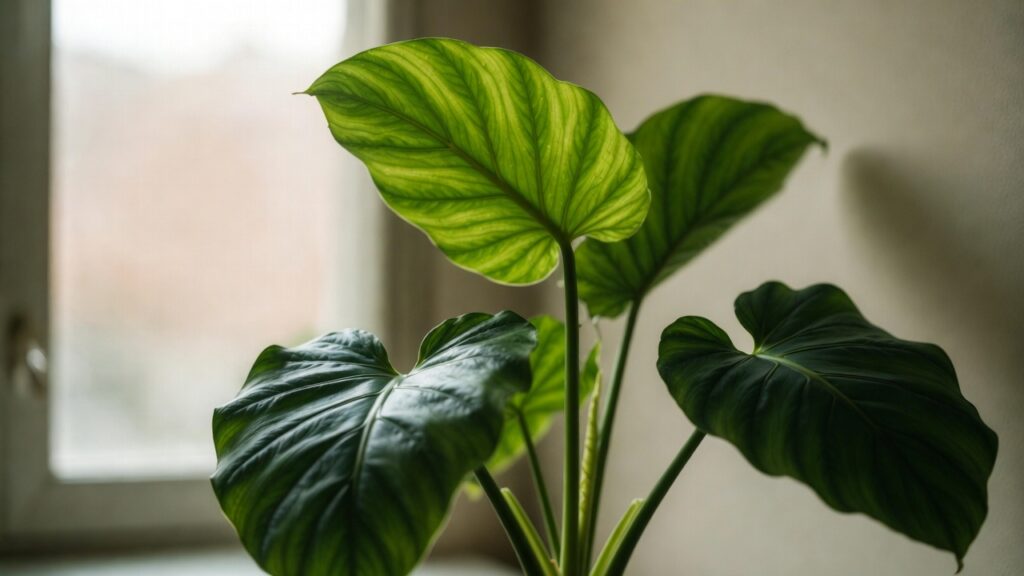
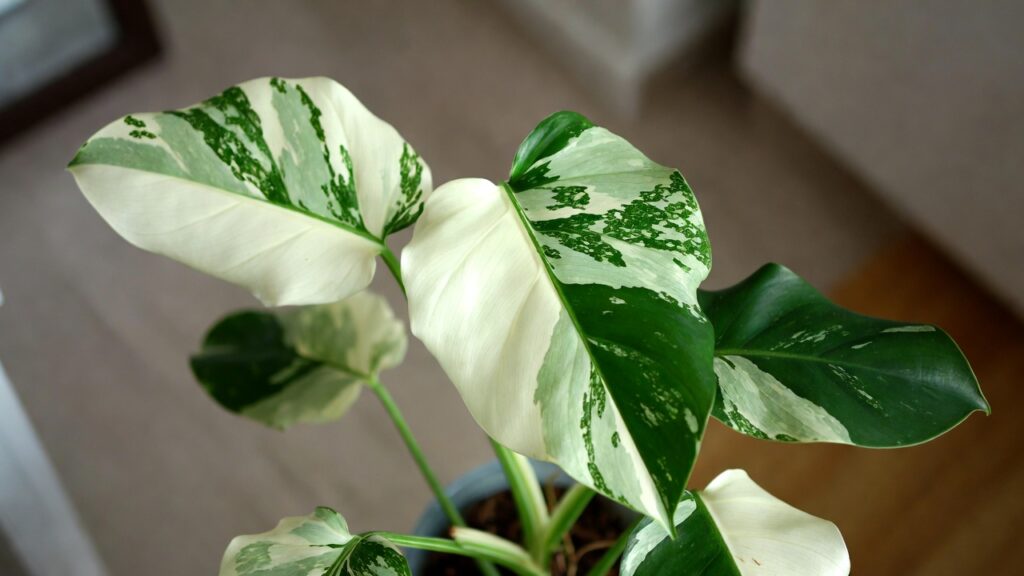
There’s something almost magical about watching a new leaf unfurl on a white princess philodendron. One week, it’s a tightly wrapped spear. The next, it opens to reveal unpredictable splashes of white against deep green — sometimes marbled, sometimes half-moon, sometimes delicately streaked like brushstrokes on canvas.
But here’s the truth most plant tags don’t tell you: this plant can quickly lose its brilliance if you don’t understand what it actually needs.
Fading variegation, browning white patches, root rot, slow growth, and reversion to all-green leaves are common frustrations. The good news? All of these issues are preventable with the right care strategy.
In this comprehensive guide, you’ll learn exactly how to grow a thriving White Princess Philodendron indoors — from light optimization and soil science to humidity management and variegation control. Whether you’re a beginner collector or an experienced indoor gardener, this article will give you expert-level clarity and practical, actionable steps.
What Is a White Princess Philodendron?
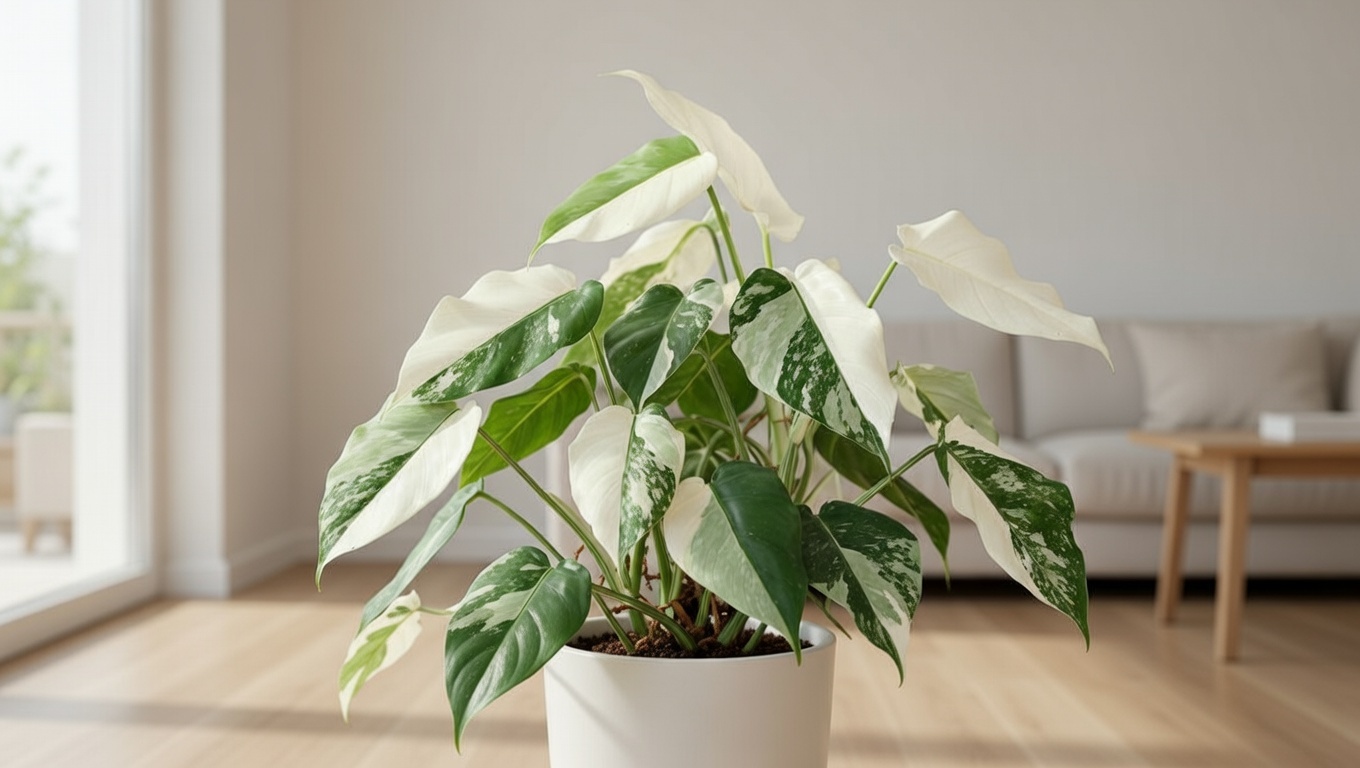
The White Princess Philodendron is a variegated cultivar of Philodendron erubescens, prized for its striking white-and-green foliage and compact, upright growth habit.
Botanical Profile
- Genus: Philodendron
- Species: Philodendron erubescens
- Growth Habit: Upright climber
- Foliage: Variegated (white and green marbling)
- Mature Height Indoors: 2–4 feet with support
- Toxicity: Toxic to pets and humans if ingested
Unlike trailing philodendrons, the White Princess grows more vertically and benefits from support like a moss pole or stake.
Understanding Variegation
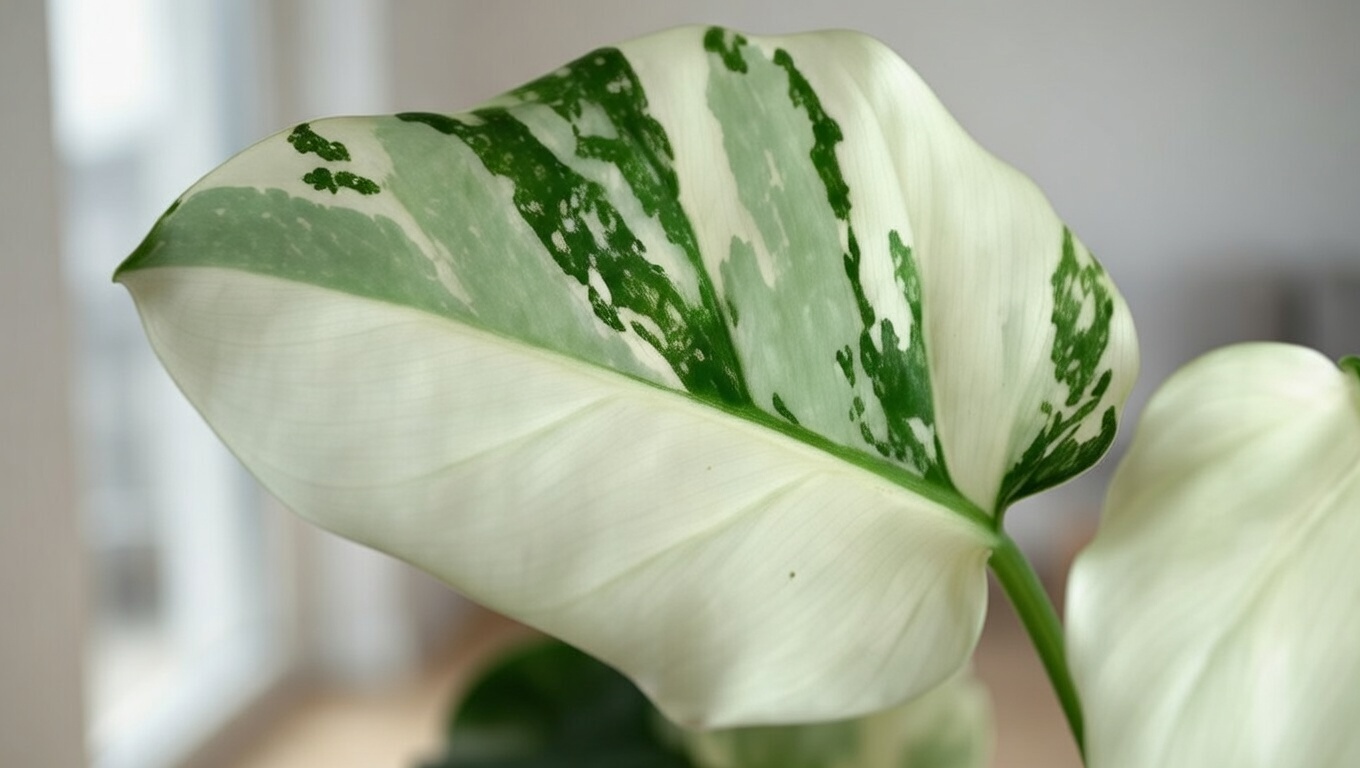
The white sections on the leaves are caused by a genetic mutation that limits chlorophyll production in parts of the leaf. Because white areas lack chlorophyll, they cannot photosynthesize. This is crucial to understanding its care:
- More white = less energy production
- Less energy = slower growth
- Higher stress sensitivity
This is why White Princess Philodendrons require brighter light than non-variegated varieties.
White Princess vs. Similar Variegated Philodendrons
Misidentification is common in the houseplant market. Let’s clarify the differences.
Philodendron White Knight
- Burgundy stems
- White variegation
- Larger leaves
Philodendron Pink Princess
- Pink variegation
- Darker foliage
- Highly sought-after collector plant
Key Identifiers of White Princess
- Green stems with occasional pinkish edges
- White and green variegation (no burgundy stems)
- Compact leaf shape
Buying from reputable sellers reduces the risk of mislabeled plants.
Ideal Growing Conditions for White Princess Philodendron
If you master these four elements — light, water, humidity, and soil — you’ll solve 90% of common problems.
Light Requirements (The #1 Factor for Bright Variegation)
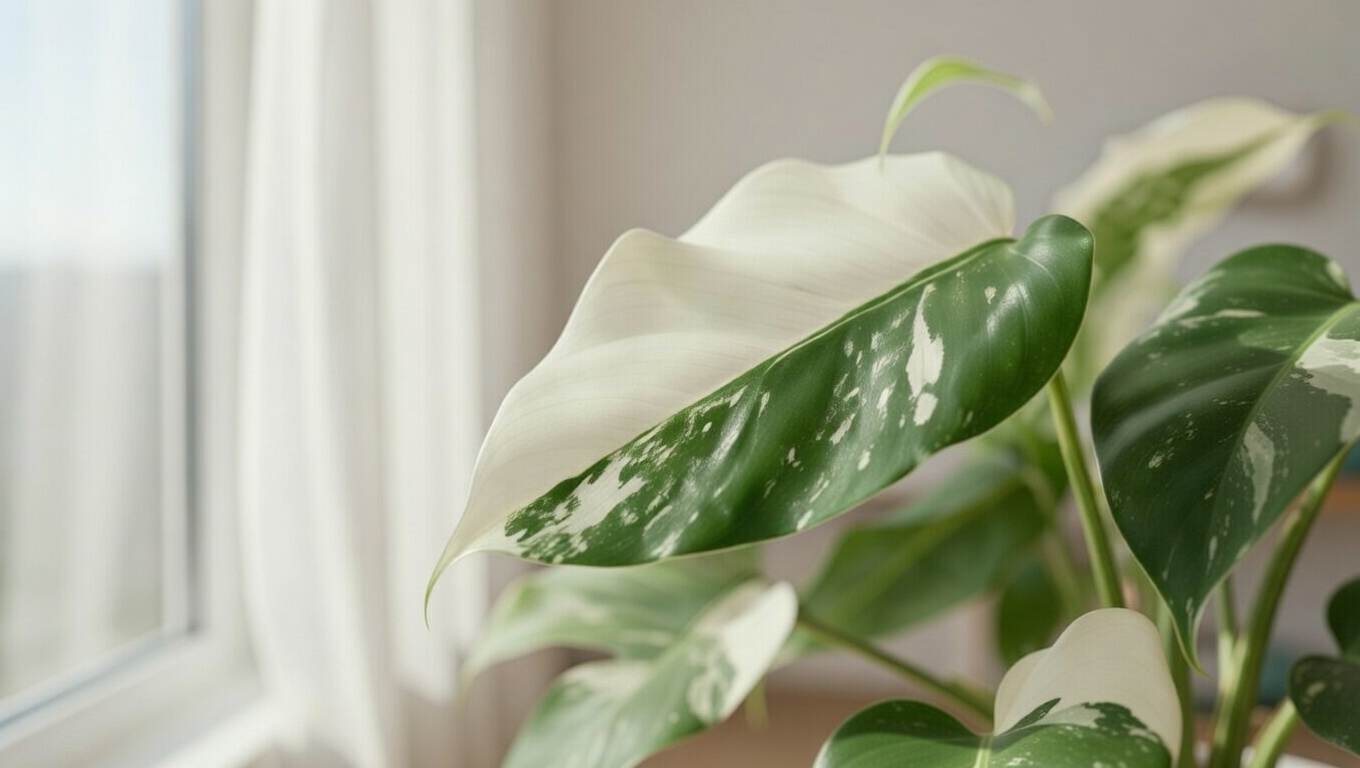
Light determines whether your plant thrives or struggles.
Best Light: Bright, Indirect Light
Think of filtered sunlight near:
- An east-facing window
- A few feet from a south-facing window with sheer curtains
- Under a quality grow light
Because white areas lack chlorophyll, your plant needs more light than standard green philodendrons.
Signs of Insufficient Light
- Smaller leaves
- Fading white variegation
- Leggy growth
- Reverting to solid green
Signs of Too Much Light
- Brown, crispy white patches
- Bleached leaves
- Curling edges
Using Grow Lights
Full-spectrum LED grow lights placed 12–18 inches above the plant for 10–12 hours daily can dramatically improve variegation stability.
Pro Tip: If your plant produces increasingly green leaves, increase light gradually over 2–3 weeks.
Watering Needs: Avoiding Root Rot and Browning
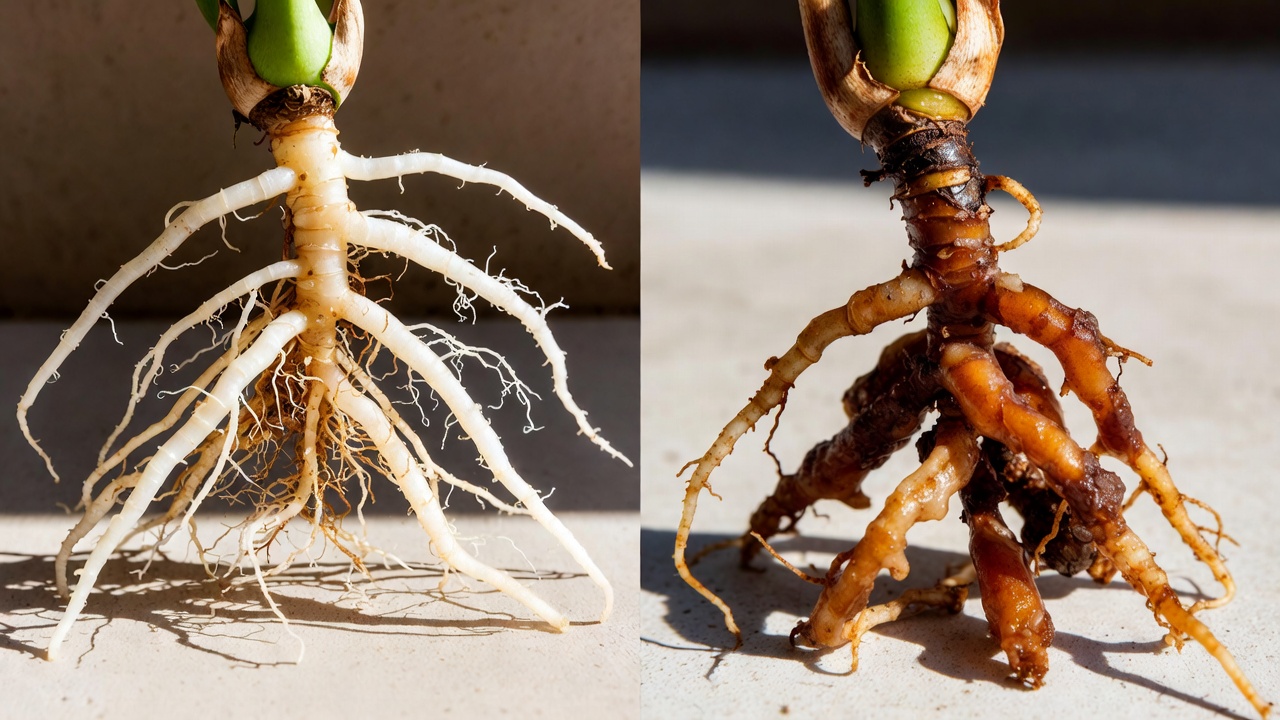
Overwatering is the most common killer of White Princess Philodendrons.
The Golden Rule
Water when the top 1–2 inches of soil feel dry.
Avoid rigid schedules. Instead:
- Use your finger to test moisture
- Use a moisture meter if needed
- Lift the pot to feel weight differences
Signs of Overwatering
- Yellow leaves
- Mushy stems
- Foul-smelling soil
- Drooping despite wet soil
Signs of Underwatering
- Drooping leaves
- Dry, crispy edges
- Soil pulling away from pot sides
Seasonal Adjustments
- Spring/Summer: Water more frequently
- Fall/Winter: Reduce watering as growth slows
Always empty saucers to prevent root rot.
Humidity & Temperature: Preventing Crispy White Edges
White portions of the leaf are thinner and more delicate, making humidity crucial.
Ideal Humidity: 60–75%
Below 50% humidity, you may notice:
- Browning on white sections
- Curling leaf edges
- Slower growth
How to Increase Humidity
- Use a humidifier (most effective)
- Group plants together
- Place on a pebble tray
- Avoid drafts from heaters or AC vents
Temperature Range
- Ideal: 65–80°F (18–27°C)
- Avoid temperatures below 55°F
Sudden temperature drops cause stress and leaf damage.
Best Soil for White Princess Philodendron
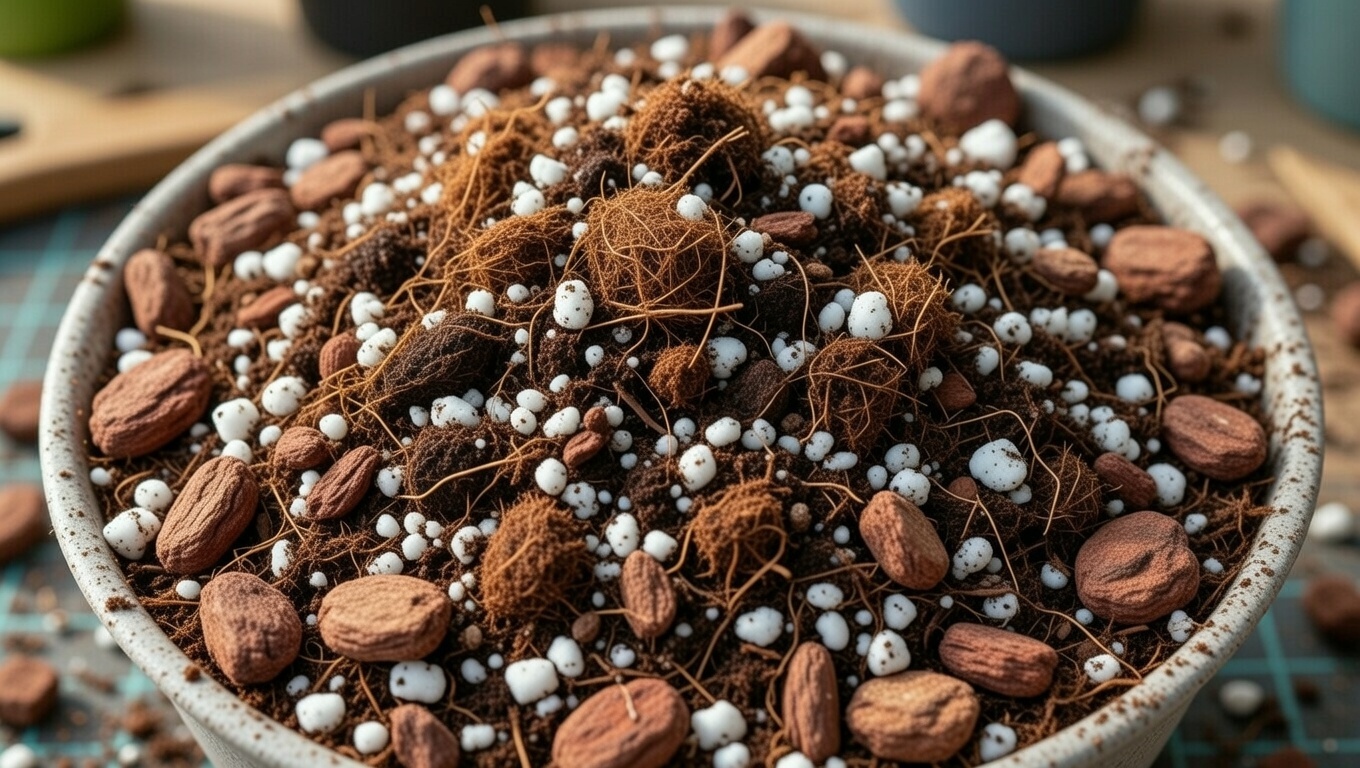
Standard potting soil is often too dense.
Ideal Soil Structure: Chunky, Well-Draining Aroid Mix
A proper mix includes:
- Orchid bark (aeration)
- Perlite or pumice (drainage)
- Coco coir or peat moss (moisture retention)
- Worm castings (nutrients)
This mimics the plant’s natural environment, where roots cling to trees and receive constant airflow.
Why Drainage Matters
Philodendrons are epiphytic climbers. Their roots need oxygen. Dense soil suffocates roots and leads to rot.
Choosing the Right Pot
Drainage Holes Are Non-Negotiable
Never use a pot without drainage unless you’re highly experienced.
Plastic vs. Terracotta
- Plastic: Retains moisture longer
- Terracotta: Dries faster, better for heavy waterers
Choose based on your watering habits.
When and How to Repot
Repot every 1–2 years or when:
- Roots circle the bottom
- Growth slows
- Water runs straight through soil
Step-by-Step Repotting
- Water plant lightly the day before
- Gently remove from pot
- Inspect roots (trim mushy ones)
- Place in slightly larger pot
- Add fresh aroid mix
- Water thoroughly
Avoid fertilizing for 4 weeks after repotting.
How to Keep Variegation Bright and Stable
This is what most owners care about most.
Why Reversion Happens
Reversion occurs when new leaves grow mostly or entirely green.
Causes:
- Insufficient light
- Genetic instability
- Stress
Green leaves produce more energy, so the plant may revert for survival.
How to Prevent Reversion
- Increase light exposure
- Prune back to the last variegated node
- Avoid environmental stress
Pruning encourages new growth that may restore variegation.
What About All-White Leaves?
All-white leaves are beautiful but fragile.
Because they lack chlorophyll:
- They drain plant energy
- They often brown quickly
- They reduce overall vigor
If your plant produces multiple fully white leaves in a row, consider pruning one to restore balance.
Common Problems and How to Fix Them
Browning White Leaves
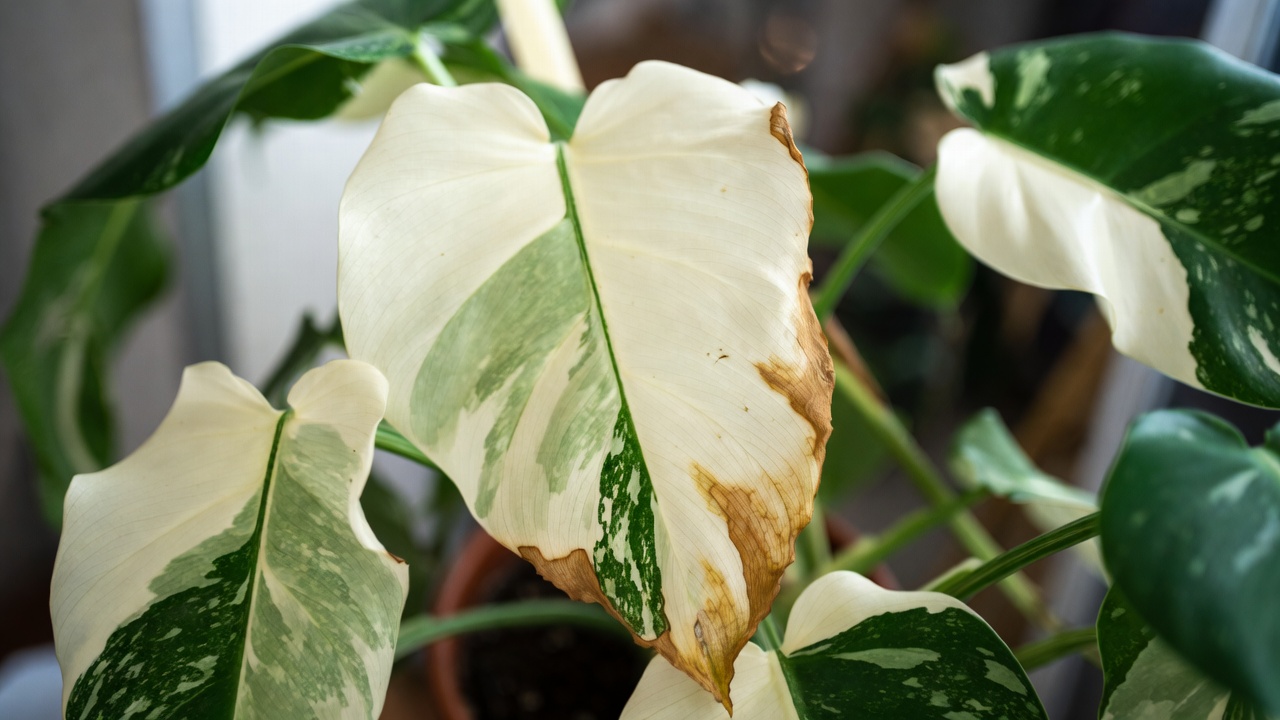
Most common causes:
1. Low Humidity
Increase humidity to 60%+.
2. Mineral Buildup
Flush soil every 2–3 months with distilled water.
3. Sunburn
Move away from direct sun.
Yellow Leaves
Usually caused by:
- Overwatering
- Poor drainage
- Root rot
Check roots immediately if yellowing spreads quickly.
Drooping or Curling Leaves
Potential reasons:
- Water stress
- Temperature shock
- Pest infestation
Inspect undersides of leaves regularly.
Common Pests
White Princess Philodendrons are susceptible to:
- Spider mites
- Mealybugs
- Thrips
Treat early using:
- Insecticidal soap
- Neem oil
- Isopropyl alcohol swabs
Isolate affected plants immediately.
Fertilizing Your White Princess Philodendron for Strong, Balanced Growth
Because variegated plants produce less chlorophyll, they often grow more slowly than their all-green counterparts. Proper fertilization helps support steady, healthy development without forcing weak, leggy growth.
Best Fertilizer Types
1. Balanced Liquid Fertilizer (Recommended)
Use a balanced formula such as 10-10-10 or 20-20-20 diluted to half strength. This provides equal parts nitrogen (leaf growth), phosphorus (root development), and potassium (overall resilience).
2. Slow-Release Fertilizer
Slow-release pellets can be mixed into the soil during spring repotting. They offer steady nutrition over several months but should be used cautiously to avoid salt buildup.
3. Organic Options
Worm castings, compost tea, or fish emulsion provide gentle nutrition and improve soil biology. These are excellent for long-term soil health.
Fertilizing Schedule
-
Spring & Summer (Active Growth): Feed every 4–6 weeks
-
Fall & Winter: Reduce feeding or stop entirely if growth slows
Over-fertilizing can cause:
-
Brown leaf tips
-
Salt buildup in soil
-
Weak, stretched growth
Flush soil every 2–3 months with distilled or filtered water to prevent mineral accumulation.
Propagating White Princess Philodendron Successfully
Propagation allows you to multiply your plant or rejuvenate leggy growth.
Best Time to Propagate
Early spring through summer is ideal, when the plant is actively growing and can recover quickly.
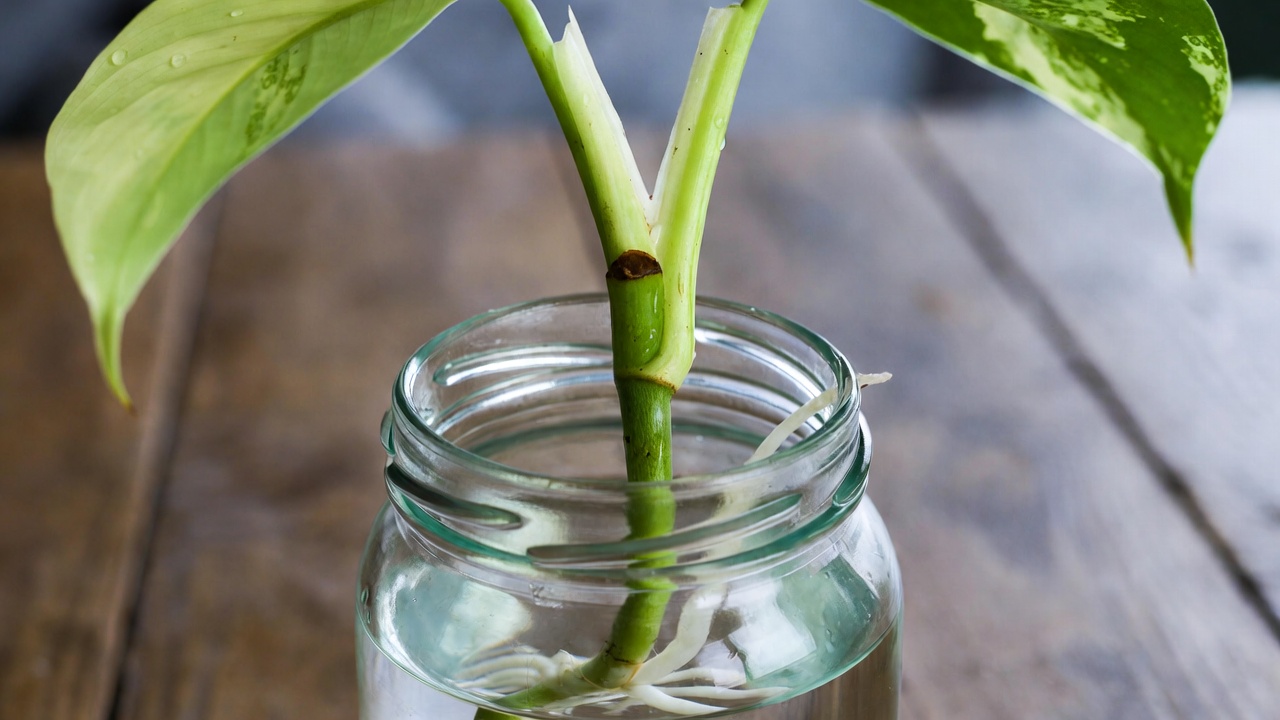
Step-by-Step Water Propagation
-
Identify a healthy stem with at least one node (the bump where roots emerge).
-
Use sterilized pruning shears to cut just below the node.
-
Place the cutting in a jar of clean water, ensuring the node is submerged.
-
Change water every 5–7 days.
-
Roots typically develop within 2–4 weeks.
Once roots reach 1–2 inches long, transfer to a well-draining aroid mix.
Soil Propagation Method
Alternatively, place the cutting directly into moist aroid soil mix.
Pros:
-
Stronger root adaptation
-
Less transplant shock
Cons:
-
Harder to monitor root development
Keep humidity high during early rooting stages.
Can You Propagate from a Single Leaf?
No. A single leaf without a node will not grow into a new plant. This is a common misconception in the houseplant community.
Styling and Supporting Your White Princess Philodendron
Because it’s a climbing philodendron, vertical support improves leaf size and maturity.
Use a Moss Pole or Trellis
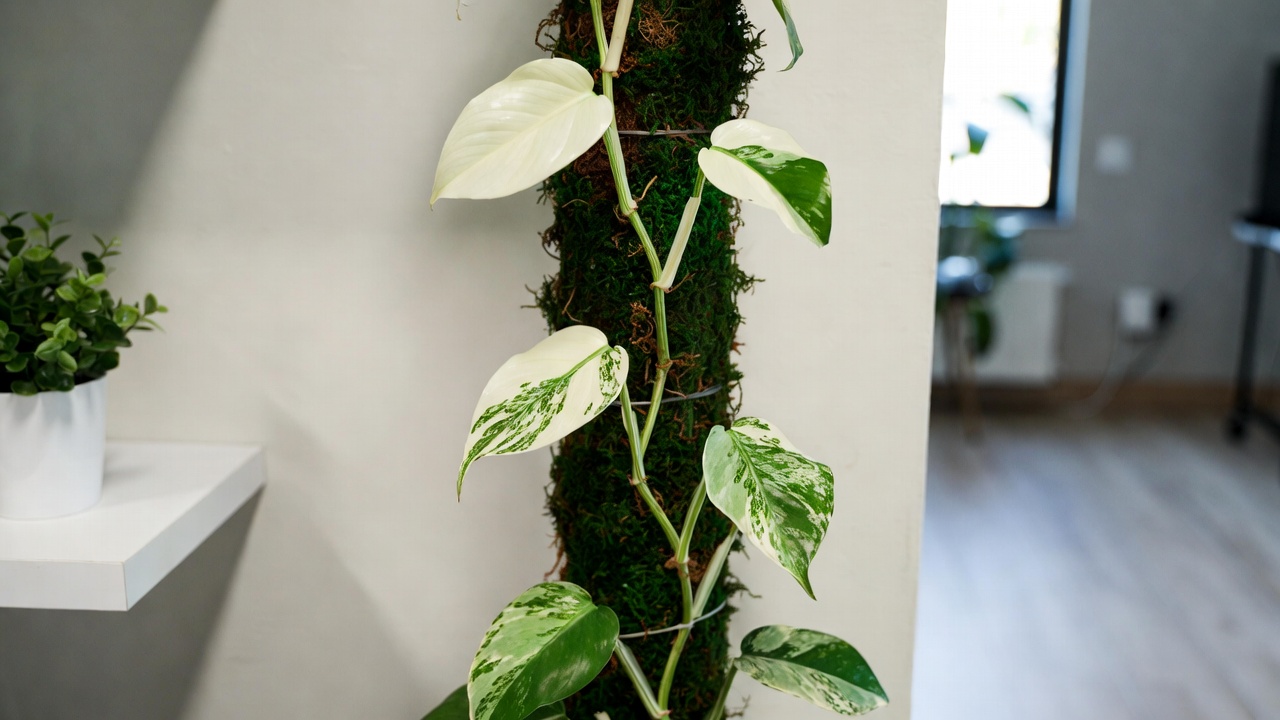
Providing a moss pole:
-
Encourages larger leaves
-
Promotes healthier aerial roots
-
Mimics natural climbing behavior
Secure stems loosely with plant ties as they grow.
Interior Styling Tips
The White Princess Philodendron pairs beautifully with:
-
Minimalist interiors
-
Scandinavian décor
-
Modern indoor jungle setups
Its white variegation brightens darker corners and complements neutral palettes.
Is White Princess Philodendron Right for You?
Before investing, consider the following:
Skill Level
-
Beginner-friendly with proper research
-
Requires more attention than standard green philodendrons
Maintenance Commitment
-
Moderate humidity needs
-
Careful watering habits
-
Bright indirect light
Budget Consideration
Variegated plants often cost more due to demand and slower propagation rates.
If you want a dramatic foliage plant and are willing to provide consistent care, this plant is highly rewarding.
Frequently Asked Questions About White Princess Philodendron
How fast does White Princess Philodendron grow?
Under ideal conditions, expect moderate growth during spring and summer, producing several new leaves per season.
Why is my White Princess Philodendron losing white color?
Most commonly due to insufficient light. Increase brightness gradually and prune back to a variegated node if needed.
Can White Princess Philodendron grow in low light?
It can survive in low light, but variegation will fade, and growth will slow significantly.
How do I make my White Princess bushier?
-
Prune above nodes
-
Provide strong indirect light
-
Use a support pole
Pruning encourages branching.
Is White Princess Philodendron rare?
It is less common than standard philodendrons but increasingly available through reputable nurseries and online plant retailers.
Is it toxic to pets?
Yes. Like most philodendrons, it contains calcium oxalate crystals and is toxic if ingested by cats and dogs.
Expert Care Checklist (Quick Reference Guide)
Light: Bright, indirect light (essential for variegation)
Water: When top 1–2 inches of soil are dry
Humidity: 60–75% preferred
Temperature: 65–80°F
Soil: Chunky, well-draining aroid mix
Fertilizer: Balanced feed every 4–6 weeks in growing season
Support: Moss pole or trellis recommended
Repotting: Every 1–2 years
Final Thoughts: Growing a Thriving White Princess Philodendron
The White Princess Philodendron isn’t difficult — it’s just misunderstood.
Most problems stem from three issues:
-
Insufficient light
-
Overwatering
-
Low humidity
When you address those fundamentals, everything changes. Leaves grow larger. Variegation stabilizes. Browning decreases. Growth becomes steady and predictable.
Variegated plants require balance — not perfection. With patience and proper care, your White Princess can become one of the most striking focal points in your indoor plant collection.
If you treat it less like a decorative object and more like a living organism with specific biological needs, it will reward you with stunning foliage for years to come.