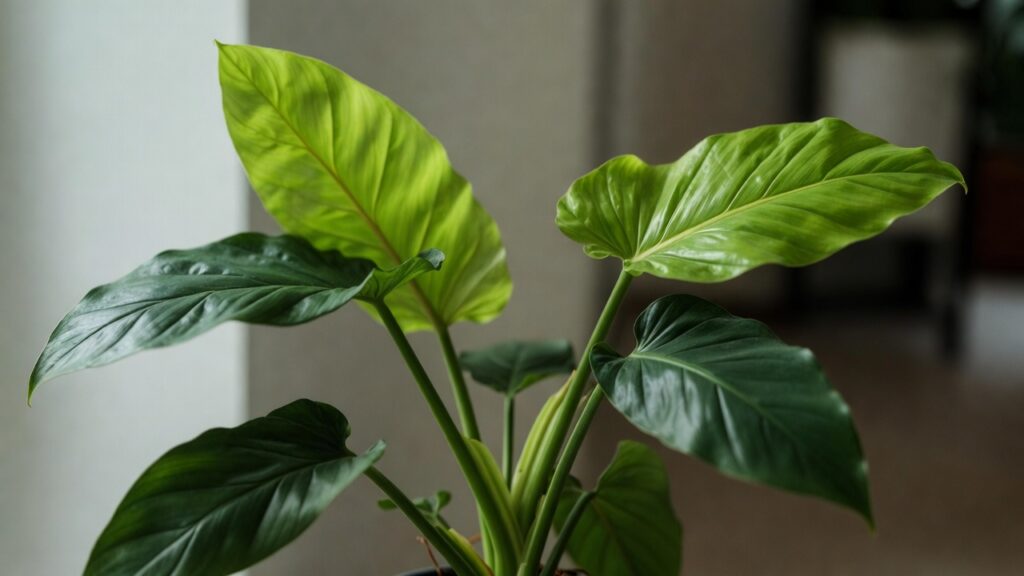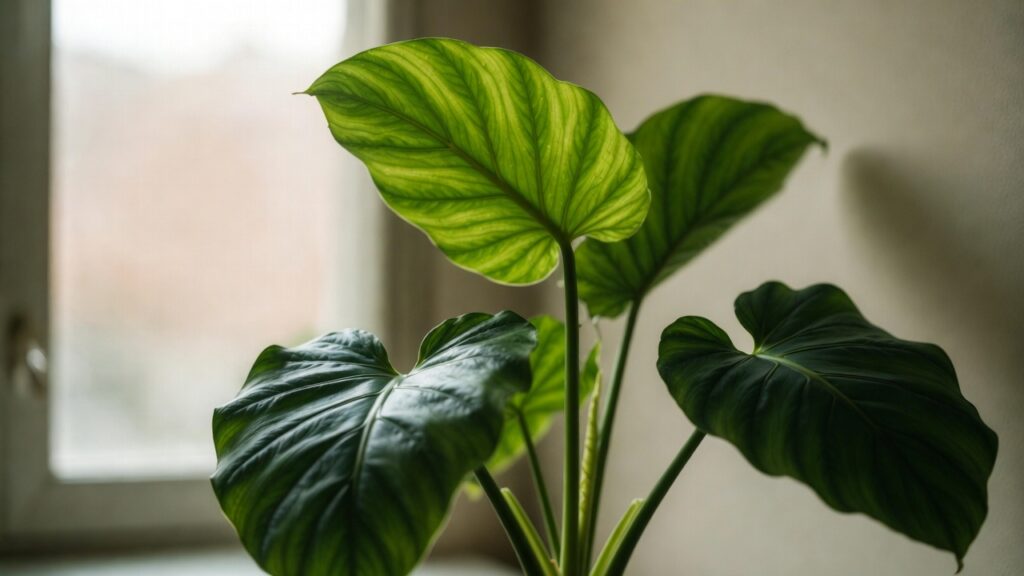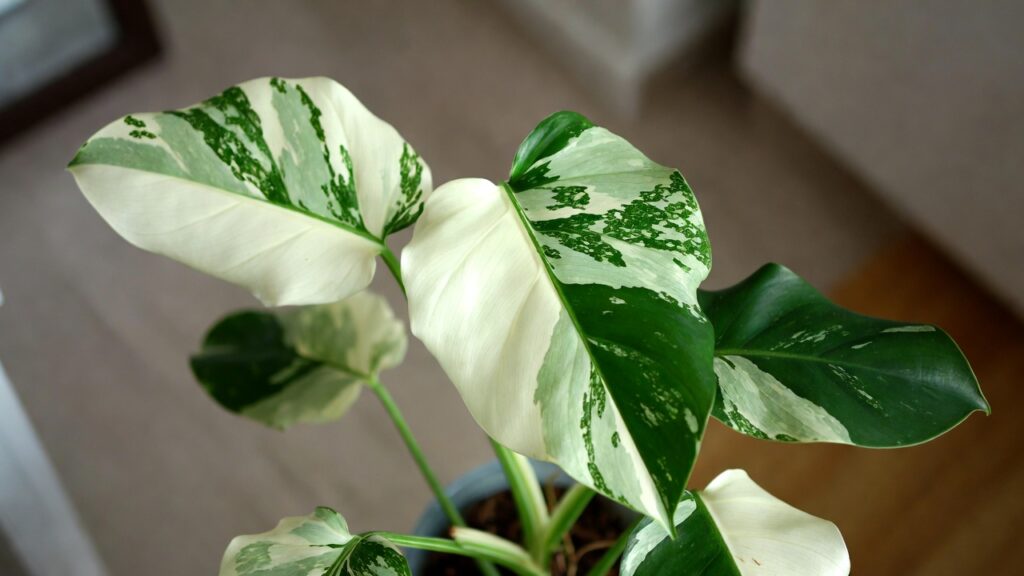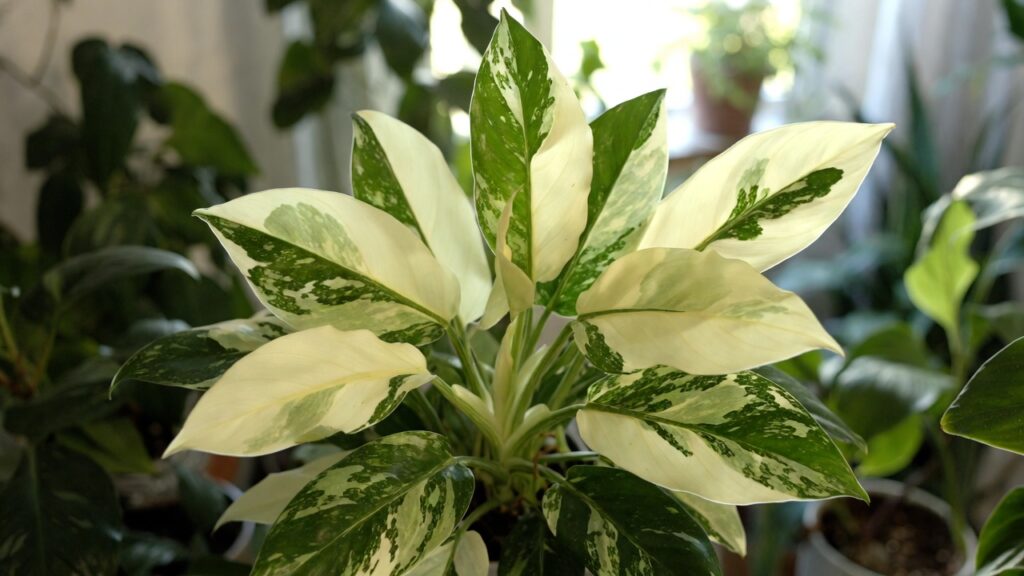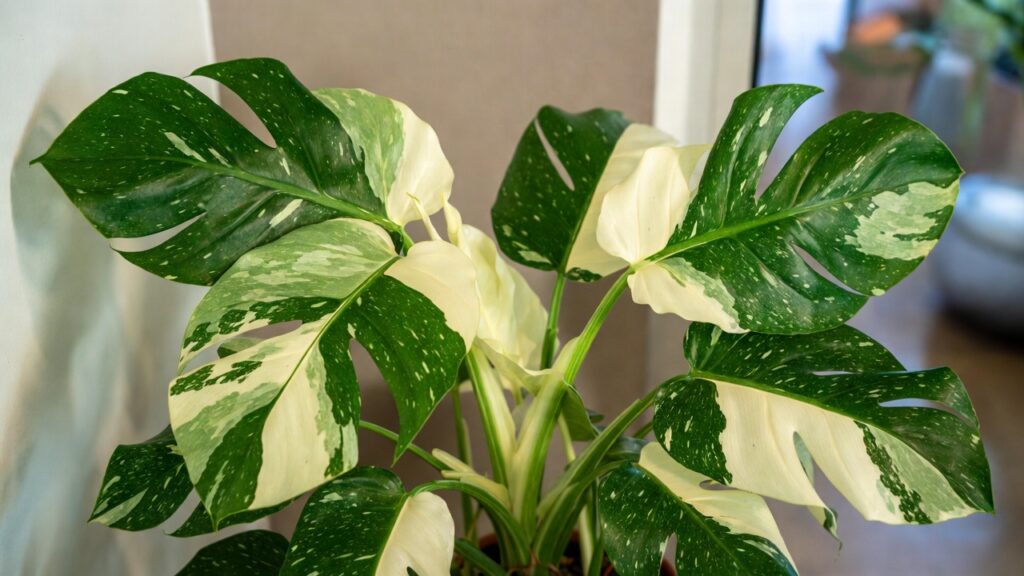
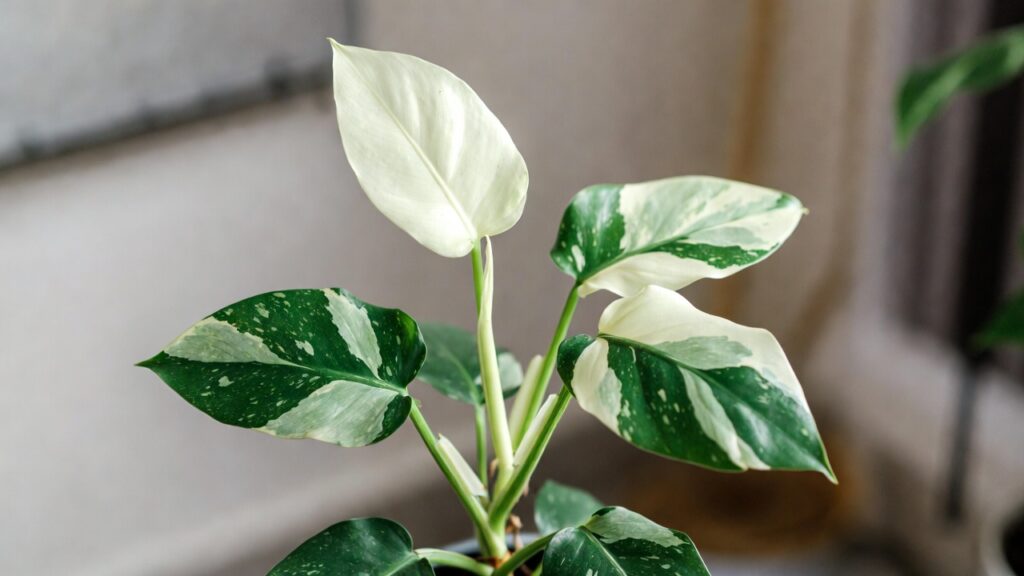
Few indoor plants capture attention quite like a white philodendron. With its dramatic white variegated leaves contrasting against deep green foliage, this plant looks almost unreal—like a living piece of art. It’s no surprise that collectors and houseplant lovers around the world consider it one of the most stunning additions to an indoor plant collection.
But there’s a catch.
Many plant owners bring home a white philodendron only to watch the leaves turn brown, lose their beautiful variegation, or stop growing altogether. The reason? Unlike standard philodendrons, white-variegated philodendrons require more precise care, especially when it comes to light, humidity, and watering.
The good news is that growing a healthy white philodendron isn’t difficult once you understand its needs.
In this complete care guide, you’ll learn:
-
What a white philodendron really is
-
The best growing conditions for vibrant variegation
-
Proper watering, soil, and fertilizing techniques
-
How to propagate your plant successfully
-
Solutions to the most common problems plant owners face
Whether you’re a beginner or an experienced plant collector, this expert guide will help you grow a healthy, thriving white philodendron indoors.
Table of Contents
ToggleWhat Is a White Philodendron?
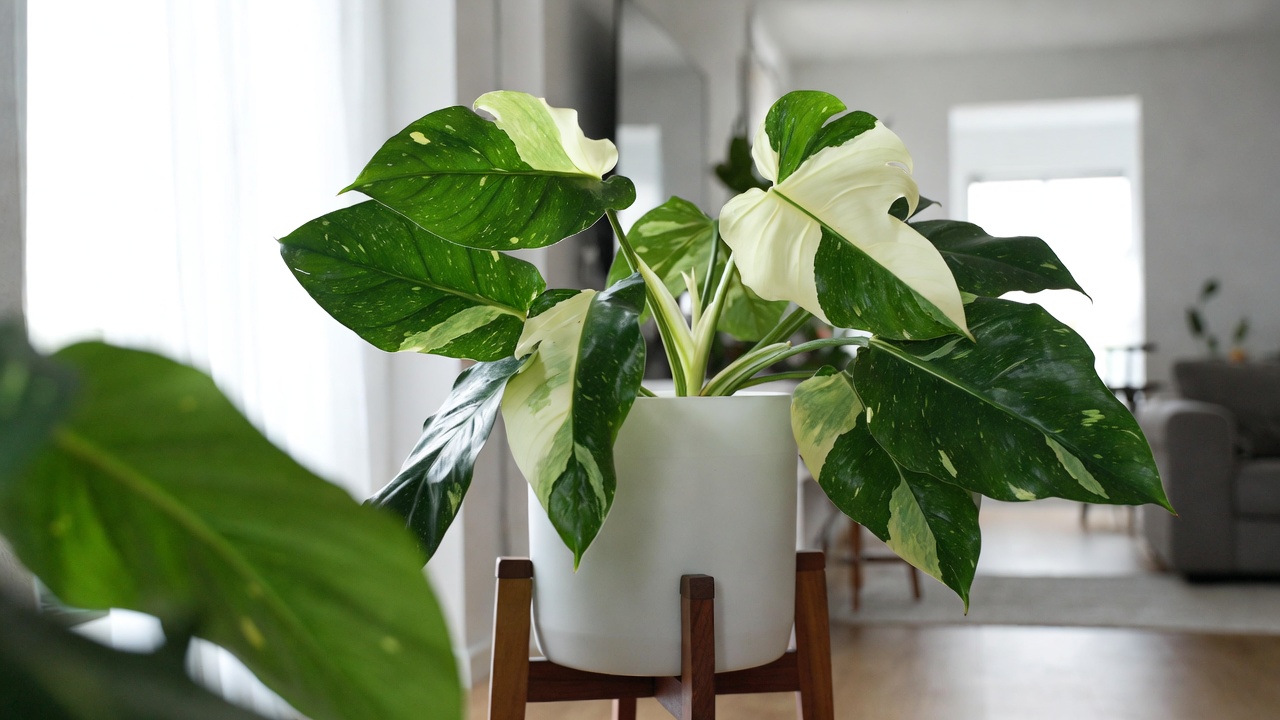
A white philodendron refers to a group of philodendron plants that feature white variegation on their leaves. Variegation means that parts of the leaf lack chlorophyll, creating striking white patterns that contrast with the green areas.
These plants belong to the Philodendron genus, one of the most popular groups of tropical houseplants known for their easy care and adaptability.
However, white-variegated philodendrons are a bit more demanding than their fully green relatives because the white sections of the leaves cannot photosynthesize efficiently.
Understanding White Variegation in Philodendrons
Variegation occurs due to a genetic mutation that affects chlorophyll production in parts of the plant tissue.
In a white philodendron:
-
Green areas produce energy through photosynthesis
-
White areas do not produce energy
-
The plant must work harder to survive
Because of this, these plants often require brighter light and more attentive care compared to standard philodendrons.
Popular White Philodendron Varieties
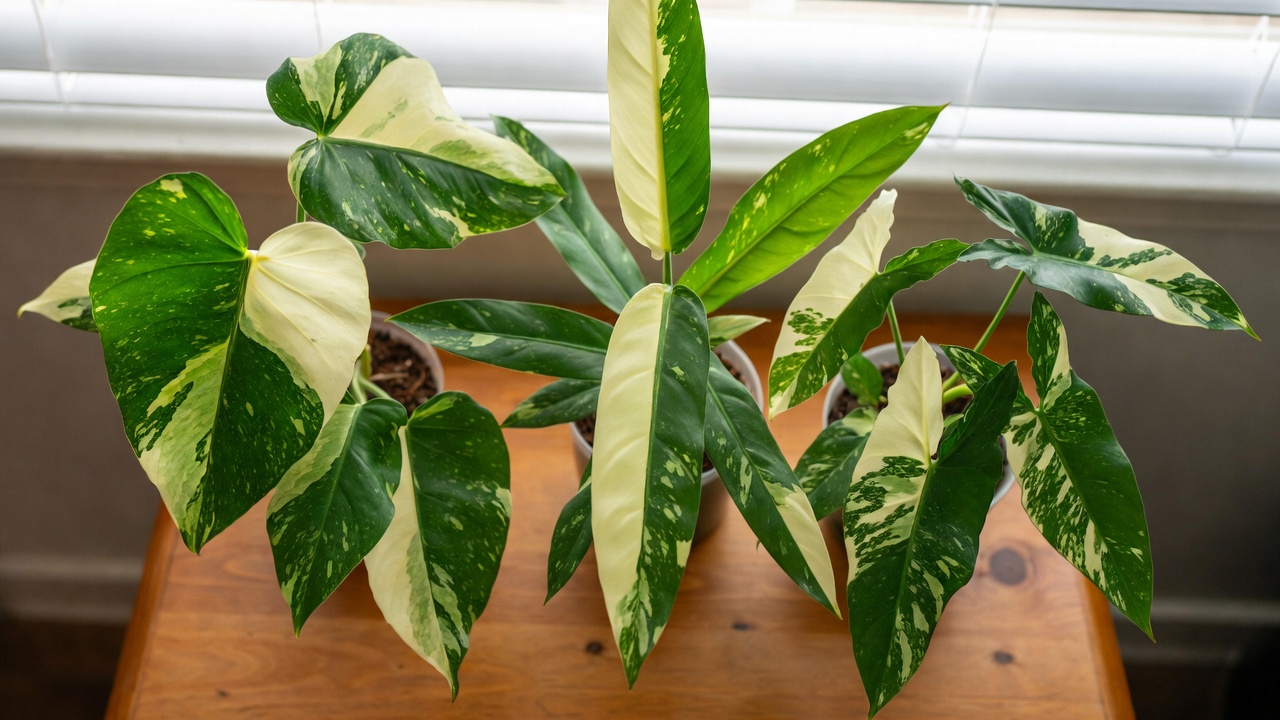
Not all white philodendrons are the same. Several varieties are especially popular among collectors.
Philodendron White Princess
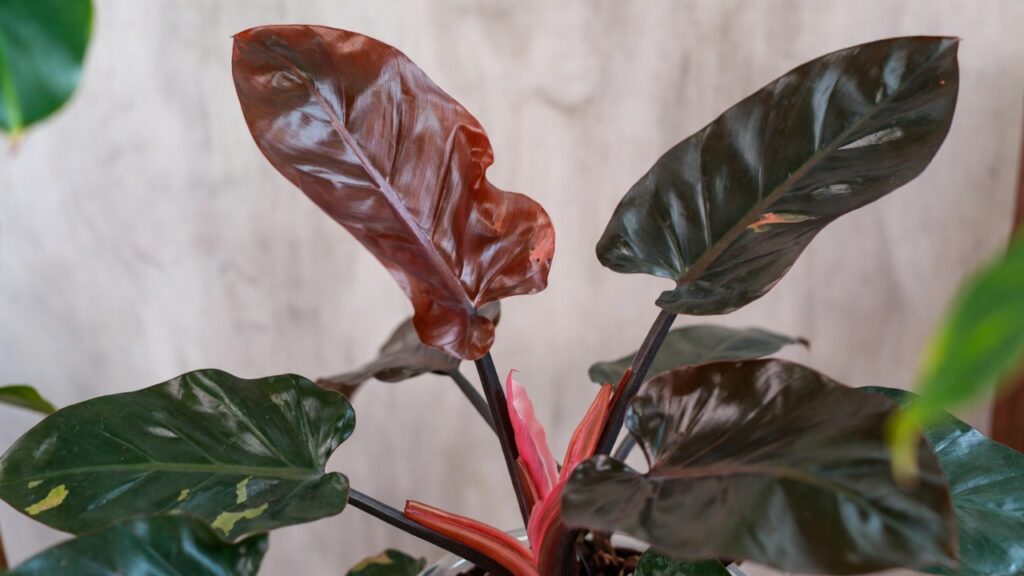
The White Princess Philodendron is one of the most recognizable varieties. It features glossy green leaves with sharp white splashes and streaks. Some plants also develop pink hues on stems or leaves.
Characteristics:
-
Compact growth habit
-
Highly decorative variegation
-
Ideal for indoor plant shelves
Philodendron White Knight
The White Knight Philodendron is another collector favorite known for its bold contrast.
Key features include:
-
Dark green leaves with large white patches
-
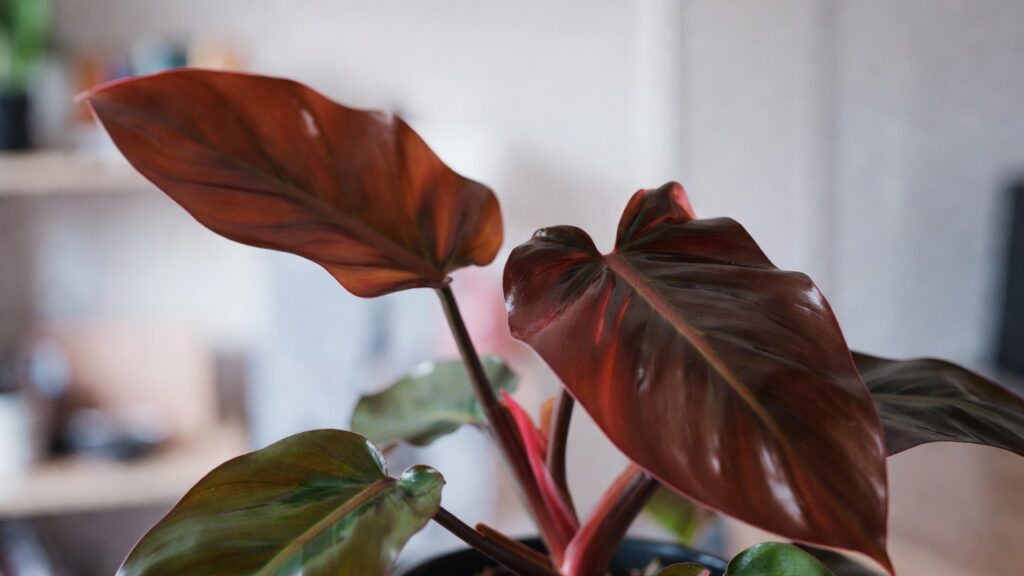
Deep burgundy stems
-
Strong climbing growth habit
Because of its striking appearance, this variety is often considered one of the most valuable white philodendrons.
Philodendron White Wizard
The White Wizard Philodendron is slightly rarer and can be identified by its clean white variegation and green stems without pink tones.
It grows larger leaves than the White Princess and develops a more dramatic appearance as it matures.
Philodendron Birkin
While not completely white, the Philodendron Birkin produces thin white pinstripes across its leaves, giving it a unique look.
Unlike the other varieties, Birkin is:
-
More stable genetically
-
Easier to grow
-
Widely available in plant stores
Why White Philodendrons Are Rare and Expensive
If you’ve ever searched online for a white philodendron, you may have noticed that prices can be surprisingly high.
There are several reasons for this.
1. Genetic Mutation
White variegation is caused by a natural mutation, which means it cannot always be reproduced consistently.
Growers must carefully select and propagate plants with stable variegation.
2. Slower Growth
Because the white parts of the leaves lack chlorophyll, the plant produces less energy.
This results in:
-
Slower growth
-
Fewer leaves
-
Longer propagation times
3. High Demand
Houseplant collecting has exploded in popularity over the past few years. Rare plants like the white philodendron have become highly desirable statement plants, driving up demand and prices.
White Philodendron Plant Profile
Before diving into detailed care instructions, here’s a quick overview of the plant’s basic requirements.
| Feature | Details |
|---|---|
| Botanical Name | Philodendron species (variegated varieties) |
| Plant Type | Tropical houseplant |
| Mature Size | 2–5 feet indoors |
| Light Requirements | Bright indirect light |
| Water Needs | Moderate |
| Soil Type | Well-draining, airy mix |
| Humidity | High (60–80%) |
| Growth Rate | Moderate to slow |
| Toxicity | Toxic to pets if ingested |
Understanding these basic needs will help you create the ideal indoor environment for your plant.
Ideal Growing Conditions for White Philodendron
Providing the right environment is the single most important factor in maintaining a healthy white philodendron.
Because of its reduced chlorophyll, this plant is more sensitive to environmental changes than regular philodendrons.
Light Requirements
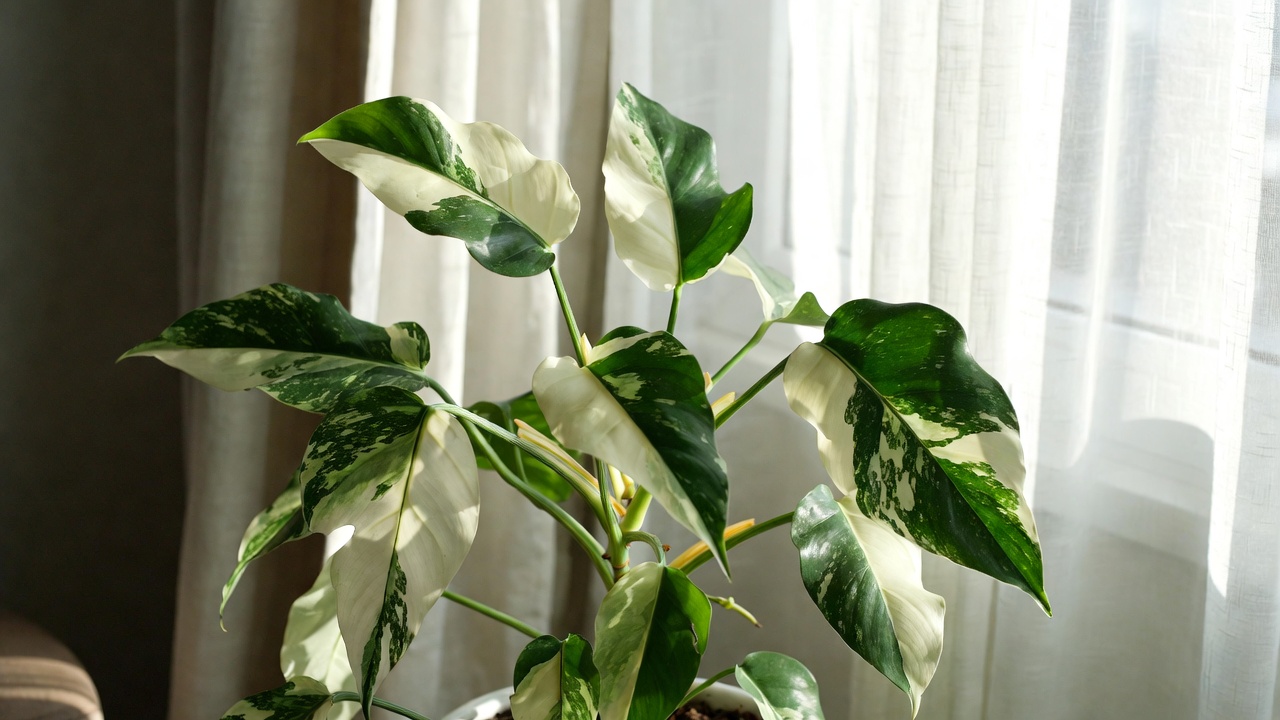
Light is the most critical factor for maintaining strong variegation.
A white philodendron thrives in bright, indirect light.
Best locations include:
-
Near an east-facing window
-
Near a north-facing window
-
A few feet away from a bright south window with sheer curtains
Avoid placing the plant in direct sunlight, as the white portions of the leaves burn easily.
Signs Your Plant Needs More Light
Your plant may need more light if you notice:
-
Leaves turning mostly green
-
Slow or stalled growth
-
Smaller leaves
Providing enough light helps maintain bold white variegation.
Temperature Needs
White philodendrons prefer warm indoor temperatures similar to their tropical rainforest origins.
Ideal temperature range:
65°F to 80°F (18°C–27°C)
Avoid:
-
Cold drafts
-
Air conditioners blowing directly on the plant
-
Temperatures below 55°F
Cold stress can cause leaf damage and slowed growth.
Humidity Requirements

Humidity is another critical factor.
Most homes have humidity levels around 30–40%, but white philodendrons prefer 60–80% humidity.
Low humidity can lead to:
-
Brown leaf edges
-
Crispy white patches
-
Stunted growth
Ways to Increase Humidity
You can improve humidity by:
-
Using a humidifier near your plant
-
Placing plants together in a group
-
Using a pebble tray with water
A humidifier is usually the most effective solution for maintaining healthy foliage.
Best Soil Mix for White Philodendron
White philodendrons require soil that balances moisture retention and drainage.
Heavy soil can cause root rot, while overly dry soil can stress the plant.
Characteristics of the Ideal Soil
The best soil mix should be:
-
Well-draining
-
Rich in organic matter
-
Light and airy
-
Slightly moisture-retentive
This mimics the loose forest soil these plants grow in naturally.
Recommended DIY Soil Mix
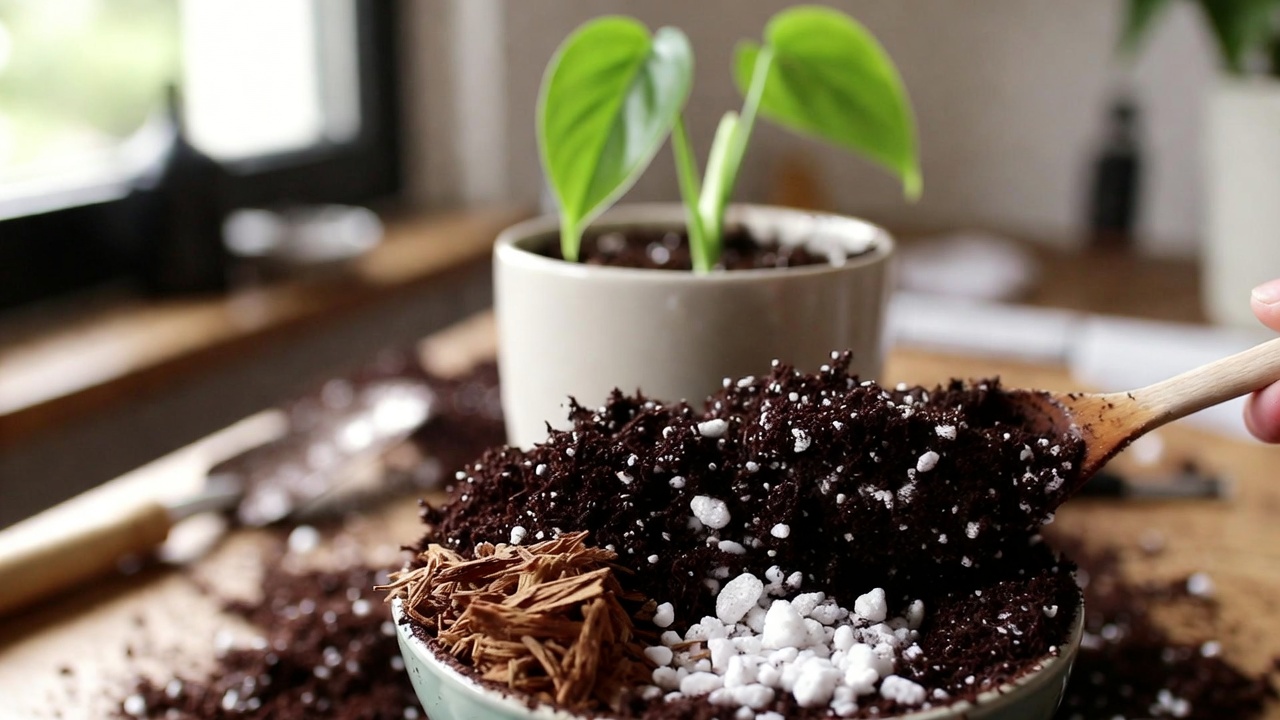
A great soil mix for white philodendrons includes:
-
40% high-quality potting soil
-
30% orchid bark
-
20% perlite
-
10% coco coir
This combination improves aeration while maintaining enough moisture for healthy roots.
Choosing the Right Pot
The pot you choose also affects plant health.
Best options include:
-
Plastic nursery pots (retain moisture)
-
Terracotta pots (allow faster drying)
Regardless of the type, drainage holes are essential to prevent water buildup.
How to Water a White Philodendron Properly
Watering mistakes are the most common reason white philodendrons decline indoors.
These plants prefer slightly moist soil but cannot tolerate soggy roots.
Correct Watering Schedule
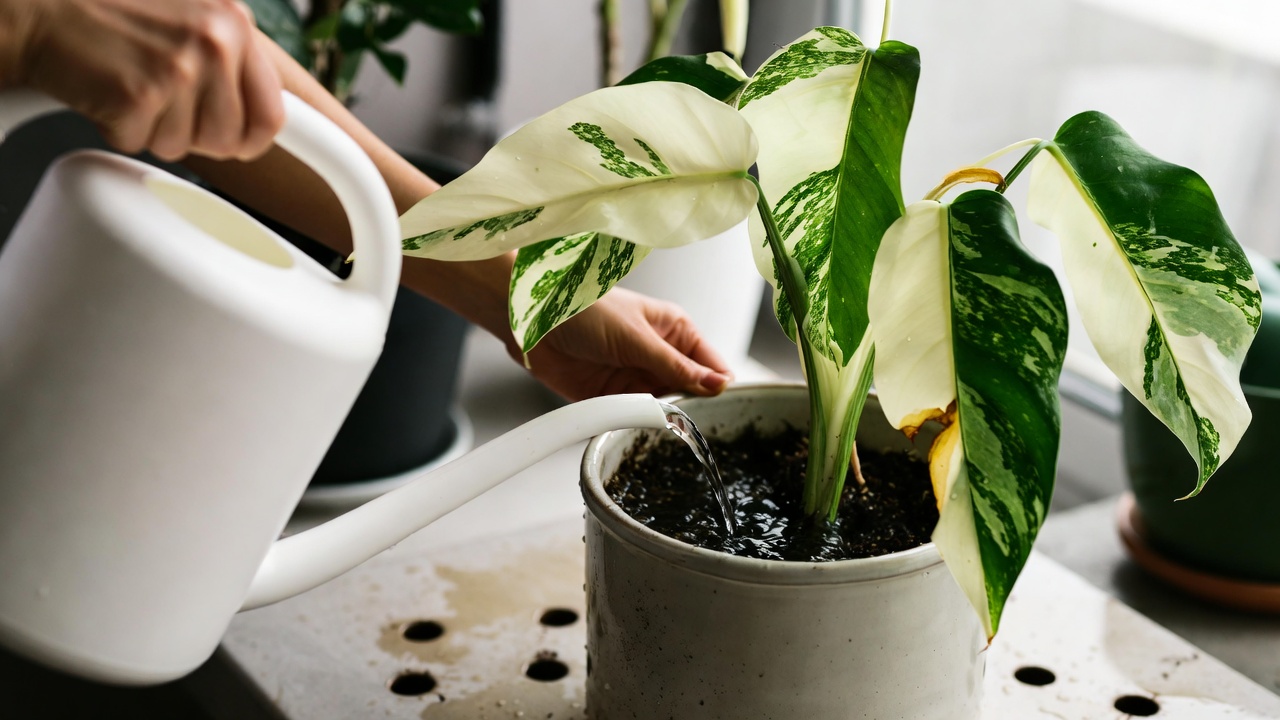
Instead of watering on a strict schedule, check the soil regularly.
Water when the top 1–2 inches of soil feel dry.
Typical frequency:
-
Spring and summer: every 5–7 days
-
Fall and winter: every 10–14 days
Always adjust watering based on:
-
humidity
-
temperature
-
light levels
Signs of Overwatering
Overwatering is extremely dangerous for philodendrons.
Common symptoms include:
-
Yellow leaves
-
Soft stems
-
Mushy roots
-
Foul-smelling soil
If root rot develops, immediate repotting may be necessary.
Signs of Underwatering
Underwatering can also stress the plant.
Watch for:
-
Drooping leaves
-
Dry soil pulling away from the pot
-
Crispy leaf edges
Consistent watering is key to maintaining a healthy plant.
Fertilizing White Philodendron for Healthy Growth
While white philodendrons grow slower than fully green plants, they still benefit from regular feeding during the active growing season. Proper fertilization helps support healthy roots, vibrant foliage, and steady leaf production.
However, because these plants grow more slowly, overfertilizing can easily damage them. A balanced approach works best.
Best Fertilizers for Variegated Philodendrons
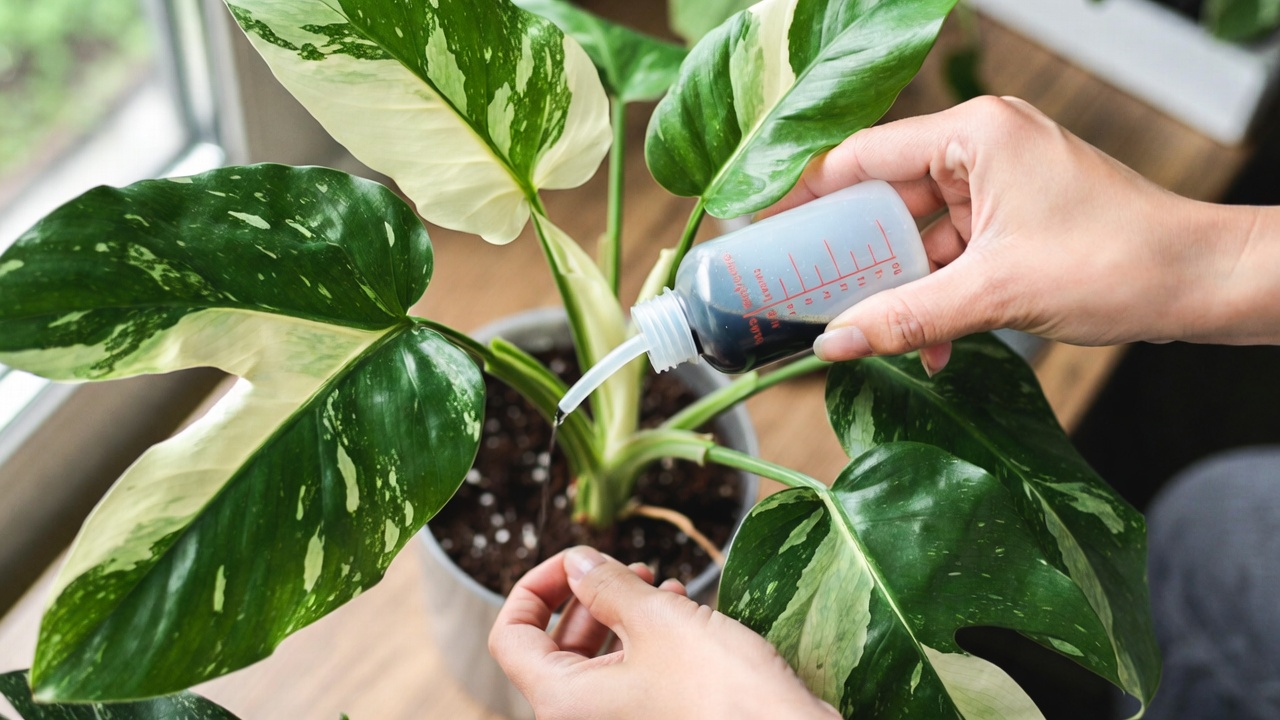
Choose a balanced liquid fertilizer designed for houseplants.
Good options include fertilizers with ratios like:
-
10-10-10
-
20-20-20
-
5-5-5 (gentler organic option)
These balanced formulas provide essential nutrients:
-
Nitrogen for leaf growth
-
Phosphorus for root development
-
Potassium for overall plant strength
Some plant enthusiasts also prefer organic fertilizers, such as worm castings or fish emulsion, which release nutrients more slowly.
Fertilizing Schedule
The best time to fertilize a white philodendron is during its active growing season, typically from spring through early fall.
Recommended schedule:
-
Fertilize every 4–6 weeks during spring and summer
-
Reduce feeding in autumn
-
Stop fertilizing in winter when growth slows
Always dilute liquid fertilizer to half strength to prevent nutrient burn.
Fertilizer Mistakes to Avoid
Even experienced plant owners sometimes make these mistakes:
Overfertilizing
Too much fertilizer can cause:
-
Burnt leaf tips
-
Salt buildup in soil
-
Root damage
Fertilizing a stressed plant
Avoid fertilizing if your plant is:
-
Recently repotted
-
Recovering from pests
-
Suffering from root rot
In these cases, allow the plant to recover before feeding again.
How to Maintain Strong White Variegation
One of the biggest concerns for plant owners is losing the beautiful white patterns that make this plant special.
Variegation can change over time depending on light conditions, genetics, and pruning.
The Role of Light in Variegation
Light has the greatest influence on variegation.
When a white philodendron receives insufficient light, it may produce more green leaves because the plant needs additional chlorophyll to survive.
To maintain bold white patterns:
-
Provide bright indirect light daily
-
Rotate the plant weekly for even exposure
Consistent lighting helps keep the plant balanced between white and green.
Pruning to Encourage Variegation
Pruning can help maintain the plant’s decorative appearance.
If a stem begins producing fully green leaves, you can prune it back to the last variegated node.
This encourages the plant to produce new growth with better variegation.
Use clean, sterilized pruning scissors to avoid introducing disease.
Why Too Much White Can Be a Problem
Interestingly, too much white variegation can also harm the plant.
Leaves that are mostly white have very little chlorophyll, meaning they cannot produce enough energy through photosynthesis.
Signs of excessive white foliage include:
-
Weak growth
-
Smaller leaves
-
Slower development
A healthy white philodendron typically has a balanced mix of green and white foliage.
White Philodendron Propagation Guide
Propagation allows plant lovers to grow new plants from an existing one. Fortunately, philodendrons are among the easiest houseplants to propagate.
The most reliable method is stem cutting propagation.
Propagation by Stem Cuttings
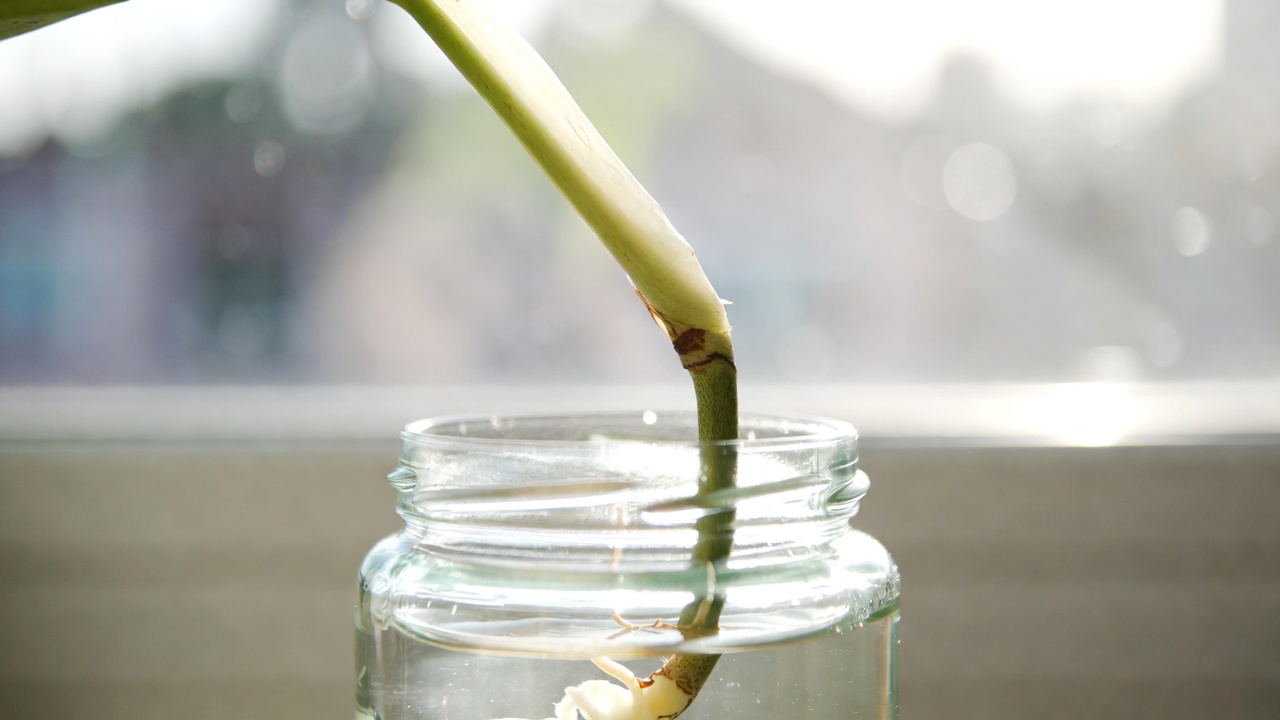
Follow these simple steps:
-
Choose a healthy stem with at least one node and one leaf
-
Use sterilized scissors to cut just below the node
-
Remove any lower leaves
-
Place the cutting in water, sphagnum moss, or soil
-
Keep the cutting in bright indirect light
Roots usually begin forming within 2–4 weeks.
Once roots reach about 2–3 inches long, the cutting can be planted in soil.
Water vs Moss Propagation
Both methods work well, but each has advantages.
Water propagation
Pros:
-
Easy to monitor root development
-
Beginner-friendly
Cons:
-
Roots may be slightly weaker when transferred to soil
Moss propagation
Pros:
-
Encourages stronger root systems
-
Closer to natural growing conditions
Cons:
-
Harder to monitor roots
Both techniques can produce healthy new plants.
How Long Propagation Takes
Propagation timelines vary depending on temperature and humidity.
Typical timeline:
-
Root formation: 2–4 weeks
-
Strong roots: 4–6 weeks
-
New leaf growth: 6–10 weeks
Patience is key when propagating rare plants like white philodendrons.
Common White Philodendron Problems and Solutions

Even well-cared-for plants occasionally develop problems. Identifying the cause early can prevent serious damage.
Leaves Turning Brown
Brown leaves are one of the most common concerns.
Possible causes include:
-
Low humidity
-
Excessive direct sunlight
-
Salt buildup from fertilizer
-
Irregular watering
Solution
-
Increase humidity levels
-
Move the plant away from direct sun
-
Flush soil occasionally with clean water
Losing White Variegation
If your plant begins producing mostly green leaves, the most common reason is insufficient light.
Solution
Move the plant closer to a bright window while still avoiding direct sun exposure.
Pruning fully green stems can also encourage more variegated growth.
Yellow Leaves
Yellowing leaves often indicate overwatering.
Other possible causes include:
-
Poor drainage
-
Root rot
-
Nutrient imbalance
Solution
-
Allow soil to dry slightly between waterings
-
Ensure the pot has drainage holes
-
Repot if root rot is present
Pest Issues
Like many indoor plants, white philodendrons can occasionally attract pests.
Common pests include:
-
Spider mites
-
Mealybugs
-
Aphids
-
Scale insects
Pest Treatment
Effective treatments include:
-
Neem oil spray
-
Insecticidal soap
-
Wiping leaves with diluted rubbing alcohol
Inspect your plant regularly to catch infestations early.
Repotting a White Philodendron
Repotting refreshes the soil and provides room for new root growth.
Most white philodendrons need repotting every 1–2 years.
Signs Your Plant Needs Repotting
Look for these indicators:
-
Roots growing out of drainage holes
-
Soil drying extremely fast
-
Stunted growth
-
Roots circling the inside of the pot
Step-by-Step Repotting Guide
-
Choose a pot 1–2 inches larger than the current one
-
Gently remove the plant from its pot
-
Loosen and inspect the roots
-
Trim any dead or rotten roots
-
Add fresh soil mix
-
Place the plant and fill with soil
-
Water lightly
Repotting is best done in spring or early summer when the plant is actively growing.
Styling and Display Ideas for Indoor Spaces
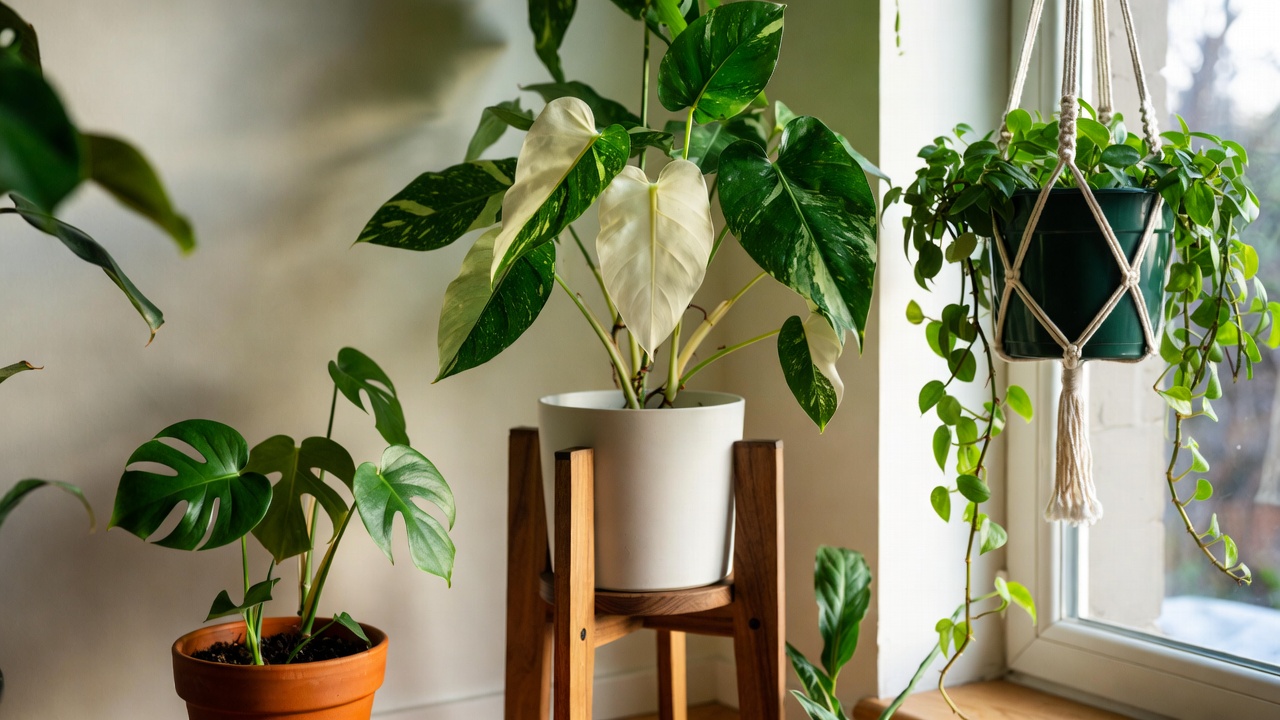
White philodendrons are not just plants—they are living decor pieces.
Their striking foliage makes them ideal focal points in interior design.
Best Places to Display a White Philodendron
Consider placing your plant in:
-
Living rooms with bright filtered light
-
Home offices
-
Decorative plant shelves
-
Bedroom corners with indirect sunlight
A simple ceramic or neutral pot can highlight the plant’s dramatic leaves.
Companion Plants
White philodendrons pair beautifully with other tropical houseplants, such as:
-
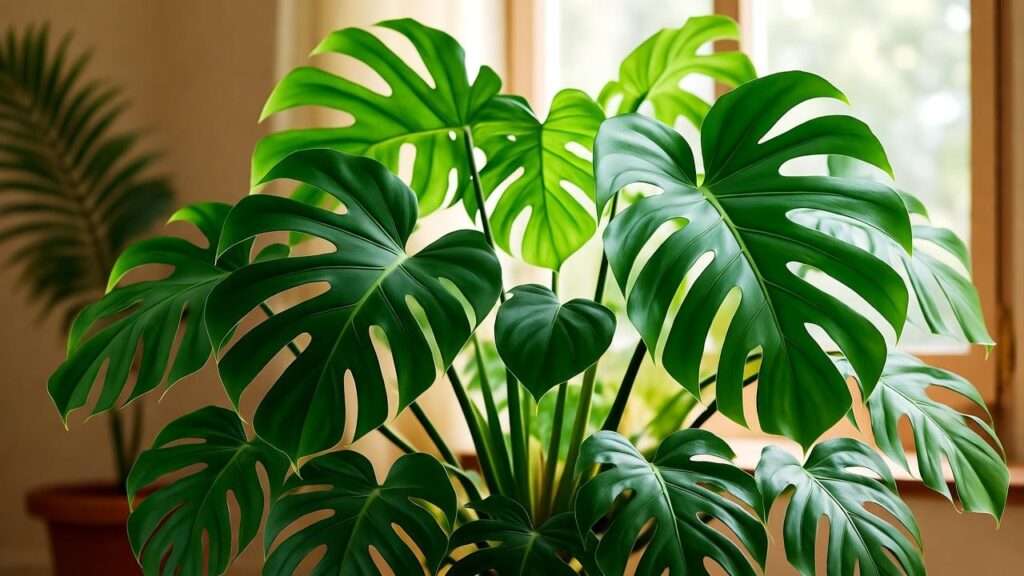
Monstera deliciosa
-
Pothos
-
Calathea
-
Ficus elastica (rubber plant)
Grouping plants together also helps increase humidity naturally.
Expert Tips for Growing a Healthy White Philodendron
Experienced indoor gardeners often follow a few additional techniques.
Here are some professional tips:
-
Rotate the plant every week to promote balanced growth
-
Clean leaves regularly with a damp cloth
-
Use filtered or rainwater if your tap water is hard
-
Avoid sudden environmental changes
Consistency is the key to keeping a white philodendron healthy and beautiful.
Frequently Asked Questions
Is a white philodendron rare?
Yes. Many white-variegated philodendrons are considered rare houseplants due to their genetic mutation and slower propagation rate.
Why are my white philodendron leaves turning brown?
The most common causes are low humidity, direct sunlight, or inconsistent watering.
How fast does a white philodendron grow?
White philodendrons generally grow slower than standard philodendrons because their variegated leaves produce less energy.
Can a white philodendron survive in low light?
It may survive in lower light conditions, but the plant will likely lose variegation and grow slowly. Bright indirect light is best.
Are white philodendrons toxic to pets?
Yes. Like most philodendrons, they contain calcium oxalate crystals, which can be toxic to cats and dogs if ingested.
Keep the plant out of reach of pets and children.
Final Thoughts: Is a White Philodendron Worth Growing?
A white philodendron is truly one of the most stunning houseplants you can grow indoors. Its dramatic variegated leaves bring elegance, contrast, and tropical beauty to any space.
While it does require slightly more attention than standard philodendrons, the effort is well worth it.
By focusing on the essentials—bright indirect light, proper watering, high humidity, and well-draining soil—you can enjoy a thriving plant that continues producing beautiful variegated foliage for years.
For plant lovers who enjoy rare and visually striking houseplants, the white philodendron is undoubtedly a rewarding addition to any indoor plant collection.