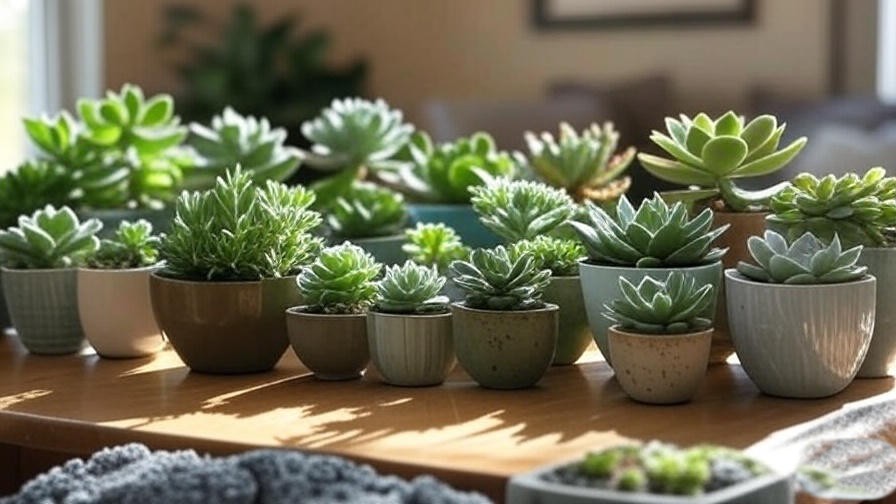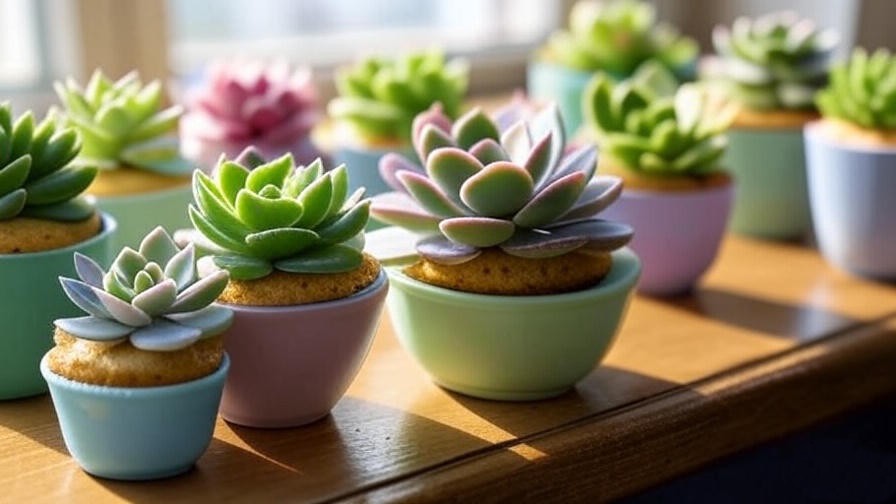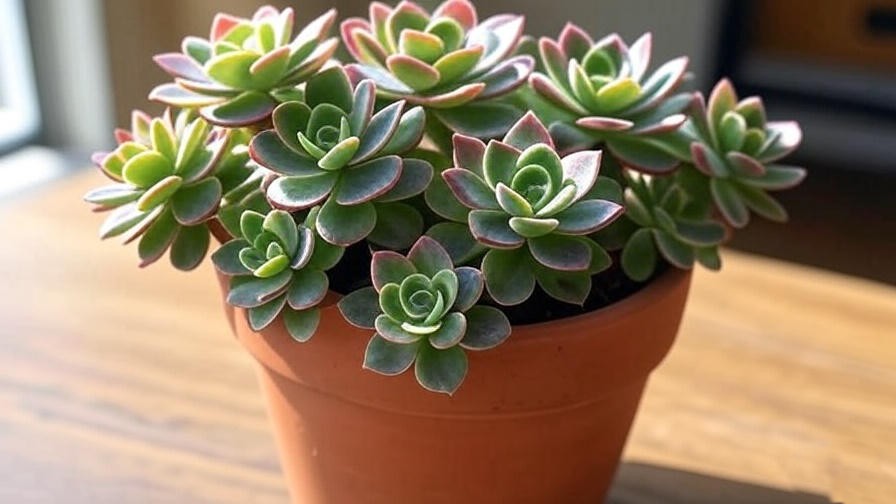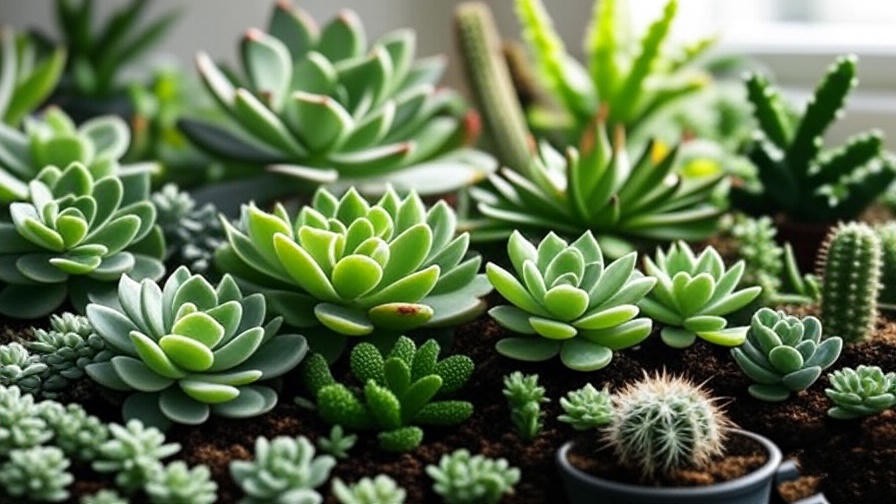
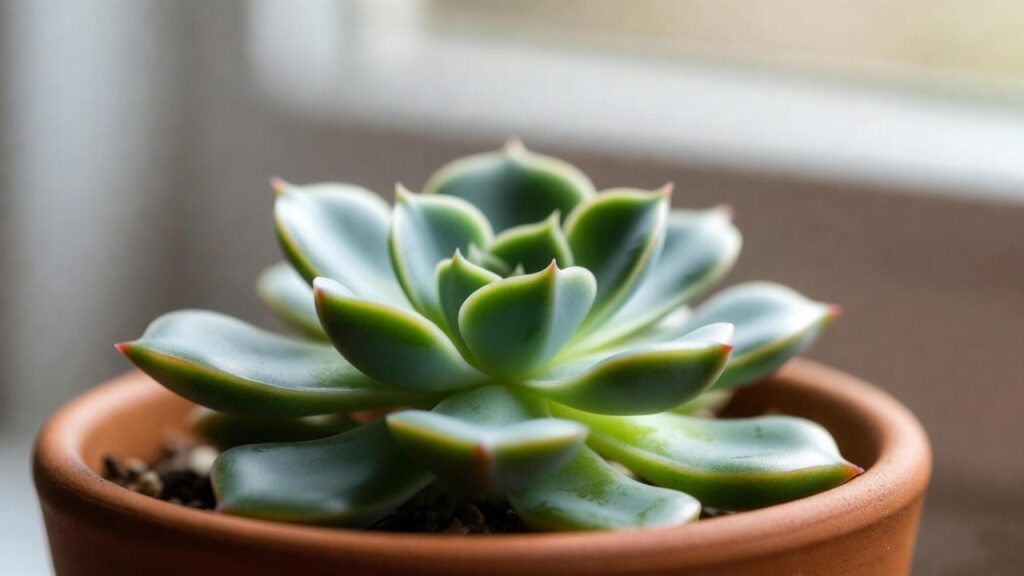
Imagine walking into a room where a single, beautifully arranged succulent with pot brings life, balance, and style to your entire space. These compact, low-maintenance plants do more than just purify the air — they elevate your décor, spark joy, and add a calming touch of nature to your home or office.
Yet, one common challenge remains: many people buy gorgeous succulents but pair them with the wrong pots — suffocating their roots, dulling their visual appeal, and reducing their lifespan. The truth is, the right pot can make or break your succulent’s beauty and health.
In this expert guide, you’ll discover ten stunning succulent with pot ideas that not only thrive indoors but also complement different home décor styles — from minimalism and modern design to cozy boho and rustic chic. Drawing on years of experience in indoor horticulture and plant styling, I’ll show you how to choose, style, and care for these green gems like a professional interior designer.
Why the Right Succulent with Pot Combination Matters
The Balance Between Design and Plant Health

A succulent isn’t just a plant — it’s a living sculpture. But even the most stunning succulent can suffer if paired with the wrong container. The pot plays a crucial role in the plant’s survival.
For example, pot size determines how freely roots can grow. Too small, and roots become cramped; too large, and soil stays wet for too long, causing root rot. Similarly, materials like terracotta and clay promote air circulation, while ceramic pots retain more moisture — ideal for arid climates or dry indoor environments.
When you’re curating a succulent display, always ensure your pots have proper drainage holes, use a fast-draining cactus mix, and avoid overwatering. These small details create the foundation for long-term plant health and beauty.
The Aesthetic Impact of Pots in Indoor Décor
Your pot choice is an extension of your design personality. Think of it as the frame that highlights your living artwork.
-
Modern Interiors: Clean lines, matte ceramics, and neutral colors like white, beige, or gray enhance minimalistic aesthetics.
-
Bohemian Vibes: Handmade clay pots, woven baskets, or colorful ceramics add warmth and texture.
-
Rustic Homes: Stoneware and distressed terracotta pots give a natural, grounded charm.
-
Industrial Spaces: Concrete and metallic pots offer contrast and visual interest.
By thoughtfully matching your pot style to your home’s design theme, your succulent with pot combination becomes more than décor — it becomes a statement piece.
Eco-Friendly and Sustainable Pot Options
Today’s plant enthusiasts aren’t just thinking about looks — sustainability matters, too. Consider biodegradable planters, recycled ceramic pots, or upcycled containers like tin cans and wooden boxes. Not only do they reduce waste, but they also add unique character to your plant display.
Using eco-conscious materials and organic potting soil also supports a healthier indoor ecosystem, benefiting both your plants and your living environment.
10 Beautiful Succulent with Pot Ideas for Every Indoor Space
Each combination below has been handpicked to balance design, function, and ease of care — ensuring you find the perfect match for your style and space.
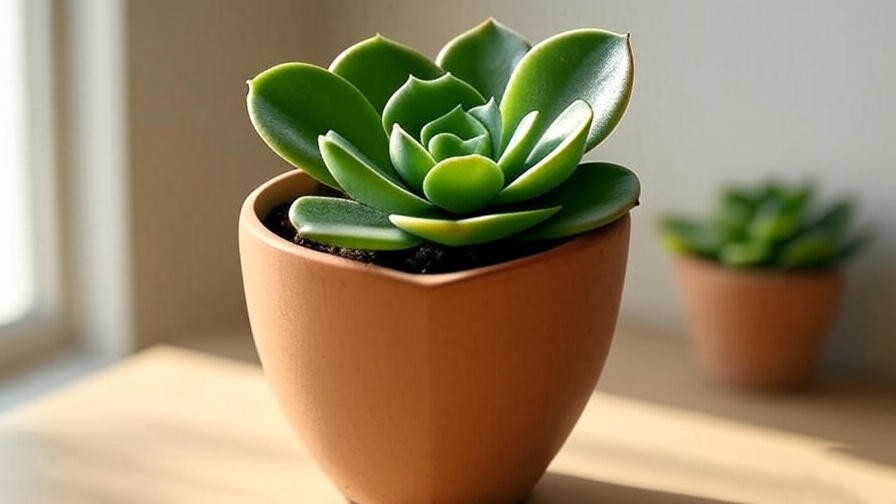
1. Mini Echeveria in a White Ceramic Pot – Timeless and Minimalist
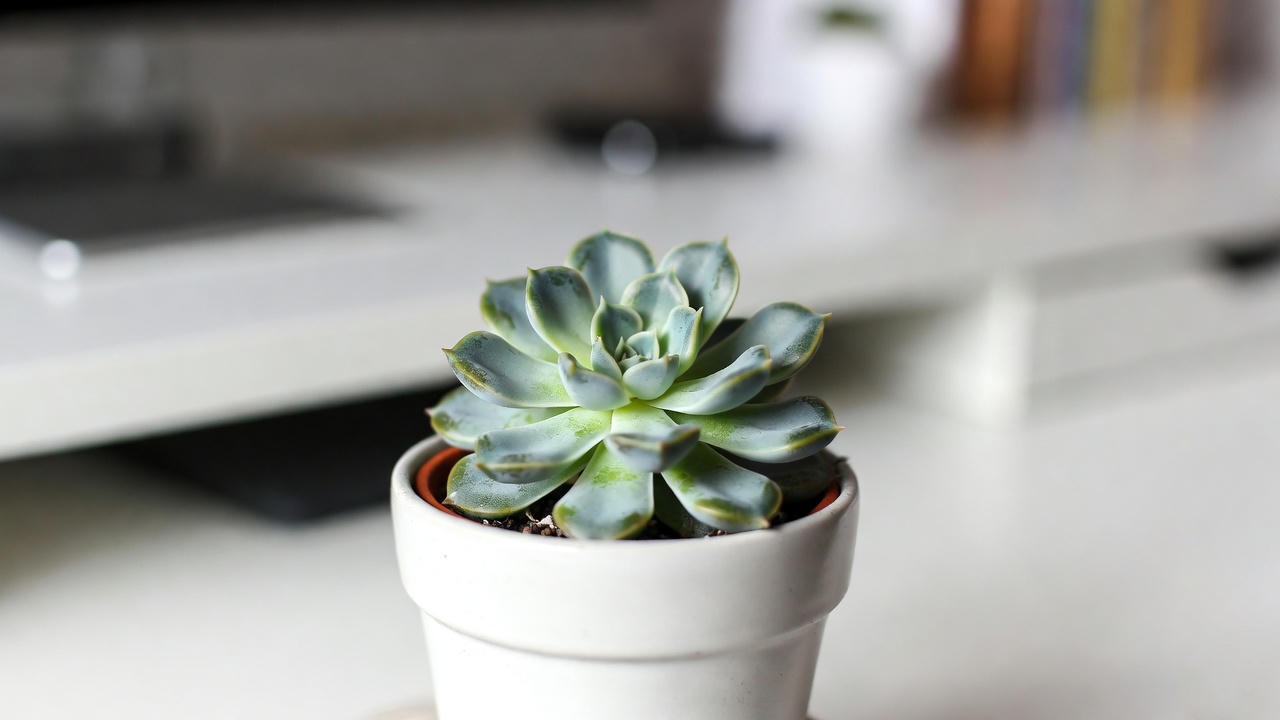
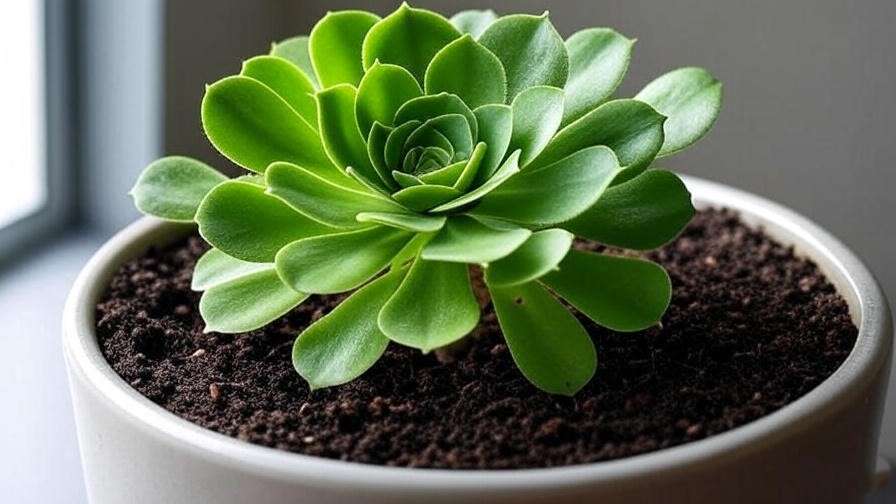
Echeverias are the darling of indoor gardeners for good reason: their rosette shape looks like nature’s art. When placed in a glossy or matte white ceramic pot, they exude calm sophistication.
Why it works:
-
Complements modern and Scandinavian interiors.
-
White pots amplify natural light, making spaces feel airy.
-
The neutral palette highlights the succulent’s pastel hues.
2. Aloe Vera in a Textured Clay Pot – Functional and Stylish
Beyond its healing properties, Aloe Vera brings structure and elegance to any room. A textured clay pot accentuates its spiky form and earthy vibe.
Why it works:
-
Clay ensures breathability and prevents overwatering.
-
Fits seamlessly in rustic, farmhouse, or natural interiors.
-
Adds both visual texture and practical use for skincare.
3. Haworthia in a Glass Terrarium – Perfect for Small Spaces
For apartment dwellers or desk décor enthusiasts, Haworthia is a dream plant. Its striped, geometric leaves look stunning in a glass terrarium — a minimalist showpiece.
Why it works:
-
Compact and slow-growing; ideal for shelves or desks.
-
Adds a clean, modern aesthetic.
-
Low maintenance and thrives in filtered light.
4. Jade Plant in a Terracotta Pot – The Symbol of Prosperity
Known as the “money plant,” the Jade Plant symbolizes wealth and success in Feng Shui. Pairing it with a terracotta pot not only enhances its earthy charm but also ensures perfect drainage.
Why it works:
-
Terracotta’s porous nature prevents root rot.
-
The warm color tones balance Jade’s deep green leaves.
-
Represents good luck — perfect for entryways or offices.
5. String of Pearls in a Hanging Pot – Elegant Vertical Décor
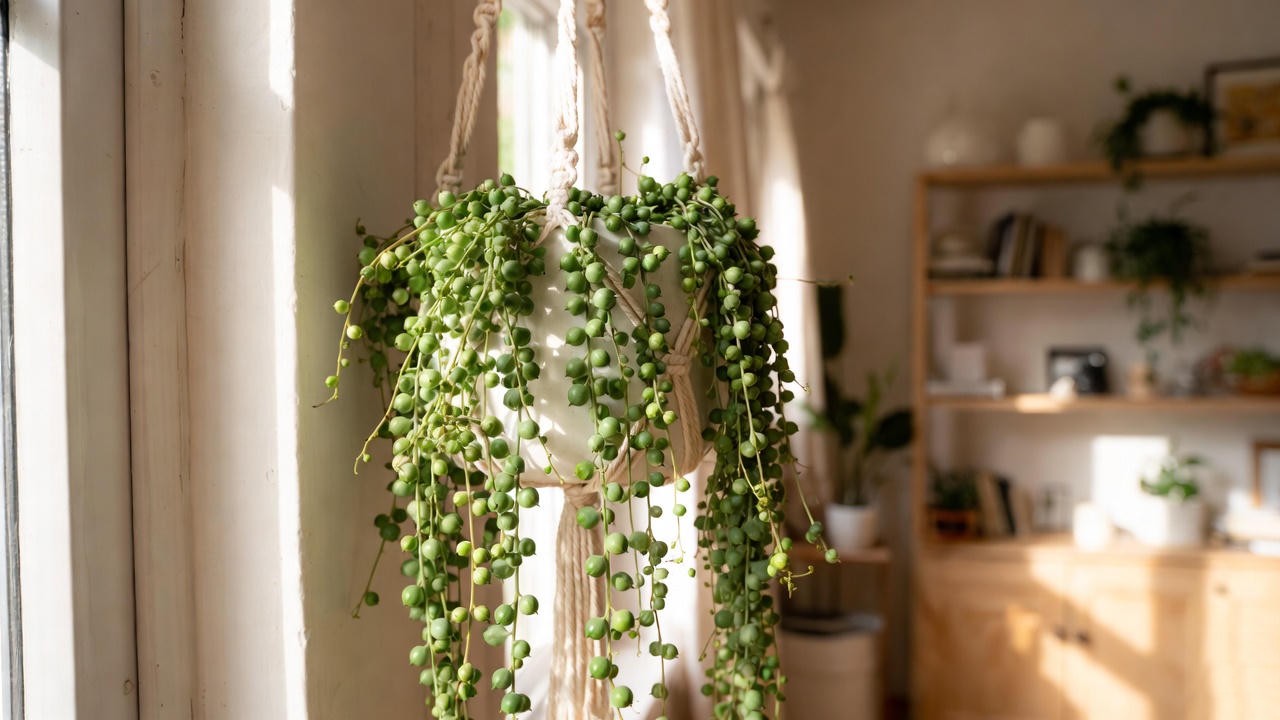
If you love graceful greenery, the String of Pearls (Senecio rowleyanus) in a hanging ceramic or macramé pot adds cascading elegance.
Why it works:
-
Introduces vertical greenery without cluttering surfaces.
-
Perfect for boho and artistic interiors.
-
Dramatic visual impact in corners or window spaces.
6. Zebra Plant in a Concrete Pot – Bold and Architectural
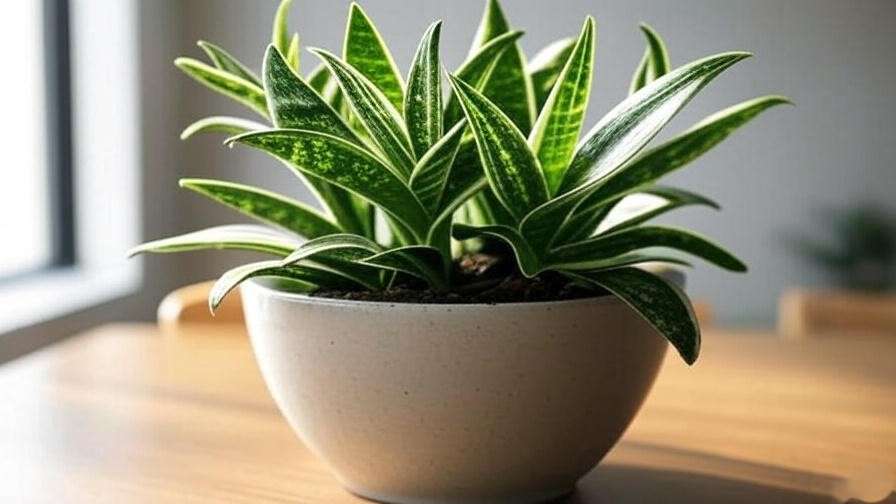
The Haworthiopsis fasciata, or Zebra Plant, brings striking contrast with its dark green leaves and white stripes. A concrete pot enhances this bold design with industrial flair.
Why it works:
-
Great for minimalist or urban interiors.
-
Concrete provides excellent stability for top-heavy plants.
-
Neutral gray color makes foliage pop.
7. Cactus Mix in a Colorful Hand-Painted Pot – Playful Accent Piece
Bright, hand-painted pots paired with mini cacti add personality and color to any space. They’re great conversation starters and mood boosters.
Why it works:
-
Adds vibrant contrast in neutral rooms.
-
Perfect for eclectic, youthful décor.
-
Cacti require minimal care — ideal for busy lifestyles.
8. Burro’s Tail in a Macramé Hanging Planter – Boho Chic Appeal
With its soft, trailing stems, Burro’s Tail (Sedum morganianum) shines in macramé planters that emphasize movement and natural fibers.
Why it works:
-
Adds depth and bohemian charm.
-
Perfect for corners or window nooks.
-
Combines texture, greenery, and artistry.
9. Snake Plant in a Matte Black Pot – Sleek and Air-Purifying
The Snake Plant (Sansevieria trifasciata) is famous for cleaning indoor air and tolerating neglect. Pair it with a matte black pot for a contemporary, high-contrast look.
Why it works:
-
Perfectly suits modern, minimalist, and office interiors.
-
The vertical growth pattern adds height and elegance.
-
Boosts indoor air quality by removing toxins.
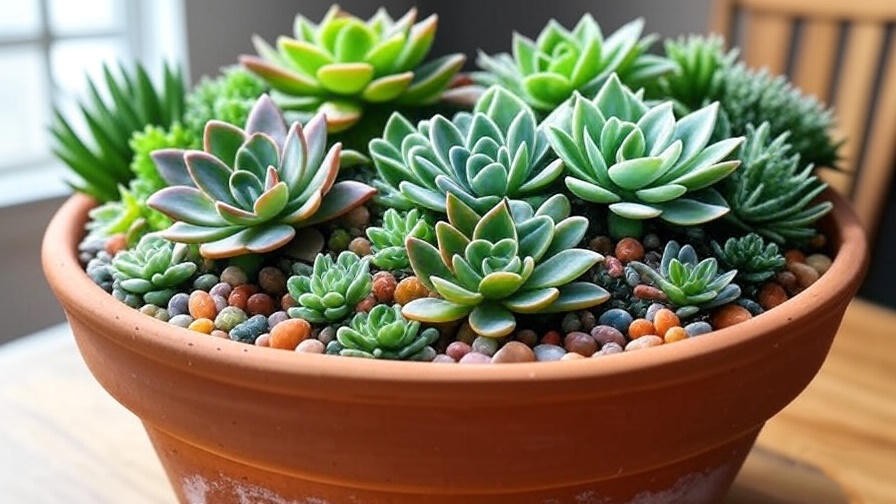
10. Mixed Succulent Arrangement in a Stone Bowl – Centerpiece Perfection
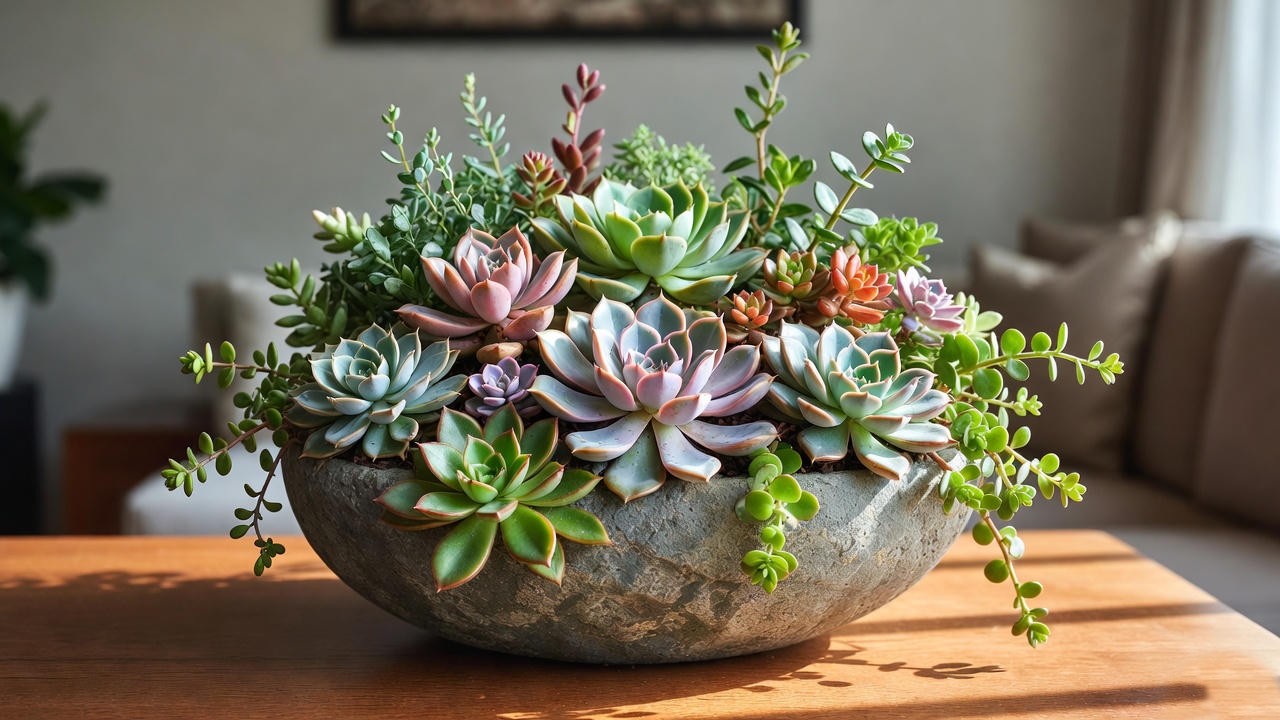
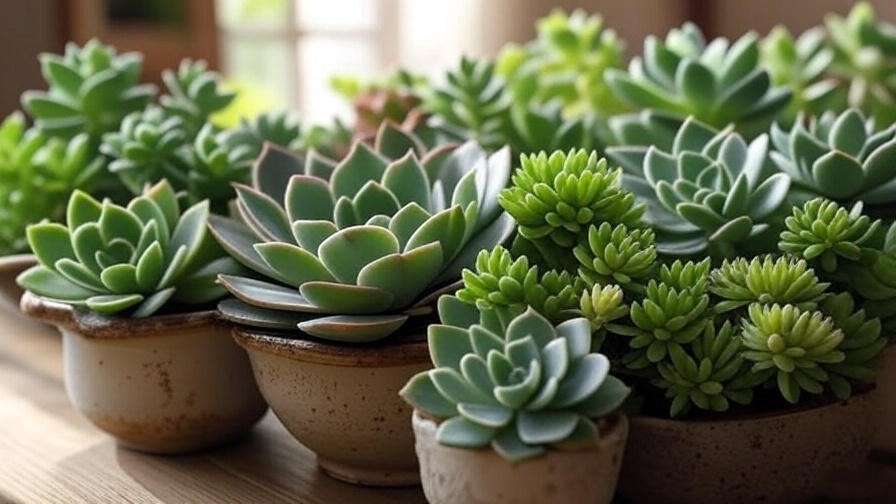
Combine varieties like Echeveria, Crassula, and Sedum in a wide stone or ceramic bowl for an eye-catching centerpiece that fits dining tables or coffee tables.
Why it works:
-
Creates visual interest through texture and color mix.
-
Perfect for living rooms and dining areas.
-
Can be themed seasonally — desert, tropical, or minimalist.
Expert Styling Tips to Enhance Your Succulent Display
When styled thoughtfully, your succulent with pot combinations can become living art pieces that elevate your entire room. Here’s how experts create visual balance, depth, and interest — all while keeping plant health top of mind.
How to Arrange Multiple Succulent with Pot Displays

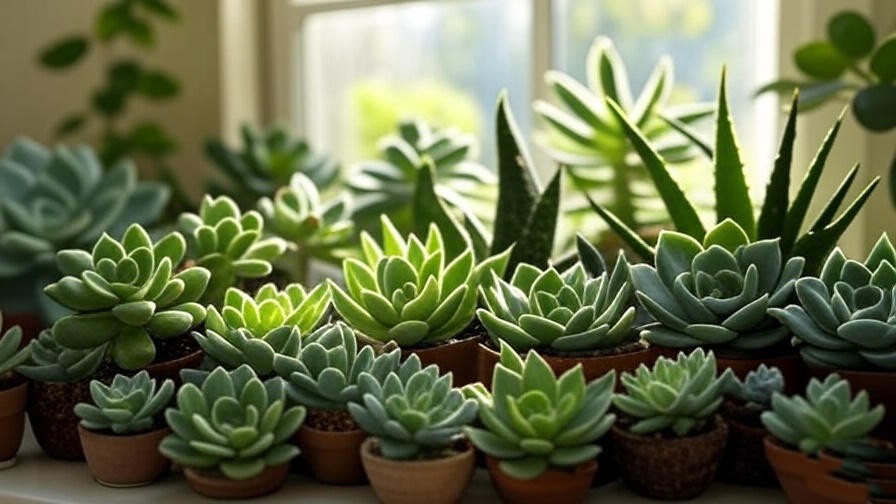
Grouping succulents together adds vibrancy and life to a room, but there’s an art to doing it right.
-
Group by Color Palette: Combine green succulents with soft pastels (like lilac Echeverias) for calm, cohesive tones.
-
Vary Heights and Shapes: Use tall snake plants alongside low-growing rosettes to create visual flow.
-
Play with Pot Styles: Mixing materials — ceramic, terracotta, and concrete — can enhance texture diversity.
-
Use Trays or Plant Stands: Placing succulents on wooden trays, metal stands, or tiered shelves adds dimension while protecting surfaces.
Lighting and Placement Secrets
Lighting is the most underestimated factor in succulent styling. Even the most beautiful succulent with pot display will lose its luster under poor lighting conditions.
-
Bright, Indirect Light: Most indoor succulents thrive near south or east-facing windows.
-
Artificial Grow Lights: For darker homes, LED grow lights with full-spectrum bulbs mimic sunlight effectively.
-
Rotate Regularly: Rotating your pots every two weeks prevents uneven growth and keeps arrangements symmetrical.
Adding Decorative Elements
For Instagram-worthy displays, professional stylists often layer extra elements around their succulents.
-
Add pebbles or gravel to the topsoil for a polished, finished look.
-
Use wooden trays or marble coasters as base accents.
-
Include driftwood, moss, or ceramic figurines to create mini landscapes.
-
For festive seasons, small fairy lights or themed decorations can make displays pop.
Common Mistakes to Avoid When Pairing Succulents and Pots
Even experienced plant lovers make a few of these classic errors. Avoiding them can mean the difference between a thriving plant and a wilted one.
-
Overwatering: Succulents store water in their leaves, so they need less frequent watering. Always let the soil dry out completely.
-
Poor Drainage: Decorative pots without drainage holes are tempting — but deadly for roots. Use inner nursery pots or add a gravel layer at the bottom.
-
Wrong Soil Mix: Regular garden soil retains too much moisture. Instead, use a succulent or cactus mix with perlite or sand.
-
Ignoring Pot Size: A pot that’s too big encourages root rot; one that’s too small stunts growth.
-
Lack of Sunlight: Even low-light succulents need some exposure to indirect light to stay vibrant.
Caring for Your Indoor Succulent with Pot

Succulents are often labeled as “easy-care plants,” but they still need consistency and understanding. Here’s how to keep yours lush and long-lasting.
Watering Schedule and Signs of Over/Underwatering
-
Overwatering: Mushy, translucent leaves and soft stems.
-
Underwatering: Wrinkled or shriveled leaves.
Best practice: Water only when the top 1–2 inches of soil are bone dry. Pour water evenly until it drains from the bottom. Discard excess water to prevent soggy roots.
Soil Mixes for Proper Drainage
The ideal mix combines:
-
50% cactus soil or potting mix
-
30% coarse sand
-
20% perlite or pumice
This blend promotes airflow and prevents compaction, allowing roots to breathe.
Fertilizing and Seasonal Adjustments
Feed succulents once every 2–3 months during spring and summer using a diluted, low-nitrogen fertilizer. Reduce feeding in fall and skip it during winter dormancy.
Keep succulents away from drafty windows or heating vents, as temperature fluctuations can cause stress.
Pest Prevention and Maintenance
While indoor succulents rarely attract pests, mealybugs and gnats can appear in humid conditions.
-
Wipe leaves with diluted neem oil once a month.
-
Remove dead leaves regularly to prevent mold.
-
Quarantine new plants before adding them to existing arrangements.
Regular observation and gentle cleaning maintain plant vitality and beauty.
Where to Buy the Best Succulent with Pot Sets
Finding high-quality succulents and stylish pots is easier than ever — you just need to know where to look.
Trusted Online Stores
-
The Sill: Offers curated succulent collections with designer pots.
-
Bloomscape: Known for healthy, well-packed live plants.
-
Etsy: Great for unique, handcrafted pots and artisanal planters.
-
Amazon & Wayfair: Excellent for bulk or budget-friendly options.
Local Nurseries and Artisan Pottery Shops
Supporting local businesses not only ensures fresher plants but also gives you access to one-of-a-kind handmade pots. You can feel the difference in quality and often get personalized care advice.
DIY Options
Love crafting? Create your own succulent with pot combination using:
-
Vintage mugs or teacups
-
Repurposed glass jars
-
Handmade clay or cement planters
-
Recycled wooden boxes
Personalized pots make thoughtful gifts and add authenticity to your home décor.
FAQs About Succulent with Pot Care and Styling
1. What is the best pot size for small succulents?
Choose a pot that’s about 10% wider than the succulent’s diameter to allow moderate root growth.
2. Can succulents survive in low-light rooms?
Yes — varieties like Snake Plant, Jade Plant, and Haworthia can thrive in moderate to low-light environments.
3. How often should I repot my succulent?
Repot every 1–2 years or when roots begin to outgrow the container. This refreshes soil nutrients and promotes healthier growth.
4. Are decorative pots without holes safe?
Only if you add a drainage layer (gravel, sand, or activated charcoal) and water sparingly.
5. What are the best indoor succulents for beginners?
Echeveria, Aloe Vera, Zebra Plant, and Snake Plant — all hardy and forgiving options.
Conclusion: Bring Nature and Style Together
A well-paired succulent with pot is more than décor — it’s a symbol of balance between nature and design. Whether you prefer minimalist ceramics, textured clay, or bold hand-painted pieces, the right combination reflects your personality and transforms your space into a living sanctuary.
Succulents remind us that beauty thrives in simplicity — that with the right care, even the smallest plant can bring joy, calm, and inspiration.