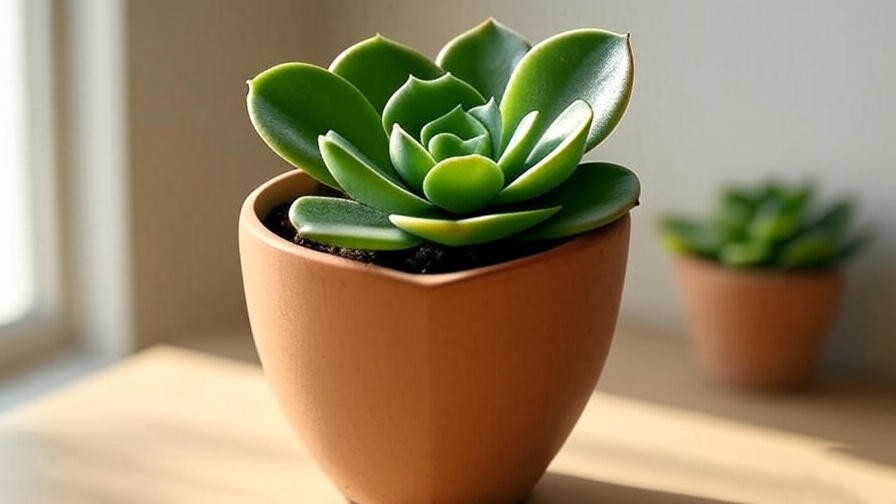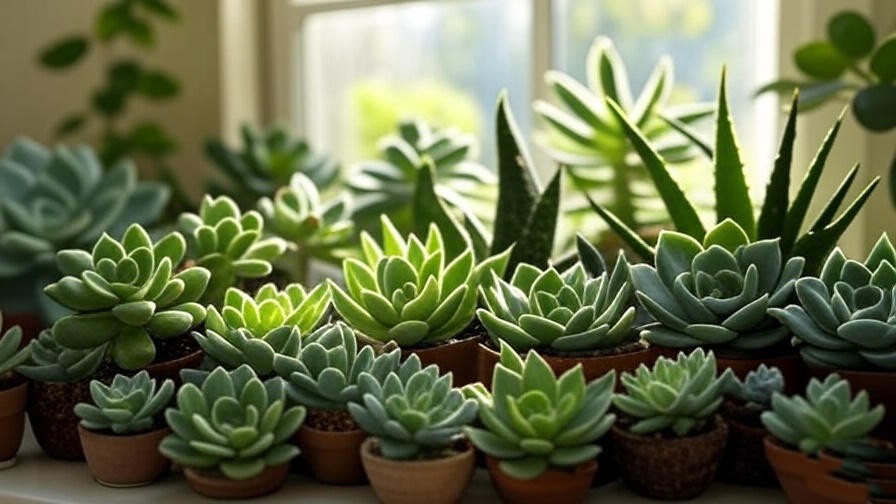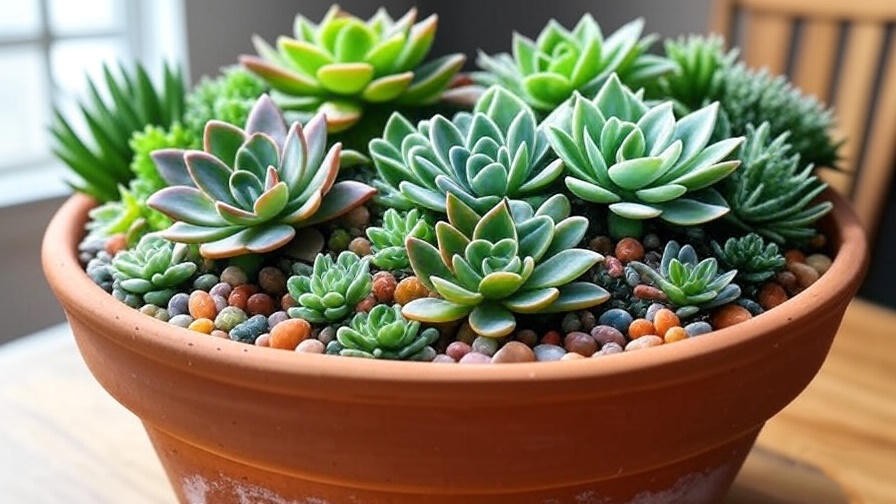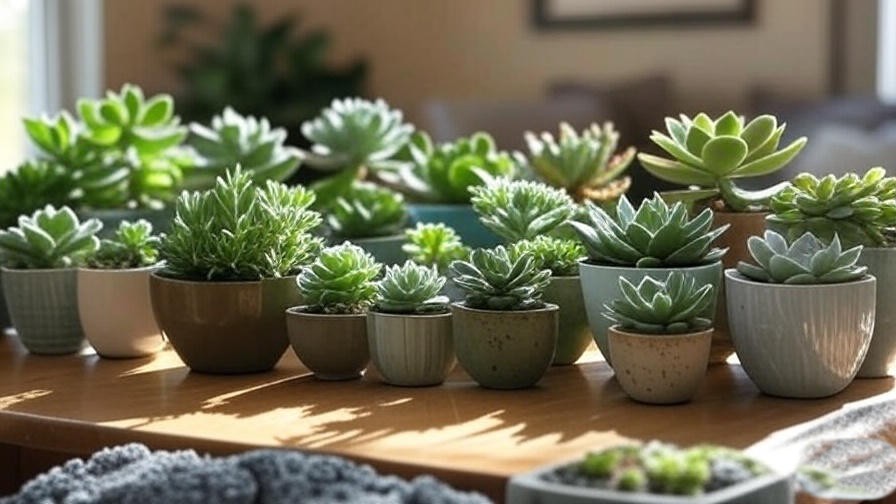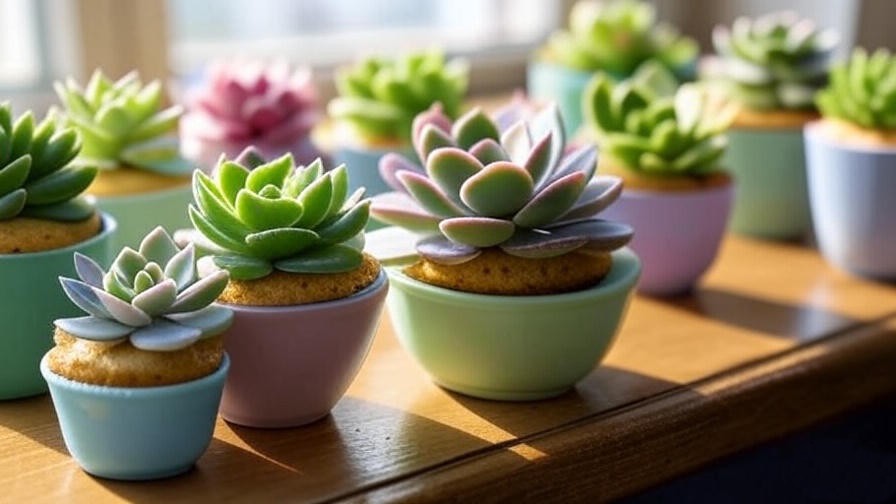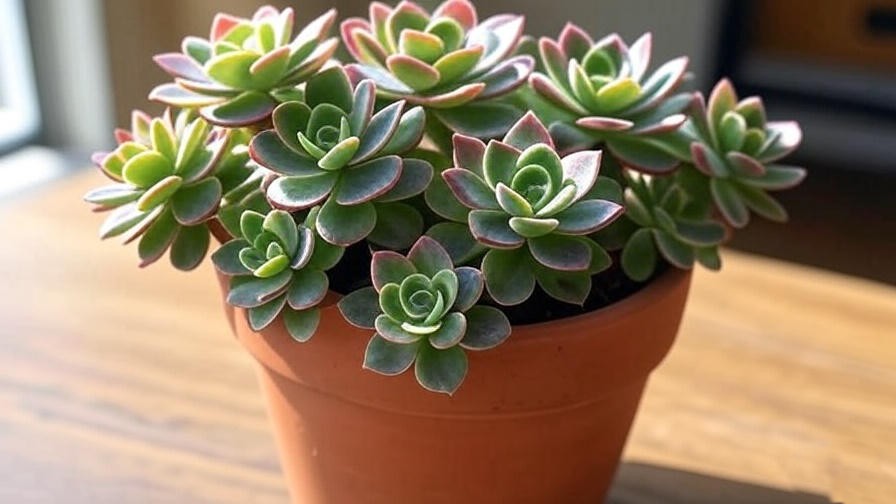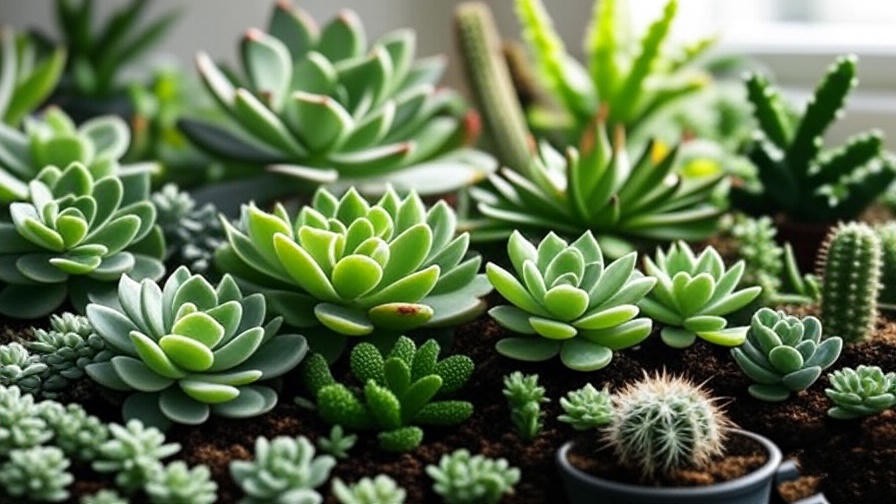
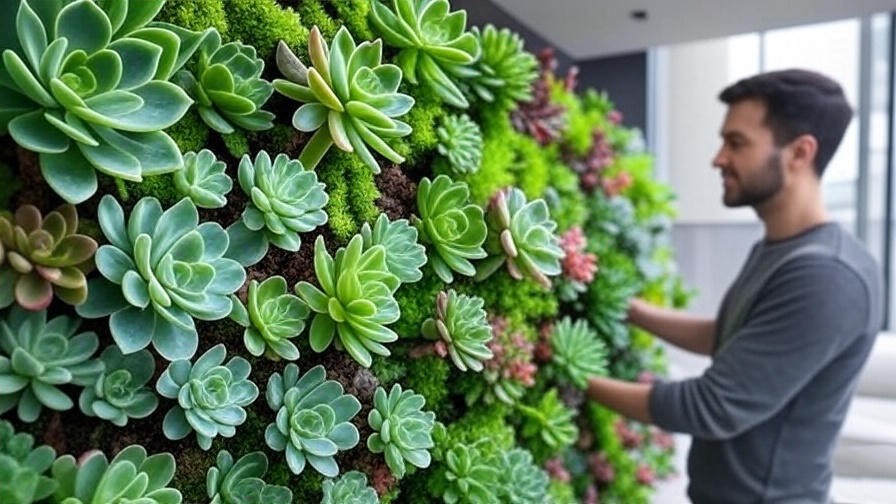
Picture this: a bare wall in your home transformed into a cascading tapestry of vibrant succulents, bursting with color and life, requiring only a fraction of the care of traditional houseplants. A succulent wall is not just a decor trend—it’s a game-changer for indoor plant enthusiasts craving a low-maintenance, space-saving solution that elevates any room’s aesthetic. Whether you’re a busy professional, a small-apartment dweller, or a seasoned gardener, a succulent wall offers a perfect blend of beauty and practicality. In this comprehensive guide, you’ll discover step-by-step instructions to design, build, and maintain a stunning succulent wall, with expert tips drawn from years of horticultural experience. By the end, you’ll have all the tools to create your own indoor oasis that’s both eco-friendly and effortlessly chic.
What Is a Succulent Wall and Why Choose One?
Defining a Succulent Wall
A succulent wall, often called a vertical garden or living wall, is an arrangement of succulents planted in a vertical frame or panel, creating a living piece of art. These drought-tolerant plants, known for their fleshy leaves and striking shapes, thrive in compact setups, making them ideal for vertical gardening. Originating from urban gardening trends and popularized by designers like Patrick Blanc, succulent walls have become a staple in modern interior design, offering a fresh take on indoor greenery.
Benefits of a Succulent Wall
Succulent walls are more than just eye candy. They offer a host of benefits that make them a top choice for indoor plant lovers:
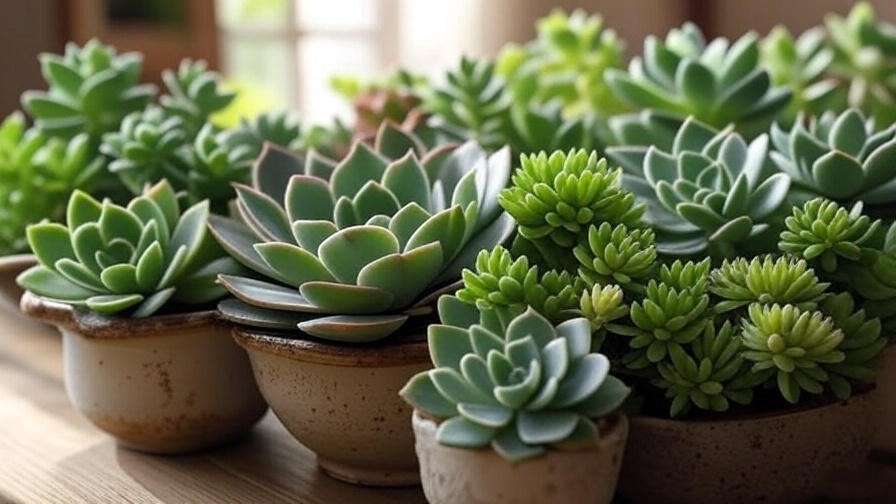
- Aesthetic Appeal: With their diverse colors (from dusty pinks to deep greens) and textures (rosettes, spikes, or trailing vines), succulent walls add a dynamic focal point to any room.
- Space-Saving: Perfect for small spaces, they utilize vertical surfaces, freeing up floor space for furniture or other decor.
- Low Maintenance: Succulents require minimal watering—often just once every 2–3 weeks—making them ideal for those with busy schedules.
- Air Purification: Studies, like NASA’s Clean Air Study, show that plants, including succulents, can improve indoor air quality by filtering pollutants.
- Mental Health Boost: Greenery has been linked to reduced stress and increased productivity, according to research from the University of Exeter.
Who Should Consider a Succulent Wall?
Succulent walls are perfect for anyone looking to add greenery without the hassle of high-maintenance plants. They’re especially suited for:
- Busy Professionals: Those with limited time for plant care.
- Apartment Dwellers: People in small spaces seeking to maximize decor impact.
- Eco-Conscious Homeowners: Individuals prioritizing sustainable, water-efficient gardening.
- Plant Enthusiasts: Gardeners eager to experiment with creative designs.
If you’ve ever struggled with limited space, time, or plant care expertise, a succulent wall is your solution.
Choosing the Right Succulents for Your Wall
Best Succulent Varieties for Vertical Gardens
Not all succulents are suited for vertical setups, but certain varieties shine in wall gardens. Here are some beginner-friendly options:
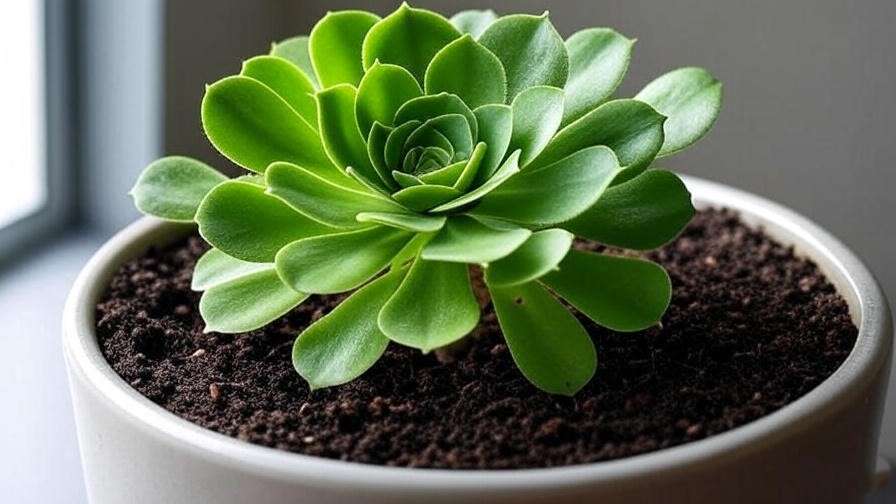
- Echeveria: Known for its rosette shape and vibrant colors (e.g., Echeveria ‘Lola’ with pale lavender hues).
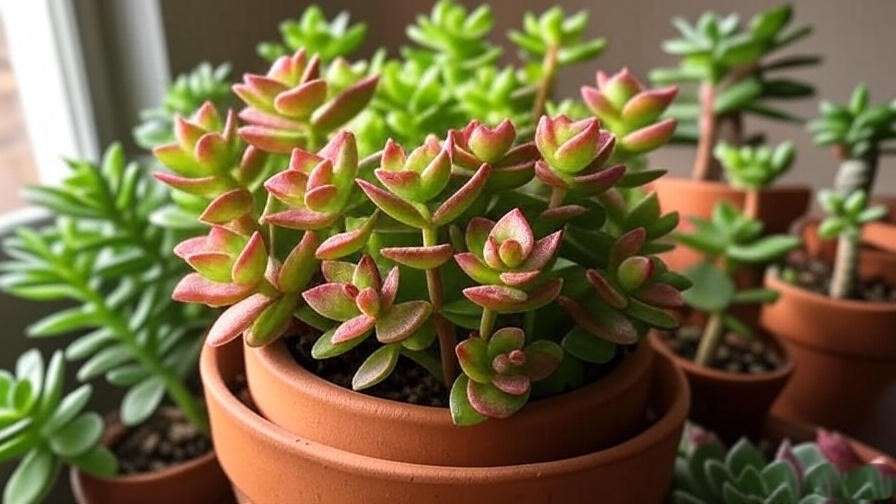
- Sedum: Compact and hardy, like Sedum ‘Burrito’ with its cascading, bead-like leaves.
- Sempervivum: Also called “hens and chicks,” these form tight clusters and tolerate varying light conditions.
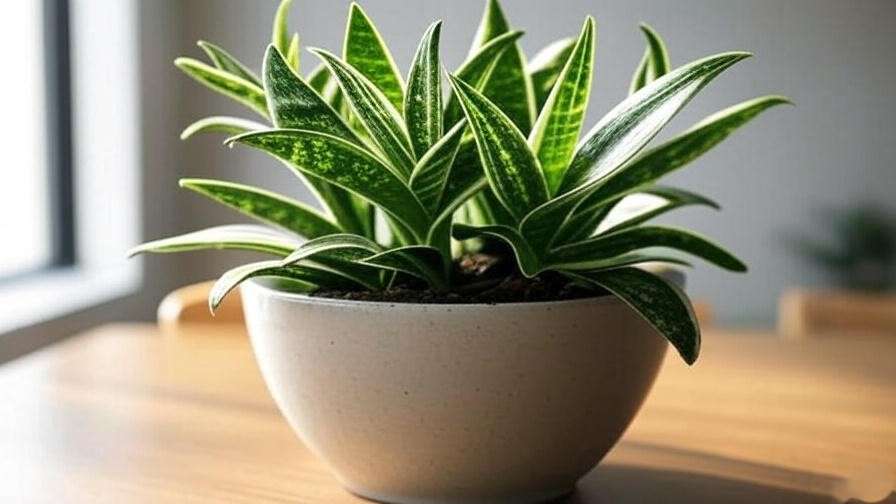
- Haworthia: Small, spiky succulents perfect for adding texture.
- Crassula: Includes trailing varieties like String of Pearls for a draping effect.
Expert Tip: Mix succulents with different shapes and colors—like rosette-shaped Echeveria paired with trailing Sedum—for a visually balanced design.

Factors to Consider When Selecting Succulents
To ensure your succulent wall thrives, consider these factors:
- Light Requirements: Most succulents need 6–8 hours of indirect sunlight daily. Assess your space’s lighting (south-facing windows are ideal) and choose varieties accordingly. For low-light areas, opt for Haworthia or Gasteria.
- Growth Patterns: Select compact or slow-growing succulents to avoid overcrowding. Fast-growing varieties like Crassula ovata may require frequent pruning.
- Climate Adaptability: Succulents prefer warm, dry conditions (60–80°F). If your home is humid, ensure good airflow to prevent rot.
Where to Source High-Quality Succulents
Quality matters when building a succulent wall. Source plants from:
- Local Nurseries: Check for healthy plants with firm, unblemished leaves.
- Online Retailers: Trusted platforms like Mountain Crest Gardens or Succulent Source offer a wide variety of healthy succulents.
- Garden Centers: Big-box stores like Home Depot often carry affordable options, but inspect for pests or overwatering.
Pro Tip: Before buying, check for signs of stress (e.g., soft, yellowing leaves or tiny bugs). Healthy succulents have plump, firm leaves and no discoloration.
Planning Your Succulent Wall
Assessing Your Space
Before diving in, evaluate your space to ensure it’s suitable for a succulent wall:
- Measure the Wall: Determine the size of your wall to choose an appropriately scaled frame. A 2×3-foot panel is a great starting point for beginners.
- Check Lighting: Succulents need bright, indirect light. Use a light meter app or observe sunlight patterns to confirm 6–8 hours of exposure.
- Wall Strength: Ensure the wall can support the weight of a planted frame (10–20 pounds for a small wall). Use sturdy anchors for mounting.
- Accessibility: Choose a spot where you can easily water and maintain the wall without disrupting your space.
Design Inspiration and Styles
Your succulent wall can reflect your personal style. Here are some popular design ideas:
- Minimalist: Use a sleek metal frame with monochromatic succulents for a clean, modern look.
- Bohemian: Incorporate driftwood or macramé accents with cascading succulents for a free-spirited vibe.
- Geometric: Arrange succulents in a grid or hexagonal pattern for a structured, contemporary design.
- Organic: Mix succulents with air plants or moss for a lush, natural aesthetic.
Example: A 3×4-foot succulent wall in a San Diego apartment used Echeveria and Sedum in a circular pattern, creating a stunning focal point in a small living room.
Tools and Materials Needed
To build your succulent wall, gather these essentials:
- Frame or Panel: Wood, metal, or plastic frame (DIY or pre-made kits like those from Vertical Garden Supply).
- Backing Material: Wire mesh, landscape fabric, or felt to hold soil.
- Growing Medium: Cactus soil mixed with perlite or pumice for drainage.
- Succulents: 20–50 plants, depending on wall size.
- Mounting Hardware: Wall anchors, screws, or brackets.
- Optional: Drip irrigation system, grow lights for low-light spaces.
Budget Tip: Use reclaimed wood or recycled plastic for an eco-friendly, cost-effective frame.
Step-by-Step Guide to Building Your Succulent Wall
Step 1: Preparing the Frame or Panel
- Choose a frame size that fits your space (e.g., 2×2 feet for a small wall).
- Attach a sturdy backing like wire mesh or landscape fabric to hold the soil. Secure it with staples or glue.
- Add a second layer of backing to create a pocket for soil and plants.
Expert Tip: Ensure the frame is waterproofed (e.g., with sealant) to prevent damage from moisture.

Step 2: Choosing and Preparing the Growing Medium
Succulents need well-draining soil to thrive vertically. Mix:
- 50% cactus potting soil
- 30% perlite or pumice
- 20% coarse sand
Fill the frame’s backing pocket with this mix, ensuring it’s compact but not overly tight. This prevents soil from spilling when the wall is hung.
Step 3: Planting Your Succulents
- Plan your design on paper or lay out plants on a table to visualize the arrangement.
- Insert succulents into the backing, securing roots in the soil. Space plants 2–3 inches apart to allow growth.
- Mix textures and colors for balance (e.g., rosettes in the center, trailing succulents along edges).
Expert Tip: Let the planted frame lie flat for 2–4 weeks to allow roots to establish before hanging.
Step 4: Installing the Wall
- Choose a mounting method: wall anchors for drywall, brackets for heavier frames.
- Ensure the wall is level using a spirit level.
- Protect the wall behind with a waterproof barrier (e.g., plastic sheeting) to prevent water damage.
Safety Note: For large walls (>3×3 feet), consult a professional to ensure structural integrity.

Step 5: Optional Irrigation Systems
For larger walls, consider a drip irrigation system:
- Pros: Saves time, ensures even watering.
- Cons: Higher cost, requires setup expertise.
- Alternative: Hand-water with a spray bottle or watering can, misting lightly every 2–3 weeks.
Maintaining Your Succulent Wall
Watering and Feeding
Succulents are low-maintenance but require careful watering:
- Frequency: Water every 2–3 weeks, depending on humidity. Check soil dryness before watering.
- Method: Mist lightly or use a watering can with a narrow spout to target soil without soaking the frame.
- Fertilizing: Apply diluted cactus fertilizer (1/4 strength) once every 2–3 months during the growing season (spring/summer).
Pro Tip: Overwatering is the top cause of succulent death. If leaves feel mushy, reduce watering immediately.

Light and Temperature Requirements
- Light: Provide 6–8 hours of indirect sunlight or supplement with grow lights (e.g., LED grow panels set to 12–14 hours daily).
- Temperature: Maintain 60–80°F (15–27°C). Avoid placing near drafty windows or heating vents.
Pruning and Propagating
- Pruning: Trim leggy or overgrown succulents with clean, sharp scissors to maintain shape.
- Propagating: Use leaf or stem cuttings to grow new plants. Let cuttings callous for 1–2 days, then plant in moist soil.
Expert Insight: Propagation is a cost-effective way to replace dying plants or expand your wall.
Troubleshooting Common Issues
- Overwatering: Signs include yellow, mushy leaves. Solution: Reduce watering and improve drainage.
- Pests: Mealybugs or aphids may appear. Treat with neem oil or insecticidal soap.
- Leggy Growth: Caused by insufficient light. Move to a brighter spot or add grow lights.
Expert Tip: Regularly inspect your wall for early signs of stress, like leaf discoloration, to address issues promptly.
Enhancing Your Succulent Wall’s Appeal
Adding Decorative Elements
A succulent wall is already a showstopper, but a few thoughtful additions can elevate its charm:
- Fairy Lights: Weave warm-toned LED fairy lights through the succulents for a cozy, inviting glow, perfect for evening ambiance.
- Driftwood or Stones: Incorporate natural elements like driftwood pieces or smooth river rocks to add a rustic touch.
- Decorative Frames: Use a painted or stained wooden frame to complement your interior style, such as a white frame for a Scandinavian look or a reclaimed wood frame for a bohemian vibe.
- Seasonal Accents: Swap in small, non-invasive decorations like tiny pumpkins for fall or metallic ornaments for the holidays to keep the wall fresh year-round.
Pro Tip: Avoid heavy decorations that could damage the plants or frame. Ensure any additions are lightweight and securely fastened.

Pairing with Other Indoor Plants
To create a cohesive indoor jungle, consider pairing your succulent wall with other low-maintenance plants:
- Air Plants: Tillandsia varieties complement succulents with their unique shapes and minimal care needs. Tuck them into the frame’s edges for added texture.
- Ferns: Small ferns like maidenhair or button ferns add a soft, feathery contrast to the succulents’ structured forms.
- Pothos or Philodendrons: Use these trailing plants in nearby pots to create a layered, lush effect without overcrowding the wall.
Expert Insight: When mixing plants, ensure they have similar light and watering needs to simplify care. For example, pair succulents with air plants in bright, indirect light areas.
Showcasing Your Wall on Social Media
A stunning succulent wall deserves to be shared! Here’s how to make it Instagram- or Pinterest-worthy:
- Photography Tips: Shoot in natural light during the golden hour (early morning or late afternoon) for vibrant colors. Use a clean background to highlight the wall.
- Angles and Composition: Capture close-ups of unique succulents and wide shots to show the full design. Experiment with angles to emphasize texture.
- Hashtags: Use trending tags like #SucculentWall, #VerticalGarden, #IndoorPlants, and #PlantDecor to boost visibility.
- Engagement: Share your creation process in Instagram Stories or create a Pinterest board with your design inspirations to connect with plant enthusiasts.
Example: A Seattle-based plant lover gained 5,000 Instagram followers by posting weekly updates of their succulent wall, using hashtags and engaging with comments.
Environmental and Cost Benefits
Eco-Friendly Advantages
Succulent walls are not just beautiful—they’re sustainable:
- Low Water Use: Succulents require significantly less water than traditional plants, reducing your environmental footprint. For context, a succulent wall uses about 80% less water than a lawn of the same size.
- Air Purification: Like other plants, succulents absorb carbon dioxide and release oxygen, improving indoor air quality. Some varieties, like Aloe Vera, also filter volatile organic compounds (VOCs).
- Sustainable Materials: By using reclaimed wood, recycled plastic frames, or propagated succulents, you can minimize waste and support eco-friendly gardening.
Expert Insight: Succulent walls align with biophilic design principles, fostering a connection to nature that benefits both the environment and mental well-being.
Budgeting for Your Succulent Wall
Building a succulent wall can fit various budgets:
- DIY Costs: A small 2×2-foot wall can cost $50–$100, including a homemade frame ($10–$20), soil mix ($10), and 20–30 succulents ($2–$5 each). Tools like wire mesh and staples are often under $10.
- Pre-Made Kits: Vertical garden kits range from $100–$300, depending on size and quality. These include frames, backing, and sometimes irrigation systems.
- Ongoing Maintenance: Expect to spend $10–$20 annually on fertilizer and occasional plant replacements. Propagating your own succulents can reduce this cost to near zero.
Budget Tip: Start with cuttings from friends or local plant swaps to save on plant costs. Propagate extras to replace any plants that don’t thrive.

FAQs About Succulent Walls
Q1: How much time does it take to maintain a succulent wall?
A: A well-designed succulent wall requires just 1–2 hours per month for watering, pruning, and inspecting for pests. Automated irrigation systems can reduce this to under 30 minutes.
Q2: Can I create a succulent wall in a low-light apartment?
A: Yes! Use low-light-tolerant succulents like Haworthia or Gasteria and supplement with LED grow lights (12–14 hours daily) to mimic natural sunlight.
Q3: What’s the best way to water a vertical succulent garden?
A: Mist lightly with a spray bottle or use a watering can with a narrow spout every 2–3 weeks. Ensure water reaches the soil without soaking the frame.
Q4: How long do succulent walls last?
A: With proper care, succulent walls can thrive for 5–10 years or more. Regular pruning and propagation help maintain their appearance over time.
Q5: Are succulent walls safe for pets and children?
A: Most succulents are non-toxic, but some (e.g., Euphorbia) can be irritating if ingested. Check the ASPCA’s plant toxicity list and place the wall out of reach if needed.
Expert Note: These answers are based on extensive experience designing and maintaining succulent walls for homes and businesses, ensuring practical and reliable advice.
Conclusion
A succulent wall is more than a decor statement—it’s a low-maintenance, eco-friendly way to bring nature into your home. From selecting vibrant succulents to building a sturdy frame and maintaining your living masterpiece, this guide has equipped you with everything you need to create a stunning indoor oasis. With years of horticultural expertise behind these tips, you can trust that your succulent wall will thrive with minimal effort. Ready to transform your space? Start your succulent wall project today, share your creation with the #SucculentWall community, or explore more indoor plant ideas on our website. Have questions or want personalized advice? Drop a comment below, and let’s grow together!