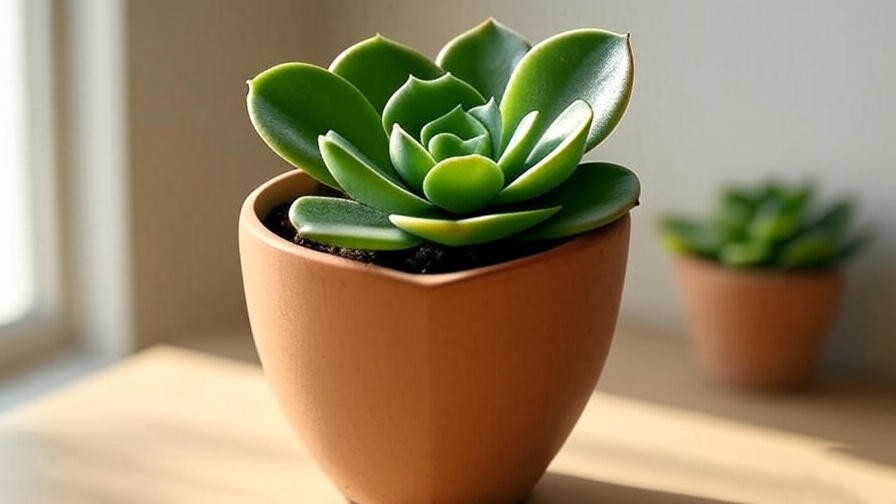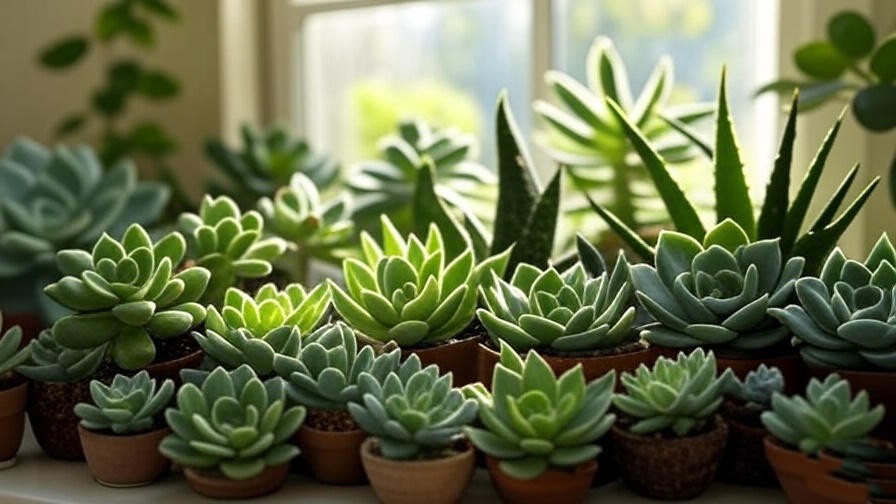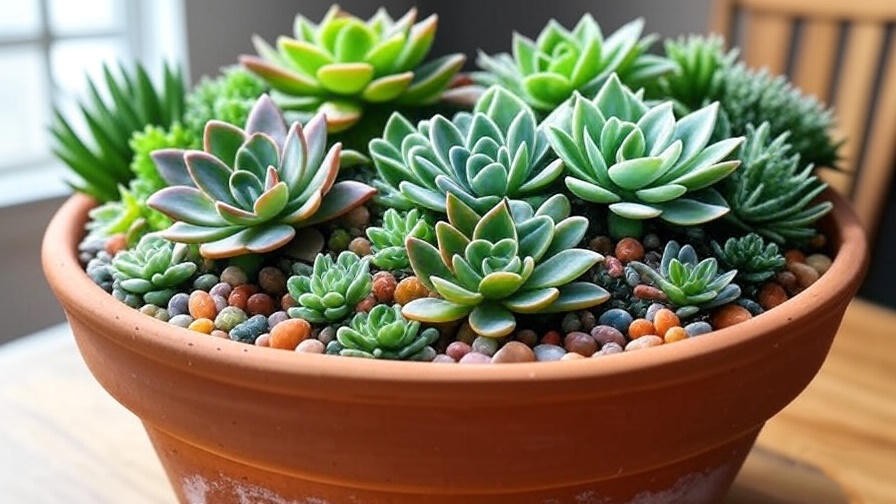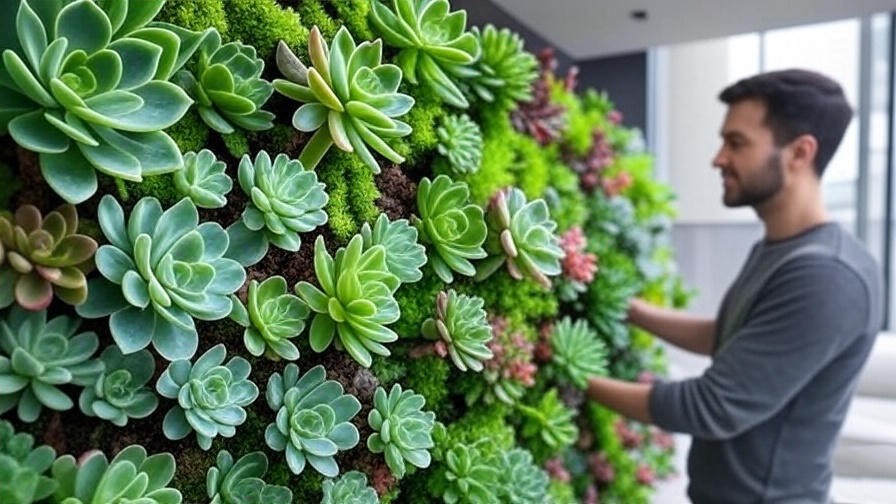
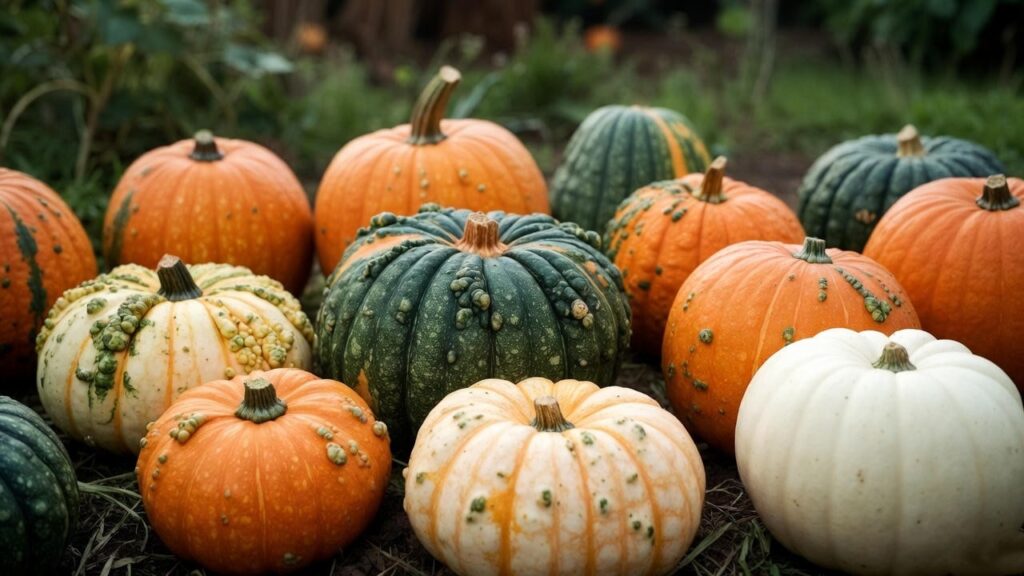
Imagine walking into a cozy, sunlit living room where the coffee table centerpiece isn’t a wilting bouquet or a fading candle — but a stunning, living sculpture of greenery perched atop a soft-toned pumpkin. This elegant blend of nature and design is what’s making succulent pumpkins one of the hottest indoor plant décor trends of the year.
In the world of indoor plants, enthusiasts and decorators alike are embracing this creative fusion — where succulents’ timeless appeal meets the seasonal charm of pumpkins. Whether you’re decorating for autumn, Thanksgiving, or simply want a fresh and sustainable way to bring greenery indoors, succulent pumpkins offer the perfect solution. They’re stylish, low-maintenance, and surprisingly easy to make — even for beginners.
In this guide, we’ll explore everything you need to know about succulent pumpkins: what they are, why they’ve become a home décor sensation, how to create your own, and how to keep them thriving for months. By the end, you’ll have expert-backed knowledge and inspiration to craft a stunning living centerpiece that perfectly complements your indoor space.
What Are Succulent Pumpkins?
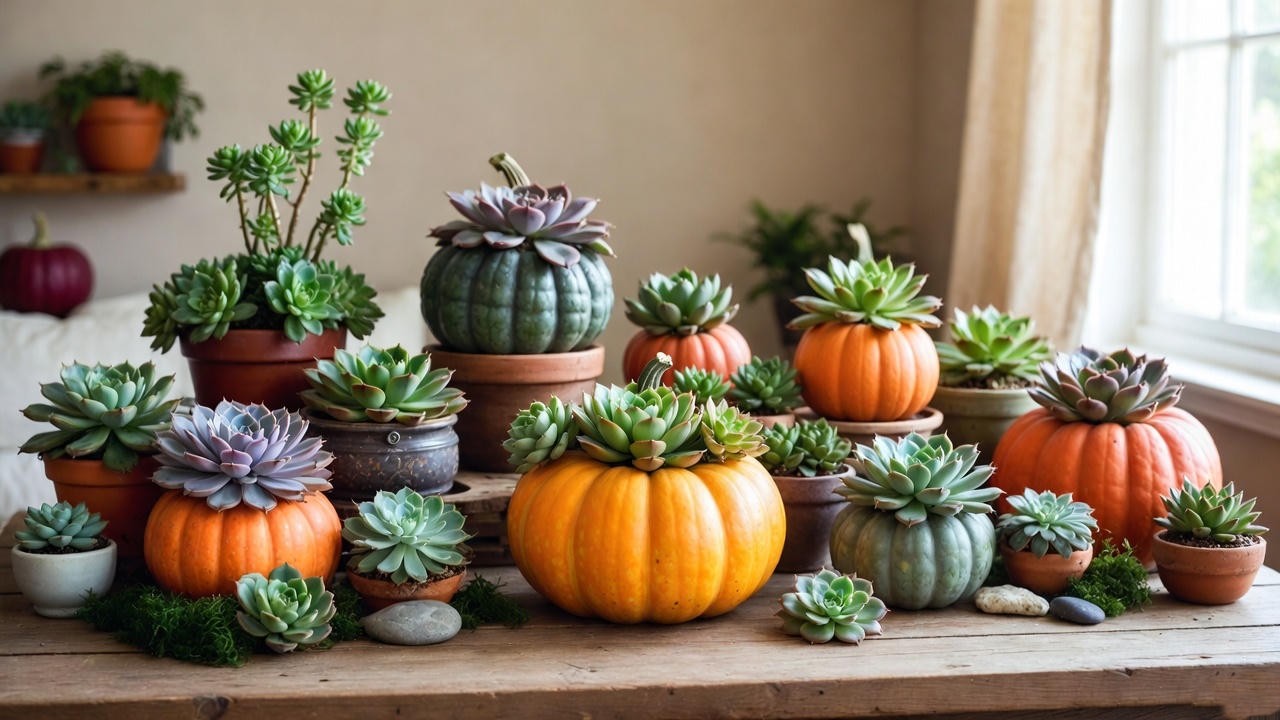
At their core, succulent pumpkins are living plant arrangements created by adorning the top of a pumpkin — real, faux, or foam — with live succulent cuttings, moss, and other decorative elements. Unlike carved pumpkins that rot quickly, these creations can last for weeks or even months when cared for properly.
This concept originated from creative gardeners and home stylists seeking ways to merge plant artistry with seasonal décor. It first gained popularity on Pinterest and Instagram, where images of rustic, pastel-toned pumpkins topped with clusters of Echeveria, Sedum, and Haworthia began circulating among plant enthusiasts.
Why They’re Popular
Succulent pumpkins have become a hallmark of eco-friendly, low-maintenance home styling for several reasons:
-
They require no carving or soil — just a bit of moss and gentle misting.
-
They’re reusable: succulents can be replanted once the pumpkin begins to fade.
-
They serve as both living art and sustainable décor, reducing waste from traditional decorations.
-
They complement modern design aesthetics, from minimalist apartments to farmhouse kitchens.
In short, they’re a way to bring the calm beauty of nature indoors — no green thumb required.
Benefits of Using Succulent Pumpkins Indoors
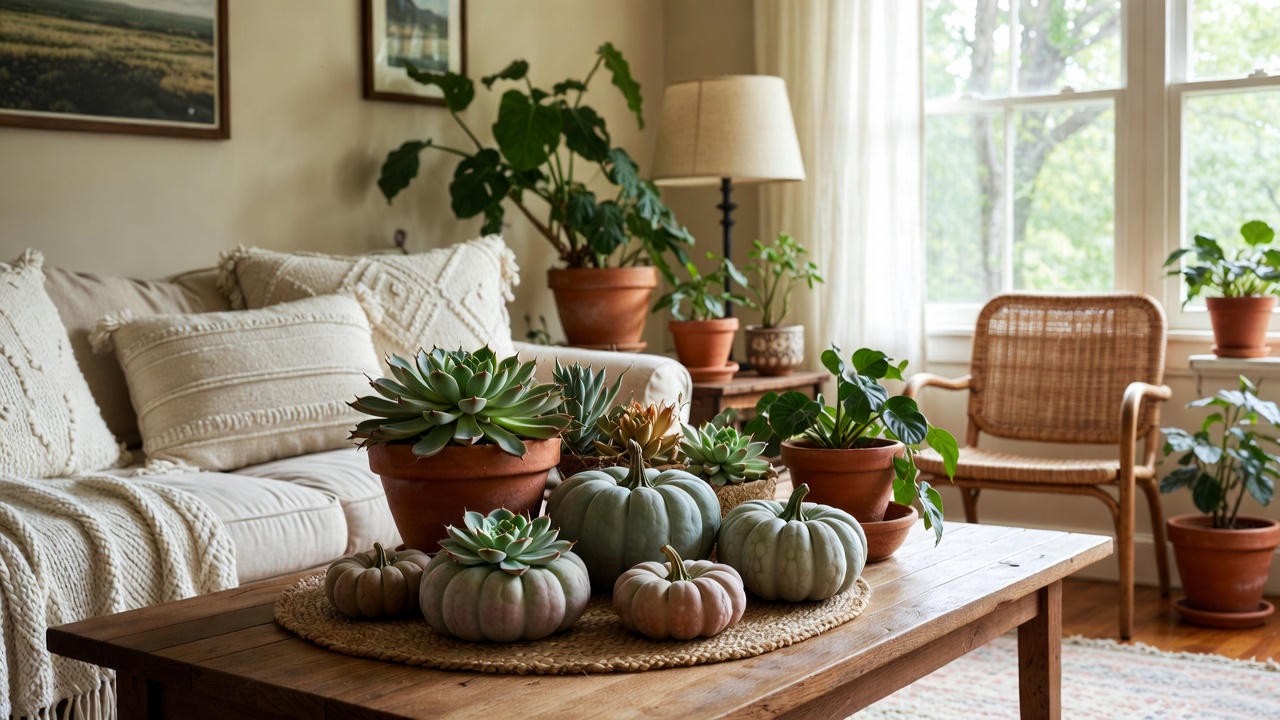
When it comes to indoor plant décor, few creations combine function, beauty, and sustainability as effortlessly as succulent pumpkins. Here’s why they’re worth the hype:
1. Aesthetic Appeal
Succulent pumpkins offer an artistic yet natural look that instantly enhances any indoor space. Their rich textures, layered greens, and vibrant hues create visual interest that suits both rustic and contemporary interiors.
Whether displayed on a dining table, office desk, or entryway shelf, they add an organic touch that feels both elegant and grounding. Many decorators describe them as “living sculptures” — dynamic, evolving pieces that subtly change as the succulents grow.
2. Longevity and Sustainability
Unlike carved pumpkins that last just a few days, succulent pumpkins can thrive for months with proper care. Once the pumpkin itself begins to soften, you can easily transplant the succulents into a pot or garden bed. This makes them an eco-friendly, reusable alternative to disposable décor.
3. Easy Maintenance
Succulents are naturally drought-tolerant plants that require minimal watering. A light mist every few days keeps them hydrated without mess or fuss. This low-maintenance aspect makes them perfect for busy professionals or those new to indoor gardening.
4. Health and Wellness Benefits
Beyond aesthetics, studies show that indoor plants improve air quality and promote relaxation. Succulent pumpkins bring a touch of green therapy into your home, helping reduce stress while adding oxygen and humidity to the air.
5. Seasonal Versatility
While often associated with autumn, these living arrangements can be adapted for any season or occasion. By switching out color schemes and accessories, you can enjoy succulent pumpkins year-round — from spring pastels to winter whites.
Materials You’ll Need to Make Succulent Pumpkins
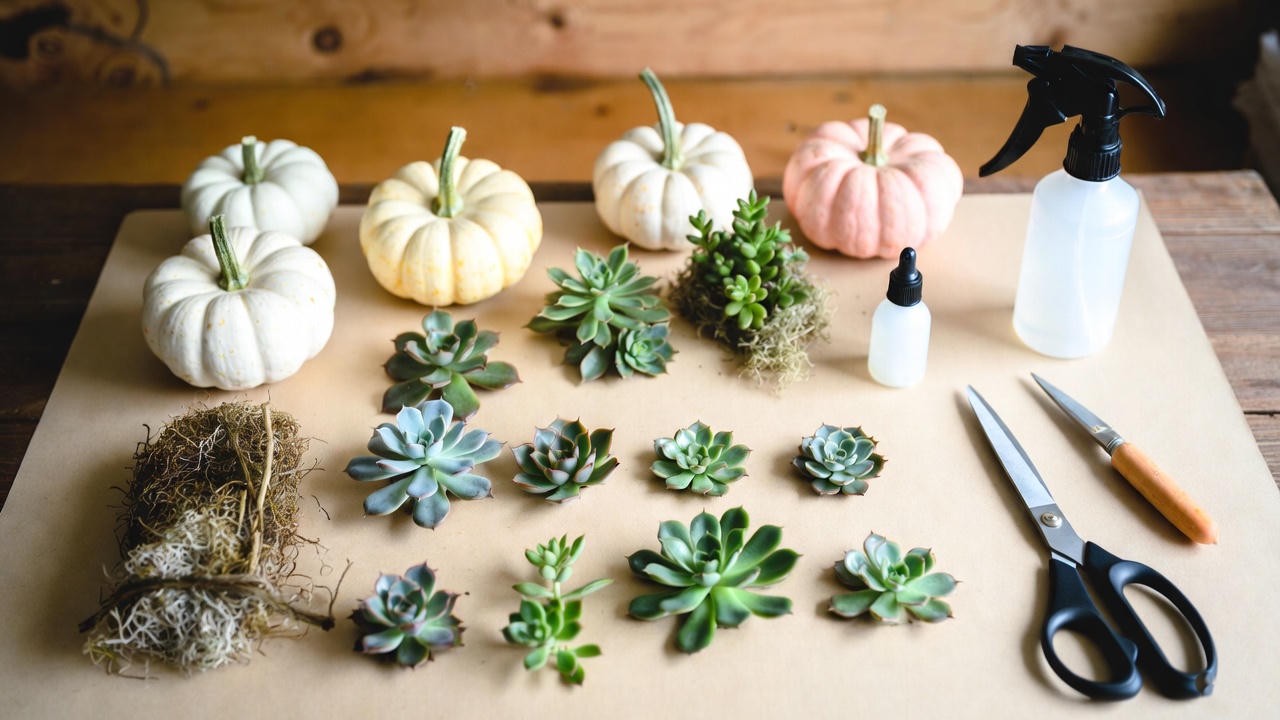
Before you start crafting your own botanical masterpiece, gather the right materials. Choosing quality supplies will ensure your arrangement lasts and looks professional.
Essential Materials
-
Pumpkin base:
Choose from fresh pumpkins (for a natural look), foam pumpkins (for reuse), or faux pumpkins (for long-lasting décor).-
Pro Tip: Choose small to medium pumpkins with flat tops for easy arrangement.
-
-
Succulents:
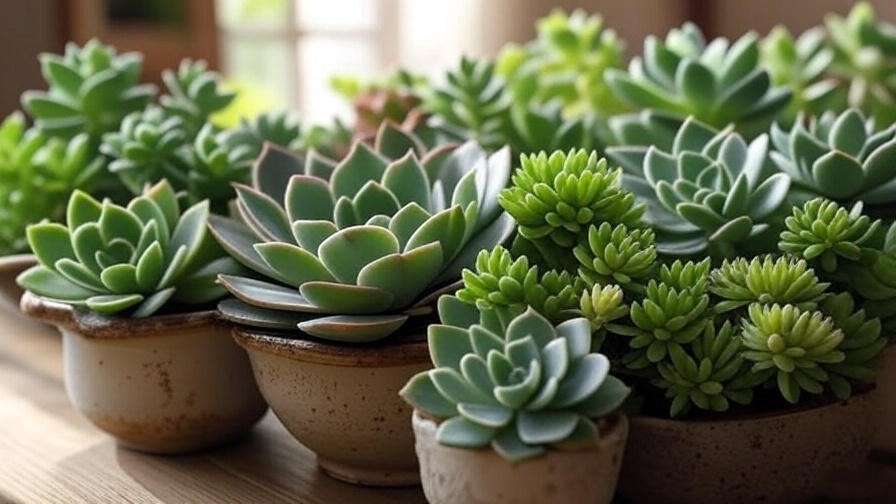
Select varieties that thrive indoors such as Echeveria, Haworthia, Sedum, and Crassula. Use a mix of textures and colors for visual balance. -
Moss:
Sphagnum moss or preserved reindeer moss works best. Moss acts as a moisture-retaining base for your succulents. -
Adhesive:
Use floral adhesive or hot glue (cool setting). Avoid harsh glues that can damage the plants. -
Decorative accessories:
Optional add-ons include mini pinecones, dried flowers, seed pods, or ribbons for extra flair. -
Tools:
Scissors, spray bottle (for misting), and gloves.
Expert Tip: Source Sustainable Materials
When possible, buy organic pumpkins and succulents from local growers. This supports small businesses and ensures fresher, more resilient plants.
Step-by-Step Guide: How to Create Succulent Pumpkins at Home
Creating succulent pumpkins is easier than it looks — and doesn’t require any soil or carving. Here’s how to do it like a pro:
Step 1: Prepare Your Pumpkin Base
-
Wipe your pumpkin clean with a damp cloth.
-
If using a real pumpkin, avoid cutting or puncturing it — leaving the skin intact prevents early decay.
-
Optionally, apply a thin coat of clear sealant or Mod Podge on the top to extend its life.
Step 2: Apply the Moss Layer
-
Dampen your moss slightly with a spray bottle.
-
Spread a thin, even layer over the pumpkin top using floral adhesive or glue.
-
The moss serves as both a moisture cushion and a planting medium for your succulents.
Step 3: Arrange and Secure the Succulents
-
Start with a focal succulent (usually the largest one) in the center.
-
Add smaller succulents and cuttings around it, creating a balanced, dome-like shape.
-
Use glue sparingly on the stems — aim for firm placement, not full adhesion.
-
Incorporate a mix of rosette, trailing, and textural succulents for depth.
Step 4: Add Finishing Touches
-
Decorate with natural accents like dried berries, cinnamon sticks, or twine.
-
For a minimalist look, keep it simple and let the succulents shine.
-
Choose complementary color palettes — think soft greens with ivory pumpkins or jewel-toned succulents with orange bases.
Step 5: Placement and Display
-
Place your succulent pumpkin in a bright area with indirect sunlight (such as near a window).
-
Avoid heat vents or humid spots like bathrooms.
-
Rotate every few days for even light exposure.
-
Use them as dining centerpieces, entryway displays, or cozy desk companions.
Expert Tips for Caring for Your Succulent Pumpkins
Your new creation might look delicate, but caring for succulent pumpkins is refreshingly simple. With just a few mindful practices, your arrangement can stay vibrant for weeks — even months.
1. Watering Guidelines
Succulents are desert natives; they thrive on neglect. Instead of watering heavily, use a fine mist spray bottle to lightly spritz the moss every few days. The goal is to keep the moss slightly damp, never soggy.
-
Pro Tip: Mist when the moss feels dry to the touch — usually once every 4–5 days indoors.
-
Avoid direct watering on the leaves; moisture trapped between rosettes can lead to rot.
If the succulents begin to wrinkle slightly, that’s their natural sign they’re thirsty — a gentle mist is all they need.
2. Light Requirements
Succulents love bright, indirect sunlight. Place your pumpkin near a sunny window where it receives filtered light for 6–8 hours a day.
Avoid direct sunlight, which can scorch the leaves and cause the pumpkin base to deteriorate faster. North- or east-facing windows are ideal for indoor settings.
3. Temperature & Humidity
Succulent pumpkins thrive in room temperatures between 60°F and 75°F (15°C–24°C).
Keep them away from radiators, fireplaces, or air vents, which can cause rapid dehydration or mold growth. In humid climates, ensure good airflow to prevent fungal issues.
4. Extending the Lifespan
Once your pumpkin starts to soften or collapse, don’t toss it!
-
Gently remove the succulents and peel off any glue residue.
-
Let the cuttings callus for a few days, then replant them in a well-draining succulent potting mix.
-
With this simple step, your pumpkin’s legacy continues as a thriving indoor garden.
Creative Variations and Styling Ideas

Once you’ve mastered the basics, it’s time to get creative. One of the greatest joys of working with succulent pumpkins is their versatility. Whether you’re decorating for a holiday or matching your home’s aesthetic, you can customize them endlessly.
A. Seasonal Variations
-
Fall: Combine warm-toned succulents (reds, oranges, purples) with cinnamon sticks, acorns, or miniature pinecones.
-
Winter: Choose white faux pumpkins with silver or blue-green succulents. Add frosted moss, eucalyptus, or tiny ornaments for a holiday touch.
-
Spring: Use pastel-colored pumpkins and rosette succulents like Echeveria ‘Perle von Nurnberg.’ Accent with tiny faux blossoms or butterfly picks.
-
Summer: Go coastal with light-toned succulents, sea glass, and mini shells for a breezy vibe.
B. Theme-Based Designs
-
Minimalist: White or beige pumpkins with two or three monochrome succulents arranged symmetrically.
-
Rustic Farmhouse: Use heirloom pumpkins (muted greens or dusty oranges) paired with textured moss and wooden accents.
-
Modern Boho: Mix varied succulent species with trailing vines, crystals, and macrame accents.
-
Office Chic: Opt for small faux pumpkins in neutral colors — perfect for desks and shelves.
C. DIY Gift Ideas
Succulent pumpkins make thoughtful, sustainable gifts for birthdays, Thanksgiving dinners, or housewarmings.
Add a personalized name tag or ribbon, and you have a living, handcrafted present that lasts far longer than cut flowers.
Common Mistakes and How to Avoid Them
Even experienced plant lovers can make a few missteps with succulent pumpkins. Here are the most common pitfalls — and how to prevent them:
1. Overwatering
This is the most frequent issue. Succulents prefer dry roots, so excessive moisture can lead to root rot and decay. Stick to misting the moss only when needed.
2. Using the Wrong Pumpkin Type
Soft or thin-skinned pumpkins deteriorate quickly. Always choose firm, uncarved pumpkins with a sturdy top — varieties like Cinderella, Jarrahdale, or Lumina last longer.
3. Poor Adhesive Technique
Hot glue applied too thickly can burn delicate succulent stems. Use a low-temperature glue gun or floral adhesive to avoid damage.
4. Direct Sunlight or High Heat
Placing your arrangement on a sunny windowsill might seem appealing, but intense sunlight speeds up pumpkin spoilage. Instead, opt for filtered light or a spot with gentle brightness.
5. Forgetting to Replant
Succulents can outgrow their moss base or need fresh soil after a few months. Don’t wait too long — transplant them before the pumpkin decomposes to ensure healthy regrowth.
Sustainability and Eco-Friendly Practices
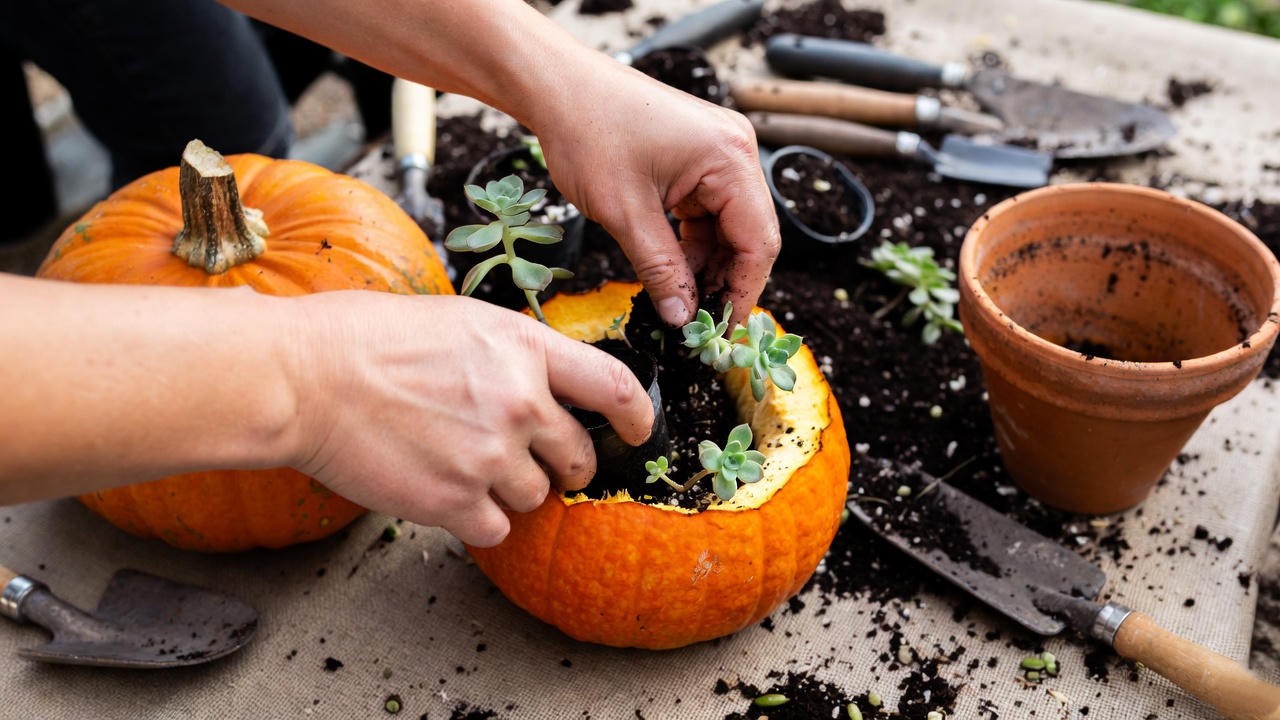
One of the most appealing aspects of succulent pumpkins is their alignment with sustainable living. As more people look for environmentally responsible ways to decorate their homes, this trend offers a refreshingly eco-friendly alternative.
1. Choose Locally Grown or Organic Pumpkins
Buying pumpkins from local farms not only supports the community but also reduces the carbon footprint associated with long-distance shipping. Organic options are grown without synthetic pesticides, making them safer for indoor use.
2. Reuse and Repurpose Materials
Faux pumpkins and preserved moss can be reused for several seasons. When the season ends, store them in a cool, dry place for next year’s décor refresh.
3. Replant the Succulents
Once your pumpkin has reached the end of its life, gently remove and replant your succulents in small terracotta pots. Over time, they’ll grow roots and flourish — a living reminder of your seasonal creativity.
4. Compost the Pumpkin Base
If you’ve used a real pumpkin, composting it is a great way to reduce waste. The nutrients can be returned to the soil, closing the sustainability loop.
5. Zero-Waste Design Philosophy
Succulent pumpkins embody the concept of zero-waste home décor — combining style, function, and ecological mindfulness. Instead of disposable decorations, you’re cultivating something living, beautiful, and renewable.
Where to Buy or Find Inspiration
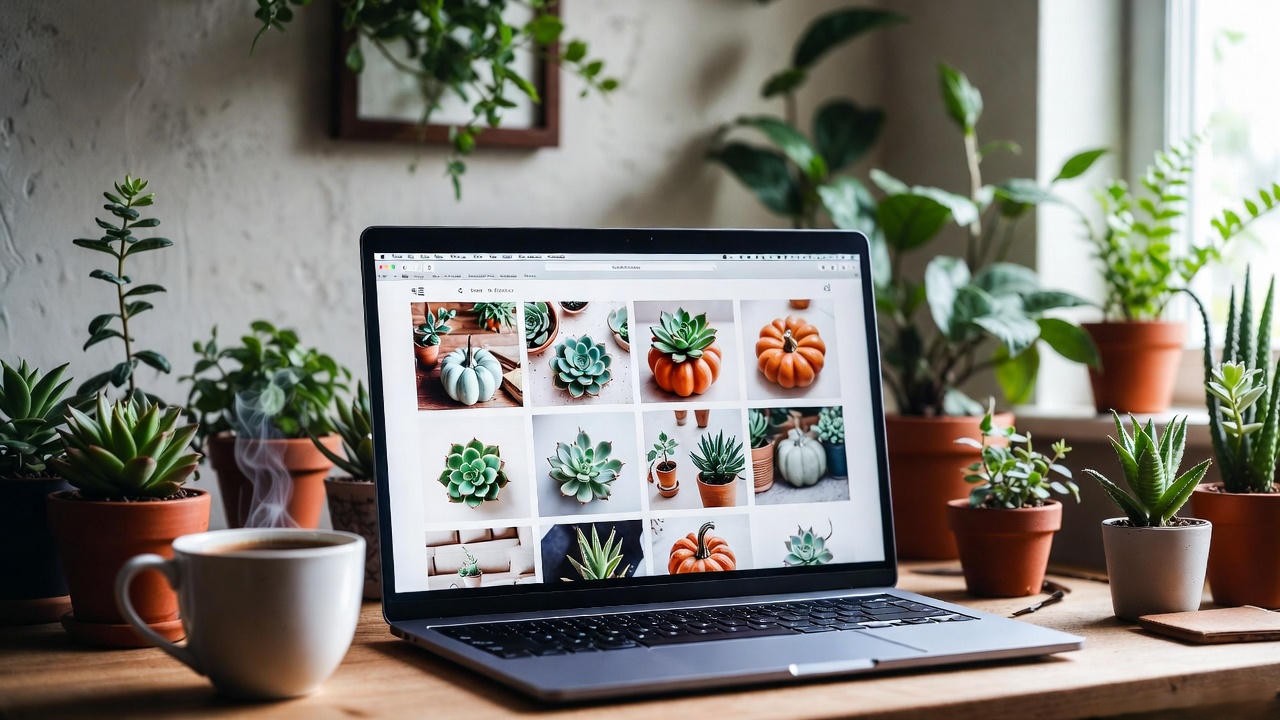
Not everyone has the time or tools to create their own succulent pumpkins from scratch — and that’s perfectly fine. Whether you’re looking to purchase a ready-made arrangement or simply gather creative ideas, there are plenty of excellent resources available.
1. Trusted Online Retailers
-
Etsy: A top marketplace for handmade and artisanal goods, Etsy features countless independent creators who specialize in succulent pumpkins. You’ll find everything from minimalist designs to elaborate centerpiece arrangements.
-
The Sill & Bloomscape: These reputable indoor plant retailers often feature seasonal décor collections, including succulent arrangements suitable for indoor display.
-
Local Nurseries and Florists: Many local garden centers now offer pre-made succulent pumpkins during the fall season — often crafted with regionally sourced plants.
2. DIY Workshops
Look for succulent pumpkin workshops at local nurseries, botanical gardens, or community centers. These events are great for hands-on learning and connecting with other plant lovers. You’ll often get to bring your creation home and receive expert guidance on plant care.
3. Social Media Inspiration
For ongoing design ideas and seasonal trends:
-
Pinterest: Search “succulent pumpkins DIY” or “indoor succulent décor” for thousands of visual ideas.
-
Instagram: Follow hashtags like #succulentpumpkins, #indoorgardening, and #plantdecorinspo.
-
YouTube: Many plant stylists and home décor influencers share step-by-step tutorials with creative twists.
Expert Tip:
When browsing online inspiration, pay attention to lighting and scale. Notice how professional designers position their succulent pumpkins in relation to other elements — such as candles, vases, or textured linens — to create balanced compositions.
Frequently Asked Questions (FAQs)
1. How long do succulent pumpkins last indoors?
With proper care, they can last anywhere from 6 to 12 weeks, sometimes longer. The succulents themselves can be replanted, extending the life of your arrangement indefinitely.
2. Can I use faux pumpkins instead of real ones?
Absolutely. Faux or foam pumpkins are a great choice for those who want a longer-lasting, reusable décor piece. Just make sure to use preserved moss and avoid over-misting.
3. How often should I water my succulent pumpkin?
Mist the moss lightly every 4–5 days, or when it feels dry. Avoid soaking the arrangement — succulents need very little water to thrive.
4. What should I do with the succulents after the pumpkin starts to decay?
Carefully detach the succulents, let them dry for a few days, and then replant them in a well-draining potting mix. Within a few weeks, they’ll begin to root and continue growing.
5. Are succulent pumpkins safe around pets?
Most succulents are non-toxic, but some varieties like Jade Plant (Crassula ovata) can be mildly toxic if ingested by pets. Always double-check your succulent species before placement.
6. Do succulent pumpkins attract pests or mold?
They generally do not attract pests when kept indoors and dry. Mold may appear if overwatered or placed in a humid area — simply remove the moss, air-dry, and reassemble if needed.
7. What lighting conditions are best for them?
Bright, indirect light is ideal. Avoid direct sunlight, which can fade the pumpkin and stress the succulents.
Conclusion: Why Succulent Pumpkins Are the Perfect Indoor Plant Décor
Succulent pumpkins aren’t just a passing trend — they represent a growing movement toward sustainable, mindful, and nature-inspired living. In a world filled with disposable décor, these living arrangements offer something far more meaningful: beauty that grows, evolves, and endures.
They’re low-maintenance yet sophisticated, suitable for every season, and fully customizable to your personal style. Whether you craft your own or purchase a handmade piece, a succulent pumpkin can transform your space — adding warmth, greenery, and artistry all in one.
At their heart, succulent pumpkins blend two of life’s simple pleasures: creativity and connection to nature. And as indoor plant enthusiasts continue to seek fresh, eco-conscious design ideas, this stunning hybrid of foliage and form is here to stay.
So the next time you’re looking for a fresh centerpiece, thoughtful gift, or just a touch of indoor greenery — skip the short-lived flowers and try your hand at creating your own living masterpiece.