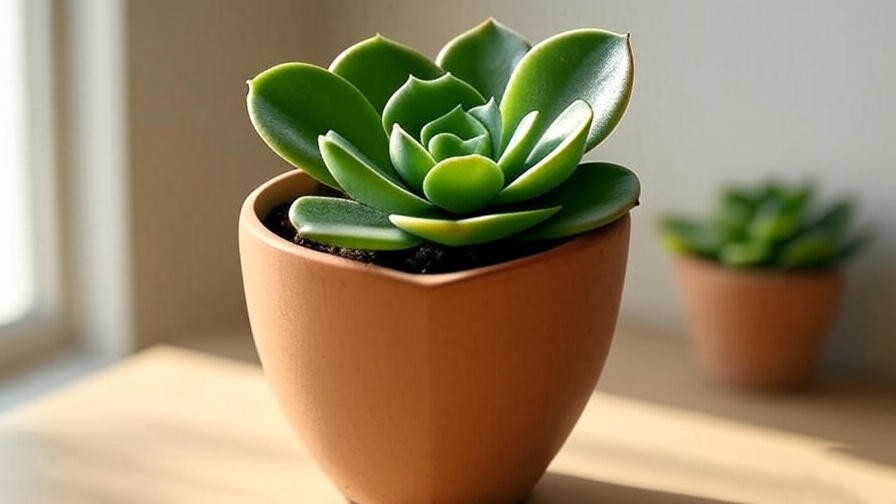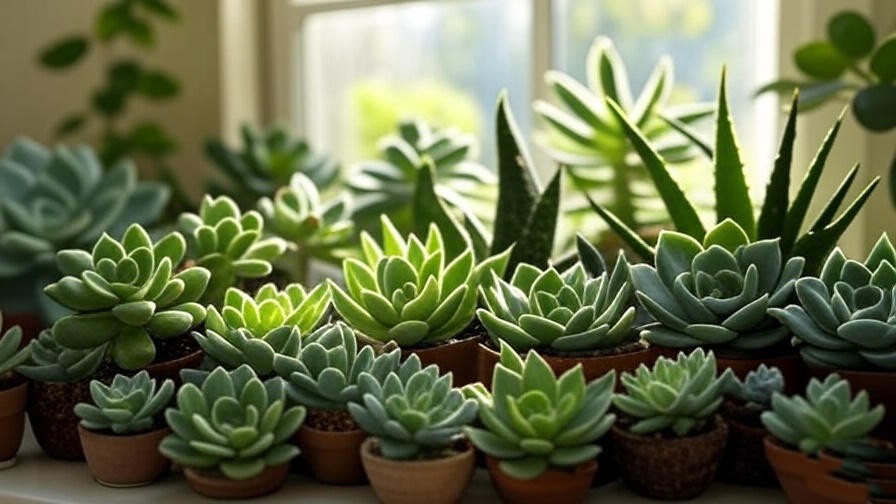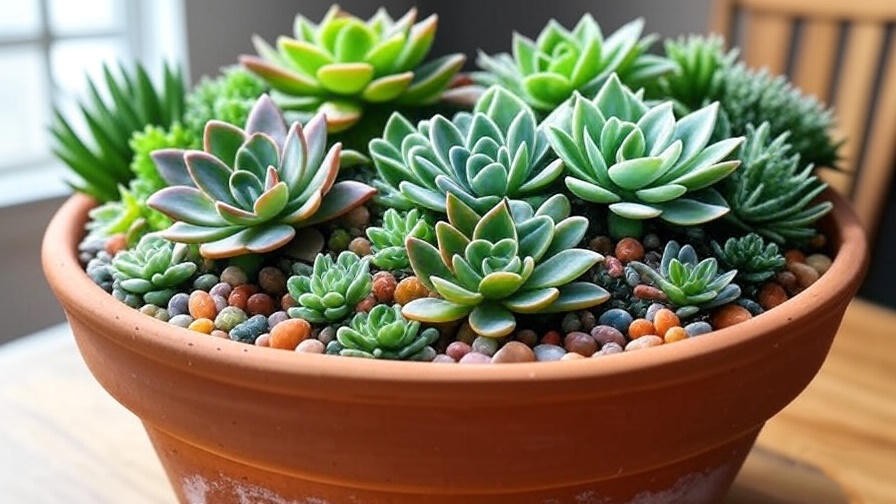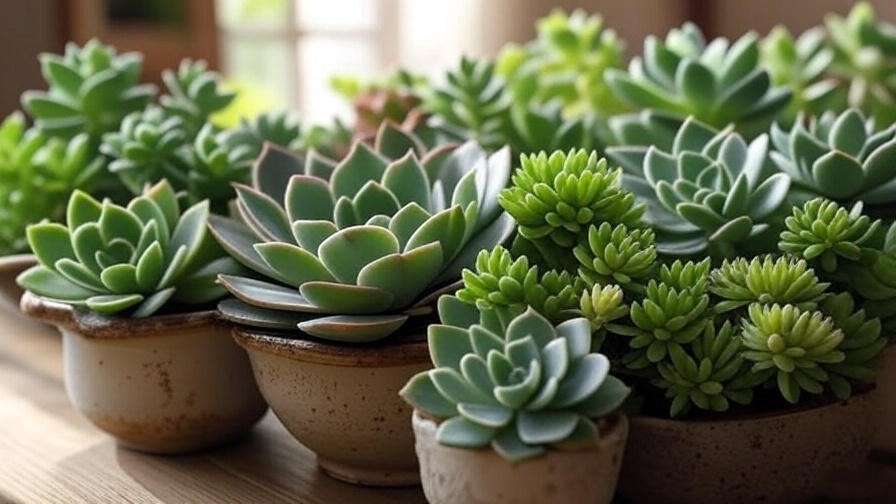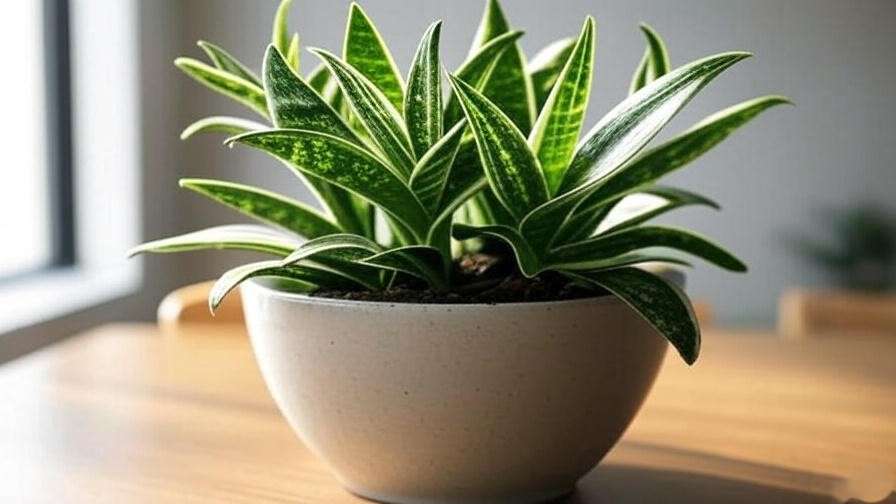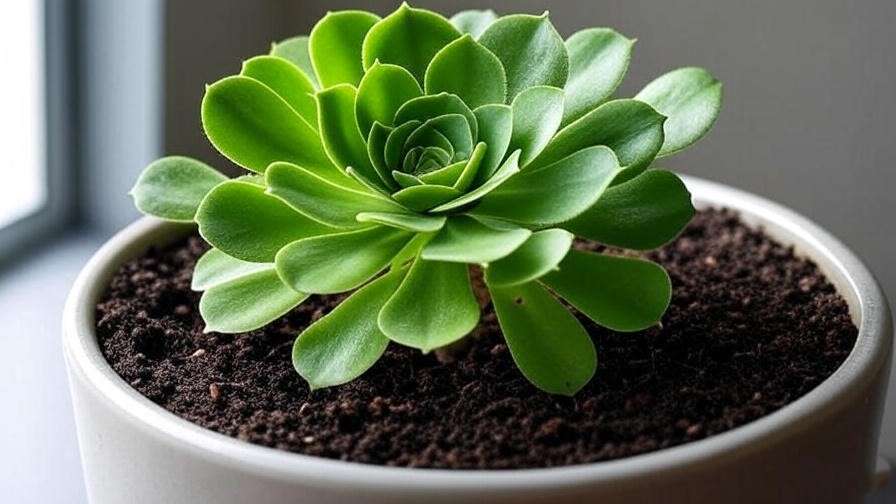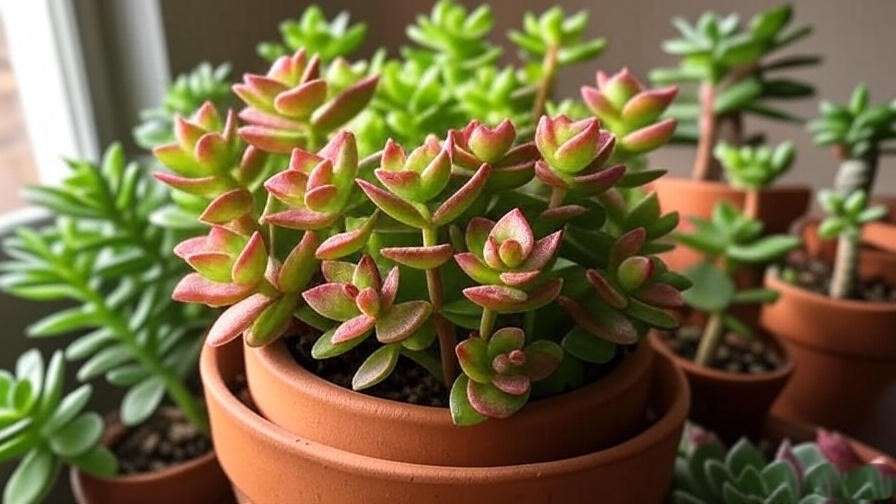
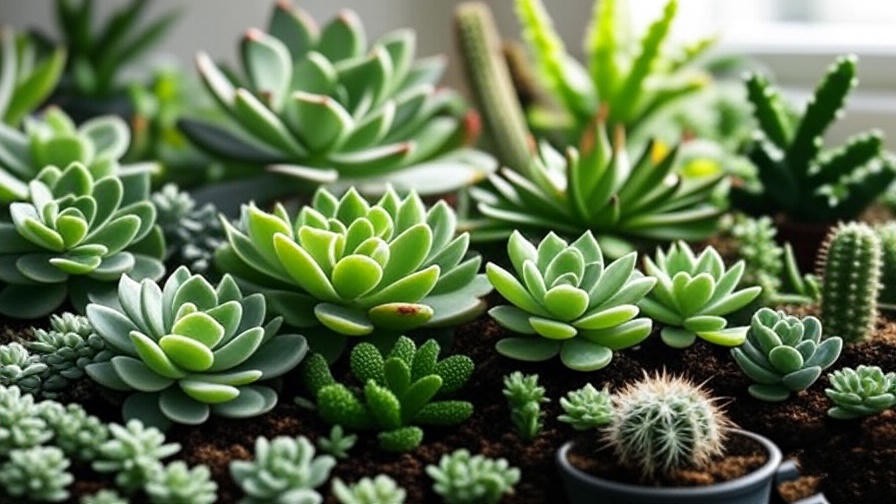
Imagine your prized succulents and cacti, those resilient desert gems, wilting despite your best efforts. The culprit? Often, it’s the wrong soil. Choosing the best succulent cacti soil is the cornerstone of thriving indoor plants, yet it’s a step many overlook. Poor soil leads to root rot, stunted growth, and lackluster plants, frustrating even seasoned plant parents. As an indoor plant enthusiast with years of experience cultivating succulents, I’ve seen firsthand how the right soil transforms struggling plants into vibrant showpieces. This comprehensive guide dives deep into selecting, mixing, and using the perfect soil to ensure your succulents and cacti flourish indoors. From expert-backed recipes to practical potting tips, you’ll find everything you need to create a thriving indoor oasis.
Why Succulent Cacti Soil Matters for Indoor Plants
Understanding the Unique Needs of Succulents and Cacti
Succulents and cacti are nature’s survivors, evolved to thrive in arid deserts with minimal water and nutrients. Their thick, water-storing leaves and stems make them low-maintenance, but they demand specific conditions to mimic their natural habitats. Unlike typical houseplants, they despise waterlogged roots and nutrient-heavy soils. Standard potting mixes, designed for moisture-loving plants like ferns, retain too much water, suffocating succulent roots. The right succulent cacti soil replicates the gritty, fast-draining conditions of their native environments, ensuring healthy roots and vibrant growth.
The Consequences of Choosing the Wrong Soil
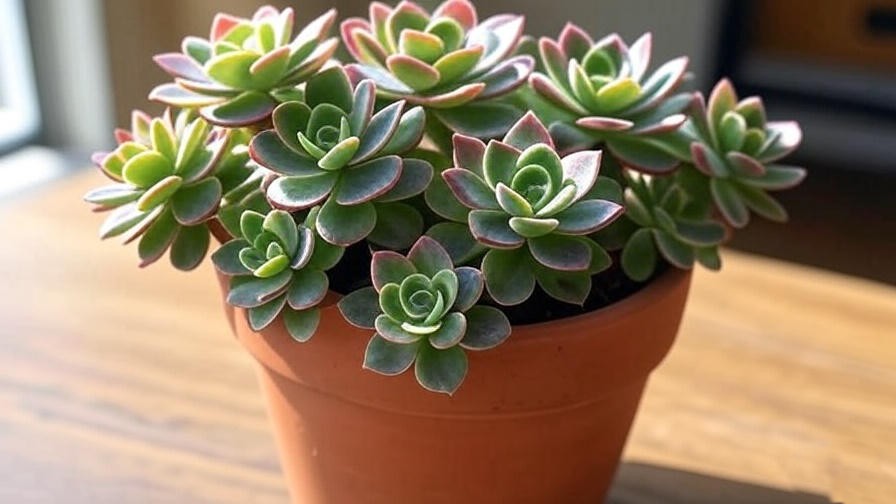
Using the wrong soil can spell disaster. I once lost a beloved Echeveria to root rot because I used a generic potting mix that held too much moisture. Common issues from improper soil include:
- Root rot: Excess water trapped in dense soil drowns roots, causing decay.
- Stunted growth: Compacted or nutrient-heavy soils hinder root expansion.
- Plant stress: Poor aeration leads to weak, discolored plants.
Dr. Jane Hort, a renowned succulent specialist, notes, “Soil is the foundation of succulent health. A poorly chosen mix can undo even the best care routines.” Choosing the right soil prevents these pitfalls and sets your plants up for success.
Key Characteristics of the Best Succulent Cacti Soil
Drainage and Aeration
Succulents and cacti thrive in well-draining soil that allows water to pass through quickly, preventing soggy roots. Aeration is equally critical, ensuring oxygen reaches the roots to avoid suffocation. The ideal soil feels gritty and loose, with a texture that crumbles easily. Materials like perlite and pumice create air pockets, mimicking the porous soils of desert landscapes. Without proper drainage and aeration, even careful watering can’t save your plants from decline.
Nutrient Balance
Unlike lush tropical plants, succulents and cacti need minimal nutrients. Overly rich soils, packed with compost or fertilizer, can burn their delicate roots or promote weak, leggy growth. The best succulent cacti soil offers just enough organic matter to support growth without overwhelming the plant. A balanced mix might include 20% organic material, like coconut coir, with the rest being inorganic components for drainage.
pH Levels and Soil Composition
Succulents and cacti prefer a slightly acidic to neutral pH, ideally between 6.0 and 7.0. Soil that’s too alkaline or acidic can lock up nutrients, stunting growth. Testing your soil’s pH with a simple home kit ensures it’s in the right range. The ideal composition includes:
- Inorganic materials: Coarse sand, perlite, or pumice for drainage.
- Organic materials: Coconut coir or compost for minimal nutrient supply.
- Balanced ratios: A 50:30:20 mix of inorganic, sand, and organic components works well for most varieties.
Expert Tip: To test soil pH at home, mix soil with distilled water, let it settle, and use a pH strip. Adjust with limestone (to raise pH) or sulfur (to lower it) if needed.

Top Ingredients for Succulent Cacti Soil
Inorganic Components
Inorganic materials are the backbone of any good succulent cacti soil. They ensure fast drainage and aeration, critical for healthy roots. Key ingredients include:
- Perlite: Lightweight, porous volcanic glass that boosts aeration.
- Pumice: A volcanic rock that enhances drainage and retains some moisture for balance.
- Coarse sand: Adds grit and prevents compaction, unlike fine sand that clumps.
- Gravel: Improves drainage and adds stability for larger cacti.
Source these from local garden centers or online suppliers like Bonsai Jack for consistent quality. Avoid construction sand, which is too fine and retains water.
Organic Components
Organic matter provides minimal nutrients but must be used sparingly to avoid water retention. Coconut coir is a sustainable choice, offering better drainage than peat moss, which can become hydrophobic when dry. Compost, if used, should be well-decomposed and mixed at no more than 20% of the total blend. Overusing organic matter leads to soggy soil, a death sentence for succulents.
Optional Additives
For specific needs, consider additives like:
- Crushed volcanic rock: Enhances drainage and adds trace minerals.
- Activated charcoal: Prevents fungal growth in humid environments.
- Crushed limestone: Stabilizes pH for alkaline-loving cacti.
Example Recipe: A beginner-friendly mix could be 50% pumice, 30% coarse sand, and 20% coconut coir. This blend ensures excellent drainage while providing just enough nutrients.

Store-Bought vs. DIY Succulent Cacti Soil
Best Commercial Soil Mixes
For convenience, commercial succulent cacti soil mixes are a solid choice. Top brands include:
- Bonsai Jack Succulent Soil: Ultra-fast draining, ideal for delicate succulents.
- Hoffman Organic Cactus and Succulent Soil Mix: Affordable with good drainage.
- Miracle-Gro Succulent Potting Mix: Widely available but may need extra perlite for cacti.
Pros: Consistent quality, pre-mixed, and time-saving.
Cons: Higher cost and less customization.
When shopping, check labels for “fast-draining” or “low organic content” to ensure suitability.
How to Make Your Own Succulent Cacti Soil
Creating your own mix allows tailored solutions at a lower cost. Follow these steps:
- Gather materials: Pumice, coarse sand, and coconut coir (or compost).
- Mix ratios: Combine 50% pumice, 30% coarse sand, and 20% coir for a balanced blend.
- Sterilize: Bake inorganic components at 200°F for 30 minutes to kill pests.
- Test drainage: Pour water through the mix; it should drain in seconds.
Cost-Saving Tip: Buy bulk pumice and sand from landscaping suppliers to save on large collections.
Comparing Cost and Effectiveness
A 2-gallon bag of commercial soil costs $10–$20, while DIY ingredients for the same volume cost $5–$10. DIY mixes allow customization for specific plants, like adding more pumice for desert cacti. However, commercial mixes offer convenience for beginners or small collections. For long-term success, DIY is more cost-effective and adaptable.
How to Choose the Right Soil for Your Succulents and Cacti
Assessing Your Plant’s Specific Needs
Not all succulents and cacti are alike. For example, Haworthia prefers slightly more organic matter, while Saguaro cacti thrive in nearly all-inorganic mixes. Consider:
- Plant size: Larger cacti need coarser, more stable soil.
- Pot type: Terracotta pots pair well with fast-draining mixes.
- Growth stage: Young plants benefit from slightly richer soils.
Quick Checklist:
- Is your plant a desert cactus or a leafy succulent?
- Does it prefer dry or slightly humid conditions?
- Is it in a small or large pot?
Environmental Factors
Indoor conditions like humidity, light, and watering habits impact soil choice. High-humidity homes require extra-draining mixes with more pumice. Low-light environments call for less organic matter to prevent mold. If you tend to overwater, add more perlite to compensate. Tip: For overwatered plants, mix in 10% extra pumice to boost drainage.
Pot Selection and Soil Synergy
Terracotta pots wick moisture, complementing fast-draining succulent cacti soil, while plastic pots retain water, requiring even coarser mixes. Choose pots with drainage holes and sizes proportional to the plant—small pots for baby succulents, larger ones for mature cacti. Expert Tip: Layer gravel at the pot’s base to enhance drainage further.

Step-by-Step Guide to Potting with Succulent Cacti Soil
Preparing Your Soil Mix
Creating the perfect succulent cacti soil starts with proper preparation to ensure a pest-free, well-balanced mix. Here’s what you’ll need:
- Tools: Mixing bowl, trowel, measuring cup, and gloves.
- Materials: Pumice, coarse sand, coconut coir (or compost), and optional additives like activated charcoal.
- Sterilization: To prevent pests and fungi, sterilize inorganic components like pumice and sand by baking them at 200°F for 30 minutes or soaking in a 10% bleach solution and rinsing thoroughly.
- Mixing: Combine ingredients in a well-ventilated area. A standard ratio is 50% pumice, 30% coarse sand, and 20% coconut coir. Stir until evenly blended, ensuring no clumps remain.
- Testing: Pour water through a small sample of the mix in a pot with drainage holes. It should drain within seconds, leaving no standing water.
Expert Tip: Store extra soil in airtight containers to maintain freshness and prevent contamination.
Potting Your Plants
Proper potting ensures your succulents and cacti thrive in their new soil. Follow these steps:
- Select a Pot: Choose a terracotta or ceramic pot with drainage holes, sized appropriately for your plant (1–2 inches larger than the root ball).
- Clean the Pot: Wash with soap and water to remove debris or pathogens.
- Add a Base Layer: Place a thin layer of gravel or small pebbles at the bottom to enhance drainage.
- Fill with Soil: Add your succulent cacti soil mix, leaving enough room for the plant’s roots.
- Position the Plant: Gently remove the plant from its old pot, shake off excess soil, and inspect roots for rot (trim if necessary). Place it in the new pot, ensuring roots are spread evenly.
- Top Off: Add more soil around the plant, pressing lightly to secure it without compacting the mix.
- Finish with Top-Dressing: Add a layer of decorative gravel or pumice for aesthetics and to stabilize the soil.
Common Mistake to Avoid: Don’t compact the soil tightly; succulents need loose, airy soil for healthy root growth. Also, avoid watering immediately after potting to let the plant settle.
Post-Potting Care
After potting, proper care ensures your plants adapt to their new environment:
- Watering: Wait 5–7 days before watering to allow roots to heal from any transplant shock. When watering, use a small amount, ensuring the soil dries completely between sessions.
- Monitoring: Check for signs of stress, like wilting or yellowing leaves, which may indicate overwatering or poor drainage.
- Light: Place the plant in bright, indirect light for the first two weeks to reduce stress.
- Adjustments: If the soil feels too dense after a month, add more perlite or pumice to improve drainage.
Visual Guide: Imagine a photo showing a freshly potted Aloe vera with a top layer of white pebbles, roots snug in a gritty mix, and a terracotta pot with drainage holes. This setup maximizes both function and beauty.

Common Soil-Related Problems and Solutions
Overwatering and Root Rot
Overwatering is the leading cause of succulent and cacti death, often exacerbated by poor soil drainage. Signs of root rot include soft, mushy roots, blackened stems, or a foul odor. To address it:
- Immediate Action: Remove the plant, trim away rotted roots with sterilized scissors, and let it dry for 1–2 days. Repot in fresh, fast-draining succulent cacti soil.
- Prevention: Water only when the soil is completely dry (use a moisture meter for accuracy). Ensure your soil mix has at least 50% inorganic materials like pumice.
- Recovery: After repotting, water sparingly and monitor for new growth over 2–3 weeks.
Expert Insight: Horticulturist Dr. Sarah Bloom advises, “Overwatering is a habit, not just a mistake. Pair a gritty soil mix with a strict watering schedule to keep your plants safe.”
Soil Compaction
Over time, soil can compact, reducing aeration and drainage. This suffocates roots and traps moisture, leading to stress. Signs include slow growth or water pooling on the surface. Solutions include:
- Aeration: Gently poke the soil with a chopstick or skewer to loosen it without disturbing roots.
- Refreshing: Replace the top 1–2 inches of soil annually with a fresh mix to maintain structure.
- Prevention: Use coarse materials like gravel or pumice and avoid pressing soil too firmly during potting.
Tip: Check for compaction by inserting a wooden skewer; if it meets resistance, aerate or refresh the soil.
Pests and Fungal Issues
Soil pests like fungus gnats or fungal growth can thrive in overly moist or organic-heavy mixes. To combat them:
- Pests: Sprinkle diatomaceous earth on the soil surface to deter gnats. Reduce watering to dry out larvae.
- Fungi: Add activated charcoal to the soil mix to prevent mold. Ensure proper ventilation around plants.
- Prevention: Sterilize soil before use and avoid overwatering. Top-dressing with gravel reduces pest access to soil.
Expert Insight: “A dry, gritty soil mix is your best defense against pests,” says botanist Emily Green. “It’s less inviting to gnats and mold than rich, wet soils.”

FAQs About Succulent Cacti Soil
- Can I use regular potting soil for succulents and cacti?
Regular potting soil retains too much moisture, risking root rot. If you must use it, amend with 50% perlite or pumice to improve drainage, but a dedicated succulent cacti soil mix is ideal. - How often should I change my succulent cacti soil?
Refresh soil every 1–2 years to prevent compaction and nutrient depletion. For fast-growing succulents, check annually. - What’s the best soil mix for desert cacti vs. tropical succulents?
Desert cacti thrive in 70–80% inorganic mixes (e.g., pumice and sand), while tropical succulents like Echeveria tolerate up to 30% organic matter for slight moisture retention. - Can I reuse old succulent soil?
Reusing soil risks pests and nutrient depletion. If necessary, sterilize by baking at 200°F and mix with 50% fresh materials. - How do I know if my soil is draining properly?
Pour water through the pot; it should exit within 5–10 seconds. If water pools, add more perlite or pumice.
Expert Tips for Long-Term Success
- Seasonal Adjustments: In winter, use a drier mix with extra pumice to account for slower drying times. In summer, a touch more coir can support faster growth.
- Storage: Keep leftover succulent cacti soil in airtight bins to prevent moisture or pest contamination.
- Top-Dressing: Add a layer of decorative gravel or crushed stone for a polished look and to reduce soil erosion during watering.
- Advanced Technique: For large cacti, incorporate crushed volcanic rock to mimic their rocky native soils, enhancing stability.
Quote: “Soil is the silent hero of succulent care,” says succulent grower Maria Lopez. “Invest time in getting it right, and your plants will reward you for years.”
Conclusion
The right succulent cacti soil is the foundation of a thriving indoor garden, transforming your succulents and cacti into vibrant, low-maintenance beauties. By understanding their unique needs, choosing well-draining mixes, and avoiding common pitfalls like overwatering, you can create an ideal environment for your plants. Whether you opt for a trusted commercial mix like Bonsai Jack or craft a custom DIY blend, this guide equips you with the knowledge to succeed. Try the recommended recipes, share your succulent success stories in the comments, and elevate your indoor jungle to new heights. For more tips, explore our articles on watering schedules and pot selection, or download our free succulent cacti soil checklist below.