
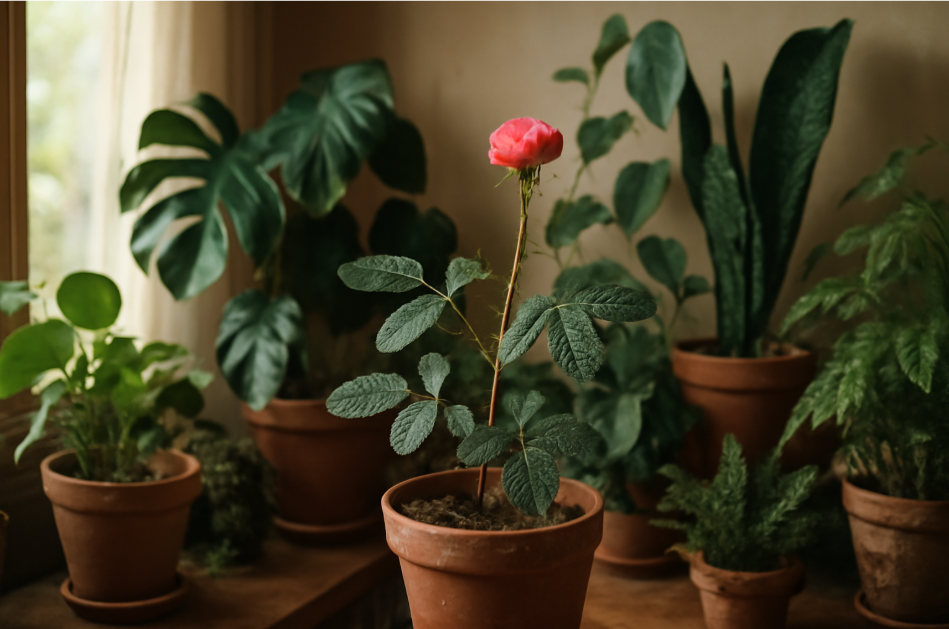
Imagine this: you’ve carefully curated a collection of indoor plants, each one thriving in its cozy corner of your home.  But then, you notice something troubling—small insects crawling across the leaves, or worse, a sticky residue that wasn’t there before. Suddenly, your indoor garden isn’t so peaceful anymore.
Preventing pests in indoor plant setups is essential to maintaining the health of your plants and protecting your investment in these beautiful greens. Pests can cause irreparable damage, stunting growth or even killing your plants entirely. But don’t worry—you don’t have to let these tiny invaders ruin your space.
In this article, we’ll share effective, actionable tips to help you keep pests at bay and ensure your plants stay healthy and pest-free. From simple prevention techniques to natural pest control methods, we’ve got you covered. Keep reading to discover how to create an environment where your plants can thrive, without unwanted guests! 
1. Understanding Common Pests in Indoor Plants
If you’ve noticed tiny critters or damaged leaves on your indoor plants, it’s likely you’re dealing with one of the many common pests that love to invade indoor gardens. Understanding what pests you’re up against is the first step in preventing them. Let’s take a closer look at the most common pests that could be affecting your plants—and how to identify them early.

Aphids 
Aphids are small, pear-shaped insects that come in various colors, including green, yellow, and black. They often gather in clusters on the undersides of leaves and suck sap from the plant. Aphids can stunt plant growth, cause yellowing of leaves, and attract other pests like ants (who love the sticky residue aphids leave behind). If you spot clusters of these tiny bugs, act quickly to remove them.
How to spot them: Yellow or curled leaves, sticky residue on leaves or surfaces beneath the plant.
Spider Mites 
Spider mites are microscopic pests that thrive in dry, warm conditions. They feed on plant cells, causing yellow speckled leaves and webbing in severe cases. These pests are harder to spot due to their size, but you may notice webbing around the plant, especially on the undersides of leaves.
How to spot them: Tiny, yellow or brown spots on leaves, fine webbing on stems and leaves.
Mealybugs 
Mealybugs are white, cotton-like pests that hide in leaf joints and along stems. They feed on plant sap, weakening the plant over time and causing wilting or yellowing. Mealybugs also excrete a sticky substance, making your plants vulnerable to mold.
How to spot them: White, fuzzy patches on the leaves or stems, sticky residue.
Fungus Gnats 
These tiny black flies are often found hovering around the soil of your indoor plants. Fungus gnats thrive in moist environments, laying eggs in the top layer of soil. The larvae feed on decaying organic matter and roots, leading to root damage and stunted plant growth.
How to spot them: Small black flies flying around the plant, damp, soggy soil.
Scale Insects 
Scale insects appear as small, round or oval-shaped bumps on plant stems and leaves. They may be brown, black, or tan and often resemble hard, shell-like structures. Like aphids, they feed on plant sap, weakening your plant over time.
How to spot them: Hard, raised bumps on stems and leaves, yellowing or wilting leaves.
Thrips 
Thrips are tiny, slender insects that damage plant leaves by feeding on the sap. They can cause discoloration, streaks, and deformed flowers. Though difficult to spot due to their size, thrips often leave behind silvery marks on the leaves.
How to spot them: Silvery streaks or spots on leaves, deformed or damaged flowers.
How to Identify Pests Early
Early detection is key to preventing a full-blown infestation. Here’s how you can identify pests before they do too much damage:
- Inspect regularly: Take a few minutes each week to check for pests, particularly on the undersides of leaves and in soil.
- Look for unusual changes: Wilting, yellowing, sticky residue, or webbing are all signs that something’s not right.
- Use a magnifying glass: If you suspect tiny pests like spider mites or thrips, a magnifying glass can help you spot them.
Understanding these common indoor plant pests and how to spot them is the first step in protecting your plants. Once you can identify the culprit, you’ll be in a much better position to keep your indoor garden pest-free! 
2. Preventing Pests Before They Arrive
When it comes to indoor plants, the best defense against pests is a good offense. Preventing pests before they invade your plant setup can save you time, effort, and frustration. Here are some practical tips to help you keep those pesky invaders at bay from the start.
Choose Pest-Resistant Plants
Some plants are naturally more resistant to pests than others. If you’re just starting your indoor garden or adding new plants to your collection, consider opting for varieties that are known to be less attractive to pests. For example, succulents, cacti, and snake plants are often less likely to fall victim to common pests.
Tip: Research plant types before buying to ensure they are pest-resistant, especially if you’re a beginner.
Inspect New Plants Before Bringing Them Indoors 
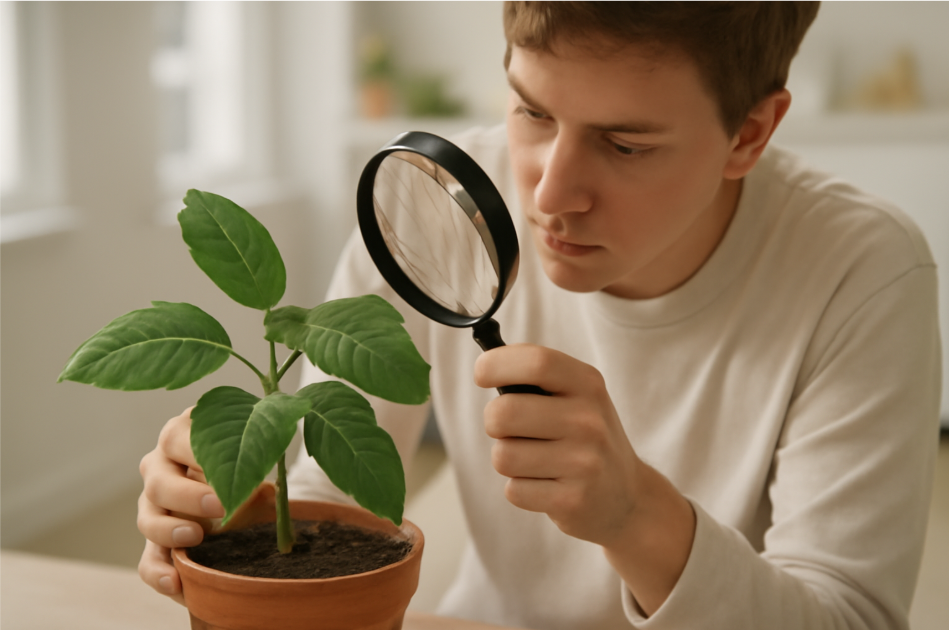
One of the quickest ways pests enter your home is through new plants. Before you bring any new plant into your space, take the time to inspect it thoroughly. Check the undersides of leaves, the soil, and the stems for any signs of pests. It’s also a good idea to isolate new plants for a couple of weeks in a separate area of your home to monitor for any signs of infestation.
Tip: Use a magnifying glass to check for tiny pests like spider mites or aphids that may be hiding.
Create a Clean Environment 
Pests love a cluttered, dirty environment. By keeping your plant area tidy, you reduce the chances of pests finding a home in your setup. Regularly clean the pots, saucers, and surrounding surfaces to prevent dust, mold, or debris that pests can use as shelter. This also includes removing dead leaves, which can attract insects and fungus.
Tip: Wipe down plant pots and their surrounding areas once a week with a damp cloth to remove dust and debris.
Ensure Proper Drainage and Watering 
Overwatering your plants can create a moist environment where pests like fungus gnats thrive. To prevent this, always ensure your pots have proper drainage to avoid standing water. Additionally, water your plants according to their specific needs, allowing the soil to dry out slightly between waterings.
Tip: If you notice pests like fungus gnats in your soil, reduce watering and let the soil dry out more between sessions.
Maintain Proper Humidity and Temperature 
Some pests, like spider mites, thrive in dry conditions, while others prefer moist environments. By maintaining a balanced level of humidity and temperature in your home, you can create an environment that’s less inviting to pests. Use a humidity tray or a small indoor humidifier if you have plants that need higher humidity, and ensure your room stays at a consistent temperature.
Tip: If your plants are in a dry environment, consider grouping them together to create a microclimate that helps maintain humidity.
3. Best Practices for Maintaining Pest-Free Indoor Plant Setups
Once you’ve taken steps to prevent pests in your indoor plant setups, it’s essential to maintain an ongoing routine that keeps pests from returning. The key to a healthy, pest-free indoor garden lies in consistent care and attention to detail. Here are the best practices for keeping your plants safe from unwanted visitors.

1. Use Well-Draining Soil and Avoid Overwatering
Overwatering is one of the most common mistakes that can lead to pest problems like fungus gnats. These pests thrive in moist environments, particularly when the soil is constantly wet. To avoid this, always use a well-draining soil mix that allows excess water to escape. Make sure your pots have drainage holes to prevent water from pooling at the bottom.
Tip: Water your plants only when the top 1-2 inches of soil are dry to the touch. This helps prevent soggy soil and reduces the risk of pests like fungus gnats.
2. Improve Air Circulation Around Your Plants 
Good airflow is crucial for keeping your plants healthy and pest-free. Stagnant air creates a perfect breeding ground for pests like spider mites and mold. Make sure your plants have enough space between them to allow air to flow freely. If you’re in a humid environment, consider using a small fan to improve ventilation.
Tip: Avoid overcrowding your plants and make sure air can circulate around each one. A small fan can help keep the air moving, especially in tight spaces.
3. Regularly Inspect Your Plants
The sooner you spot a pest problem, the easier it is to tackle. Make inspecting your plants part of your routine—ideally every week. Look for signs of pests, like discolored or damaged leaves, sticky residue, or webs. The earlier you catch an infestation, the less likely it is to spread.
Tip: Don’t forget to check the undersides of leaves, as many pests, such as aphids and spider mites, like to hide there.
4. Prune Dead or Damaged Leaves 
Dead leaves and flowers can attract pests and mold, creating a perfect environment for pests to multiply. Regularly remove any yellowing, dead, or damaged parts of your plants. This not only helps prevent pests but also keeps your plants looking neat and healthy.
Tip: Always use clean, sharp scissors to prune, and remove any fallen leaves from the soil to avoid attracting pests.
5. Rotate Your Plants Regularly 
Rotating your plants every few weeks ensures they’re getting even exposure to light and air. This helps to maintain their overall health and reduces the likelihood of pests settling in one particular spot. It also prevents the plants from becoming too “used to” one side, which can lead to pest problems.
Tip: A quick rotation once a month can help keep your plants healthy and discourage pests from settling in.
6. Avoid Overcrowding 
Crowded plants are more likely to share pests and diseases. By giving each plant enough space to grow, you reduce the chance of pests spreading from one to another. Make sure your plants have room to grow and access the light they need. Proper spacing helps plants stay healthy and resilient.
Tip: Follow the recommended spacing guidelines for each plant, and avoid placing too many plants in one area.
4. Natural and Organic Methods for Pest Control
If you’re looking for eco-friendly ways to keep pests at bay in your indoor plant setup, you’re in luck! There are plenty of natural and organic methods that can effectively control pests without the need for harsh chemicals. Here are some simple and safe solutions to help protect your plants.
1. Neem Oil Spray
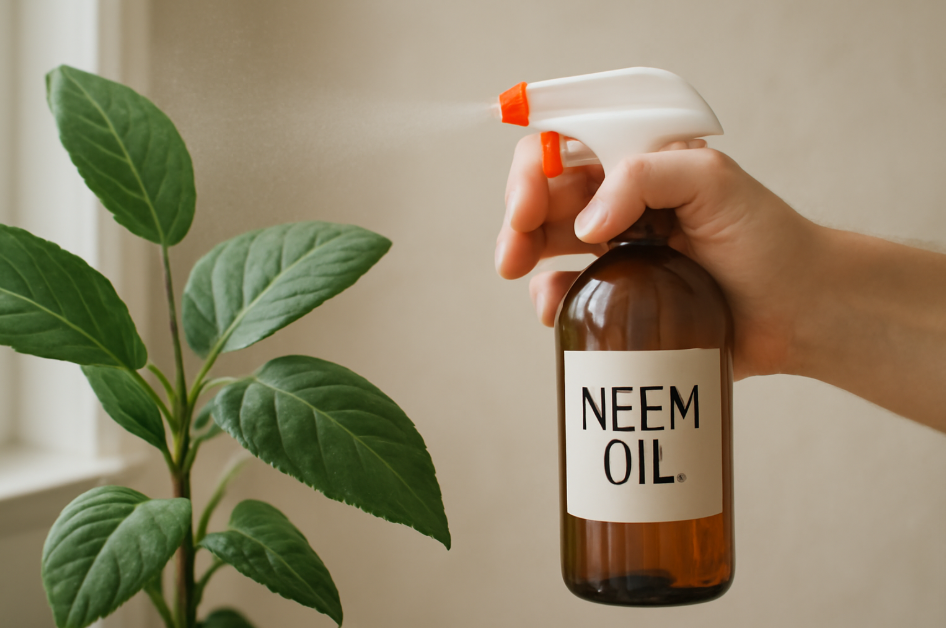
Neem oil is a natural pesticide that works wonders on a wide range of pests, from aphids to spider mites. It’s non-toxic to humans and pets when used correctly, making it a great choice for indoor gardens. Neem oil works by disrupting the pest’s life cycle, preventing them from feeding or reproducing.
How to use it:
- Mix 2 tablespoons of neem oil with 1 quart of water and a few drops of mild dish soap.
- Spray the mixture directly on the affected plants, focusing on the undersides of leaves.
- Reapply once a week or after rain to keep pests at bay.
2. Soap Water Spray
A simple soap and water solution is a safe and effective way to control pests like aphids, mealybugs, and whiteflies. The soap breaks down the protective outer layer of insects, causing them to dehydrate and die.
How to use it:
- Mix 1 tablespoon of mild liquid soap (like castile soap) with 1 quart of water.
- Spray the solution on the leaves and stems of your plants, ensuring full coverage.
- Rinse the plants with water after a few hours to prevent soap buildup.
3. Garlic and Pepper Spray 

Garlic and pepper are natural repellents that can help keep pests like aphids and thrips away from your plants. The strong scent of garlic and the spiciness of pepper irritate insects, discouraging them from feeding or nesting on your plants.
How to use it:
- Blend 2 cloves of garlic with 1 tablespoon of cayenne pepper and 1 quart of water.
- Strain the mixture and spray it on your plants, especially on areas where pests are concentrated.
- Reapply every 7-10 days or after heavy rain.
4. Sticky Traps 
Yellow sticky traps are an excellent way to capture flying pests like fungus gnats and whiteflies. These traps are coated with a sticky substance that traps pests as they try to land, preventing them from reproducing and spreading.
How to use it:
- Place a few yellow sticky traps near your plants, especially around the soil surface where flying pests are most likely to appear.
- Replace the traps as they fill up with insects, ensuring continuous protection.
5. Beneficial Insects
Introducing beneficial insects into your indoor garden can be an effective way to naturally control pests. Ladybugs, lacewing larvae, and predatory mites are excellent natural predators that feed on common pests like aphids, spider mites, and mealybugs.
How to use it:
- You can buy beneficial insects online or at garden centers.
- Release them into your plant setup, especially if you have a serious pest problem.
- Once the pests are under control, the beneficial insects will either die off or move on to other areas in search of food.
6. Diatomaceous Earth (DE) 
Diatomaceous earth is a natural powder made from crushed fossils of aquatic organisms. It works by damaging the exoskeletons of insects, causing them to dehydrate and die. DE is harmless to humans and pets, making it a great choice for indoor pest control.
How to use it:
- Dust a thin layer of food-grade diatomaceous earth on the surface of the soil, around the base of plants, and on the leaves.
- Reapply after watering or if the powder is disturbed.
5. When to Use Chemical Pesticides and How to Choose Safe Options
While natural methods are often the go-to for pest control in indoor plants, there are times when chemical pesticides may be necessary—especially when dealing with severe infestations that can’t be controlled with organic solutions alone. However, it’s crucial to approach chemical pesticide use with caution to avoid harming your plants, pets, or the environment. Here’s when and how to use chemical pesticides safely.

When to Use Chemical Pesticides 
- Severe Infestation: If your plants are heavily infested with pests like spider mites, aphids, or mealybugs, and natural remedies haven’t worked, it may be time to turn to a chemical pesticide. Look for signs such as widespread leaf damage, wilting, or visible pests all over the plant.
- Persistent Pest Problems: If your pest issues persist despite regular maintenance and natural treatments, chemical pesticides might provide the extra help needed to get things under control.
- When Organic Methods Fail: Sometimes, certain pests can become resistant to natural methods, or the infestation may be so advanced that organic options no longer provide enough protection.
How to Choose Safe Chemical Pesticides
- Look for Plant-Safe Products: Always choose a pesticide labeled as safe for indoor plants. Read the label carefully to ensure the product is designed for use on the specific type of plant you’re treating.
- Select Targeted Formulas: Use a pesticide that specifically targets the pest you’re dealing with. Broad-spectrum pesticides may harm beneficial insects like pollinators and predatory bugs, so it’s best to use one that focuses on the particular pest in question.
- Choose Non-Toxic Options: If you have pets or children in your home, opt for non-toxic chemical pesticides. There are many plant-friendly, low-toxicity pesticides available that are effective without posing significant health risks.
- Avoid Aerosols: Aerosol sprays can be harmful if inhaled or if they settle on surfaces where pets or children might come into contact. Instead, choose liquid or concentrate formulas that can be applied directly to affected areas.
How to Apply Chemical Pesticides Safely 
- Test on a Small Area First: Before applying the pesticide to the entire plant, test it on a small, inconspicuous area to check for any adverse reactions like burning or discoloration.
- Apply at the Right Time: Apply pesticides in the early morning or late evening when temperatures are cooler. This reduces the risk of harming the plant and ensures the pesticide is absorbed more effectively.
- Follow Instructions Carefully: Always follow the manufacturer’s instructions regarding dilution, application frequency, and safety precautions. Overuse or improper application can damage your plants or the environment.
- Keep Your Home Ventilated: When applying any pesticide, make sure the area is well-ventilated to reduce inhalation of fumes. Open windows and doors, or use a fan to circulate air.
6. Creating an Ongoing Pest Management Routine
Preventing pests in your indoor plant setup isn’t a one-time task—it’s an ongoing commitment. To ensure your plants remain healthy and pest-free, you need to create a pest management routine that you can stick to. Here’s how to build a simple and effective plan that keeps pests under control year-round.
1. Regular Plant Inspections
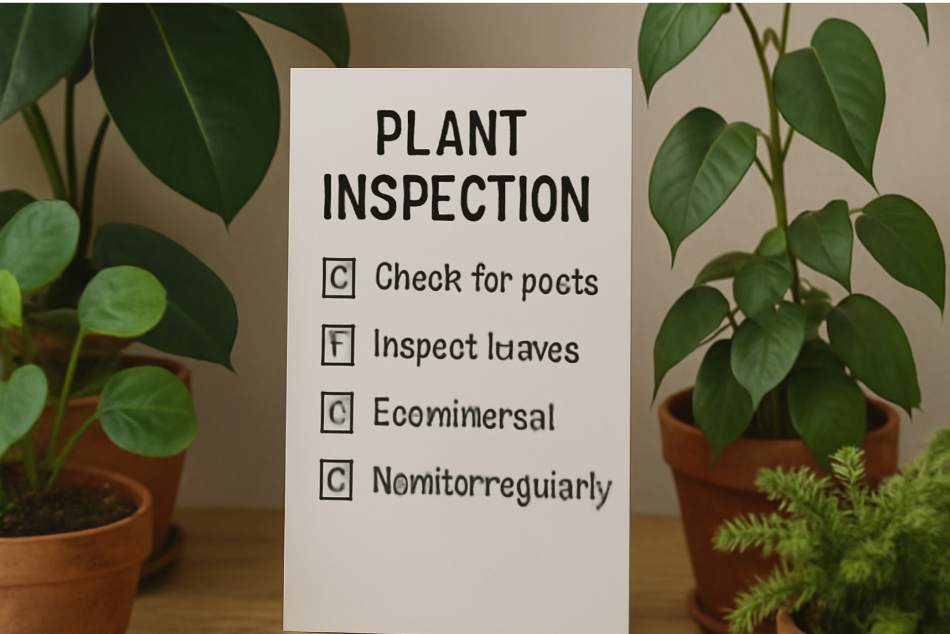
The best way to catch a pest problem early is through consistent inspection. Make it a habit to check your plants at least once a week for signs of pests. Look for discolored leaves, webbing, or tiny insects. The earlier you spot an issue, the easier it is to fix it.
Tip: Pay extra attention to the undersides of leaves, where pests like aphids and spider mites tend to hide.
2. Clean Your Plant Area Frequently
Pests thrive in cluttered and dirty environments. Keep your plant area tidy by regularly wiping down surfaces, removing dead leaves, and cleaning your plant pots. A clean environment reduces the chances of pests finding a home in your setup.
Tip: Once a week, give your plant pots a quick wipe-down with a damp cloth, and remove any fallen leaves or debris.
3. Create a Seasonal Pest Management Plan 
Pests are often more active in certain seasons. During the warmer months, pests like spider mites and aphids tend to thrive, while colder months may bring in different types of pests. Adjust your pest management routine to account for seasonal changes. For example, you might need to increase your inspections or apply natural sprays more frequently during warmer months.
Tip: In spring and summer, check plants more often and apply natural pesticides or neem oil regularly. In fall and winter, reduce watering to prevent fungus gnats.
4. Rotate and Reposition Plants
Plants should be rotated regularly to ensure they receive even exposure to light and air. This not only keeps your plants healthy but also helps prevent pests from settling in one spot. If you notice pests on one plant, consider isolating it away from the others to prevent the spread.
Tip: Once a month, rotate your plants by 90 degrees to promote even growth and airflow.
5. Implement Preventative Treatments
Even if you don’t see pests, it’s a good idea to apply natural repellents or insecticidal soap as a preventative measure. Use neem oil, garlic spray, or soap water once a month to keep pests away before they can settle in.
Tip: Use natural sprays early in the season to build a protective barrier, especially if you’re in a high-risk area for pests.
6. Maintain Proper Plant Care
Healthy plants are less likely to be affected by pests. Keep your plants strong and resilient by providing them with the proper amount of light, water, and nutrients. Avoid overwatering, as this can lead to mold and fungus, attracting pests like fungus gnats.
Tip: Regularly check your plants for signs of stress—yellowing leaves, wilting, or weak growth—and adjust your care routine accordingly.

Maintaining a pest-free indoor plant setup doesn’t have to be overwhelming. By following the simple steps outlined in this article—whether it’s preventing pests before they arrive, using natural remedies, or applying targeted chemical treatments when necessary—you can create a healthy environment where your plants thrive.
Remember, consistency is key! Regular inspections, proper care, and ongoing pest management will not only keep pests at bay but also ensure your plants remain vibrant and strong. With the right routine, you’ll be able to enjoy your indoor garden without the stress of unwanted pests.
Start applying these tips today and watch your indoor plants flourish—healthy, happy, and pest-free!