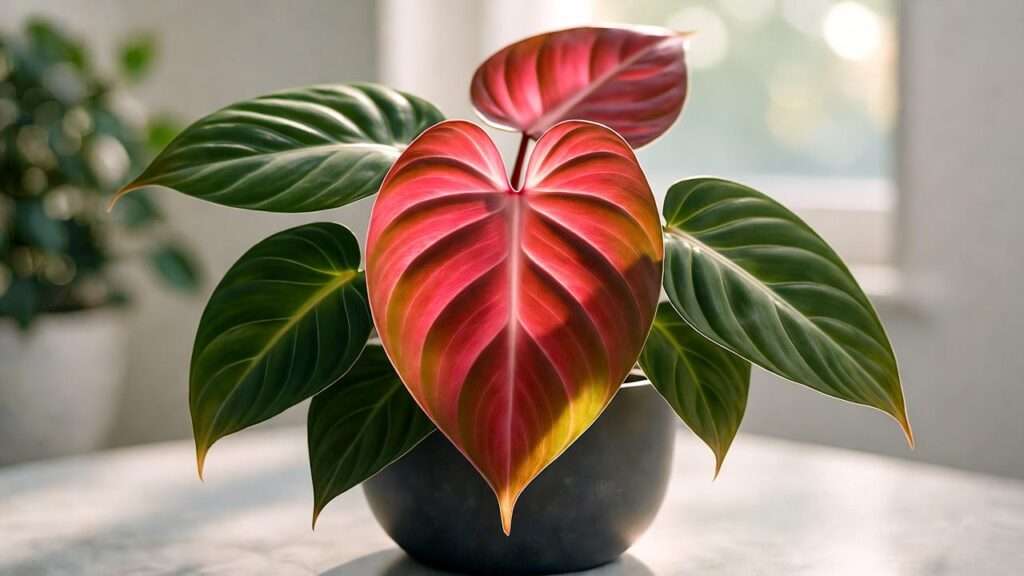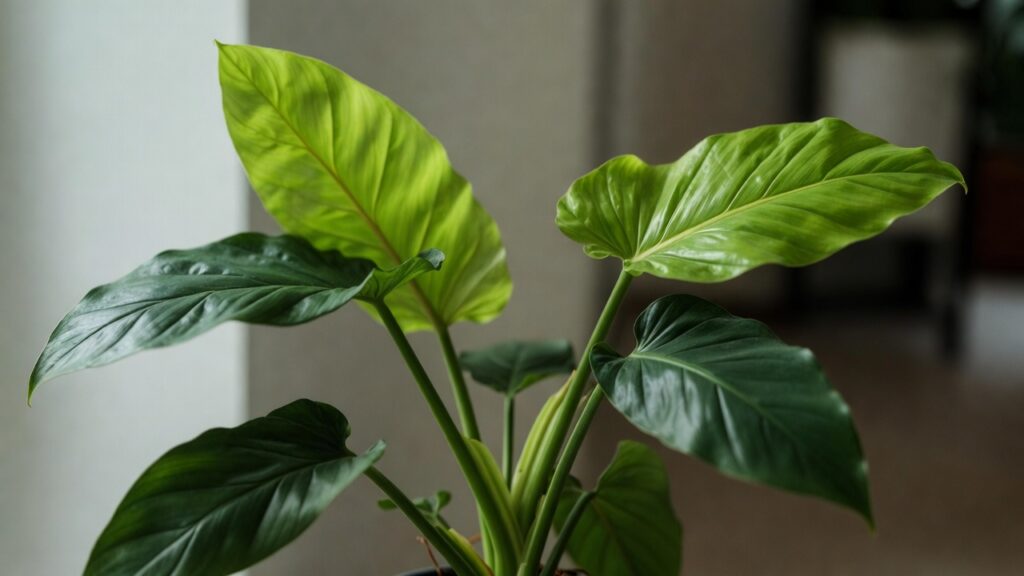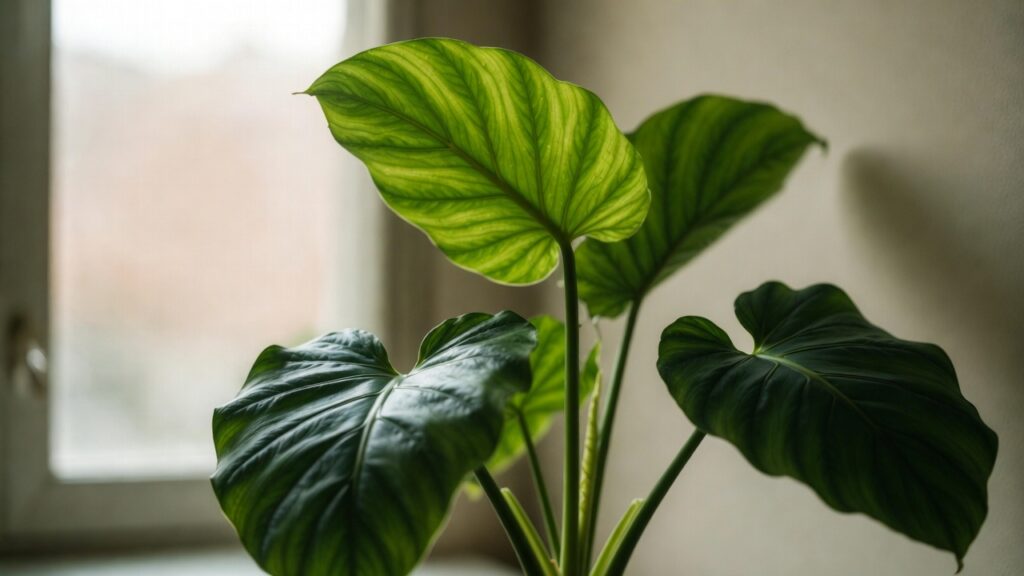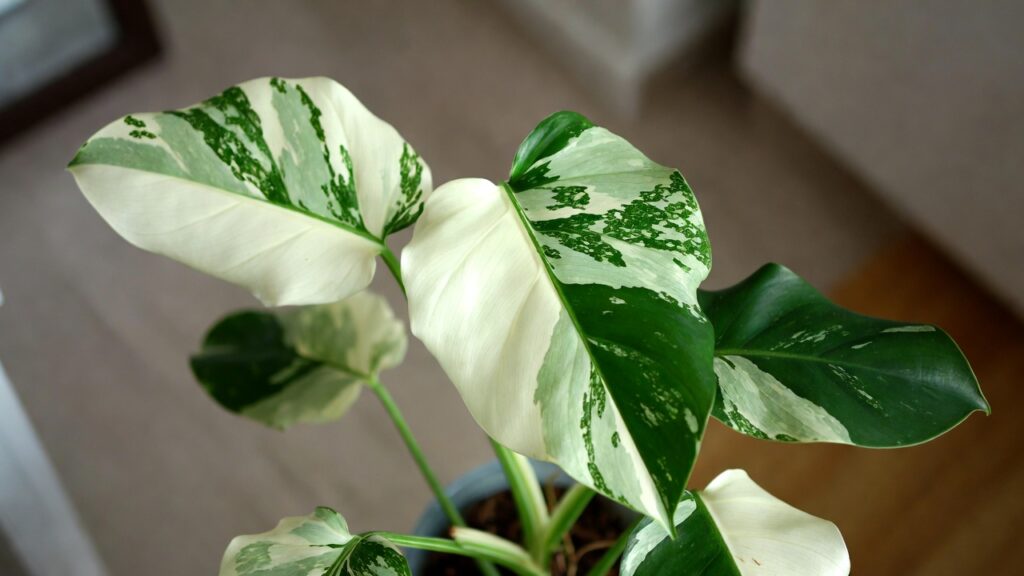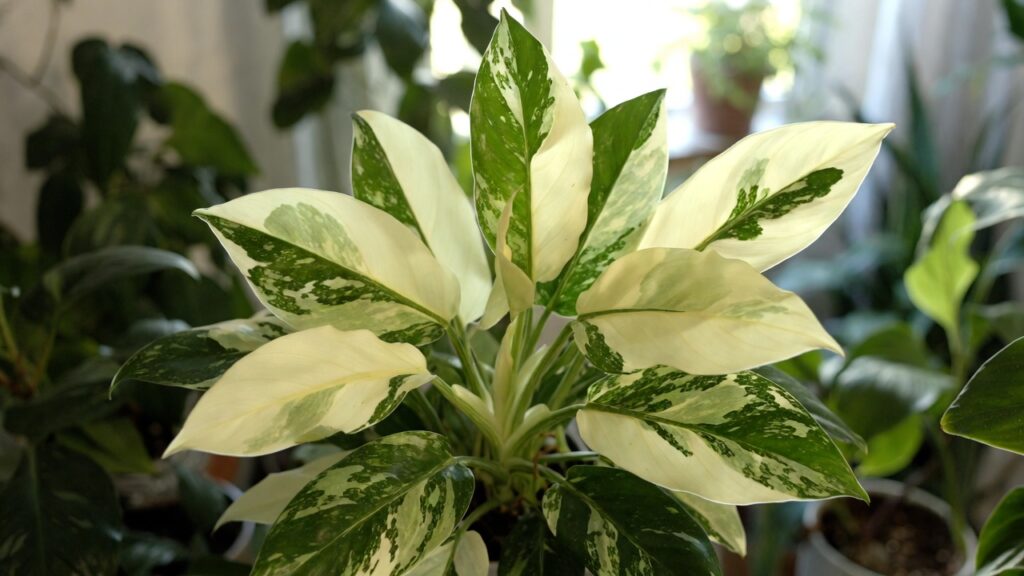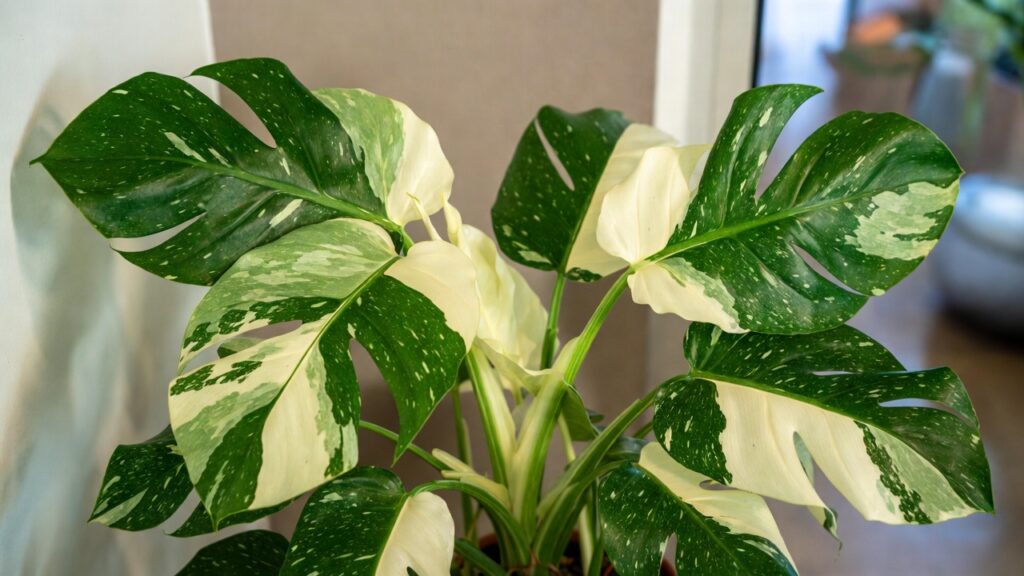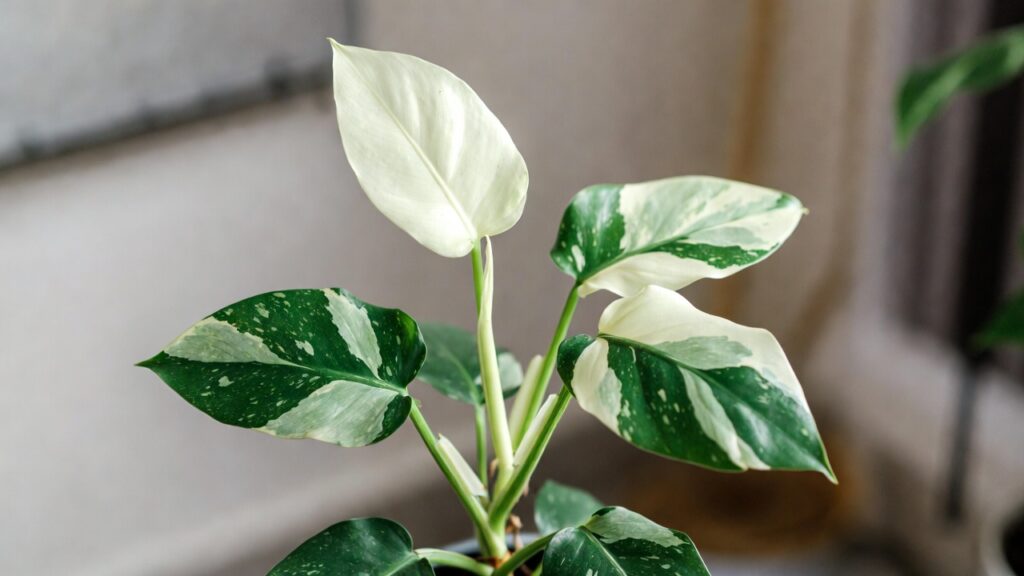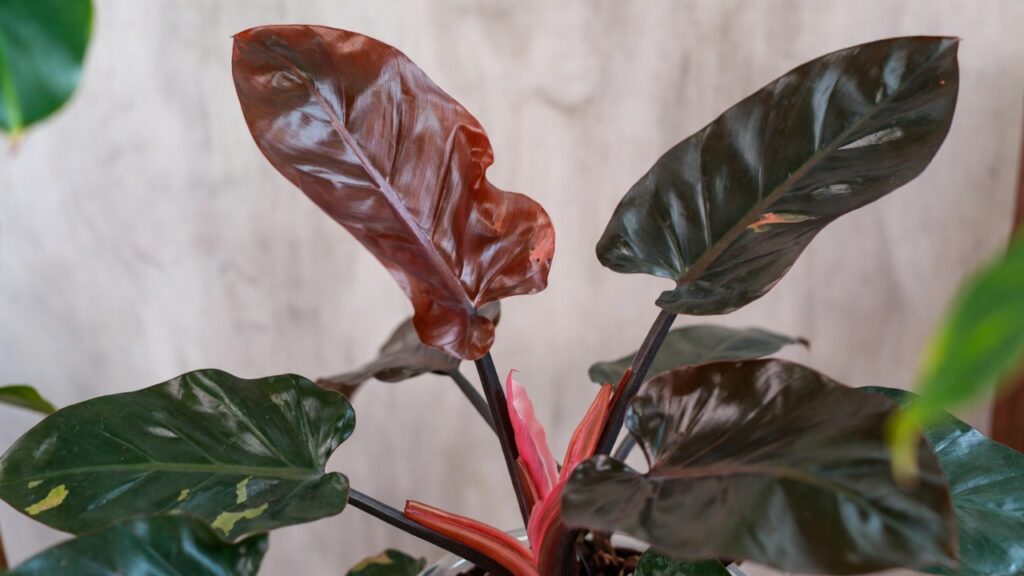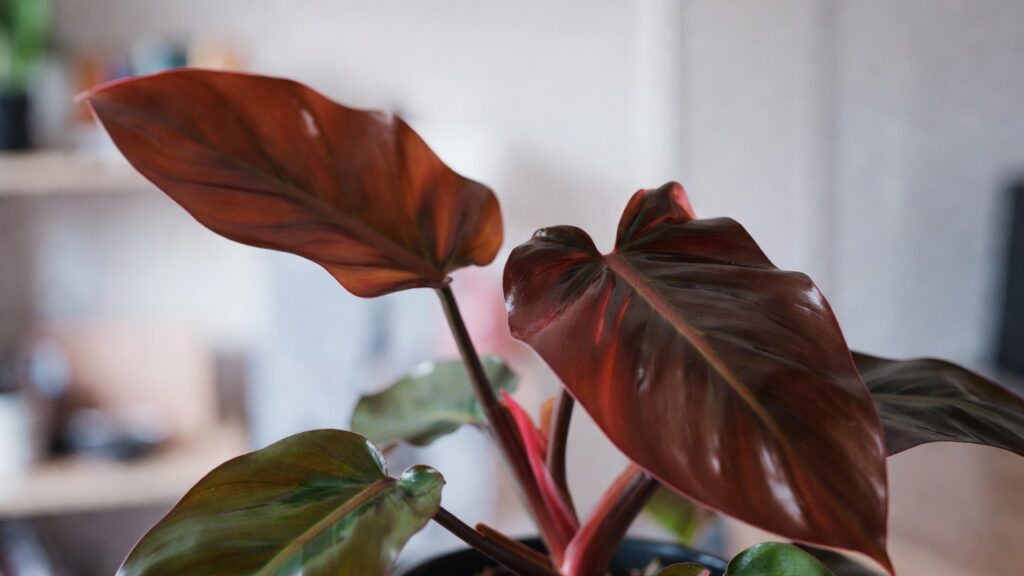
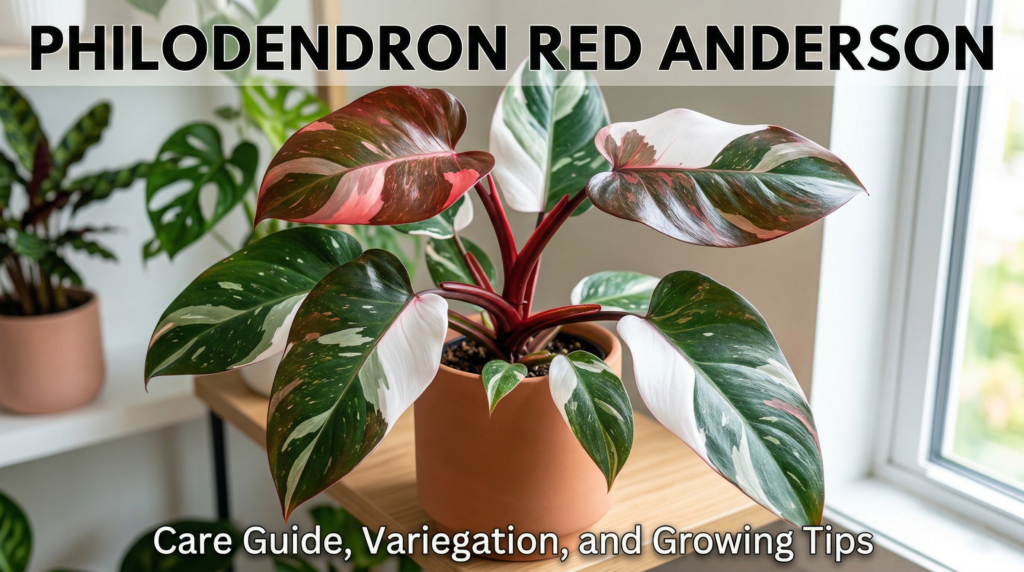
If you’ve ever fallen in love with a plant at first sight, chances are the philodendron red anderson would be at the top of your list. With its striking mix of green, creamy white, and blush-red variegation, this rare hybrid isn’t just a houseplant—it’s a statement piece.
But here’s the reality: many plant owners struggle to keep it alive, let alone thriving.
Leaves lose their vibrant colors. Growth slows down. And sometimes, despite your best efforts, the plant starts declining without a clear reason.
This guide is designed to change that.
Drawing on expert indoor plant care practices, this complete Philodendron Red Anderson care guide will walk you through everything you need to know—from lighting and watering to propagation and troubleshooting—so you can confidently grow a healthy, vibrant plant that keeps its stunning variegation.
What Is Philodendron Red Anderson?
Origin and Background
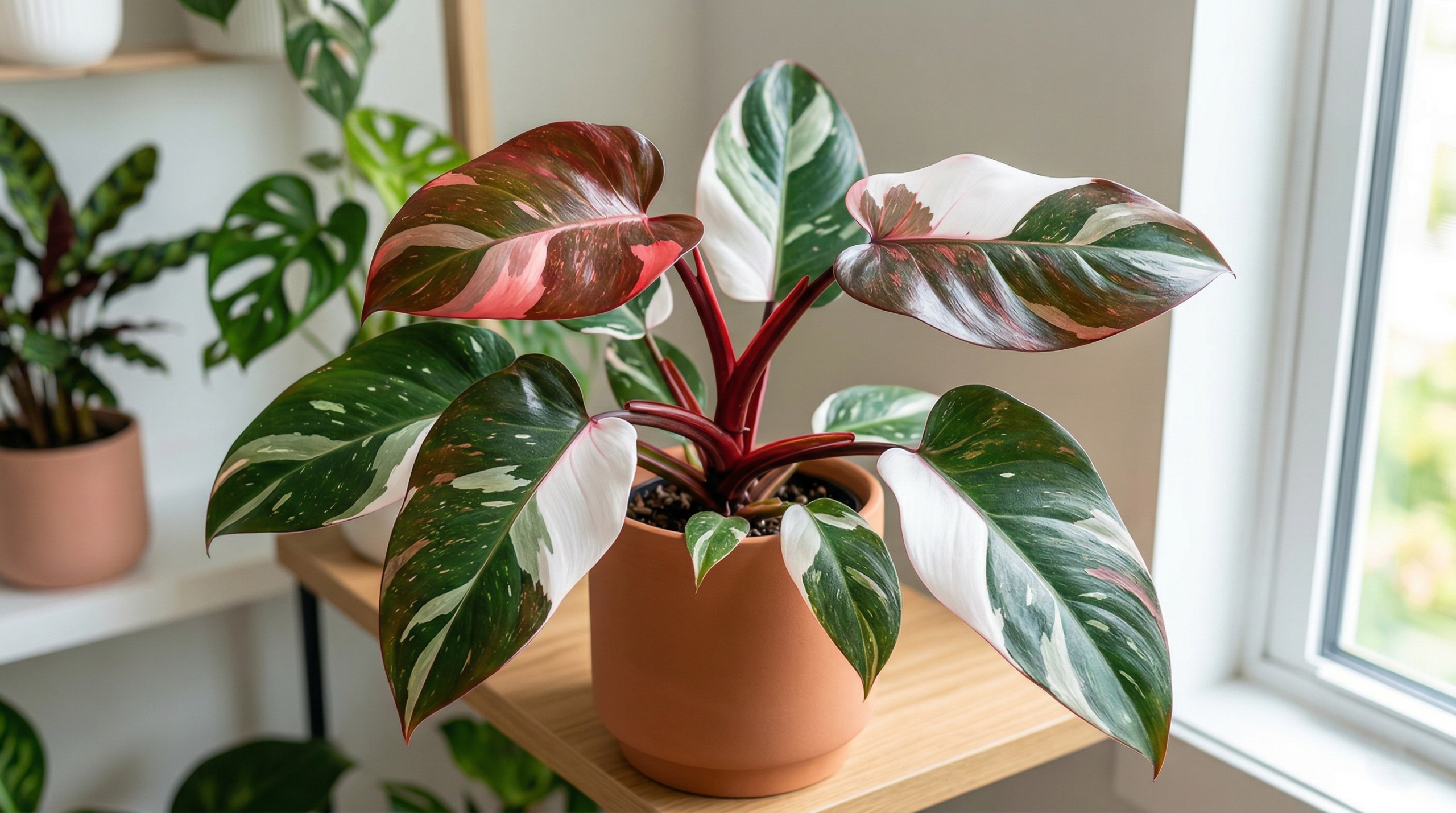
The Philodendron Red Anderson is a rare hybrid philodendron known for its unpredictable and beautiful variegation. Unlike more common varieties like Pink Princess or White Knight, this plant combines multiple color tones—often in the same leaf.
It’s highly sought-after in the indoor plant community due to:
- Its rarity in the market
- Unique color combinations
- Collector appeal
Because it’s a hybrid, its care can sometimes feel less straightforward—but once you understand its needs, it becomes much easier to manage.
Key Features and Appearance
What makes this plant truly stand out:
- Multicolor variegation: Green, white, cream, pink, and even reddish tones
- Elongated heart-shaped leaves
- Climbing growth habit (benefits from support like a moss pole)
- Each leaf is unique — no two look the same
This variability is exactly why plant enthusiasts love it—but also why proper care is critical.
Why It’s Considered a Rare Plant
The Philodendron Red Anderson is not mass-produced like common houseplants. Its rarity comes from:
- Limited propagation sources
- Slow growth compared to other philodendrons
- High demand among collectors
Because of this, it’s often priced higher—making proper care even more important.
Philodendron Red Anderson Care Guide
This is the core section where most plant owners either succeed or struggle. Let’s break it down step by step.
Light Requirements (Critical for Variegation)
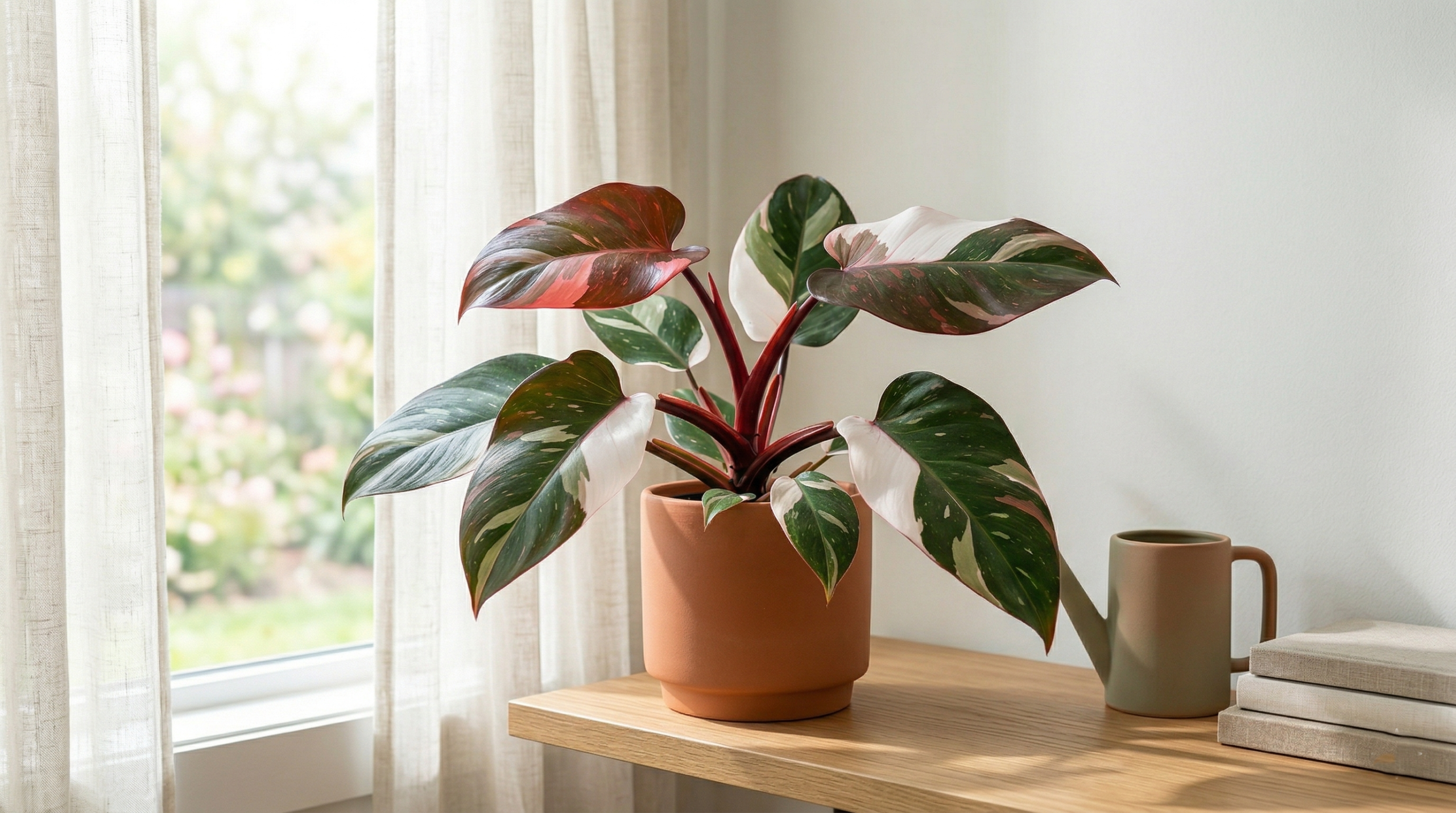
Light is the single most important factor for maintaining the beautiful variegation of your plant.
Ideal Light:
- Bright, indirect sunlight
- Near an east or north-facing window
- Filtered light behind sheer curtains
Why it matters:
Variegated leaves contain less chlorophyll, so they need more light to photosynthesize efficiently.
Too little light leads to:
- Loss of variegation
- Leggy growth
- Smaller leaves
Too much light causes:
- Leaf burn
- Faded or scorched patches
Pro Tip:
If your plant starts producing mostly green leaves, it’s a sign it needs more light.
Watering Needs
One of the most common mistakes with the philodendron red anderson is improper watering.
Best practice:
- Water when the top 1–2 inches of soil are dry
- Use room-temperature water
- Ensure excess water drains out completely
Signs of overwatering:
- Yellowing leaves
- Mushy stems
- Root rot
Signs of underwatering:
- Drooping leaves
- Dry, crispy edges
- Slow growth
Expert Insight:
Consistency matters more than frequency. Always check the soil instead of sticking to a fixed schedule.
Best Soil Mix
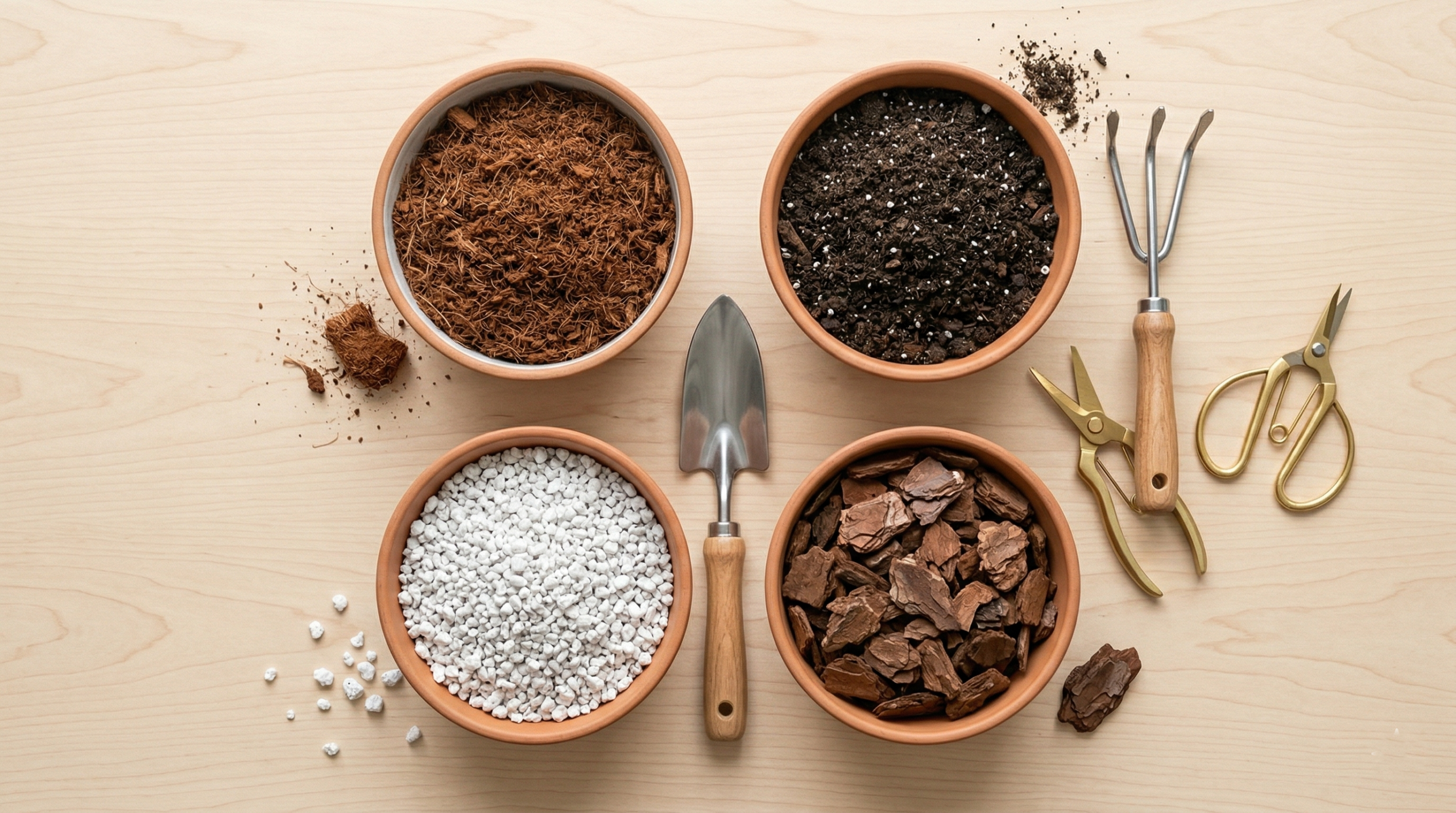
This plant thrives in an airy, well-draining soil mix.
Ideal mix includes:
- Potting soil (base)
- Perlite (for drainage)
- Orchid bark (for aeration)
- Coco coir or peat moss (for moisture retention)
DIY Recipe:
- 40% potting soil
- 30% orchid bark
- 20% perlite
- 10% coco coir
This combination prevents waterlogging while keeping roots healthy.
Temperature and Humidity
Philodendron Red Anderson prefers a stable indoor environment.
Ideal temperature:
- 18°C to 28°C (65°F to 82°F)
Humidity requirements:
- Moderate to high (60%+ is ideal)
Low humidity effects:
- Brown leaf edges
- Reduced variegation quality
Ways to increase humidity:
- Use a humidifier
- Group plants together
- Place a water tray nearby
Fertilizing Schedule
Feeding your plant properly supports both growth and vibrant leaf color.
Recommended:
- Balanced liquid fertilizer (e.g., 10-10-10 or 20-20-20)
- Apply every 4–6 weeks during the growing season
Avoid:
- Over-fertilizing (can damage roots)
- Feeding during winter dormancy
Pro Tip:
Dilute fertilizer to half strength to prevent nutrient burn, especially for variegated plants.
How to Maintain Strong Variegation
This is one of the biggest concerns for plant owners—and rightly so.
Light and Variegation Relationship
Variegation depends heavily on light exposure.
- More light = more variegation (to a point)
- Less light = more green leaves
If your plant starts reverting:
- Move it to a brighter spot
- Rotate the plant regularly
Pruning for Balanced Growth
Pruning isn’t just for aesthetics—it directly impacts variegation.
What to prune:
- Fully green leaves (low variegation)
- Weak or damaged growth
This encourages the plant to produce more balanced, colorful leaves.
Avoiding Reversion
Reversion happens when the plant produces mostly green leaves.
Causes:
- Low light
- Lack of pruning
- Stress conditions
Prevention:
- Maintain consistent lighting
- Trim reverted growth early
- Keep care conditions stable
Potting and Repotting Guide
When to Repot
Repot your plant every 1–2 years or when you notice:
- Roots growing out of drainage holes
- Soil drying too quickly
- Stunted growth
Choosing the Right Pot
- Use pots with drainage holes
- Choose breathable materials (like terracotta or plastic with aeration)
- Avoid oversized pots (can lead to overwatering)
Step-by-Step Repotting Process
- Gently remove the plant from its current pot
- Loosen the root ball
- Trim any dead or rotting roots
- Place in fresh soil mix
- Water lightly
Aftercare Tip:
Keep the plant in indirect light and avoid fertilizing for 2–3 weeks after repotting.
Propagation Guide (Grow Your Collection)
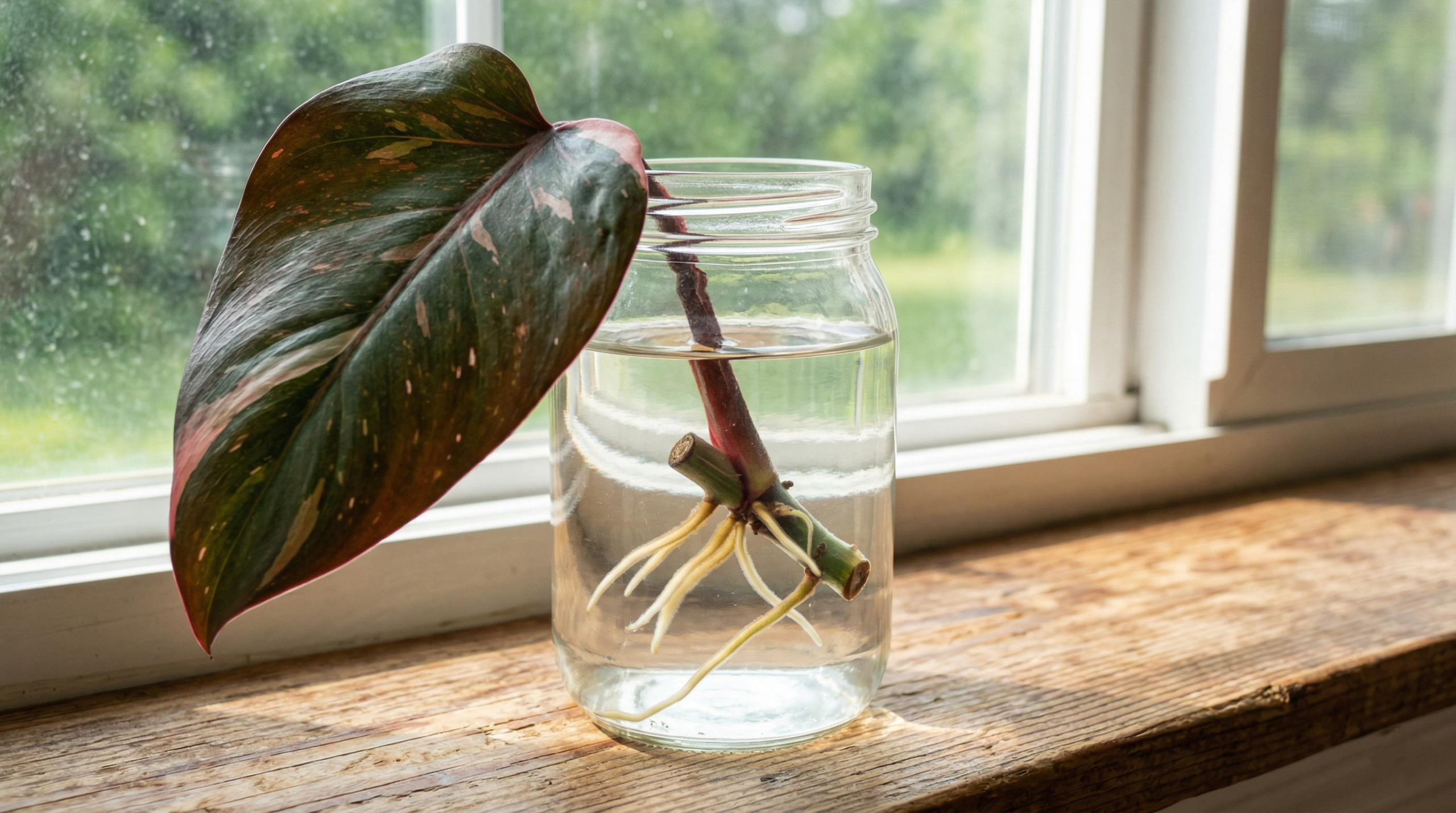
Propagation by Stem Cuttings
The most effective way to propagate the philodendron red anderson is through stem cuttings.
Steps:
- Identify a healthy node
- Cut below the node
- Ensure at least one leaf is attached
Water vs Soil Propagation
Water propagation:
- Easier to monitor root growth
- Faster for beginners
Soil propagation:
- Roots adapt faster to soil
- Lower transplant shock
Common Propagation Mistakes
- Cutting without a node
- Using dirty tools
- Overwatering cuttings
Common Problems and Solutions
Yellow Leaves
Causes:
- Overwatering
- Poor drainage
Solution:
- Adjust watering schedule
- Improve soil aeration
Brown Tips or Edges
Causes:
- Low humidity
- Inconsistent watering
Fix:
- Increase humidity
- Maintain consistent care
Loss of Variegation
Causes:
- Insufficient light
Solution:
- Move to brighter location
Pests (Spider Mites, Mealybugs)
Signs:
- Tiny webs
- Sticky residue
- White cotton-like spots
Treatment:
- Neem oil
- Insecticidal soap
- Regular leaf cleaning
Is Philodendron Red Anderson Beginner-Friendly?
Short answer: Not ideal for complete beginners—but manageable with guidance.
Best suited for:
- Intermediate plant owners
- Collectors of rare plants
Why:
- Requires consistent care
- Sensitive to light and watering conditions
Buying Guide: How to Choose a Healthy Philodendron Red Anderson
What to Look For
- Strong variegation
- Healthy roots
- Firm stems
Red Flags to Avoid
- Completely green plant (possible reversion)
- Signs of rot or pests
- Weak structure
Average Price Range
Prices vary widely depending on:
- Size
- Variegation quality
- Seller reputation
Expect higher prices due to rarity.
Styling and Placement Ideas for Indoor Spaces
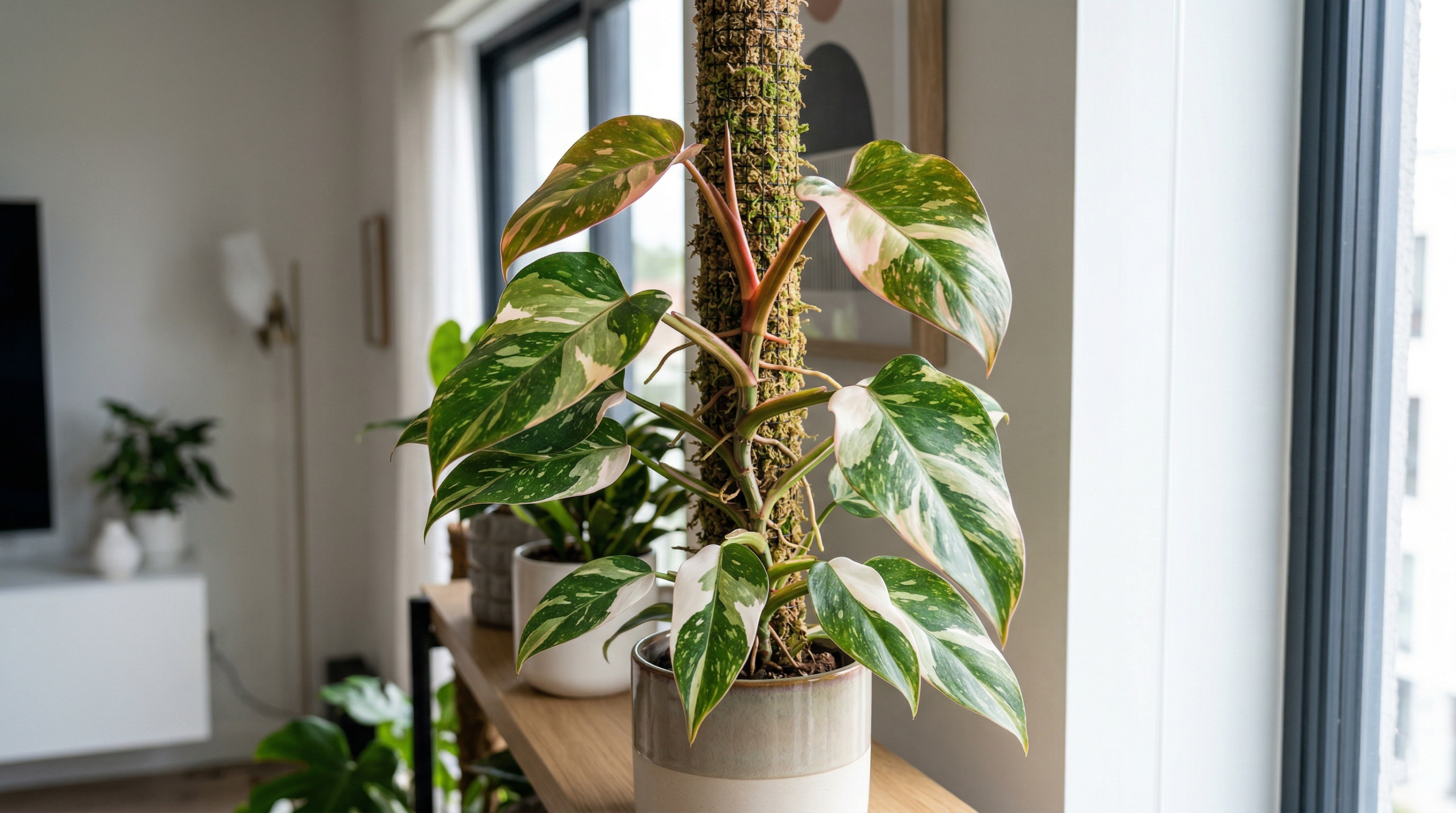
A plant as visually striking as the philodendron red anderson deserves more than just a random corner—it should be showcased.
Best Rooms for Placement
To balance aesthetics and plant health:
- Living room: Near a bright window with filtered light
- Home office: Adds a calming, productive atmosphere
- Bedroom: Works well if light conditions are sufficient
Avoid placing it in:
- Dark hallways
- Direct sunlight spots (like harsh west-facing windows without curtains)
Using Vertical Support (Moss Poles & Climbing)
Since this is a climbing philodendron, giving it support dramatically improves its appearance and growth.
Benefits of a moss pole:
- Encourages larger leaves
- Enhances variegation
- Mimics natural growth conditions
Pro Tip:
Keep the moss pole slightly moist to encourage aerial roots to attach.
Decorative Styling Ideas
- Pair with minimalist white or ceramic pots to highlight leaf colors
- Combine with other tropical plants like:
- Monstera
- Calathea
- Philodendron Pink Princess
- Use plant stands to elevate it visually
This turns your plant into a true interior design centerpiece.
Expert Tips for Faster Growth and Healthier Leaves
If you want your Philodendron Red Anderson to truly thrive—not just survive—these expert-level strategies make a big difference.
1. Use a Moss Pole for Bigger Leaves
Climbing plants naturally produce larger, more mature leaves when supported.
- Attach stems gently to the pole
- Keep it slightly damp
- Watch leaf size increase over time
2. Clean Leaves Regularly
Dust blocks light absorption.
How to clean:
- Wipe leaves with a damp cloth
- Do this every 2–3 weeks
Bonus: Cleaner leaves = better photosynthesis + shinier appearance
3. Rotate Your Plant
To ensure even growth:
- Rotate the pot every 1–2 weeks
- Prevents leaning and uneven variegation
4. Adjust Care Seasonally
Growing season (spring/summer):
- More frequent watering
- Regular fertilizing
Dormant season (fall/winter):
- Reduce watering
- Stop fertilizing
5. Avoid Frequent Relocation
This plant is sensitive to environmental changes.
- Keep it in a stable spot
- Avoid sudden temperature or light shifts
Frequently Asked Questions (FAQ)
Why is my Philodendron Red Anderson losing its color?
The most common reason is insufficient light. Variegated plants need brighter conditions to maintain their unique coloring. Move your plant to a brighter location with indirect sunlight.
How fast does Philodendron Red Anderson grow?
It has a moderate growth rate under ideal conditions. With proper light, humidity, and support, you can expect steady growth during the warmer months.
Can it survive in low light?
Technically yes—but it won’t thrive.
Low light can lead to:
- Loss of variegation
- Slower growth
- Smaller leaves
Is Philodendron Red Anderson toxic to pets?
Yes. Like most philodendrons, it contains calcium oxalate crystals, which are toxic to cats and dogs if ingested.
Keep it out of reach of pets and children.
How do I make my plant bushier?
- Prune leggy stems
- Provide adequate light
- Use propagation to replant cuttings in the same pot
This creates a fuller, more compact look.
Final Thoughts
The philodendron red anderson is more than just a plant—it’s a collector’s gem that rewards careful, consistent care with breathtaking foliage.
While it may seem challenging at first, the truth is simple:
Get the basics right—light, water, and humidity—and everything else becomes easier.
By following this guide, you’re not just keeping your plant alive—you’re helping it thrive, grow, and maintain the stunning variegation that makes it so special.