Essential Indoor Plants

philodendron red

How to Care for Your Philodendron Red: A Complete Guide for Thriving Indoor Plants

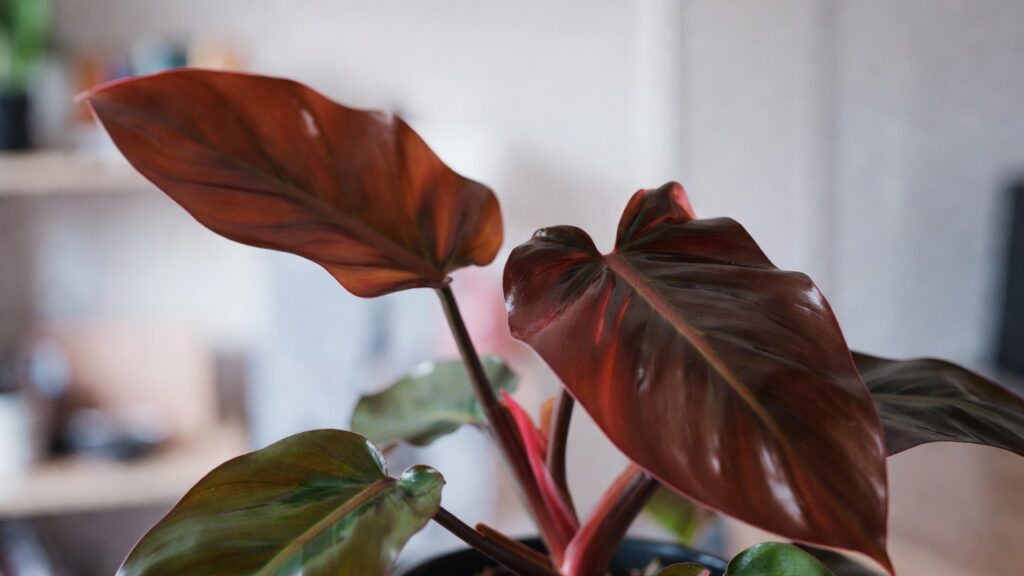
If you’re an indoor plant lover looking to add a vibrant touch to your collection, the Philodendron Red is a must-have. With its striking red-tinted leaves and glossy, heart-shaped foliage, this plant isn’t just a beauty; it’s also easy to care for, making it an excellent choice for both seasoned gardeners and those new to the world of houseplants. Whether you’re looking to enhance your living room or add a pop of color to your workspace, Philodendron Red can thrive in various environments, given the right care.

In this complete guide, we’ll take you through everything you need to know to help your Philodendron Red thrive. From understanding its unique characteristics to offering detailed care tips and troubleshooting common issues, you’ll find expert insights to keep your plant healthy and beautiful year-round. By the end of this guide, you’ll be fully equipped to maintain your plant’s beauty and longevity with minimal stress.

Understanding Philodendron Red

What Is Philodendron Red?

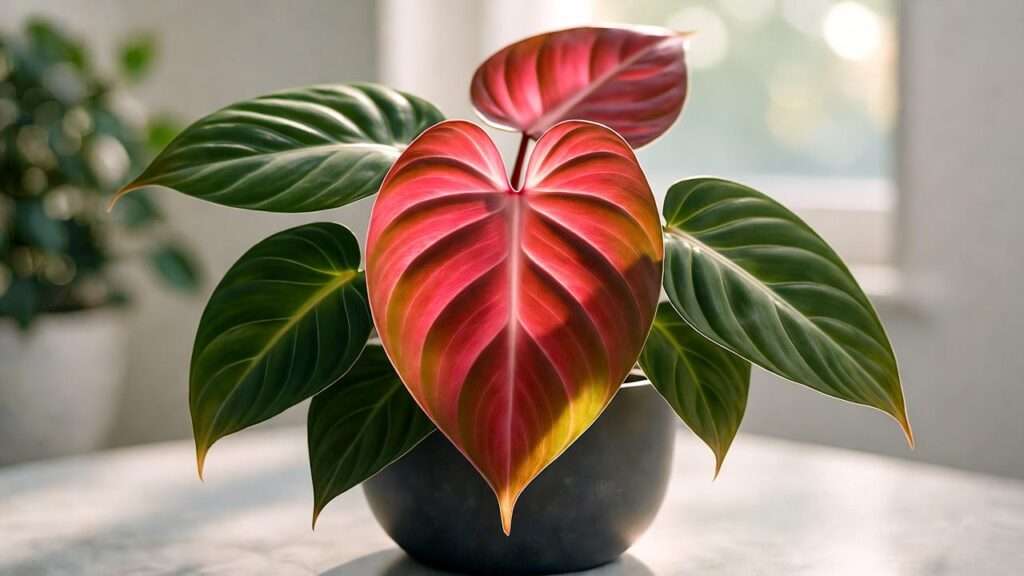
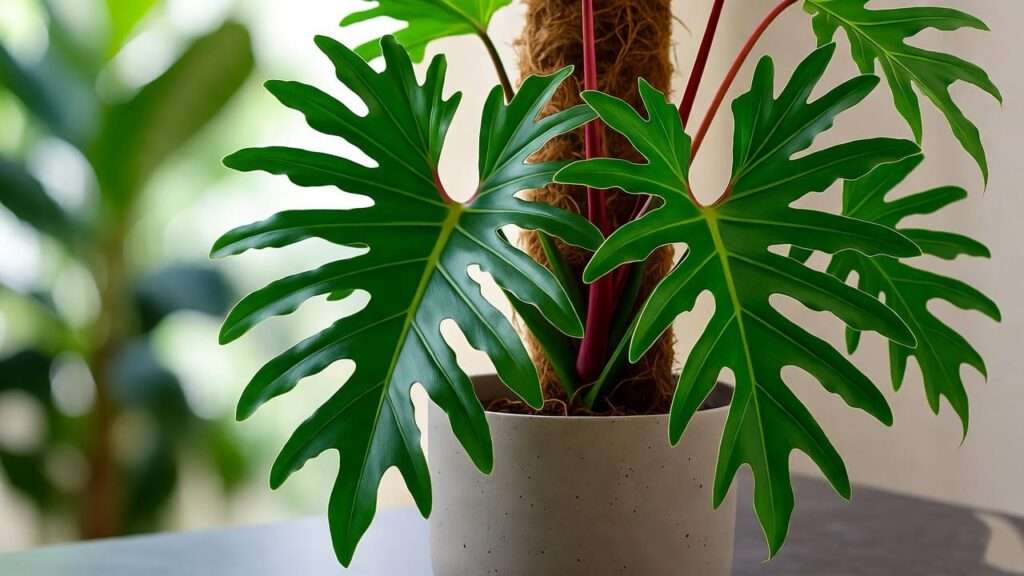
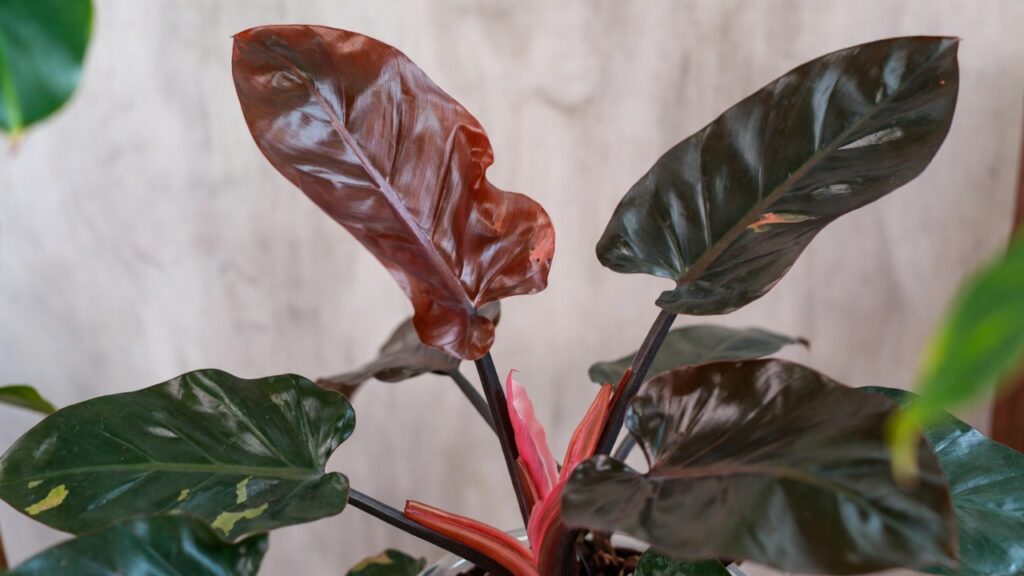
The Philodendron Red is a visually striking member of the Philodendron genus, known for its heart-shaped leaves that take on a rich red hue as they mature. Unlike some other varieties of Philodendrons, which can have green or variegated foliage, the Philodendron Red offers an eye-catching contrast that makes it stand out in any space. Native to tropical regions, this plant is part of a larger family known for its ease of care and ornamental value.

Its slow-growing nature makes it ideal for indoor spaces, and it’s often chosen as a statement plant in modern decor. This variety is relatively new compared to other more common Philodendrons but has quickly gained popularity due to its dramatic foliage and air-purifying qualities.

Key Features of Philodendron Red

The Philodendron Red is most notable for its vibrant reddish-purple leaves that can darken over time, adding a unique touch to any room. Below are some key features of this plant:

  • Leaf Color: When young, the leaves are a deep red or burgundy, transitioning to a darker, almost purple hue as they mature.

  • Size and Shape: The plant grows as a compact shrub or climbing vine, making it ideal for small spaces or as a hanging plant.

  • Growth Habits: It can either be allowed to climb or kept as a trailing plant, making it adaptable for various indoor setups.

This combination of beauty and adaptability makes the Philodendron Red a fantastic addition to any home, whether you’re a novice gardener or an experienced plant parent.


Essential Care Requirements for a Thriving Philodendron Red

To ensure your Philodendron Red thrives, it’s essential to understand its specific care needs. Below, we’ll walk you through the plant’s light, water, temperature, and soil requirements to help you provide the best environment for it.

Light Requirements

Healthy Philodendron Red thriving in bright, indirect light in a minimalist living room.

The Philodendron Red thrives best in bright, indirect light. While it can tolerate lower light conditions, its vibrant red color will appear more muted in these environments. If placed in direct sunlight, the leaves may burn, leading to brown spots and overall stress on the plant.

  • Ideal Light: Bright, indirect light is best.

  • What to Avoid: Direct sunlight, as it can scorch the leaves.

  • Indoor Placement Tips: A spot near a window with sheer curtains or a few feet away from direct sunlight is perfect.

If you’re looking to enhance the plant’s color, try placing it near a window that receives plenty of natural light but avoid the harsh midday sun. This balance is key to achieving both healthy growth and those signature red hues.

Temperature and Humidity

As a tropical plant, the Philodendron Red prefers warm and humid environments. The ideal temperature range is between 65°F and 80°F (18°C to 27°C), so it’s important to avoid placing your plant in areas with fluctuating temperatures, such as near heaters, air conditioners, or drafts.

  • Optimal Temperature: 65°F to 80°F (18°C to 27°C).

  • Humidity: High humidity is ideal. This plant will thrive in a room with 60% or higher humidity levels.

  • How to Maintain Humidity: Use a humidifier, place your plant in a bathroom with good light, or set up a humidity tray beneath the pot.

If the air in your home is too dry, particularly in winter, you may notice brown tips on the leaves. To combat this, consider placing the plant on a humidity tray (a shallow tray filled with water and pebbles) or using a room humidifier. Regular misting can also help, but be cautious not to overdo it, as this can lead to fungal issues.

Watering Needs

One of the most crucial aspects of caring for a Philodendron Red is getting the watering just right. Overwatering is a common mistake, so it’s important to ensure the plant’s soil has proper drainage and doesn’t stay soggy for too long.

  • How Often to Water: Water when the top 1-2 inches of soil are dry. This generally means watering about once a week, but it can vary depending on the season and humidity levels.

  • Signs of Overwatering: Yellowing leaves, mushy stems, or a sour smell from the soil.

  • Signs of Underwatering: Brown, crispy leaf edges and dry, shriveled soil.

A good rule of thumb is to check the soil moisture by sticking your finger into the soil. If it feels dry, it’s time to water. If it’s still moist, wait a few more days before checking again.

Soil and Potting

A well-draining soil mix is crucial for your Philodendron Red’s health. Use a peat-based potting mix with added perlite or orchid bark to enhance drainage. This ensures the roots don’t sit in water, which can lead to root rot.

  • Best Soil Type: Well-draining, acidic soil that holds moisture but doesn’t stay soggy.

  • Potting Tips: Ensure the pot has drainage holes to allow excess water to escape.

  • Repotting: Repot your plant every 1-2 years or when it outgrows its container.

When choosing a pot, make sure it’s only 1-2 inches larger in diameter than the current one, as too much extra space can cause the plant to become root-bound. Repotting is best done during the spring or early summer when the plant is actively growing.

Fertilizing and Nutrient Requirements

While the Philodendron Red isn’t particularly demanding when it comes to fertilizers, it can benefit from regular feeding to maintain healthy growth, especially during the growing season (spring and summer).

  • Fertilizing Frequency: Feed your plant once a month during the growing season with a balanced, water-soluble fertilizer.

  • What to Use: A general-purpose houseplant fertilizer with equal parts nitrogen, phosphorus, and potassium (NPK).

  • Avoid Over-Fertilizing: Too much fertilizer can cause leaf burn or slow growth.

In the fall and winter months, reduce or stop fertilizing altogether, as the plant enters a dormant phase and won’t need as much nutrition.

Common Problems and Solutions for Philodendron Red

Like any plant, the Philodendron Red can experience issues. Below, we’ll go over some of the most common problems and how to resolve them.

Yellowing Leaves

Yellowing leaves can be a sign of several issues, including overwatering, nutrient deficiencies, or improper light exposure.

  • Causes: Overwatering, lack of nutrients, poor drainage.

  • Solutions: Ensure your plant isn’t sitting in water, adjust your watering routine, and provide occasional feeding during the growing season.

Brown Tips and Edges

"Philodendron Red showing signs of overwatering with brown, crispy leaf tips and yellowing edges."

Brown leaf tips are often caused by low humidity or inconsistent watering.

  • Causes: Dry air, underwatering, or over-fertilizing.

  • Solutions: Increase humidity by placing the plant on a humidity tray or using a humidifier. Check your watering schedule and ensure you’re not allowing the soil to dry out too much.

Pests and Diseases

Philodendron Red, like other indoor plants, can sometimes attract pests or fall victim to diseases. While it’s generally resistant to many pests, a few can still cause issues. Here’s how to handle common pests and diseases.

  • Common Pests: Mealybugs, aphids, and spider mites are the most common pests that may target your Philodendron Red.

    • Mealybugs appear as white, cotton-like clusters on the stems or leaves.

    • Aphids can cause yellowing of leaves and distorted growth.

    • Spider mites leave behind fine webbing on the undersides of leaves.

  • Prevention and Treatment: Use a mixture of water and mild dish soap or neem oil to gently wipe off pests. For a heavier infestation, consider using insecticidal soap or an organic pest control solution. You can also introduce beneficial insects like ladybugs to naturally control pests.

  • Root Rot: One of the most common diseases that affect Philodendron Red is root rot, often caused by overwatering. Ensure your plant is not sitting in water, and check the roots regularly. If root rot is detected, trim away affected roots and repot the plant in fresh, well-draining soil.

Propagating Your Philodendron Red

If you want to grow more of this beautiful plant or share it with friends, propagating your Philodendron Red is a simple and rewarding process.

How to Propagate Philodendron Red

"Philodendron Red propagation in water with roots forming, sitting in a jar on a well-lit windowsill."

Propagation can be done using cuttings. Here’s how to do it successfully:

  1. Choose a Healthy Stem: Select a stem with at least 1-2 leaves and a node (the small bump on the stem where leaves grow). Make sure the stem is healthy, without signs of pests or diseases.

  2. Cut the Stem: Using a sharp, sterile knife or scissors, cut just below a node.

  3. Rooting in Water: Place the cutting in a jar or glass of water, ensuring the node is submerged but the leaves are not touching the water. Change the water every few days.

  4. Rooting in Soil: Alternatively, you can root the cutting directly in soil by planting it in a small pot with well-draining soil. Keep the soil lightly moist and provide humidity to encourage rooting.

  5. Wait for Roots to Form: After 2-4 weeks, you should start to see roots forming. Once the roots are at least 2 inches long, you can pot the cutting in a larger container with well-draining soil.

How to Care for New Philodendron Red Plants

Once the cutting has developed roots and is established in its new pot, treat it like an adult plant. Keep it in bright, indirect light, water when the soil is dry to the touch, and ensure it has enough humidity. In about 3-4 months, it will begin to grow larger, and the leaves will start to turn that signature red hue.

Styling Your Philodendron Red in Your Home

"Philodendron Red in a bathroom, thriving in high humidity with red leaves contrasting against a modern, minimalist bathroom decor."

Philodendron Red is not only a low-maintenance plant but also an excellent decorative piece. Here’s how you can use it to enhance the aesthetic of your home.

Best Placement for Aesthetic Appeal

The bold color of Philodendron Red makes it a perfect plant to highlight in your home. Since it thrives in bright, indirect light, the best spots are near windows with filtered sunlight or in well-lit corners of the room.

  • Living Room: Place it near the window or on a coffee table for a stylish focal point.

  • Office: A Philodendron Red can add color and vibrancy to your work environment, boosting both the aesthetic and air quality.

  • Bathrooms: With its humidity-loving nature, this plant also thrives in bathrooms with natural light, adding a tropical vibe to your space.

Creative Ways to Display Philodendron Red

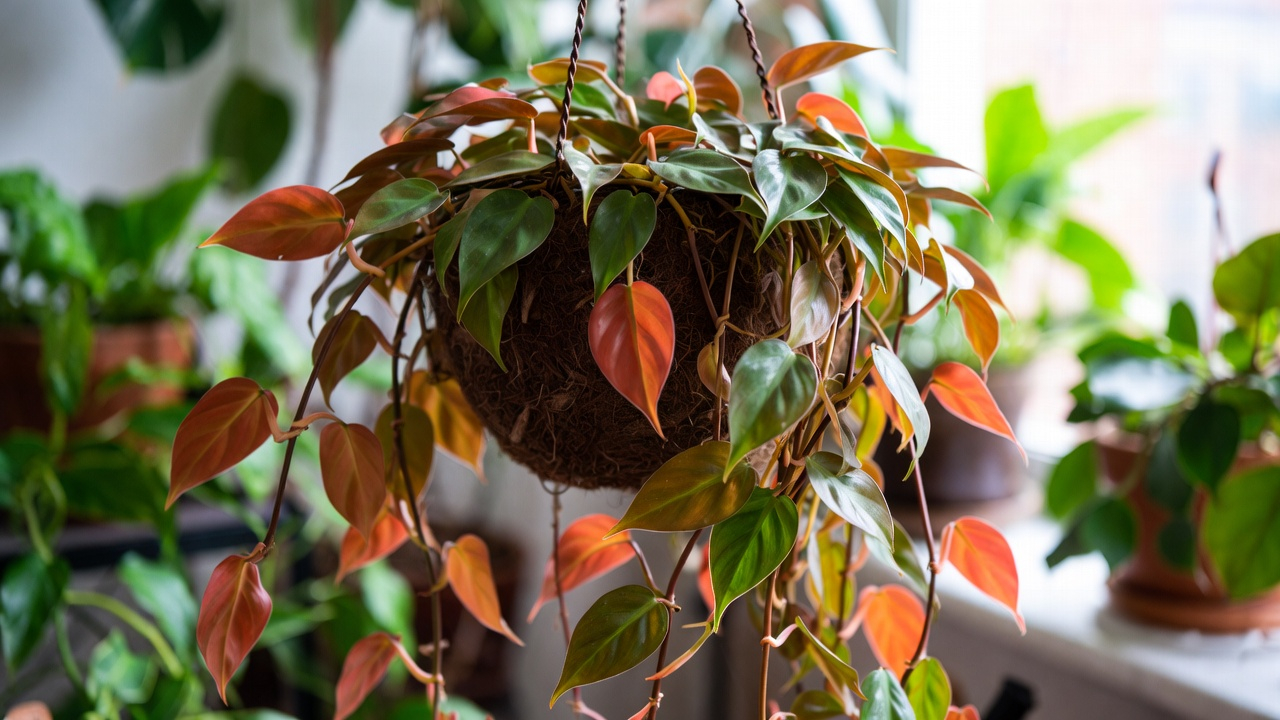
"Philodendron Red displayed in a hanging basket with cascading vines, adding a touch of greenery to a bright room."

Philodendron Red’s trailing vines can be styled in various ways:

  • Hanging Baskets: Allow the plant to cascade from a hanging basket or macramé plant holder, creating a lush, bohemian look.

  • Wall-Mounted Planters: Use wall-mounted planters or shelves to elevate your plant and let its vines stretch beautifully.

  • Tall Pot: Place it in a tall decorative pot to allow its vines to grow upwards or outwards, filling your space with green and red.

Expert Tips for Long-Term Care

Seasonal Adjustments for Philodendron Red

Philodendron Red’s care needs can shift throughout the year, particularly as seasons change. Here’s how to adjust your care routine for optimal growth.

  • Spring and Summer: During the growing season, provide consistent care. Make sure the plant receives plenty of indirect sunlight, regular watering, and occasional fertilizing. The increased daylight encourages faster growth and vibrant foliage.

  • Fall and Winter: In cooler months, reduce watering and stop fertilizing. The plant will enter a period of dormancy and will require less attention. Be mindful of placing it near heat sources, as this can cause dryness and leaf damage.

Enhancing Growth with Regular Maintenance

"Pruned Philodendron Red plant showing healthy, fresh growth, sitting in a bright living room."

To keep your Philodendron Red healthy and growing, regular maintenance is essential. This includes:

  • Pruning: Trim back any dead or yellowing leaves to encourage new growth and maintain the plant’s shape.

  • Support for Growth: If your plant is growing vertically, consider using stakes or moss poles to provide support. This allows the plant to climb and stay upright, which mimics its natural growth habits.

Frequently Asked Questions (FAQs)

How Fast Does a Philodendron Red Grow?

The Philodendron Red is a slow-grower, especially compared to other indoor plants. Under optimal conditions, it can grow about 6-12 inches per year. However, with proper care, you can encourage a steady growth rate and vibrant leaves.

Can Philodendron Red Tolerate Low Light?

While Philodendron Red can survive in low light, it won’t thrive and the leaves may lose their characteristic red hue. To maintain its striking color and healthy growth, bright, indirect light is the best option.

How Often Should I Repot My Philodendron Red?

Repotting is needed when the plant outgrows its container or the soil starts to break down. Typically, this happens every 1-2 years. During repotting, refresh the soil and choose a pot that’s just a little larger than the current one to allow room for growth.

Why Is My Philodendron Red Not Growing?

If your Philodendron Red isn’t growing, the issue could be insufficient light, improper watering, or lack of nutrients. Make sure the plant is receiving bright, indirect light, and adjust watering as needed. A lack of fertilizer can also stunt growth, so feed your plant during the growing season.

Conclusion

Caring for a Philodendron Red is straightforward, but understanding its unique needs is essential to ensure it thrives. With the right light, temperature, humidity, and watering routine, your plant will reward you with stunning red foliage and easy growth. Whether you’re a novice plant parent or an experienced gardener, this guide provides all the information you need to successfully care for your Philodendron Red.

By following the expert tips outlined in this article, you can enjoy a healthy, vibrant plant that will enhance your home decor and purify your indoor air. Remember, consistency is key, and with a little patience, your Philodendron Red will flourish and grow beautifully.

Index
Scroll to Top