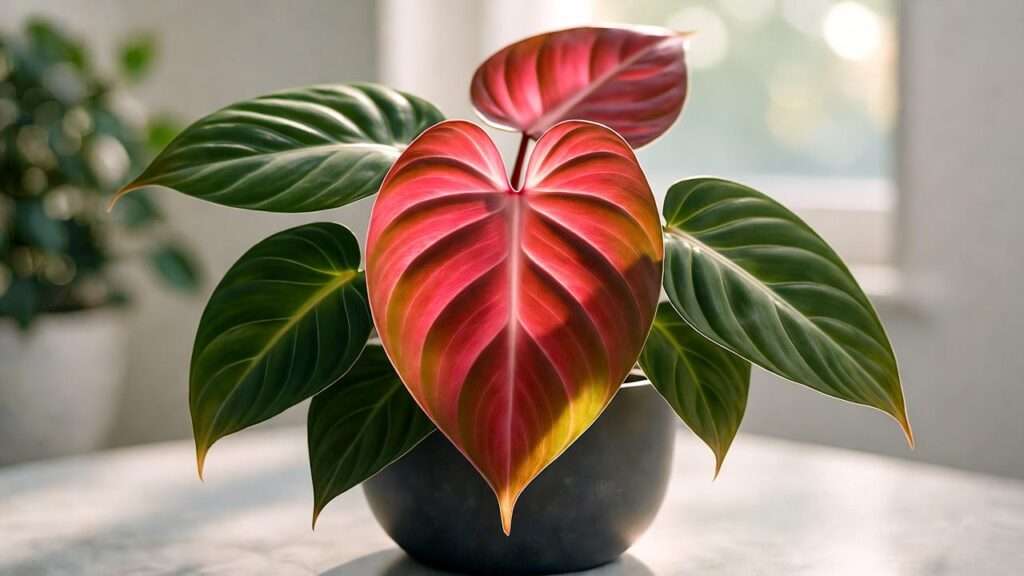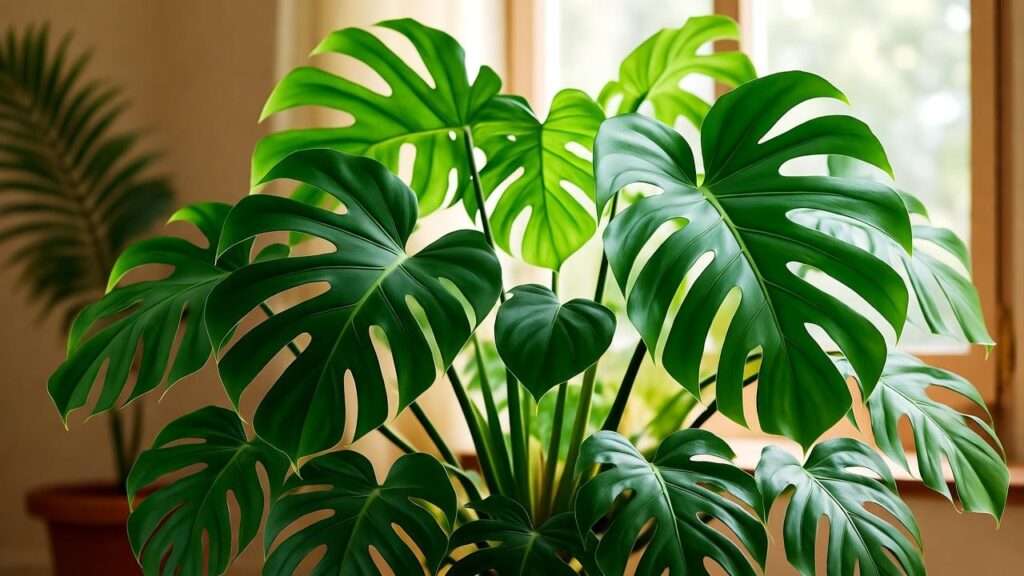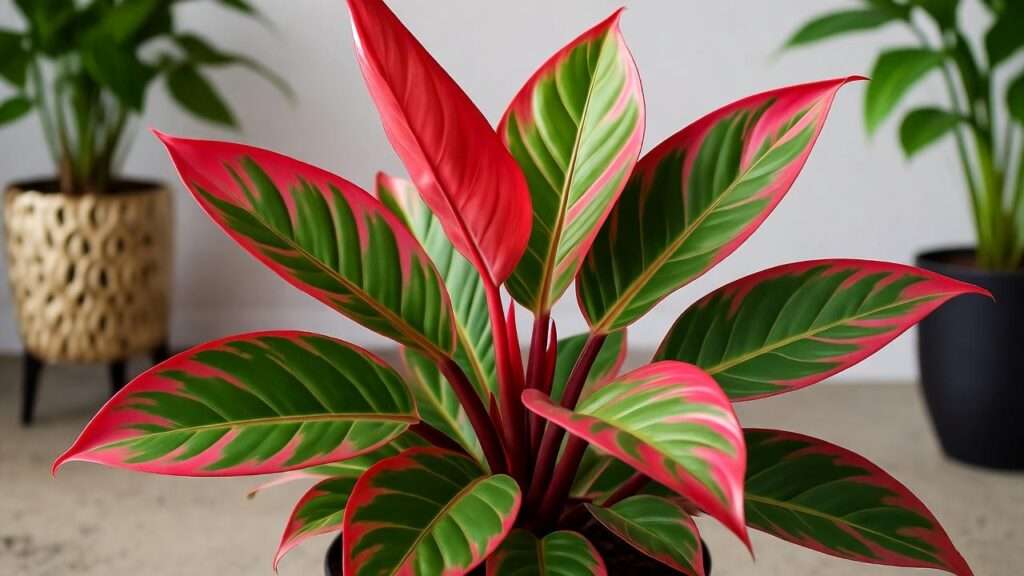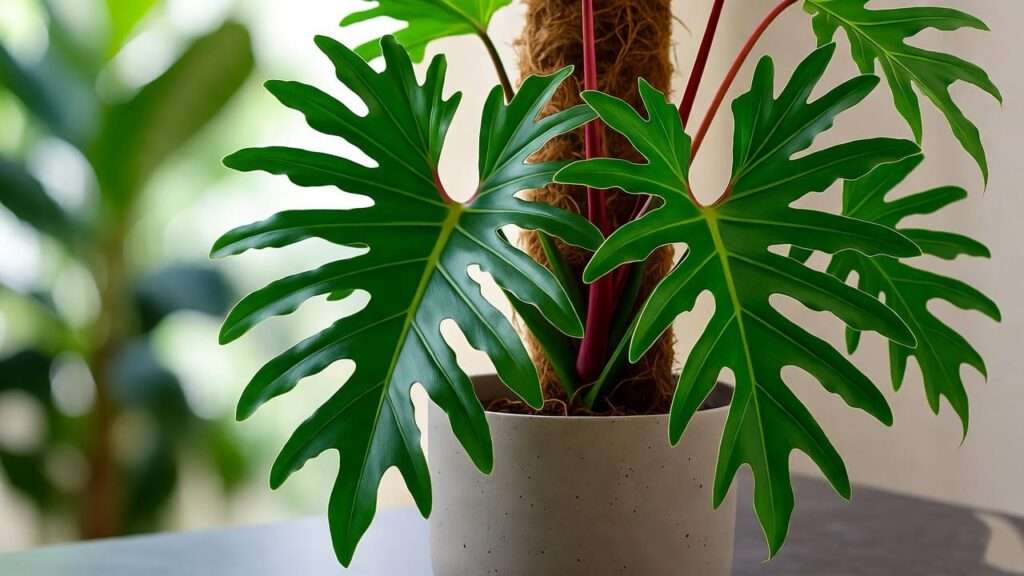
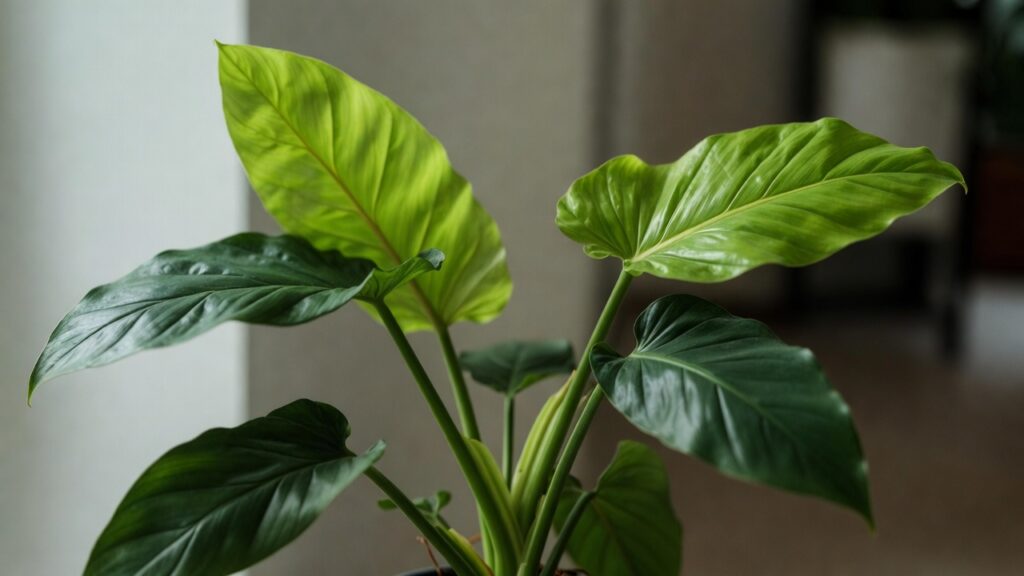
There’s a reason you keep seeing the Philodendron Green Congo in beautifully styled living rooms and modern office spaces. With its broad, glossy emerald leaves and compact upright growth, it looks like a designer plant — yet it’s surprisingly low maintenance.
But here’s the truth: while this tropical beauty is beginner-friendly, most problems — yellow leaves, drooping stems, root rot — happen because of subtle care mistakes. And once issues start, they escalate quickly.
In this complete expert guide, you’ll learn exactly how to grow a thriving Philodendron Green Congo indoors — including proper light exposure, watering strategy, soil mix, humidity balance, fertilizing routine, repotting method, and how to fix common problems before they damage your plant. Whether you’re a first-time plant parent or a seasoned indoor gardener, this is your comprehensive roadmap to long-term success.
What Is Philodendron Green Congo?
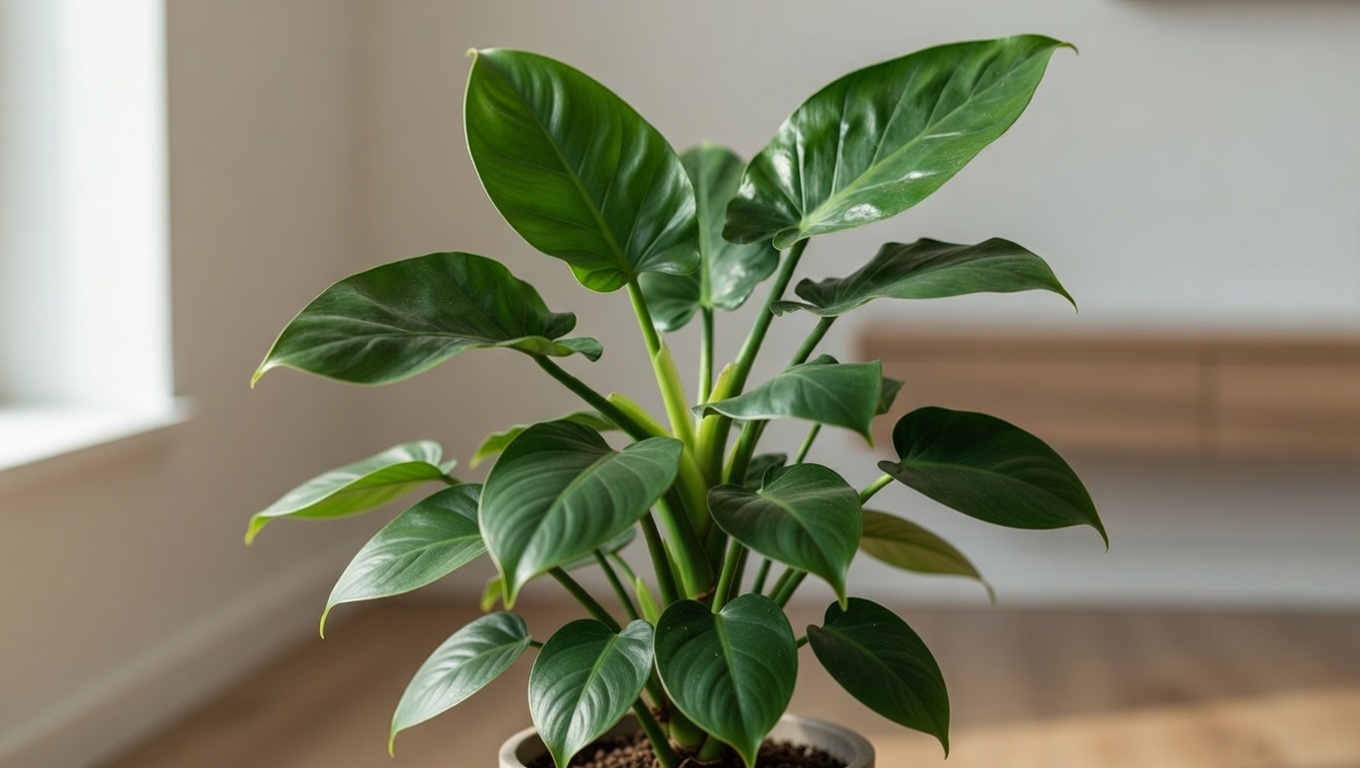
Philodendron Green Congo is a self-heading tropical plant known for its large, oval-shaped leaves and sturdy, upright structure. Unlike climbing philodendrons, it does not vine or trail — which makes it perfect for floor pots and statement planters.
Plant Profile at a Glance
- Botanical Name: Philodendron ‘Green Congo’
- Plant Type: Tropical aroid
- Growth Habit: Self-heading (non-climbing)
- Mature Size Indoors: 2–4 feet tall and wide
- Growth Rate: Moderate
- Light Preference: Bright, indirect light
- Toxicity: Toxic to pets if ingested
Native to tropical environments (with lineage tracing back to South American aroids), this plant is bred specifically for indoor adaptability and strong foliage structure.
Green Congo vs Other Philodendrons
Many plant owners confuse Green Congo with similar varieties. Here’s how to distinguish them:
- Congo Rojo: Has reddish new growth and darker leaves.
- Imperial Green: Slightly narrower leaves and a more compact form.
- Climbing Philodendrons (like Heartleaf): Require support poles and vine outward.
Philodendron Green Congo remains upright and does not require a moss pole, making it ideal for those who prefer a tidy, architectural plant.
Why It’s Perfect for Indoor Spaces
- Compact but bold presence
- Tolerates medium light conditions
- Low-maintenance compared to many tropical plants
- Adaptable to homes and offices
- Excellent air-purifying foliage density
For urban plant lovers, it offers the aesthetic of a tropical rainforest plant without the demanding care routine.
Light Requirements for Philodendron Green Congo
Lighting is where most plant owners get confused. The term “bright indirect light” sounds vague — so let’s clarify it properly.
Best Lighting Conditions
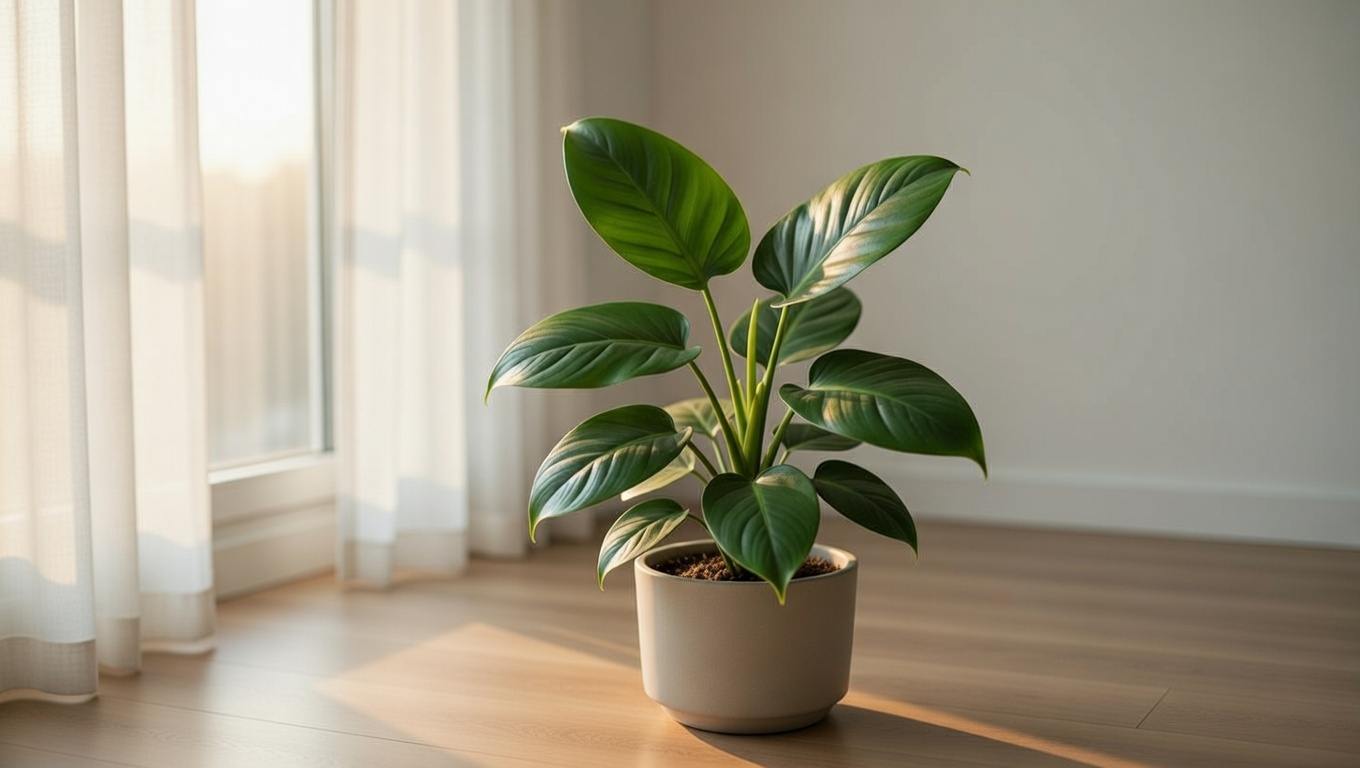
Philodendron Green Congo thrives in bright, indirect sunlight. That means:
- Near an east-facing window (gentle morning light)
- A few feet back from a south- or west-facing window
- Behind sheer curtains that diffuse harsh rays
If you can comfortably read a book without turning on a light during the day, that’s usually sufficient brightness.
Ideal Window Placement Guide
- North-facing: Acceptable but may slow growth
- East-facing: Excellent
- South-facing: Good if filtered
- West-facing: Good if positioned a few feet away
Can It Survive in Low Light?
Yes — but with trade-offs.
In lower light:
- Growth slows significantly
- Leaves may become smaller
- Soil stays wet longer (higher root rot risk)
If your space lacks natural light, consider a full-spectrum LED grow light placed 12–18 inches above the plant.
Signs of Too Much Light
- Faded or bleached patches
- Brown crispy leaf edges
- Leaf curling or scorching
Direct sunlight is the fastest way to damage this plant’s foliage.
How to Water Philodendron Green Congo Properly (Avoid Root Rot!)
Overwatering is the number one killer of indoor philodendrons.
The Golden Watering Rule
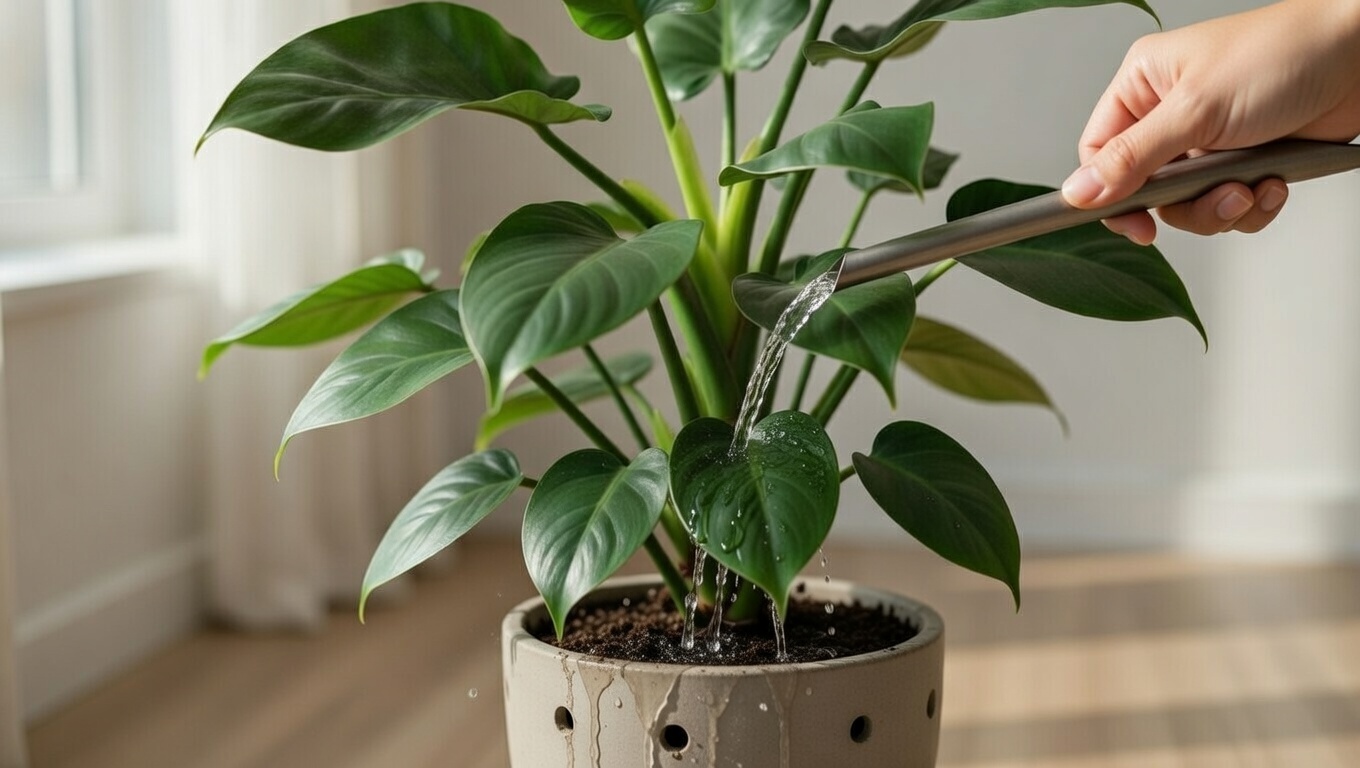
Water only when the top 1–2 inches of soil are dry. Use your finger or a moisture meter for accuracy.
Never water on a fixed schedule without checking soil first.
Seasonal Watering Adjustments
- Spring & Summer: Water every 7–10 days (depending on environment)
- Fall & Winter: Every 2–3 weeks, as growth slows
Indoor heating systems reduce humidity and dry soil faster — monitor closely during winter.
Signs of Overwatering
- Yellowing leaves (especially lower ones)
- Mushy stems
- Foul soil smell
- Fungus gnats around soil
If caught early, reduce watering and improve drainage immediately.
Signs of Underwatering
- Drooping leaves that perk up after watering
- Crispy brown tips
- Soil pulling away from pot edges
Consistency is key. Avoid extreme dry-wet cycles.
Expert Watering Tip
Always use pots with drainage holes. Decorative pots without drainage are one of the biggest hidden causes of root rot.
Best Soil Mix for Philodendron Green Congo
Healthy roots equal healthy leaves.
Ideal Soil Composition
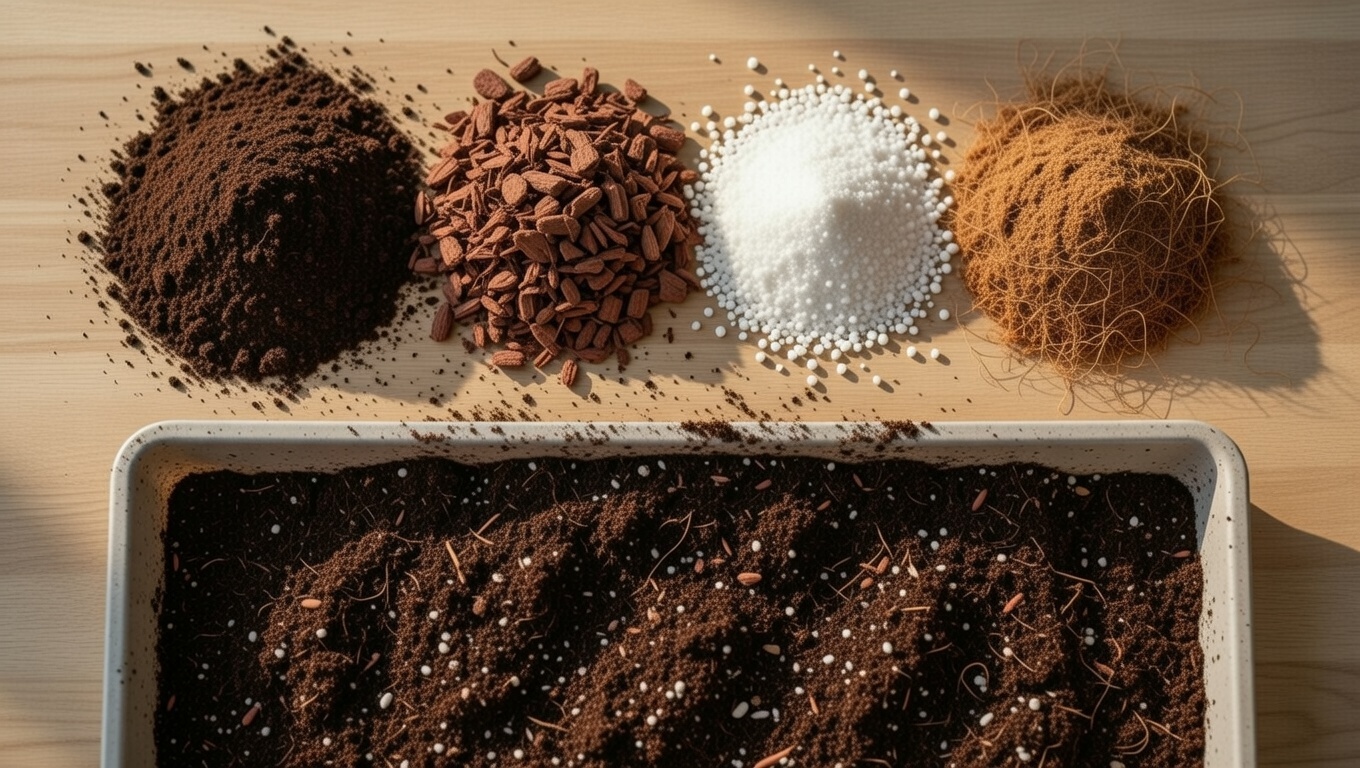
Philodendron Green Congo prefers a well-draining, chunky aroid mix that allows airflow to the roots.
Essential components:
- High-quality indoor potting mix
- Perlite (for drainage)
- Orchid bark (for aeration)
- Coco coir or peat moss (for moisture balance)
DIY Soil Recipe
For optimal results:
- 40% potting soil
- 30% orchid bark
- 20% perlite
- 10% coco coir
This mimics the loose, organic forest floor conditions these plants evolved in.
Can You Use Regular Potting Soil?
You can — but it’s risky long term. Regular potting soil compacts easily, leading to poor drainage and root suffocation.
If using store-bought mix, amend it with at least 30–40% perlite or bark.
Temperature & Humidity Needs
Ideal Temperature Range
Philodendron Green Congo thrives between 65–85°F (18–29°C).
Avoid:
- Drafty windows
- Air conditioner vents
- Temperatures below 55°F
Cold shock can cause leaf damage within days.
Humidity Requirements
While adaptable, it prefers humidity levels above 50%.
Low humidity signs:
- Brown leaf edges
- Slower growth
- Dull foliage
How to Increase Humidity
- Use a humidifier nearby
- Place on a pebble tray with water
- Group with other tropical plants
- Keep in naturally humid rooms (like bathrooms with windows)
Avoid misting — it does little for long-term humidity and can encourage fungal issues.
Fertilizing Philodendron Green Congo for Faster Growth
To achieve large, vibrant leaves, proper feeding matters.
Best Fertilizer Type
Use a balanced liquid fertilizer such as 10-10-10 or 20-20-20 diluted to half strength.
Feeding Schedule
- Every 4–6 weeks during spring and summer
- Stop or reduce in fall and winter
Signs of Overfertilization
- Leaf tip burn
- White salt crust on soil surface
- Sudden yellowing
Flush soil with distilled water if salt buildup appears.
Repotting Guide (When & How to Do It Safely)
Repotting supports long-term root health.
Signs It’s Time to Repot
- Roots growing out of drainage holes
- Water running straight through immediately
- Stunted growth despite good care
Most plants need repotting every 1–2 years.
Step-by-Step Repotting Process
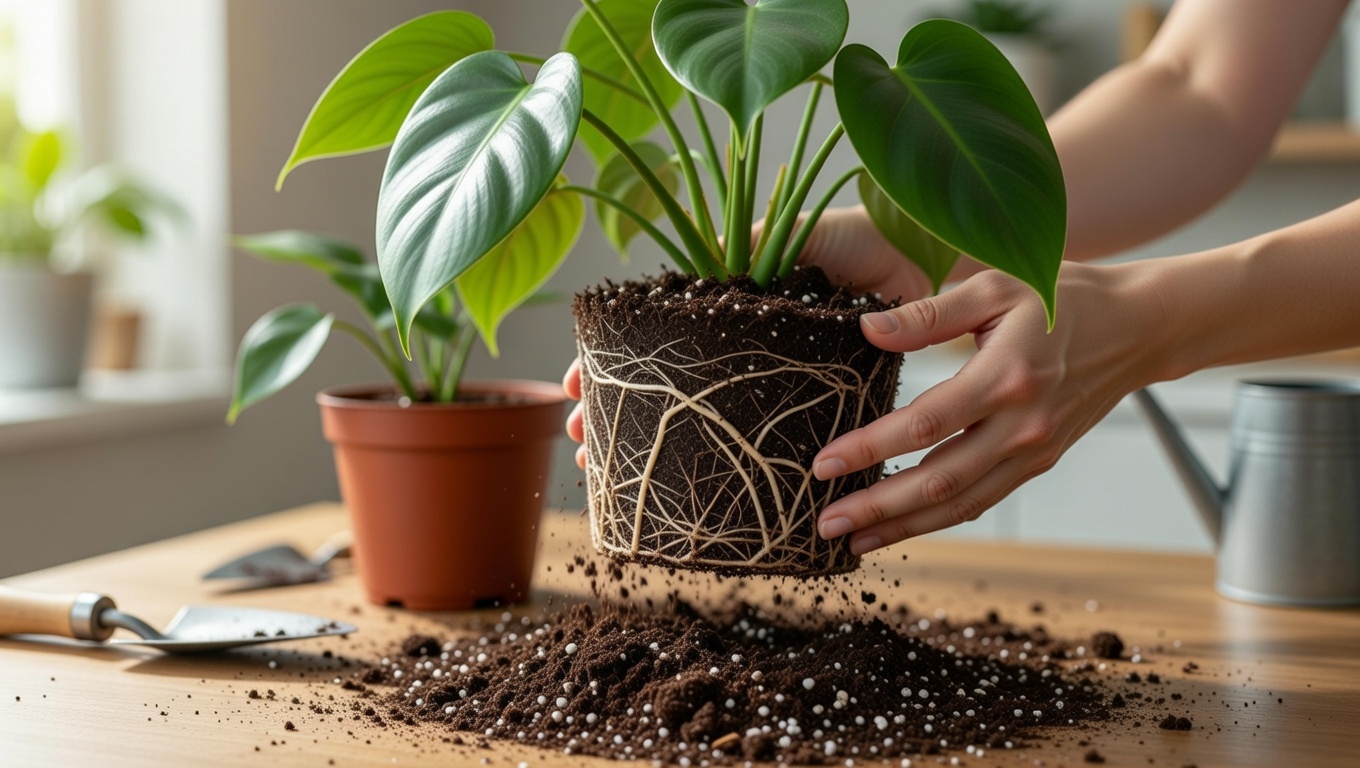
- Choose a pot 1–2 inches larger in diameter.
- Remove plant gently and inspect roots.
- Trim any black or mushy roots.
- Place in fresh soil mix.
- Water lightly and place in indirect light.
Aftercare Tips
- Avoid fertilizing for 4 weeks
- Keep soil slightly moist but not soggy
- Expect mild transplant shock for 1–2 weeks
Common Problems and How to Fix Them
Even with proper care, issues can arise. The key is accurate diagnosis. Below is a professional troubleshooting guide based on real-world indoor growing experience.
Yellow Leaves on Philodendron Green Congo
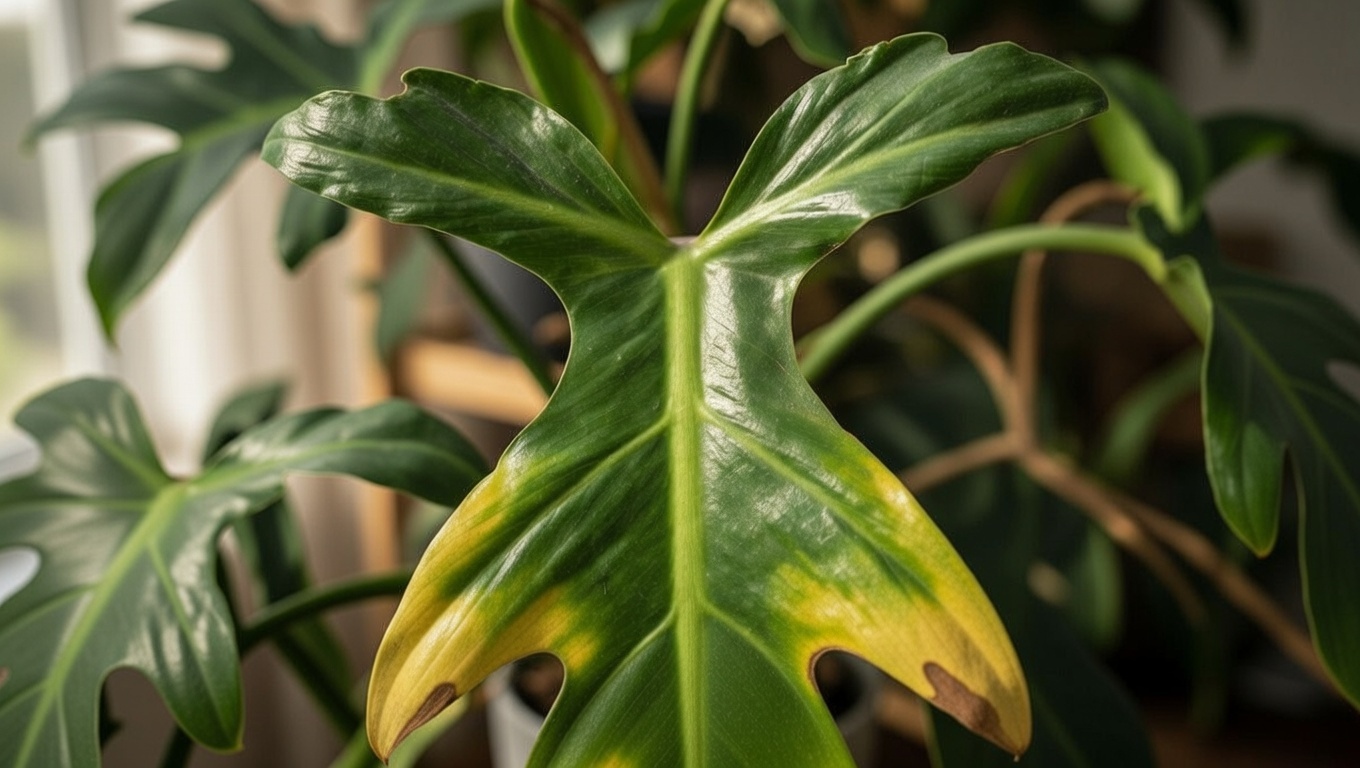
Yellowing leaves are one of the most common concerns.
Possible Causes:
1. Overwatering (Most Common)
- Soil remains wet for extended periods
- Lower leaves turn yellow first
- Stems feel soft
Solution:
Allow soil to dry properly. Improve drainage and reduce watering frequency.
2. Natural Aging
Older bottom leaves occasionally yellow and drop. This is normal.
3. Nutrient Deficiency
If multiple leaves pale at once and growth is slow, the plant may need fertilization.
Brown Leaf Tips
Brown tips are often a sign of environmental stress.
Causes:
- Low humidity
- Salt buildup from fertilizer
- Inconsistent watering
Fix:
- Increase humidity to 50–60%
- Flush soil every few months with distilled water
- Maintain consistent watering habits
Drooping Leaves
Drooping can mean two opposite things — thirst or root rot.
How to Diagnose:
- If soil is bone dry → underwatering
- If soil is wet and smells musty → root rot
When in doubt, check the roots. Healthy roots are white or light tan. Rotten roots are black and mushy.
Pest Problems (And How to Handle Them)
Philodendron Green Congo is relatively pest-resistant, but indoor conditions can invite problems.
Common Pests:
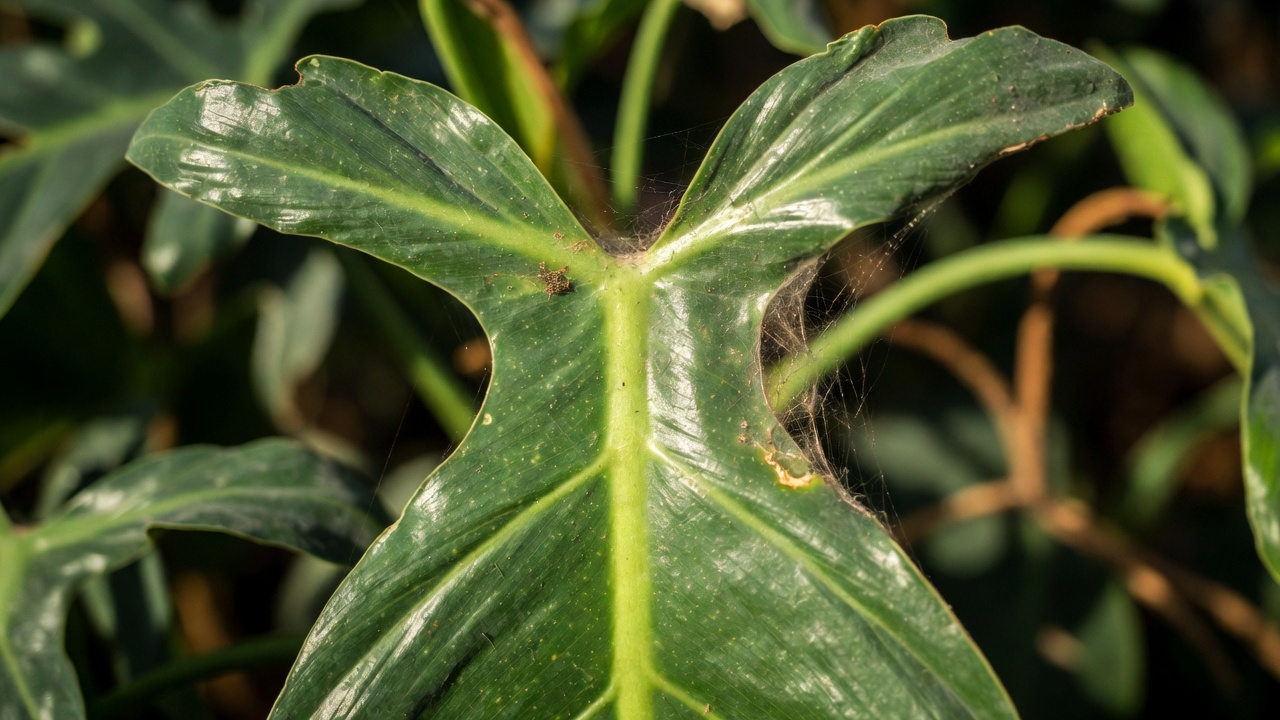
- Spider mites
- Mealybugs
- Fungus gnats
- Scale insects
Identification Signs:
- Fine webbing (spider mites)
- Cotton-like clusters (mealybugs)
- Sticky residue (scale)
- Tiny flies around soil (fungus gnats)
Natural Treatment Plan:
- Isolate the plant immediately.
- Wipe leaves with insecticidal soap solution.
- Repeat treatment weekly for 3–4 weeks.
- Improve airflow and avoid overwatering.
Prevention is always easier than cure.
Is Philodendron Green Congo Toxic to Pets?
Yes — it is toxic to cats and dogs if ingested.
Like other philodendrons, it contains calcium oxalate crystals that can cause:
- Oral irritation
- Drooling
- Vomiting
- Swelling of lips or tongue
If ingestion occurs, contact a veterinarian promptly.
Pet Safety Tips:
- Place the plant on elevated stands
- Keep in rooms inaccessible to pets
- Consider pet-safe alternatives if your animals chew foliage
Transparency about toxicity builds trust and ensures responsible plant ownership.
Propagating Philodendron Green Congo (What You Should Know)
Unlike vining philodendrons, Green Congo is a self-heading hybrid — which changes how propagation works.
Can You Propagate It from Stem Cuttings?
Generally, no. Because it grows from a central crown rather than long vines, standard water propagation is ineffective.
Division Method (For Mature Plants Only)
If your plant has multiple growth crowns, division is possible.
Steps:
- Remove plant from pot.
- Gently separate root sections where natural divisions exist.
- Ensure each section has healthy roots.
- Pot separately in fresh aroid mix.
- Keep humidity slightly higher for recovery.
Propagation success depends on plant maturity and health.
Styling & Placement Ideas for Modern Interiors
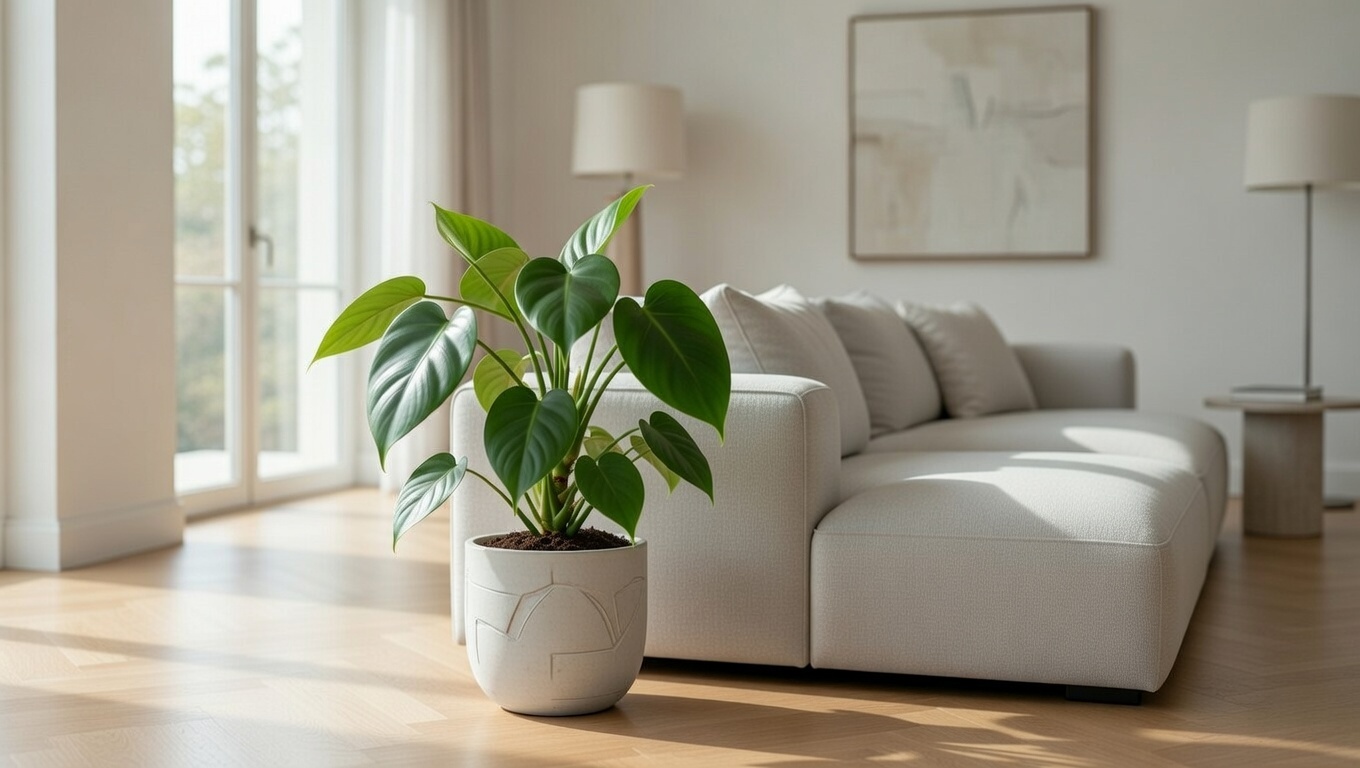
Philodendron Green Congo isn’t just easy to care for — it’s also a design asset.
Best Placement Ideas:
- As a floor plant beside a sofa
- In an entryway corner
- In minimalist Scandinavian interiors
- In modern office spaces
- On plant stands to highlight foliage
Its upright structure makes it ideal for structured, clean aesthetics.
Philodendron Green Congo Care Checklist (Quick Reference)
For easy reference:
- Light: Bright indirect light
- Water: When top 1–2 inches of soil are dry
- Soil: Chunky, well-draining aroid mix
- Humidity: 50% or higher preferred
- Temperature: 65–85°F
- Fertilizer: Every 4–6 weeks in growing season
- Repotting: Every 1–2 years
Bookmark this section for quick plant health checks.
Frequently Asked Questions
How fast does Philodendron Green Congo grow?
Under ideal conditions, it produces several new leaves per growing season. Growth slows significantly in low light.
Why are my Philodendron Green Congo leaves turning yellow?
The most common cause is overwatering. Check soil moisture and drainage immediately.
Can Philodendron Green Congo tolerate low light?
Yes, but growth becomes slower and leggier. For optimal foliage size and color, provide medium to bright indirect light.
How big does Philodendron Green Congo get indoors?
Typically 2–4 feet tall and wide when mature, depending on pot size and care conditions.
Does Philodendron Green Congo need a moss pole?
No. It is a self-heading variety and grows upright without support.
How often should I water Philodendron Green Congo?
Only when the top 1–2 inches of soil feel dry. Frequency varies depending on light, humidity, and season.
Final Expert Tips for a Thriving Philodendron Green Congo
After years of growing tropical indoor plants, here are five professional insights most care guides miss:
- Avoid oversized pots. Extra soil holds excess moisture and increases root rot risk.
- Rotate the plant monthly. This ensures even growth and prevents leaning.
- Wipe leaves regularly. Dust blocks light absorption and reduces photosynthesis efficiency.
- Monitor drainage, not schedule. Soil moisture matters more than calendar days.
- Prioritize airflow. Stagnant air increases fungal risk.
Final Thoughts
Philodendron Green Congo is one of the most rewarding indoor plants you can grow. With the right balance of light, moisture, and soil aeration, it will reward you with bold, glossy foliage that transforms your living space.
Most care failures come from overwatering and poor drainage — not from lack of effort. Once you master these fundamentals, this plant becomes remarkably resilient.
If you apply the guidance in this complete care guide, your Philodendron Green Congo won’t just survive — it will thrive for years to come.