Have you ever brought home a gorgeous plant, only to watch it slowly decline despite your best efforts? Yellowing leaves. Drooping stems. Leggy growth that looks nothing like the lush photos you saw online. If that sounds familiar, you’re not alone — and if that plant was a philodendron green, you’re in the right place.
Philodendron green varieties are among the most popular indoor plants in the world. They’re adaptable, resilient, and stunning when grown correctly. But “low maintenance” doesn’t mean “no knowledge required.” Small mistakes in watering, lighting, or soil choice can quietly sabotage your plant’s health.
In this comprehensive expert guide, you’ll learn exactly how to grow a thriving, vibrant philodendron green indoors — without guesswork. Whether you’re a beginner plant parent or refining your indoor jungle, this article will give you clear, science-backed, experience-driven advice that actually works.
What Is Philodendron Green? (Understanding the Plant Before You Grow It)
Before diving into care instructions, it’s essential to understand what you’re growing.
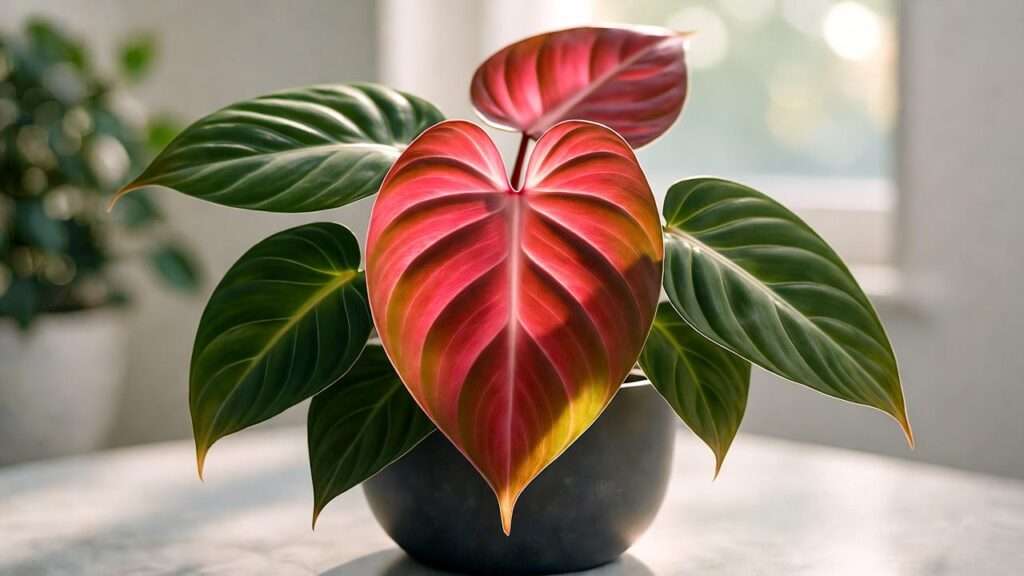
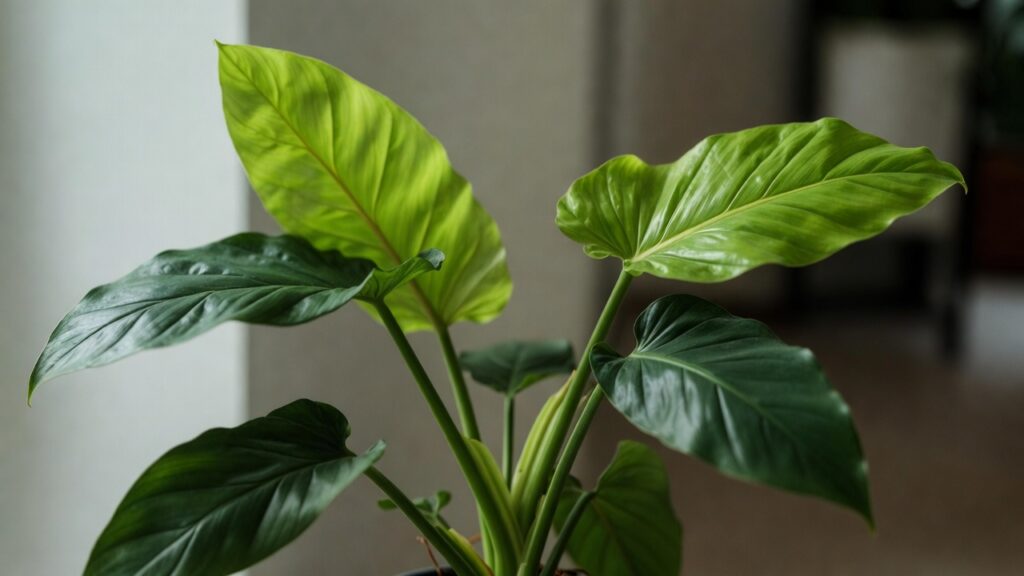
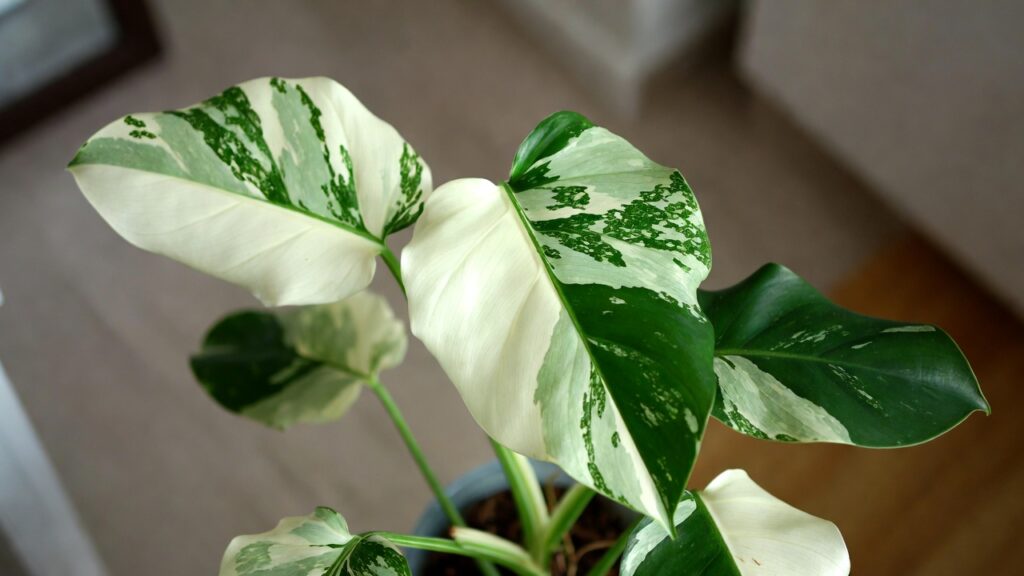
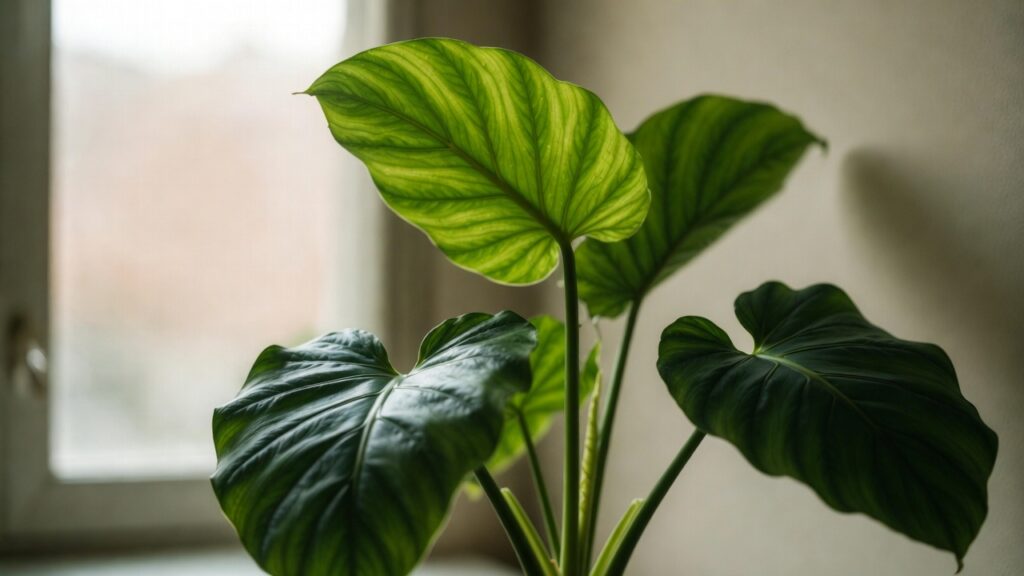
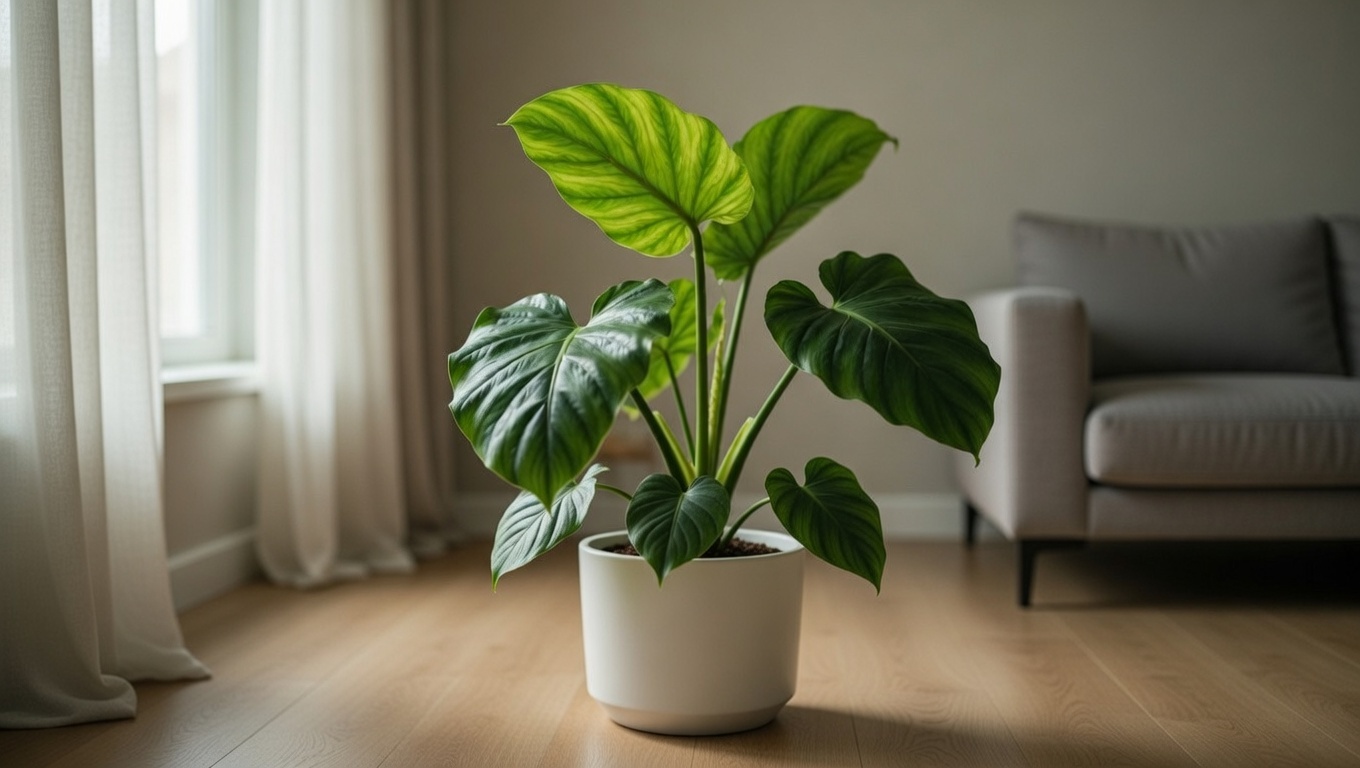
Philodendron is a large genus of tropical plants native to Central and South American rainforests. “Philodendron green” commonly refers to non-variegated green varieties prized for their glossy foliage and easygoing nature.
Botanical Background and Natural Habitat
Philodendrons are part of the Araceae family. In their natural rainforest environment, they:
- Grow beneath tree canopies (filtered light)
- Climb trees using aerial roots
- Thrive in warm, humid air
- Root in loose, organic, well-draining forest floor debris
Understanding this habitat is the key to successful indoor care. Every recommendation in this guide mirrors those natural conditions.
Popular Philodendron Green Varieties
Although there are hundreds of species, the most common indoor green types include:
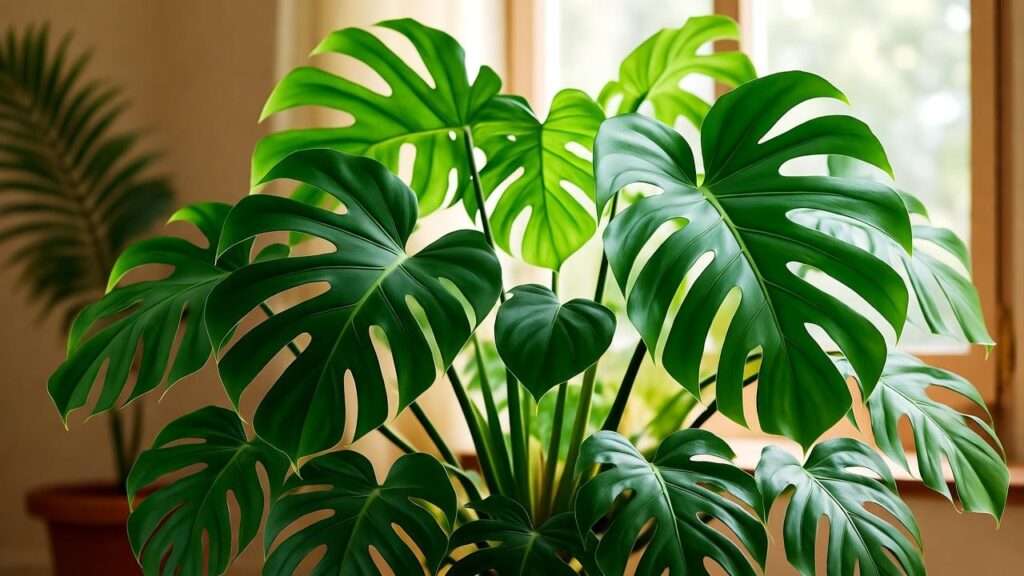
- Heartleaf Philodendron (Philodendron hederaceum) – Trailing, classic houseplant
- Philodendron Green Congo – Upright, self-heading with broad leaves
- Philodendron Imperial Green – Compact, structured growth
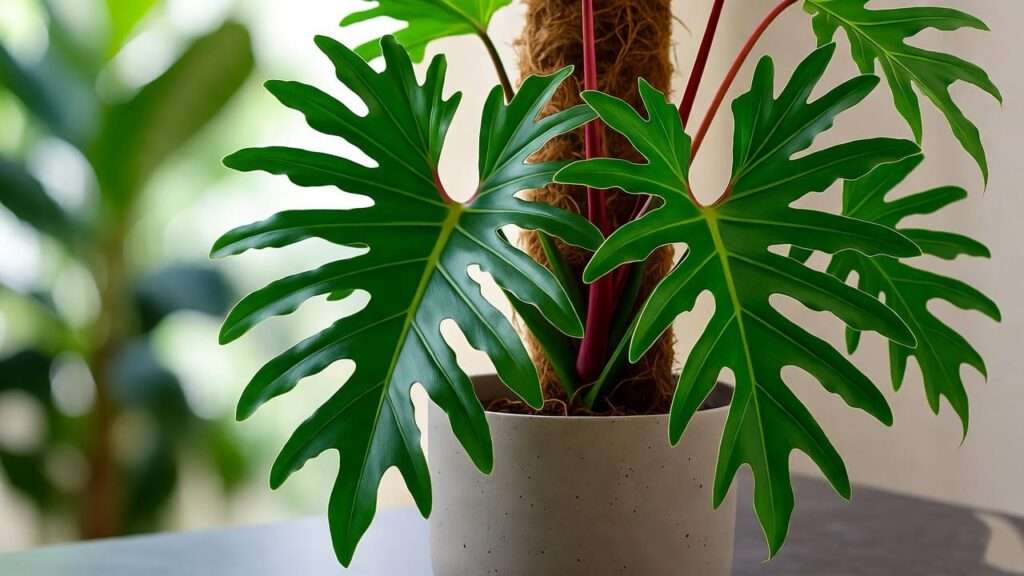
- Climbing varieties that benefit from moss poles
- Self-heading varieties that grow in a rosette form
Each variety has slightly different growth habits, but care fundamentals remain consistent.
Why Philodendron Green Is Perfect for Indoor Spaces
- Tolerates moderate light
- Adapts to average household humidity
- Recovers quickly from minor care mistakes
- Visually lush without being fussy
- Excellent for apartments and small spaces
That said, thriving is different from merely surviving — and that’s what this guide focuses on.
Philodendron Green Light Requirements (The #1 Growth Factor)
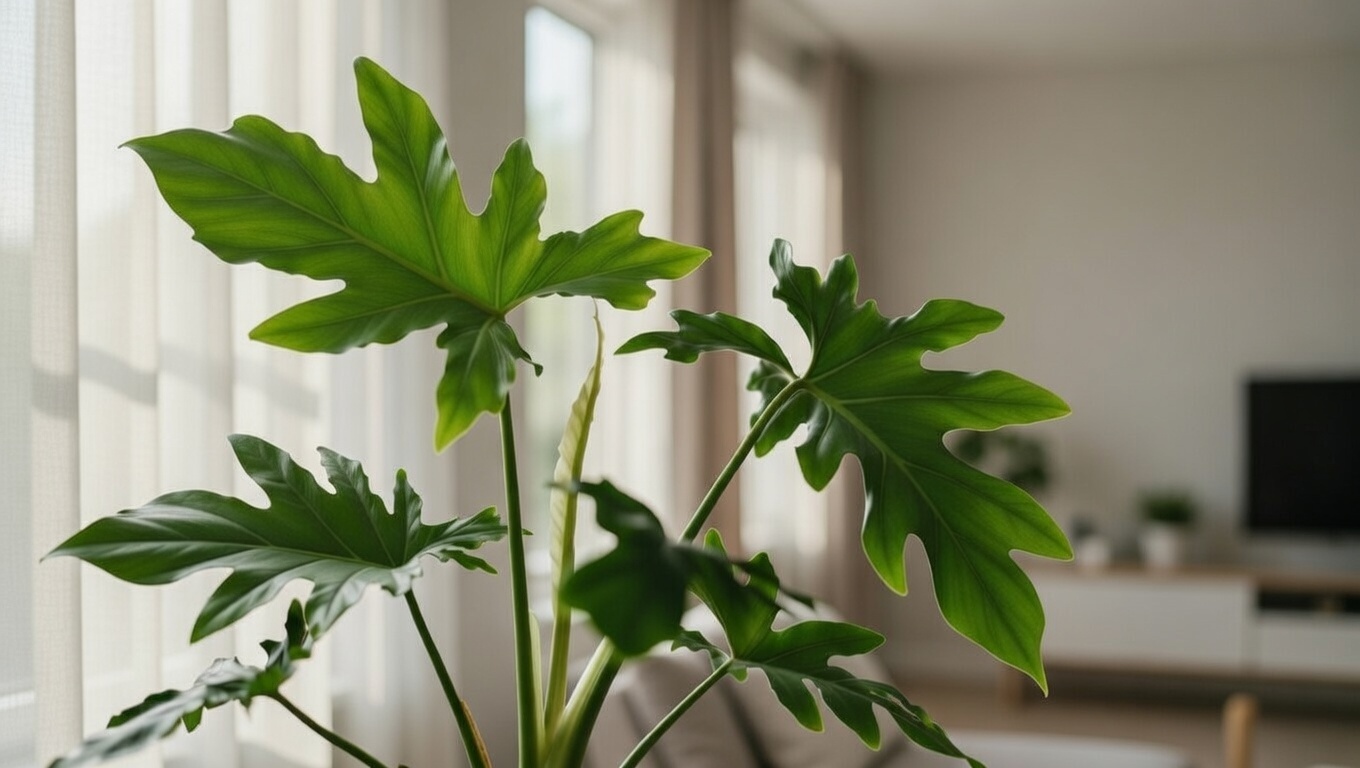
Lighting is the single most important variable in plant health.
Ideal Light Conditions
Philodendron green prefers:
- Bright, indirect light
- Filtered sunlight (like through sheer curtains)
- Consistent exposure rather than fluctuating extremes
In nature, these plants grow under tree canopies. Direct sun can scorch leaves, while very low light slows growth dramatically.
A good rule: If you can comfortably read a book without turning on a light during the day, your philodendron will likely be happy there.
Signs of Insufficient Light
- Long, stretched stems (leggy growth)
- Smaller new leaves
- Increased spacing between nodes
- Slower growth rate
- Pale or dull green coloration
If you notice these signs, gradually move the plant closer to a light source.
Signs of Too Much Light
- Yellowing leaves with crispy patches
- Brown scorch marks
- Faded or bleached appearance
Direct afternoon sun is especially harsh. East-facing windows are typically ideal.
Can Philodendron Green Grow in Low Light?
Yes — but growth slows significantly. The plant may survive, but it won’t develop large, lush leaves.
If your space lacks natural light, consider:
- Full-spectrum LED grow lights
- 10–12 hours of artificial light daily
- Placing the plant closer to a window than you think necessary
How to Water Philodendron Green Properly (Avoid Root Rot)
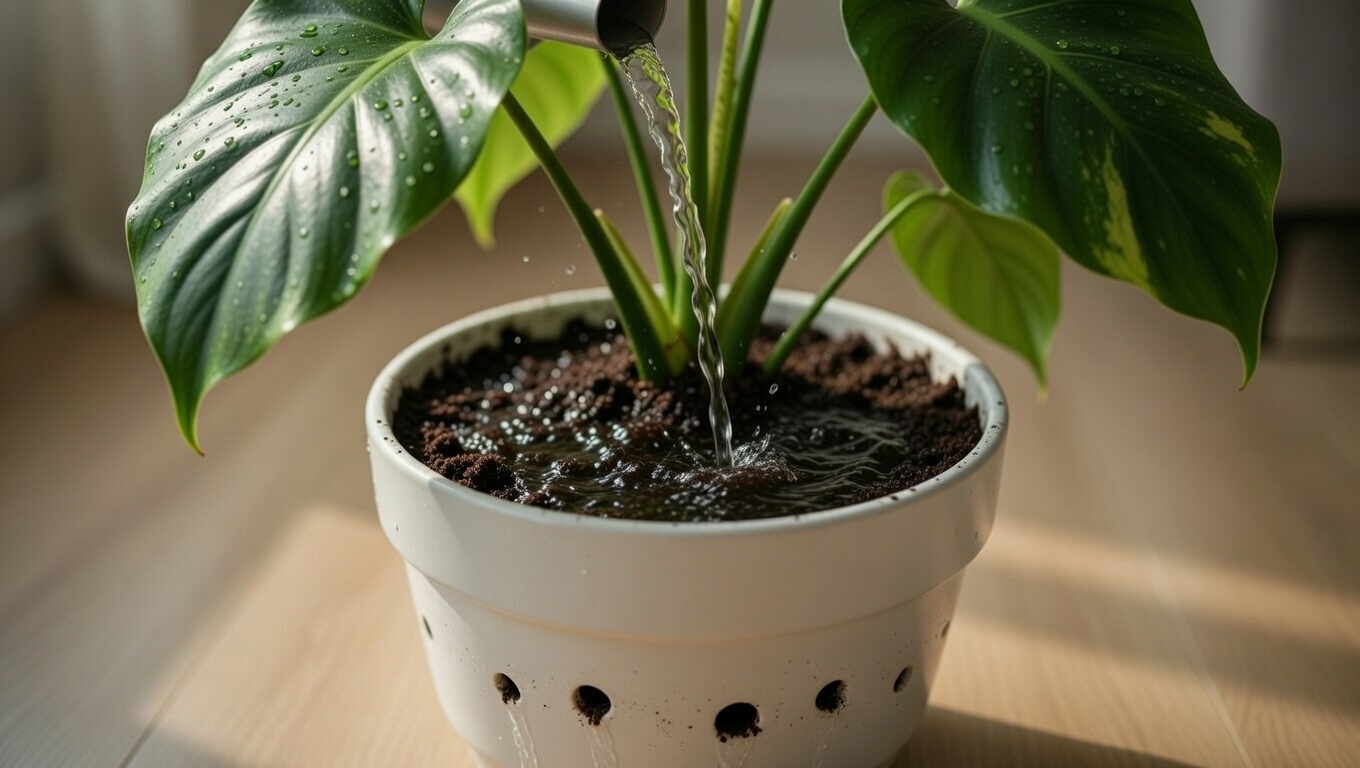
Overwatering is the #1 killer of indoor philodendrons.
The Correct Watering Approach
Never water on a strict schedule. Instead:
- Check soil moisture.
- Water only when the top 1–2 inches are dry.
- Water thoroughly until excess drains out.
- Discard drainage water.
In general:
- Spring/Summer: More frequent watering
- Fall/Winter: Reduced watering
How to Check Soil Moisture Accurately
- Finger test: Insert finger 1–2 inches into soil.
- Wooden chopstick test: Insert and remove; damp soil sticks.
- Moisture meters can help but aren’t always perfectly reliable.
Signs of Overwatering
- Yellow leaves (especially lower ones)
- Mushy stems
- Persistent wet soil
- Fungus gnats
- Foul odor from soil
Root rot can develop quickly in poorly draining soil.
Signs of Underwatering
- Drooping leaves that feel thin
- Crispy leaf edges
- Soil pulling away from pot edges
- Slow recovery after watering
Philodendrons are forgiving — but consistency is key.
Best Water Type
- Room temperature water
- Filtered water if your tap water is very hard
- Avoid cold water (can shock roots)
Mineral buildup from hard water can cause leaf tip browning over time.
Best Soil and Potting Mix for Philodendron Green
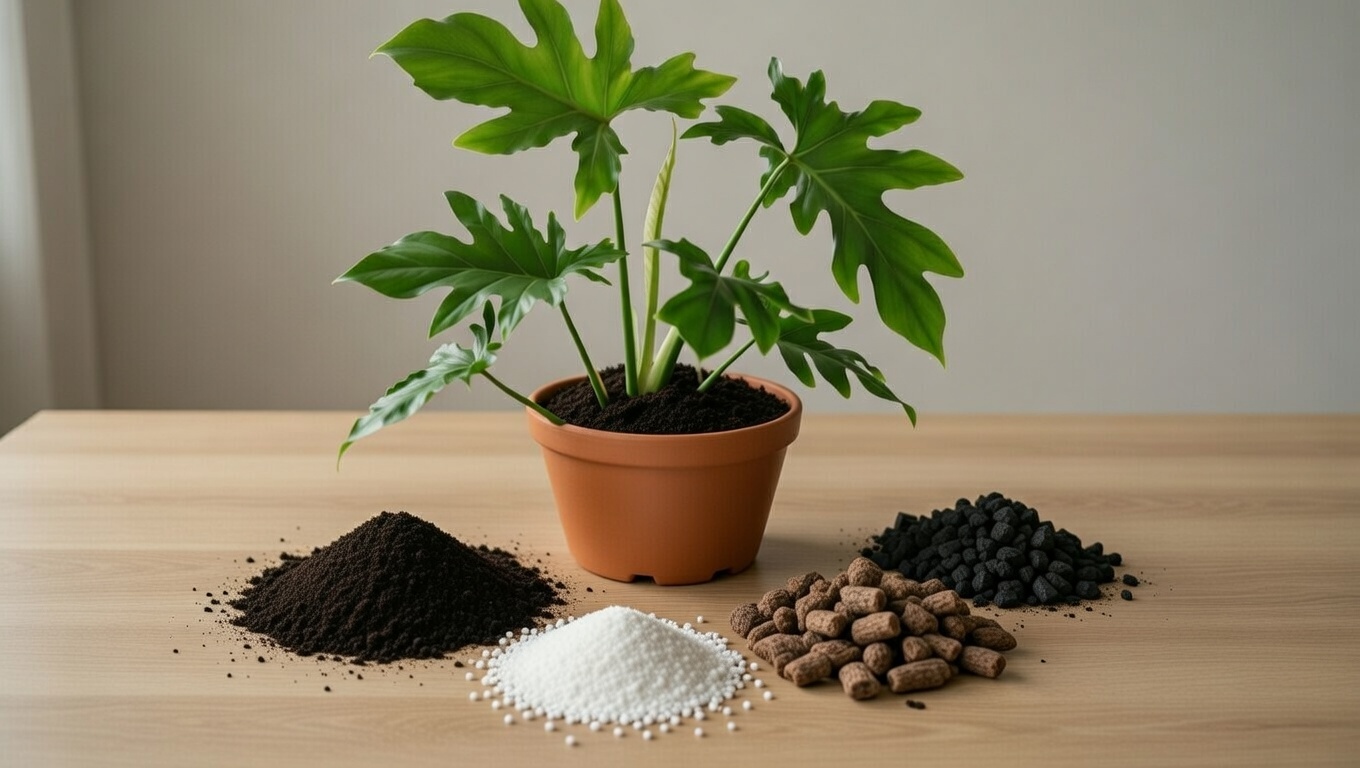
Standard garden soil is not suitable for indoor philodendrons.
Why Drainage Is Critical
Philodendrons need oxygen at the root level. Dense soil suffocates roots and promotes fungal diseases.
Ideal Soil Mix (Expert-Recommended)
A well-aerated mix should include:
- High-quality indoor potting soil
- Perlite (for aeration)
- Orchid bark (chunky texture)
- Optional horticultural charcoal
A simple formula:
- 50% potting soil
- 25% perlite
- 25% orchid bark
The result: airy, fast-draining, but moisture-retentive.
Choosing the Right Pot
- Always use drainage holes
- Terracotta dries out faster (good for overwaterers)
- Plastic retains moisture longer
- Avoid oversized pots (retain too much water)
Choose a pot only 1–2 inches larger than the root ball.
When and How to Repot
Repot when:
- Roots circle the bottom
- Growth slows despite proper care
- Water drains too quickly
- Plant becomes top-heavy
Repot during spring or early summer for best recovery.
Temperature and Humidity Needs
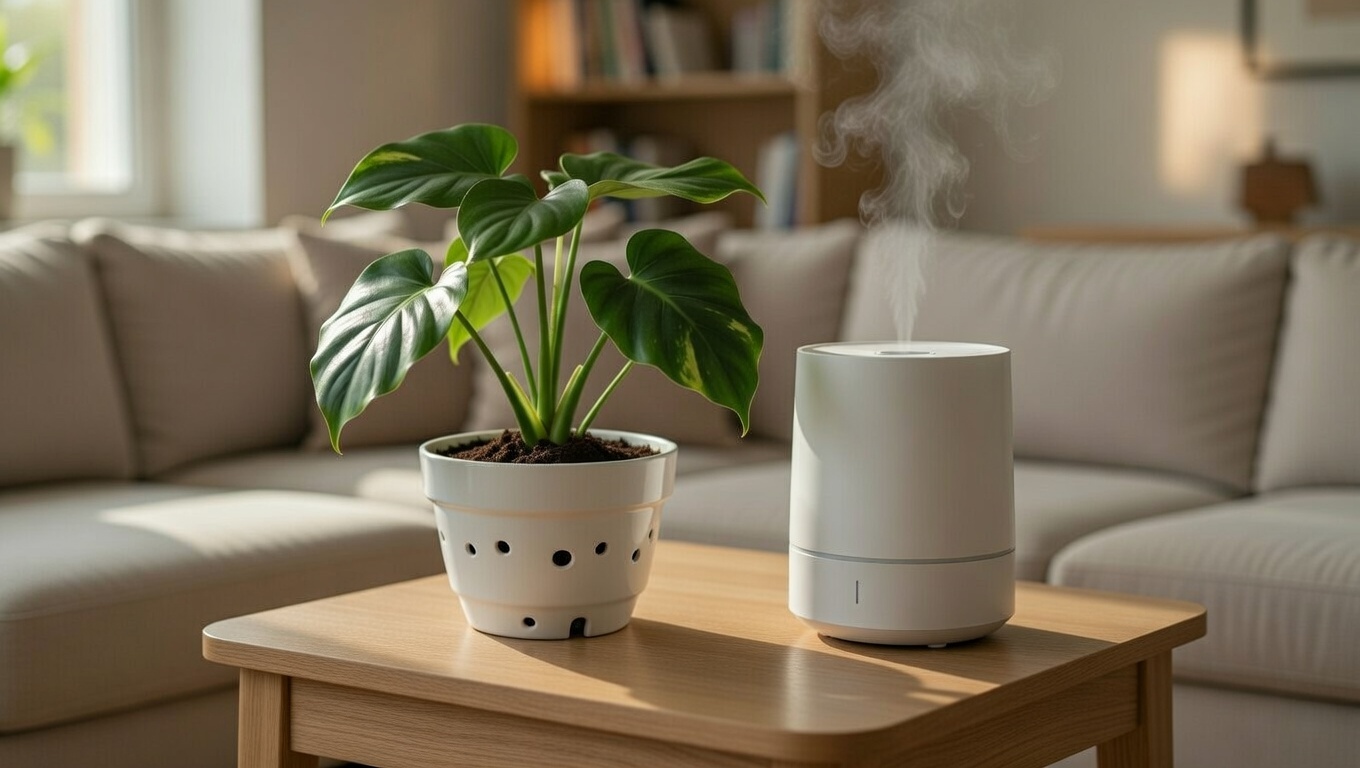
Ideal Temperature Range
- 65°F to 85°F (18°C–29°C)
- Avoid temperatures below 55°F (13°C)
- Keep away from cold drafts and heating vents
Sudden temperature swings can stress the plant.
Humidity Requirements
Philodendron green prefers:
- 50–70% humidity
They tolerate average household humidity but thrive in slightly higher levels.
Signs of Low Humidity
- Brown leaf edges
- Slower growth
- Leaves unfurling improperly
How to Increase Humidity
- Use a humidifier (most effective)
- Group plants together
- Pebble trays (mild improvement)
- Avoid relying solely on misting (temporary effect)
Humidity significantly impacts leaf size and overall lushness.
Fertilizing Philodendron Green for Faster, Healthier Growth
Nutrients are essential during the growing season.
Best Type of Fertilizer
Use:
- Balanced liquid fertilizer (10-10-10 or 20-20-20)
- Diluted to half strength
- Organic options like fish emulsion or seaweed extract also work well
Fertilizing Schedule
- Spring & Summer: Every 4–6 weeks
- Fall & Winter: Minimal to none
Signs of Over-Fertilizing
- Brown leaf tips
- Salt crust on soil surface
- Stunted growth
- Root damage
Flush soil occasionally with distilled water to prevent salt buildup.
Pruning and Shaping for a Fuller, Bushier Plant
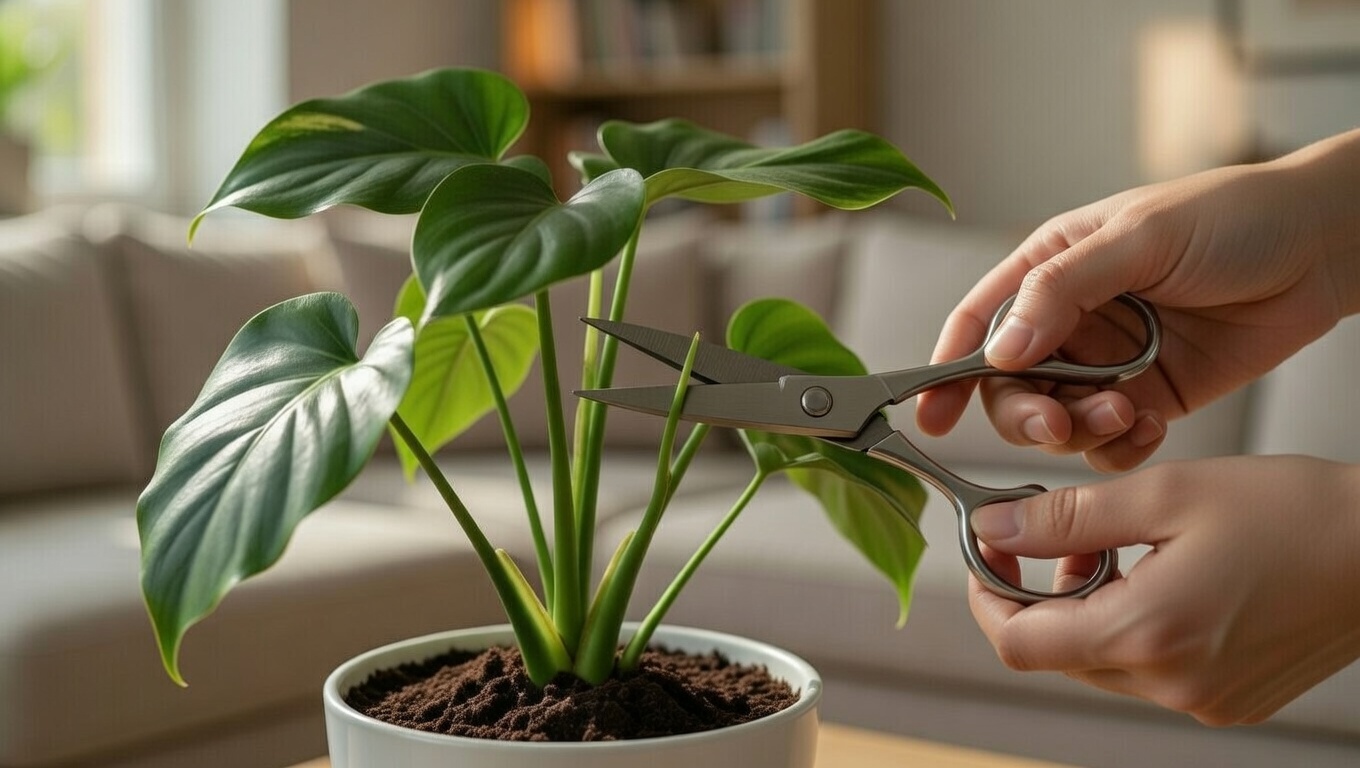
Strategic pruning dramatically improves appearance.
When to Prune
- When vines become leggy
- To remove damaged leaves
- To control size
How to Prune Properly
- Use sterilized scissors.
- Cut just above a node.
- Remove yellow or damaged foliage.
New growth will emerge near the cut, encouraging fullness.
Training Climbing Varieties
Climbing philodendrons benefit from:
- Moss poles
- Coco coir poles
- Trellises
Vertical support stimulates larger leaf development.
How to Propagate Philodendron Green Successfully
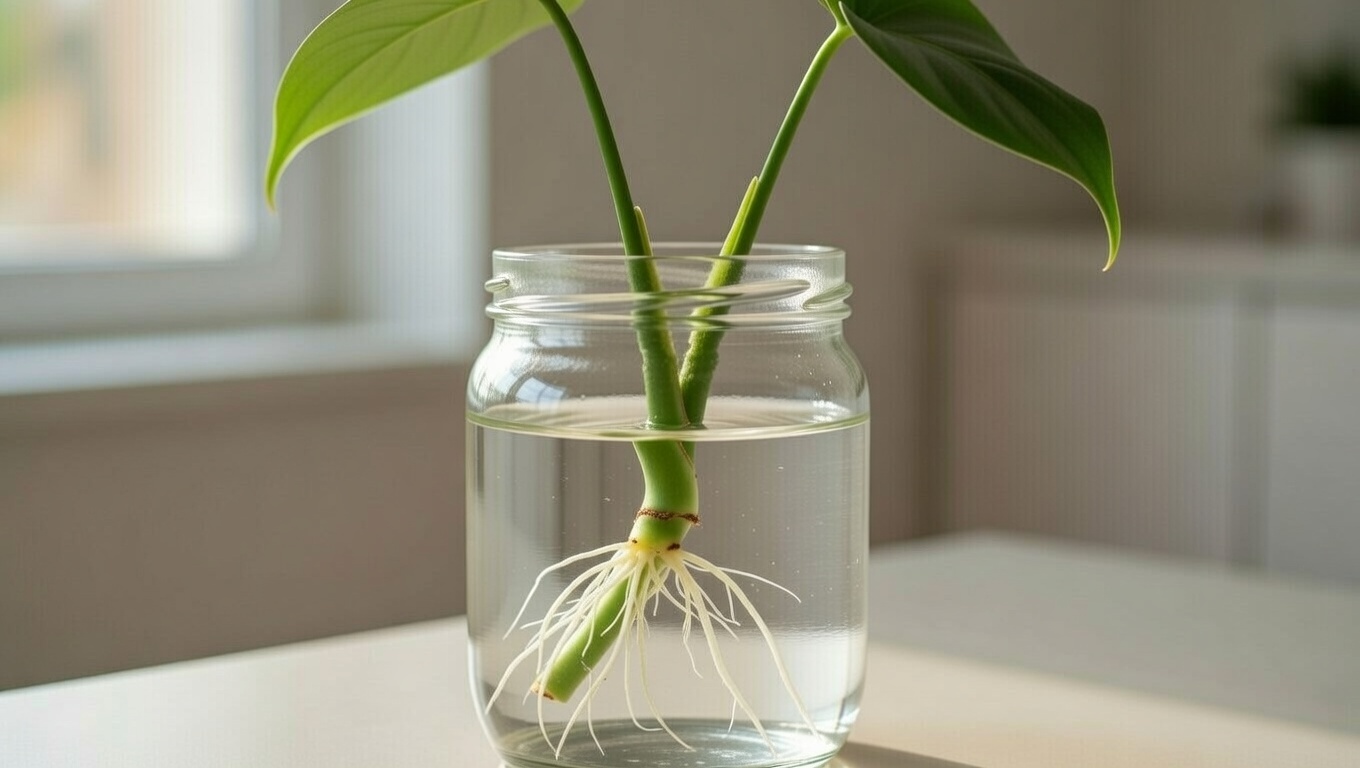
Propagation is simple and rewarding.
Water Propagation (Beginner-Friendly)
- Cut below a node.
- Place cutting in clean water.
- Change water weekly.
- Roots form in 2–4 weeks.
Once roots reach 2 inches, transplant into soil.
Soil Propagation
Plant cutting directly into moist, well-draining soil. Maintain humidity during early rooting.
Common Propagation Mistakes
- Cutting without a node
- Allowing cuttings to rot in stagnant water
- Insufficient light during rooting
Common Philodendron Green Problems and How to Fix Them
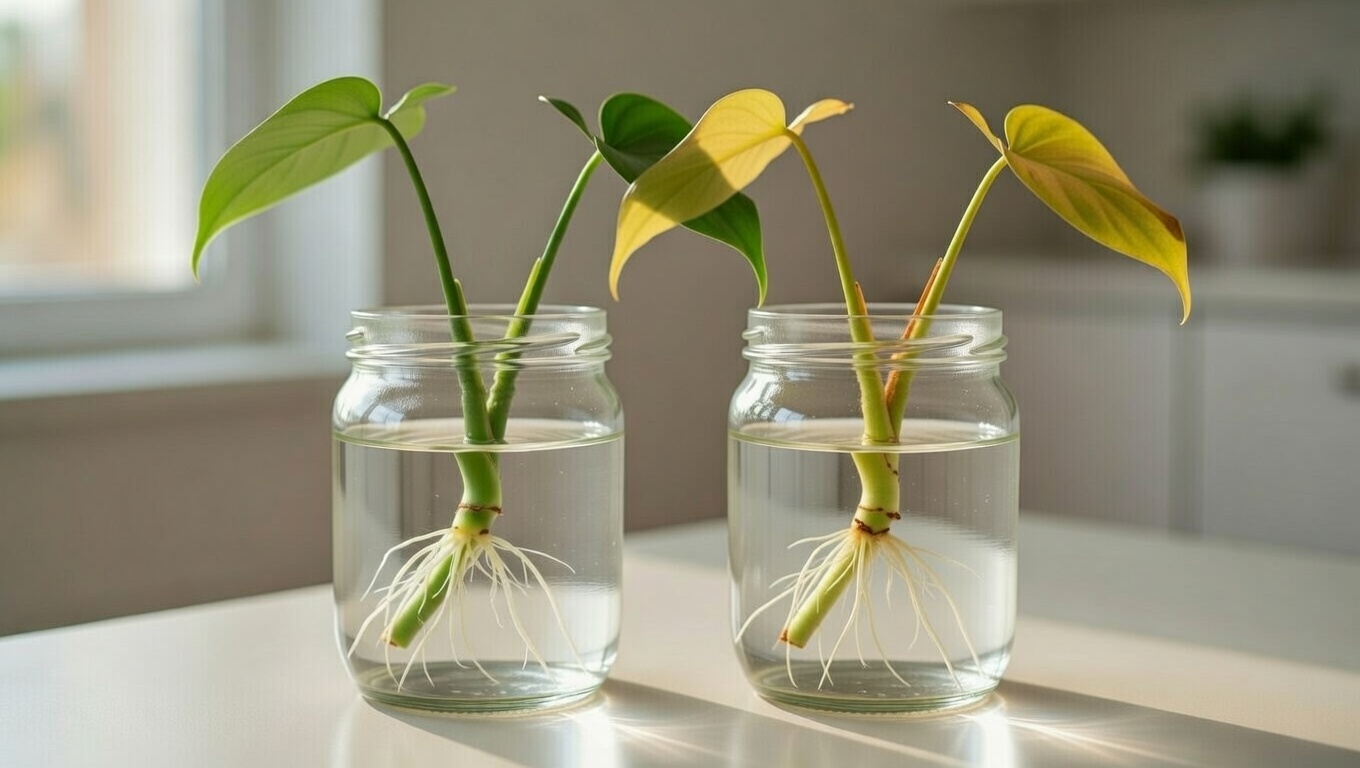
Even experienced indoor gardeners encounter issues. The key is diagnosing correctly. Many symptoms look similar but stem from very different causes. Below is a professional troubleshooting breakdown based on real-world plant care experience.
Yellow Leaves: A Complete Diagnosis Guide
Yellowing is the most common concern with philodendron green plants — but not all yellow leaves are bad.
1. Natural Aging (Normal)
Older, bottom leaves will occasionally yellow and drop. If the rest of the plant looks healthy, this is natural.
2. Overwatering (Most Common Cause)
- Multiple yellow leaves at once
- Soft or mushy stems
- Soil staying wet for several days
- Possible root rot smell
Fix:
- Allow soil to dry properly
- Check root health
- Repot in fresh, well-draining mix if necessary
3. Nutrient Deficiency
- Pale, slow-growing plant
- Uniform light green to yellow leaves
Fix:
- Begin balanced fertilization schedule during active growth
4. Excess Light Stress
- Yellowing combined with scorched patches
Fix:
- Move plant slightly away from direct sun
Correct diagnosis prevents unnecessary panic and plant loss.
Brown Leaf Tips or Edges
This is typically environmental rather than fatal.
Common causes:
- Low humidity
- Inconsistent watering
- Salt buildup from fertilizer
- Hard water mineral accumulation
Solutions:
- Increase humidity with a humidifier
- Flush soil every 2–3 months
- Switch to filtered water if needed
- Maintain consistent watering practices
Drooping Leaves: Thirst or Root Rot?
Drooping can be confusing because both underwatering and overwatering cause it.
Underwatering droop:
- Soil completely dry
- Leaves feel thin and soft
- Plant perks up within hours after watering
Overwatering droop:
- Soil wet
- Leaves feel heavy
- No improvement after watering
If roots are brown and mushy, trim affected areas and repot immediately.
Common Pests and Safe Treatments
Philodendron green is relatively pest-resistant, but indoor conditions can invite issues.
Spider Mites
- Fine webbing
- Speckled leaves
- Dry appearance
Treatment:
Wipe leaves and apply insecticidal soap weekly until resolved.
Mealybugs
- Cotton-like clusters
- Sticky residue
Treatment:
Remove manually with alcohol-soaked cotton swab.
Fungus Gnats
- Small flying insects near soil
- Caused by consistently wet soil
Treatment:
- Reduce watering
- Use sticky traps
- Improve drainage
Regular leaf cleaning and good airflow reduce pest risks significantly.
Philodendron Green Toxicity (Pet & Child Safety)
Philodendrons contain calcium oxalate crystals, which can cause irritation if ingested.
Symptoms in pets:
- Drooling
- Oral irritation
- Vomiting
While rarely life-threatening, ingestion is uncomfortable.
Safety Tips:
- Keep out of reach of pets and children
- Use hanging planters if necessary
- Educate household members
If ingestion occurs, contact a veterinarian or medical professional.
Expert Care Tips for a Lush, Instagram-Worthy Philodendron Green
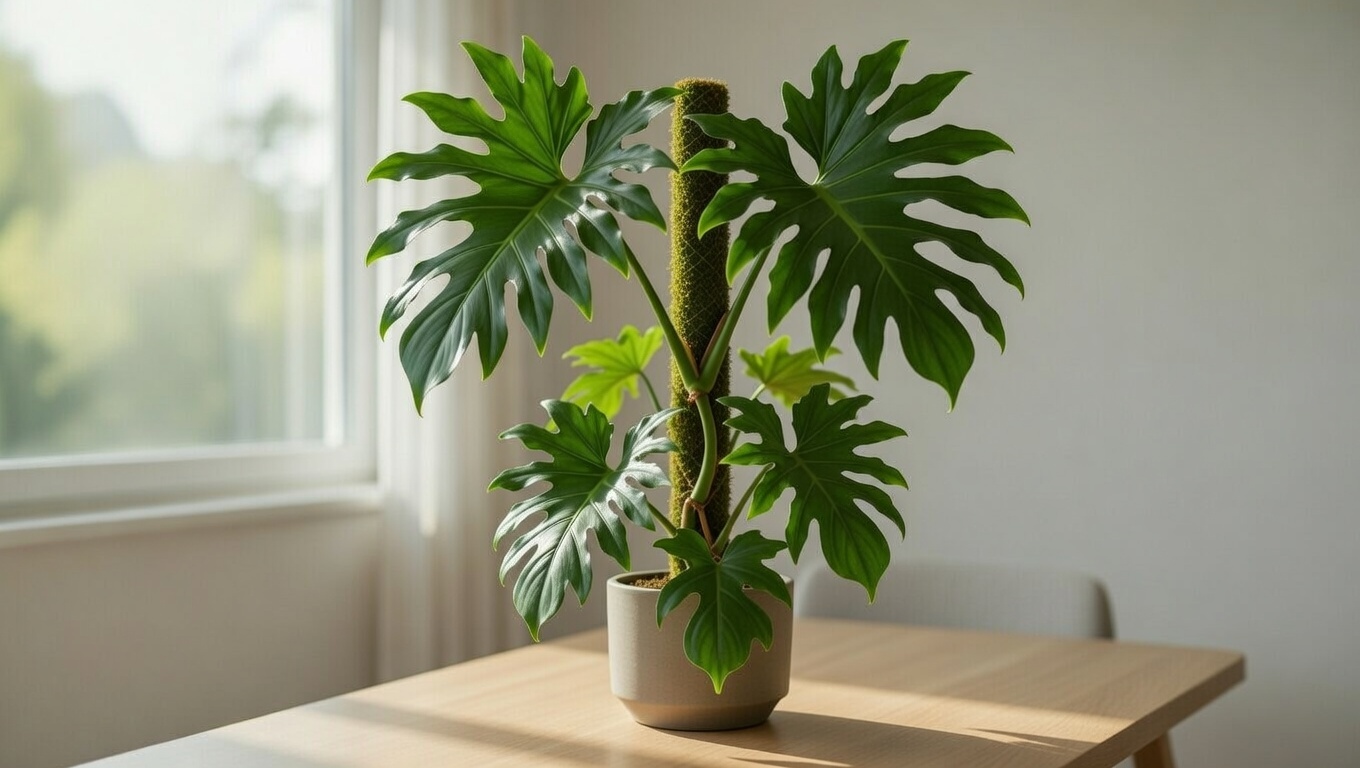
After years of growing philodendrons indoors, a few advanced strategies consistently produce exceptional results.
Rotate the Plant Regularly
Turn your plant ¼ turn weekly to promote symmetrical growth and prevent leaning.
Clean Leaves for Maximum Photosynthesis
Dust reduces light absorption.
- Wipe leaves monthly with damp microfiber cloth
- Avoid commercial leaf shine sprays
Cleaner leaves = better energy production.
Provide Vertical Support Early
Climbing philodendron green varieties produce significantly larger leaves when trained upward.
- Install moss pole while plant is young
- Gently secure stems
- Keep moss pole slightly moist
You’ll notice thicker stems and broader foliage over time.
Adjust Care Seasonally
Spring/Summer (Active Growth):
- More frequent watering
- Monthly feeding
- Ideal repotting window
Fall/Winter (Slow Growth):
- Reduce watering
- Stop fertilizing
- Maintain warmth
Understanding plant cycles prevents overcare.
Encourage Larger Leaves
- Provide brighter indirect light
- Increase humidity
- Use vertical support
- Maintain consistent feeding schedule
Small leaves usually indicate insufficient light or lack of support.
Philodendron Green Quick-Reference Care Chart
| Care Factor | Recommendation |
|---|---|
| Light | Bright, indirect light |
| Water | When top 1–2 inches dry |
| Humidity | 50–70% preferred |
| Soil | Well-draining, airy mix |
| Fertilizer | Monthly in spring/summer |
| Temperature | 65–85°F (18–29°C) |
| Growth Rate | Moderate to fast in good conditions |
This summary supports quick reference and featured snippet optimization.
Frequently Asked Questions About Philodendron Green
How fast does philodendron green grow?
In bright indirect light with proper feeding, growth can be steady and vigorous during spring and summer. Vining varieties may grow several inches per month.
Can philodendron green survive in low light?
Yes, but growth slows significantly. Leaves may become smaller and stems leggy. For best results, provide medium to bright indirect light.
Why are my philodendron green leaves turning yellow?
The most common cause is overwatering. However, natural aging, nutrient deficiencies, and light stress can also contribute. Assess soil moisture first.
Should I mist my philodendron green?
Misting provides temporary humidity but does not significantly raise overall humidity levels. A humidifier is far more effective.
How do I make my plant fuller?
- Prune above nodes
- Provide brighter light
- Add vertical support
- Maintain regular feeding
How often should I repot philodendron green?
Typically every 1–2 years, depending on growth rate and root development.
Final Thoughts: Growing a Thriving Philodendron Green with Confidence
Philodendron green plants are forgiving — but they reward informed care with dramatic, lush growth. When you understand their rainforest origins, everything becomes simpler: bright filtered light, airy soil, moderate watering, warmth, and humidity.
Most plant problems don’t come from neglect — they come from overcare. The key is observation, not rigid schedules.
Start by improving just one factor today:
- Upgrade your soil mix
- Move your plant closer to bright indirect light
- Add a moss pole
- Adjust your watering method
Small adjustments create dramatic results over time.
With the right care approach, your philodendron green won’t just survive — it will become one of the most beautiful, resilient plants in your indoor collection.