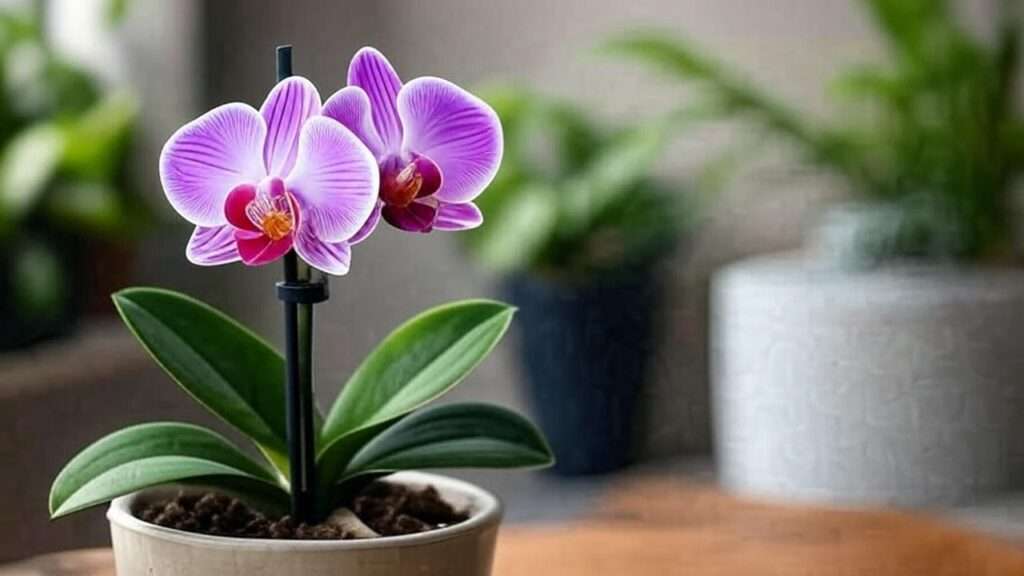

Many orchid owners believe watering or lighting is the biggest challenge when caring for orchids. Yet one of the most common reasons orchids struggle indoors has nothing to do with watering schedules or fertilizer—it’s the type of pot they’re planted in.
If your orchid’s leaves are turning yellow, the roots look mushy, or the plant seems to stop growing altogether, the real issue may be poor drainage and lack of airflow. This is where orchid pots with holes become essential. These specially designed pots allow excess water to escape while providing the ventilation orchid roots need to thrive.
Unlike typical houseplants, most orchids grow naturally on trees where their roots are exposed to air, light, and fast-draining conditions. When placed in traditional pots without proper ventilation, their roots stay wet too long—leading to root rot, fungal infections, and plant decline.
In this comprehensive guide, you’ll learn:
-
Why orchids require pots with drainage holes
-
How proper airflow affects orchid root health
-
The different types of orchid pots available
-
How to choose the best pot for your orchid species
-
Expert tips for repotting and maintaining healthy orchids
Whether you’re a beginner growing your first Phalaenopsis orchid or an experienced indoor gardener, understanding the importance of proper orchid pots can dramatically improve your plant’s health and longevity.
Why Orchids Need Special Pots
Understanding why orchids need unique containers begins with looking at how they grow in their natural environment.
Understanding How Orchids Grow in Nature

Most orchids sold as houseplants—especially Phalaenopsis, Cattleya, and Dendrobium—are epiphytes. This means they grow attached to trees rather than in soil.
In tropical forests, orchid roots:
-
Wrap around tree bark
-
Absorb moisture from rain and humidity
-
Receive constant airflow
-
Dry quickly after watering
These natural conditions create a perfect balance of moisture, oxygen, and drainage.
Orchid roots are covered with a special tissue called velamen, which quickly absorbs water and nutrients but also needs oxygen to stay healthy. Without adequate airflow, this tissue suffocates and begins to decay.
This is why orchids planted in dense soil or poorly drained containers often struggle indoors.
Why Regular Plant Pots Don’t Work for Orchids
Standard houseplant pots are designed for plants growing in soil. While they typically include one drainage hole, they rarely provide the ventilation orchids need.
Common problems caused by regular pots include:
Poor drainage
Water accumulates at the bottom, creating soggy conditions.
Limited airflow
Orchid roots require oxygen. Without air circulation, they suffocate.
Prolonged moisture retention
Orchid roots should dry out between watering cycles.
Higher risk of disease
Excess moisture encourages fungal growth and root rot.
Because orchids evolved to grow above ground on tree bark, they perform best in containers that replicate these conditions.
The Role of Proper Drainage in Orchid Health
Drainage is one of the most critical factors in orchid care.
Healthy orchid roots require a balance of:
-
Moisture
-
Oxygen
-
Quick drying
When water cannot escape the pot efficiently, the roots remain saturated and oxygen levels drop.
Over time, this leads to:
-
Root rot
-
Bacterial infections
-
Yellow leaves
-
Flower loss
-
Plant death
Orchid pots with holes solve this problem by allowing excess water to drain immediately while improving air circulation around the roots.
What Are Orchid Pots with Holes?

Orchid pots with holes are containers specifically designed to support the unique needs of orchid roots.
Unlike traditional pots, these containers feature multiple openings along the sides and bottom, allowing air to circulate freely while preventing water from accumulating around the roots.
Key Features of Orchid Pots with Holes
Quality orchid pots usually include several important design elements.
Multiple drainage holes
The base contains several holes to ensure excess water escapes quickly.
Side ventilation holes
These openings improve airflow and mimic the natural growing conditions orchids experience on trees.
Breathable materials
Many orchid pots are made from plastic, clay, or mesh that allow moisture evaporation.
Transparent options
Clear plastic orchid pots allow growers to monitor root health and moisture levels.
These features work together to create a healthy root environment.
How Orchid Pots with Holes Work
The design of these pots helps regulate moisture levels and oxygen flow.
When you water an orchid planted in a pot with holes:
-
Water flows through the orchid bark or growing medium.
-
Excess moisture drains through the bottom holes.
-
Side holes increase airflow around the roots.
-
The medium dries evenly between watering cycles.
This prevents stagnant moisture while maintaining the humidity orchids prefer.
Differences Between Orchid Pots and Regular Plant Pots
| Feature | Orchid Pots with Holes | Regular Plant Pots |
|---|---|---|
| Drainage | Excellent | Limited |
| Air circulation | High | Low |
| Root visibility | Often transparent | Usually opaque |
| Drying time | Faster | Slower |
| Suitability for orchids | Ideal | Often problematic |
Because orchids rely heavily on airflow around their roots, these specialized containers provide a significant advantage over standard houseplant pots.
Benefits of Using Orchid Pots with Holes

Switching to proper orchid pots can dramatically improve plant health and growth.
Prevents Root Rot
Root rot is the most common cause of orchid death.
When roots remain in constantly wet conditions, they begin to rot and lose their ability to absorb nutrients.
Orchid pots with holes prevent this by:
-
Allowing excess water to escape
-
Improving airflow around roots
-
Reducing stagnant moisture
Healthy roots are typically firm and green or silvery, while rotting roots appear brown, soft, and mushy.
Improves Air Circulation
Airflow is essential for orchid root health.
Side holes in orchid pots increase oxygen flow, which supports:
-
Strong root development
-
Faster drying cycles
-
Reduced fungal growth
This airflow mimics the natural environment orchids experience in tropical forests.
Helps Monitor Root Health
Many orchid growers prefer clear orchid pots because they allow you to see the roots.
This provides valuable information about:
-
Moisture levels
-
Root growth
-
Signs of disease or rot
Healthy roots should appear green after watering and silvery when dry.
Monitoring these changes helps prevent overwatering.
Promotes Stronger Root Growth
When roots receive adequate airflow and proper drainage, they grow stronger and more extensive.
Strong roots lead to:
-
Better nutrient absorption
-
Increased flower production
-
Healthier leaves
This is especially important for popular indoor orchids like Phalaenopsis, which rely heavily on root health for blooming.
Makes Watering Easier to Manage
Proper orchid pots also make watering more predictable.
Since water drains quickly, it’s easier to avoid:
-
Overwatering
-
Waterlogged growing media
-
Salt buildup from fertilizers
Many experienced growers water orchids by soaking the pot and allowing it to drain completely—a process made much easier with well-ventilated containers.
Types of Orchid Pots with Holes

There are several different types of orchid pots available. Each offers unique benefits depending on the orchid species and growing environment.
Plastic Orchid Pots with Holes
Plastic orchid pots are the most common choice for indoor growers.
Advantages
-
Lightweight and affordable
-
Excellent drainage
-
Available in transparent designs
-
Easy to repot orchids
Clear plastic pots are especially helpful for beginners because they allow monitoring of root health.
Best For
-
Phalaenopsis orchids
-
Beginner orchid growers
-
Indoor environments
These pots are often used inside decorative outer containers.
Ceramic Orchid Pots with Holes
Ceramic orchid pots offer a more decorative appearance for indoor spaces.
They often include side holes or slotted openings for airflow.
Advantages
-
Attractive design
-
Stable and heavy
-
Good for display areas
Potential Downsides
-
Less airflow compared to plastic
-
Harder to monitor root health
-
Typically more expensive
Many orchid growers use ceramic pots as outer decorative containers with a plastic orchid pot inside.