Imagine a plant that quietly grows all year… then suddenly produces breathtaking blooms that open only at night, filling your space with beauty and subtle fragrance. That’s the magic of the moonlight cactus—a unique indoor plant that captivates both beginners and seasoned plant lovers.
But here’s the challenge: many people struggle to keep their moonlight cactus alive, let alone thriving. Issues like overwatering, lack of blooms, or poor lighting are incredibly common. If you’ve ever wondered “Why is my moonlight cactus not blooming?” or “How do I care for it properly indoors?”—you’re in the right place.
This comprehensive guide will walk you through everything you need to know about moonlight cactus care, from basic maintenance to expert-level blooming tips. Whether you’re a beginner or looking to refine your indoor plant skills, this guide will help you grow a healthy, thriving cactus year-round.
What Is a Moonlight Cactus? (Beginner-Friendly Overview)
Botanical Background and Origin
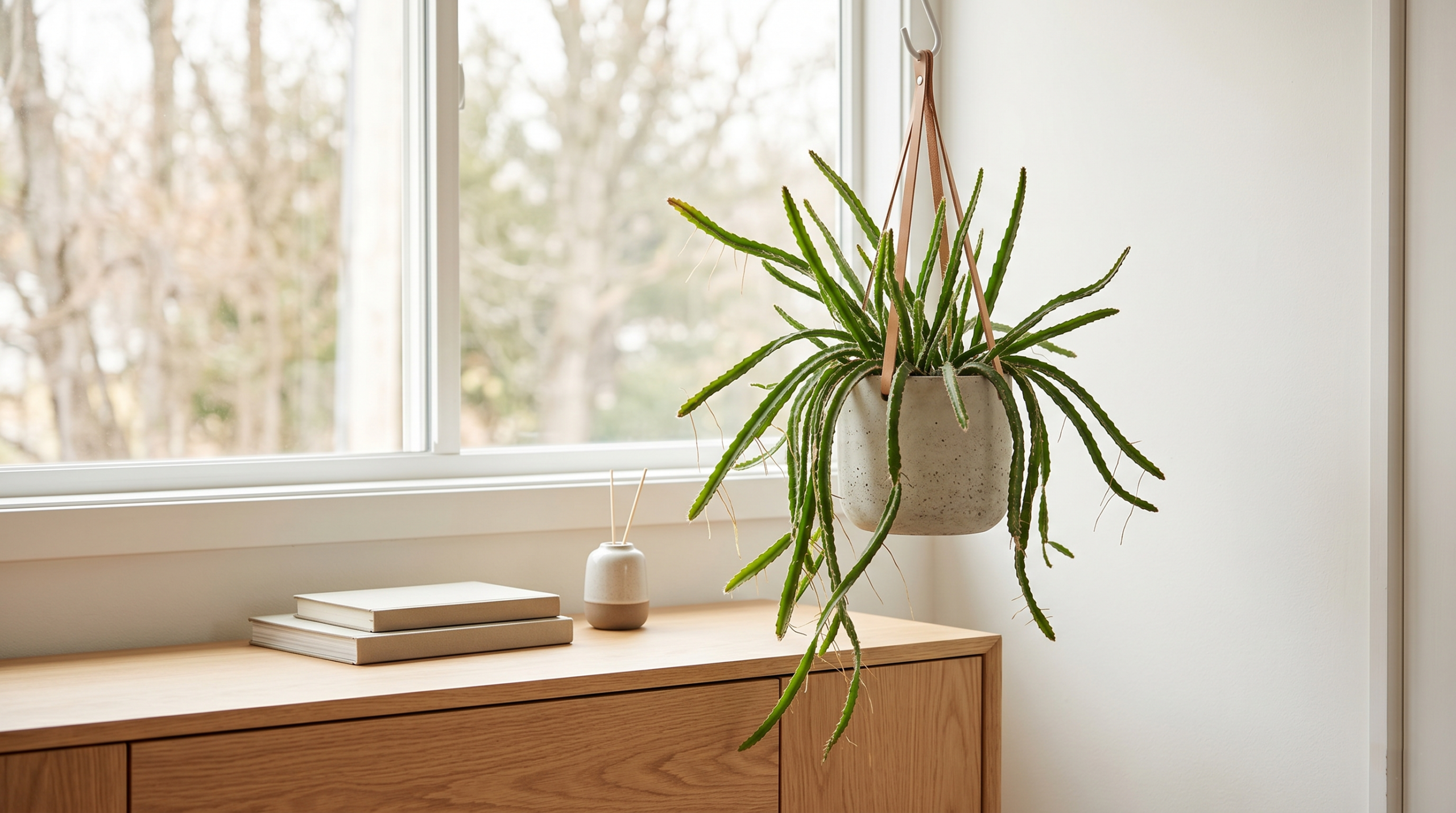
The term moonlight cactus typically refers to night-blooming cactus species such as Epiphyllum or Selenicereus, often called night-blooming cereus. These plants are native to tropical and subtropical regions, where they grow as epiphytes (on trees) rather than in desert soil.
Unlike traditional desert cacti, moonlight cactus:
- Prefers slightly more humidity
- Thrives in indirect light
- Produces large, dramatic flowers at night
Why It’s Called ‘Moonlight Cactus’
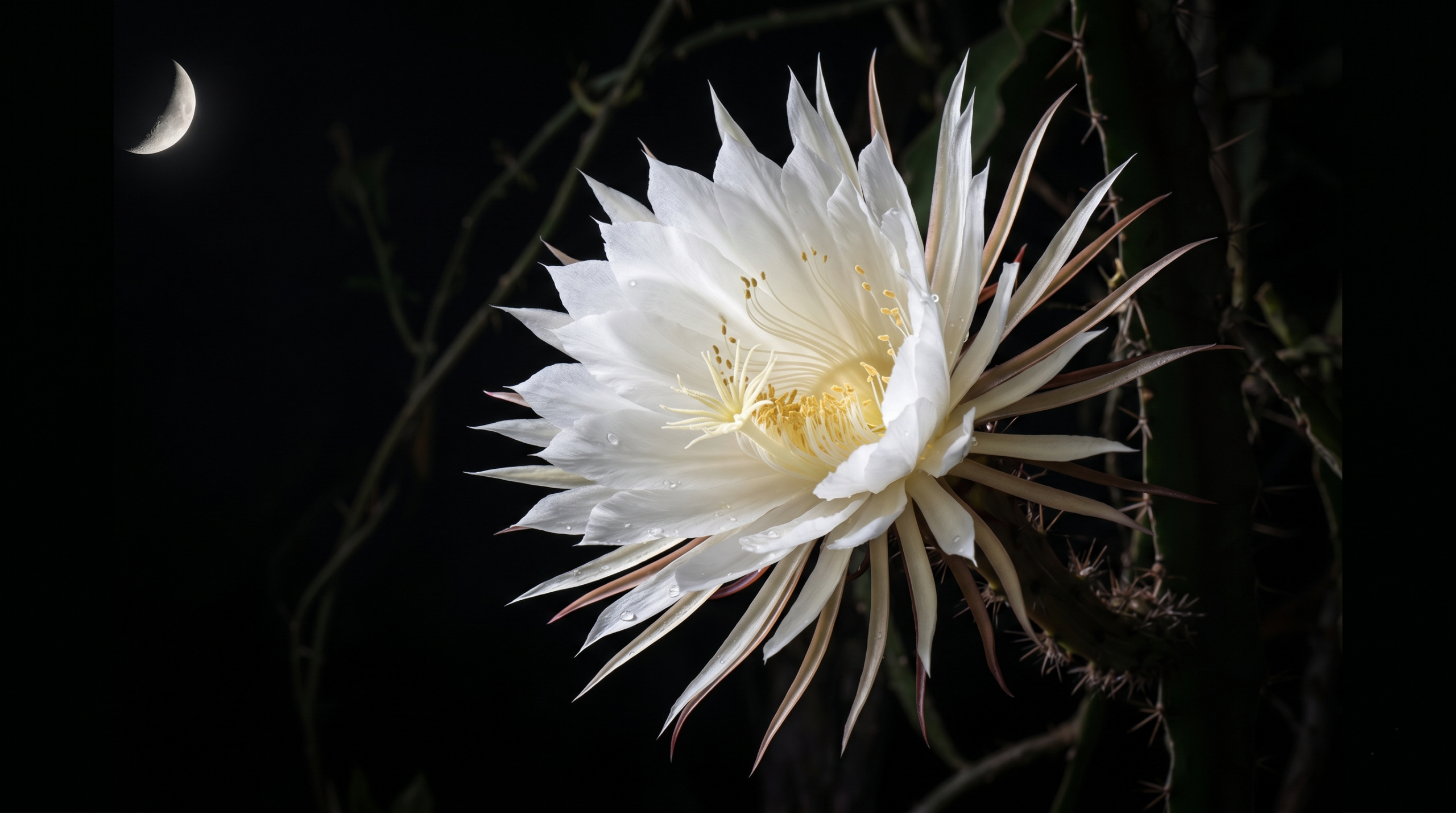
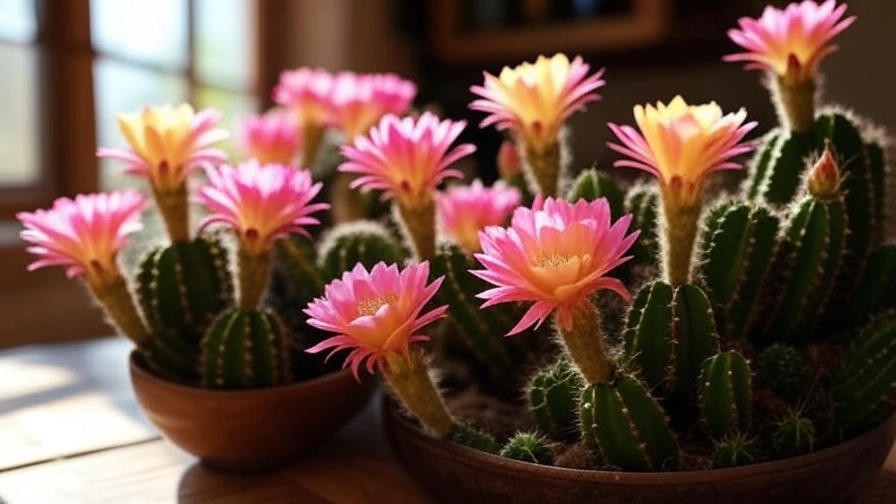
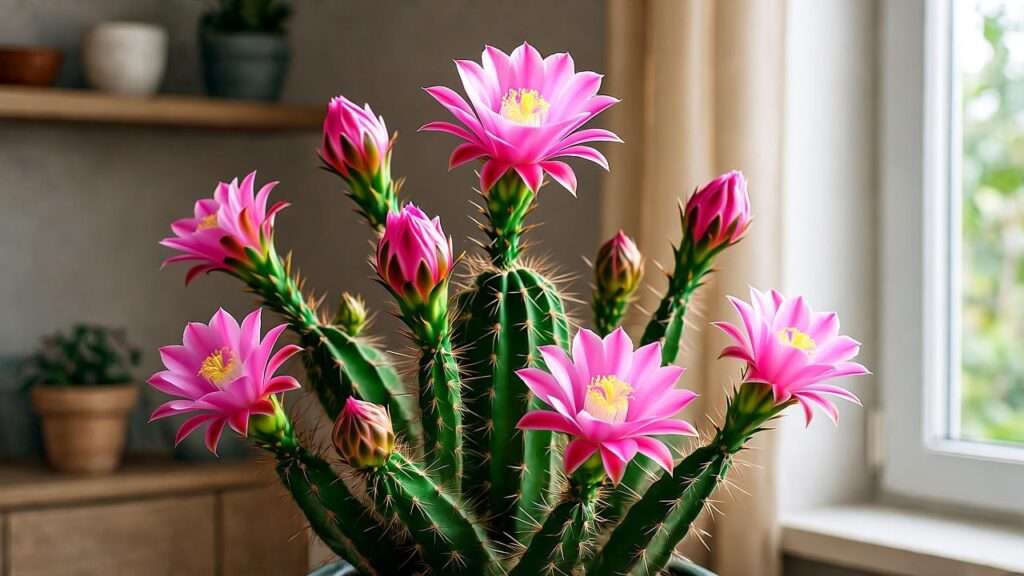
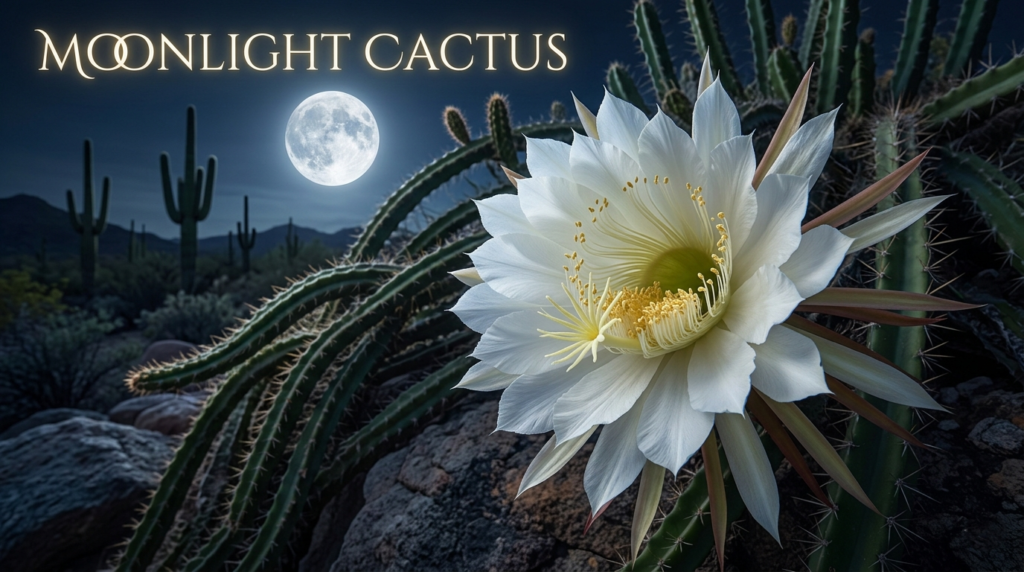
The name comes from its most fascinating trait—flowers that bloom under moonlight. These blooms:
- Open at night and close by morning
- Are often large, white, and fragrant
- Last only a single night in many species
This rare blooming habit makes it a prized plant among collectors.
Is Moonlight Cactus Good for Indoor Growing?
Absolutely. In fact, it’s well-suited for indoor environments when properly cared for. It adapts well to:
- Bright indoor spaces
- Hanging baskets or pots
- Controlled watering routines
Moonlight Cactus Care Basics (Quick Start Guide)
If you’re short on time, here’s a quick overview:
- Light: Bright, indirect sunlight
- Water: Allow soil to dry between watering
- Soil: Well-draining cactus or orchid mix
- Temperature: 18–30°C (65–86°F)
- Fertilizer: Monthly during growing season
Light Requirements for Moonlight Cactus
Ideal Indoor Lighting Conditions
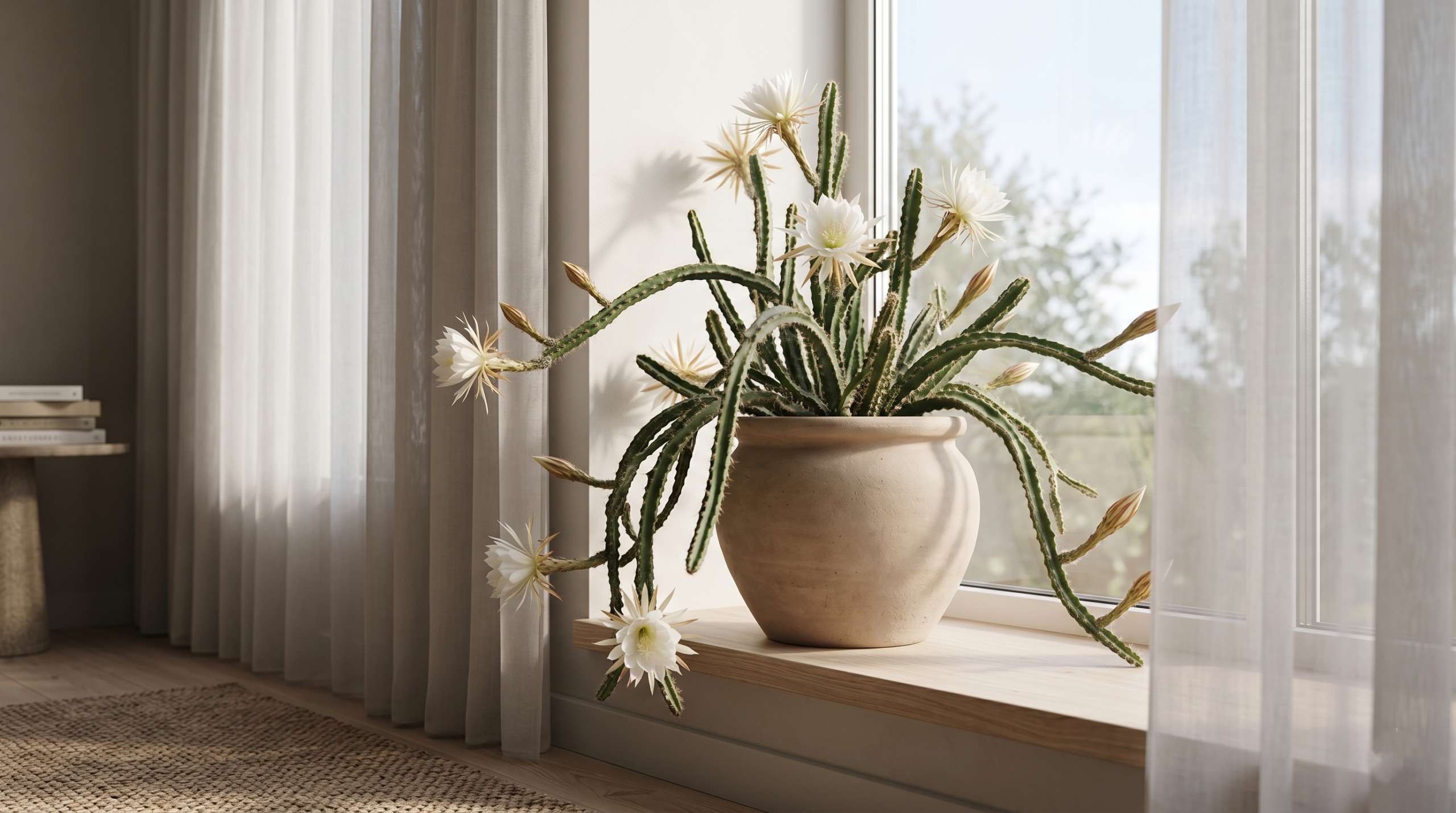
Moonlight cactus thrives in bright, indirect light. Think of the light conditions near an east- or south-facing window with filtered sunlight.
Best placements:
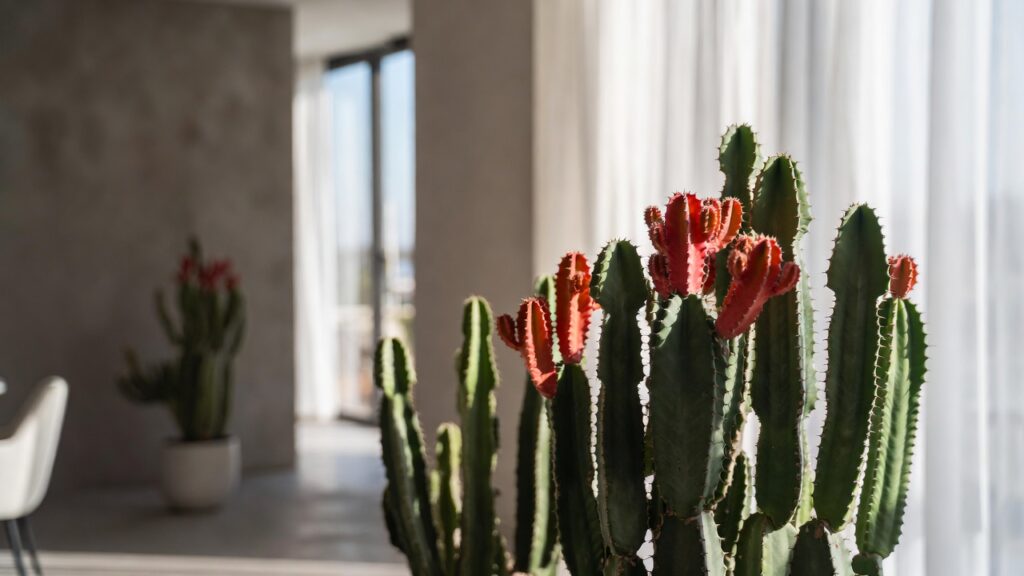
- Near a window with sheer curtains
- Bright rooms without harsh direct sun
- Indoor balconies with partial shade
Signs of Too Much or Too Little Light
Understanding light stress is key:
Too much direct sunlight:
- Yellowing or scorched stems
- Dry, brittle appearance
Too little light:
- Leggy, stretched growth
- Lack of blooms
Can You Use Grow Lights?
Yes, especially if your home lacks natural light. Use:
- LED grow lights
- Position 12–18 inches above the plant
- Run for 10–12 hours daily
Watering Your Moonlight Cactus the Right Way
How Often Should You Water?
One of the biggest mistakes is overwatering. Follow this rule:
Water only when the top 1–2 inches of soil are dry
Typical schedule:
- Summer: Once every 7–10 days
- Winter: Once every 2–3 weeks
Overwatering vs Underwatering Symptoms
Overwatering:
- Mushy stems
- Root rot
- Foul smell from soil
Underwatering:
- Wrinkled or shriveled stems
- Slow growth
Best Watering Technique
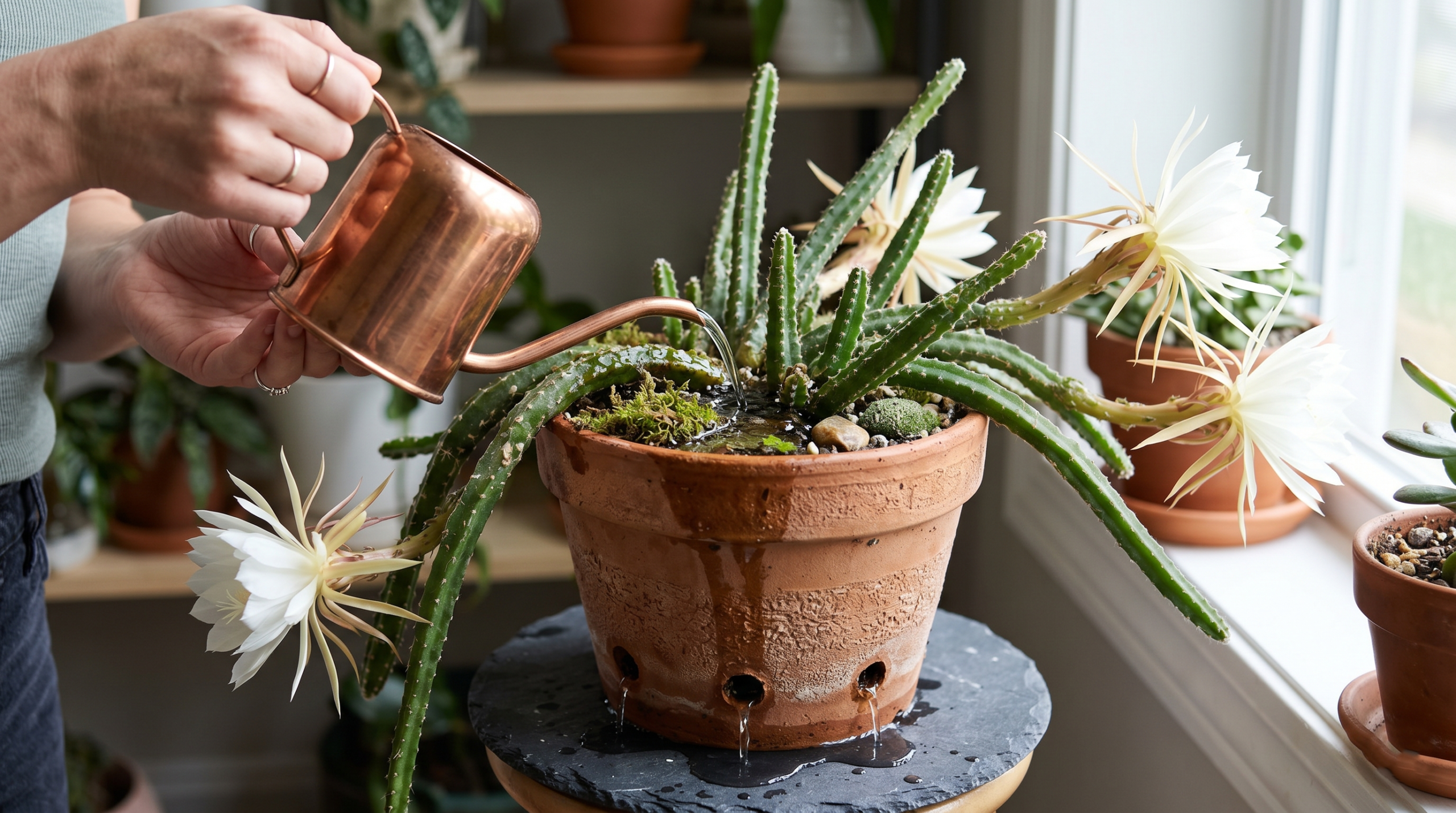
- Water deeply until it drains out
- Never let the plant sit in standing water
- Always use pots with drainage holes
Best Soil and Potting Mix for Moonlight Cactus
Ideal Soil Composition
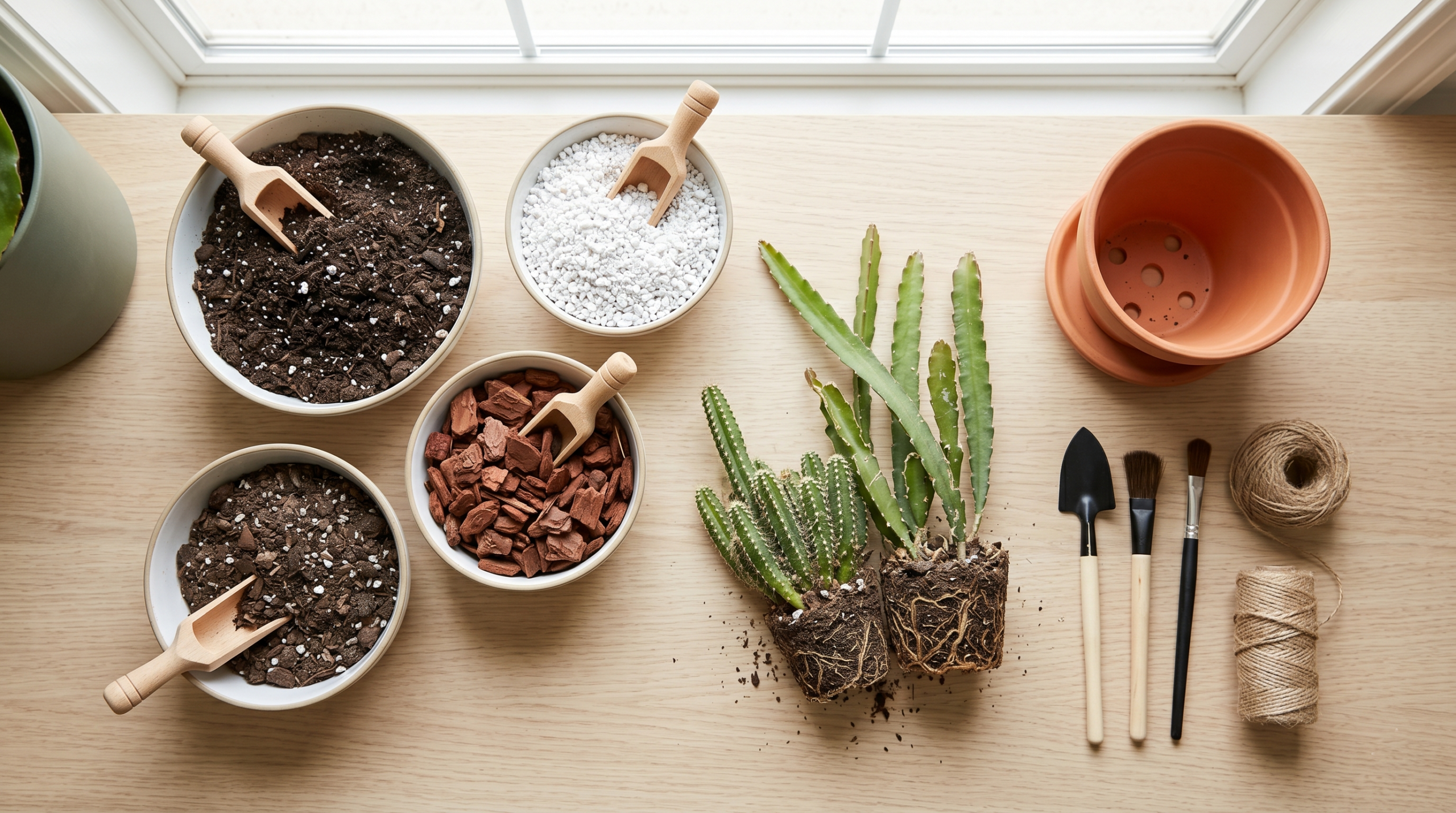
Unlike desert cacti, moonlight cactus prefers a slightly richer mix:
Best mix:
- 40% cactus soil
- 30% orchid bark
- 30% perlite or sand
This ensures:
- Excellent drainage
- Proper aeration
- Healthy root development
Choosing the Right Pot
- Always choose pots with drainage holes
- Terracotta pots help prevent overwatering
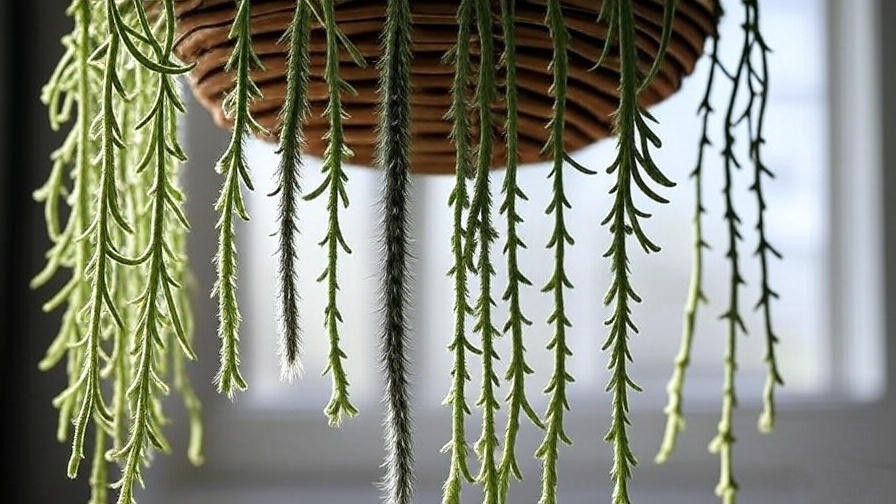
- Hanging pots work well for trailing growth
Temperature, Humidity, and Environment
Optimal Temperature Range
Moonlight cactus thrives in:
- 18–30°C (65–86°F)
Avoid:
- Temperatures below 10°C (50°F)
- Cold drafts or sudden changes
Humidity Needs
Unlike desert cacti, it prefers moderate humidity:
- Ideal: 40–60%
- Occasional misting can help
Seasonal Care Adjustments
In winter:
- Reduce watering
- Stop fertilizing
- Keep plant in a warm, bright spot
How to Fertilize Moonlight Cactus for Healthy Growth
Best Fertilizers to Use
Use a balanced liquid fertilizer such as:
- 10-10-10 or 20-20-20 (diluted)
- Orchid fertilizers also work well
Fertilizing Schedule
- Feed once a month during spring and summer
- Stop feeding in fall and winter
Common Fertilizing Mistakes
- Overfeeding can burn roots
- Never fertilize dry soil
How to Encourage Moonlight Cactus to Bloom
Why Your Moonlight Cactus Isn’t Flowering
Common reasons include:
- Insufficient light
- Too much nitrogen fertilizer
- Lack of temperature variation
Proven Tips to Trigger Blooms
To encourage flowering:
- Provide bright indirect light daily
- Reduce watering slightly before blooming season
- Maintain cooler nighttime temperatures
What to Expect During Blooming
- Flowers open at night
- Last for one night (in most species)
- Emit a pleasant fragrance
Pruning, Repotting, and Maintenance
When and How to Prune
- Remove dead or damaged stems
- Prune lightly to shape the plant
Repotting Guide
Repot every 2–3 years:
- Choose a slightly larger pot
- Refresh soil mix
- Handle roots gently
Common Problems and How to Fix Them
Even with proper care, your moonlight cactus may occasionally show signs of stress. The key is early identification and quick action.
Pests (Mealybugs, Spider Mites)
These are the most common indoor pests affecting moonlight cactus.
Signs:
- White cotton-like clusters (mealybugs)
- Fine webbing (spider mites)
- Sticky residue on stems
Solutions:
- Wipe affected areas with neem oil or alcohol solution
- Use insecticidal soap weekly until resolved
- Isolate infected plants to prevent spreading
Diseases (Root Rot, Fungal Issues)
Root rot is the most serious issue—and usually caused by overwatering.
Symptoms:
- Mushy stems
- Black or brown roots
- Foul odor from soil
Fix:
- Remove the plant from soil
- Cut off affected roots
- Repot in fresh, dry, well-draining mix
Prevention:
- Always let soil dry before watering
- Ensure proper drainage
Yellowing or Dropping Segments
If your cactus looks unhealthy, it’s usually due to environmental stress.
Possible causes:
- Overwatering
- Sudden temperature changes
- Insufficient light
Solution:
- Adjust watering schedule
- Move to a brighter spot
- Maintain stable indoor temperatures
How to Propagate Moonlight Cactus
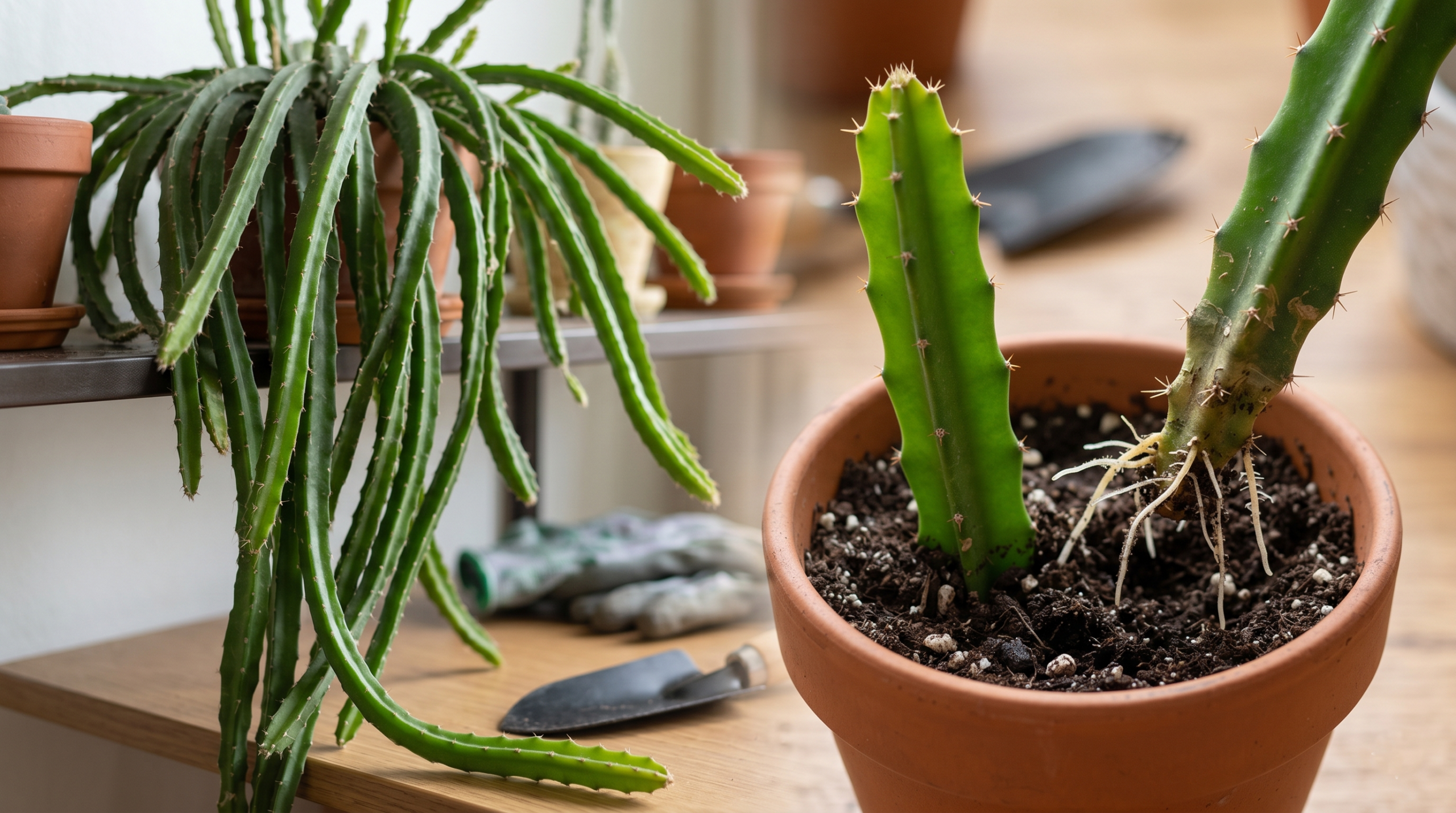
Propagation is a rewarding way to expand your indoor plant collection or share with others.
Propagation by Cuttings (Step-by-Step)
- Cut a healthy stem segment (4–6 inches long)
- Let it dry for 2–3 days (to prevent rot)
- Plant in well-draining soil
- Water lightly after a few days
- Place in bright, indirect light
Roots typically develop within 2–4 weeks.
Best Time to Propagate
- Spring and early summer are ideal
- Avoid winter propagation (slow growth phase)
Tips for Successful Rooting
- Don’t overwater new cuttings
- Use a slightly humid environment
- Be patient—growth takes time
Expert Tips for Thriving Moonlight Cactus (E-E-A-T Insights)
Drawing from real-world indoor gardening experience, here are expert-backed insights that make a significant difference:
- Less is more with watering: Overwatering is the #1 killer
- Consistency matters: Sudden changes in light or temperature can stress the plant
- Patience is key for blooms: Some plants take years to flower
- Use breathable pots: Terracotta helps regulate moisture
- Observe your plant regularly: Early signs prevent major issues
These practices are widely recommended by experienced growers and are proven to improve long-term plant health.
Moonlight Cactus Care Calendar (Monthly Guide)
A seasonal approach ensures your plant thrives year-round.
Spring (Growth Begins)
- Resume watering gradually
- Start fertilizing monthly
- Repot if needed
Summer (Active Growth)
- Maintain regular watering
- Ensure bright indirect light
- Monitor for pests
Fall (Preparation Phase)
- Reduce watering
- Stop fertilizing
- Keep plant stable
Winter (Dormancy Period)
- Minimal watering
- No fertilizer
- Keep warm and dry
Frequently Asked Questions (FAQs)
How fast does moonlight cactus grow?
It grows moderately fast during the growing season, especially with proper light and feeding.
Is moonlight cactus toxic to pets?
Most varieties are non-toxic, but it’s always best to keep plants out of reach of pets.
Why does my cactus bloom only at night?
This is a natural adaptation. Night-blooming flowers attract nocturnal pollinators like moths.
Can moonlight cactus survive in low light?
It can survive, but it won’t thrive or bloom. Bright indirect light is essential.
How long do the flowers last?
Most blooms last just one night, making them rare and special.
Final Thoughts: Is Moonlight Cactus Worth Growing Indoors?
The moonlight cactus is more than just an indoor plant—it’s an experience. From its graceful trailing stems to its rare and mesmerizing night blooms, it brings a unique charm to any indoor space.
If you’re looking for a plant that is:
- Visually striking
- Low-maintenance once understood
- Rewarding with patience
…then moonlight cactus is absolutely worth growing.
By following the care strategies in this guide—proper lighting, controlled watering, and seasonal adjustments—you can enjoy a healthy plant that not only survives but truly thrives.