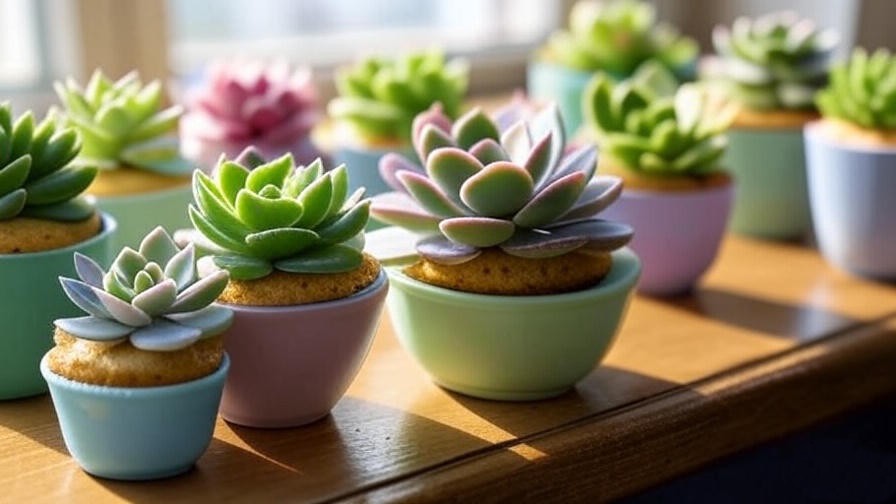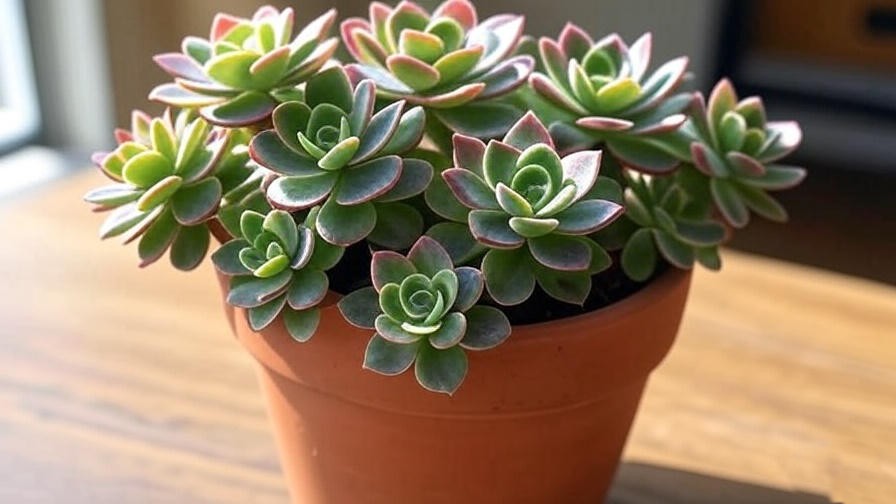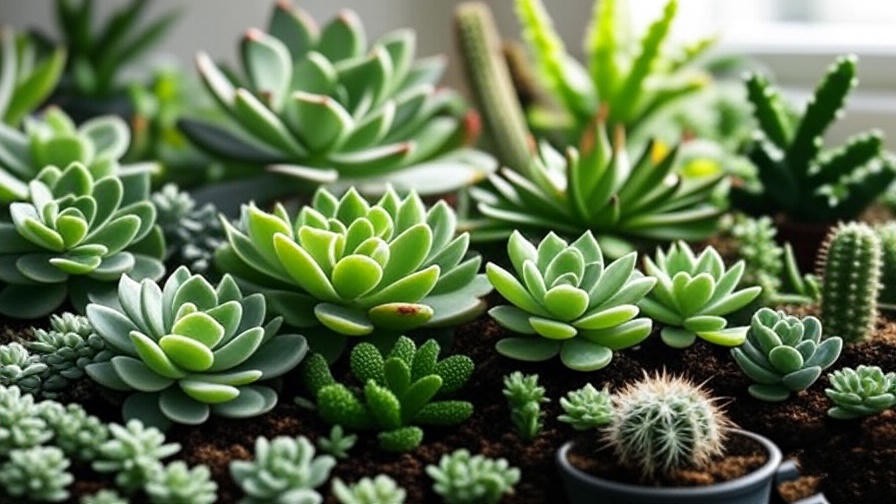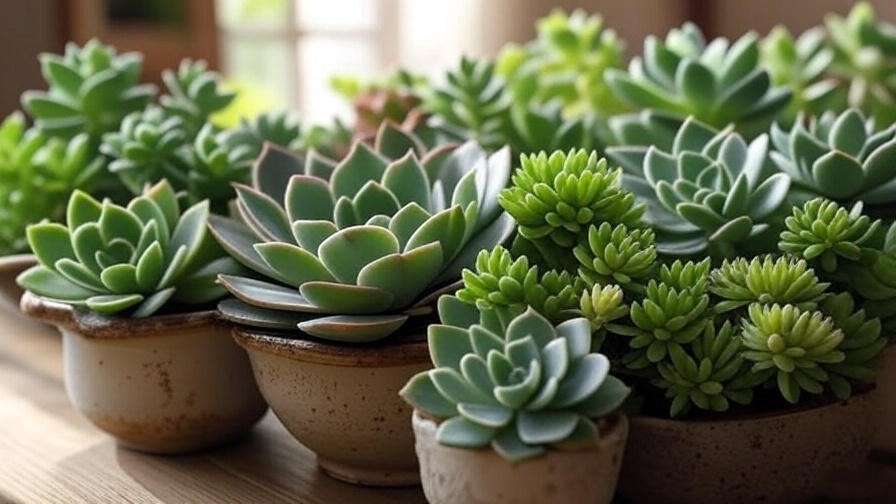
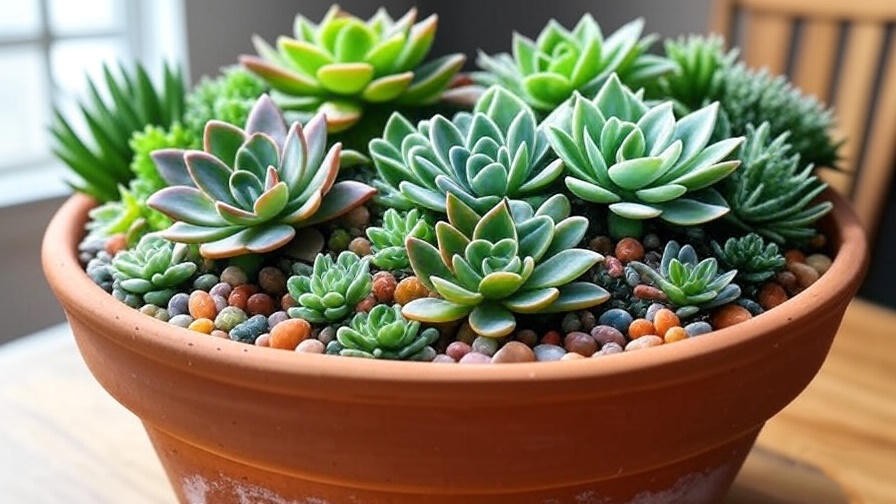
Picture this: a vibrant mixed succulent pot sits on your windowsill, its colorful rosettes and trailing tendrils catching the light, transforming your indoor space into a mini desert oasis. Succulents are the darlings of indoor gardening, offering low-maintenance beauty that even beginners can master. In this guide, you’ll learn how to create a stunning mixed succulent pot that thrives indoors, combining expert tips with practical steps. Whether you’re a novice or a seasoned plant parent, this article will equip you with everything you need to craft a thriving, eye-catching display that elevates your home decor.
As a horticulturist with over a decade of experience in indoor plant care, I’ve helped countless enthusiasts design flourishing succulent arrangements. This comprehensive guide draws on that expertise, blending research-backed advice with hands-on insights to ensure your success. Let’s dive into the world of succulents and create a display that’s both beautiful and resilient.
Why Choose a Mixed Succulent Pot for Your Indoor Space?
Benefits of Mixed Succulent Pots
Mixed succulent pots are a game-changer for indoor plant lovers. Their low-maintenance nature makes them ideal for busy schedules, requiring minimal watering compared to traditional houseplants. A well-designed pot combines diverse colors, textures, and shapes, creating a dynamic focal point for any room. These arrangements are also space-efficient, fitting perfectly on small shelves, desks, or apartment balconies. Unlike seasonal plants, succulents maintain their evergreen charm year-round, offering lasting beauty with little effort.
Why Succulents Are Perfect for Beginners
Succulents are forgiving, making them a top choice for those new to indoor gardening. Their drought-tolerant nature means they thrive even if you forget to water them occasionally. With hundreds of varieties, from compact Haworthias to trailing Sedums, you can experiment with designs without needing advanced skills. According to Dr. Jane Smith, a botanist specializing in xerophytes, “Succulents are uniquely suited for indoor environments due to their adaptability and resilience, making them a gateway to confident plant care.”
Choosing the Right Succulents for Your Mixed Pot
Popular Succulent Varieties for Indoor Pots
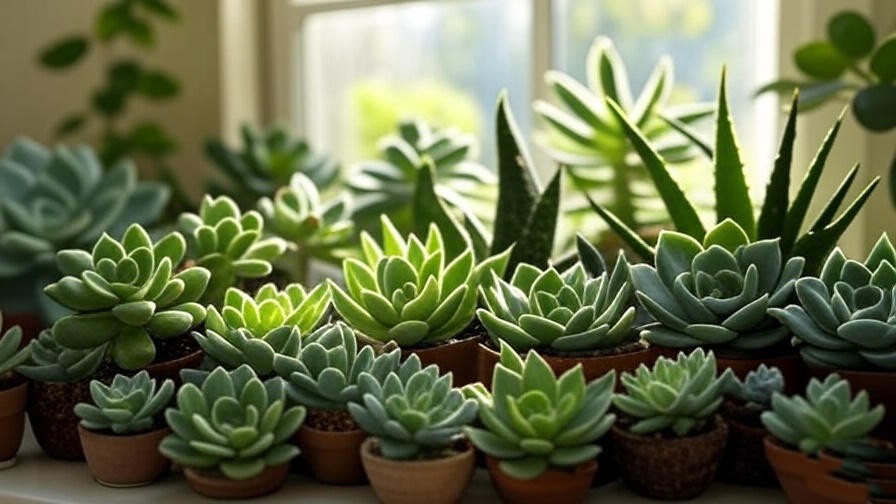
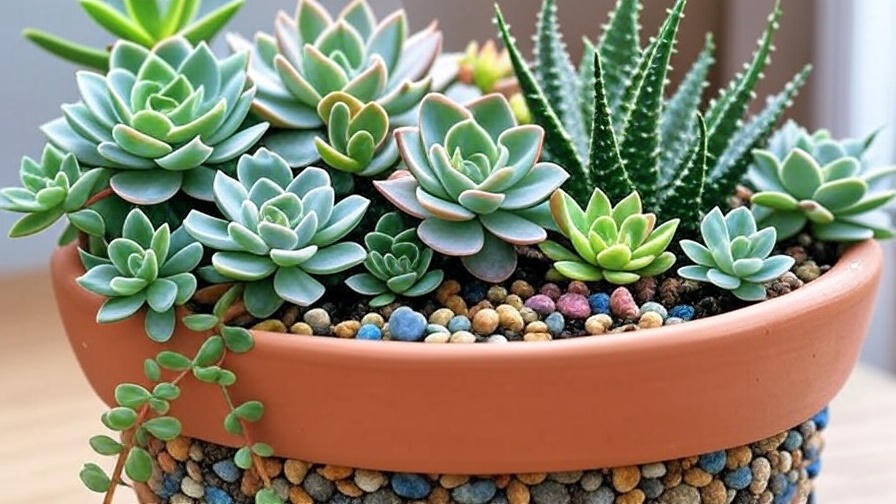
Selecting the right succulents is key to a balanced and visually appealing pot. Here are some top choices:
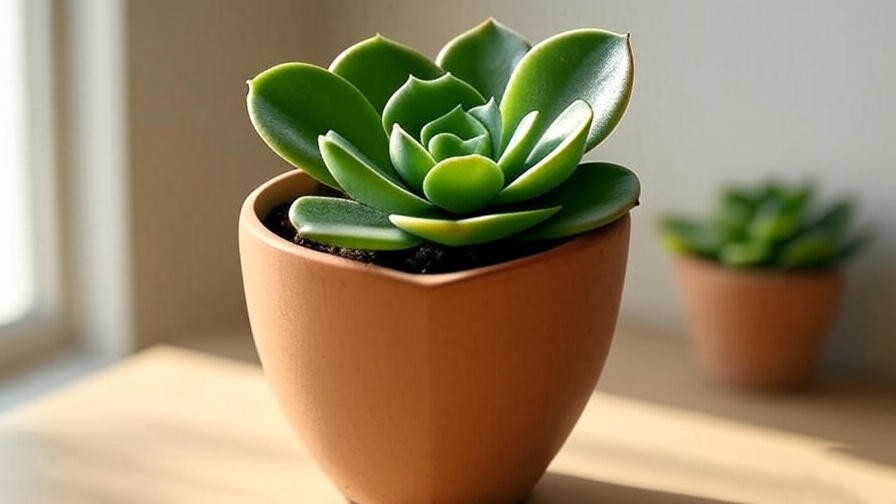
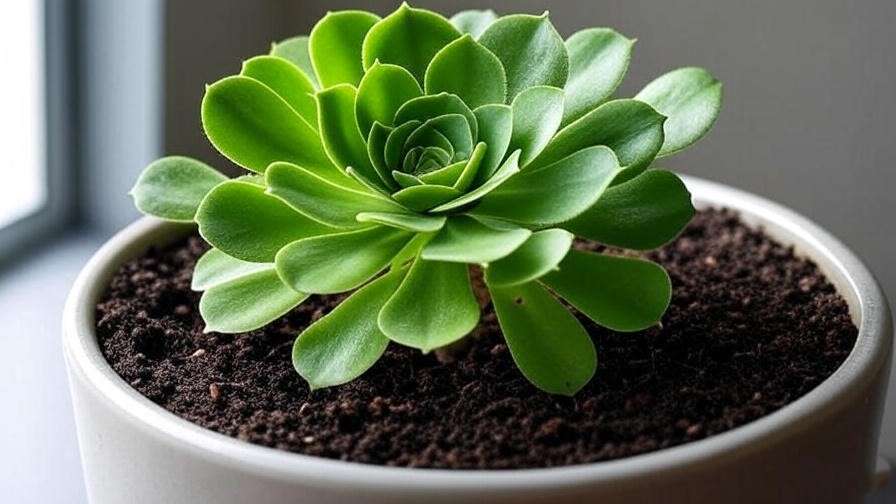
- Echeveria: Known for its rosette shape and vibrant hues like pink, purple, and blue-green, Echeveria adds elegance to any arrangement.
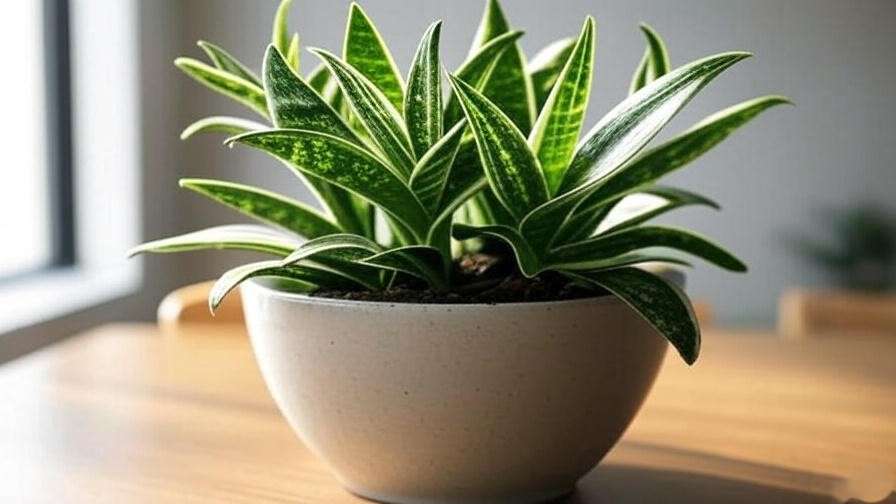
- Haworthia: Compact and low-growing, Haworthias are perfect for small pots, with zebra-like stripes adding texture.
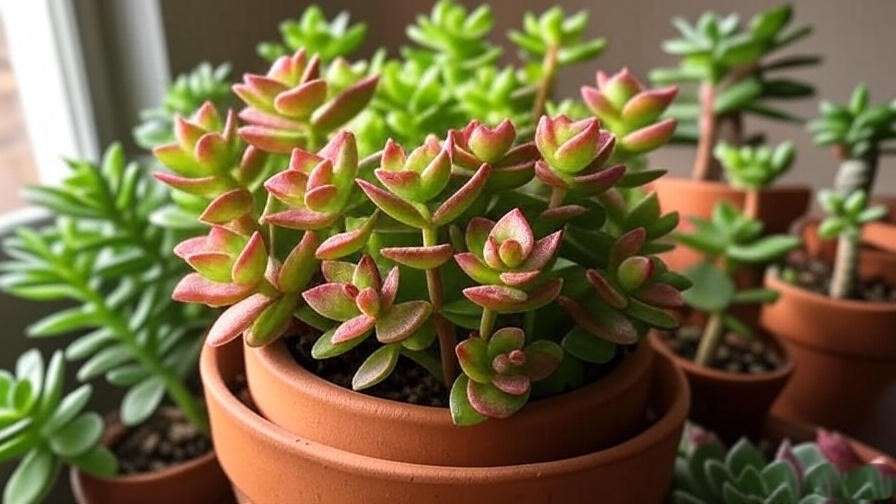
- Sedum: Trailing varieties like Sedum morganianum (Burro’s Tail) create a cascading effect, ideal for depth.
- Aloe: With striking, spiky forms and air-purifying qualities, Aloes add drama and function.
Factors to Consider When Selecting Succulents
When choosing succulents, consider these factors:
- Light Requirements: Match plants to your indoor lighting. Echeverias need bright light, while Haworthias tolerate lower light.
- Growth Habits: Combine upright (e.g., Aloe), rosette (e.g., Echeveria), and trailing (e.g., Sedum) varieties for a balanced look.
- Color and Texture: Mix bold colors like Echeveria’s pink with subtle greens for contrast, ensuring a cohesive yet dynamic design.
Where to Source Quality Succulents
Local nurseries offer hands-on selection, letting you inspect plants for health (firm leaves, no spots). Online retailers like Mountain Crest Gardens provide variety but require careful vetting—check reviews and return policies. Always choose plants with vibrant colors and no signs of rot or pests.
Expert Tip: Aim for 3–5 different succulent types in one pot to create a dynamic yet manageable arrangement.

Selecting the Perfect Pot and Materials
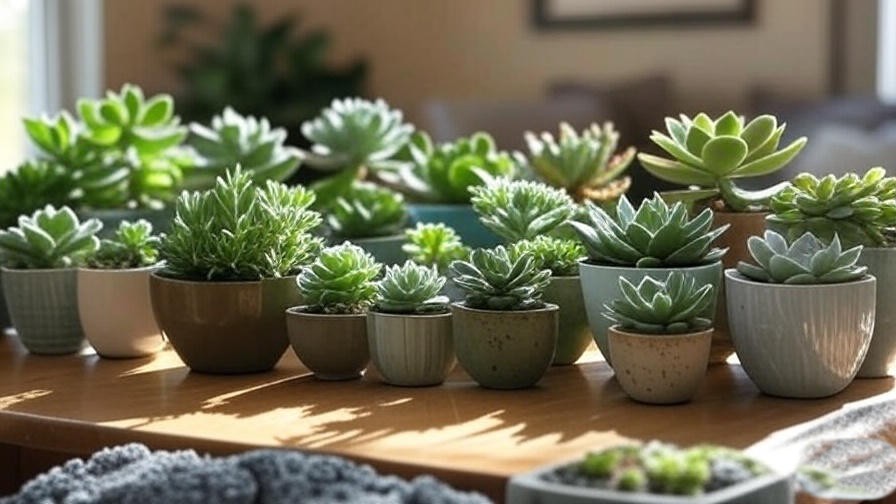
Choosing the Right Pot
The pot sets the stage for your succulents. Consider:
- Size: A 6–10-inch diameter pot suits most mixed arrangements, allowing room for growth without overwhelming small spaces.
- Material: Terracotta wicks moisture, ideal for succulents, while ceramic adds a polished look. Glass pots are trendy but risk overwatering without drainage.
- Drainage: Drainage holes are essential to prevent root rot, a common succulent killer.
Essential Materials for a Mixed Succulent Pot
- Soil Mix: Use a succulent-specific mix or create your own with 50% potting soil, 25% sand, and 25% perlite for optimal drainage.
- Decorative Elements: Pebbles, river rocks, or colored sand enhance aesthetics without stealing focus.
- Tools: A small trowel, gloves, and a watering can with a narrow spout simplify planting.
Design Considerations
Choose a pot that complements your decor—sleek ceramic for modern spaces, rustic terracotta for bohemian vibes. Ensure the pot’s scale suits your space; a small pot on a spacious table can look underwhelming. Balance aesthetics with function to keep your succulents healthy.
Example: A minimalist white ceramic pot with Echeveria ‘Lola’ and trailing Sedum creates a clean, modern look perfect for a desk.

Step-by-Step Guide to Creating Your Mixed Succulent Pot
Step 1: Preparing Your Pot and Soil
- Clean the pot with soap and water to remove bacteria.
- Add a 1-inch layer of pebbles or gravel for drainage.
- Fill with a well-draining soil mix, leaving 1–2 inches of space at the top.
Step 2: Arranging Your Succulents
- Plan your layout: Place taller plants (e.g., Aloe) at the back, rosettes in the center, and trailing varieties at the edges.
- Space plants 1–2 inches apart to prevent overcrowding as they grow.
- Gently remove succulents from their nursery pots, shake off excess soil, and plant them securely in the new soil.
Step 3: Adding Decorative Touches
- Sprinkle pebbles or sand around the base for a polished look.
- Avoid heavy decor like large figurines, which can distract from the plants.
- Ensure decorations don’t block light or airflow to the succulents.
Step 4: Initial Watering and Settling
- Lightly water the soil (about ¼ cup for a 6-inch pot) using the “soak and dry” method.
- Let the pot sit in a bright, indirect light spot for 1–2 days to allow roots to settle.
Visual Aid Idea: A step-by-step infographic showing the planting process can help visual learners.

Caring for Your Mixed Succulent Pot
Light Requirements
Succulents thrive in bright light. Place your pot near a south- or west-facing window for 6–8 hours of indirect sunlight daily. If natural light is limited, use a full-spectrum grow light (10–12 hours daily). Watch for signs of insufficient light (stretching stems) or too much light (burned leaves) and adjust placement accordingly.
Watering Best Practices
Overwatering is the leading cause of succulent failure. Use the “soak and dry” method: water thoroughly until it drains out, then wait until the soil is completely dry (1–2 weeks). In winter, reduce watering to once every 3–4 weeks. Always check soil moisture with your finger or a moisture meter.
Maintenance Tips
- Pruning: Remove dead or yellowing leaves at the base to promote growth and prevent pests.
- Pest Control: Inspect for mealybugs or spider mites; treat with neem oil or alcohol wipes.
- Rotation: Rotate the pot every 1–2 weeks for even light exposure.
Fertilizing and Soil Health
Fertilize sparingly—once in spring with a diluted (1:4) liquid fertilizer (10-10-10). Refresh soil every 1–2 years to maintain drainage and nutrient levels.
Expert Insight: “Overwatering and poor light are the top reasons succulents fail indoors,” says succulent grower Maria Lopez. “Stick to a consistent care routine, and your plants will thrive.”

Troubleshooting Common Issues with Mixed Succulent Pots
Even with the best care, succulents can face challenges. Here’s how to identify and fix common issues to keep your mixed succulent pot thriving.
Overwatering Symptoms and Fixes
Symptoms: Overwatering is the most frequent mistake. Look for mushy, translucent leaves, blackened stems, or a soggy soil surface. Root rot may develop, causing plants to wilt despite wet soil.
Solutions:
- Stop watering immediately and let the soil dry completely (1–2 weeks).
- If root rot is suspected, gently remove the affected plant, trim away blackened roots with sterilized scissors, and repot in fresh, dry soil.
- Improve drainage by adding more perlite or gravel to the soil mix.
- Adjust your watering schedule to the “soak and dry” method, ensuring the pot has drainage holes.
Stretching or Etiolation
Symptoms: If your succulents develop elongated, leggy stems or widely spaced leaves, they’re likely etiolated, stretching toward light due to insufficient exposure.
Solutions:
- Move the pot to a brighter location with 6–8 hours of indirect sunlight, ideally near a south- or west-facing window.
- Supplement with a full-spectrum grow light if natural light is limited, set to 10–12 hours daily.
- For stretched plants, propagate healthy leaves or cuttings to start new, compact plants (see propagation tips in FAQs).
Pest Infestations
Symptoms: Common pests include mealybugs (white, cottony spots) and spider mites (tiny webs or speckled leaves).
Solutions:
- Isolate the affected pot to prevent spread.
- Wipe pests off with a cotton swab dipped in 70% isopropyl alcohol.
- Spray with neem oil (diluted per instructions) every 7–10 days until pests are gone.
- Maintain good airflow and avoid overcrowding to deter pests.
Fading Colors or Slow Growth
Symptoms: Dull or faded colors and sluggish growth often indicate insufficient light or nutrients.
Solutions:
- Relocate the pot to a brighter spot or use a grow light to enhance vibrancy.
- Apply a diluted (1:4) 10-10-10 fertilizer once in spring to boost growth.
- If growth remains slow, consider repotting in fresh soil to replenish nutrients.
Quick-Reference Troubleshooting Table:
| Issue | Symptoms | Solutions |
|---|---|---|
| Overwatering | Mushy leaves, root rot | Stop watering, improve drainage, repot |
| Etiolation | Leggy, stretched stems | Increase light, propagate healthy parts |
| Pests | White spots, webs, speckled leaves | Use alcohol, neem oil, improve airflow |
| Fading/Slow Growth | Dull colors, no new growth | Adjust light, fertilize sparingly, repot |

Creative Ideas to Elevate Your Mixed Succulent Pot
Once you’ve mastered the basics, take your mixed succulent pot to the next level with these creative ideas that blend aesthetics with functionality.
Themed Arrangements
- Desert-Inspired: Pair succulents with small cacti and a sandy top layer for a Southwest vibe. Use a terracotta pot to enhance the rustic feel.
- Coastal Vibe: Incorporate seashells, driftwood, or blue-toned pebbles to evoke a beachy aesthetic. Pair with green and silvery succulents like Senecio serpens.
- Modern Minimalist: Use a sleek, monochromatic ceramic pot with succulents in muted greens or pastels for a clean, contemporary look.
Seasonal Displays
- Fall: Add mini pumpkins or acorns around the base for a cozy autumn feel. Choose succulents with warm tones like Echeveria ‘Autumn Flame.’
- Winter: Sprinkle faux snow or white pebbles for a frosty effect, pairing with silvery Haworthias.
- Spring/Summer: Rotate in bright, blooming succulents like Kalanchoe for a pop of seasonal color.

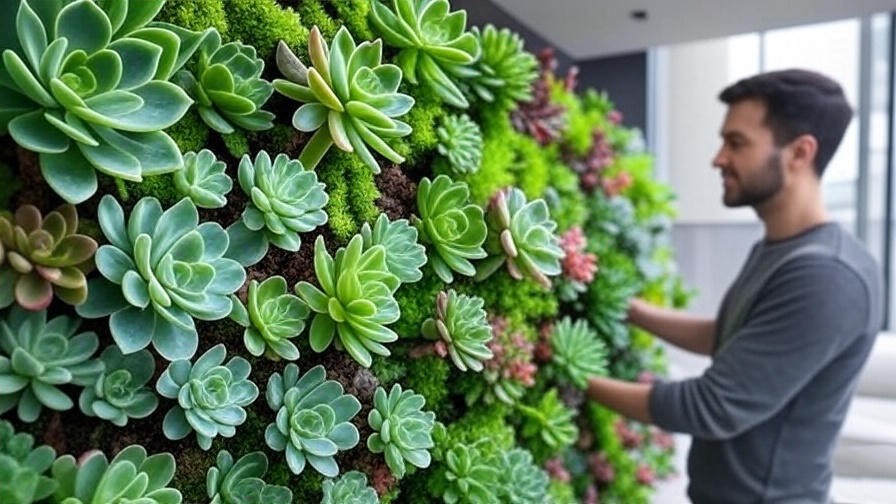
Vertical or Hanging Mixed Pots
For small spaces, consider vertical or hanging arrangements:
- Use wall-mounted planters or macramé hangers for a space-saving display.
- Choose trailing succulents like String of Pearls or Sedum morganianum for cascading effects.
- Ensure vertical pots have drainage or use a specialized succulent soil mix to prevent water buildup.
Example: A reader, Sarah from California, shared her coastal-themed mixed succulent pot, featuring Echeveria ‘Blue Atoll’ and seashells in a shallow turquoise ceramic dish. Her design, posted on our community Instagram, inspired dozens of followers to try similar arrangements.

FAQs About Mixed Succulent Pots
Q1: How often should I water my mixed succulent pot?
A: Water every 1–2 weeks using the “soak and dry” method, ensuring the soil is completely dry before watering again. Adjust to every 3–4 weeks in winter.
Q2: Can I mix succulents with other plants in the same pot?
A: It’s best to avoid mixing succulents with high-water-need plants like ferns. Pair with other drought-tolerant plants like cacti if desired, ensuring similar care requirements.
Q3: What’s the best pot size for a beginner’s mixed succulent pot?
A: A 6–8-inch diameter pot is ideal for beginners, offering enough space for 3–5 succulents while remaining manageable.
Q4: How do I know if my succulents are getting enough light?
A: Vibrant colors and compact growth indicate sufficient light. Stretching stems or faded colors suggest more light is needed.
Q5: Can I propagate succulents from my mixed pot?
A: Yes! Remove healthy leaves or stem cuttings, let them callous for 1–2 days, and place on moist soil. Water sparingly until roots form (2–4 weeks).
Expert Tips for Long-Term Success
- Rotate Regularly: Turn your pot every 1–2 weeks to ensure all plants get even light exposure, preventing lopsided growth.
- Use a Moisture Meter: This tool takes the guesswork out of watering, ensuring you follow the “soak and dry” method accurately.
- Propagate for Growth: Use leaf or stem cuttings to expand your collection or replace struggling plants, fostering a sustainable hobby.
- Join Communities: Engage with online groups like the Succulent Society on Reddit or Instagram for inspiration, troubleshooting, and shared success stories.
Case Study: Emma, a Chicago-based reader, transformed her small apartment with a mixed succulent pot after following our guide. Using a 6-inch terracotta pot with Echeveria and Haworthia, she created a vibrant display that thrived despite limited natural light, thanks to a grow light and careful watering. Her success, shared in our newsletter, shows how accessible succulent care can be.
Conclusion
Creating a stunning mixed succulent pot is an achievable and rewarding project for any indoor plant enthusiast. By selecting complementary succulents, choosing the right pot, and following proper care techniques, you can craft a thriving display that enhances your home’s aesthetic. From troubleshooting common issues to adding creative touches, this guide equips you with the knowledge to succeed. Start your mixed succulent pot today and share your creation in the comments or on social media with #SucculentOasis. Your indoor space deserves this burst of low-maintenance beauty!