When it comes to choosing the perfect indoor plant, many people look for something that not only adds beauty to their space but is also easy to care for. The Mexican Fence Post Cactus (Marginatocereus marginatus) fits these criteria perfectly, making it an increasingly popular choice for homeowners, interior designers, and plant enthusiasts alike. Known for its striking, tall, slender columns and minimal care requirements, the Mexican Fence Post Cactus can transform any indoor space into a modern desert oasis. But like all cacti, it has its own unique care needs. Whether you’re a seasoned plant parent or a beginner, this guide will provide you with everything you need to keep your Mexican Fence Post Cactus healthy, thriving, and looking its best.
Understanding Mexican Fence Post Cactus: Origins and Characteristics
The Mexican Fence Post Cactus: A Fascinating Desert Beauty
The Mexican Fence Post Cactus (Pachycereus marginatus) hails from the deserts of northern Mexico. It’s often found in arid environments where the heat is intense, and water is scarce, which has contributed to its hardy and low-maintenance nature.
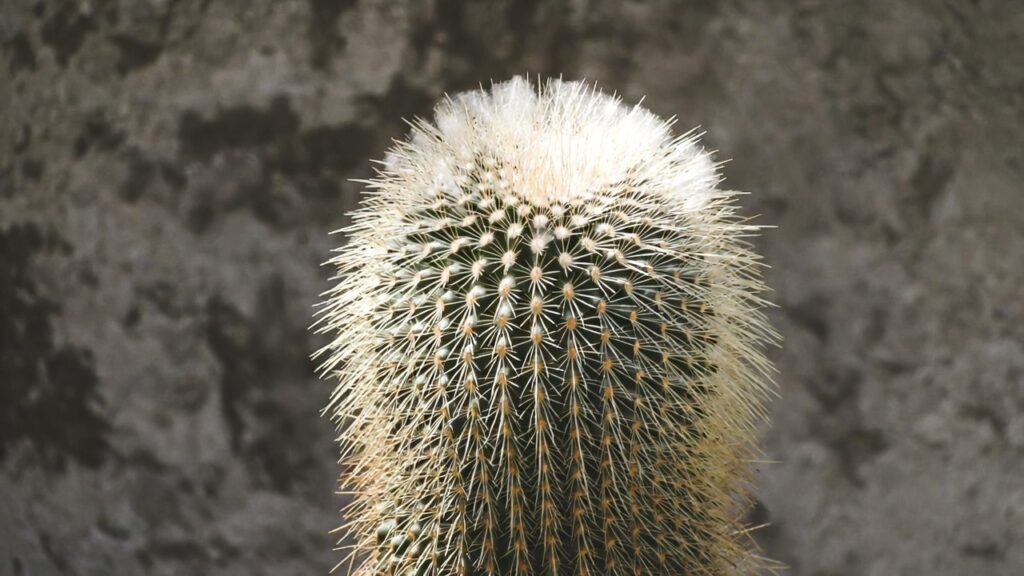
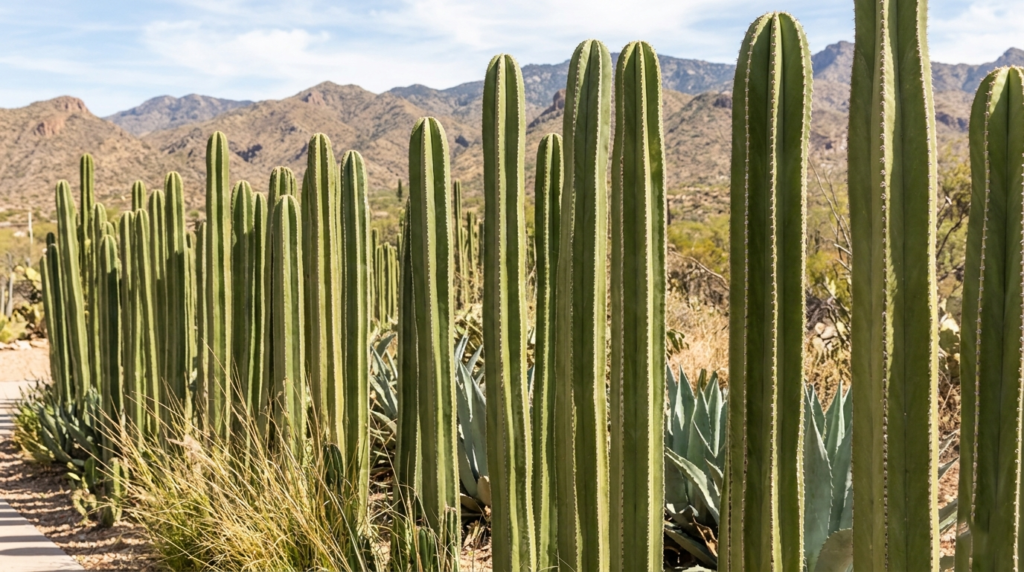
The cactus gets its name from the vertical columns of spines that resemble a fence post, hence the name. These unique structures can grow very tall, with the cactus reaching up to 16 feet in height in its native environment. However, when grown indoors, it typically stays smaller, often topping out at around 6 feet.
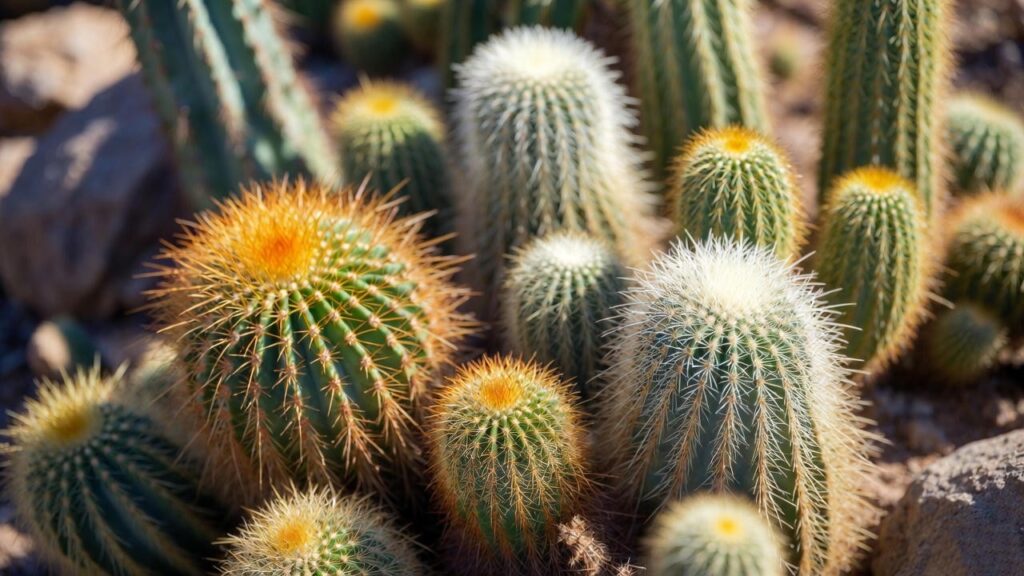
The Mexican Fence Post Cactus has a pale greenish-blue hue, and it typically grows in a series of vertical ribs, each armed with long, sharp spines that serve as a natural defense mechanism.
Growth and Size Expectations for Indoor Cultivation
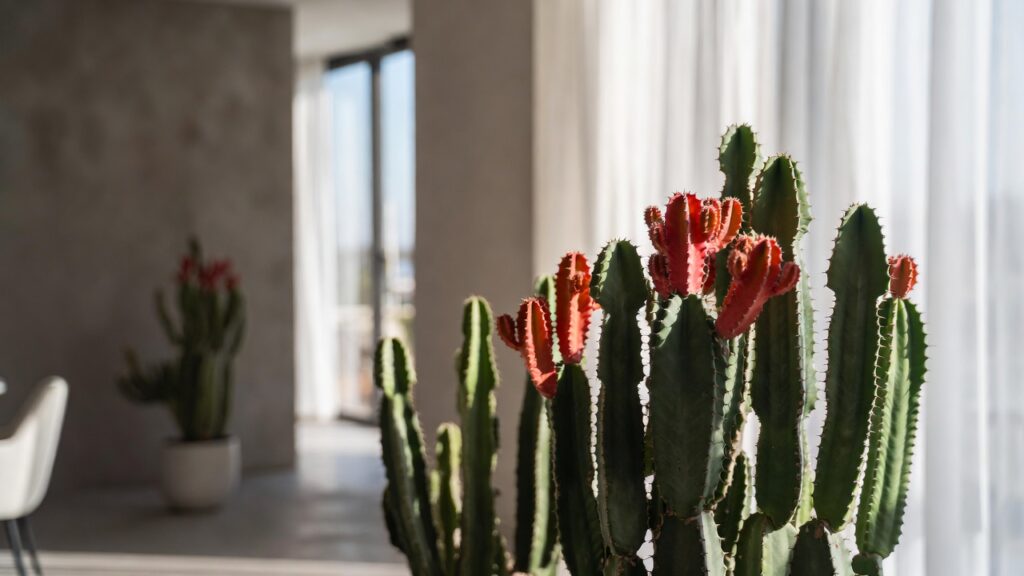
Indoors, this cactus is generally much smaller, but it still requires space to grow. The Mexican Fence Post Cactus is an excellent choice for tall shelves, corners, or spots where you want to add a touch of drama without taking up too much room. You can expect the cactus to grow between 3 and 6 feet indoors, depending on the conditions and care it receives.
Essential Care Tips for Your Mexican Fence Post Cactus
Location and Lighting: Finding the Perfect Spot
The Importance of Sunlight (Indirect vs. Direct)
Like all cacti, the Mexican Fence Post thrives on sunlight. It’s important to place it somewhere that receives plenty of light, but indirect sunlight is ideal. Too much direct sun can scorch the cactus, especially when grown indoors, so aim for a location near a south or west-facing window where it can get bright, filtered light throughout the day.
Best Room Conditions for Optimal Growth
The best rooms for a Mexican Fence Post Cactus are those with high ceilings and ample natural light. If you have a sunroom or a room with large windows, this will be a perfect spot. However, if your home doesn’t have enough natural light, you may want to invest in a grow light that mimics the sun’s rays.
Watering: How Much and When?
Ideal Watering Schedule for Indoor Cacti
Overwatering is a common mistake for cactus owners, but thankfully, the Mexican Fence Post is fairly forgiving. Water the cactus only when the soil is completely dry. In general, watering once every two weeks during the growing season (spring and summer) should suffice. During the fall and winter months, the cactus goes dormant, and watering should be reduced significantly, perhaps only once a month.
How to Avoid Overwatering and Root Rot
Root rot is one of the biggest threats to cacti, and it’s often caused by overwatering. Ensure your cactus is in a pot with excellent drainage, and never let water sit in the saucer. If the soil is still moist from the last watering, it’s better to wait a few extra days before watering again.
Signs Your Cactus Needs Water
The most obvious signs of a thirsty cactus are shriveled stems or a pale color. If the cactus is not getting enough water, you’ll notice it begin to look dehydrated. On the other hand, if you notice yellowing or mushy spots on the stems, it may be a sign of overwatering.
Soil and Potting: Choosing the Right Medium
Why Drainage is Key to Success
Proper drainage is essential for all cacti. Mexican Fence Post Cacti thrive in well-draining soil that allows water to flow through freely, preventing it from pooling at the roots. A cactus-specific potting mix, or a mix of sand, perlite, and peat moss, is ideal for these plants. If you’re unsure about the drainage of your pot, be sure to test it before planting.
Best Soil Mix for Mexican Fence Post Cactus
The ideal soil mix for your cactus should consist of 60-70% inorganic material, such as sand or pumice, with the remaining 30-40% being organic material like peat moss or coconut coir. This combination ensures that the soil is lightweight, drains well, and retains just enough moisture to keep the cactus happy.
When and How to Repot Your Cactus
As your Mexican Fence Post Cactus grows, it will eventually outgrow its pot. Repotting is typically necessary every two to three years. When you repot, choose a container that is only one size larger than the current one, as cacti don’t like to be in overly large pots. Make sure the new pot has drainage holes to allow for proper water flow.
Temperature and Humidity: Ideal Indoor Conditions
Optimal Temperature Range for Thriving Cacti
Mexican Fence Post Cacti are adapted to the hot, dry desert climate, so they thrive in temperatures between 70°F and 90°F (21°C and 32°C). Ensure your cactus is not exposed to drafts or cold temperatures, especially during the winter months.
Dealing with Indoor Humidity and Dry Air
Cacti, including the Mexican Fence Post, prefer dry air. In fact, they can tolerate lower humidity levels much better than most indoor plants. If you live in a particularly humid area, consider using a dehumidifier or keeping the cactus in a room with a lower humidity level.
Fertilizing: Boosting Growth Without Overfeeding
Best Types of Fertilizers for Cacti
While cacti are relatively low-maintenance, occasional feeding can help encourage growth. During the growing season (spring and summer), feed your Mexican Fence Post with a cactus-specific fertilizer that is low in nitrogen. Look for a balanced fertilizer with an NPK ratio of 10-10-10 or similar.
When to Fertilize and How Often
Fertilizing once a month during the growing season is generally sufficient. Avoid fertilizing in the fall and winter, as the cactus enters dormancy and doesn’t need the extra nutrients.
Pruning and Maintenance: Keeping Your Cactus Healthy
How to Safely Prune a Mexican Fence Post Cactus
Pruning your cactus is an important part of keeping it healthy. Remove any dead or damaged sections with clean, sharp scissors or pruning shears. Wear gloves to protect your hands from the sharp spines. Pruning helps the cactus focus energy on healthy growth and allows it to maintain a tidy, attractive shape.
Removing Dead or Damaged Parts for Better Growth
If your cactus shows signs of damage or if a stem becomes unhealthy, don’t hesitate to trim it back. Removing these parts ensures the plant’s energy goes toward growing healthy, new stems. Just make sure to cut close to the base of the damaged area to allow new growth to emerge.
Dealing with Common Pests and Diseases
While Mexican Fence Post Cacti are relatively resistant to pests, they can occasionally be affected by mealybugs, spider mites, or scale. If you spot any pests, treat the cactus immediately with insecticidal soap or a mixture of water and rubbing alcohol. Ensure the cactus is in a well-ventilated area to avoid fungal infections or diseases caused by excessive moisture.
Troubleshooting Common Issues with Mexican Fence Post Cactus Care
Identifying and Solving Common Cactus Problems
Yellowing Stems and What It Means
Yellowing stems on a Mexican Fence Post Cactus are usually a sign of stress, often due to overwatering or insufficient sunlight. If the cactus is receiving too much water, the roots may begin to rot, leading to yellowing and mushy spots. To address this, reduce the watering frequency and make sure the pot has proper drainage. On the other hand, if the cactus is not getting enough sunlight, the stems may become pale and weak. Ensure the cactus is placed in an area with sufficient bright, indirect light.
Brown Spots or Wilting: Causes and Solutions
Brown spots on your cactus can be caused by several issues. The most common culprits are sunburn or fungal infections. If your cactus has been in direct sunlight for too long, its skin can burn, resulting in brown, dry patches. To prevent this, move your cactus to a location where it will receive bright, indirect light. If the brown spots seem to be soft and mushy, this may be an indication of rot, which is typically caused by overwatering. If rot is present, you may need to prune away the affected parts and ensure the cactus is placed in a well-drained pot with fresh, dry soil.
Pests and Diseases: Keeping Your Cactus Safe
Common Cactus Pests
Although Mexican Fence Post Cacti are relatively resistant to pests, they are not immune. Mealybugs, scale insects, and spider mites are the most common pests that can infest cacti. Mealybugs are small, white, cotton-like pests that can be found in the crevices of the cactus, while scale insects appear as brown or black bumps on the plant’s surface. Spider mites are tiny arachnids that cause speckled, yellow patches on the cactus.
To get rid of these pests, simply remove them manually using a cotton swab dipped in rubbing alcohol or use insecticidal soap. Ensure the cactus is in a well-ventilated area to prevent the pests from returning.
Treating Fungal and Bacterial Issues
Fungal infections are another potential problem for your cactus, especially if it has been overwatered or kept in a damp environment. These infections can cause the cactus to rot from the inside out, leading to soft, brown patches. If you spot any signs of rot, trim away the affected areas with sterilized tools, and allow the cut sections to dry out before repotting the cactus in fresh, dry soil.
Bacterial issues can be trickier to treat, but they are often caused by poor airflow or excess moisture. Ensure your cactus is in a location with adequate air circulation, and adjust the watering habits to avoid overly wet soil. If necessary, you may need to apply a fungicide or bactericide designed specifically for cacti.
Advanced Care Tips: Optimizing Growth for Larger, Healthier Cacti
Encouraging Flowering in Your Mexican Fence Post Cactus
Conditions That Promote Flowering Indoors
Though it’s rare for indoor Mexican Fence Post Cacti to flower, it is possible if you provide the right conditions. Cacti require a period of rest, or dormancy, in the cooler months to encourage blooming. If you want your cactus to bloom, make sure it experiences a cooler period in the winter (around 50-60°F or 10-15°C) with minimal water. This rest period helps the cactus recharge and increases its chances of flowering in the spring or early summer.
How to Care for Flowers When They Bloom
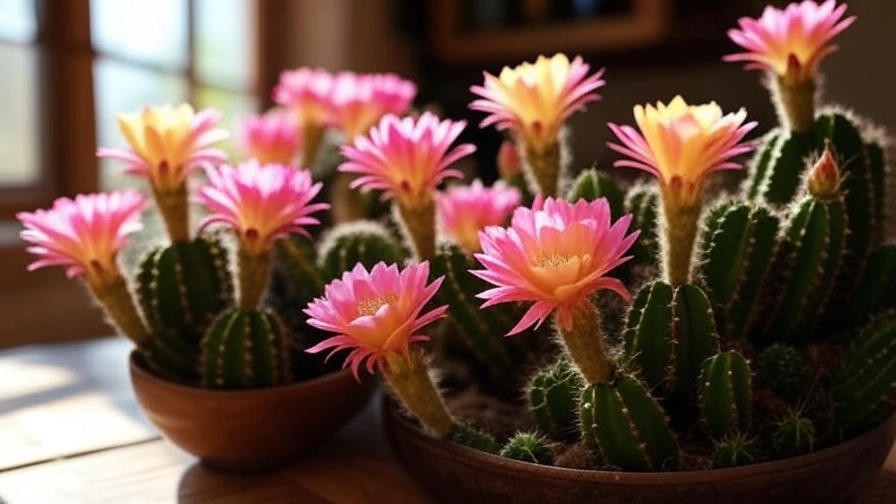
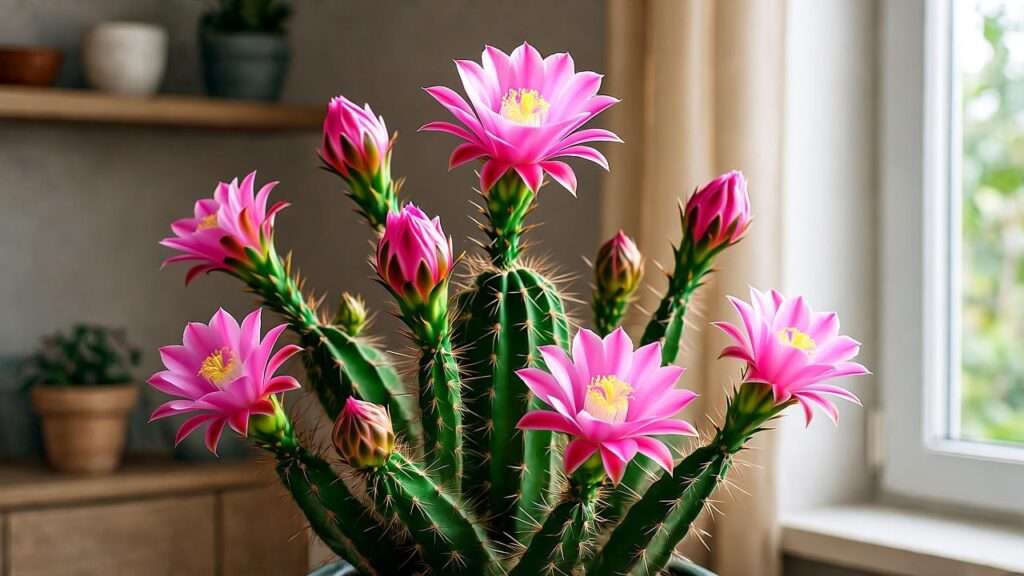
When your cactus does bloom, the flowers will be large and showy, often a pale white or cream color. Flowering typically occurs during the warmer months. Once the flowers have bloomed, you may need to hand-pollinate them with a soft brush if you want to encourage fruit production. Remember to keep the plant well-watered during the flowering period, but avoid overwatering.
Propagating Your Mexican Fence Post Cactus: Growing New Plants
The Step-by-Step Process of Cactus Propagation
Propagation is a great way to grow more Mexican Fence Post Cacti and share them with friends and family. The most common method of propagation is by cutting a healthy, mature stem. Here’s how to do it:
- Select a Healthy Stem: Choose a healthy, mature stem that is at least 6 inches long.
- Cut the Stem: Using a clean, sharp knife or pruning shears, cut the stem off just below a node (where the ribs meet the stem).
- Let the Cutting Callus: Allow the cutting to dry out for 2-3 days in a warm, dry place to form a callus over the cut surface. This helps prevent rot.
- Plant the Cutting: Once the cutting has callused, plant it in a well-draining cactus mix. Make a small hole in the soil, place the cutting in it, and gently firm the soil around it.
- Water Lightly: Water sparingly until the roots develop. Overwatering during this stage can lead to rot.
How to Successfully Propagate by Cutting or Offsets
In addition to stem cuttings, Mexican Fence Post Cacti can sometimes propagate from offsets, small pups that grow at the base of the main cactus. Simply cut the offset away from the main cactus and let it callus before replanting it in fresh soil.
Long-Term Care: Ensuring Longevity and Success
Adjusting Care as the Cactus Grows
As your Mexican Fence Post Cactus matures, its care needs may change. Larger cacti will require more space and slightly more water, but they should still be treated with the same care principles: minimal watering, excellent drainage, and plenty of sunlight. Consider placing it in a larger pot as it grows, ensuring there’s room for the roots to expand.
The Lifespan of a Mexican Fence Post Cactus Indoors
A well-cared-for Mexican Fence Post Cactus can live for decades. Some cacti have been known to live for 50 years or more, making them a wonderful long-term investment for your home. As it ages, you may notice it slow down in growth or bloom sporadically, but with the right care, it will continue to be a striking addition to your space for many years to come.
FAQs: Quick Answers to Common Mexican Fence Post Cactus Care Questions
“Can I Keep a Mexican Fence Post Cactus in Low Light?”
While the Mexican Fence Post Cactus can survive in lower light conditions for short periods, it thrives in bright, indirect light. Insufficient light will lead to slow growth and weak stems, so it’s best to place it near a window with plenty of natural light.
“How Can I Prevent My Cactus From Growing Too Tall?”
If you want to keep your cactus smaller, you can limit its growth by providing less light. However, it’s important to strike a balance—too little light can cause the cactus to become weak and leggy. Regular pruning can also help keep the cactus in check.
“Should I Water My Cactus in Winter?”
During the winter months, the cactus goes dormant, and it requires very little water. Watering once a month is typically sufficient, and you should always ensure the soil is completely dry before watering again.
“Is It Safe to Grow Mexican Fence Post Cactus Around Pets?”
While the Mexican Fence Post Cactus is not toxic to pets, its sharp spines can pose a danger if touched. If you have pets, keep the cactus in a place where it’s out of reach to avoid accidental injuries.
Conclusion: Mastering Mexican Fence Post Cactus Care for a Beautiful Indoor Plant
In conclusion, the Mexican Fence Post Cactus is a stunning and low-maintenance plant that adds a unique flair to any indoor space. By following the care tips outlined in this article, you can ensure that your cactus thrives for years to come. Whether you’re a novice plant owner or an experienced enthusiast, the Mexican Fence Post Cactus is a fantastic choice for adding beauty and style to your home.