There is a distinct moment when a wardrobe staple transforms from a simple clothing choice into a definitive lifestyle statement. If you open your closet and immediately gravitate toward the effortless, clean, yet rugged look of a men’s cactus shirt, you already appreciate the aesthetic power of the American Southwest. It is a look characterized by bold geometries, crisp lines, and an understated, earthy confidence.
However, a common problem arises when you step away from the wardrobe mirror and look around your living space. If your closet screams “curated desert minimalist” but your living room feels like a mismatched corporate lobby, you are experiencing interior design friction. Your home environment should be an extension of your personal style.
As an interior plant designer and horticulturist who has spent over a decade helping people build functional urban jungles, I have seen firsthand how incorporating the right structural indoor plants can completely revolutionize a living space. Transferring the desert-chic aesthetic from your favorite printed linen button-down to your apartment isn’t just about buying random greenery. It requires a strategic understanding of form, texture, and botanical care.
In this comprehensive, expert-backed guide, we will break down how to curate, style, and sustain ten exceptional houseplants that capture the exact spirit of that iconic desert aesthetic. You will learn not only how to choose plants that mirror your personal style, but how to keep them thriving for years to come.
Decoding the “Cactus Shirt Aesthetic” (Why Interior Design Mirrors Fashion)
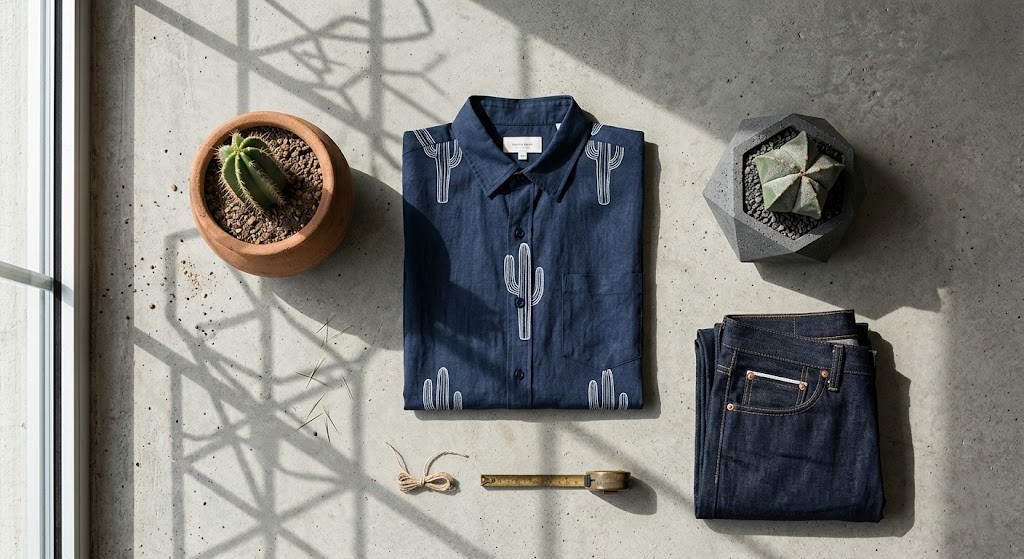
Fashion and interior design have always shared an umbilical cord. The patterns, colors, and textures we choose to wear on our bodies reflect how we want to interact with the world around us. When analyzing the visual appeal of a classic desert-print shirt, three core design pillars emerge. Understanding these pillars is essential for successfully translating that same energy into your living room or office layout.
Structural Geometry & Strong Lines
The primary draw of desert landscapes—and the prints inspired by them—is architectural simplicity. Unlike lush, chaotic tropical jungle plants that trail wildly and feature oversized, floppy leaves, desert flora is defined by strict structural geometry. Think of the crisp vertical ribbing of a column cactus or the near-perfect symmetry of an agave rosette.
In an interior setting, these clean lines act as visual anchors. If you live in an apartment with complex angles or a lot of loose clutter, introducing plants with strong, vertical, and hard-edged silhouettes brings immediate visual order. It creates a calming focal point that catches the eye without overwhelming the senses.
Texture Contrast
A great outfit relies on the interplay of different fabrics—such as raw denim paired with soft cotton or structured leather over crisp linen. Similarly, the desert aesthetic thrives on stark texture contrasts.
When styling a room with desert plants, you are playing with the dramatic tension between smooth, matte surfaces and sharply textured, ribbed, or spiky plant faces. The goal is to create a multi-layered sensory experience where the plant’s natural armor or unique skin texture pops dramatically against smooth interior backdrops like micro-cement, matte painted drywall, or polished hardwood.
The Earthy Color Palette
Take a close look at the color story of your wardrobe. It likely relies on muted, sophisticated tones: sage green, dusty olive, warm ochre, chalky white, terracotta, and deep charcoal shadows.
Tropical houseplants often feature bright, glossy, neon greens that can clash with a minimalist, masculine aesthetic. Desert plants, conversely, naturally exhibit a chalky, powdery coating known as epicuticular wax or farina. This biological shield gives them a matte, silvery, blue-green, or pastel appearance that perfectly complements raw, industrial, or mid-century modern interior color schemes.
The Top 10 Houseplants to Match Your Style Vibe
Curating the perfect indoor collection requires selecting specimens that offer maximum visual payoff while aligning with your practical experience level. Below are ten exceptional plants that bridge the gap between high fashion and expert horticulture.
1. The Classic Totem: African Milk Tree (Euphorbia trigona)
-
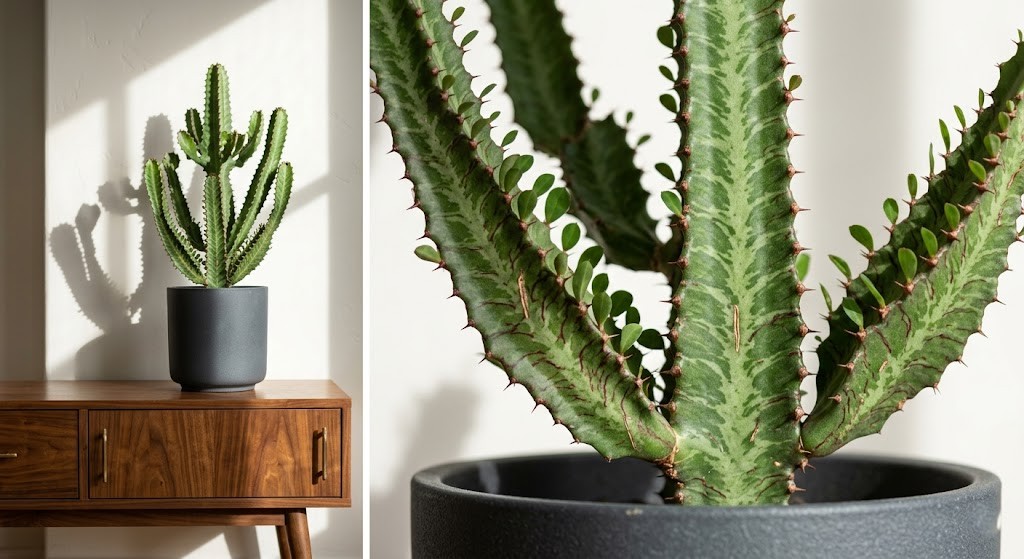
The Vibe Profile: If you want a plant that looks exactly like the quintessential cowboy-cactus print found on classic western-style shirts, the African Milk Tree is your answer. Though technically a succulent rather than a true cactus, its striking vertical columns, pronounced three-sided ridges, and small tear-shaped leaves make it an absolute showstopper. It projects a rugged, architectural, and fiercely independent energy.
-
Styling Strategy: Because of its dramatic height and stark verticality, the African Milk Tree makes an excellent floor piece. Avoid busy or brightly painted pots. Instead, house it in a heavy, cylindrical concrete or matte-black ceramic planter. Place it in an empty corner that receives bright, ambient light to cast beautiful, geometric shadows across your walls during the late afternoon.
-
Expert Care Summary: To keep this plant looking sharp and prevent it from dropping its characteristic side leaves, provide it with plenty of bright, indirect sunlight or a few hours of direct morning sun. Plant it in a sharply draining, gritty soil mix consisting of at least fifty percent coarse sand or pumice. Water it deeply, but only when the potting medium has dried completely from top to bottom.
-
Safety Note: Like all Euphorbias, this plant contains a milky white sap that is toxic and can cause skin irritation. Handle it with sturdy gloves, and keep it out of reach of curious pets.
2. The Clean Minimalist: Snake Plant (Dracaena trifasciata)
-
The Vibe Profile: The Snake Plant is the interior design equivalent of a perfectly tailored black t-shirt: simple, timeless, and endlessly versatile. Its upright, sword-like leaves feature mottled silver-green patterns that look strikingly similar to abstract textile designs. It is highly structured, unapologetically modern, and incredibly resilient.
-
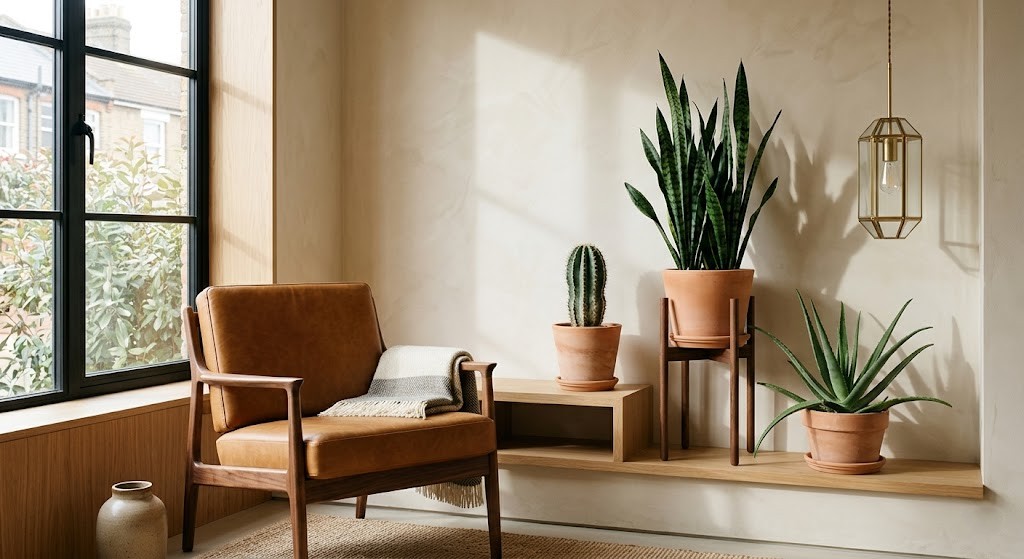
Styling Strategy: This is a fantastic choice for tight spaces, narrow entryways, or flanking a media console. To lean into the mid-century modern aesthetic often associated with desert styling, elevate your Snake Plant in a tapered ceramic pot set within a raised walnut wood stand. The vertical lines of the leaves will draw the eye upward, making your ceilings feel higher than they actually are.
-
Expert Care Summary: This plant is legendary for its ability to survive neglect, making it perfect for frequent travelers. It can tolerate lower light levels than true desert cacti, though it grows fastest in bright, indirect light. The number one killer of Snake Plants is overwatering. Treat it like a desert native—water it roughly once a month during the spring and summer, and even less during the winter months.
3. The Bold Statement: Mexican Fence Post Cactus (Pachycereus schottii)
-
The Vibe Profile: This is the ultimate purist’s plant. Featuring smooth, deep forest-green columns accented by pristine white, spineless ridges, the Mexican Fence Post looks like a living sculpture. It perfectly encapsulates the clean, high-contrast graphic prints found on premium modern casual wear.
-
Styling Strategy: This cactus commands attention all on its own. It should be treated as a centerpiece installation. Position it against a plain, light-colored wall where its clean silhouette can take center stage. Pair it with a simple, unglazed terracotta pot; the warm orange-brown clay provides a gorgeous tonal contrast to the cactus’s cool green skin.
-
Expert Care Summary: True to its origin, this plant requires high-intensity light. Place it directly on the sill of your brightest south- or west-facing window. If you lack intense natural sunlight, this is a prime candidate for a dedicated LED grow light setup. Use a strictly mineral potting mix composed primarily of pumice, perlite, and decomposed granite, and water only when the stems feel slightly soft to a gentle touch.
4. The Soft Textured Contrast: Old Man Cactus (Cephalocereus senilis)
-
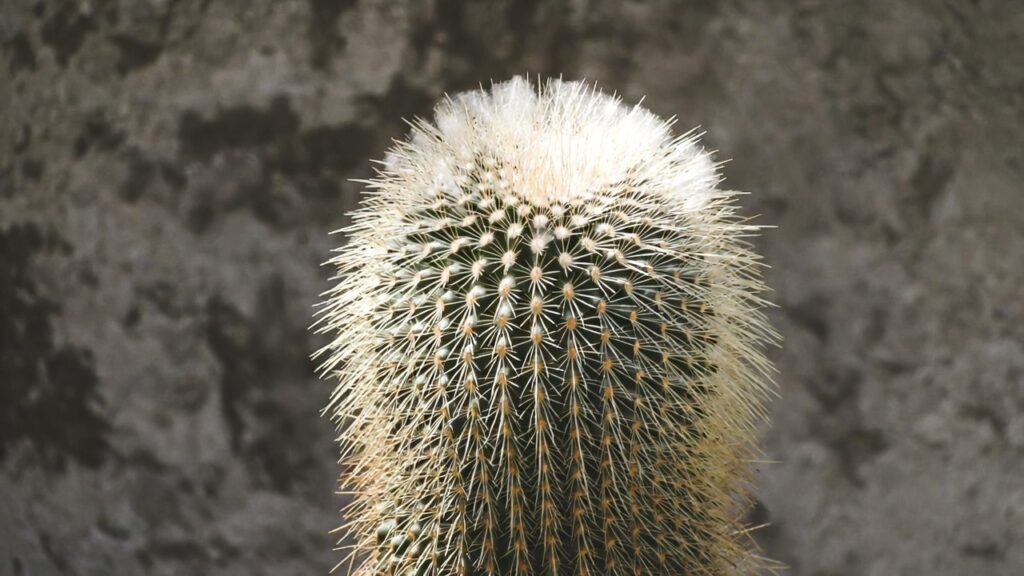
The Vibe Profile: For wardrobes that feature unique, tactile fabric weaves like raw slub cotton, corduroy, or heavy linen, the Old Man Cactus offers an identical textural accent for your home. This fascinating plant is covered in long, shaggy, snow-white hairs that serve to protect it from the blistering desert sun in its native Mexico. It brings an intriguing, unexpected softness to otherwise hard-edged rooms.
-
Styling Strategy: Because of its unique white texture, this plant looks best when placed at eye level where people can appreciate its unusual details. Style it on a rustic wooden floating shelf, a bookshelf, or an office desk. Contrast its wild white hair by choosing a sleek, dark charcoal or metallic iron pot.
-
Expert Care Summary: Those beautiful white hairs are designed to trap light and heat, meaning this plant requires exceptional amounts of direct sunlight to prevent it from stretching out and losing its dense, wooly appearance. Keep it on a sun-drenched windowsill. When watering, take care to pour water directly onto the soil rather than over the top of the plant, as getting the white hairs wet can trap moisture and lead to surface mold.
5. The Low-Key Maverick: Zebra Haworthia (Haworthiopsis attenuata)
-
The Vibe Profile: Not every statement piece needs to take up half a room. The Zebra Haworthia is a compact, tough little succulent featuring dark green, rigid leaves adorned with raised, stark white horizontal stripes. The pattern is incredibly crisp and clean, instantly evoking the fine, detailed linework found on premium printed shirts.
-
Styling Strategy: This is the quintessential desk, nightstand, or coffee table companion. Because it stays relatively small, it works beautifully when styled in a small, low-profile concrete bowl. You can cover the top of the soil with small, matte black river stones to make the white zebra striping pop even more dramatically.
-
Expert Care Summary: Haworthias are native to South Africa, where they naturally grow tucked under the shade of larger bushes and rocks. This means they are perfectly adapted to bright, indirect indoor light and do not require burning, direct sun to maintain their patterns. Water thoroughly when the soil is completely dry, and ensure the pot has an active drainage hole at the bottom.
6. The Rugged Native: Saguaro Cactus (Carnegiea gigantea)
-
The Vibe Profile: The Saguaro is the undisputed king of the desert and the absolute blueprint for every cactus pattern ever printed on apparel. Having a real, live juvenile Saguaro in your home is the ultimate nod to authentic Southwest heritage style. It is slow-growing, incredibly dense, and carries an unmistakable presence of old-school cool.
-
Styling Strategy: A juvenile Saguaro is a heavy, robust plant. It looks spectacular when placed on a low, sturdy wooden bench or a concrete side table next to natural textures like woven rugs, leather goods, or exposed brickwork. Keep the pot simple, classic, and rustic.
-
Expert Care Summary: Because wild Saguaros grow agonizingly slowly—often taking decades to develop their iconic arms—your indoor specimen will stay roughly the same size for years, making it a highly predictable design asset. It absolutely demands the highest light output your home can provide. Give it a southern window, zero ambient moisture, and a completely dry winter rest period where you withhold water entirely for several months.
7. The Architectural Geometric: Bishop’s Cap (Astrophytum myriostigma)
-
The Vibe Profile: For those whose fashion sense leans toward avant-garde minimalism and clean, mathematical symmetry, the Bishop’s Cap is a dream come true. This completely spineless cactus grows in a flawless, multi-angled star shape covered in thousands of microscopic white flecks, giving it a chalky, stone-like appearance. It looks less like a plant and more like a carefully chiseled piece of architectural art.
-
Styling Strategy: Treat this plant like a rare artifact. Style it on a minimalist mantelpiece, a glass coffee table, or alongside high-end design magazines. House it in a perfectly geometric planter—like a square or hexagonal raw ceramic pot—to play up its mathematical lines.
-
Expert Care Summary: The Bishop’s Cap is highly susceptible to overwatering due to its dense, fleshy body. It requires a potting medium that is almost entirely devoid of organic peat moss; instead, use a blend of pumice, lava rock, and coarse akadama clay. Give it bright, filtered sunlight, and only water it during the warm active growing months of spring and summer.
8. The Hanging Graphic: String of Buttons (Crassula perforata)
-
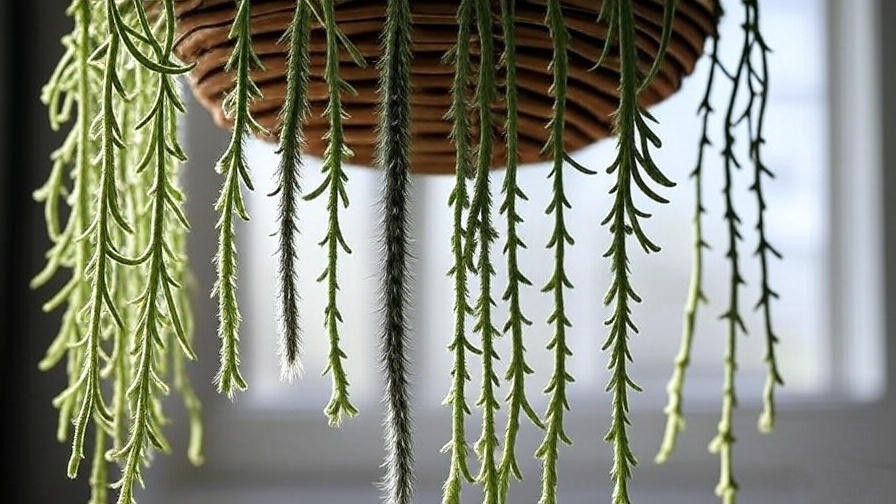
The Vibe Profile: If your style incorporates fluid movement, layering, and relaxed fits, you need a plant that introduces those same dynamic lines into your decor. The String of Buttons features thick, fleshy leaves that grow directly stacked on top of one another along trailing stems, looking remarkably like a string of geometric beads or architectural discs.
-
Styling Strategy: This plant is perfect for introducing vertical interest from above. Style it in a minimalist macrame plant hanger or on the edge of a high floating shelf where its stacked stems can cascade over the edge. As the stems grow and catch the light, they develop a beautiful, subtle rosy-pink or soft yellow edge that adds a sophisticated pop of color to a neutral room.
-
Expert Care Summary: To prevent the trailing stems from becoming leggy and sparse, ensure this succulent receives plenty of bright indirect light or a few hours of direct morning sun. Prune the stems occasionally to encourage bushier growth, and always allow the soil mix to dry out completely before saturating it again.
9. The Desert Alternative: Aloe Vera (Aloe barbadensis)
-
The Vibe Profile: Raw, unpolished, and intensely functional. The Aloe Vera plant features thick, fleshy, upward-pointing spears edged with small, soft teeth. It offers a clean, explosive rosette shape that perfectly mirrors the native, wild flora graphics found on rugged outdoor and workwear-inspired apparel.
-
Styling Strategy: Aloe Vera is an incredibly practical plant that double-serves as a living first-aid kit. Style it in your kitchen or workspace where its jagged, bright green spears can break up the monotonous flat lines of countertops, monitors, or shelving units. It looks fantastic in traditional, heavy clay pots that showcase its natural, earthy heritage.
-
Expert Care Summary: Aloe Vera plants thrive on a hands-off approach. They prefer bright, filtered light and will scorch if placed under intense, burning glass windows all day long. They store a massive amount of water in their thick leaves, meaning they can easily handle long periods of dry soil. Always water deeply until water runs out the bottom of the pot, then let it dry completely out before repeating.
10. The Subtle Accenter: Jade Plant (Crassula ovata)
-
The Vibe Profile: Classic, refined, and grounded. The Jade Plant is famed for its thick, woody, tree-like trunk and smooth, oval leaves that look like polished stones. It brings an aura of maturity, permanence, and calm prosperity to a home, making it the perfect match for a classic, heritage-driven wardrobe.
-
Styling Strategy: Because a mature Jade Plant looks like a miniature ancient tree, it serves beautifully as a grounding accent on a sturdy writing desk, a credenza, or an entryway table. Choose a low-slung, wide-mouthed pot to give it the appearance of a prized bonsai installation.
-
Expert Care Summary: Jade plants are exceptionally long-lived if you master their basic needs. They require bright, ambient light to maintain their compact, bushy shape and deep jade-green color. If you notice the leaves wrinkling slightly, it is a clear sign the plant has used up its water reserves and is ready for a thorough watering.
Interior Styling & Curation Principles
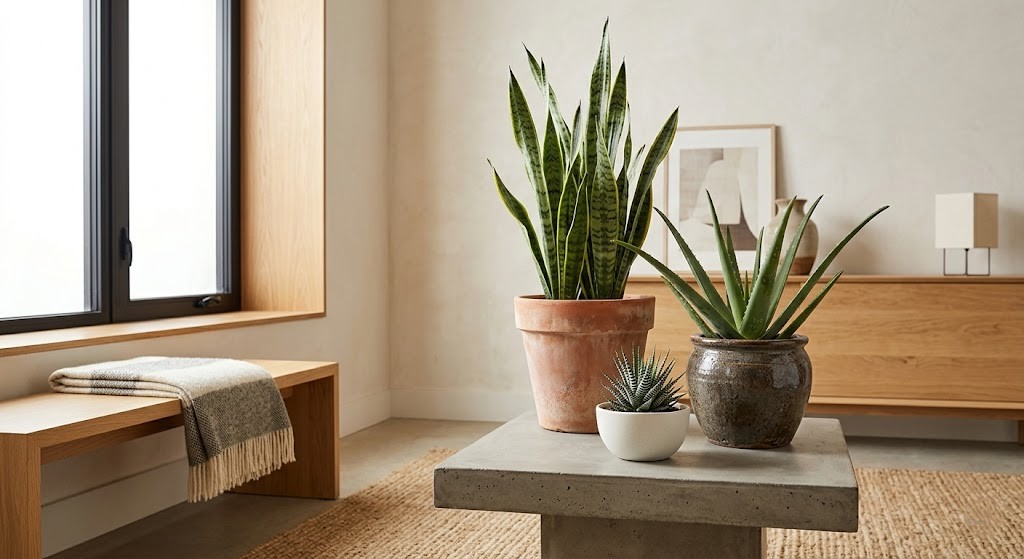
Once you have selected your plant specimens, the next step is integrating them into your home using professional styling principles. Simply throwing ten pots randomly around a room creates visual noise. To achieve a clean, intentional look that mirrors your fashion sense, follow these curated design guidelines.
The Rule of Heights and Groups
In interior styling, grouping items in odd numbers—specifically threes and fives—creates an inherently pleasing visual rhythm. When clustering your new desert plants, aim to pair different heights and forms together.
For example, try staging a tall vertical specimen as the background anchor, placing a mid-sized rosette succulent slightly forward and to the side, and finishing the arrangement with a small, highly patterned accent piece on the opposite side. This creates a layered, dynamic look that mimics how these plants naturally grow alongside each other in the wild, preventing the arrangement from looking stiff or manufactured.
Selecting the Right Pots (Ditch the Plastic)
The pot you choose is just as important as the plant itself. Cheap, flimsy plastic nursery pots immediately detract from a premium aesthetic. To elevate your space, invest in high-quality, authentic materials:
-
Raw Terracotta: Highly breathable clay that ages beautifully over time, developing a natural, white mineral patina that looks stunning against green foliage.
-
Unfinished Concrete / Micro-cement: Provides a sleek, industrial, and heavy counterweight that anchors tall, architectural plants.
-
Unglazed Matte Ceramics: Offers clean, crisp lines and smooth, non-reflective surfaces in sophisticated shades like charcoal, cream, and sand.
Lighting Setups as Decor
Many desert plants require significant amounts of light to maintain their compact shapes. Instead of cluttering your pristine window sills, consider integrating modern grow lighting directly into your room’s ambient lighting design.
Sleek, minimalist pendant fixtures fitted with high-spectrum LED grow bulbs featuring warm-white or amber tones can be suspended directly over a plant grouping on a side table. This not only keeps your plants vibrant and healthy, but it also creates a warm, spotlighted dramatic accent in your living room during the evening hours.
The “Low Maintenance” Myth: How Not to Kill Your Desert Plants
The biggest pitfall beginners encounter is falling victim to the myth that cacti and succulents are indestructible. While they are highly resilient to drought, they are simultaneously incredibly fragile when subjected to improper environmental conditions. To maintain your plants’ pristine, photo-ready appearance, avoid these two critical botanical errors.
The Root Rot Danger
In the wild, desert soil is incredibly porous, consisting mostly of sand, gravel, and rock. When rare rainstorms occur, the water flushes through the terrain immediately, leaving the roots damp for only a short period.
When you plant a desert specimen in regular, moisture-retaining potting soil, the roots remain trapped in a dark, wet environment for days on end. This suffocates the root system, causing a microscopic fungal infection known as root rot. Once rot takes hold, the base of your beautiful plant turns into a mushy, black sponge, and the plant cannot be saved. Always use specialized, ultra-gritty succulent mixes, and never let your pots sit in standing water inside a drainage tray.
The Light Deficit Trap
When a desert plant is placed in a dark corner or a room with low light levels, it enters a survival state known as etiolation. The plant desperately begins stretching its new growth toward the nearest light source.
A naturally thick, geometric cactus column will start growing a bizarrely thin, pale green, weak top section. This completely ruins the clean, structural lines that made you buy the plant in the first place. Once a plant etiolates, that thin growth cannot widen out again. If you want to keep your plants looking sharp, structural, and perfectly proportioned, bright light is a non-negotiable requirement.
Frequently Asked Questions
Do desert-vibe plants need direct sunlight to survive indoors?
The vast majority of true desert cacti (like the Mexican Fence Post or Saguaro) require at least four to six hours of direct sunlight daily to maintain their tight, structural forms and vibrant colors. However, succulent alternatives like the Snake Plant, Zebra Haworthia, and Jade Plant are highly adaptable and will thrive beautifully in bright, indirect or filtered room light.
How often should I water a cactus or succulent inside a temperature-controlled room?
There is no fixed calendar schedule for watering. The golden rule is to water by soil dryness rather than by the days of the week. Insert a wooden chopstick deep into the potting mix; if it comes out completely dry with no soil sticking to it, it is time to water. For most indoor spaces, this equates to watering once every two to three weeks in the summer, and dropping to once every four to six weeks in the winter when the plants enter dormancy.
What is the best soil mix to keep these structural plants looking sharp?
Avoid standard, bag-ready indoor potting soils, which contain too much moisture-retaining peat moss. Instead, blend your own custom mix by combining forty percent standard potting soil with sixty percent gritty inorganic materials like pumice, perlite, coarse poultry grit, or crushed lava rock. This creates a highly porous environment where water can drain completely through within seconds.
Are any of these plants hazardous to household pets?
Yes. Plants such as the African Milk Tree (Euphorbia trigona), Snake Plant, and Aloe Vera contain natural chemical compounds (like toxic milky latex sap or saponins) that can cause digestive upset, vomiting, or skin irritation in cats and dogs if chewed on. If you share your home with curious pets, opt for completely non-toxic choices like the Zebra Haworthia or Bishop’s Cap.
Elevate Your Space
Bringing your favorite wardrobe aesthetic into your living space doesn’t require a complete structural remodel. By mindfully choosing and styling houseplants that share the same clean, rugged, and geometric lines as your favorite men’s cactus shirt, you can quickly craft an authentic, cohesive home environment that feels uniquely yours.
Take a look around your living room this weekend. Find an empty corner, a bare bookshelf, or an uninspired desk, and introduce a stunning, structural desert plant. Once you experience the grounding, architectural transformational power of well-styled greenery, you’ll realize that interior decoration—much like great fashion—is all about curating the right elements.