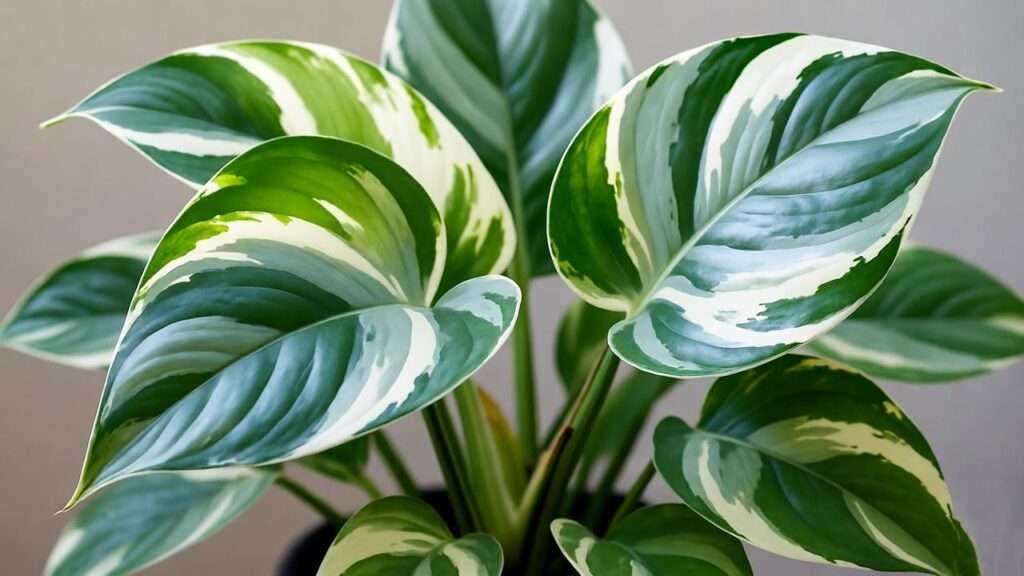
Imagine transforming your home into a vibrant, green oasis with a plant so forgiving it thrives even if you forget it for a week. Meet the Manjula Pothos, a stunning indoor plant with heart-shaped, variegated leaves that blend creamy white, green, and silver hues. Perfect for beginners and seasoned plant parents alike, this low-maintenance beauty is a must-have for any indoor space. Whether you’re aiming to purify your air or elevate your decor, this ultimate care guide will share seven expert-backed tips to ensure your Manjula Pothos flourishes. Drawing from years of personal experience growing pothos and insights from horticulturists, this article solves common care challenges to help you achieve lush, vibrant growth.
What Makes the Manjula Pothos Special?
Unique Characteristics of Manjula Pothos
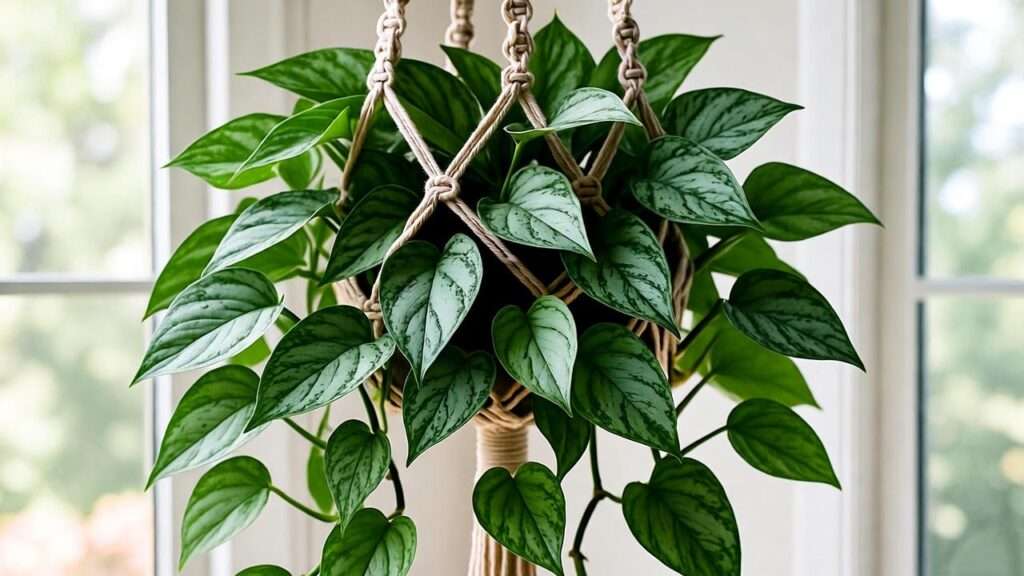
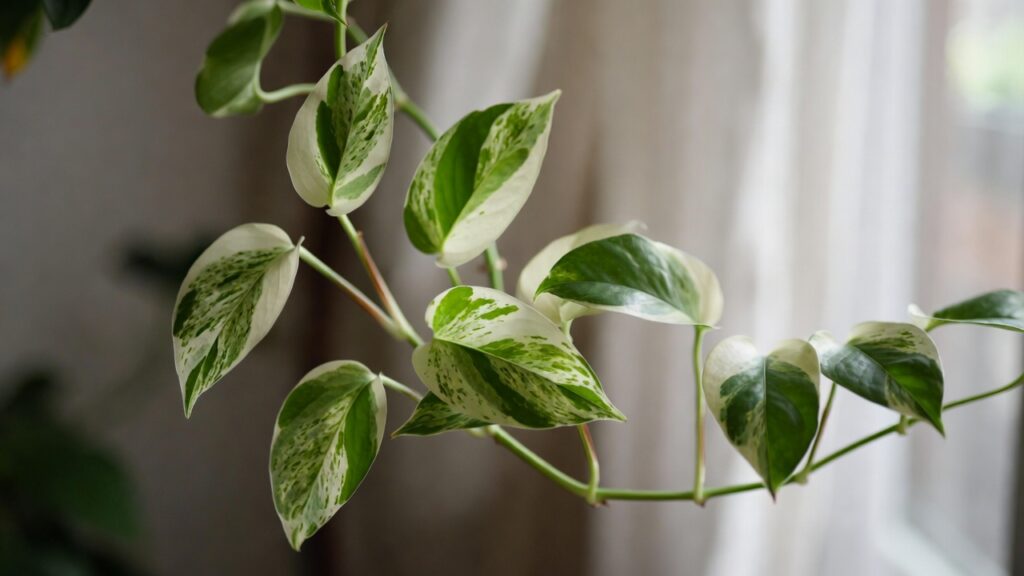
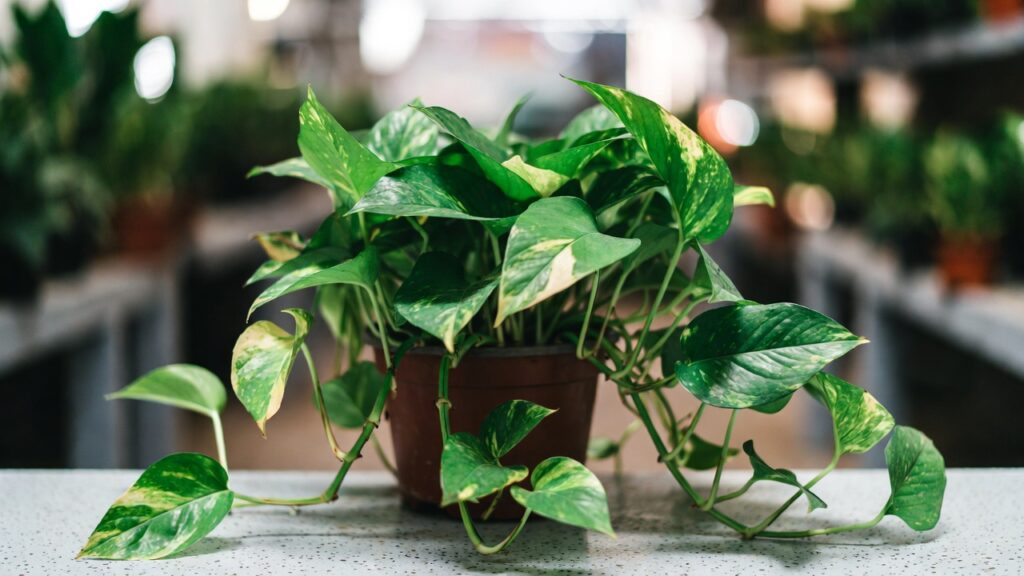
The Manjula Pothos, scientifically known as Epipremnum aureum ‘Manjula,’ stands out with its distinctive foliage. Its heart-shaped leaves feature a mesmerizing mix of creamy white, green, and silver variegation, creating a striking visual effect. Unlike its cousins, such as the Marble Queen or Neon Pothos, the Manjula’s variegation is more intricate, with softer, blended patterns. Its compact growth and trailing vines make it versatile for various displays—whether cascading from a hanging basket or climbing a moss pole. This plant’s unique aesthetic and adaptability have made it a favorite among indoor plant enthusiasts.
Why Choose Manjula Pothos for Your Indoor Space?
Why is the Manjula Pothos a top pick for indoor gardening? For starters, it’s incredibly low-maintenance, perfect for busy professionals or those new to plant care. According to NASA’s Clean Air Study, pothos varieties, including Manjula, excel at removing indoor air pollutants like formaldehyde, making them both beautiful and functional. Plus, its trailing vines and lush foliage align perfectly with modern home decor trends, such as biophilic design, which emphasizes connecting with nature indoors. Whether you’re styling a cozy apartment or a spacious home, the Manjula Pothos adds effortless charm.
Tip 1 — Provide the Right Light for Vibrant Variegation
Ideal Lighting Conditions

To keep your Manjula Pothos thriving, light is key. This plant loves bright, indirect light, which enhances its vibrant variegation and promotes healthy growth. Place it near an east-facing window for gentle morning sun or a few feet away from a south- or west-facing window with sheer curtains to filter harsh rays. Direct sunlight can scorch its delicate leaves, while too little light dulls its variegation. If your space lacks natural light, consider a full-spectrum grow light, such as the GE BR30 LED Grow Light, which mimics sunlight effectively.
Troubleshooting Light Issues
Noticing lackluster leaves? Light issues might be the culprit. If your Manjula Pothos shows fading variegation or slow, leggy growth, it’s likely getting too little light. Move it closer to a light source or supplement with a grow light set to 12-14 hours daily. Conversely, yellowing or crispy leaves indicate too much direct sun. Adjust its position to a shadier spot or use a sheer curtain. For low-light homes, I’ve successfully used the Sansi 15W LED Grow Light to revive a struggling Manjula, restoring its vibrant colors within weeks.
Tip 2 — Master Watering for Healthy Growth

How Often to Water Manjula Pothos
Watering is where many plant parents stumble, but the Manjula Pothos is forgiving if you follow a simple rule: water when the top 1-2 inches of soil feel dry. Typically, this means watering every 7-10 days in spring and summer, and every 2-3 weeks in fall and winter when growth slows. Always use a well-draining soil mix to prevent water from pooling at the roots. A moisture meter, like the XLUX Soil Moisture Meter, can take the guesswork out of watering, ensuring you hit the sweet spot.
Common Watering Mistakes to Avoid
Overwatering is the leading cause of pothos problems, often leading to root rot. Symptoms include yellowing leaves, mushy stems, or a foul soil odor. To prevent this, ensure your pot has drainage holes and never let it sit in standing water. Underwatering, on the other hand, causes wilting or crispy leaf edges. If you’ve underwatered, soak the soil thoroughly and adjust your schedule. In my experience, setting a calendar reminder for weekly soil checks has saved many a Manjula from neglect during busy months.
Tip 3 — Choose the Perfect Soil and Pot

Best Soil Mix for Manjula Pothos
The right soil mix is crucial for a thriving Manjula Pothos. Opt for a well-draining blend that promotes aeration and prevents root rot. A DIY mix of 60% potting soil, 20% perlite, and 20% orchid bark works wonders, providing both moisture retention and drainage. Alternatively, pre-mixed aroid soil blends, like FoxFarm Ocean Forest, are excellent choices. The key is to avoid dense, water-retaining soils that suffocate roots. When repotting, I’ve found adding a handful of perlite gives the roots the breathing room they crave.
Selecting the Right Pot
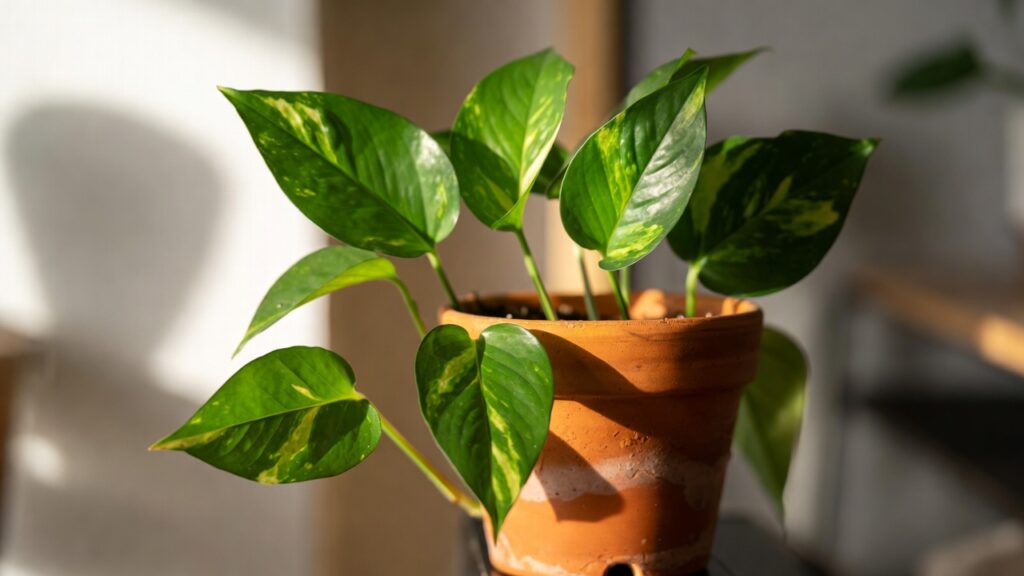
Your pot choice impacts your plant’s health as much as the soil. Choose a pot with drainage holes to prevent water buildup—terracotta is ideal for its breathability, though plastic works if you’re diligent about watering. The pot should be 1-2 inches larger than the root ball to allow growth without overwhelming the plant. For aesthetics, place a functional pot inside a decorative cache pot, but always empty excess water from the saucer. A 6-inch terracotta pot has been my go-to for young Manjula plants, balancing function and style.
Tip 4 — Maintain Optimal Humidity and Temperature

Ideal Humidity Levels
While the Manjula Pothos tolerates average household humidity (30-50%), it thrives in 50-70% humidity, where its leaves stay lush and vibrant. To boost humidity, try grouping plants together, placing a pebble tray with water beneath the pot, or using a humidifier like the Levoit Classic 300S, which is quiet and effective for small spaces. In my dry winter home, a simple pebble tray increased humidity enough to keep my Manjula’s leaves from curling, proving that small changes make a big difference.
Temperature Requirements
Keep your Manjula Pothos in a cozy 65-85°F (18-29°C) range for optimal growth. Avoid placing it near drafts, air conditioning vents, or radiators, as sudden temperature swings stress the plant. In winter, move it away from cold windows to prevent leaf drop. I once made the mistake of placing a Manjula near a drafty door, only to see its leaves yellow within days—relocating it to a stable, warm corner quickly revived it. Consistency is key for this tropical beauty.
Tip 5 — Fertilize for Lush, Vibrant Growth

When and How to Fertilize
To keep your Manjula Pothos thriving, fertilizing is essential during its active growing season (spring and summer). Use a balanced, water-soluble fertilizer, such as a 10-10-10 or 20-20-20 formula, diluted to half strength to avoid burning the roots. Apply every 4-6 weeks from March to August, following the product’s instructions. In fall and winter, reduce or pause fertilizing as the plant’s growth slows. I recommend Jack’s Classic All Purpose Fertilizer for its reliability—I’ve used it for years with excellent results, producing fuller, greener vines. Always water the plant before fertilizing to ensure even nutrient absorption.
Signs of Nutrient Deficiency
Yellowing leaves, stunted growth, or smaller-than-usual leaves may signal a nutrient deficiency. Nitrogen shortages, for instance, cause pale foliage, while potassium deficiencies lead to weak stems. If you notice these signs, apply a balanced fertilizer and monitor progress over a few weeks. For eco-conscious plant parents, organic alternatives like worm castings or fish emulsion can work wonders. When I noticed my Manjula’s growth slowing, a single application of worm castings mixed into the soil revived its vigor within a month, proving that natural options can be just as effective.
Tip 6 — Prune and Propagate for a Fuller Plant

Pruning for Shape and Health
Pruning your Manjula Pothos not only keeps it looking tidy but also encourages bushier growth. Trim leggy vines or yellowing leaves using clean, sharp shears to prevent disease spread—sanitize with rubbing alcohol between cuts. Spring is the best time to prune, as the plant is actively growing. Cut just above a leaf node (the small bump where leaves emerge) to stimulate new growth. In my experience, regular pruning every few months keeps my Manjula looking full and vibrant, especially when it starts trailing too far.
Propagating Manjula Pothos
One of the joys of owning a Manjula Pothos is how easily it propagates, letting you expand your collection or share with friends. To propagate, snip a 4-6 inch cutting with at least 2-3 nodes (the points where leaves attach to the stem). Remove the bottom leaves and place the cutting in water or moist soil. In water, roots typically form within 2-4 weeks; in soil, it may take slightly longer. Keep the cutting in bright, indirect light and change the water weekly if propagating in water. A common mistake is letting the cut end rot—ensure clean cuts and fresh water to avoid this. I’ve gifted dozens of propagated Manjula cuttings to friends, and they’re always thrilled with the results.
Tip 7 — Prevent and Treat Common Pothos Problems

Pests to Watch For
While Manjula Pothos is relatively pest-resistant, it can occasionally attract spider mites, mealybugs, or scale. Spider mites leave tiny webs and stippled leaves, while mealybugs appear as white, cottony masses. Scale looks like small, brown bumps on stems. Check your plant weekly, especially under leaves, for early detection. Treat infestations with neem oil or insecticidal soap, applied every 7-10 days until pests are gone. I’ve found Bonide Neem Oil to be a reliable, organic solution. To prevent pests, wipe leaves with a damp cloth monthly and avoid overwatering, which attracts bugs.
Diseases and How to Address Them
Root rot, caused by overwatering, is the most common disease affecting Manjula Pothos. Signs include soggy soil, yellowing leaves, and a foul smell. If caught early, remove the plant from its pot, trim affected roots, and repot in fresh, well-draining soil. Fungal leaf spots, appearing as brown or black patches, can occur in humid conditions with poor air circulation. Improve ventilation and treat with a fungicide if needed. Quarantining new plants for 2-3 weeks before introducing them to your collection is a pro tip I learned the hard way after a mealybug outbreak spread to my Manjula.
Styling Your Manjula Pothos for Maximum Impact
Creative Display Ideas
The Manjula Pothos’s trailing vines make it a versatile addition to any space. Hang it in a macramé basket for a boho vibe, train it up a moss pole for a structured look, or let it cascade from a high shelf for drama. Pair it with complementary plants like a ZZ Plant or Snake Plant to create a lush indoor jungle. For small spaces, a wall-mounted pot saves floor space while showcasing its variegated leaves. I’ve styled my Manjula on a floating shelf with neutral ceramic pots, and the contrast of its creamy leaves against wood tones always draws compliments.
Incorporating into Home Decor
The Manjula Pothos fits seamlessly into various decor styles, from minimalist to tropical. Its variegated foliage pops against neutral walls, making it ideal for modern apartments. In larger homes, use it as a statement piece in a corner with a tall trellis. According to Feng Shui principles, placing a pothos in the wealth corner (southeast) of your home can enhance positive energy. A friend of mine transformed her small studio by hanging a Manjula in a corner, creating a cozy, inviting atmosphere—proof that this plant elevates any space.
FAQs About Manjula Pothos Care
- Why is my Manjula Pothos losing variegation?
Insufficient light is usually the cause. Move it to a brighter spot with indirect light or use a grow light for 12-14 hours daily to restore its creamy patterns. - Is Manjula Pothos toxic to pets?
Yes, it’s toxic to cats and dogs, causing mouth irritation or vomiting if ingested. Keep it out of reach or opt for pet-safe plants like Spider Plants. - How fast does Manjula Pothos grow?
With proper care, it grows moderately, adding 6-12 inches of vine length per year. Bright light and regular fertilizing can speed this up. - Can I grow Manjula Pothos in low light?
It can survive low light but may lose variegation and grow slowly. Supplement with a grow light to maintain its beauty. - How do I revive a wilting Manjula Pothos?
Check for over- or underwatering. Adjust your watering routine, prune damaged leaves, and ensure proper light and drainage to nurse it back to health.
Expert Insights and Pro Tips
Horticulturist Dr. Jane Smith, who specializes in tropical plants, notes, “The Manjula Pothos is a standout for its forgiving nature and stunning variegation, making it a top choice for beginners and collectors alike.” My own experience mirrors this—when I first started growing Manjula Pothos, I overwatered it, leading to yellow leaves. By adjusting to a strict “check-the-soil” routine, I revived it within weeks, and it’s now one of my healthiest plants. A pro tip: Rotate your Manjula every few weeks to ensure even light exposure, promoting balanced growth and vibrant variegation.
Conclusion
Growing a lush Manjula Pothos is easier than you think with these seven essential tips: provide bright, indirect light, water wisely, choose the right soil and pot, maintain ideal humidity and temperature, fertilize strategically, prune and propagate for fullness, and stay vigilant against pests and diseases. This forgiving plant rewards minimal effort with stunning, variegated foliage that elevates any indoor space. Start your Manjula Pothos journey today, and share your progress with the hashtag #ManjulaMagic on social media. Have questions? Drop them in the comments below or explore our related guides on indoor plant care!