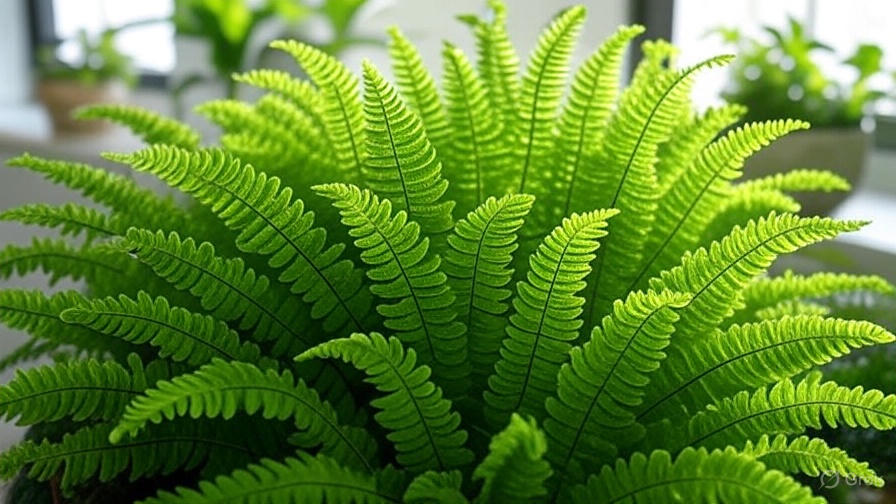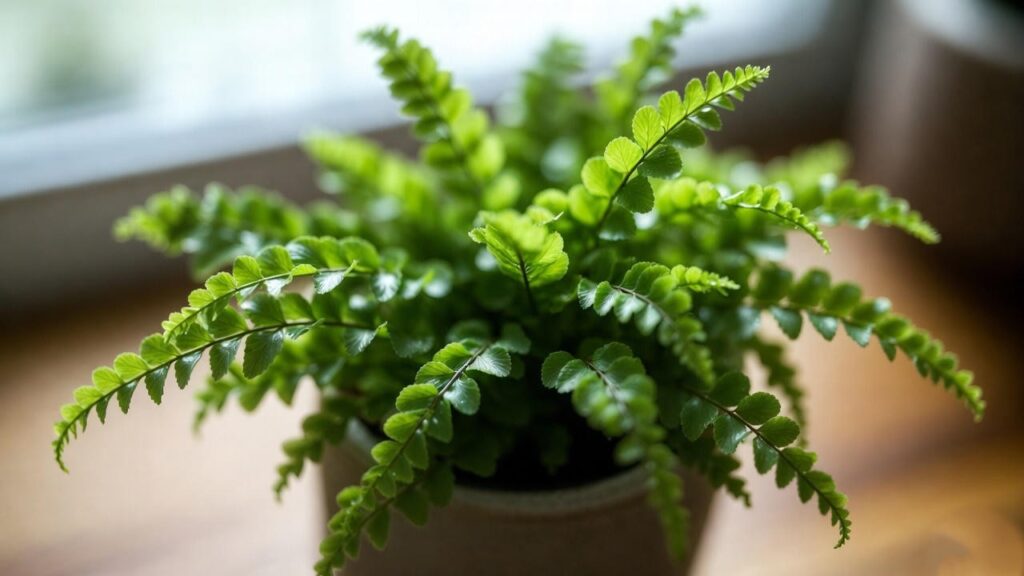

If your macho fern looks leggy, crowded, or constantly stressed—despite proper watering and light—the problem may not be care at all. It’s spacing. Macho fern spacing is one of the most misunderstood aspects of indoor fern care, yet it has a bigger impact on frond size, airflow, disease resistance, and long-term health than most people realize.
Many indoor plant owners assume ferns like to be “packed together” for a lush look. In reality, macho ferns are vigorous, space-hungry plants that need room to breathe, expand, and photosynthesize efficiently. Get the spacing wrong, and you’ll battle yellowing fronds, fungal issues, pests, and disappointing growth. Get it right, and your fern becomes a dramatic, full-bodied statement plant that thrives for years.
This expert guide breaks down exact spacing measurements, container-based recommendations, real-world indoor scenarios, and professional-level insights—so you can confidently space macho ferns for maximum fullness and healthier fronds indoors.
Table of Contents
ToggleUnderstanding Macho Fern Growth Habits (Why Spacing Matters)
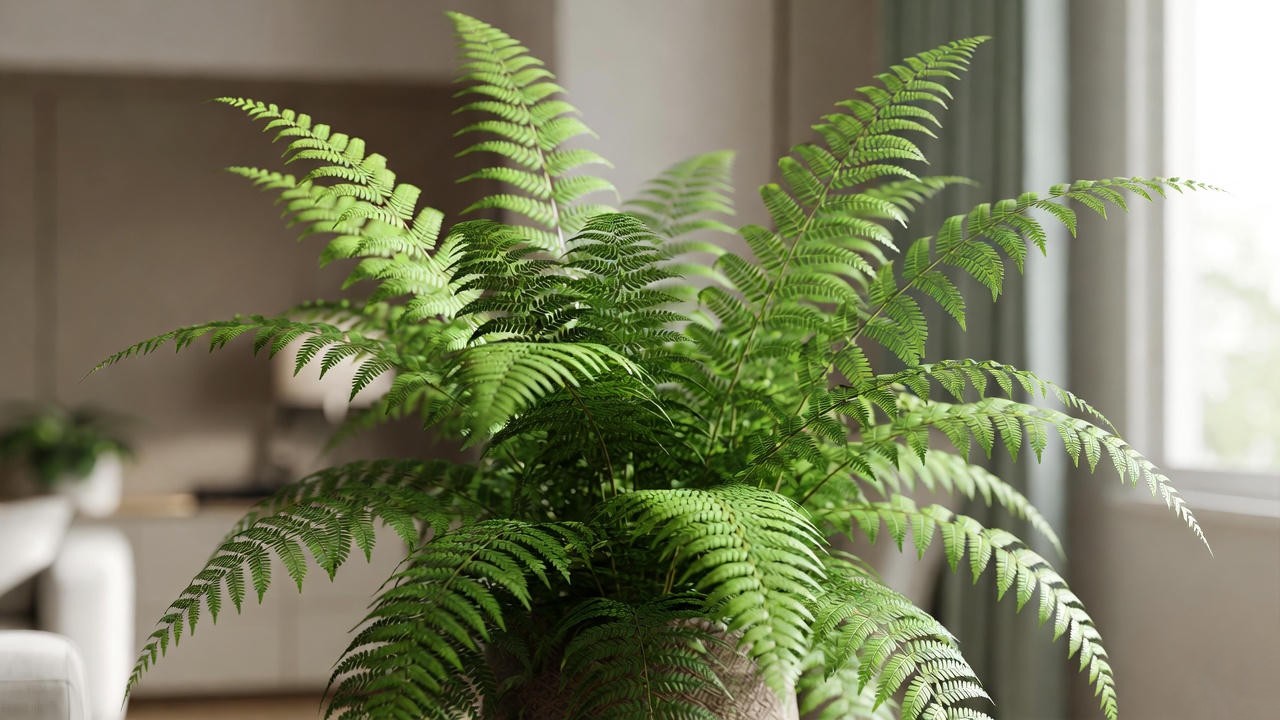
Before talking numbers, it’s critical to understand how macho ferns grow. Spacing only makes sense when you account for the plant’s natural behavior.
What Makes Macho Ferns Different From Other Indoor Ferns
Macho ferns (Nephrolepis biserrata), are not delicate tabletop ferns. They are large, upright-growing ferns with thick crowns and wide-spreading fronds. Indoors, a healthy specimen can easily reach:
-
3–4 feet tall
-
4–6 feet wide when fully mature
-
Dense, arching fronds that radiate outward from a central crown
Unlike compact ferns that tolerate tight quarters, macho ferns expand aggressively from the center. Each new frond needs lateral space to unfurl properly. When crowded, fronds twist, overlap, or remain undersized.
How Improper Spacing Affects Indoor Health
Poor spacing triggers a chain reaction of problems indoors:
-
Restricted airflow → higher risk of fungal disease and mold
-
Overlapping fronds → trapped moisture and pest hideouts
-
Light competition → uneven growth and thinning centers
-
Root congestion → poor nutrient uptake and chronic stress
Spacing is not about aesthetics—it’s about plant physiology. Indoor environments already limit airflow and evaporation. Crowding magnifies those limits.
Ideal Macho Fern Spacing Indoors (Exact Measurements)
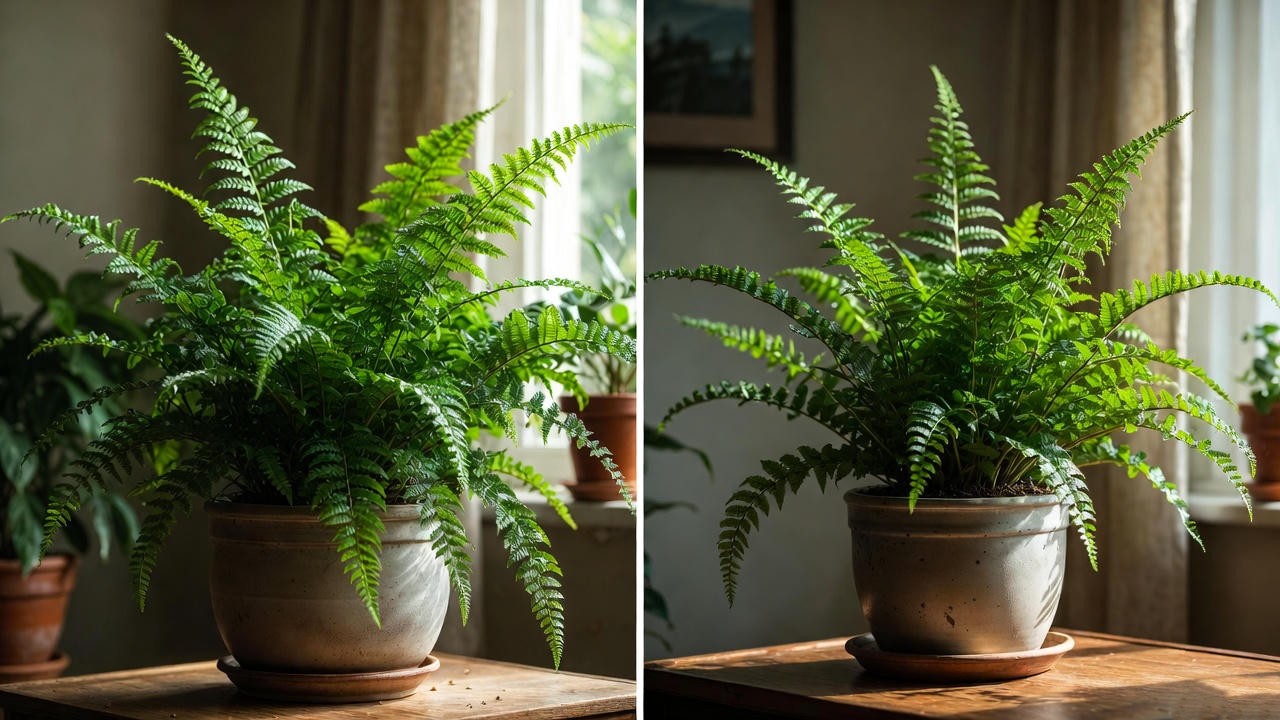
This is the question most people are searching for—and the answer depends on intent, not guesswork.
Recommended Spacing Between Individual Macho Ferns
For indoor planting, use these expert-backed spacing guidelines:
-
Absolute minimum spacing: 24 inches (2 feet) between plants
Only acceptable short-term for young or recently divided plants. -
Ideal spacing for healthy growth: 30–36 inches (2.5–3 feet)
Allows full frond expansion, airflow, and balanced light exposure. -
Showcase spacing for large interiors: 40–48 inches (3–4 feet)
Best for long-term growth, statement plants, and minimal maintenance.
Spacing should be measured from crown to crown, not pot edge to pot edge.
Spacing Macho Ferns in Shared Containers or Planters
Planting multiple macho ferns in one container is risky indoors and should be done cautiously.
-
Small to medium containers: One plant only
-
Large planters (24+ inches wide): Two plants maximum, spaced evenly
-
Avoid three or more plants indoors—root competition becomes severe
If your goal is a “fuller” look, increasing pot size works better than reducing spacing.
Macho Fern Spacing Based on Container Size
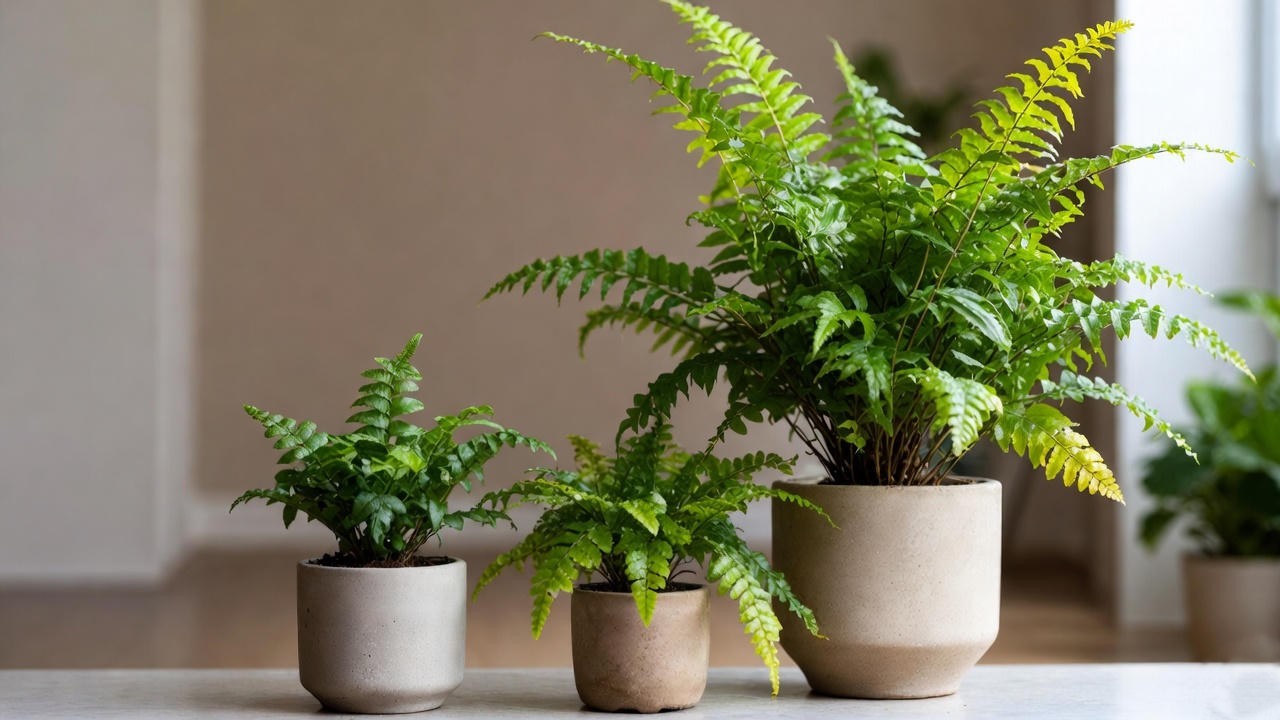
Container dimensions directly determine how much usable root and crown space your fern has.
Small Pots (10–12 Inches)
-
Not recommended for long-term growth
-
Suitable only for young plants or temporary nursery stages
-
Tight spacing quickly leads to root binding and stunted fronds
Expert tip: If your macho fern arrived in a 10–12 inch pot, plan to upsize within 3–6 months.
Medium Pots (14–18 Inches)
-
Acceptable for single plants in apartments or limited spaces
-
Requires careful spacing from walls and other plants (at least 18–24 inches)
-
Monitor airflow closely
This is the minimum size most indoor growers should target.
Large Floor Pots and Indoor Planters (20+ Inches)
-
Ideal for long-term indoor success
-
Supports proper root spread and frond expansion
-
Allows flexible spacing within the room itself
Large containers reduce stress and spacing mistakes dramatically.
Light, Airflow, and Their Role in Proper Spacing
Spacing doesn’t exist in isolation. It must adapt to environmental conditions.
How Light Intensity Changes Spacing Needs
Counterintuitive truth: lower light requires more spacing, not less.
-
Bright, indirect light: Fronds grow compact → slightly tighter spacing acceptable
-
Medium light: Standard spacing (30–36 inches) required
-
Low light: Increase spacing to prevent overlapping and weak growth
Crowded plants in low light stretch unevenly, creating thin, floppy fronds.
Air Circulation and Humidity Considerations
Indoor air is stagnant compared to outdoors. Proper spacing compensates for that.
-
Keep plants away from tight corners
-
Leave space between ferns and walls
-
Avoid grouping macho ferns directly under vents without airflow balance
Spacing improves transpiration efficiency and reduces disease pressure naturally.
Spacing Macho Ferns With Other Indoor Plants
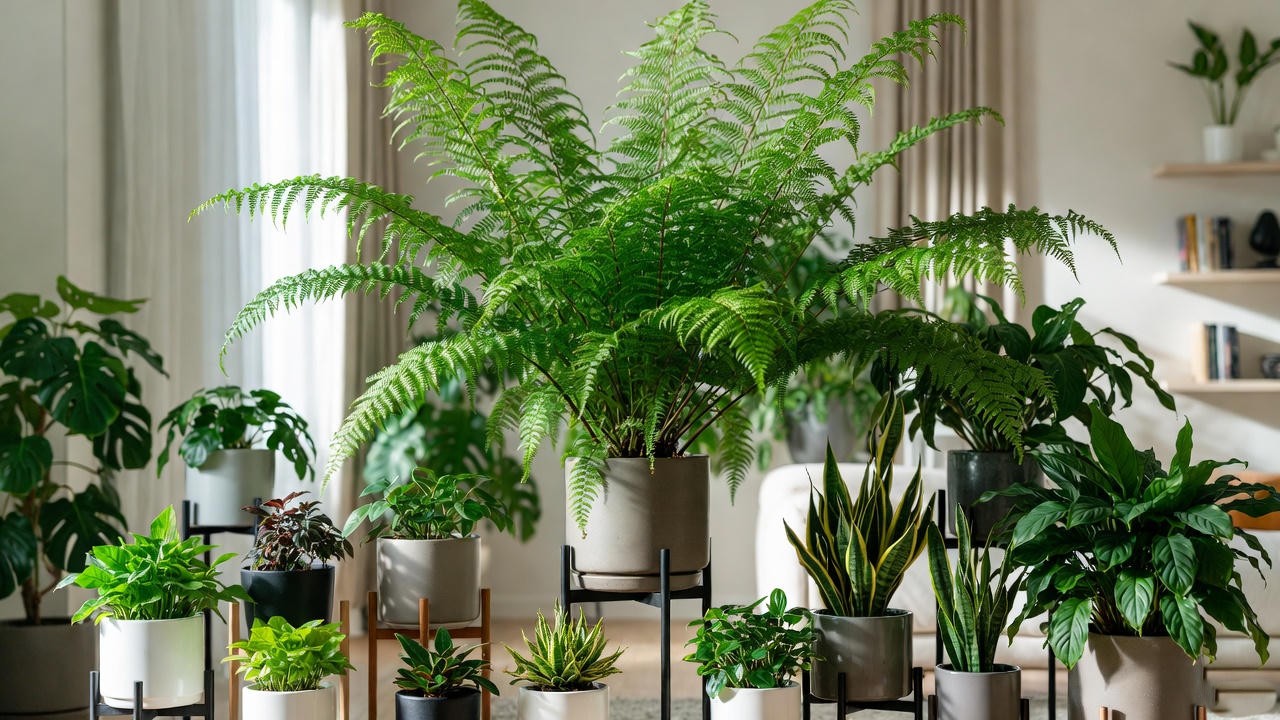
Many indoor gardeners mix macho ferns into plant groupings—often incorrectly.
Companion Plant Spacing Guidelines
Macho ferns pair best with plants that:
-
Have upright or narrow growth habits
-
Don’t shade the fern’s crown
-
Prefer similar humidity levels
Allow 18–24 inches between a macho fern and neighboring plants, more if those plants spread outward.
Designing Mixed Indoor Displays Without Crowding
Instead of crowding horizontally:
-
Use plant stands to stagger height
-
Place smaller plants in front, not beside
-
Let the fern occupy visual space, not physical overlap
This maintains aesthetics without compromising health.
Repotting and Restructuring Spacing Over Time
Spacing is not a one-time decision—it evolves.
Signs Your Macho Fern Has Outgrown Its Space
Watch for:
-
Fronds pressing constantly against walls or furniture
-
Reduced frond size despite proper feeding
-
Roots circling or surfacing
-
Increased pest or fungal issues
These are spacing problems masquerading as care issues.
How to Adjust Spacing During Repotting
When repotting:
-
Choose a container 4–6 inches wider
-
Re-center the crown
-
Increase surrounding clearance in the room
-
Reassess neighboring plant placement
Avoid “just one more plant” in the same pot—it almost always backfires.
Common Macho Fern Spacing Mistakes (And How to Avoid Them)
-
Assuming ferns like crowding
-
Choosing décor over plant biology
-
Ignoring mature size at purchase
-
Using spacing to “fill empty space” quickly
Plants don’t adapt to décor—décor must adapt to plants.
Expert Tips for Fuller, Healthier Macho Ferns Indoors
-
Space generously, then let growth fill the gaps naturally
-
Larger spacing reduces watering frequency mistakes
-
Fertilize lightly but consistently—crowded plants burn easily
-
Rotate pots quarterly to maintain symmetrical growth
Professionals always plan for future size, not current appearance.
Indoor Styling Ideas That Respect Proper Spacing
-
Use negative space as a design tool
-
Let fronds frame windows and furniture naturally
-
Anchor macho ferns as focal points, not fillers
Healthy spacing creates elegance, not emptiness.
Frequently Asked Questions About Macho Fern Spacing
How far apart should macho ferns be indoors?
Ideally 30–36 inches between plants, more for large specimens.
Can macho ferns grow close together?
Only temporarily. Long-term crowding leads to decline.
Is it okay to plant two macho ferns in one pot?
Only in very large containers (24+ inches) with excellent airflow.
How much space does a mature macho fern need indoors?
Plan for a 4–6 foot spread at maturity.
Does spacing affect frond size and color?
Absolutely. Proper spacing produces darker, larger, more upright fronds.
Quick Reference: Macho Fern Spacing Guide
-
Single plant, medium pot: 18–24 inches from other plants
-
Multiple plants: 30–36 inches between crowns
-
Low light: Increase spacing by 20–30%
-
Long-term growth: Always space for mature size
Final Thoughts: Getting Macho Fern Spacing Right
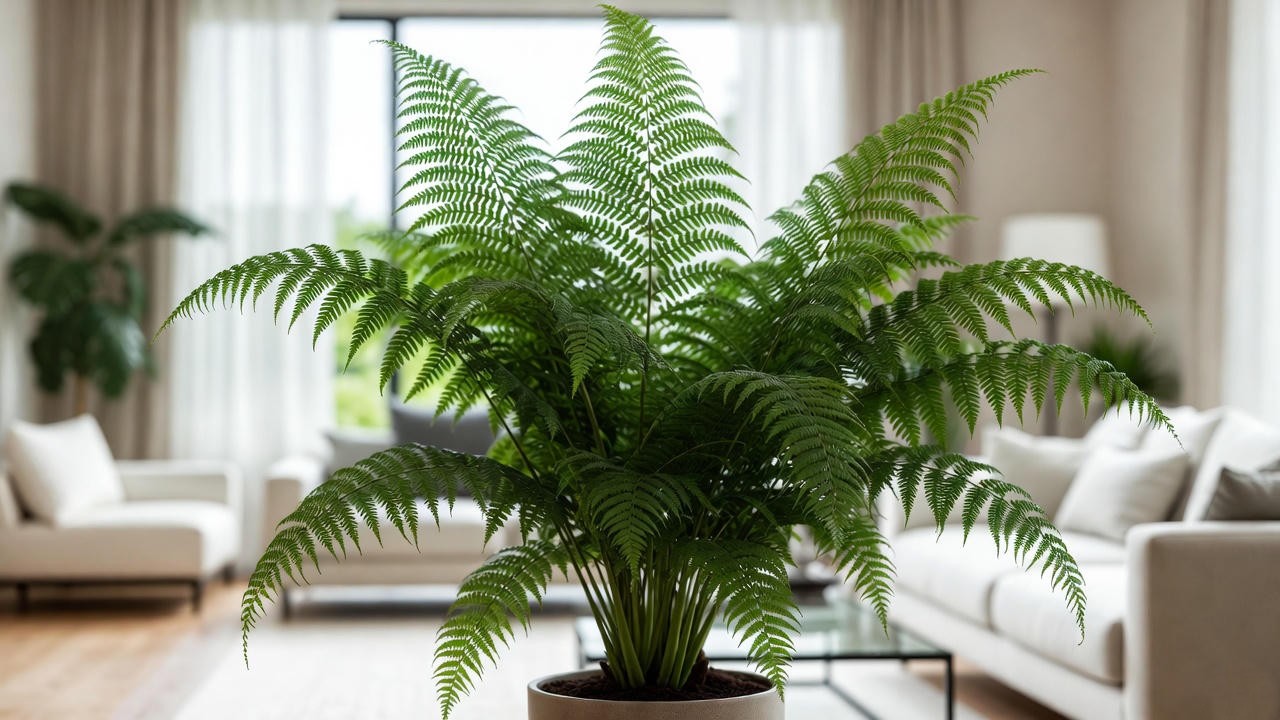
Correct macho fern spacing is the difference between a struggling houseplant and a thriving indoor centerpiece. When you respect the plant’s natural growth habits and plan for the future, everything else—watering, fertilizing, pest control—becomes easier.
Spacing isn’t wasted space. It’s invested space.