Are you looking for a stunning, low-maintenance indoor plant that can bring a burst of color and life to your home? Look no further than the Lemon Meringue Pothos. This easy-to-care-for plant is not only visually captivating with its vibrant, yellow-and-green variegated leaves, but it also purifies the air and thrives in a variety of indoor conditions. Whether you’re a seasoned plant parent or a newcomer, learning how to care for Lemon Meringue Pothos can be a rewarding experience, and this ultimate guide will walk you through everything you need to know.
In this comprehensive article, we’ll explore the essential care requirements, repotting and propagation tips, common issues you may face, and the best ways to style your Lemon Meringue Pothos in your home. With the right care, this stunning plant can become a focal point in your indoor plant collection. Let’s dive in!
What is Lemon Meringue Pothos?
Overview of the Lemon Meringue Pothos Plant
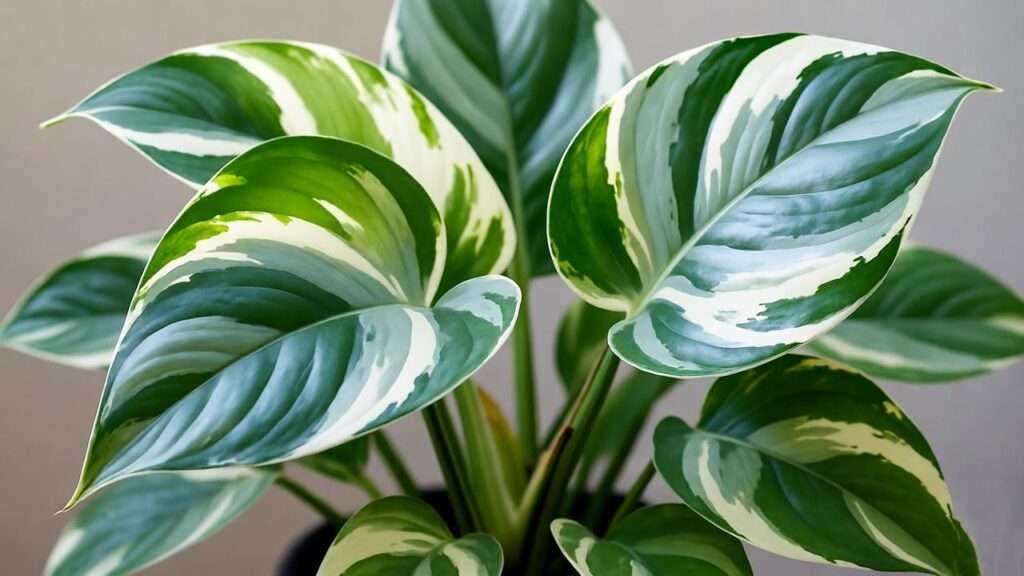
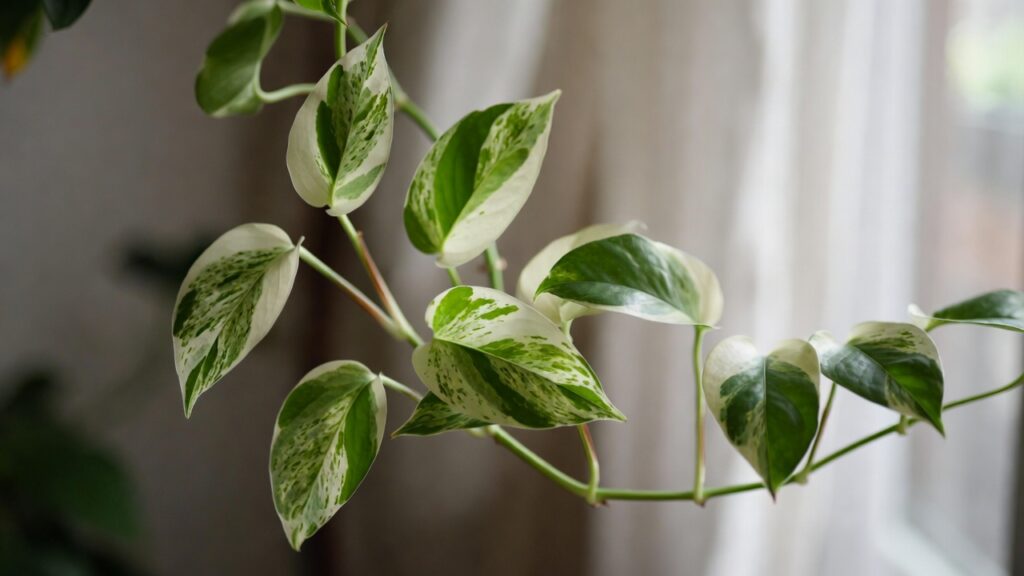
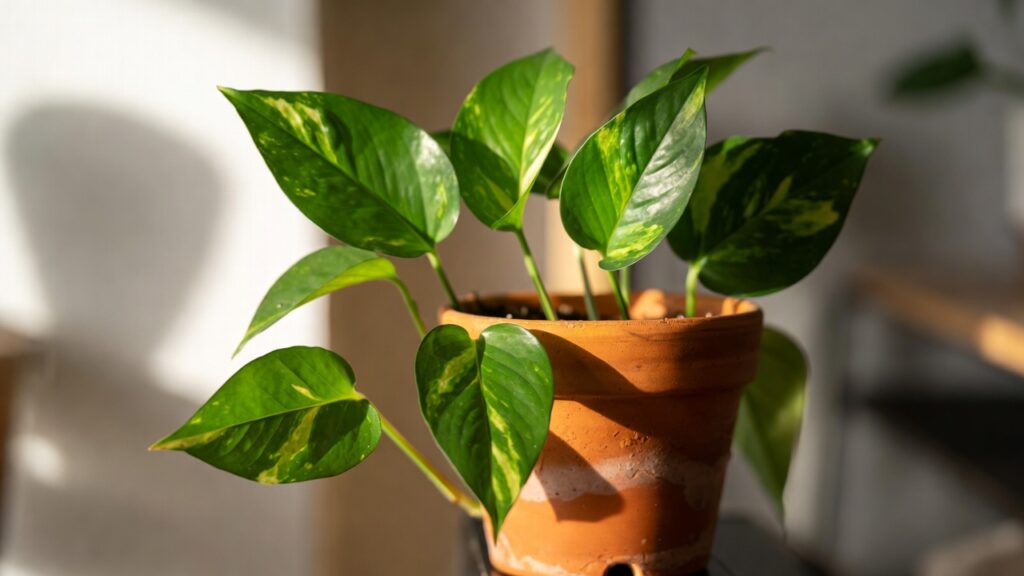
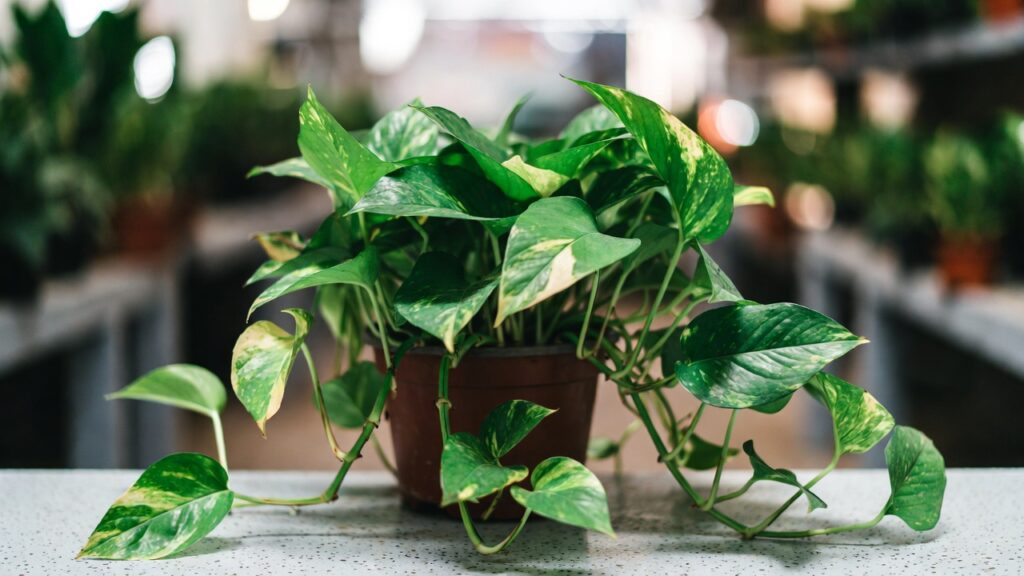
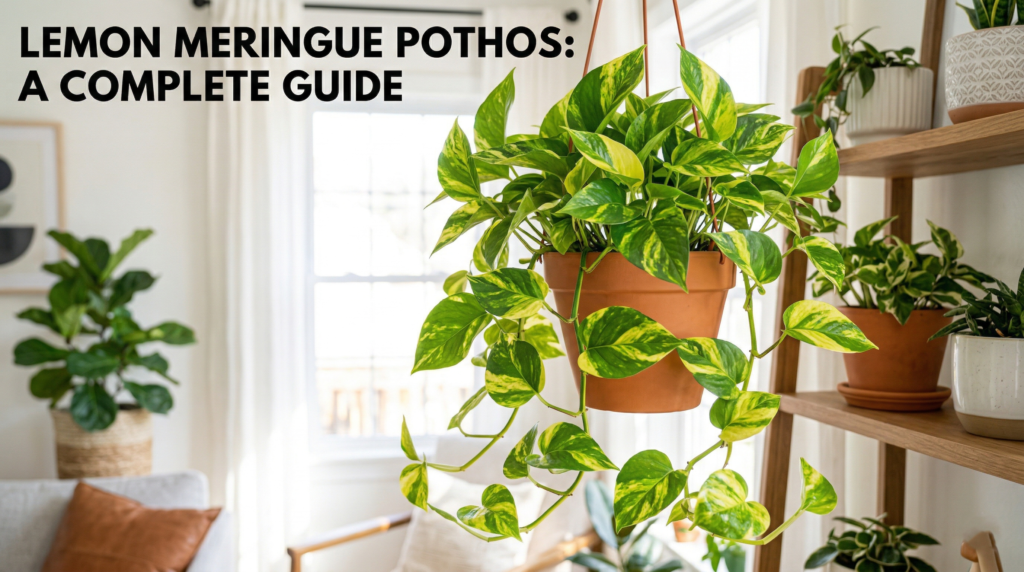
The Lemon Meringue Pothos (Epipremnum aureum) is a stunning variety of the well-known Pothos family. With its unique yellow and green variegated leaves, this plant offers a fresh, vibrant pop of color to any indoor space. The plant’s leaves are heart-shaped, glossy, and feature a beautiful, lemon-colored hue with darker green splashes that resemble a delicious lemon meringue pie.
The Lemon Meringue Pothos is a cultivar of the traditional Golden Pothos, and while it shares many similarities in terms of growth habits, the key differentiator lies in its bright variegation. The plant has become increasingly popular among indoor gardeners due to its striking appearance and low-maintenance care needs.
Why Choose Lemon Meringue Pothos for Your Home?
Not only does the Lemon Meringue Pothos brighten up your home with its cheerful appearance, but it also comes with a wide array of benefits. Here are some reasons why this plant is an excellent choice for your indoor space:
- Low-maintenance: The Lemon Meringue Pothos thrives in a variety of lighting conditions and requires minimal watering, making it perfect for beginners or busy plant owners.
- Air-purifying: Like other Pothos varieties, this plant helps improve indoor air quality by removing toxins such as formaldehyde, benzene, and xylene from the air.
- Versatile: Whether in a hanging basket, on a shelf, or cascading down a trellis, the Lemon Meringue Pothos can fit seamlessly into any interior décor style.
The plant’s resilience and ability to grow in less-than-perfect conditions make it a must-have for indoor plant lovers.
Essential Care Requirements for Lemon Meringue Pothos
Light Conditions for Healthy Growth
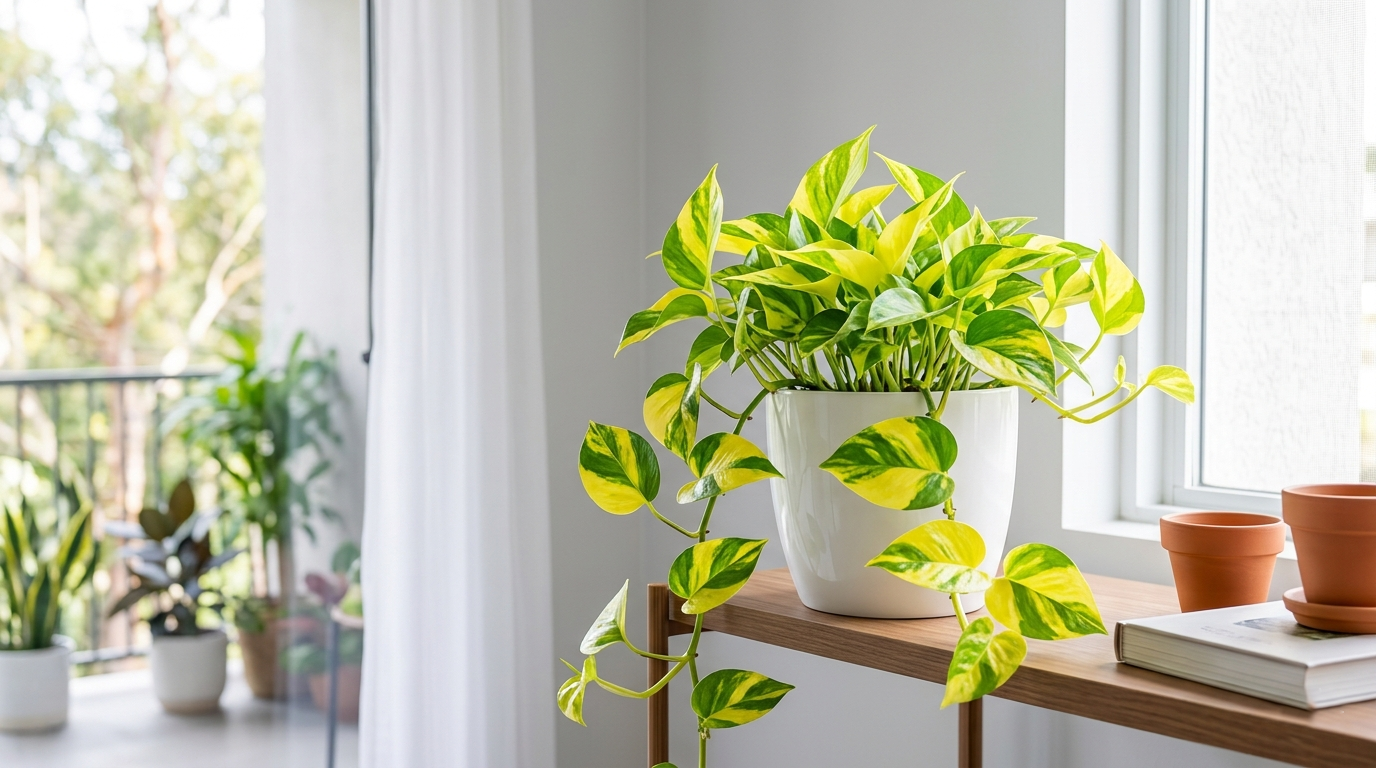
The Lemon Meringue Pothos thrives in bright, indirect light. While it can tolerate lower light levels, its variegation may become less pronounced in dim conditions. For best results, place your plant near a window with filtered sunlight or in a well-lit room. However, avoid direct sunlight, as it can scorch the delicate leaves and cause them to turn yellow or brown.
Signs of Light Stress
- Too much light: If the leaves start showing signs of burning (brown spots or edges), move the plant to a less sunny location.
- Too little light: If the plant becomes leggy, with long spaces between leaves, it may not be getting enough light. In this case, try moving it to a brighter spot.
Watering Needs and Best Practices
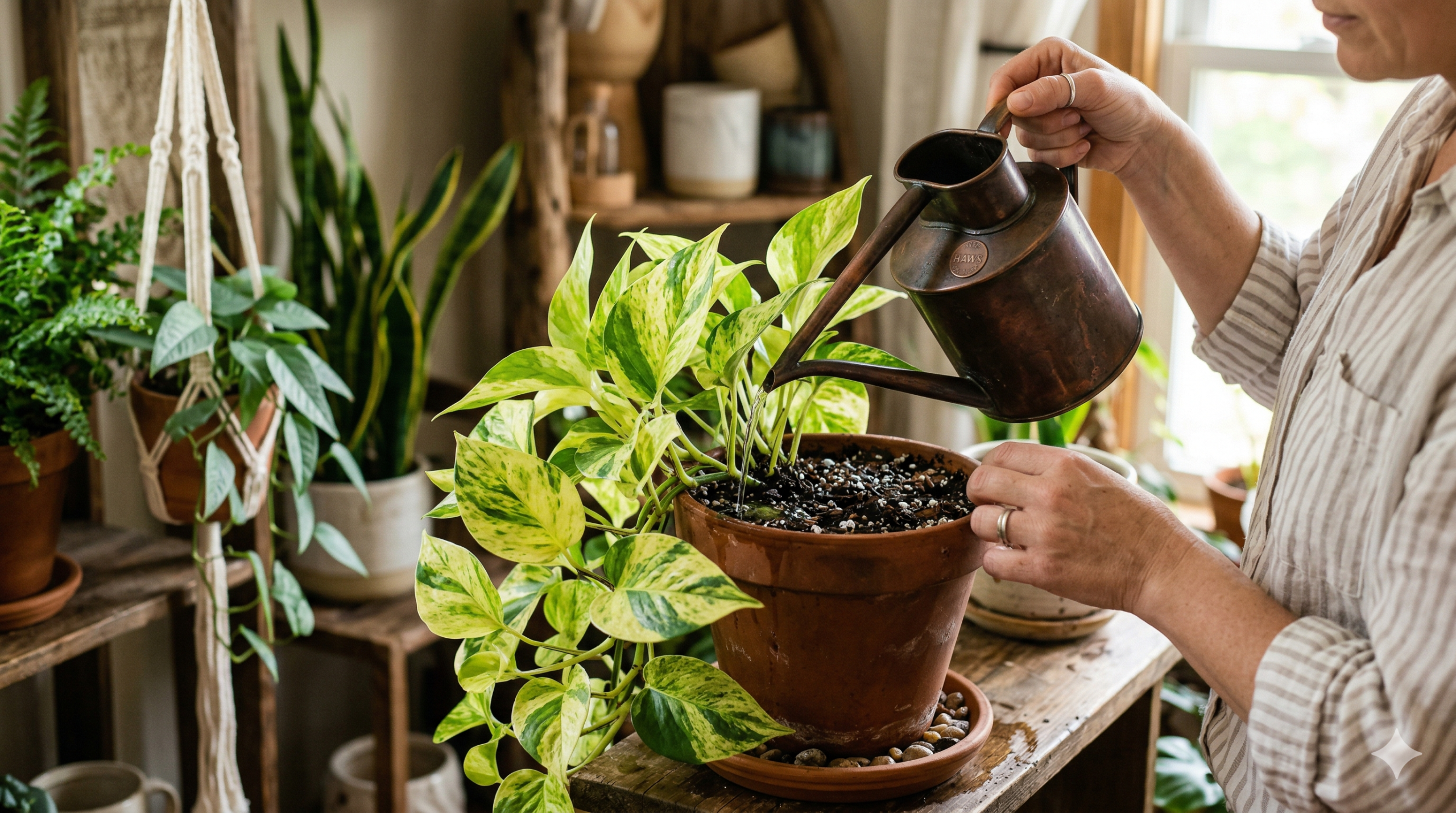
One of the most common mistakes with houseplants is overwatering. Fortunately, the Lemon Meringue Pothos is forgiving when it comes to watering. The key is to let the top 1–2 inches of soil dry out between waterings. Overwatering can lead to root rot, while underwatering may cause the plant to wilt and dry out.
Best Watering Practices:
- Water when the top of the soil feels dry to the touch.
- Ensure that the pot has proper drainage to avoid standing water.
- If you live in a dry climate or have low humidity indoors, you may need to water slightly more often.
Signs of Watering Issues
- Overwatering: Yellowing leaves, soft or mushy stems, and a musty smell around the roots.
- Underwatering: Wilting, brown leaf edges, and crispy leaves.
Temperature and Humidity Requirements
Lemon Meringue Pothos enjoys warm temperatures, ideally between 65°F and 85°F (18°C – 29°C). It’s best to avoid placing it in areas with fluctuating temperatures, such as near air conditioning units, heaters, or drafty windows.
Humidity is also an important factor in maintaining the health of your plant. While it can tolerate average indoor humidity, it will thrive in a more humid environment. If your home is dry, especially during the winter months, consider using a humidifier or placing the plant on a humidity tray.
Repotting and Propagation of Lemon Meringue Pothos
When and How to Repot Your Lemon Meringue Pothos
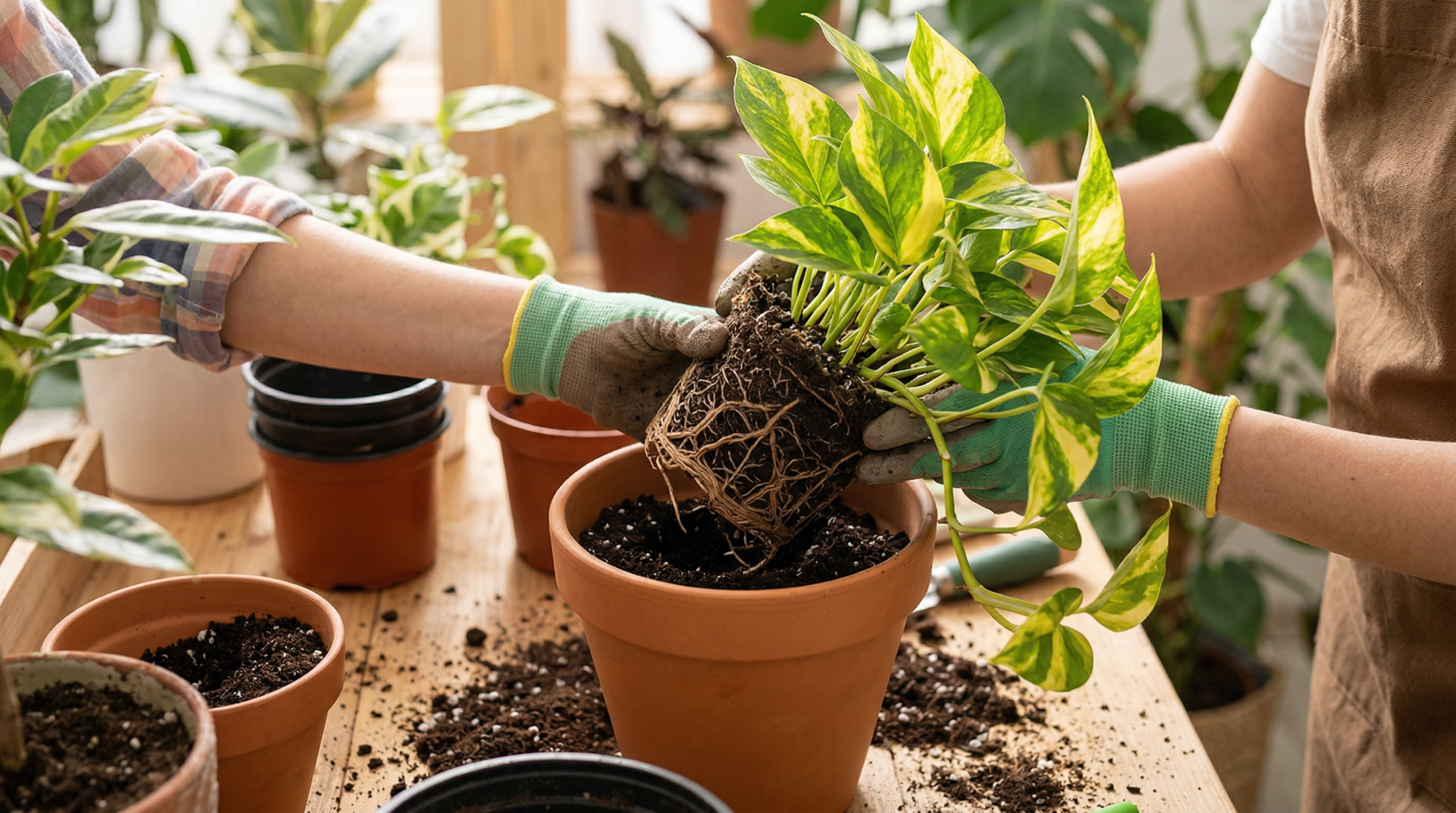
Repotting is an essential part of maintaining a healthy Lemon Meringue Pothos. Typically, the plant should be repotted every 1–2 years to refresh the soil and provide more space for growth. Signs that it’s time to repot include:
- Roots growing out of the drainage holes
- Slow growth or root-bound roots
Repotting Steps:
- Choose a pot that is 1–2 inches larger in diameter than the current one.
- Use a well-draining potting mix (a mix designed for tropical plants or houseplants works best).
- Gently remove the plant from its current pot, being careful not to damage the roots.
- Trim any damaged roots before placing the plant in the new pot.
- Water thoroughly to settle the soil, and place the plant back in its usual location.
Propagating Lemon Meringue Pothos for New Plants
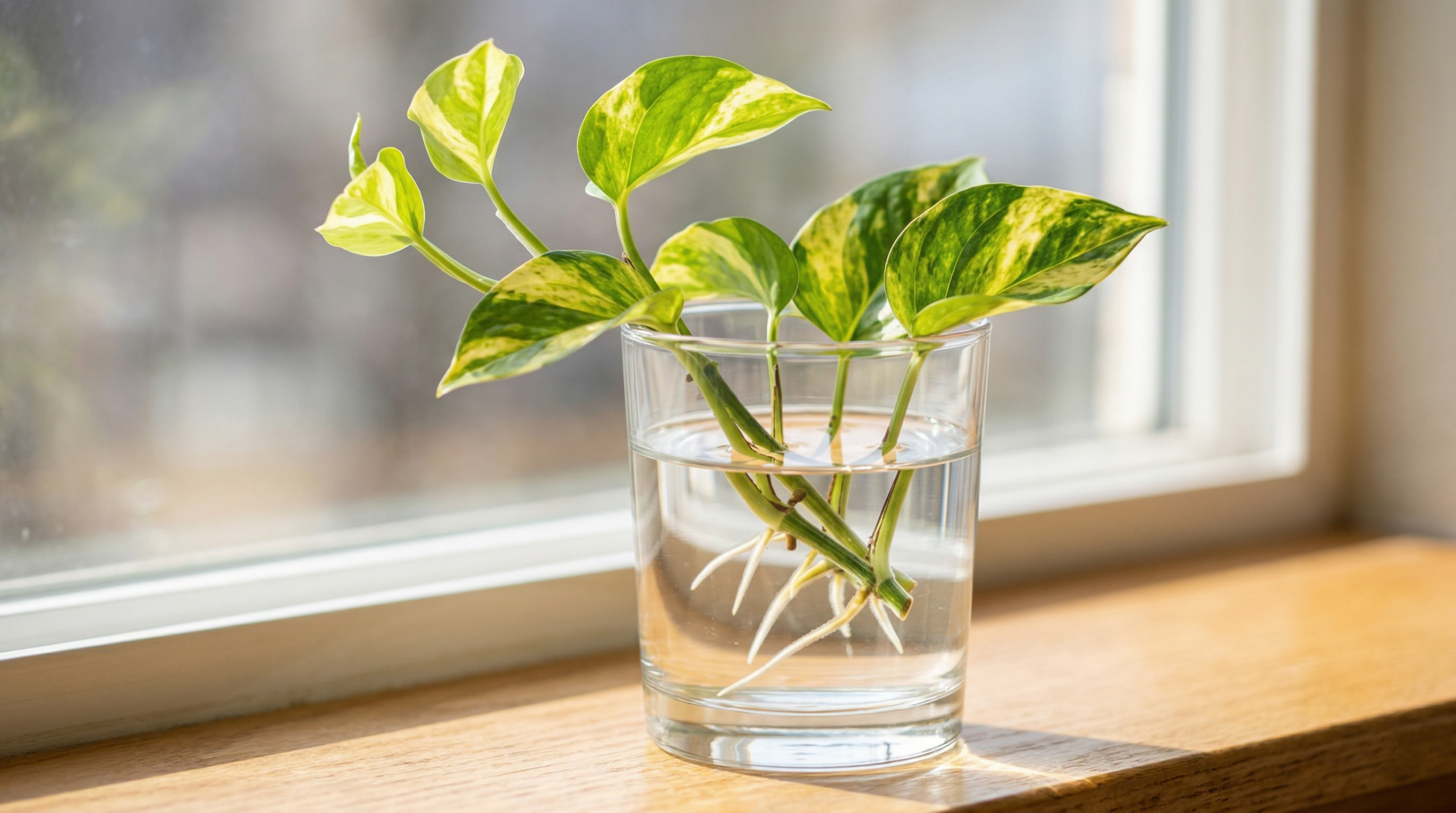
Propagating the Lemon Meringue Pothos is simple and rewarding. Stem cuttings can easily be rooted in water or soil, allowing you to create new plants for your home or share with friends.
How to Propagate:
- Cut a healthy stem with at least two leaves and a node (the small bump on the stem where roots grow).
- Place the cutting in a glass of water, ensuring the node is submerged. Change the water every few days.
- Once roots develop (usually within 2-4 weeks), transplant the cutting into a pot with well-draining soil.
Alternatively, you can root the cutting directly in soil by planting it in a pot with moist potting mix. Keep it in a warm, humid spot to encourage root growth.
Common Issues and Troubleshooting Lemon Meringue Pothos
Yellowing Leaves and What It Means
Yellowing leaves can be a sign of several issues, including overwatering, underwatering, or nutrient deficiencies. If you notice yellowing leaves, check your watering habits first. Ensure the plant is not sitting in soggy soil and that the pot has proper drainage. If overwatering is the culprit, allow the soil to dry out and trim off any affected leaves.
Nutrient deficiencies, particularly nitrogen, can also cause yellowing. To fix this, apply a balanced, water-soluble fertilizer to promote healthy growth.
Pests and How to Prevent Them
The Lemon Meringue Pothos can sometimes fall prey to pests such as spider mites, mealybugs, and aphids. These pests typically appear on the undersides of leaves or along the stems. To prevent an infestation:
- Regularly inspect your plant for pests.
- Use insecticidal soap or neem oil to treat infestations.
- Wipe the leaves with a damp cloth to remove dust and pests.
Dealing with Leggy Growth or Slow Growth
Leggy growth, or slow-growing vines, is a common issue with Pothos plants. This often happens when the plant is not receiving enough light. If your Lemon Meringue Pothos is becoming leggy, move it to a brighter location. You can also prune the plant to encourage new, bushier growth. Pruning regularly will help the plant maintain a full and lush appearance.
Styling Your Lemon Meringue Pothos in Your Home
Best Ways to Display Lemon Meringue Pothos

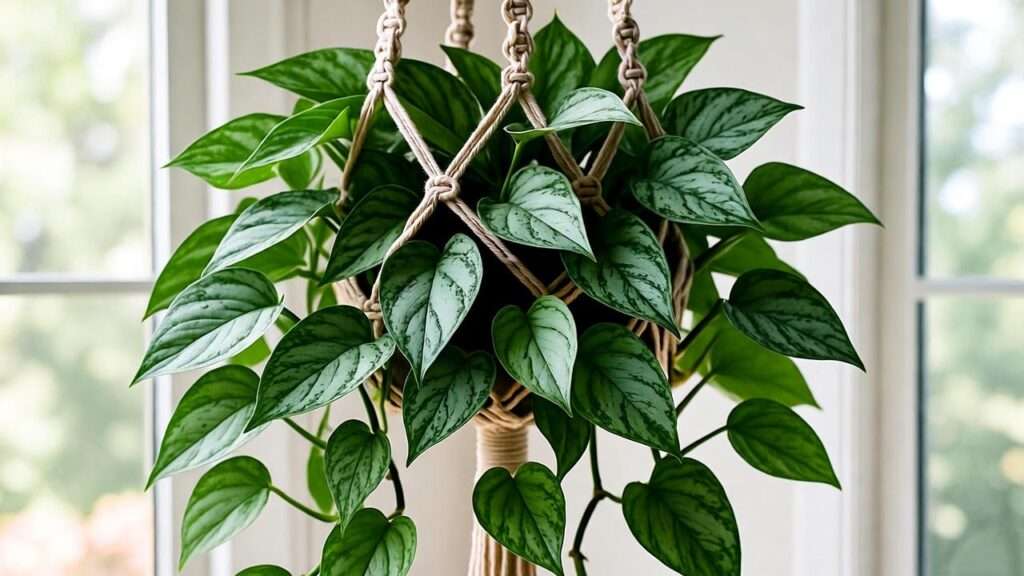
One of the best things about Lemon Meringue Pothos is its versatility in interior design. Whether placed on a shelf, hung in a basket, or trained to climb a trellis, this plant can complement any décor style. The vibrant yellow and green variegation makes it an eye-catching addition to any room.
- Hanging Baskets: Allow the vines to cascade down for a beautiful, flowing effect.
- Plant Shelves: Display multiple Pothos plants on a stylish plant shelf for a tropical vibe.
- Trellis or Stakes: Train your Lemon Meringue Pothos to climb a trellis, creating a striking vertical garden.
Combining with Other Plants
The Lemon Meringue Pothos pairs beautifully with other low-maintenance houseplants. Consider grouping it with other Pothos varieties or tropical plants like philodendrons, ferns, or ZZ plants to create a lush indoor garden.
Expert Tips for Thriving Lemon Meringue Pothos
How to Make Your Lemon Meringue Pothos Thrive
To ensure your Lemon Meringue Pothos stays healthy and vibrant:
- Use a high-quality potting mix with good drainage.
- Fertilize the plant every 4–6 weeks during the growing season with a balanced fertilizer.
- Clean the leaves regularly to remove dust and allow the plant to “breathe.”
- Prune any dead or yellowing leaves to keep the plant looking fresh.
Seasonal Care
During the colder months, the plant’s growth will slow down. Reduce watering slightly and avoid fertilizing during this time. In the warmer months, the plant will actively grow, so provide it with more light, water, and nutrients.
Frequently Asked Questions About Lemon Meringue Pothos
- Can Lemon Meringue Pothos Grow in Low Light?
- While it can survive in low light, its growth will be slower, and the variegation may fade.
- How Fast Does Lemon Meringue Pothos Grow?
- With proper care, this Pothos variety grows relatively fast, especially in the growing season.
- Is Lemon Meringue Pothos Toxic to Pets?
- Yes, like all Pothos varieties, the Lemon Meringue Pothos is toxic to cats and dogs. Keep it out of reach of pets.
Conclusion: Your Lemon Meringue Pothos Awaits
With its stunning, lemon-yellow variegated leaves and easy-care nature, the Lemon Meringue Pothos is an ideal choice for anyone looking to add a burst of color to their indoor space. By following the simple care tips and tricks outlined in this guide, you can enjoy a healthy and thriving plant that will last for years.